







Search Results for: Stone Ocean

Luckin Coffee's collaboration with JoJo's Bizarre Adventure: Stone Ocean on packaging design has sparked heated discussion, with netizens creating their own works to express differing views.
Recently, Luckin Coffee's co-branding campaign with *JoJo's Bizarre Adventure: Stone Ocean* sparked widespread discussion among netizens, especially JoJo fans, before its official launch due to an internal "spoiler" of the packaging design. The collaboration, which had been highly anticipated, left some netizens disappointed because the design style fell short of fans' expectations. However, some netizens found the design acceptable and spontaneously created their own fan art, showcasing more popular DIY versions. This article will provide a detailed recap of the incident and present the diverse reactions and creative designs from netizens. [more…]

Luckin partners with JoJo's Stone Ocean to launch a collaborative new product, a look back at recent cross-industry collaborations by coffee and tea beverage brands.
Luckin Coffee officially announced on September 23 a collaboration with *JoJo's Bizarre Adventure: Stone Ocean* for October, launching themed events across its nationwide stores. This is not Luckin's first crossover; previous partnerships with Coconut Palm and EDG both sparked heated discussion. Looking across the coffee and tea beverage sector, Manner's collaborations with Helena Rubinstein and LV, Heytea's tie-in with *A Dream of Splendor*, and Nayuki's partnership with *Love Between Fairy and Devil*—brand co-branding has become an important strategy for breaking fixed impressions and achieving customer base complementarity. This article reviews several recent typical cases and includes Front Street Coffee's professional communication channels for coffee enthusiasts to gain deeper insight into industry trends. [more…]

Luckin's Cheese Latte collaboration with JOJO breaks first-sale records, as anime IP marketing becomes the new battleground for coffee
Luckin Coffee's Raw Cheese Latte, launched in collaboration with JoJo's Bizarre Adventure: Stone Ocean, broke new product first-sale records the moment it hit the market, selling 1.31 million cups in a single day, surpassing 6.59 million cups in total sales within 7 days, and dominating discussions across major social platforms. This coffee, marketed for its cheesy aroma, stands clearly apart from the Raw Coconut Latte and Thick Milk Latte, and has also sparked both celebration and controversy among JoJo fans. From product development to IP selection and the pacing of its marketing rollout, Luckin's collaboration can be considered a textbook example of creating a hit. This article will offer a comprehensive analysis of why this Raw Cheese Latte went viral, from the perspectives of sales data, flavor innovation, fan feedback, and ACG marketing trends. [more…]

Luckin's Raw Cheese Latte May Gradually Exit the Market, Sold Out in Stores While Fans Reluctant to Let Go
Recently, news has circulated on social media that Luckin's Raw Cheese Latte is about to be discontinued, sparking reluctance among many fans. According to employees, there is no unified discontinuation date for the product; each store will naturally stop selling it once existing materials are used up, mainly due to sluggish sales and excessive waste. The Raw Cheese Latte was once the 2022 Latte Public Test Champion, becoming popular for a time with its unique cheesy milk flavor, and also achieved impressive results through a collaboration with *JoJo's Bizarre Adventure: Stone Ocean*. However, Luckin's rapid pace of new product launches and continuous expansion of its product line have diluted the share of classic items. For consumers who love cheese flavors, employees suggest turning to the still-available Mascarpone Raw Cheese Latte. [more…]
Costa Rica Las Piedras Estate Blueberry Coffee Beans: Full Analysis of Anaerobic Heavy Honey Processing Flavor and Variety
Costa Rica, with its diverse microclimates and volcanic soils, became one of the first countries in Central America to cultivate coffee. Piedra Grande Estate, located in the Brunca region in the south, takes its name from the indigenous "secret stone spheres" unearthed nearby. At an altitude of 1,400-1,700 meters, the mixed red and gray clay soil gives the coffee high density and excellent sweetness. The estate grows two varieties, Bourbon and Catuai, and employs anaerobic heavy honey processing: first low-temperature anaerobic fermentation, then 20-25 days of raised-bed drying and greenhouse resting, and finally aging the beans to 11% moisture content. Front Street Coffee's Piedra Grande Blueberry coffee presents a flavor profile of rose, blueberry gummy candy, fermented notes, and mint, making it well worth savoring for coffee enthusiasts. [more…]
Panama Firestone Estate Coffee Flavor Analysis: Catuai Variety Characteristics and Front Street Pour-Over Parameters
Panama, as a specialty coffee-producing country, is renowned for the coffee grown in the Boquete region of Chiriquí Province in its west. The honey-processed Catuai from Finca El Fuego, with its complex flavors of lemon, orange, cranberry, and green tea, along with soft floral notes and a lingering sweet finish, has become a favorite among many coffee lovers. This article will guide you through the origins and characteristics of the Catuai variety, outline Panama's main coffee-producing regions, and share Front Street Coffee's pour-over brewing recipe for this bean, covering grind size, water temperature, and pouring rhythm step by step, helping you recreate a clean and smooth Panamanian flavor at home. [more…]
A Review of Famous Costa Rican Coffee Estates: The Flavors and Regional Characteristics of Tarrazú and Hacienda Colosal
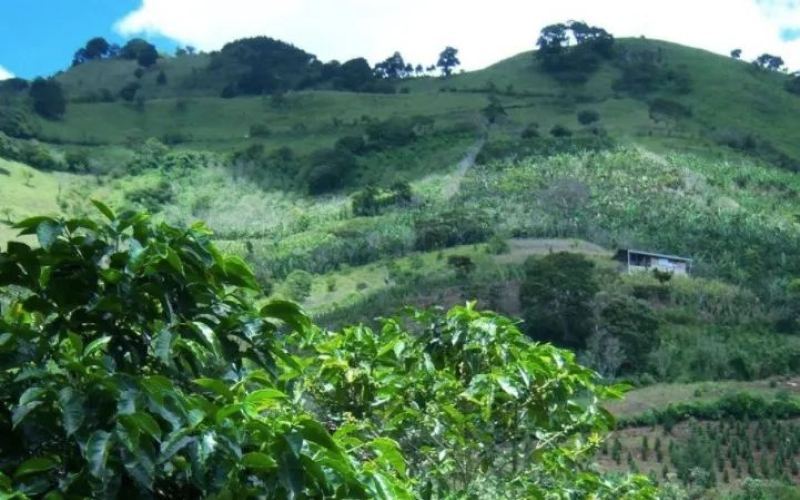
In Spanish, Costa Rica means "rich coast." Volcanic soil, Pacific Ocean currents and monsoons, and mountains at varying elevations together create unique microclimates that provide superior conditions for coffee cultivation. After coffee beans were introduced from Cuba in the early 18th century, the country became the first in Central America to grow coffee and the first to cultivate it on a large scale because of its commercial value. A relatively strong economic foundation, together with government policy support for high-quality Arabica, has kept Costa Rica's coffee industry among the world's leaders for a long time. This article reviews Costa Rica's representative coffee estates, focusing on the Tarrazu region and the巨石 Estate in the Brunca region, and includes Front Street Coffee's daily-drink bean recommendations to help you understand the flavor characteristics of these regions. [more…]
Ecuador Galapagos Islands Specialty Coffee: A Complete Analysis of the Flavor and History of the San Cristobal Region
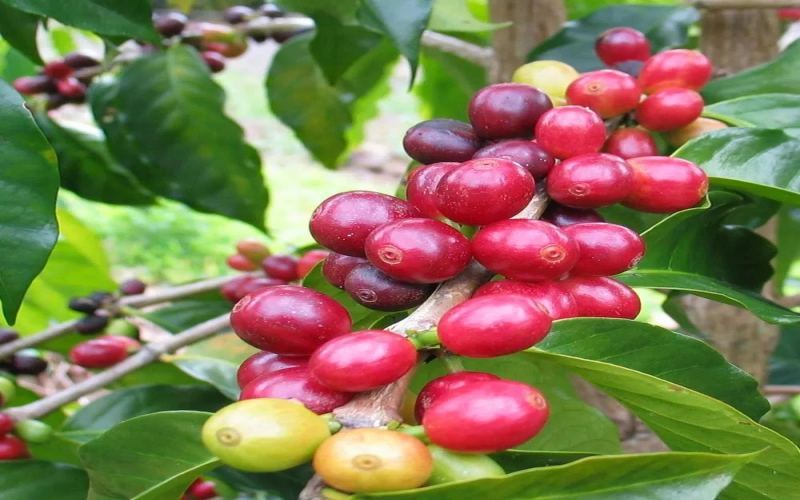
In South America, Ecuador is one of the few countries that produces both Arabica and Robusta coffee beans. The country's finest coffee comes from San Cristóbal Island in the Galápagos Islands. This place has a unique maritime climate and volcanic soil, combined with freshwater streams rich in minerals, providing exceptional conditions for coffee cultivation. From the establishment of the Hacienda coffee plantation by Cobos in the 19th century to the expansion of cultivation by the González family, San Cristóbal coffee has gone through ups and downs, and today it is known for being organic and for its floral and fruity aromas with caramel sweetness. This article will take you on an in-depth look at the history and flavor characteristics of this producing region, along with brewing suggestions from Front Street Coffee. [more…]
Costa Rica's Las Piedras Estate Black Honey Process Coffee Beans: Variety, Flavor, and Front Street Brewing Analysis
The black honey processed coffee beans from Costa Rica's Giant Stone Estate are a specialty bean that Front Street Coffee has long carried. As the grade of honey processing that retains the most mucilage, black honey processing involves longer fermentation and drying periods, bringing a delicate vinous aroma and rich sweetness, but even a slight lapse in management can easily lead to over-fermentation, making labor costs quite high. Giant Stone Estate is located in the Brunca region of southern Costa Rica, named after the nearby excavated indigenous stone sphere relics, with diverse microclimates. This article will provide a complete analysis of this bean's flavor code and brewing key points, from the estate's background, the characteristics of the Caturra and Catuai varieties, the principles of honey processing, Front Street's roasting curve, and cupping flavors to pour-over parameters. [more…]
Panama Hacienda La Esmeralda Diamond Mountain Coffee Flavor Analysis: Terroir, Variety Processing Methods, and Cupping Performance
Panama is located at the strategic isthmus of Central America. The completion of the Panama Canal not only facilitated shipping and trade, but also brought advanced agricultural technology from Europe and the United States to this land. Specialty coffee is mainly concentrated in the northern region near Costa Rica and bordering the Pacific Ocean, with Boquete, David, Remancimiento, Bugaba, and Volcán in Chiriquí Province being the core producing areas. Front Street Coffee's Panamanian coffee has always been known for its mild to bright acidity and lingering sweetness, with an impressive honeyed floral sweetness interwoven with citrus, jasmine, almond, and mango. In the third wave of coffee, Hacienda La Esmeralda is undoubtedly the most legendary famous Panamanian estate, having won numerous awards since 2004, and after starting independent auctions in 2008, it has continuously set record-breaking prices. In addition to its top auction lots, the estate has also launched many accessible series, and Diamond Mountain is one of them. This article will interpret Diamond Mountain in terms of its producing area conditions, variety processing, and flavor performance. [more…]
A Detailed Explanation of the Flavor Differences Between African and American Coffee Beans: Regional Characteristics and Processing Method Influences from Yirgacheffe to Costa Rica
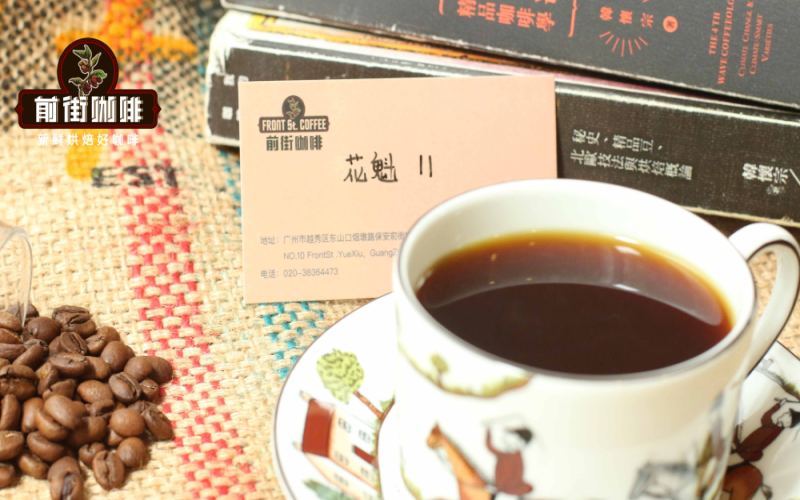
The world of coffee flavors is like a rich and colorful scroll, with African beans and American beans each painting a completely different taste landscape. African beans, thanks to high altitudes and unique processing methods, bloom with a fascinating interweaving of floral and fruity aromas, and are deeply sought after by enthusiasts who prefer coffee with acidity; American beans, on the other hand, are known for their balanced mouthfeel, with the sweet aromas of caramel and stone fruits leaving a lingering aftertaste. This article will systematically sort out the flavor characteristics, variety information, and processing techniques of classic producing regions such as Ethiopia Yirgacheffe, Limu, Burundi, as well as Costa Rica and Honduras, while retaining relevant recommendations from the Front Street brand, to help coffee enthusiasts more clearly understand the differences and charm of the two major producing regions. [more…]
Exploring Costa Rica's Diamond Mountain Estate: Classic Coffee Flavors and Honey Processing in the Tarrazú Region
Costa Rican coffee was introduced from Cuba in 1779 and began to be exported in 1820, giving it a history of more than two hundred years. The country is dotted with volcanoes, and its climate is regulated by both the Pacific and Atlantic ocean currents, nurturing a classic coffee flavor that is balanced, clean, and mild. Among the seven major producing regions, Tarrazu is renowned for its outstanding geographical conditions and meticulous cultivation management. Finca Montanas del Diamante is located in the Dota Valley of Tarrazu, at an altitude of 1,750 to 1,850 meters, where it grows the Red Catuai variety, with the Gutierrez family managing 50 hectares of coffee plantations. This article will guide you through the cultivation background of Costa Rican coffee, the honey processing trend, and the flavor performance of Front Street Coffee's selected batch from Finca Montanas del Diamante. [more…]

Comparison of Panama and Guatemala Geisha Coffee Beans: An Analysis of Terroir, Estate Stories, and Flavor Differences
Geisha coffee traveled from the forests of Ethiopia to the world; Panama's Hacienda La Esmeralda made it famous overnight, while Guatemala's El Injerto estate has also cultivated highly anticipated Geisha lots. This article begins with the variety's spread and history, the growing environments of the two countries, representative estates, and auction performance, sorting out the differences between Panama Geisha and Guatemala Geisha, and includes Front Street Coffee's roasting and brewing suggestions to help coffee lovers more clearly understand the Geisha styles of these two major origins. [more…]
Costa Rican Coffee Bean Flavor Analysis: Honey-Processed Strictly Hard Bean Pour-Over Techniques and巨石 Estate Blueberry
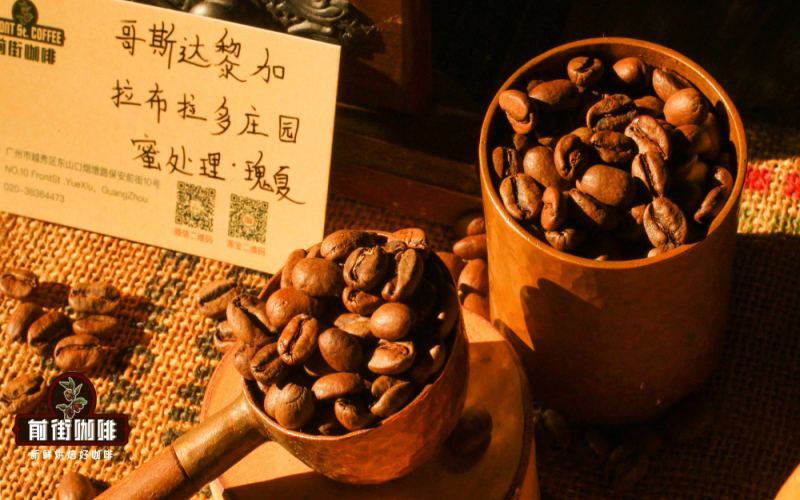
Costa Rican coffee is famous for its honey processing and extremely hard beans, and Front Street Coffee brings you a selection of representative beans. This article approaches the topic through the three major processing methods—washed, natural, and honey—analyzing the basic structure and flavor formation of Costa Rican coffee, with a focus on Tarrazu washed beans and the Blueberry Anaerobic Heavy Honey processed beans from Hacienda El Monstruo. It also explains in detail Costa Rica's raw bean grading standards by altitude, as well as hand-brewing parameter recommendations for high-altitude SHB extremely hard beans, including the V60 dripper, water temperature, coffee-to-water ratio, and three-stage extraction technique, helping coffee lovers brew a rich fruity layering. [more…]
Brewing Parameters and Origin Flavor Analysis of Costa Rica's巨石 Estate Anaerobic Black Honey Process Coffee Beans
Costa Rica, as the first country in Central America to cultivate coffee, has given rise to numerous specialty coffees thanks to its volcanic soil and microclimates. Located in the Brunca region, Hacienda Colossal is known for its anaerobic heavy honey processing method and Bourbon and Catuai varieties, with high-density beans and outstanding sweetness. The Hacienda Colossal Blueberry coffee beans brought by Front Street Coffee this time are a typical representative of this terroir. This article will review its regional background, variety characteristics, and processing techniques, and share Front Street's roasting records, cupping reports, and specific brewing suggestions, including V60 dripper, 90°C water temperature, 1:15 coffee-to-water ratio, and other parameters, providing coffee enthusiasts with a complete brewing reference. [more…]
Analysis of Water Volume for 15g Pour-Over Coffee: Front Street Coffee Nicaragua High-Grown Extremely Hard Bean Full Berry Process Caturra Flavor and Brewing Guide
How much water should 15 grams of coffee grounds be paired with for pour-over coffee? This article uses Front Street Coffee's Nicaragua high-grown extremely hard bean full berry process Caturra as an example to provide a three-stage pouring plan with 225 grams of water. Although Nicaragua has long been overlooked by Taiwan's coffee scene, its growing conditions are no less favorable than those of other Central American countries. Its coffee is known for being clean and balanced, with light roasts being clean and bright, and dark roasts being sweet and full-bodied. Jinotega, Matagalpa, and Segovia are high-quality producing regions. This Caturra is full of fruit aroma and rich fruit acidity throughout, combining Central American elegance with African boldness. The article also includes complete information on variety, producing region, altitude, processing method, and brewing parameters. [more…]
How to Describe Coffee Flavors? A Comprehensive Analysis of Flavor Characteristics of Major Coffee-Producing Countries and Regions Worldwide
Even coffee from different plots within the same estate can vary in flavor, let alone regions spanning different countries. The three major specialty coffee regions—Asia, Africa, and the Americas—each display distinctly different regional characteristics due to their unique terroir. Ethiopia's floral and citrus notes and the rich, full-bodied character of Asian coffees each have their own following. When recommending single-origin beans to customers, Front Street Coffee matches them based on taste preferences—those who prefer acidity can choose Front Street Kenya Small Tomato or Front Street Yirgacheffe, while those who enjoy a full-bodied cup can try Front Street Jamaica Blue Mountain or Front Street Golden Mandheling. Front Street currently offers more than 200 specialty coffee beans, and every bean has undergone repeated roasting tests and cupping screenings, only being recommended to consumers after confirming it is representative of its region. The following content is a coffee flavor guide compiled by Front Street after multiple rounds of roasting and cupping of common coffee regions around the world. [more…]

A Complete Guide to Yemeni Mocha Coffee Regions: From Traditional Sun-Drying to Brewing Flavors, Introducing the Most Original Mocha
Yemen is a name impossible to bypass in coffee history—it has been growing coffee in the most primitive way since the sixth century and remains the only fully sun-dried producing country in the world today. The mocha coffee produced here once captivated seventeenth-century Europeans and became the original meaning of the word "mocha." This article takes you into Yemen's coffee world: from the rise and fall of the port of Mocha, to the flavor differences among classic producing regions such as Mattari, Sanani, and Ismaili; from the agricultural predicament under the double assault of khat and drought, to farmers turning berries on the rooftops of stone houses in the ancient sun-drying method. We will also share Front Street Coffee's roasting curve and brewing parameters for the V60, cake cup, and KALITA three-hole dripper to help you fully understand this complex and wild coffee. [more…]
Costa Rica Coffee Brewing Guide: Honey Process Flavor Analysis and Finca El Roca Blueberry Bean Review
Costa Rican coffee occupies an important position in the Central American specialty coffee landscape thanks to its high-altitude volcanic soil and innovative processing methods. Starting from Front Street Coffee's everyday bean—the washed Tarrazú—this article sorts out Costa Rica's eight major producing regions and green bean grading standards, and focuses on analyzing how honey processing gives coffee greater sweetness. It also presents the complete profile of the recently launched Blueberry coffee beans from Hacienda El Roble, along with a three-pour hand-brewing recipe tailored to high-altitude SHB strictly hard beans, including specific parameters such as V60 dripper, water temperature, coffee-to-water ratio, and grind size, helping coffee enthusiasts recreate a rich fruity layering at home. [more…]
Front Street Coffee Panama Firestone Estate Honey-Processed Catuai Flavor Analysis and Pour-Over Parameters Explained in Detail
The honey-processed Catuai from Panama's Fuego Estate is one of Front Street's most distinctive single-origin beans. It comes from the Solo Fuego producing region and is medium-roasted. In cupping it shows a complex profile of lemon, orange, cranberry and green tea, with rich fruit acidity, prominent sweetness, an even and smooth body, and a long, lingering finish accompanied by gentle floral notes. Catuai itself is a cross between Caturra and Mundo Novo, with a short stature, resistance to wind and rain, and firm fruit, and is widely planted in Central America. This article will outline the producing region background and variety characteristics of this bean, and provide Front Street's specific pour-over parameters, including coffee dose, grind size, water temperature, pouring rhythm and extraction time, for coffee lovers to reference and replicate. [more…]