







Search Results for: Steep Time
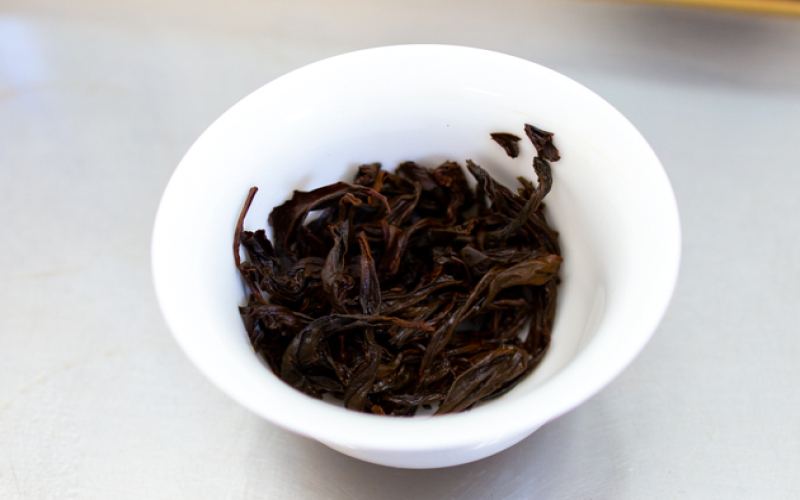
How many times can Lapsang Souchong Congou black tea be repeatedly brewed? The finer points of tea quantity for two and water quality
How many times can Zhengshan Xiaozhong Gongfu black tea actually be re-steeped? And for two people, how many grams of tea leaves should be weighed out? The answer lies in the water used, the tea-to-water ratio, and the rhythm of pouring. This article begins with water treatment, explaining why mineral water or mountain spring water is preferable, why tap water must be boiled to remove chlorine, and how scale and frequent water changes affect the taste of the tea; it then gives the general ratio of 40 milliliters of water to 1 gram of tea, and demonstrates the steps of warming the vessel, adding the tea, and a one-minute first steep. The key point is that after the second steep, almost no covered steeping is needed—simply letting boiling water skim over the leaves is enough, and only in this way can six consecutive steeps still carry flavor. The same principle applies to Front Street black tea. [more…]
What Are the Advantages of Cold Brew Coffee? Two Methods—Cold Brew and Ice Drip—Plus Front Street Kenya Bean Recommendations
On a hot summer day, a refreshing glass of iced coffee is a favorite for many enthusiasts. Cold brew coffee, with its soft and sweet flavor brought by low-temperature extraction, is gaining favor with more and more people. But did you know? Cold brew actually comes in two截然不同 methods: cold steep and ice drip. This article provides a detailed analysis of the principles, brewing steps, and flavor differences of these two cold brew methods, and shares the coffee-to-water ratios, grind sizes, and extraction times that Front Street Coffee (FrontStreet Coffee) has summarized through in-store practice. In addition, it recommends a Kenya Asaliya coffee bean suitable for making cold brew, helping you understand how the K72 washed processing method and the SL28 and SL34 varieties create a bright and clean acidity, so you can make a refreshing summer cold brew at home too. [more…]

Iced Coffee Beginner's Guide | For Kenyan Cherry Cold Brew, should you steep at room temperature or in the fridge? How long should cold brew coffee steep? How do you make cold drip coffee?
For more professional coffee knowledge and more coffee bean information, please follow Front Street Coffee (FrontStreet Coffee). As handsome guys and pretty girls living in cities like furnaces, cold drinks are a must-have in the fridge. Cold brew coffee can satisfy both the handsome guys' and pretty girls' craving for cold drinks and their desire for coffee. [more…]
Is Blue Mountain Coffee Suitable for Cold Brew? A Full Breakdown of Bean Selection, Grinding, Ratio, and Steeping Time for Cold Brew Coffee
Cold brew coffee is divided into two types: cold water immersion and ice drip, both of which use low-temperature water for extraction throughout the process. Large bitter-tasting molecules are not easily released, while sugars and organic acids dissolve more fully, so the mouthfeel is often more balanced. However, bean selection, grind size, coffee-to-water ratio, and steeping time all affect the final flavor. This article takes Front Street Jamaica Blue Mountain No. 1 as an example, first explaining the growing environment and flavor characteristics of Blue Mountain coffee, then sharing the operational details of cold brew: it is recommended to choose light to medium roast single-origin beans, grind slightly finer than for pour-over, steep for 8 to 18 hours, and keep the coffee-to-water ratio at about 1:11. Finally, it gives Front Street's cold brew method to help you make a refreshing and smooth iced coffee. [more…]
How to Use a French Press Correctly? From Extraction Principles to a Practical Guide with Costa Rica Mozart
For coffee beginners who have not yet mastered pour-over techniques, which brewing tool is the easiest to get started with? In its daily recommendations, Front Street Coffee often puts the French press first—it has a simple structure and a low operational threshold, yet it can produce a full-bodied cup of coffee. This article explains the origins of the French press, its immersion extraction mechanism, the flavor differences between it and pour-over coffee, and the specific operating process. It also uses the Costa Rica Musician Series Mozart coffee beans selected by Front Street as an example, providing complete parameters for coffee dose, coffee-to-water ratio, grind size, water temperature, and steeping time, helping readers quickly master this seemingly plain yet detail-rich device. [more…]
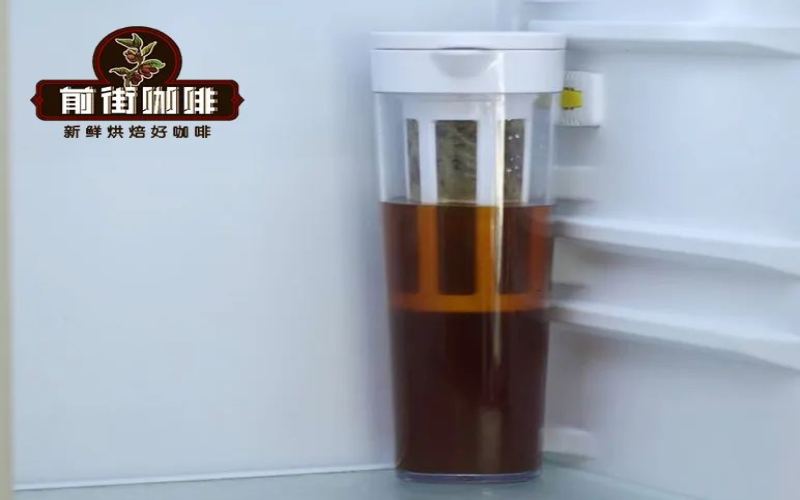
How to Make Cold Brew Coffee? A Full Breakdown of Coffee-to-Water Ratios, Grind Size, and Extraction Time for Cold Brew and Ice Drip
On a scorching summer day, a glass of iced coffee is the top choice for cooling off, and cold brew coffee, with its mellow, sweet taste brought by low-temperature extraction, is deeply loved by coffee enthusiasts. Cold brew actually comes in two types: immersion-style and ice-drip-style, each with its own particular methods of preparation, equipment, coffee-to-water ratio, and extraction time. This article uses Front Street Coffee's hands-on experience as an example to explain in detail the complete process for making immersion cold brew and ice-drip coffee, including the 1:10 ratio of 50 grams of coffee to 500 grams of water, grind size selection, refrigeration time control, and the six-step operation method for ice-drip coffee. It also recommends the Kenya Asalia coffee beans suitable for making cold brew and analyzes the bright acidity brought by its K72 washed processing method and SL28 and SL34 varieties. [more…]
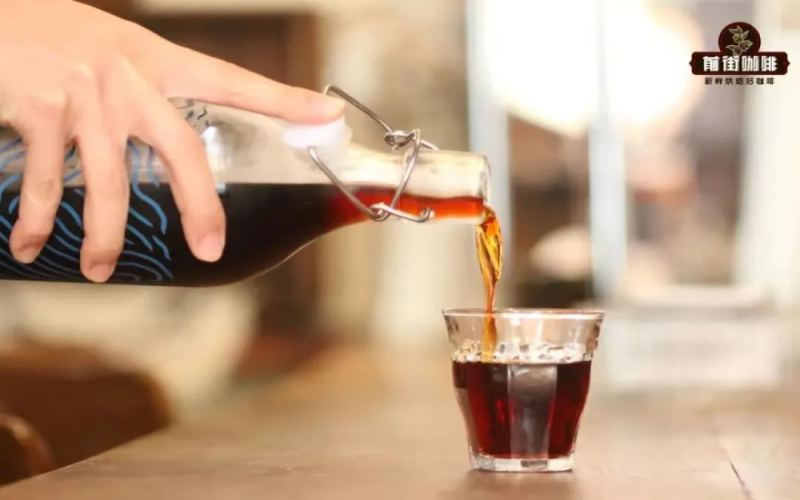
How to Determine the Water-to-Coffee Ratio and Grind Size for Cold Brew Coffee? A Complete Guide to Cold Brew Steeping Time and Coffee Bean Selection
To make a delicious cold brew coffee at home, the key is to master a few parameters: grind size, coffee-to-water ratio, and steeping time. Cold brew coffee is different from regular hot water brewing—it relies on long steeping or dripping with cold water to extract the coffee liquid. Common forms include cold steep and ice drip. Because extraction efficiency is low at low temperatures, the production time usually takes 6 to 8 hours or even longer, but in return you get a richer flavor and a fuller body. Refrigerated storage generally keeps it good for 3 to 5 days. This article covers cold brew coffee equipment selection, grind coarseness, water-to-coffee ratio, steeping time, and suitable coffee beans, and compiles several single-origin beans recommended by Front Street Coffee to help you make a cold brew coffee that is refreshing or has a prominent fermented note, according to your taste preference. [more…]
The Complete French Press Guide: Professional Brewing Parameters from Grind Size to Steep Time, Plus Coffee Bean Recommendations
The French press is simple to operate and popular in Europe and America, but many people only treat it as a tea-making tool. In fact, the coffee it makes is no less flavorful than pour-over, and it can brew more than two servings at once. Front Street Coffee has always regarded the French press as the preferred device for easy home brewing. This article will start with the principles of the device, explain key parameters one by one such as grind size, steeping time, water temperature control, and coffee-to-water ratio, and answer which coffee beans are more suitable for the French press. Finally, it will include cleaning and maintenance tips to help you consistently make a cup of rich, well-balanced French press coffee. [more…]
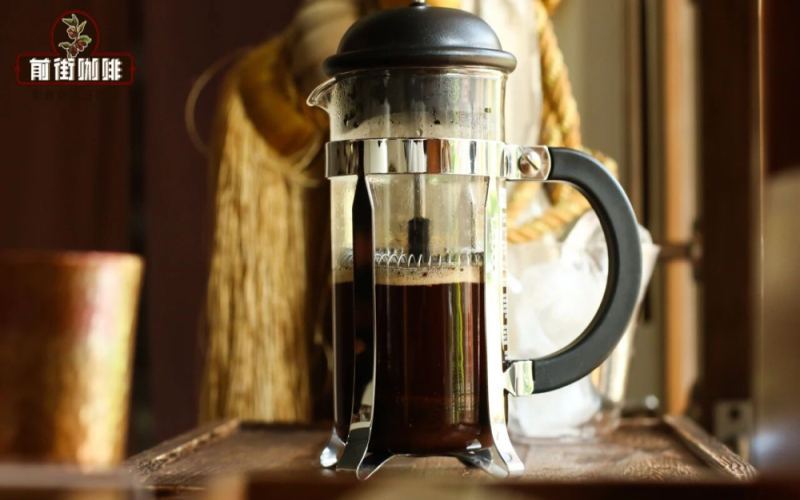
The Complete Guide to French Press Brewing: Coffee-to-Water Ratio, Grind Size, Water Temperature, Steep Time, and Iced Coffee Method
The French press is a classic immersion coffee brewing device originating from 19th-century France. It has a simple structure and is easy to operate, yet it can extract rich, well-balanced coffee. Starting from the four core parameters—coffee-to-water ratio, grind size, water temperature, and steeping time—this article breaks down the key points of French press brewing in detail, and further introduces its many uses as a cupping tool, tea maker, and even milk frother. In addition, it shares a complete method for making iced coffee with a French press, along with coffee bean recommendations suitable for the French press and cleaning and maintenance tips, helping you fully master how to use a French press. [more…]

Cold Brew, Ice Drip, and Cold Brewing: What's the Difference? Key Production Points and Analysis of Huakui Coffee Bean Parameters
A glass of iced coffee in summer always brings coolness and comfort, but the iced coffee family actually has many members—cold brew, ice drip, and cold steep each have their own particularities. From the perspective of Front Street Coffee, this article systematically sorts out the definition of cold brew coffee, its historical origins, and its two major production styles, compares its essential differences with hot-brewed iced coffee, and shares the specific parameters for making Huakui coffee beans with ice drip, along with practical suggestions on grinding, time, and coffee-to-water ratio. Whether you want to try cold steep at home or want to understand the logic behind the ice drip offerings at specialty coffee shops, you can find clear answers and actionable methods here. [more…]
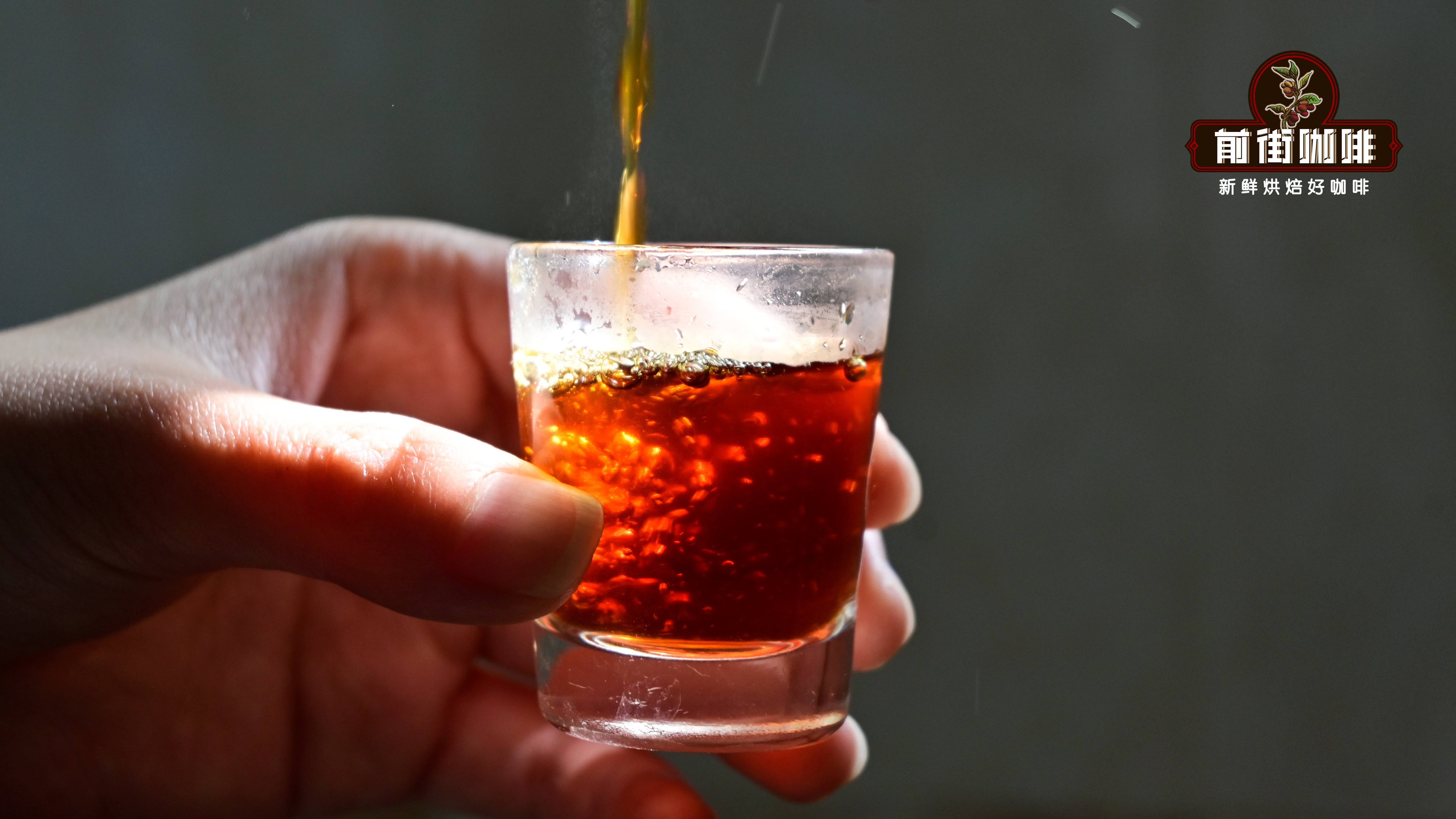
Cold brew, ice drip, hot coffee, and iced coffee—how exactly do you tell them apart? One article explains the extraction principles and flavor differences clearly.
Friends who are new to coffee are often confused by the terms on the menu: espresso, pour-over, cold brew, ice drip—what exactly is the difference between them? This article starts from four angles—brewing method, extraction temperature, time, and flavor performance—to systematically sort out the differences between hot coffee, iced coffee, ice drip coffee, and cold brew coffee. The article will also explain the historical origins of cold brew and ice drip, the relationship between water temperature and extraction time, and the differences between the two in taste layers. Combined with Front Street Coffee's bean list, it gives bean selection suggestions for two flavor profiles, fruity and sweet/mellow, to help you make the cup that suits your taste at home. [more…]
Cold Brew Coffee | How Long Should Coffee Grounds Be Steeped When Making Cold Brew Coffee? Does Steeping the Grounds Longer Make the Flavor Stronger?
In Front Street's view, cold brew coffee is one of the best iced coffees to make at home, because it not only works with the vast majority of coffee beans, but also has a very low barrier to entry—even without any specialized brewing equipment at home, you can still make a pretty good-tasting iced coffee, which is quite convenient. Because it is steeped in a low-temperature environment [more…]
Cold Brew Coffee vs. Cold Brewing and Ice Drip: A Complete Guide to the Differences and Step-by-Step Home Brewing Tutorial
Cold brew, cold brew immersion, and ice drip coffee are three names that are often used interchangeably, leaving many coffee enthusiasts confused. This article approaches the topic from Front Street's perspective, first clarifying the differences between the three in terms of definitions and extraction principles, then explaining their respective taste characteristics. It then offers suggestions for bean selection for cold brew coffee, recommending Front Street Fruit Ding Ding, Front Street Huakui, Front Street Xizhao, and other beans suitable for summer cold brew. Finally, it includes a simple cold brew method covering grind size, coffee-to-water ratio, the effect of refrigeration time on flavor, as well as filtering and resting steps, to help readers make a fragrant, clean-tasting cold brew coffee at home. [more…]
Why is Ceylon black tea mostly broken leaves? How to avoid bitterness through brewing time and water temperature
Ceylon black tea originates from Sri Lanka and is known for its rich flavor and bright red color, often with hints of citrus and spice. Many tea lovers find that the Ceylon black tea they bring home is broken-leaf, which is actually related to its positioning as a high-quality broken-leaf tea. Broken-leaf tea is more concentrated than whole-leaf tea and tends to contain more caffeine. When brewing, it is recommended to use boiling water and steep for 2 to 4 minutes; the longer the steep, the more caffeine is released. Ceylon black tea offers multiple health benefits, including improving digestion, reducing inflammation, boosting energy, preventing colds, relieving stress, and improving concentration. The Ceylon black tea recommended by Front Street Coffee is suitable for drinking on its own or pairing with milk to make lattes and milk tea. This article will provide a detailed analysis of Ceylon black tea's origin, caffeine content, health benefits, and proper brewing methods. [more…]

Cold Brew Coffee Flavor Guide | Which Single-Origin Coffee Beans Are Best for Making Cold Brew at Home? How Long Should Cold Brew Coffee Grounds Steep?
For more specialty coffee knowledge, please follow our WeChat official account: Front Street Coffee (FrontStreet Coffee). Since cold brew coffee is made differently from regular hot-brewed coffee and needs to be prepared a day in advance, the cold brew sold at Front Street stores doesn't offer as wide a variety of coffee beans as pour-over. [more…]
A Detailed Explanation of the Flavor Differences Between Ice Drip, Cold Brew, and Cold Steep Coffee, Plus a Cold Brew Production Parameter Guide
Ice drip coffee, cold brew coffee, and cold steeped coffee are popular types of iced coffee in summer, but many people still cannot tell the differences between them. Front Street Coffee will systematically sort out the characteristics of these three types of iced coffee from the perspectives of production principles, flavor performance, and raw material selection, helping coffee enthusiasts clarify their understanding. At the same time, this article will also share the specific brewing parameters for cold brew coffee and explore the different flavor directions that the same coffee beans present under the two methods of ice drip and cold brew. Whether you want to understand the essential difference between ice drip and cold brew, or want to try making cold brew coffee at home, this article can provide practical reference. [more…]
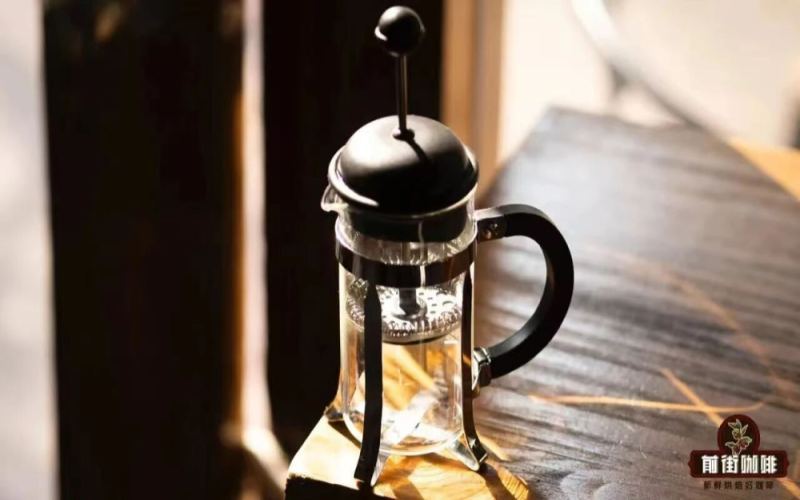
The Complete Guide to French Press Coffee: Bean Selection, Ratios, and Extraction Time Explained
As an immersion brewing tool, the French press is able to fully reveal the richness and intensity of coffee. This article systematically walks through the French press process, from bean selection and grinding to the water-to-coffee ratio and extraction time, and recommends the Front Street Queen's Farm, a yellow bourbon coffee bean from a high-altitude growing region in Brazil. Whether you are a beginner or an enthusiast with some experience, you will find practical tips you can use to make a satisfying cup of French press coffee. [more…]
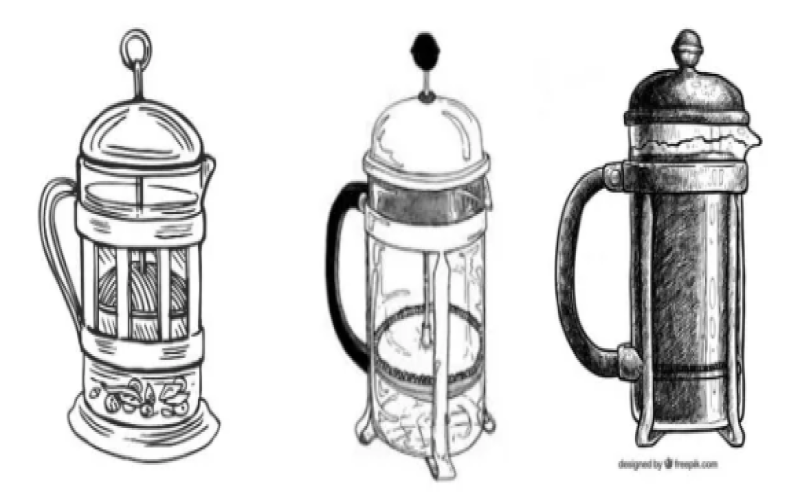
French Press Tutorial | How Coffee Newbies Can Brew Coffee with a French Press: What Coffee-to-Water Ratio Is Suitable for French Press, and How Long Should the Coffee Grounds Steep?
What kind of coffee can you brew with a French press? The French press is a full-immersion brewing device with a metal filter. This gives the brewed coffee a distinctive trait: because the water and coffee grounds steep together directly, the resulting coffee retains more oils and therefore has a heavier, fuller mouthfeel. For those who don't like [more…]
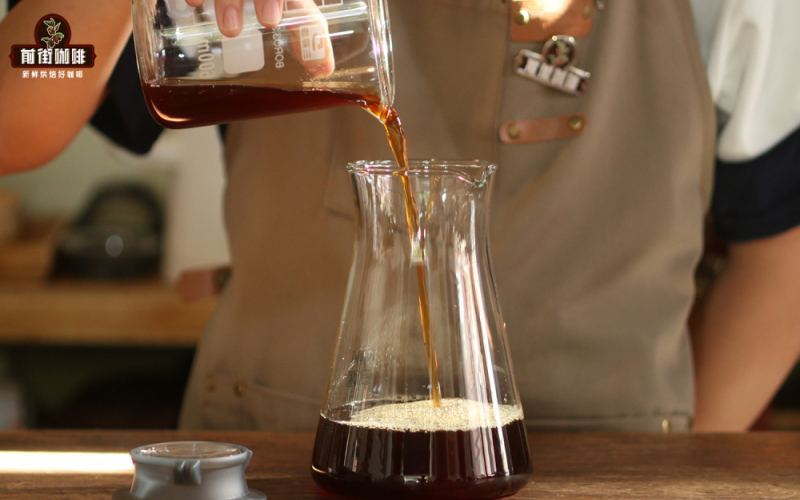
The Complete Guide to Making Cold Brew Coffee at Home: Coffee-to-Water Ratio, Grind Size, and Steeping Time Explained
To make a well-balanced cold brew coffee at home, the key lies in choosing the right coffee beans and mastering the grind size and coffee-to-water ratio. This article explains in detail the key points of making cold brew coffee, including suitable roast levels, recommended Front Street Coffee bean options, grind coarseness, steeping time, and coffee-to-water ratio and other practical parameters, and also includes Front Street's daily cold brew recipe and step-by-step instructions to help you easily make a cup of iced coffee with balanced acidity and sweetness and a rich, mellow mouthfeel. [more…]
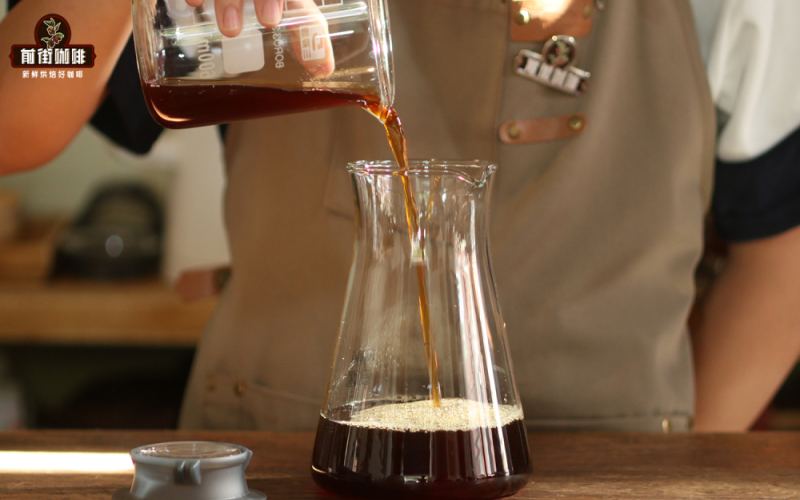
Cold Brew Coffee Water Temperature | Can Hot Water Be Used to Extract Coffee for Making Cold Brew? Which Types of Coffee Beans Are Suitable for Cold Brew Coffee?
Besides being extracted with hot water, coffee can also be made with cold water. Coffee made with cold water is called "cold brew coffee," and it has a distinct character compared to hot-brewed coffee. Cold brew coffee is divided into cold brew steeped coffee and ice drip coffee; cold brew steeped coffee is made by soaking coffee grounds in cold water, while ice drip coffee refers to the use of a drip filtration method. [more…]