








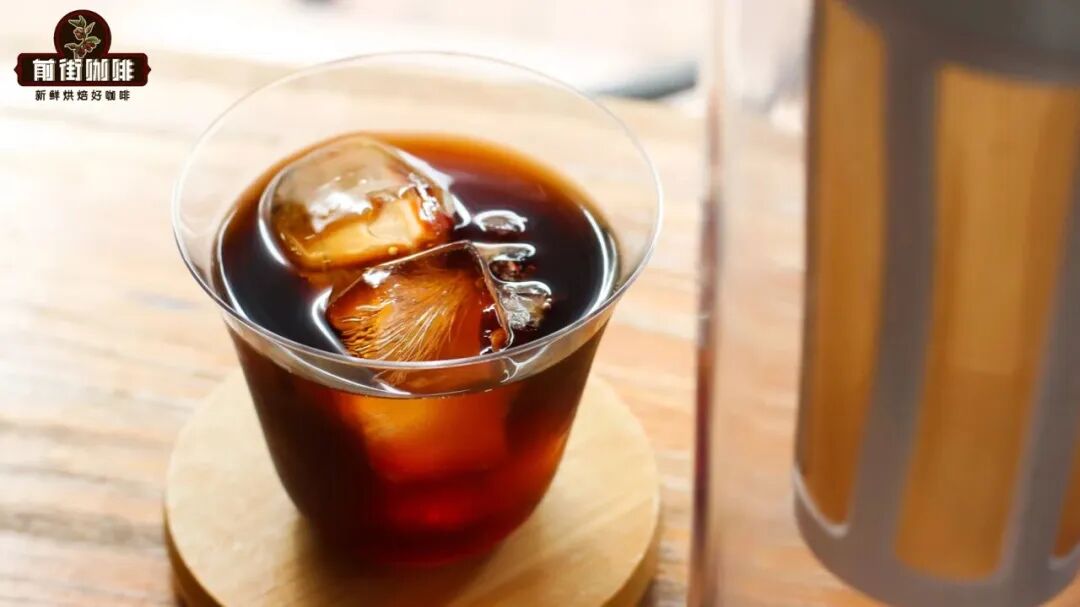
In Front Street's view, cold brew is one of the best iced coffees to make at home, because it works with almost any coffee bean and has a very low barrier to entry—even without any specialized brewing equipment at home, you can still make a decent-tasting iced coffee, and it's quite effortless.
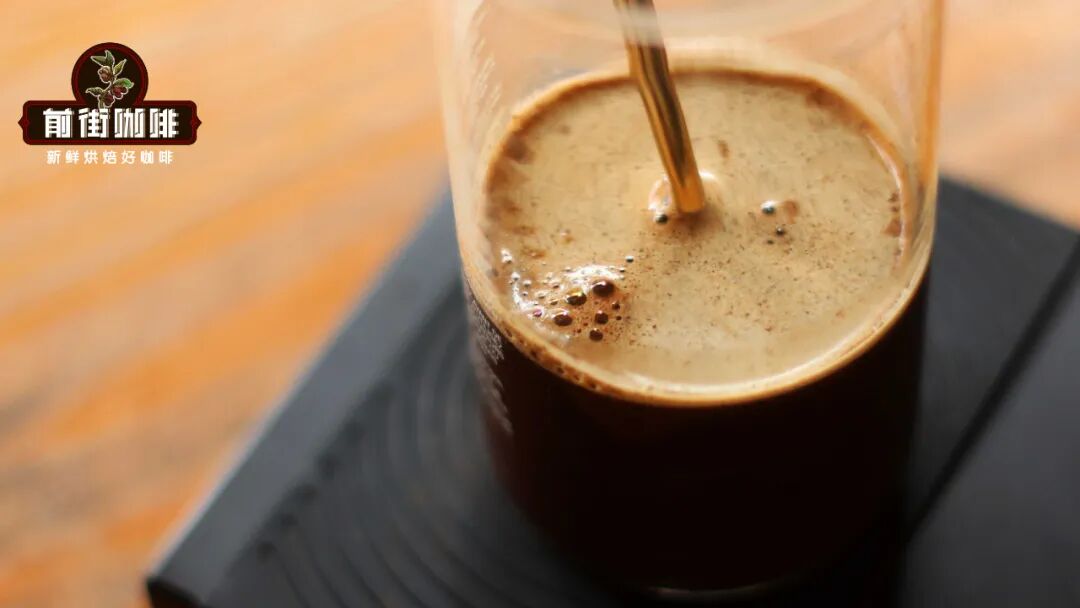
Because it steeps at low temperatures, the extraction efficiency of soluble compounds in cold brew is very low. Compared to hot-water brewed coffees like pour-over and espresso, its tolerance is noticeably higher, so the corresponding parameters have a wide adjustable range. Generally speaking, as long as you don't use an especially extreme combination of parameters, you can meet the basic extraction requirements—making a cup of iced coffee that tastes decent is a piece of cake.
Take the cold brew recommendations Front Street often uses: the grind size can be similar to pour-over (70–85% passing through a Chinese No. 20 sieve; visually it looks like granulated sugar), the coffee-to-water ratio is 1:10 to 1:13, and the steeping time falls between 8 and 18 hours. We can clearly see that among the three parameters, "steeping time" has the widest span—a full ten hours difference end to end. So won't the flavor vary a lot?
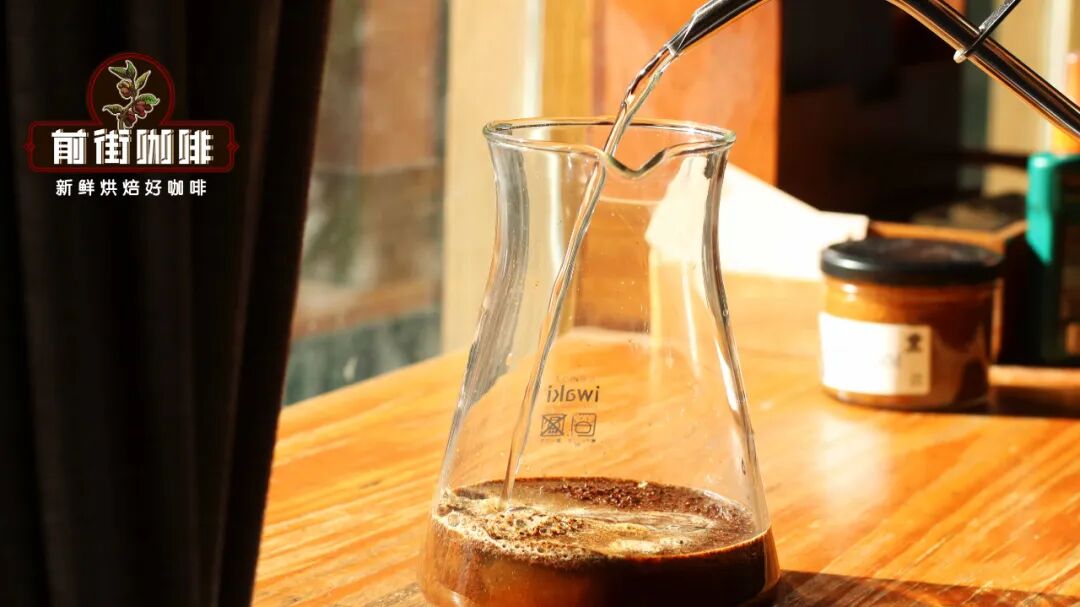
To find out, Front Street conducted a cold brew experiment with time as the variable, using the same amount ofFront Street Red Cherry Coffee, ground to fine-sugar consistency (EK43s electric grinder setting -9.5 / C40 hand grindersetting -22) with a 1:10 coffee-to-water ratio, steeping for 4 hours, 10 hours, 16 hours, and 22 hours respectively, then filtering and tasting.

In the end, it was found that among the four batches, the Red Cherry cold brew made at 4 hours had the characteristic of under-extraction, while the coffee steeped for 22 hours showed signs of slight over-extraction; the 10-hour and 16-hour batches had the best flavor, with the latter tasting more intense than the former. Whether drunk straight or with ice cubes, both could showcase the bean's own aromatic character.
4-hour steep: citric acidity, slight tea-like quality, mediocre mouthfeel, weak aroma
10-hour steep: bright berry-like sweet-tartness, refreshing mouthfeel, moderate aroma
16-hour steep: citrus acidity, rounded sweetness, very balanced overall
22-hour steep: thick flavor, pronounced strong-tea quality, slightly astringent, with a gritty texture in the finish
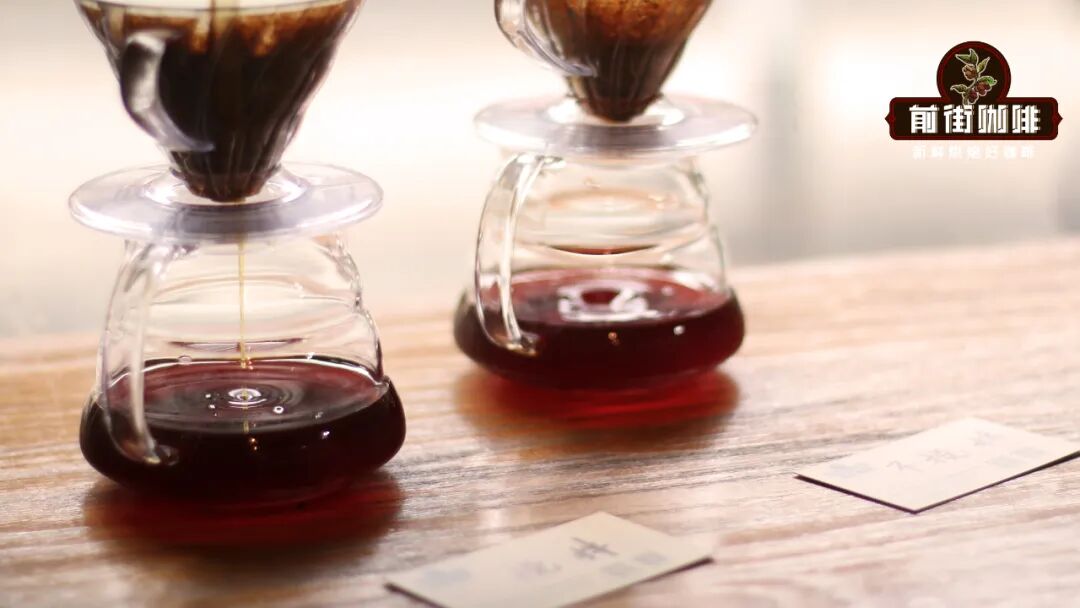
As Front Street mentioned above, in cold brew, temperature is already a fixed parameter, and the coffee-to-water ratio determines the strength, so the remaining two factors (grind size and time) are what determine the coffee's final flavor character. In other words, whether the finalcold brew coffeeis on the refreshing side or on the heavier side depends on how grind size and steeping time work together.
Regardless of which extraction method is used, the finer the coffee is ground and the longer it contacts the water, the greater the total amount of substances released into the water, and the thicker or richer the brewed coffee will taste; conversely, the coarser the grind and the shorter the steeping time, the smaller the total amount of dissolved flavor compounds, and the thinner the coffee will taste.
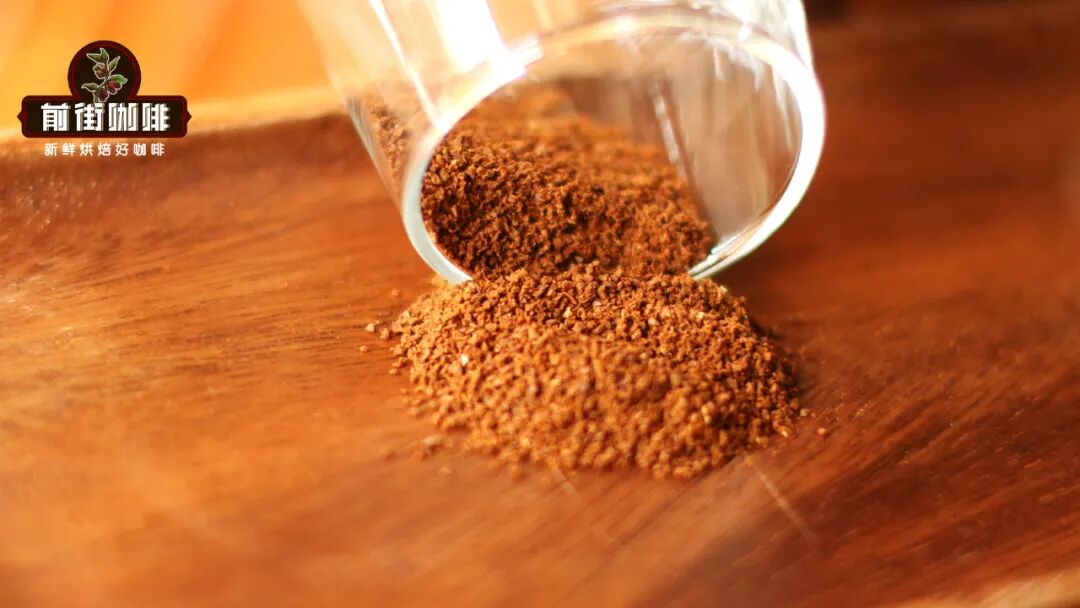
But for cold brew, because its extraction efficiency is very low and the coffee grounds and water are in a relatively static state without external driving force, if you want the sugars, organic acids, and other compounds in the coffee grounds to dissolve more fully—and thereby achieve a more balanced and fuller character in terms of acidity, sweetness, and body—the first thing you need to do is appropriately extend the steeping time.
However, experience tells us that the more coffee compounds dissolve, the better it isn't. When the water extracts beyond a certain threshold, good flavors turn into negative effects, making the coffee taste of wood, bitterness, straw, and other off-flavors. So, to ensure the coffee is neither under-extracted nor over-extracted, with regard to the time parameteryou only need tofind a safe range. Based on Front Street's years of brewing experience, coffee steeped for 8–18 hours tastes the most reliable. So how long exactly should you steep it?
Considering that many people make cold brew simply for convenience, Front Street will list just two cold brew timing scenarios here for the most common situations in daily life—you just need to adjust according to your own circumstances.

Scenario 1: If you want to take a cup of iced coffee out with you tomorrow morning between 7 and 9 a.m., then tonight before bed (around 9 p.m. to 12 a.m.) you can put the cold brew in the fridge to steep, and filter it the next morning—this way the extraction time will fall within the safe range of about 7–12 hours.
Scenario 2: Some people feel that having to go through a long filtering process first thing in the morning is simply too exhausting, and they can't be bothered to calculate the time either. In that case, Front Street suggests you start making the cold brew between 8 and 9 a.m., then take it out around 6–8 p.m. when you get back in the evening—the final time can likewise be kept within the 9–12 hour range.

Not only that, after filtering and being put back in the fridge, the cold brew coffee will undergo aprocess of sediment settling andfermentation, making the flavor rounder and the mouthfeel cleaner.
The above content is compiled by CoffeeHunters, a coffee news website.


