







Search Results for: Starbucks Alternative
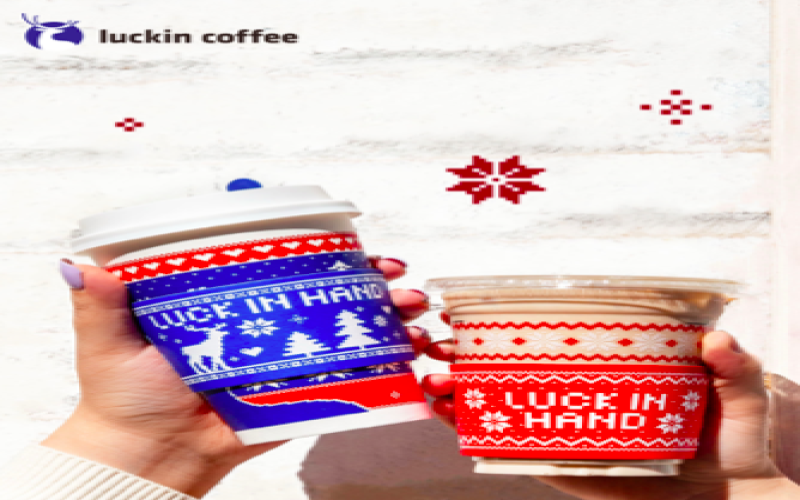
Luckin Fair Isle Latte Divides Opinion: Assam Tea Flavor or Starbucks Alternative? Caffeine Reactions Spark Debate
As the weather turns cold in November, chain coffee brands are rolling out their winter drinks one after another. Luckin's "Fair Isle Latte" launched this week quickly drew attention, but consumer reviews have been notably divided. Some find it reminiscent of the Assam milk tea from their childhood memories, some joke that it is just a black tea latte with a new name, and others see it as a budget alternative to Starbucks' Black Tea Coffee Americano Latte. At the same time, some customers have reported insomnia, palpitations, and a racing heartbeat after drinking it, and discussion about its caffeine content has heated up accordingly. Is this new product actually worth trying? And how does it compare with existing products and competitors? This article compiles the official ingredients, user feedback, and the hot topics of discussion on social platforms for coffee lovers' reference. [more…]
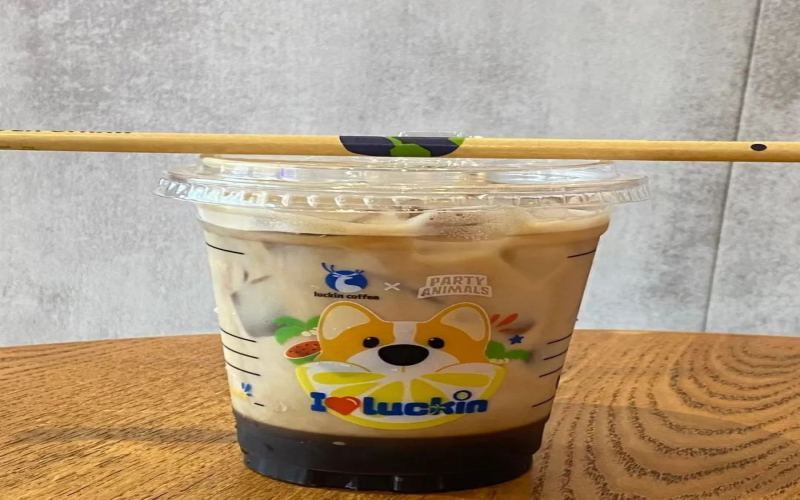
Luckin launches new Iced Shaken Espresso, sparking buzz over same-name product as Starbucks
Recently, Luckin Coffee launched two limited-edition iced drinks in Guangzhou and Shenzhen, offering local consumers a new way to cool off. However, the naming of the new products sparked widespread discussion: the Guangzhou versions are called "Coconut Shakerato" and "Vanilla Shakerato," while the Shenzhen versions are simply called "Coconut Iced Shaken Espresso" and "Vanilla Iced Shaken Espresso." This inevitably brings to mind the "Iced Shaken Espresso series" on the Starbucks menu. The two are quite similar in preparation method and product positioning, but their prices differ greatly. Is Luckin's new product trying to keep up with Starbucks? How do consumers view this affordable alternative? This article will provide a detailed analysis for you. [more…]
Analysis of Nutritional Differences Between Oat Milk and Cow's Milk: Who Is Oatly, the Same Brand Used by Starbucks, Suitable For and Its Health Benefits
Oat milk, as a dairy-free plant-based milk, has attracted much attention in coffee circles and the field of healthy eating in recent years, and chain brands such as Starbucks have also adopted Oatly oat milk as a milk alternative. It is especially suitable for vegans, people with lactose intolerance, and consumers allergic to milk. During production, oat milk is made by soaking oats, filtering the slurry, and often adding extra nutrients such as calcium and vitamin B12, making its nutritional value richer. Front Street Coffee will guide you through understanding the specific health benefits of oat milk and compare its nutritional differences with whole milk and low-fat milk, helping you choose the dairy drink that suits you in a more scientific way. [more…]
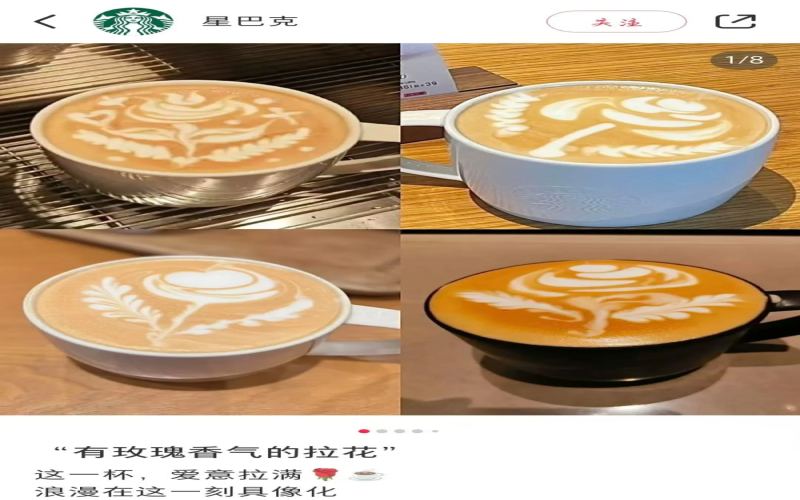
Starbucks Valentine's Day Rose Latte Art Assessment: Baristas Say the Difficulty Is Off the Charts, Abstract Designs Keep Appearing in Stores
During Valentine's Day, Starbucks launched the Rose 20 series of limited-edition drinks and showcased several exquisite rose latte art pieces on its official WeChat account, sparking anticipation among many customers. However, in reality, the latte art produced by some stores was far from the promotional images, with abstract patterns leaving consumers astonished. Behind this is an internal Starbucks skill assessment called "Rose Certification," which has left many baristas complaining bitterly. From novices to seasoned staff, some diligently practiced and eventually succeeded, while others gave up and sought alternative methods. This article will take you through the entire rose latte art controversy and the genuine reflections of baristas during their practice. [more…]
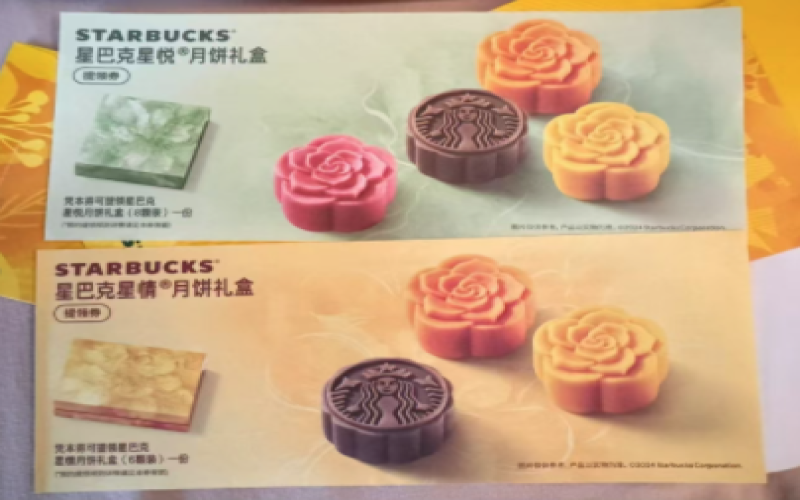
Why can't Starbucks mooncake vouchers be redeemed? Consumers in multiple cities encounter no way to book and customer service unreachable.
As the Mid-Autumn Festival approaches, mooncakes are traditionally a festive treat for family reunions. However, this year, many consumers holding Starbucks mooncake redemption vouchers are far from happy. According to the voucher rules, customers were supposed to scan a code to make a reservation and pick up two gift boxes at a store. But in reality, nearby stores generally show no stock, customer service calls are stuck in long queues or even disconnected by the system, and store employees admit that the whole city is out of stock. From Beijing, Shanghai, Jiangsu, and Zhejiang to Chengdu and Wuhan, complaints about being unable to redeem the vouchers are pouring in, and Starbucks has yet to offer a unified explanation. This article will outline the sequence of events, the consumers' experiences, and industry commentary, and include the latest alternative solutions in some regions. [more…]
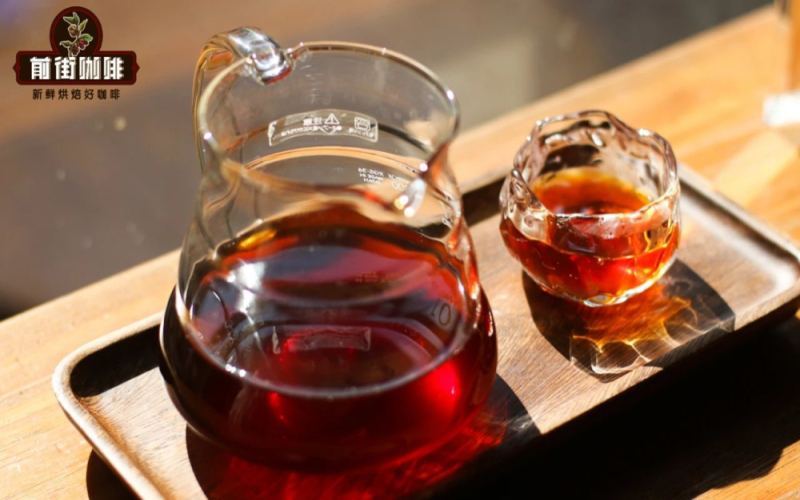
An Analysis of Starbucks Decaf Coffee Flavor Characteristics: Differences Between Decaf and Regular Coffee and Main Decaffeination Processes
Caffeine is the key source of coffee's stimulating effect and an important reason why many people drink coffee every day. However, tolerance to caffeine varies greatly from person to person. Some people experience palpitations and insomnia after consuming even a small amount, yet they cannot give up the flavor of coffee, so decaf becomes an ideal alternative. This article focuses on the taste of Starbucks decaf coffee. It first explains the definition of decaf and the naturally low-caffeine variety Laurina, then compares the EU and U.S. FDA standards for decaffeinated coffee, and subsequently reviews the principles, advantages, and disadvantages of four mainstream processes: the direct solvent method, the supercritical carbon dioxide method, the Swiss Water Process, and the mountain spring water process. Combined with the cupping performance of Front Street Coffee's Colombia Huila decaf beans, it helps coffee enthusiasts fully understand the difference between decaf coffee and regular coffee. [more…]

Flat White Making Tutorial: From Origin to Front Street Offerings, Is Luckin's Flat White Good?
The same coffee drink is called a Flat White at Starbucks, a Corto at COSTA, and a Rui White at Luckin, but it originates from the Southern Hemisphere: the Flat White. This rich milk coffee, known for its strong espresso and light milk, has been popular since the 1980s and has become a staple on café menus in China. This article will walk you through the origins and flavor profile of the Flat White, and using our own store's standards as an example, share the specific approach of pairing a double ristretto with thin microfoam. It will also explain why a Flat White is usually only served hot, and what to choose as an alternative if you want an iced drink. Whether you are a coffee enthusiast or an industry professional planning to open a shop, you will find practical references here. [more…]
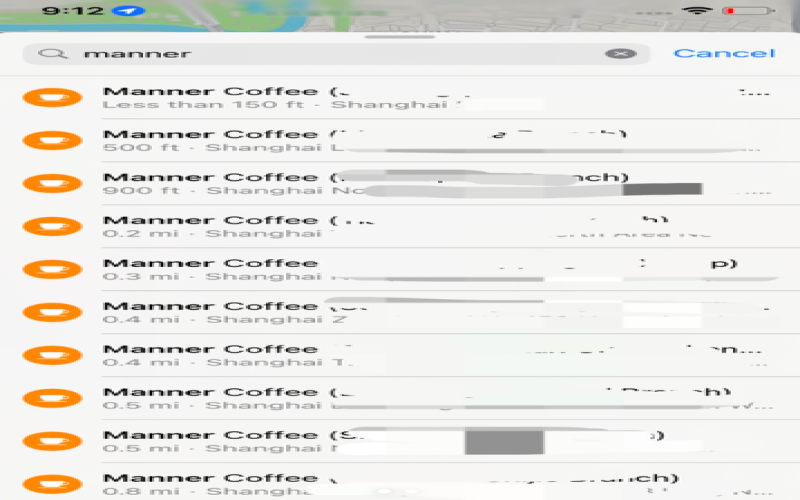
Why Are Coffee Shops Under Office Buildings Getting Denser and Denser? Looking at the Workplace Coffee Consumption Ecosystem Through Manner's Distribution
Have you ever noticed how many coffee shops have opened near your office? One netizen shared a map showing that within a one-kilometer radius of their office building, there were as many as ten Manner locations, striking a chord with a large number of office workers. In the comments, some said there were twelve Manner shops nearby and thirty-three Starbucks, while others carefully counted the clusters of Luckin, Nowwa, and major tea beverage brands downstairs. Why do coffee and milk tea brands favor office buildings? Behind this are multiple considerations, including white-collar workers' high-frequency demand for caffeine, brands' pursuit of revenue stability, and the leasing needs of office buildings. What's more interesting is that the number of coffee shops has been regarded by netizens as an alternative indicator of the concentration of "workplace vibes." This article uses this phenomenon as a starting point to break down the underlying logic of workplace coffee consumption, with relevant observations from Front Street Coffee attached. [more…]
Starbucks Ends Fair Trade Certification Partnership, Marking a Major Shift in Coffee Ethical Sourcing Standards
Starbucks has announced it will not renew its contract with Fairtrade, meaning coffee sold in its global stores will no longer carry the Fairtrade certification label. This decision has raised questions about its commitment to ethical sourcing. Starbucks says it will instead rely on the C.A.F.E. Practices standard, developed jointly with Conservation International and independently audited by the third-party organization SCS Global Services. However, many groups worry that without Fairtrade's independent oversight, the C.A.F.E. standard may not truly safeguard coffee farmers' rights on core issues such as minimum purchase prices and sourcing from smallholder cooperatives. This article reviews the history of Starbucks' partnership with Fairtrade, the origins and controversies of C.A.F.E. Practices, and Starbucks' past reversals on its ethical sourcing stance, offering coffee lovers a full picture of this event. [more…]
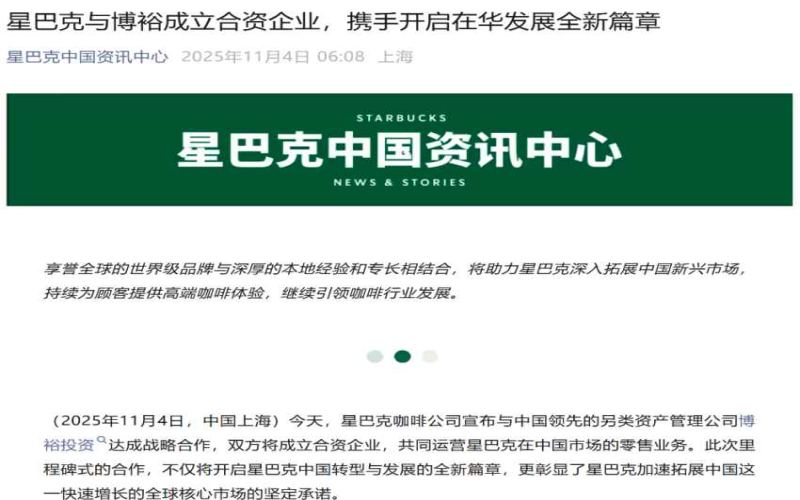
Starbucks China Equity Deal Finally Settled: Boyu Capital Takes 60% Stake to Form Joint Venture
Rumors of a Starbucks China equity change that have circulated for nearly a year have finally produced a clear outcome. Starbucks and Boyu Capital have reached an agreement to establish a joint venture in China to jointly operate the retail business, with Boyu holding up to 60%, while Starbucks retains 40% and continues as the brand and intellectual property licensor. The deal is based on an enterprise value of approximately US$4 billion, and Starbucks expects the total value of its China retail business to exceed US$13 billion. Looking back at Starbucks' entry into China, from franchising to full direct operation, and now returning to a joint venture model, this shift has sparked widespread attention regarding its future direction. The new joint venture will continue to be headquartered in Shanghai, operate the existing more than 8,000 stores, and plans to gradually expand to 20,000. [more…]
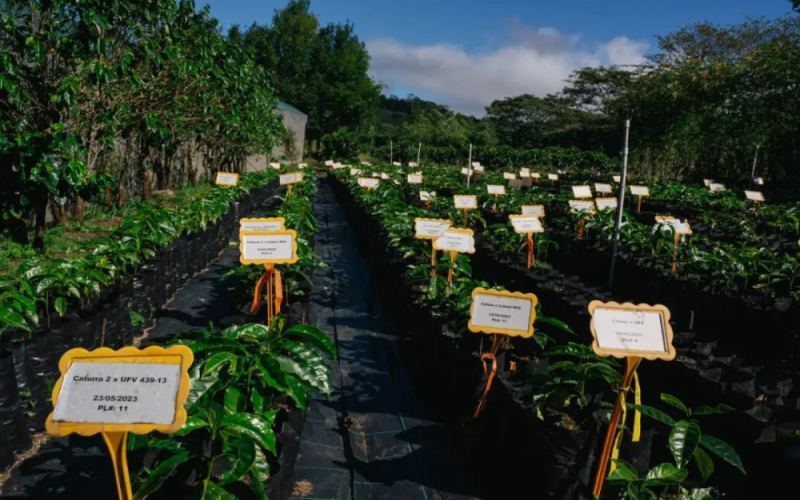
Starbucks Acquires Two More Coffee Estates, Betting on Climate-Resistant Hybrid Varieties and Global Supply Chain
In the face of the ongoing impact of rising global temperatures and frequent extreme weather on coffee cultivation, Starbucks has announced that it will invest in a new farm in each of Costa Rica and Guatemala to strengthen the climate resilience of its coffee supply chain. In recent years, frost and drought in Brazil have caused Arabica bean prices to soar, and coffee consumer prices have risen 18% within five years. As a buyer of about 3% of the world's coffee beans, Starbucks is using its own farms to research high-yield, disease-resistant hybrid varieties adapted to different altitudes and soils. The new farms will also introduce drones and mechanized technology to address labor shortages in Latin America, and the company plans to continue expanding its agricultural footprint in Africa and Asia in the future. [more…]

First Time at Starbucks: How to Choose? A Guide to Ordering Ten Popular Coffee Drinks and Flavor Analysis
Walking into Starbucks for the first time, it's only natural to feel a bit overwhelmed by the dense, crowded menu. In fact, drinking coffee is meant to be a relaxed, everyday affair—there's no need to get too nervous. Just choose according to your own taste preferences. This article divides Starbucks' popular drinks into two main categories: those with coffee and those without, introducing one by one the flavor characteristics of the coffee series—Americano, Latte, Flat White, Caramel Macchiato, Vanilla Sweet Cream Cold Brew, and more—as well as pairing ideas for the non-coffee series, including Black Tea Latte, Matcha Latte, Iced Shaken Fruit Tea, and Frappuccino. Whether you want to wake up and refresh your mind, control calories, or simply prefer milky or fruity flavors, you'll be able to find the cup that suits you in this list and easily avoid the pitfalls of ordering. [more…]

Invalid Frappuccino Zongzi Vouchers Ignite In-Store Conflicts, Leaving Consumers and Staff in Jiangsu, Zhejiang, and Shanghai Under Pressure
During this year's Dragon Boat Festival, several Starbucks stores in the Jiangsu-Zhejiang-Shanghai region ran short of Frappuccino Zongzi (sticky rice dumplings), leaving customers holding redemption vouchers unable to collect their goods as scheduled. At some stores, heated arguments broke out between customers and staff. Some employees were reduced to tears by verbal abuse, while other customers threatened to call the police or expose the situation. Starbucks responded that it had made every effort to meet redemption demand, but some consumers remained dissatisfied with the compensation package. This supply-demand conflict triggered by a zongzi shortage reveals deeper issues in the brand's allocation and inventory management of seasonal products. [more…]
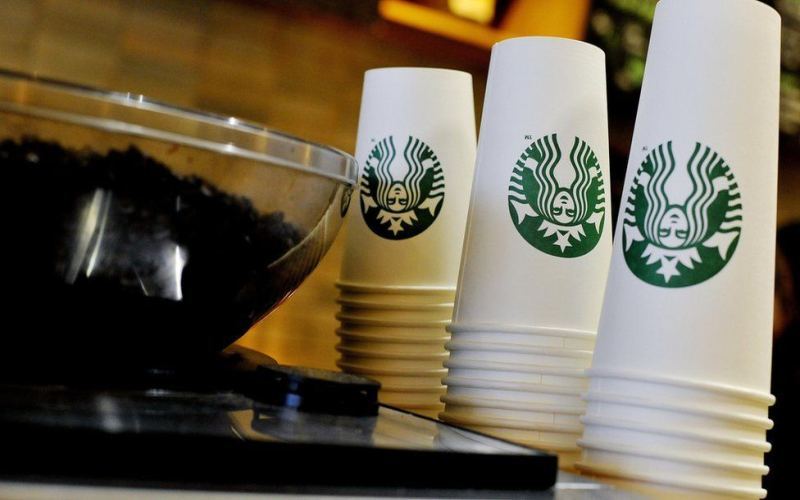
Starbucks and other coffee shops in the US face a disposable cup shortage, with costs soaring by 70%, and businesses resorting to all sorts of tricks.
Coffee has long been woven into Westerners' morning routines, and in America's fast-paced consumer culture, grabbing a cup of coffee to go is a habit for many. Recently, however, the U.S. coffee industry has run into an unexpected "cup crisis" — a severe shortage of disposable coffee cups. According to The Wall Street Journal, coffee chains such as Starbucks are facing alarmingly low cup inventories, with some consumers even calling multiple stores just to track down a venti-sized coffee. This crisis has not only driven up supply costs for coffee shops but has also given rise to peculiar workarounds, such as stores borrowing cups from one another and testing alternative lids. This article takes an in-depth look at the supply chain predicament and industry impact behind this "hard-to-get-a-cup" situation. [more…]
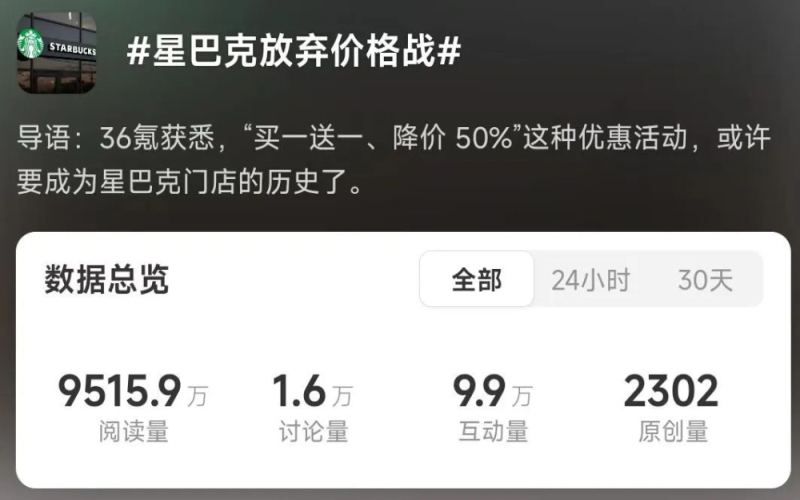
Starbucks' $19 breakfast combo quietly returns to delivery channels, single-item no-delivery rule sparks consumer debate
Starbucks recently announced an adjustment to its pricing strategy, abandoning its previous low-price promotional approach. CEO Brian Niccol explicitly stated the need to fundamentally change the business direction, and the North American market has already taken the lead in canceling buy-one-get-one-free and half-price offers. Meanwhile, some consumers have noticed that the 19-yuan breakfast combo, which had been off the menu for over a year, has quietly reappeared on delivery platforms. This combo was originally created during the pandemic, pairing a staple food with freshly steamed milk. Thanks to its high cost-performance ratio, it became popular among office workers in first- and second-tier cities and was jokingly called the "broke loser set meal." However, this return is limited to delivery channels only, and a minimum-order threshold has been set so that the combo cannot be delivered on its own—consumers must add extra items to place an order. This rule quickly sparked discussion on social media. This article will sort out the background of Starbucks' pricing strategy adjustment, review the origins and development of the 19-yuan breakfast combo, and present the diverse reactions of consumers to this comeback. [more…]

Analysis of Flavor Differences Between Decaf and Regular Coffee: Pros and Cons of Starbucks Decaf Americano and Its Impact on Sleep
While caffeine boosts alertness, it can also cause issues like insomnia and palpitations, which is why decaf coffee has gradually entered the public eye. In this article, Front Street Coffee (FrontStreet Coffee) will discuss the origins of decaf coffee, standards across different countries, mainstream decaffeination processes, and flavor performance, as well as specifically analyze the pros and cons of Starbucks decaf Americano and whether it affects sleep. At the same time, Front Street Coffee will also share the cupping flavors and pour-over parameters of a Colombian decaf coffee, helping coffee lovers gain a more comprehensive understanding of decaf coffee. [more…]
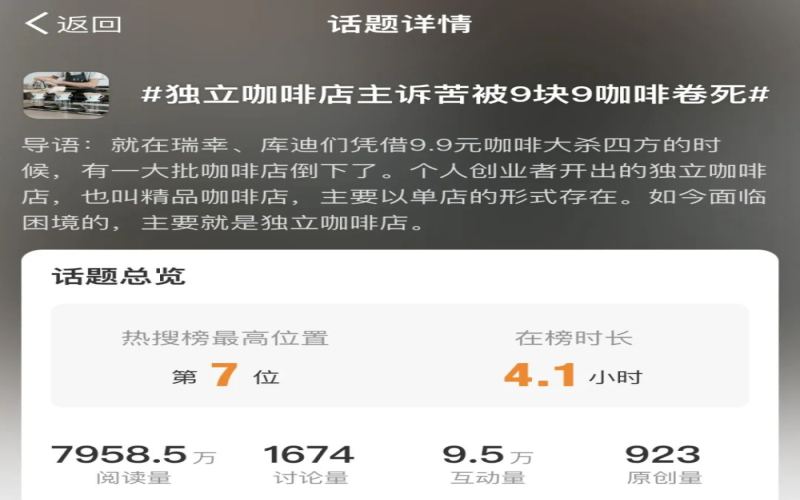
Independent coffee shops hit by the 9.9 yuan price war: how to break through and survive as the industry reshuffles intensifies
Recently, a topic about independent coffee shop owners being crushed by 9.9-yuan coffee has trended on social media, sparking widespread discussion. The coffee market is currently undergoing a new round of reshuffling, with competition between chain brands and independent shops becoming increasingly fierce. Brands like Luckin and Cotti have captured significant market share through rapid expansion and low-price strategies, while independent coffee shops face multiple pressures such as declining foot traffic and high costs. Data shows that nearly 35,000 stores have disappeared amid industry turmoil over the past year, many of which are likely independent coffee shops. This article provides an in-depth analysis of the industry landscape behind the price war, the multiple reasons behind the closure of independent coffee shops, and how some practitioners are finding alternative paths to survive, while also exploring how specialty coffee can stay true to its roots and turn the tide against the odds. [more…]
Analysis of the Three Major Decaffeination Processes for Decaf Coffee: Flavor and Safety Comparison of Solvent Extraction, Swiss Water Process, and Carbon Dioxide Method
Caffeine content is influenced by multiple factors such as bean variety, grind size, and brewing method, and drip coffee often has higher caffeine than Espresso. For those who want to reduce their intake without giving up a rich mouthfeel, decaf coffee is an ideal choice. This article explains in detail three mainstream decaffeination processes—methylene chloride solvent extraction (direct and indirect), the Swiss Water Process, and carbon dioxide extraction—analyzes their respective effects on flavor and safety, and specifically explains Starbucks decaf coffee's two processing paths and the issue of residual solvents. At the end is information on how to obtain Front Street Coffee specialty beans, making it suitable reading for coffee lovers who value health while pursuing flavor. [more…]
What exactly is the difference between a flat white, a latte, a cappuccino, and a white coffee? A detailed explanation of milk foam, ratios, and origins in one article
Walk into any coffee shop, and the menu always features these classic milk coffees: Flat White, Latte, Cappuccino, and Australian White. They all look like espresso with milk, yet each tastes distinctly different. What exactly sets them apart? Is it the ratio of milk to coffee, or the texture and thickness of the milk foam? This article will take you through the controversial origins of the Flat White, clarify the relationship between Italian coffee and Australian coffee, and use specific ratio data to visually compare the subtle differences among these four coffees in terms of espresso, steamed milk, and milk foam. Whether you prefer a silky texture or favor thick milk foam, after reading this, you'll be able to find the cup that's right for you. [more…]
Is Decaf Coffee Really Healthier? Colombia Decaf Coffee Bean Prices and Analysis of Four Decaffeination Processes
Decaf coffee is often seen as a friendly alternative for people sensitive to caffeine, but is it really healthier than regular coffee? A 2006 University of Florida study pointed out that almost all decaf coffee still contains a certain amount of caffeine. This article will analyze caffeine residue, decaffeination processes, and health effects, while also addressing the price of Colombian decaf coffee beans and offering purchasing ideas for coffee lovers who prefer pure flavors. [more…]