







What drives higher coffee shop density around office buildings?
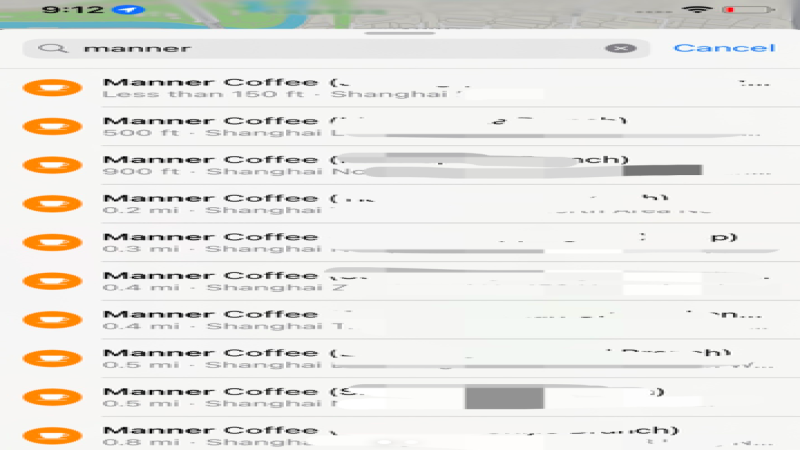
A map shared online showed ten Manner locations within one kilometer of a single office building, and commenters added counts of twelve Manner and thirty-three Starbucks near their own workplaces, plus Luckin, Nowwa and tea brands like Heytea and Nayuki. The clustering reflects steady white-collar demand for caffeine during the workday.
Brands favor office districts because weekday foot traffic is predictable, which supports revenue stability, and building owners benefit from tenants having coffee nearby. Some workers now read shop counts as a sign of workplace intensity, since a dense cluster suggests long hours and a large population of colleagues who rely on caffeine to get through the day.
Have you ever noticed how many coffee shops are actually near your company? A netizen shared a map showing that within one kilometer of their office building, there were actually ten Manner locations, which resonated with a large number of office workers. In the comments section, some people said there were twelve Manner and thirty-three Starbucks nearby, while others listed the clusters of Luckin, Nowwa, and major tea beverage brands downstairs. Why do coffee and milk tea brands favor office buildings? Behind this are both white-collar workers' high-frequency demand for caffeine and multiple considerations involving brand revenue stability and office building leasing needs. More interestingly, the number of coffee shops has also been viewed by netizens as an alternative indicator of the concentration of "workplace vibe." This article uses this phenomenon as an entry point to break down the underlying logic of workplace coffee consumption, and includes relevant observations from Front Street.
▲
Click to follow | Daily specialty coffee culture magazine Coffee Works
I want to ask all you workplace workers: have you ever counted how many coffee shops are distributed around your office location?
Recently, a netizen posted on social media, showing the "Manner density" around his company downstairs. From the map screenshot in the post, within a one-kilometer radius of this office worker's location, ten Manner stores were actually packed in. Such a high distribution density made him call it exaggerated, and he could not help but sigh that the area was full of peers who, like him, could not do without caffeine.
This post quickly struck a chord with many office workers, and everyone began sharing their own observations in the comments. Someone commented that within one kilometer of their company there were twelve Manner and thirty-three Starbucks; someone else mentioned that on the first and second floors of their office building there was one Manner each; another person said that downstairs from their company there were one Manner, one Luckin, two Starbucks, and one Nowwa, and that was not even counting the various cafes in the two large shopping malls across the street.
Not only coffee shops, many office workers also mentioned that tea beverage brands such as Heytea and Nayuki can likewise be seen near their office locations. They joked that if they went downstairs every afternoon to buy a different drink, they could go more than two weeks without repeating one.
Many people have found that on the way from the subway entrance to the company, they can see the signs of several well-known brands one after another. Coffee shops and tea beverage shops seem to have made an appointment to "set up camp" around office buildings. For office workers, if they want to slack off and go downstairs to buy a cup of coffee or milk tea, they only need to walk a short distance.
But if you calm down and think about it, coffee shops clustering near office buildings is actually nothing new by now.
Compared with shopping malls or traditional commercial districts, the young white-collar workers and office crowds in office buildings are the real target customers in the eyes of brands. This group generally has a higher acceptance of coffee, and many have long since developed the habit of drinking coffee regularly.
More importantly, a considerable number of them need a large caffeine intake to stay alert and maintain their work condition, and drinking several cups a day is common. Therefore, for brands, opening stores in office buildings allows them to precisely reach coffee-consuming groups, and operations are less affected by weather changes and holidays. Occasionally they can also receive large orders from company team-building events, so overall revenue tends to be relatively stable.
Conversely, for the office buildings that provide the space, bringing in coffee shops can not only enhance the building's overall image, but also provide convenient dining support for office workers coming and going every day, thereby attracting more companies to move in. Seen this way, the situation of "a coffee shop every ten steps" downstairs from office buildings is beneficial to brand revenue, helps office buildings attract more tenants, and at the same time satisfies the daily needs of the workers upstairs.
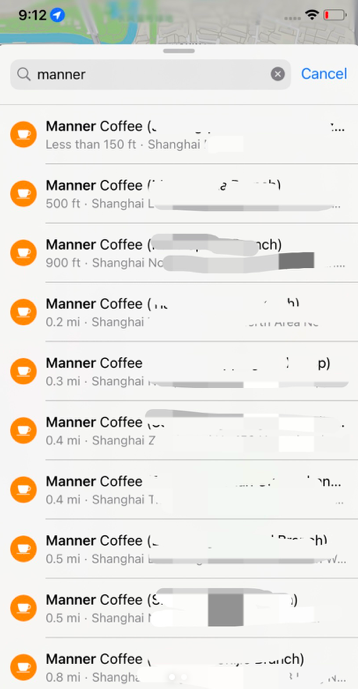
However, some netizens look at the issue from a rather special angle. They found that places where chain coffee shops cluster can actually also reflect, indirectly, how strong the surrounding "workplace vibe" is.
Some netizens analyzed that if most of the people coming and going in an office building are office workers who need caffeine to keep going, then the number of coffee shops downstairs will naturally rise accordingly. Certain brands may decide based on the actual situation whether to open more stores or add other food and beverage services to meet the consumption needs of the overtime-working group.
Of course, this claim cannot be said to be completely accurate, but the number of coffee shops can indeed reflect, to a certain extent, the occupancy rate of an office building. Therefore, many enthusiastic netizens remind job seekers that if they do not want to fall into involution and frequent overtime, then they should "try not to choose an office building with too dense a cluster of coffee shops nearby."
Image source: Internet
Disclaimer: Some images in this article are from the Internet. For some content on the website, such as images, we will respect the original author's copyright and indicate the source. However, due to the large quantity, there may be individual images or texts that have not yet been credited. Please understand. If the original author has any dispute, they may contact the website for handling. Once verified, we will correct it immediately. Compiled and edited by "Coffee Works." Please indicate the source when reprinting. If there is infringement, please inform us for deletion. Thank you~!
The above content is compiled by CoffeeHunters, a coffee news website.


