







Search Results for: Smoked Plum
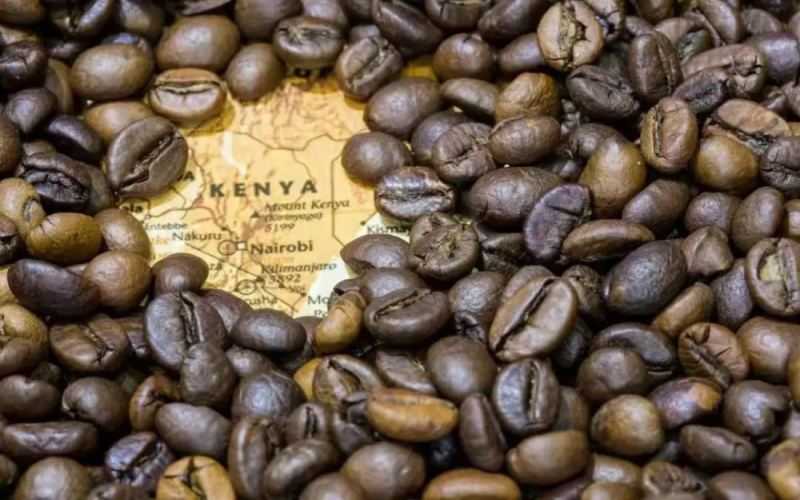
Kenyan Specialty Coffee Beans | Why Does Kenyan Coffee Have Such High Recognizability? Where Does the Acidity in Kenyan Coffee Come From?
Honestly, Front Street Coffee is very fond of Kenyan coffee. If you're a friend who frequently visits Front Street Coffee's stores to drink coffee, it's not hard to notice that among the many samples Front Street Coffee shares, Kenya has a very high appearance rate. As for why we like it so much, Front Street Coffee believes this point is shared by many enthusiasts alike. Because Ken [more…]

Medium-Light Roast Coffee Bean Recommendations | Why Is Kenyan Coffee So Popular? What Factors Create the Acidity of Kenyan Coffee? How Do You Brew a Delicious Kenyan Pour-Over?
Honestly, Front Street Coffee is very fond of Kenyan coffee. If you are a friend who frequently visits Front Street Coffee's stores to drink coffee, it will not be hard to notice that among the many samples Front Street Coffee shares, Kenya has a very high rate of appearance. As for why we like it so much, Front Street Coffee believes that on this point, we are in complete agreement with many enthusiasts. Because Ken [more…]
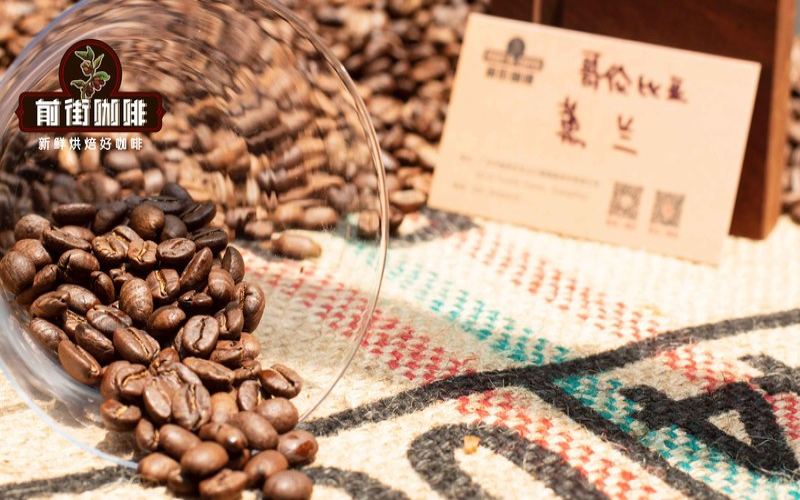
Berry-scented coffee beans, choose your roast level like this
If you want coffee beans with a pronounced berry flavor, start by looking at the roast level, then compare origin and processing method. Light roasts are more likely to retain bright aromas like strawberry, blueberry, and red berry, with a sweetness reminiscent of fresh fruit flesh; medium roasts rein in the acidity and develop notes of fruit jam, smoked plum, or brown sugar; medium-dark roasts let the berry notes blend with cocoa and cara- [more…]
How to Choose Berry-Flavored Coffee Beans: Drinking Differences from Light to Medium-Dark Roasts
If you want to drink coffee with a clear berry flavor, the roast level is a very useful screening clue. Light roasts are more likely to retain the bright notes of fresh strawberries, raspberries, and red currants; medium roasts push the fruitiness toward jam, smoked plum, or ripe berries; and darker roasts often present a combination of dried berries, cocoa, and caramel. First, decide what you want. [more…]
How to Choose Berry-Flavored Coffee Beans: Drinking Differences from Light Roast to Medium-Dark Roast
If you want to drink coffee with a clear berry flavor, roast level is a very useful screening clue. Light roasts more easily preserve the bright aromas of fresh strawberries, raspberries, and red currants; medium roasts push the fruitiness toward jam, smoked plum, or ripe berries; and darker roasts often present a combination of dried berries, cocoa, and caramel. First determine what you want. [more…]
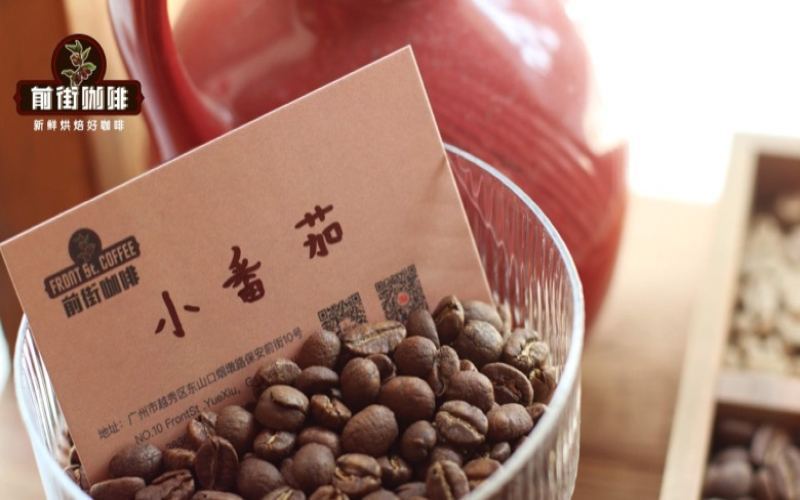
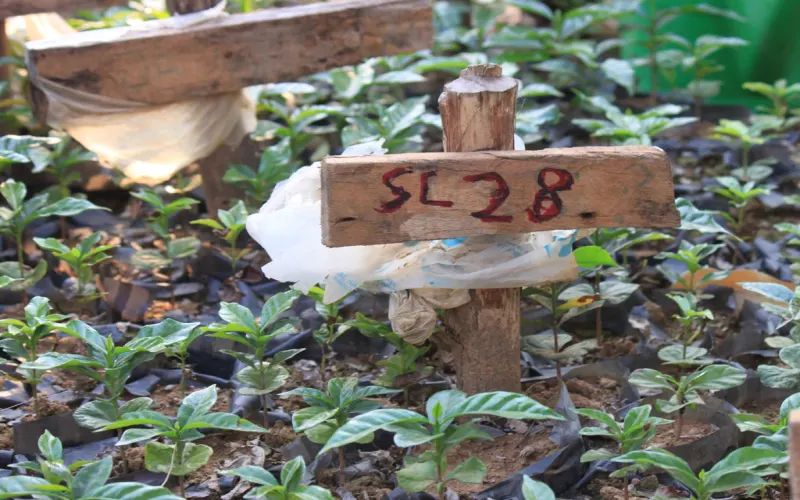
SL28 and SL34: The Legendary Varieties from Kenya's Laboratory
In the world of specialty coffee, few varieties encapsulate a country's technical ambition and terroir expression in two numbers the way SL28 and SL34 do. Their acidity is bright as berry juice, their sweetness rich with blackcurrant notes, and together they have all but defined the "Kenyan taste." This legendary [more…]
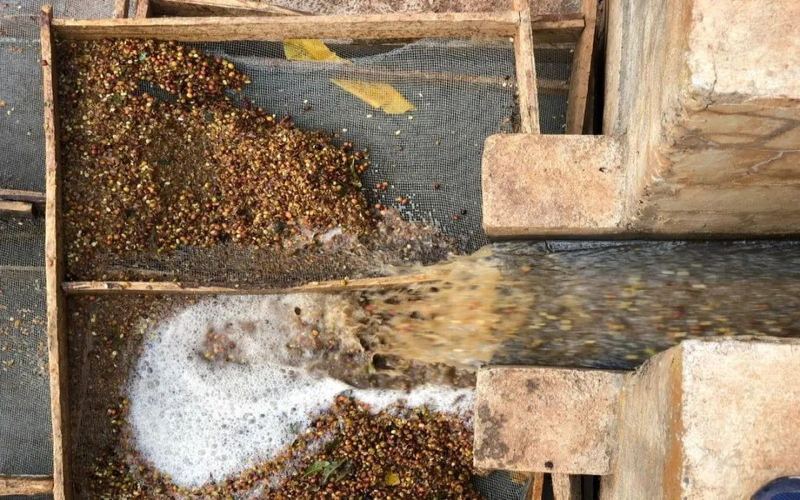
Recommended Cold Brew Coffee Beans: Balancing Budget and Drinking Frequency
When choosing cold brew coffee beans, you can set the complicated information aside for now. For everyday bean buying, you need to consider how quickly you'll drink them, how much to buy at once, and whether you mainly make black coffee or milk coffee at home. Start from the two contrasts—light and refreshing versus rich and full-bodied, and black coffee versus milk coffee—then look at the roast date and processing method, and your judgment will be closer to your daily needs. Flavor [more…]
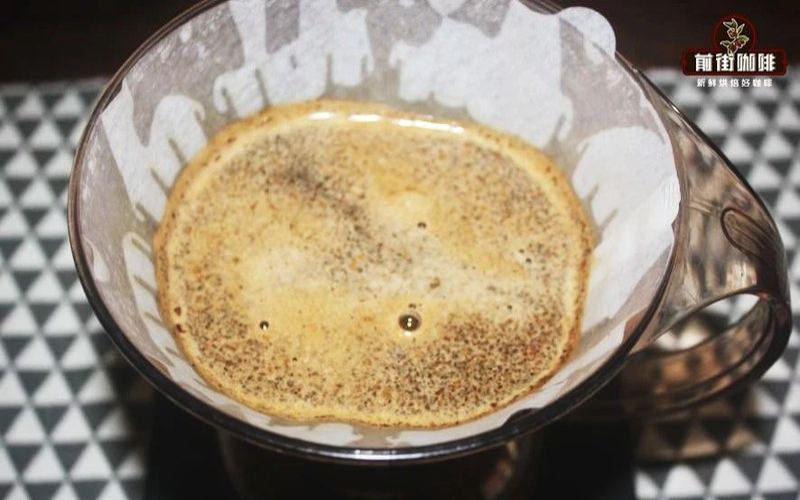
Pour-Over Single-Origin Coffee Recommendations: Balancing Budget and Drinking Frequency
From bean to cup, a coffee must still go through grinding and extraction. When it comes to hand-brewed single-origin coffee, your everyday bean buying needs to take into account how quickly you'll drink it, how much to buy at a time, and whether you mainly make black coffee or milk coffee at home. First confirm your usual equipment and preferred taste, then compare specific beans—your actual practice will have clearer direction. [more…]
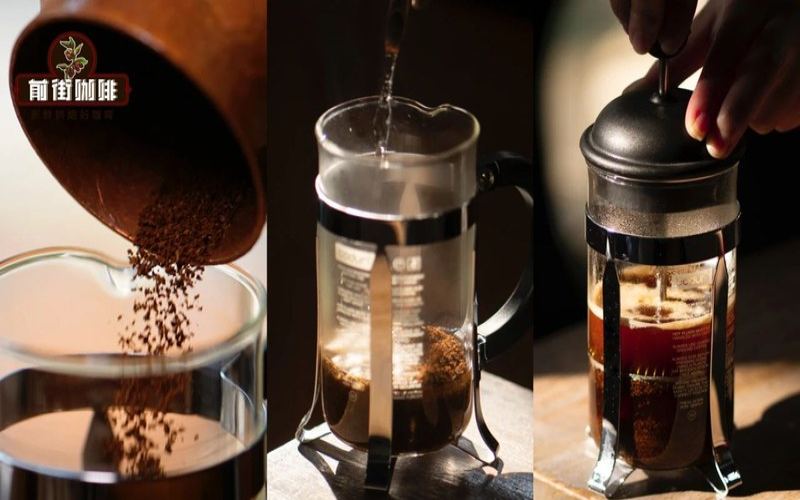
How to Choose Coffee Beans for Home: Balancing Budget and Drinking Frequency
When it comes to coffee beans for home use, you have to start with what actually ends up in the cup. For everyday bean buying, you need to think about how fast you'll go through them, how much to buy at a time, and whether your household mainly drinks black coffee or milk coffee. The roast level of the beans determines the basic taste, the origin and processing method bring aromatic differences, and the equipment you use will change the strength—so when choosing beans, you need to weigh all these factors. [more…]
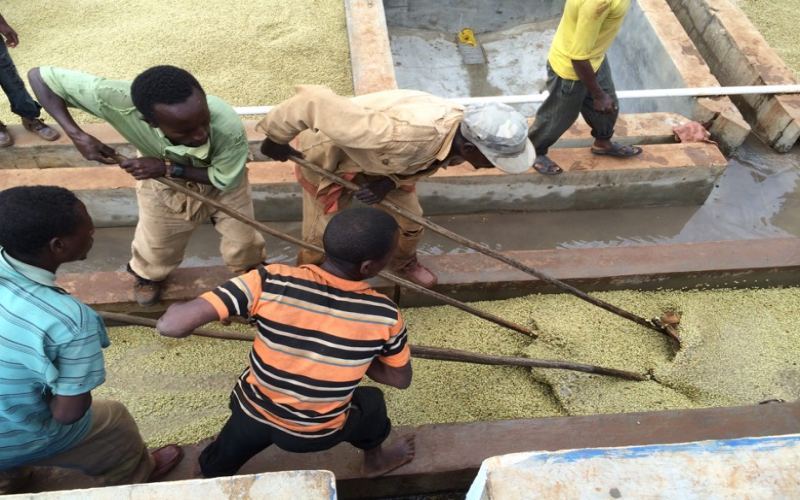
Kenya Double Washed Explained: The Bright Acidity in the Fermentation Tank
If you had to trace the "Kenyan taste" back to its processing origins, the answer would most likely point to double washing. This method, known locally as K72, polishes the fruit acidity of Kenyan coffee until it is bright, solid, and yet still clean. Once you understand double washing, you understand where the signature juicy quality of Kenyan beans comes from. Double Washing [more…]

Recommend a Few Coffee Beans Suitable for Cold Brew: Balancing Budget and Drinking Frequency
Choosing coffee beans suitable for cold brew is something you gradually learn to judge through tasting experience. When buying beans day to day, you need to consider how quickly you'll drink them, how much to buy at once, and whether you mainly make black coffee or milk-based coffee at home. The flavor notes on the packaging can offer clues, but they can't replace the actual drinking experience—whether the acidity is mellow, whether the sweetness lingers, and the mouthfeel [more…]
Recommendations for Several Coffee Beans Suitable for Cold Brew and Ice Drip: Balancing Budget and Drinking Frequency
Coffee beans suitable for cold brew and ice drip will show different facets depending on the brewing method. When buying beans for daily use, you need to consider how quickly you'll drink them, how much to buy at a time, and whether you mainly make black coffee or milk coffee at home. Pour-over easily brings out the aroma, a coffee machine emphasizes intensity, and a moka pot amplifies the full-bodied richness. When choosing beans, you should first determine your own [more…]
Kenya Coffee Characteristics | What Coffee Varieties Are Grown in Kenya? How to Make Pour-Over Black Coffee with Washed Kenya AA, and How to Describe the Coffee Flavor?
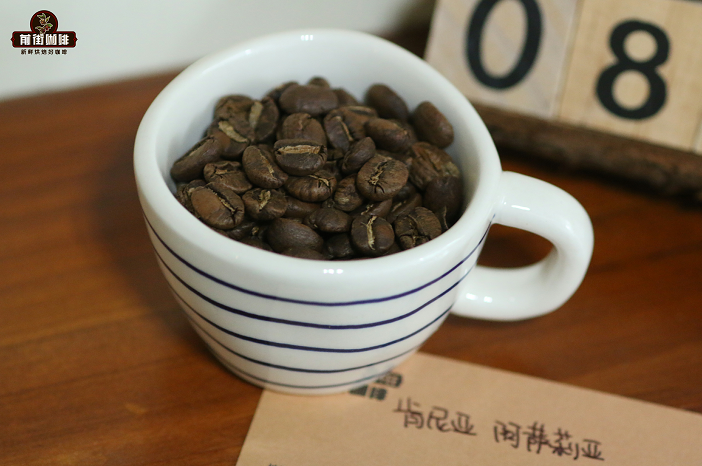
Front Street Coffee: Kenya Asaliya Coffee Beans Region: Kenya, Thika Region, Asali Processing Plant Altitude: 1550-1750m Processing Method: Washed Variety: SL28 & SL34 Flavor: Snow Pear, Smoked Plum, Yellow Sugar [more…]
Kenya AA Coffee Beans | Introduction to Kenyan Coffee Varieties SL28, SL34 and Their Flavor Characteristics
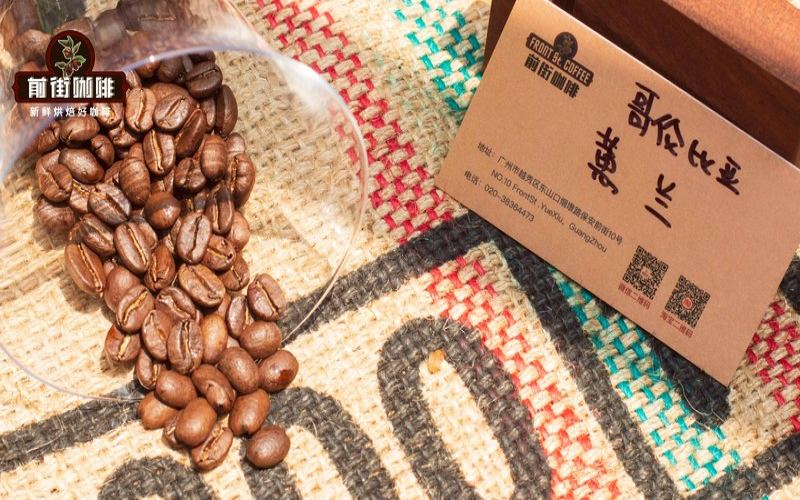
Just as different grape varieties produce wines with vastly different flavors, the variety of coffee beans is also one of the key factors influencing the flavor of the coffee in your final cup. Panama's T2722 Geisha is the best example—it has drawn widespread attention for its white floral aromas and citrus fruit notes. And today, Front Street Coffee wants to share [more…]
Coffee Bean Review for Long-Term Drinking: Balancing Budget and Drinking Frequency
Evaluating coffee beans suitable for long-term drinking is best approached by gradually building judgment from tasting experience. When buying beans for daily use, you need to consider how quickly you'll drink them, how much to buy at once, and whether you mainly make black coffee or milk coffee at home. The flavor words on the packaging can offer clues, but they cannot replace the actual drinking experience—whether the acidity is gentle, whether the sweetness lingers [more…]
Recommendations for pour-over beans with pronounced sweetness and rich fruity aromas | What factors influence Kenyan coffee flavor? Are berry-flavored single-origin coffee beans suitable for beginners?
When it comes to acidic coffee, many people may only think of Ethiopia's Yirgacheffe, Huakui, or Panama's Geisha, but they don't know that Kenyan coffee also has a rich sweet-and-sour aroma and a juice-like mouthfeel. Kenyan coffee is usually processed using the double washed method, with varieties being SL28 and SL34. [more…]
Cold brew coffee tutorial | Which single-origin beans to choose for making iced coffee at home? Specialty coffee beans recommended for cold brew by experienced coffee enthusiasts
In such hot weather, of course you have to drink your coffee iced. But for someone at Front Street Coffee who can never make up their mind, with so many types of iced coffee on the market—cold brew, ice drip, nitro coffee, Japanese-style iced coffee—how exactly should you choose? We all know that iced coffee generally uses low-temperature extraction, which is slow, but in terms of flavor, by [more…]
How to Choose Medium-Roast Coffee Beans for Pour-Over: Three Styles from Fruity to Sweet
Medium-roast coffee beans are well suited to pour-over because they strike a good balance between aroma, sweetness, and body. They don't emphasize the bright acidity and fragrance of light roasts, nor do they put the roasty notes front and center like dark roasts. Once brewed with hot water, the cup retains the character of its origin while offering a rounder texture, making it a good choice for breakfast or the afternoon. [more…]
Recommending several medium-roast coffee beans suitable for pour-over: balancing budget and drinking frequency
From bean to cup, a coffee must still go through grinding and extraction. When choosing medium-roast coffee beans suited to pour-over, your daily buying decisions should take into account how quickly you drink it, how much to buy at a time, and whether you mainly make black coffee or milk coffee at home. First confirm your usual brewing equipment and preferred taste, then compare specific beans—this will make the actual process much more [more…]
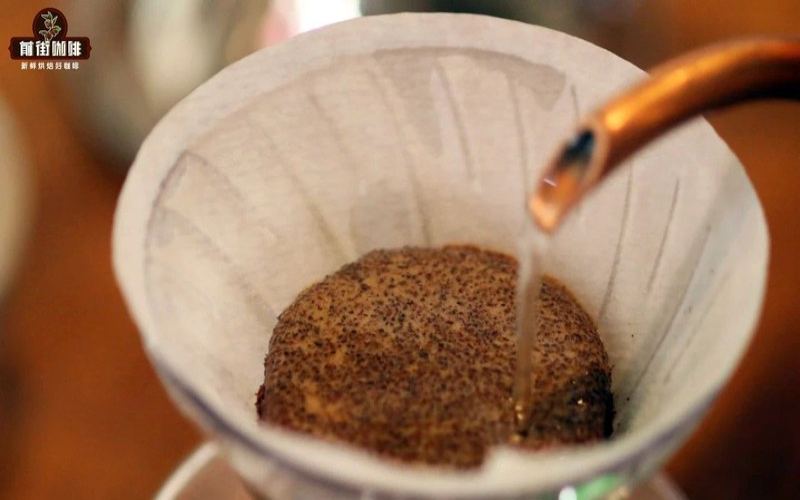
The Flavor Window and Brewing Rhythm of Medium-Roast Coffee Beans: From Degassing to Opening and Storage
Freshly roasted coffee beans are rich in carbon dioxide internally. Under the heat of a medium roast, a loose, porous structure forms, and these gases are gradually released over the following days. If you grind and brew the beans immediately after getting them, the vigorous bubbling of gas will hinder full contact between the water and the coffee grounds, leading to uneven extraction. [more…]