







Search Results for: Size
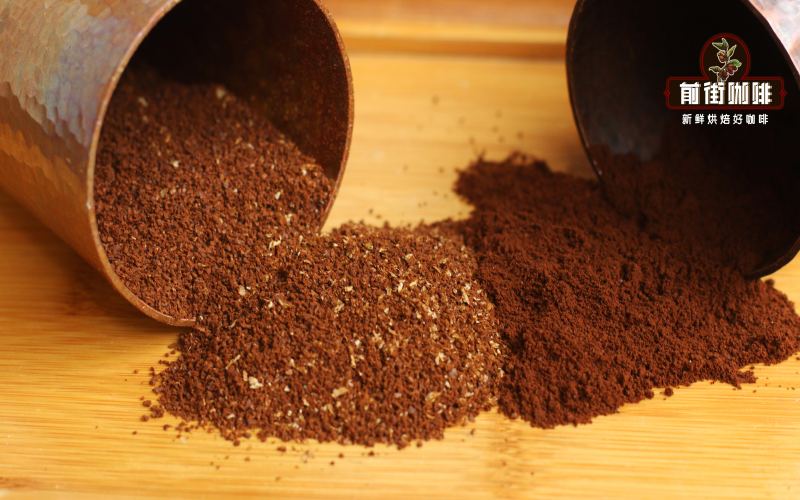
Coffee Grind Size Parameters | Pour-Over, Cold Brew, Ice Drip, Moka Pot – How Fine Should Coffee Grounds Be? A Guide to Using the Common Coffee Grind Size Reference Chart
"Excuse me, what grind size should I use for pour-over coffee?" "Why is the grind at setting 10 on your machine different from setting 10 on mine?" "When you say 'sugar-like,' do you mean caster sugar, granulated sugar, or brown sugar?" ... Are you still struggling to find the right grind size for your coffee brewing device? Front Street has an article to [more…]
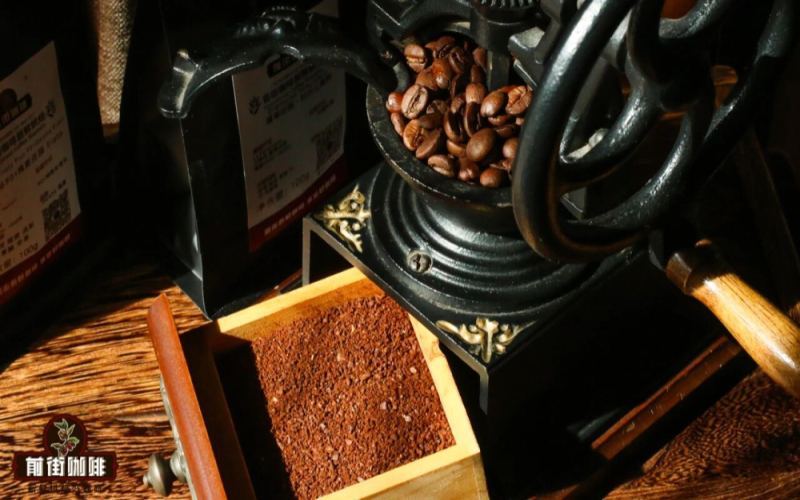
Pour-Over Coffee Grind Size Comparison Guide: Use a No. 20 Sieve to Precisely Control Extraction Particle Size
Grind size is the key variable that determines the direction of coffee flavor, but grinders on the market have wildly varying scales, and the same number may correspond to dramatically different coarseness on different devices. How fine is actually fine? How should you judge something the size of granulated sugar? This article starts from the impact of grind size on extraction, systematically introduces how to quantify the coarseness of coffee grounds with the help of the Chinese standard No. 20 0.85 mm aperture sieve, and for common brewing methods such as pour-over, French press, cold brew, espresso machine, and moka pot, provides reference ranges for grind passing rates under different roast levels and comparison methods, helping you find the grind parameters suitable for your own equipment. [more…]
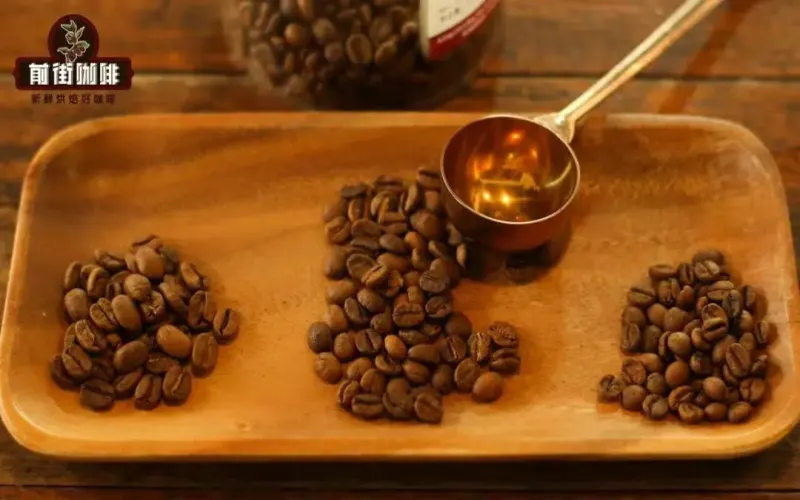
Is there really a link between coffee bean size and flavor quality? A detailed explanation of the origins of the size grading systems in Kenya and Tanzania
In the world of coffee, many producing regions grade coffee beans by bean size—the larger the bean, the higher the grade and the more expensive the price. But does bean size really affect flavor? Front Street Coffee once conducted a comparative experiment, cupping the large and small beans of the same lot separately, and the results showed no obvious difference in taste between the two. So why do regions like Kenya and Tanzania still use size grading today? Behind this lie both historical colonial factors and practical considerations of roasting uniformity. Starting from Front Street Coffee's experiment, this article will sort out the pros and cons of size grading, explain the core factors that truly determine coffee flavor, and describe the flavor performance of Front Street Coffee's Kenya·Little Tomato, a high-grade bean. [more…]
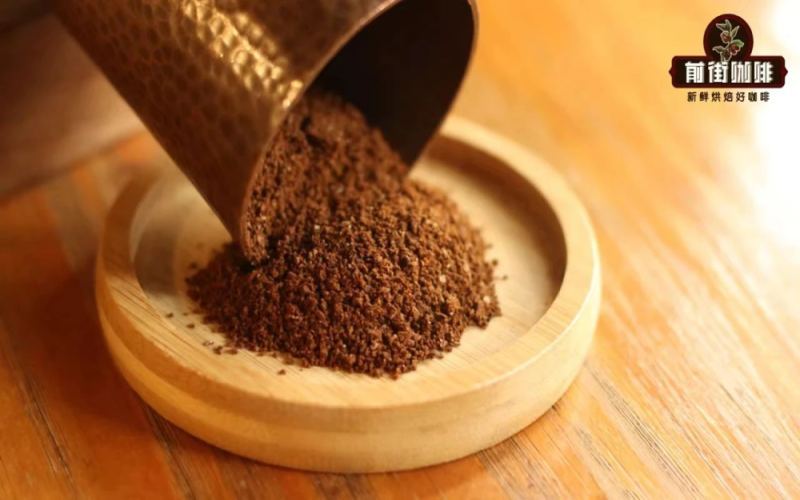
How do you determine the grind size for pour-over coffee? Can coffee grounds be brewed directly?
In the process of making pour-over coffee, water temperature, grind size, and coffee-to-water ratio are the three key variables that affect the final flavor. Among them, grind size directly determines the particle size and uniformity of the coffee grounds, which in turn affects the efficiency with which water extracts flavor compounds as it passes through the coffee bed. So, when faced with coffee beans of different characteristics, how do we find the most suitable grind setting? And when the grind is too fine or too coarse, what typical signs show up during brewing? In this article, Front Street Coffee will systematically explain the mechanism by which grind size affects extraction, and introduce a method that uses a standard sieve to accurately determine whether the grind is appropriate, helping you adjust grind parameters on a more informed basis in your daily brewing. [more…]
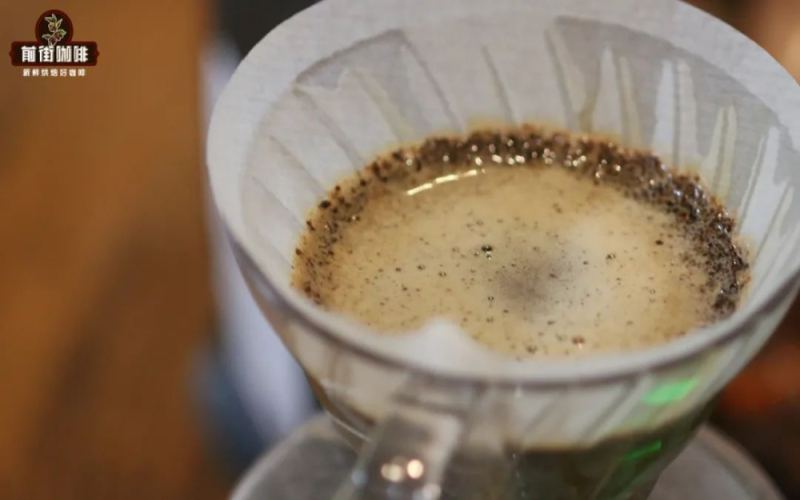
Coffee Bean Grinding | Which Coffee Grind Is Finest on a Grinder Scale from 1 to 10? How Do You Adjust the Grind Size for Pour-Over Coffee? Reference Guide to Coffee Grind Size Standards
Which grind size from 1 to 10 is the finest for coffee beans? In most cases, the smaller the number, the finer the grounds. The grind size of coffee beans plays an important role in extracting a cup of coffee. For example, if the coffee grounds are too fine and used for pour-over coffee, it will result in over-extraction, while if they are too coarse, it will result in under-extraction. Secondly, factors such as the beans from each producing region [more…]
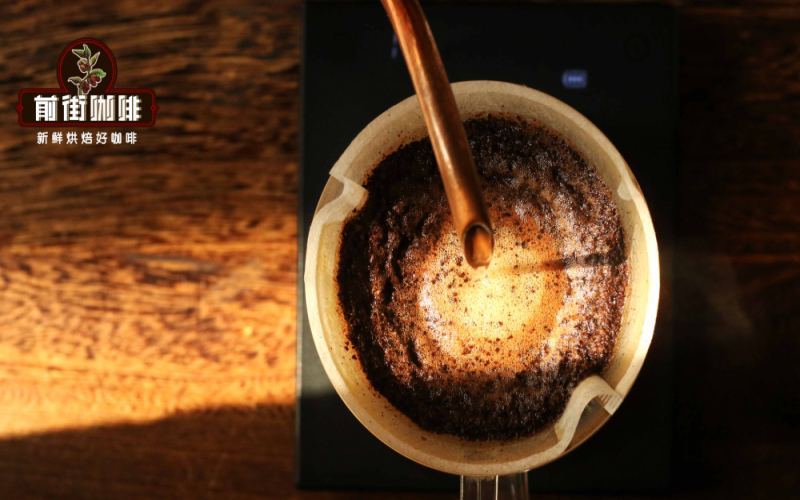
How Is Coffee Ground Size Classified? An Analysis of Grind Size Differences from Extra Fine to Coarse and the Standards for Pour-Over
The essence of coffee extraction is using water to dissolve flavor compounds out of coffee beans, and among the several core variables that determine extraction results, grind size is often the most intuitive and the one that most needs precise control. The finer the coffee is ground, the faster water penetrates into the particles to extract compounds, and the more flavor can be dissolved in the same amount of time, naturally making the taste richer; conversely, the coarser the particles, the lower the extraction efficiency, and the coffee easily tastes weak. So how many levels of grind size are commonly available on the market? What grind levels suit espresso, pour-over, and French press respectively? And how does Front Street Coffee use a 0.85mm standard sieve to define the baseline for pour-over grinding? This article will break down, one by one, the mechanisms by which grind size affects taste, sort out the coarseness spectrum from Turkish pot to French press, and provide a reusable method for judging pour-over grind size. [more…]
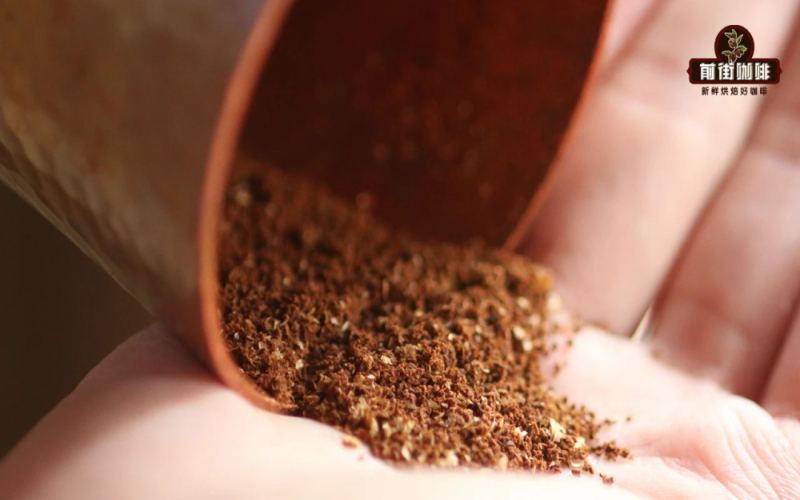
How to choose the grind size for pour-over coffee? A full analysis of extraction yield, flavor and mouthfeel, and sieve pass-through rate standards.
Grind size is one of the core variables determining the extraction outcome and flavor direction of pour-over coffee. This article systematically examines how coffee particle size affects flow rate and extraction efficiency, compares the typical behaviors when the grind is too fine versus too coarse, and provides reference grind ranges for different brewing devices such as cupping, pour-over, espresso, moka pot, cold brew drip, and French press. It also introduces the calibration method using the No. 20 sieve pass-through rate to help you find the appropriate grind setting between medium-light and medium-dark roasted beans. The article also incorporates Front Street Coffee products such as Huakui, Geisha, Sidra, PWN Golden Mandheling, Queen's Estate, and Blue Mountain No. 1, offering corresponding grind recommendations and extraction approaches. [more…]
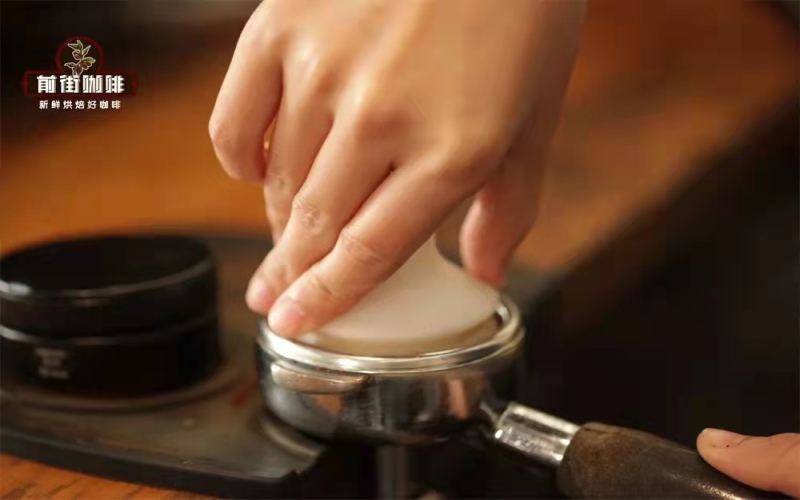
Coffee Grind Size Chart | What Are the Differences in Grind Size, Coffee Brewing Ratios, and Brewing Time Between Moka Pot and Espresso?
There are many factors that affect the taste of coffee. During the brewing process, the factors that influence coffee include the coffee-to-water ratio, grind size, water temperature, etc. Among them, grind size can be said to be extremely important. There is a saying in the industry: "You can buy a cheaper coffee machine, but the grinder must be the best." It must be said that grinding really has an [more…]
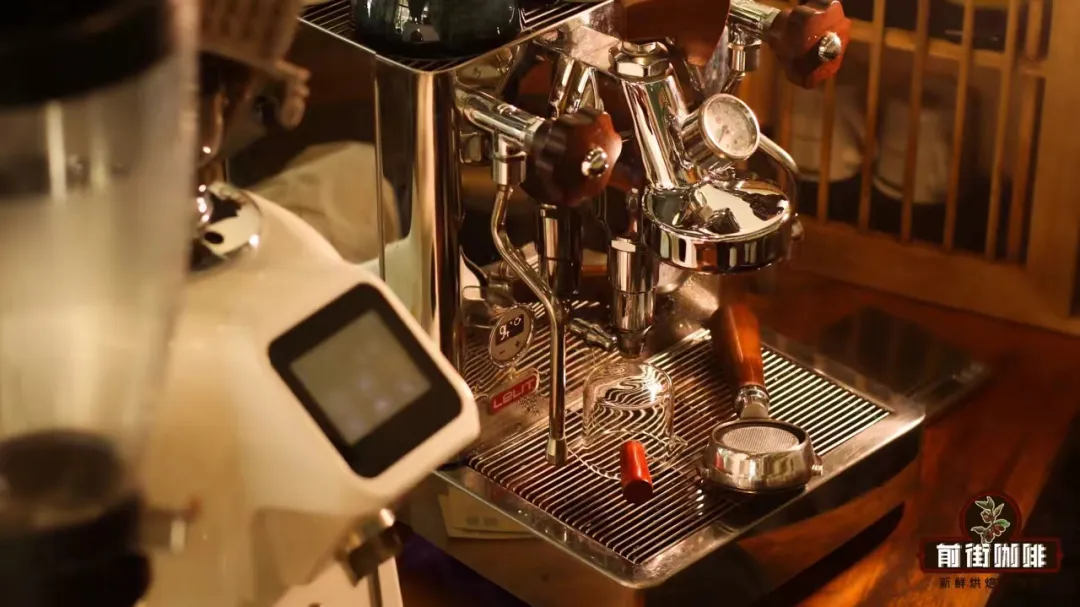
Espresso Grind Size Chart | What Coffee Ground Size Suits French Press, Cold Brew, Ice Drip, Siphon, and Moka Pot? How to Judge and Adjust Coffee Grind Size?
If you pay close attention, you'll notice that coffee shops use many different brewing methods, but based on the grind size of the coffee grounds, they usually fall into two categories. One is a grind as coarse as granulated sugar, suitable for pour-over coffee, French press coffee, siphon coffee, cold brew coffee, and so on. The other is between flour and muddy sand in texture. [more…]

An Analysis of the Meaning of Tanzanian Coffee AA and AB Grades: British Imperial Screen Size Standards and the Detailed Classification Rules for Each Grade
Tanzania, one of Africa's Big Three coffee producers, has performed increasingly impressively in the global specialty coffee market in recent years. When buying Tanzanian coffee beans, what exactly do the "AA" and "AB" labels commonly seen on packaging mean? These letters are in fact grade codes for Tanzanian Arabica coffee beans, using a British imperial grading method similar to Kenya's, though the specific standards differ. Tanzanian authorities grade coffee by screen size, assuming that larger size means better quality, and classify beans into multiple grades such as AAA, AA, A, B, PB, C, E, F, AF, and TT. Among these, Grade AA requires mostly 17 to 18 mesh, while Grade AB is a mix of Grades A and B, and no such official grade actually exists. This article will explain in detail the specific mesh requirements and screening standards of each grade, helping coffee lovers decipher the grading code of Tanzanian coffee beans. [more…]
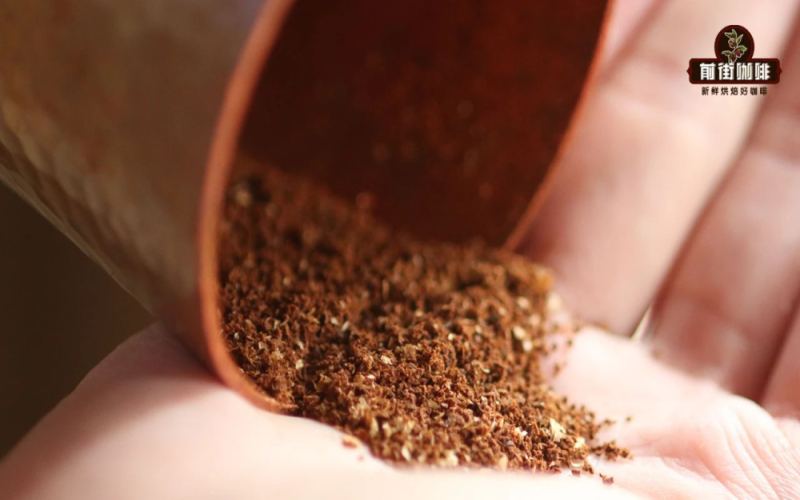
Coffee Ground Size Reference Standards | Why Does Coffee Bean Grind Size Affect the Flavor and Mouthfeel of Pour-Over Coffee? How Fine Should Pour-Over Coffee Grounds Be?
If you are a passionate lover of pour-over coffee, then you must know that the following factors are among the reasons that affect your coffee's extraction and flavor! So let's count them with Front Street: water temperature, grind size, coffee-to-water ratio, extraction time... Front Street Coffee (FrontStreet [more…]
How Does Grind Size Affect Flavor in Pour-Over Coffee? A Full Breakdown of Cupping and Brewer Reference Standards
Among the many variables in pour-over coffee, grind size is one of the core factors determining extraction efficiency and the final flavor. The coarseness of the coffee grounds not only changes the speed at which water penetrates the coffee bed, but also directly affects the coffee's strength, body, and the balance of acidity, sweetness, and bitterness. In this article, Front Street Coffee systematically sorts out the mechanisms by which grind coarseness affects extraction, and provides reference grind standards for different brewing methods such as cupping, pour-over, French press, espresso, moka pot, and cold brew/ice drip. It also introduces the calibration method using the No. 20 sieve pass rate, helping coffee enthusiasts find grind parameters that suit them. [more…]
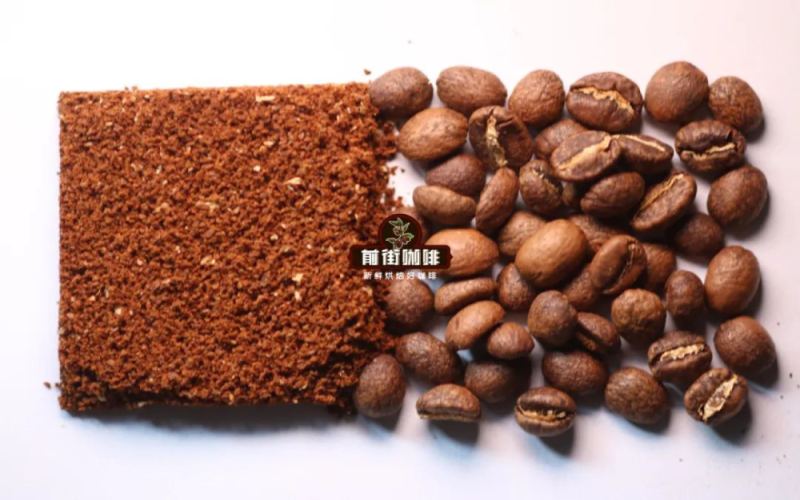
Pour-Over Coffee Grind Size Selection Guide: Three Methods for Judging Grind and the Practical Application of Particle Size Distribution
How should you determine the grind size for pour-over coffee? This is the first challenge many coffee enthusiasts encounter when getting started. This article systematically introduces three methods for judging grind size—visual analogy, grinder setting reference, and sieve calibration—analyzing the pros, cons, and applicable scope of each, and further introduces the advanced concept of "particle size distribution" to help understand how grind uniformity affects extraction. At the same time, Front Street Coffee, drawing on its own brewing framework, shares how to combine visual observation, data, and brewing tests to find the pour-over grind size that suits you in a more practical way. [more…]
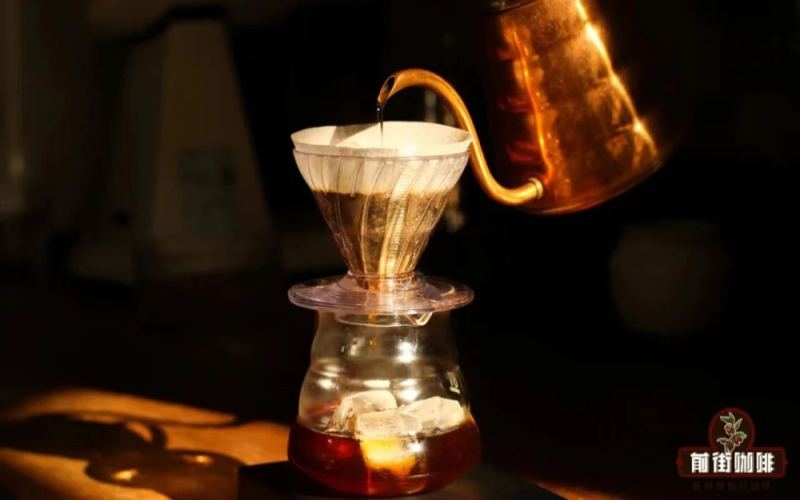
Coffee Bean Grinding | How Does Grind Size Affect the Flavor and Mouthfeel of Pour-Over Coffee? How to Judge Coffee Grind Size Without a Sieve?
The coarseness of the grind in coffee directly affects the contact area between the coffee and water as well as the extraction time, and it will directly impact the taste of the coffee. But at the same time, the coffee grind size is also the most headache-inducing aspect for many people! In this article, Front Street will explain how to determine what the grind size should be for different coffee beans. First, [more…]
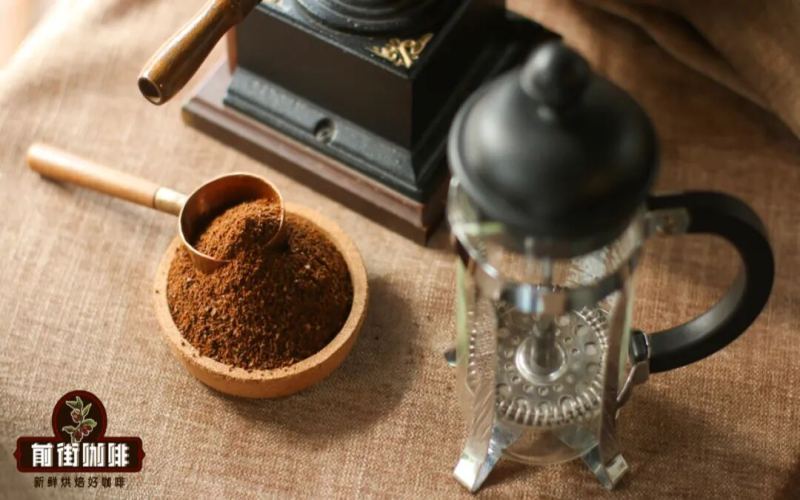
Grind Size | What coffee grind coarseness should be used for pour-over, cold brew, ice drip, moka pot, and espresso? How can coffee beginners judge the correct coffee grind size?
No matter what method we use to make coffee—whether it's pour-over, cold brew, or espresso—we first need to grind the coffee beans into grounds before we begin. The purpose of doing this is to increase the surface area of the coffee that comes into contact with water, speed up the dissolution of flavor compounds, and give the brewed coffee a fuller taste. [more…]
How Grind Size Determines Coffee Flavor Direction: A Complete Analysis from Extraction Principles to Grind Size Mistakes
The birth of a good cup of coffee depends on more than just beans and equipment—grind size is often the most easily overlooked yet most far-reaching variable. The sweet, sour, bitter, and other flavor compounds in coffee dissolve into water in a specific order, and grind size is the core lever controlling this process. This article will guide you through understanding the essence of extraction, recognizing how coffee ground size changes the final taste, and analyzing the typical problems that arise when grinding too coarse or too fine. Whether you brew with pour-over or espresso, mastering the relationship between grind and strength is the first step in building a stable brewing recipe. [more…]
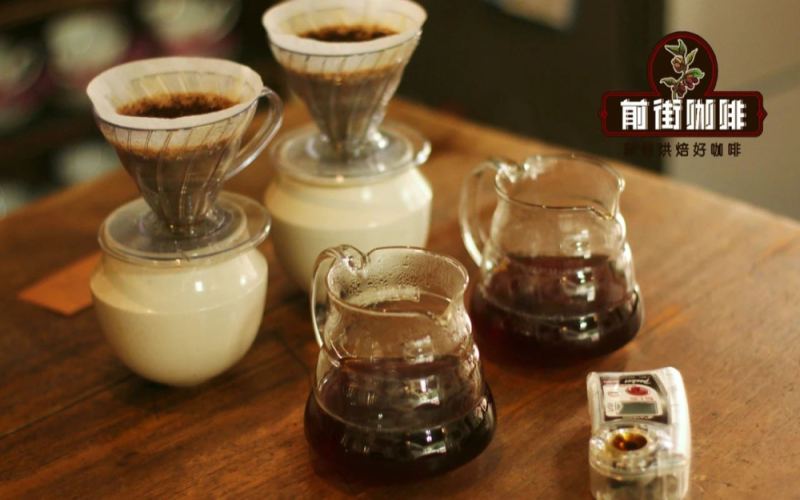
Pour-over Coffee Basics | What Is the Standard Coffee Ground Size for Pour-over? How Do You Determine the Grind Size for Single-Origin Pour-over Beans?
Beginners in pour-over coffee often come to FrontStreet Coffee and ask how to determine the grind size for each coffee bean, what effect grind size has on coffee extraction, how to tell the coarseness of coffee grounds at home, and so on. In this article, Front Street will talk about [more…]
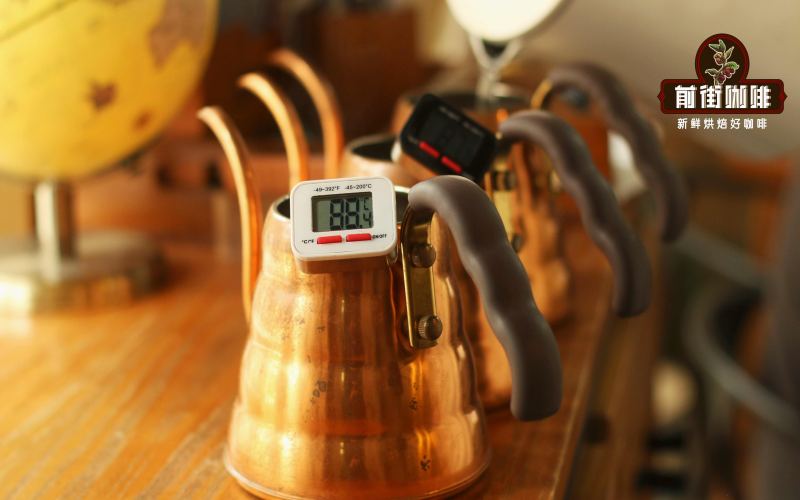
How to Choose the Grind Size for Pour-Over Coffee? A Practical Guide from Extraction Principles to Sieve Calibration
The flavor expression of pour-over coffee is directly related to the grind size. The coarseness of the particles not only determines how easily water passes through the coffee bed, but also influences the efficiency with which flavor compounds are released. When the grind is finer, extraction resistance increases, the flow rate slows, and the coffee tends toward intensity; when the grind is coarser, water passes through smoothly, the extraction yield drops, and the flavor tends toward weakness. So in everyday brewing, how can you find the right grind setting for beans of different roast levels? Starting from Front Street's brewing experience, this article sorts out the specific effects of grind size on extraction, explains the typical manifestations of over-fine and over-coarse grinds during brewing, and introduces a method for judging whether the grind is appropriate using a 0.85mm test sieve. [more…]
How to Determine the Grind Size for Pour-Over Coffee? A Detailed Explanation of the Particle Size Standard and the 80% Pass Rate Through a 0.85mm Sieve
The flavor expression of pour-over coffee depends to a large extent on the grind size setting. If the particles are too coarse, extraction is insufficient and the taste is thin; if too fine, over-extraction easily occurs and bitterness becomes prominent. So what range should pour-over coffee particles actually be controlled within? Different grinders have inconsistent scale standards, so how can this be expressed in a unified way? Starting from the principles of extraction, this article sorts out the mutual influences among coffee-to-water ratio, water temperature, time, and grind size, and introduces the method used by Front Street Coffee of measuring grind pass-through rate with a 0.85 mm standard sieve, giving the basic reference standard of an 80% pass-through rate to help coffee enthusiasts quickly find a suitable grinding baseline when facing different beans and equipment. [more…]

How to Set Your Coffee Grind Size? A Complete Guide to the No. 20 Sieve Calibration Method and Brewing Assessment
Many coffee enthusiasts feel confused after getting coffee beans: which grinder setting should they actually use? In reality, the burr designs and setting standards of grinders from different brands vary greatly, and the same number on different devices can produce dramatically different particle sizes. Therefore, when Front Street Coffee performs daily grind calibration, it uses the Chinese No. 20 standard sieve (0.85 mm aperture) to measure the passing rate as a unified reference. This article will start with the specific steps for sieve calibration, combine different roast levels and brewing methods to give grinding recommendations, and share how to judge whether the grind is appropriate based on brewing time and the settling state of the coffee bed, helping you build a grind assessment system that does not rely on grinder settings. [more…]