







Search Results for: Single-Estate Coffee Beans
The Golden Ratio and Workflow for Bulletproof Coffee: A Complete Guide from Bean Selection to Blending
Want to try Bulletproof Coffee but don't know where to start? This article breaks down the golden ratio and step-by-step preparation of standard Bulletproof Coffee, covering everything from the principles of selecting coffee beans to pairing MCT oil and grass-fed butter, and even the blending technique. We'll also explore why single-estate beans are the core key, and the differences between ground coffee and whole beans when it comes to mycotoxin risk. If you're after high performance without compromising on taste, this practical guide will help you avoid common pitfalls and make a cup of coffee that truly embodies the spirit of the Bulletproof diet. [more…]
Ethiopia Guji Ana Sora Farm Natural Sidamo G1: Single Estate Lot 3 Flavor and Origin Interpretation
Located in the Guji region of Ethiopia, the Anasora Farm is a rare single-estate coffee production site in the country, covering about 250 hectares at an altitude of 1,900 to 2,350 meters. This Lot3 batch is processed using the African raised-bed single-layer slow sun-drying method, presenting a complex aroma of strawberry cookie, mixed berries, citrus, and florals, accompanied by maple-syrup-like sweetness and a solid, rich mouthfeel. The delicate blueberry aroma from high fermentation, the sweet, full-bodied coffee, and the typical Sidamo depth at medium temperatures give this bean a long finish and lingering sweetness. Front Street Coffee recommends it to enthusiasts who love sun-dried Ethiopian coffee. This article will outline the estate's background, trends in the Guji region, and relevant Oromo context to help readers fully understand the origins and story of this bean. [more…]
A Complete Guide to Choosing Single-Origin Coffee for Beginners: From Origin Flavors to Front Street Brand Recommendations
Newcomers to specialty coffee often feel overwhelmed when faced with a dazzling array of single-origin beans. This article starts with the definition of single-origin coffee, helping you clarify the differences between single-region, single-estate, and traceability. It then breaks down flavor characteristics by the three major producing regions—Africa, the Americas, and Asia—and offers beginner-friendly bean recommendations from the Front Street Coffee brand, such as Yirgacheffe, Lintong Mandheling, and Costa Rica. Finally, it covers how the four main processing methods affect acidity and sweetness, so you can quickly build a bean-selection framework and find the cup that suits your taste. [more…]
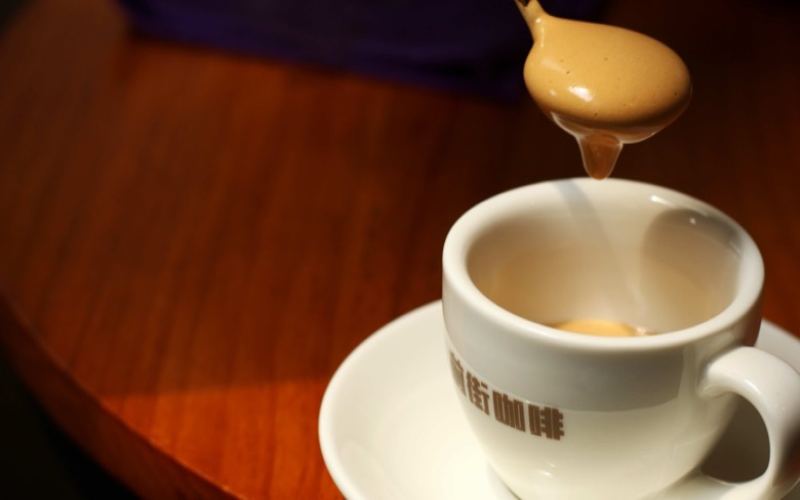
Exploring Single-Origin Beans in a Moka Pot: Estate Beans' Performance in the Pot
The moka pot isn't only for blend beans—using single-origin estate beans for moka pot extraction lets you experience another side of regional flavors in espresso form. Flavors that are soft and bright in pour-over become more concentrated and thicker under the moka pot's pressure extraction, making them even more recognizable. Central and South American estate beans perform smoothly in the moka pot [more…]
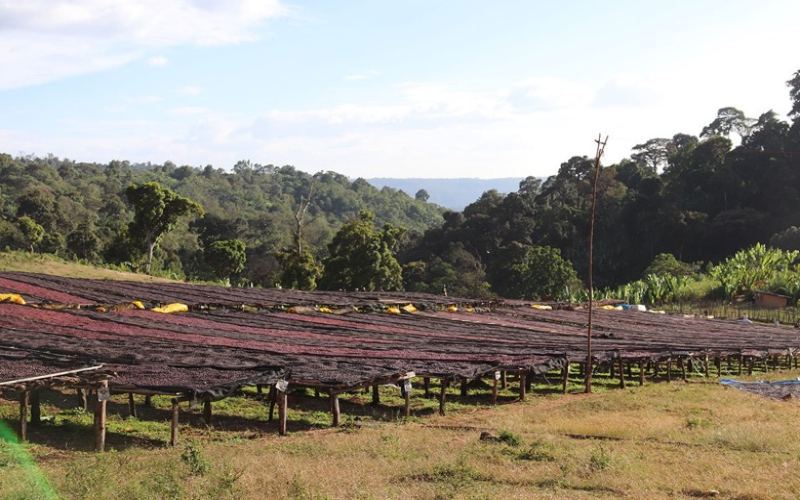
Micro-lots as Small as a Few Sacks—What Makes Them So Memorable?
In the world of specialty coffee, micro-lot is a term that sets hearts racing. It might come from a small east-facing plot on an estate, or from a small batch of green beans processed separately in a single fermentation tank at a processing station. The yield is often only a few dozen bags, and once they're sold out for the season, you'll have to wait until next year for that same flavor. This sense of exclusivity, [more…]
From Everyday Beans to Auction Lots: How Arabica Climbs the Price Ladder
Even though they are all labeled Arabica, coffee bean prices can differ by dozens or even hundreds of times. At one end of this price spectrum are commercial beans on store shelves, and at the other end are famous estate beans bid on per pound at auctions. Understanding what makes each level expensive will help you spend your money wisely and make it easier to find the tier that matches your taste. The entry level is commercial grade. [more…]
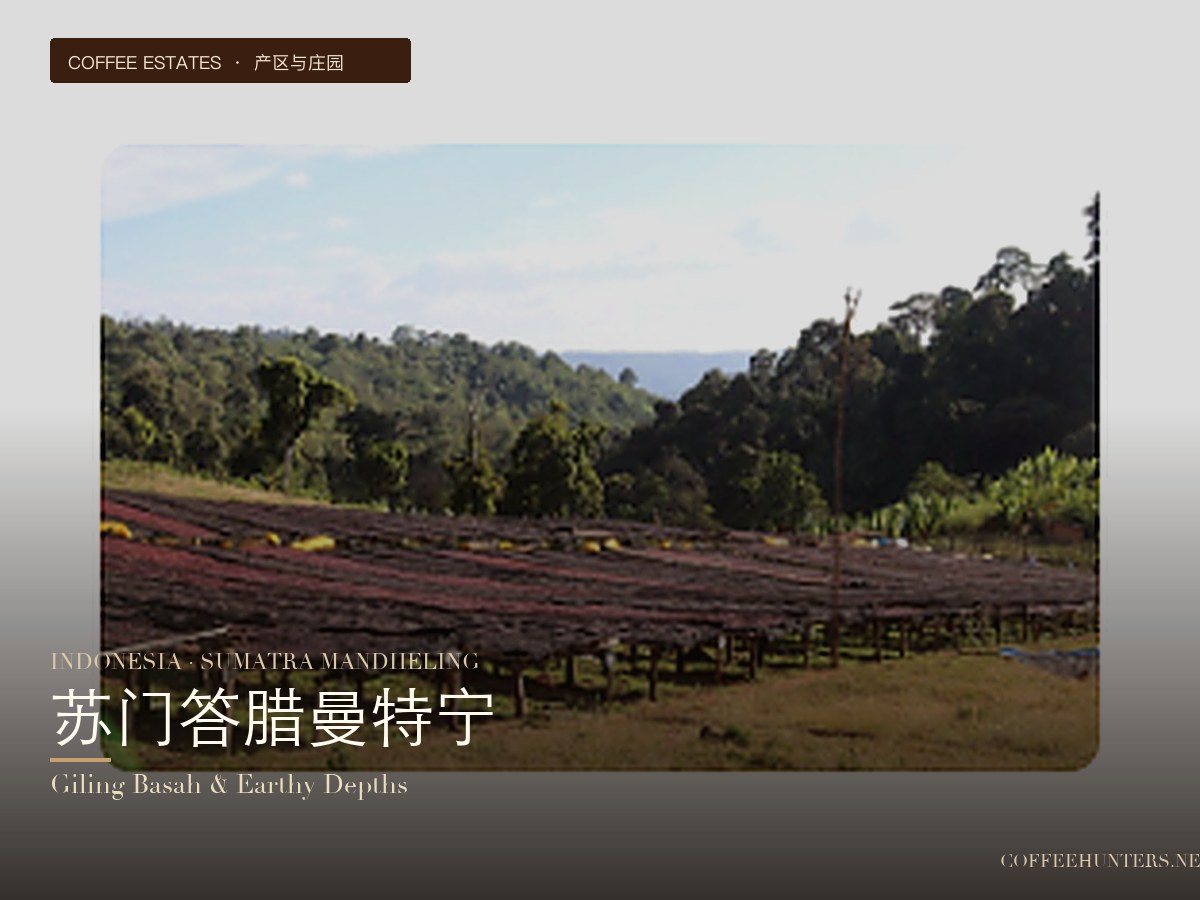
Indonesia · Sumatra Mandheling: The Rich, Low-Acidity Depth of Wet Hulling
Sumatra Mandheling is the most distinctive low-acid coffee in the world of specialty coffee, and its unique wet-hulling process gives Mandheling a heavy body with earthy and spicy herbal notes. This article takes you through the mystery of Mandheling's processing. [more…]
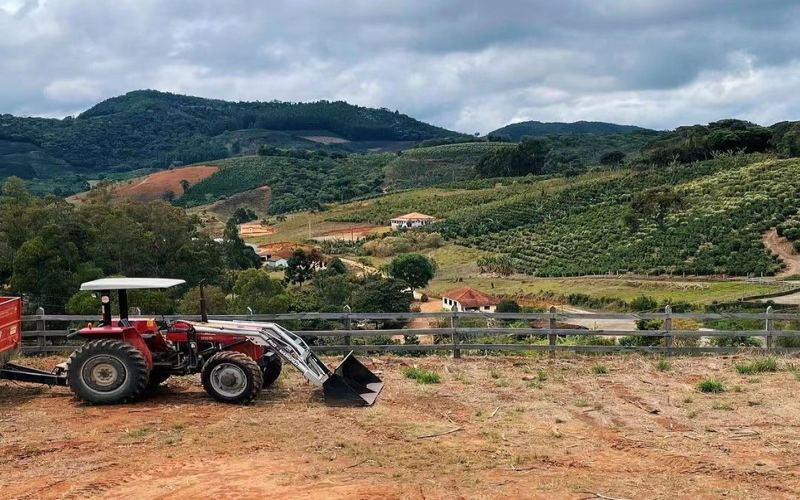
After the roast date, when does an SOE latte enter its flavor peak?
When SOE espresso meets milk, it can turn the fruity sweetness, nutty aroma, or cocoa notes of a single origin into softer layers in a latte—but only if the beans are at the right stage of release. Brew too soon after roasting, and the active gases make the espresso prone to inconsistency; leave them too long, and the aroma fades. To get it tasting good, the purchase date and the moment you open the bag [more…]
Ethiopia Guji Region Specialty Coffee Beans: Variety Characteristics, Flavor Profile, and Pour-Over Recommendations
Guji has been a产区 in Ethiopia that has attracted much attention in the specialty coffee circle in recent years, and its Shakiso micro-region is especially known for producing high-quality coffee beans thanks to its superior terroir conditions. Starting from the reform of the ECX trading system, this article sorts out the administrative division and naming logic of Ethiopia's coffee-producing regions, focusing on the origin environment, processing methods, and flavor characteristics of Guji-Shakiso, and comparing the market changes of neighboring regions such as Yirgacheffe. The article also recommends the Guji-Hambela Huakui 2.0 coffee beans roasted by Front Street Coffee, balancing quality and value for money, suitable for pour-over enthusiasts to refer to when purchasing. [more…]
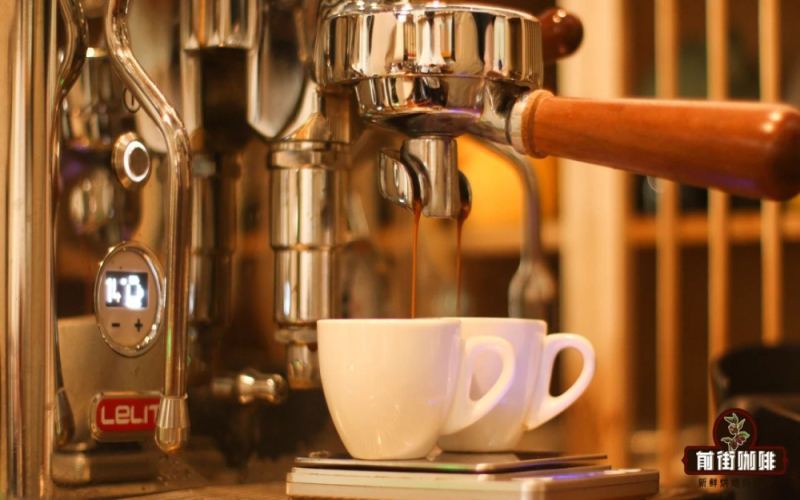
SOE Coffee Explained: What Single-Origin Espresso Means, Why It Costs More Than Blends, and Brazilian Bean Flavor Recommendations
SOE, or Single Origin Espresso, has become a hot topic in the specialty coffee circle in recent years. This article will systematically sort out the meaning of SOE, analyze its differences from espresso blends, and explore why SOE is generally priced higher than blends. The article also clarifies several common misconceptions: SOE does not necessarily mean better taste or higher quality, and the difference between the extraction principles of espresso and pour-over also determines that medium-dark roasting is more suitable. At the end of the article, Front Street Coffee recommends the Yellow Bourbon beans from Queen's Farm in Brazil, detailing their flavor highlights of interwoven nutty, dark chocolate, and caramel notes. [more…]
Flavor Analysis of Ethiopian Guji Zone Kochere Sun-Dried Coffee and the Background of Operation Cherry Red
Guji Zone is a coffee-producing region in Ethiopia that has attracted much attention in recent years, located southeast of Yirgacheffe and under the administration of Oromia Regional State. This lot of Kersha Village Natural G1 is produced by a local smallholder cooperative, using African raised-bed natural drying, at an altitude of 1,900 to 2,000 meters, with the variety being Ethiopian heirloom landraces. In terms of flavor, it presents delicate blueberry aroma, ripe orange and grape notes, with sweet, rich body and a long finish. This article explains in detail the administrative divisions of this producing region, the operating model of the Kersha cooperative, and how the Dutch Red Cherry Project improves coffee quality through technical guidance and premium-price purchasing, providing coffee enthusiasts with complete background and tasting reference. Front Street Specialty Coffee also recommends Yirgacheffe Natural Red Cherry, Costa Rica Sumava Black Honey, and Angel Estate, among other beans. [more…]
Flavor Characteristics of Guatemala Finca Santa Felisa Typica K72 Washed Coffee Beans and the Story of a Century-Old Estate
San Felisa Estate is a century-old family estate in the Acatenango region of Guatemala, run by the fourth generation of the Cruz family. The estate has its own processing plant, sits at an altitude of about 1,550 meters, and its coffee is grown at elevations of up to 1,920 meters. Its Typica beans use the K72 washed processing method—rare in Central America and originating in Kenya—undergoing 72 hours of triple-cycle fermentation and washing. Front Street Coffee recommends this bean, whose flavor profile features jasmine, lemongrass, chocolate, pistachio, stone fruit, delicate malic acidity, and a lingering caramel finish. This article will guide you through the estate's history, processing details, community philanthropy philosophy, and recommendations for various roast levels. [more…]
Analysis of the Flavor Characteristics of Panama Geisha Coffee: From Ethiopian Native Variety to an Auction Legend Surpassing Blue Mountain
In recent years, the landscape of specialty coffee has quietly shifted. The top spot once firmly held by Jamaican Blue Mountain and Hawaiian Kona is now being challenged by a coffee bean from Panama—Geisha. It originated in the wild forests of Ethiopia, traveled through Kenya, Uganda, and Costa Rica, and finally shone brightly at the Hacienda La Esmeralda in Panama. Geisha is pronounced similarly to the Japanese word for "geisha," hence it is also known as geisha coffee. Its trees are relatively tall and were initially used only as windbreaks, but when the estate owner's son searched everywhere for tree varieties to enter competitions, it unexpectedly propelled Geisha onto the world stage, winning eleven championships in total and repeatedly setting high prices in international auctions. Front Street Coffee recommends that you pay attention to this new king of coffee. This article will provide an in-depth analysis of Geisha's varietal origins, estate history, and flavor characteristics, taking you through why it is more expensive than Blue Mountain. [more…]
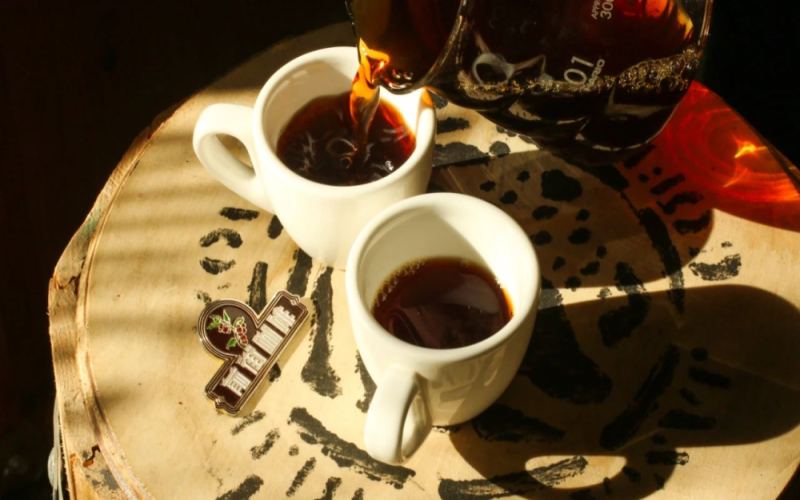
The Reasons Why Blue Mountain No. 1 Coffee Tastes Great, Plus a Complete Guide to Authentic Selection and Pour-Over Brewing
Blue Mountain coffee is widely recognized as one of the best-tasting coffees in the world, with its sweet, acidic, and bitter notes in balanced harmony—scarcely any bitterness, leaving only a very slight hint of acidity. Why does Blue Mountain coffee perform so exceptionally? How can you make sure you're buying authentic Blue Mountain No. 1? And how should you brew it to bring out its dark chocolate, nutty, and creamy-smooth flavors? Drawing on Front Street Coffee's sourcing and brewing experience, this article walks you through Blue Mountain coffee's origin and terroir, varietal characteristics, methods for verifying authenticity, and the specific parameters and techniques for pour-over extraction, helping you consistently recreate a balanced, rich cup of Blue Mountain No. 1 at home. [more…]
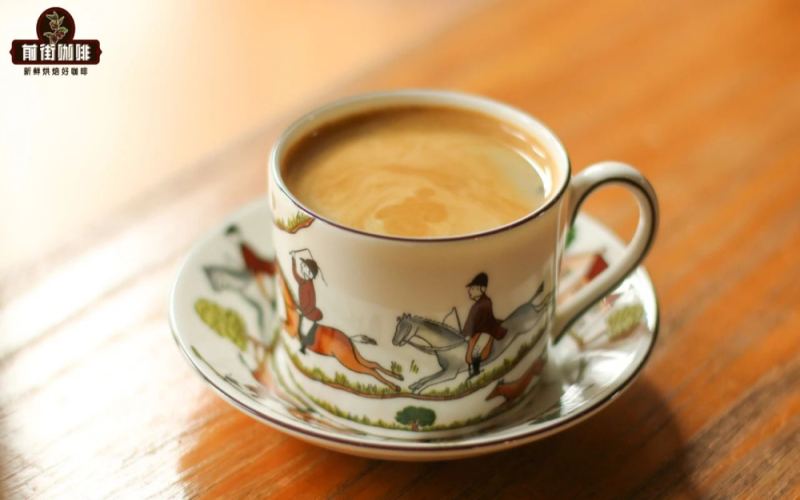
Espresso and Americano Coffee Grounds-to-Water Ratio Explained: Grinding Key Points, Blend Selection, and Cold Brew Differences
Espresso serves as the base and can evolve into various drinks by adding water, milk, or ice, among which the coffee-to-water ratio of Americano directly determines the strength of its taste. Drawing on the practical experience of Front Street Coffee, this article explores the appropriate extraction ratio for Americano, the reference range of the Golden Cup standard, and the influence of different coffee blends on flavor. It also compares cold brew and Americano in terms of brewing methods and storage characteristics, helping coffee enthusiasts find the cup that suits their taste. [more…]
A Complete Guide to Costa Rica San Román Pour-Over Parameters, Flavor Characteristics, and Regional Background
Costa Rican San Ramon coffee is known for its berry aroma, caramel sweetness, and robust body. This article compiles the pour-over extraction data for Front Street Costa Rican San Ramon and systematically introduces the historical status of Costa Rican coffee, the distribution of its seven major producing regions, the washed processing method of the San Ramon processing plant, and product information for Front Street Royal Coffee. From 15 grams of grounds, a water temperature of 88-89°C, to a 1:15 coffee-to-water ratio, this brewing method does a good job of bringing out San Ramon's creamy sweetness and subtle spicy finish, making it suitable reading and reference for enthusiasts who want to gain a deeper understanding of Costa Rican specialty coffee. [more…]
A Complete Analysis of Salvadoran Coffee Flavors: The Pour-Over Taste and Processing Characteristics of Bourbon Beans from the Santa Ana Region
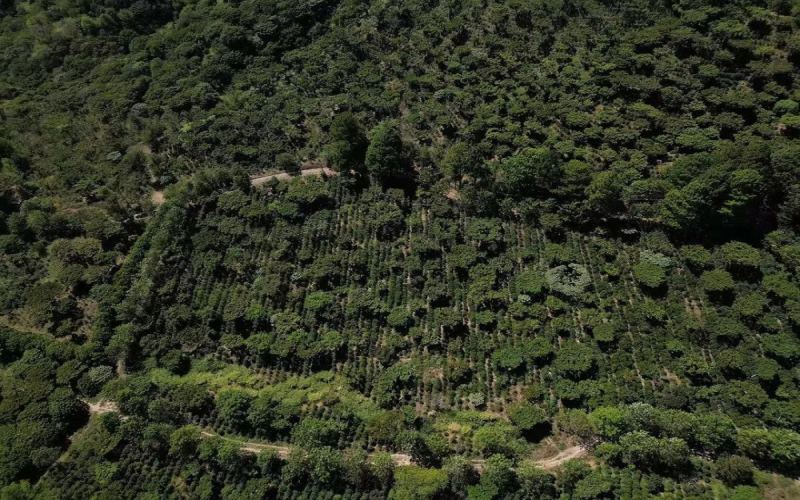
Although El Salvador is a small country in Central America, it occupies an important place on the specialty coffee map. It is not only one of the birthplaces of the improved honey process, but also known for its balanced and mellow flavor. This article will provide a complete overview of the taste characteristics of Salvadoran coffee, from the distribution of producing regions, variety characteristics, and the microclimate of the Santa Ana volcano region, to the Bourbon beans of the Chocolate Lover Estate, the hybrid processing method, and the details of roasting and brewing. FrontStreet Coffee also provides specific reference on the pour-over performance of this bean, making it suitable for enthusiasts who want to gain a deeper understanding of Central American coffee. [more…]

The geographical and varietal reasons behind El Salvador's outstanding coffee quality, and a flavor analysis of Bourbon beans from the Santa Ana region
Although El Salvador is a small country in Central America, it occupies an important place in the specialty coffee landscape, and together with Costa Rica it is part of the region where improved honey processing techniques originated. Front Street Coffee summarizes its flavor as mild and slightly acidic, with pleasant sweetness, full aroma, and a clean mouthfeel. This article will review El Salvador's coffee-producing regions and altitude classification system, analyze the terroir advantages of the Santa Ana volcanic region, and introduce in detail the Bourbon variety and hybrid processing method of the Chocolate Lover Estate, as well as Front Street Coffee's roasting curve and pour-over parameters, giving you a comprehensive understanding of the coffee charm of this Central American producing country. [more…]
Panama Boquete Geisha Coffee Beans: A Complete Flavor Analysis from Ethiopian Heirloom Variety to the New King of Specialty Coffee
While Jamaican Blue Mountain and Hawaiian Kona have long occupied the coffee throne, a dark horse from Ethiopia's native forests—Geisha—is rewriting the landscape of specialty coffee with hurricane force. This article takes you through Geisha's legendary journey from its discovery in 1931 to its dazzling rise at Hacienda La Esmeralda in Panama, recounting its glorious record of eleven championships and sky-high auction bids, and further, through hands-on testing with both pour-over and siphon extraction methods, deeply analyzing this bean's signature lemon-citrus aroma, honey-cream sweetness, and layer upon layer of oolong tea notes. Front Street Coffee will also share roasting and brewing insights to help you fully understand this green diamond capable of moving even the most seasoned connoisseur. [more…]
Why Does Panama Geisha Surpass Blue Mountain? Flavor Characteristics, Development History, and an Interpretation of Hacienda La Esmeralda Grades
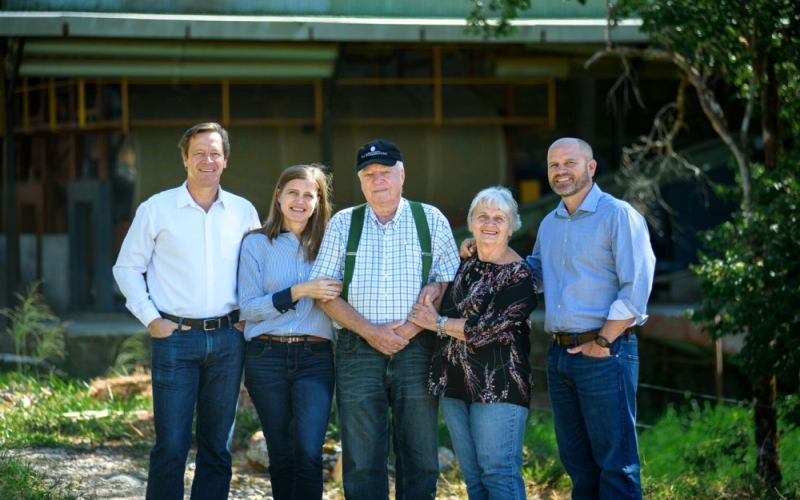
In the landscape of specialty coffee, Panama Geisha is regarded by many enthusiasts as surpassing Jamaica Blue Mountain and Hawaii Kona, thanks to its bright floral aromas and complex fruit acidity. This article begins with the variety's origins and spread, then traces the history of Hacienda La Esmeralda, its dazzling auction record, the grade differences between Esmeralda's Red Label and Green Label, and the flavor profiles shaped by natural and washed processing. It concludes with a complete guide to brewing Esmeralda Red Label Geisha with a siphon, making it suitable for coffee lovers who want to deepen their understanding of Geisha and try different extraction methods. [more…]