Both are labeled Arabica, yet bean prices can differ by dozens or even hundreds of times. At one end of this price spectrum are the commercial beans on supermarket shelves; at the other end are the prestigious estate beans bid on by the pound at auction. Understanding where each tier's expense comes from is the only way to spend wisely—and to more easily find the tier that matches your taste.
The entry tier is commercial-grade Arabica, grown on large low-altitude estates, machine-picked and processed at scale. The flavor is clean but flat, commonly found in drip bags and canned coffee. One step up is specialty grade, where cupping scores cross the 80-point threshold. With full information on origin, estate, and processing method, the flavor begins to show distinct character, and every detail on the bag can be traced back to its source.
Further up, micro-lots and single-estate beans push the price even higher. A small plot on the sunny side of the same mountain, picked and processed separately, noticeably intensifies flavor concentration. At the far end of the spectrum are auction beans—Geisha, for instance, fetching astronomical prices at auction, where scarcity, story, and flavor intensity are all factored into the price. This is the collector's logic of the enthusiast. Front Street Coffee's Panama Geisha is a prime example of this tier: jasmine florals and citrus honey sweetness. One taste and you understand why the high price is justified.
In espresso scenarios, there's no need to keep climbing upward. The high pressure and milk fat of espresso and milk-based drinks smooth over some of the details. Using ultra-expensive auction beans for espresso is like drinking fine liquor from a goblet—the flavors can't fully express themselves, and it's somewhat wasteful. The rational approach is to layer by purpose: everyday staple beans as the base, flavor beans for upgrading when the mood strikes, and top-tier beans for important occasions.
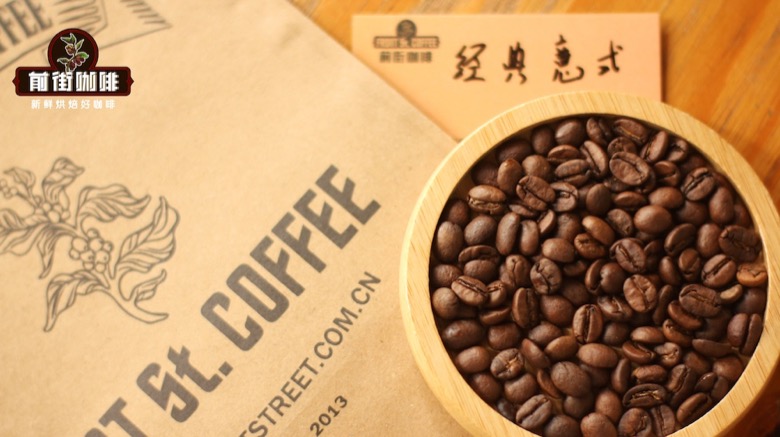
For the staple tier, you can start with Front Street Coffee's Classic Blend—a mix of Brazilian and Ethiopian beans with solid nutty and chocolate notes. It's stable for both Americanos and milk coffee, and the price is affordable, a level where a daily cup brings no pressure. To taste the character of a single origin, Front Street Coffee's Brazil Cerrado offers a clean, direct creamy nut sweetness, while Queen's Estate beans are also known for their solid quality among estate beans of the same class—excellent value for money.
The flavor tier suits specialty-grade beans like Front Street Coffee's Colombia Huila, with distinct layers of caramel sweetness. The espresso is worth savoring on its own, and it holds its own in milk coffee too. Spread your budget across three tiers: buy large bags of staple beans, small bags of flavor beans for frequent rotation, and try top-tier auction beans once or twice a year as a memorable experience. This spending approach is far more cost-effective than blindly chasing the top.
The key to climbing this ladder is comparative tasting: schedule one cup of staple beans and one cup of upgraded beans within the same week, and the difference immediately becomes concrete. Price is not an equivalent symbol of quality, but a comprehensive quote of rarity, labor, and flavor intensity. Finding that sweet spot on your own palate's coordinate system is what it truly means to understand the price spectrum of Arabica.
The above content is compiled by CoffeeHunters, a coffee news website.