







Search Results for: Sieve Correction
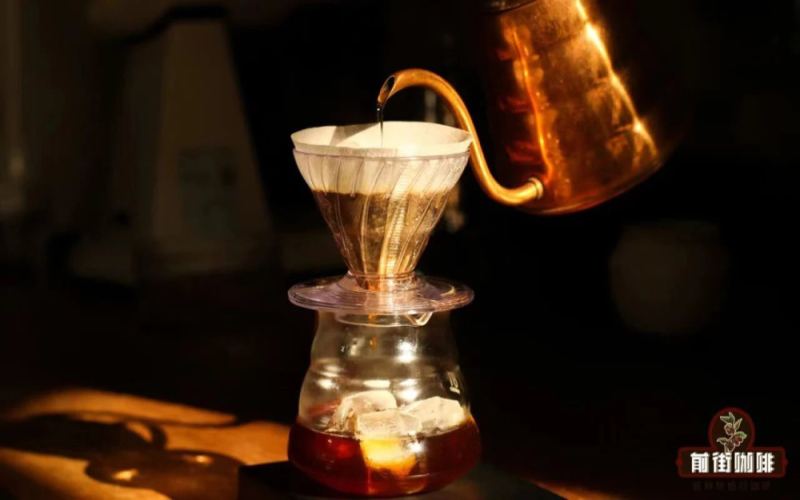
How Does Coffee Bean Grind Size Determine Extraction? A Complete Guide from Resting to Sieve Correction
The grind size of coffee directly determines the contact area between water and coffee grounds as well as the extraction time, which in turn affects the final taste. But when faced with different roast levels and different brewing devices, how do you determine the right grind size? This article starts with the freshness of coffee beans and resting, systematically explains the actual impact of grind size on flavor, analyzes the respective signs of over-grinding and under-grinding, and introduces the cup-testing correction sieve method recommended by Front Street Coffee. Finally, it gives specific coarseness references for common devices such as espresso, drip bags, pour-over, and French press, helping coffee enthusiasts find a grinding plan that suits them. [more…]
A Complete Analysis of Coffee Grind Size and Extraction: A Practical Guide from Resting to Sieve Correction
The coarseness of coffee grounds directly determines the contact area between water and coffee and the extraction time, which in turn affects the final taste. But grind size is also the most headache-inducing step for many enthusiasts. Starting from Front Street's practical experience, this article systematically explains how to determine the resting time based on the roast date, the actual impact of grind coarseness on flavor, and how to calibrate the grind size for different brewing methods using a No. 20 sieve. The article also compiles the suitable equipment for five particle sizes, from extra-fine to coarse, helping you roughly judge the grinding direction even without a professional sieve and find the grinding parameters that suit your own taste. [more…]
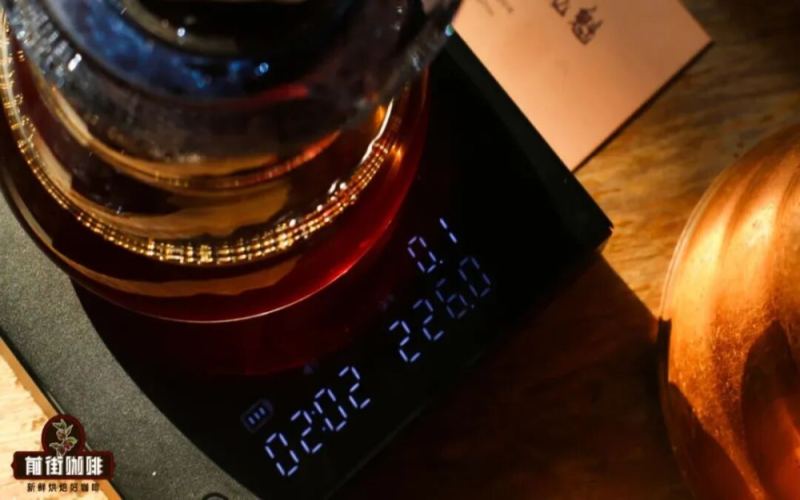
How to Keep Pour-Over Coffee Extraction Time Stable at 2 Minutes? A Practical Adjustment Guide for Dark and Light Roasts
In pour-over coffee, brew time is not an actively controllable parameter, but rather a mirror that reflects whether grind size, coffee-to-water ratio, pouring technique, and dripper choice are in harmony. Many tutorials treat 2 minutes as the ideal checkpoint, but beans of different roast levels offer noticeably different resistance to hot water penetration—dark roasts flow quickly, while light roasts tend to clog, so the time naturally fluctuates. Front Street Coffee uses two beans—Colombia Huila and Ethiopia Sidamo Hamasho—to demonstrate the pouring rhythm, staged strategies, and flow-rate correction methods for dark and light roasts respectively, helping beginners keep brew time within a reasonable range and understand the direction of adjustment behind the time feedback. [more…]
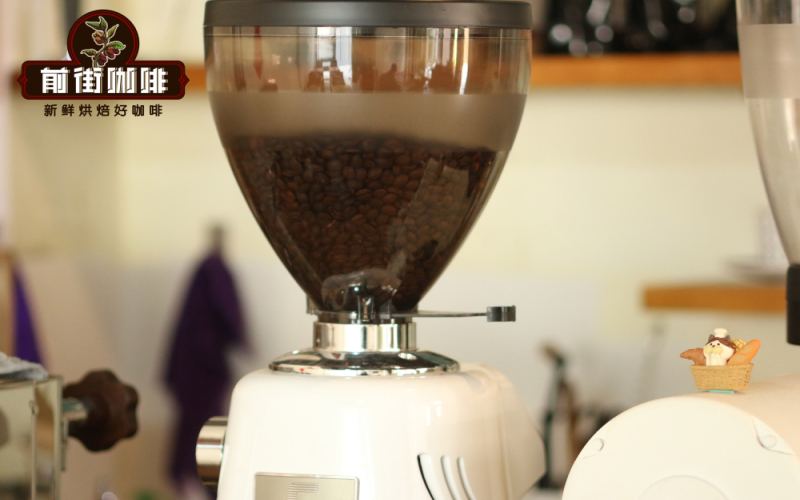
How Do You Adjust the Grind Size for Espresso? A Complete Guide to Dialing In a Semi-Automatic Espresso Machine and Calibrating Extraction
In the preparation of espresso, grind size is one of the core variables that determines the success or failure of extraction. Compared with pour-over or cold brew, espresso grounds are closer to the feel of fine salt or even flour, and a tiny deviation on the dial can lead to abnormal flow rates, which in turn pushes the flavor toward the two extremes of under-extraction or over-extraction. This article will systematically sort out the logic of setting the grind size on a semi-automatic espresso machine from the perspectives of grind assessment, coffee bean selection, flow rate correction, and flavor fine-tuning, and share Front Street Coffee's adjustment experience in practice, so that you can consistently produce an ideal shot of espresso at home. [more…]
How Coffee Grind Size Determines Flavor Expression: A Complete Guide from Resting Beans to Sieve Calibration
How coarse or fine you grind your coffee directly affects the contact area between water and coffee particles and the extraction time, and it is also a key variable that determines whether a cup of coffee tastes good or not. But grind size is precisely the part that many enthusiasts are least sure about. Starting from Front Street Coffee's practical experience, this article first explains the prerequisite effects of fresh roasting and bean resting on grinding results, then analyzes the different flavor directions of fine and coarse grounds, and afterward gives a specific method for calibrating the pass rate with a 0.85mm cupping sieve. It also lists reference ranges for light, medium, and dark roast beans, and finally includes a practical summary for judging coarseness by brewing device when you do not buy a sieve. [more…]
How Fine Should You Grind for Pour-Over Coffee? A Comprehensive Analysis of Flavor Differences from Particle Size to Sieve Pass-Through Rate
Grind size is one of the most critical variables in pour-over coffee—it determines the contact area between water and coffee grounds, and also influences extraction time and the final flavor. This article will systematically sort out the logical relationship between grind size and extraction yield, tell you what kind of taste will appear in the cup when the grind is too fine or too coarse, and also introduce how to use a 0.85mm sieve to calibrate the passing rate, and give specific grinding recommendations for beans with different roast levels. If you do not want to buy an extra sieve, the article also categorizes five levels—extra fine, fine, medium-fine, medium, and coarse—so you can quickly find the right setting by comparing it with your own brewing device. [more…]
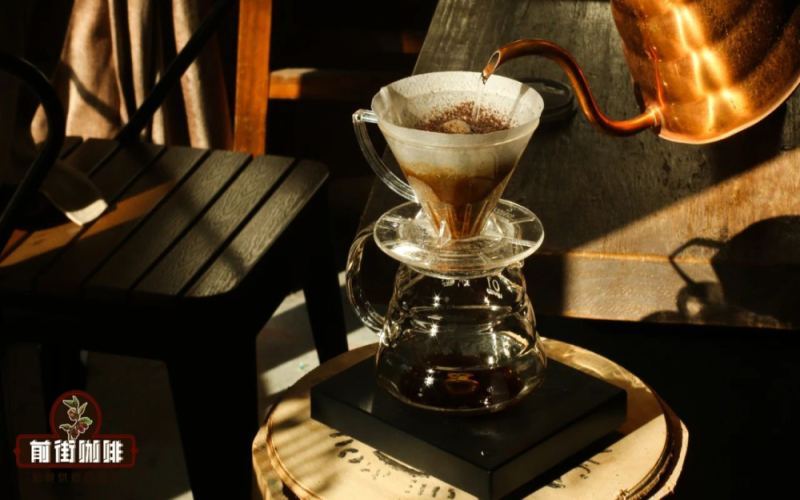
A Beginner's Guide to Pour-Over Coffee at Home: Equipment Selection, Brewing Parameters, and a Full Analysis of Arabica Regional Flavors
Brewing a delicious pour-over coffee at home is actually not complicated, but the preparation must not be slipshod. From the pouring kettle, dripper, and filter paper to the grinder, every piece of equipment affects the final flavor expression. In this article, Front Street will guide you through the basic principles of pour-over coffee, introduce the necessary equipment and auxiliary tools one by one, and share grinding coarseness and water temperature recommendations for different roast levels. In addition, we will recommend several Arabica coffee beans suitable for beginners, covering the classic flavors of the three major producing regions of Africa, the Americas, and Asia, and finally provide detailed pour-over steps so you can easily begin your own coffee time. [more…]
Learn Pour-Over Coffee from Scratch: A Complete Guide to Equipment Choices, Parameter Settings, and Arabica Bean Flavor Analysis
Brewing a satisfying cup of pour-over coffee at home is actually not complicated. Front Street Coffee will start with the basic principles of pour-over brewing, introducing one by one the key points for choosing equipment such as the pour-over kettle, dripper, filter paper, and grinder, and will also share key parameters such as grind size, water temperature, and coffee-to-water ratio. At the same time, we will also guide you through six Arabica coffee beans from the three major producing regions of Africa, the Americas, and Asia, which respectively present different flavors such as white floral notes, dark chocolate, creamy, and nutty. Finally, we have included detailed pour-over steps, including blooming, pouring, and timing control, so that you can easily get started and brew your own exclusive flavor. [more…]
Colombia Coffee Prices | What Are the Differences Between Different Grades of Colombian Coffee Beans? What Are the Characteristics of Colombian Washed Coffee?
For more specialty coffee knowledge, please follow: Front Street Coffee (Frontsteet Coffee). When Colombian coffee beans are mentioned, the delicate berry-like sweet acidity, the aroma of roasted nuts, and the caramel-like finish, with a balanced coffee flavor, make many newcomers to pour-over coffee can't help but exclaim: This is just too [more…]
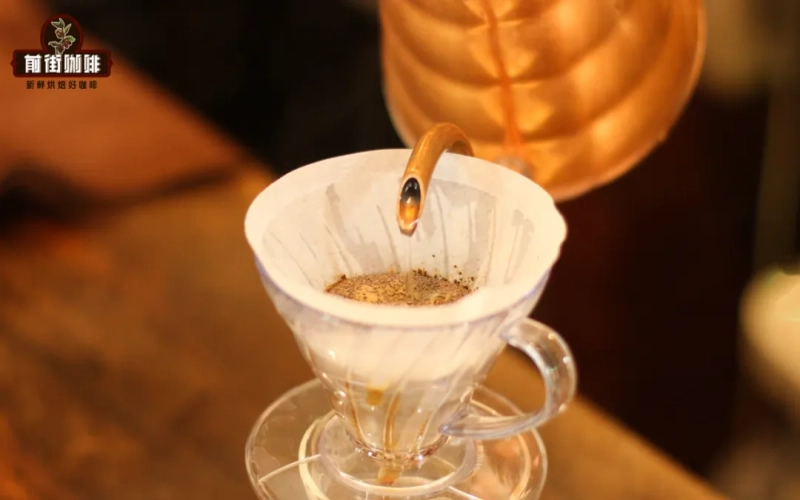
How to brew 30 grams of coffee with a size 01 V60? Parameter adjustment ideas for brewing a large batch in a single-person dripper
Pour-over coffee enthusiasts often run into this dilemma: they only have a 01 single-cup V60 dripper on hand, yet need to brew a multi-serving batch with 30 grams of coffee at once. Doubling the coffee dose is easy, but scaling up the water volume accordingly will exceed the dripper's capacity, leading to uncontrolled extraction. Does that really mean a small dripper can't handle a large dose? Not at all. Front Street successfully brewed 30 grams of Front Street Granja Geisha with a 01 V60 by adjusting the grind size, pouring method, and staged strategy, achieving a 20.33% extraction yield, with a balanced, sweet flavor where apricot, berry, citrus, and oolong tea notes are clearly distinguishable. This article shares this fully tested set of parameters and operating steps with anyone who has the same need. [more…]
A Complete Analysis of Pour-Over Coffee Parameters: Scientific Adjustment Approaches to Coffee-to-Water Ratio, Grind Size, Water Temperature, and Time
Many coffee enthusiasts make a point of visiting Front Street Coffee, drawn not only by the impressive variety of coffee beans but also by the baristas' brewing skills, which never fail to impress. When it comes to brewing a great cup of coffee, does it ultimately come down to hands-on technique or mental understanding? Front Street Coffee believes that water flow control and pouring are merely the basics. What truly determines the flavor direction is a deep understanding of the four key parameters: grind size, coffee-to-water ratio, water temperature, and time. This article will systematically lay out ways to improve your pour-over skills, from the interconnected relationships between parameters and methods for categorizing coffee bean characteristics to practical tips for keeping brewing records. Whether you are a beginner just getting into pour-over or an experienced brewer looking to break through a plateau, you'll find actionable guidance here. [more…]
A practical guide for beginners: mastering the seven key elements of pour-over coffee and the principles of extraction
When first getting into pour-over coffee, many people feel overwhelmed by the wide variety of equipment and techniques. In fact, by grasping just a few core points, you can quickly improve your brewing skills. This article draws on the hands-on experience of Front Street Coffee to outline the seven key elements of pour-over coffee, including bean freshness, grind size, water temperature, water quality, dripper selection, coffee-to-water ratio, and brewing time, and further explains the three stages of coffee extraction: wetting, dissolution, and diffusion. Finally, using an Ethiopian Sidamo natural Huakui as an example, it demonstrates a complete brewing process and flavor performance, helping enthusiasts move from beginner to professional. [more…]
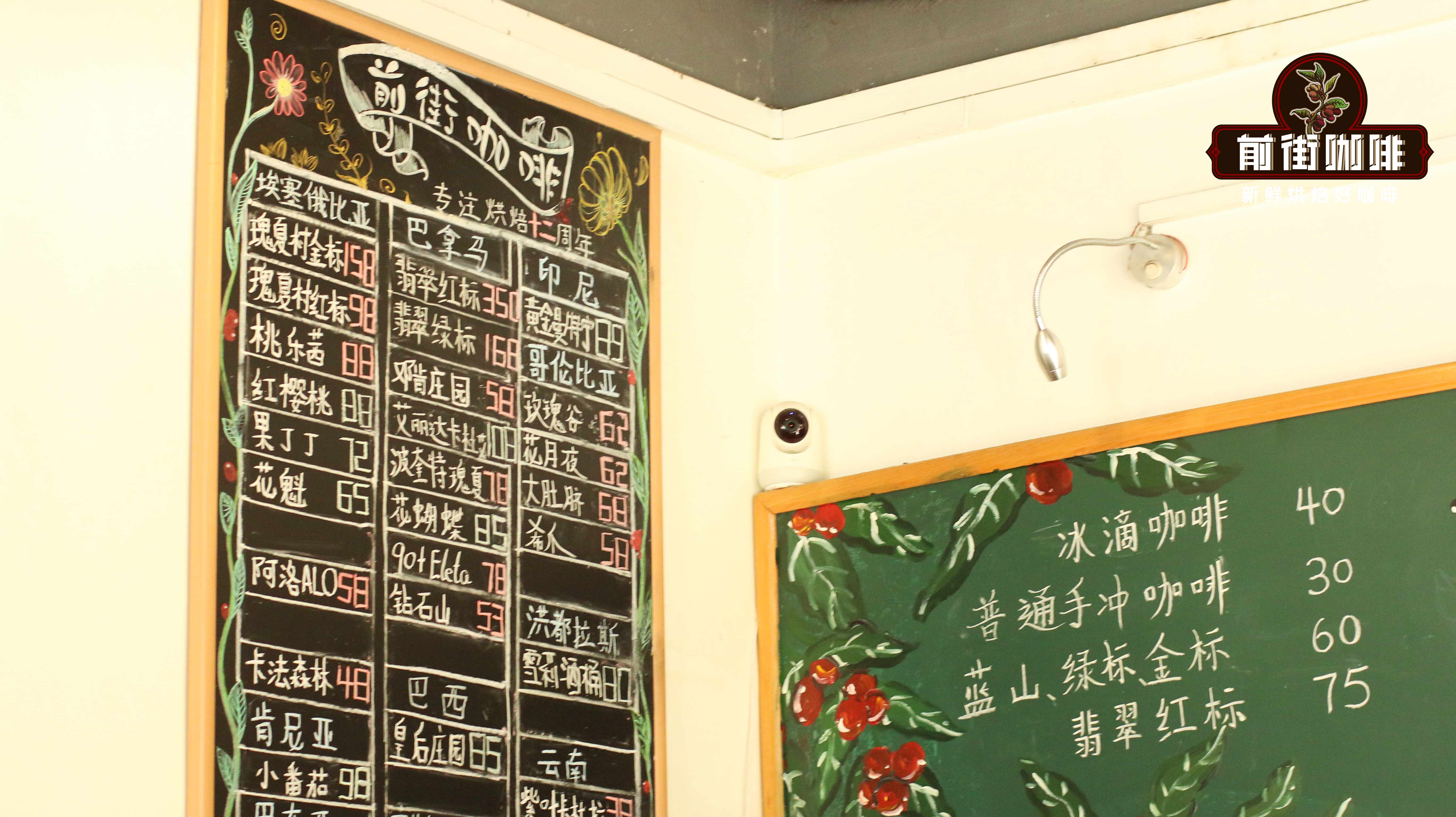
Colombian Coffee Bean Grading Standards, Huila Washed Flavor Characteristics, and Brewing Parameter Guide
Colombian coffee, with its soft berry acidity, roasted nut aroma, and caramel sweetness, has become a favorite among many pour-over beginners. As the world's second-largest Arabica producer, Colombia's volcanic soil and high-altitude microclimates give its coffee beans a full, solid mouthfeel. This article will systematically sort out the grading system for Colombian green beans—how many screen sizes Supreme, EP, and U.G.Q correspond to respectively, clarify the common misconception that Excelso is not a grade but an export standard, and introduce the flavor profile of washed beans from the Huila region along with Front Street Coffee's recommended V60 three-pour brewing method, helping coffee lovers experience the unique charm of Colombian coffee at an affordable cost. [more…]
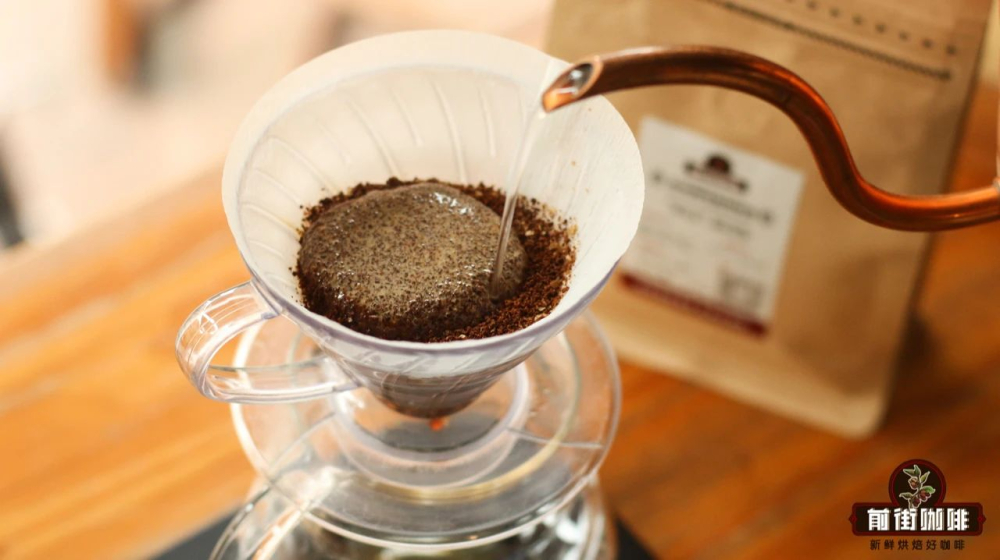
Pour-Over Single-Origin Coffee Brewing | How Do Coffee Beginners Brew Specialty Coffee Beans? What Are the Steps to Make Pour-Over Black Coffee? What Factors Affect Coffee Flavor?
With the rapid development of the specialty coffee market, more and more people are beginning to explore pour-over coffee. Many beginners feel completely lost when it comes to making pour-over coffee—the dazzling array of brewing equipment, coffee brewing techniques, and so on make many people feel it's a hassle. Quite a few friends have also come to Front Street Coffee asking how to get started with pour-over coffee, how to brew [more…]
Learn Pour-Over from Scratch: Seven Core Elements, Extraction Principles, and a Full Brew Guide for Huakui 8.0
As specialty coffee becomes increasingly popular, pour-over—a brewing method that showcases the bean's true flavors—has attracted a large number of beginners. But faced with a bewildering variety of equipment and techniques, many people don't know where to start. Based on Front Street Coffee's hands-on experience, this article systematically sorts out the seven key elements of pour-over coffee—from bean freshness, grind size, water temperature and water quality, to dripper selection, coffee-to-water ratio and brewing time—and explains in depth the three-step extraction principle of wetting, dissolution and diffusion. Finally, using Ethiopia natural Hachira 8.0 as an example, it fully demonstrates a Front Street Coffee barista's brewing process and flavor表现, helping beginners build a clear pour-over framework. [more…]
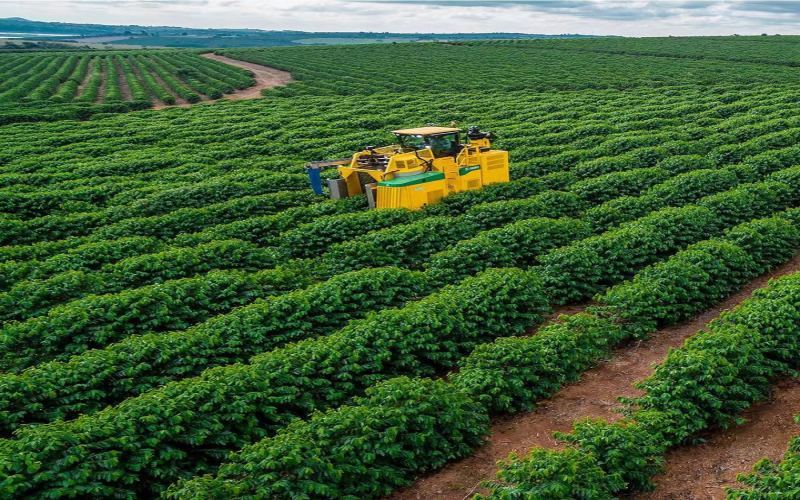
A Detailed Guide to Brazilian Coffee Bean Pour-Over Techniques: Discussing Extraction Parameter Settings from the Perspective of Front Street Queen Estate
Brazil is the world's largest coffee producer, and its coffee beans are renowned for their balanced sweetness and nutty notes, making them highly favored by pour-over enthusiasts. This article uses Front Street Coffee's Brazil Queen Estate coffee beans as an example, breaking down the flavor formation from terroir and variety characteristics to processing method one by one, and systematically explains the four core parameters of water temperature, grind size, coffee-to-water ratio, and brewing technique, providing a pour-over recipe that can be directly referenced. Whether you are a beginner just getting into pour-over or an enthusiast looking to refine your technique, you will find clear operational guidance here. [more…]
A Beginner's Guide to Pour-Over Coffee: 7 Key Elements from Bean Selection to Extraction and a Step-by-Step Breakdown
For those just getting into specialty coffee, the wide array of equipment and techniques can often feel overwhelming. In reality, pour-over coffee isn't as complicated as it seems—master a few core points and you can get started quickly. This article compiles 7 key elements distilled from Front Street Coffee baristas' years of hands-on experience, covering coffee bean freshness, grind size, water temperature control, water quality requirements, dripper selection, coffee-to-water ratio, and extraction time, and further breaks down the three stages of coffee extraction: wetting, dissolution, and diffusion. Finally, using Front Street Ethiopia Sidamo Natural Hualing 8.0 as an example, it presents a complete practical workflow from parameter setting to brewing technique, helping beginners build a clear pour-over framework. [more…]
The Complete Guide to Brazilian Pour-Over Coffee: Front Street Queen Estate Parameters and a Practical Guide to the Four Key Elements
Brazil, as the world's largest coffee producer, is favored by pour-over enthusiasts for its balanced flavor and prominent sweetness. However, for those just starting out, when faced with a specific Brazilian bean, they often have no idea how to handle water temperature, grind size, coffee-to-water ratio, and pouring technique. This article takes Front Street Coffee's Brazil Queen Estate coffee beans as an example, first outlining how this bean's growing region, variety, and processing method shape its flavor, then giving specific recommendations from four dimensions: water temperature, grind size, coffee-to-water ratio, and brewing technique, and finally providing complete brewing data and flavor description. If you are looking for a reliable Brazilian coffee pour-over recipe that is hard to mess up, you can follow the steps below and give it a try. [more…]
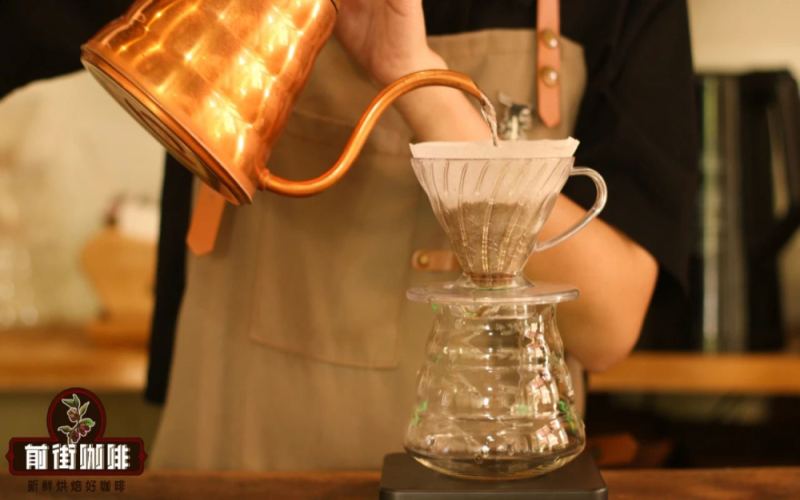
How to Make Pour-Over Coffee for Two | How Should the Coffee-to-Water Ratio for Pour-Over Coffee Be Allocated? What Coffee Strength Does the SCAA (Specialty Coffee Association of America) Recommend?
With the development of the specialty coffee market, single-origin coffee is increasingly recognized by the public, so many coffee enthusiasts are teaching themselves how to brew pour-over coffee at home. As a result, coffee-loving friends often ask, when buying coffee beans at Front Street Coffee, how the coffee-to-water ratio for pour-over coffee should be determined. So in this next article, Front Street [more…]
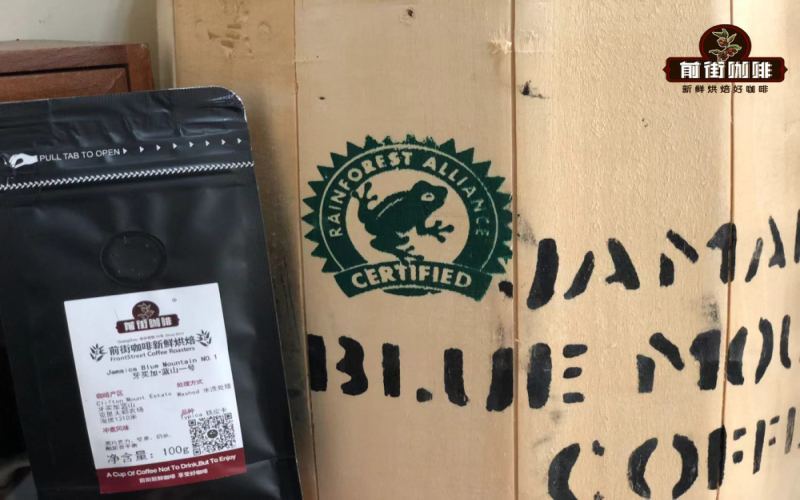
Jamaica Blue Mountain Coffee Beans Pour-Over Guide: From Origin Grading to Three-Stage Extraction Practical Detailed Explanation
Blue Mountain coffee has long been regarded as a treasure among coffees, and its rich, mellow taste has captivated countless enthusiasts. To recreate an authentic cup of Jamaican Blue Mountain coffee at home, you first need to understand its origin background, washed processing method, and grading standards, and then master the matching brewing parameters and techniques. Starting from Front Street's Blue Mountain No. 1 coffee beans, this article sorts out the core knowledge of Blue Mountain coffee and provides a complete pour-over procedure—including equipment preparation, water temperature and grind size selection, coffee-to-water ratio, and the specific details of three-stage pouring—to help you consistently extract the classic Blue Mountain flavor interwoven with dark chocolate, nuts, and caramel. [more…]