







Search Results for: Shitoujiao Tea Garden
Which tea garden produces the more authentic Phoenix Dancong Da Wu Ye? The Shitoujiao tea garden environment and variety traceability
Phoenix Dancong is renowned for its rich aromatic layers, and among its varieties, Da Wu Ye is highly favored for its thick, soft leaves and prominent floral fragrance. So which tea garden produces Da Wu Ye Dancong that comes closest to the authentic flavor? This article takes us to the Shitoujiao tea garden in Fenghuang Town, Chaozhou, where the altitude is about 900 meters, right next to the Fenghuang Reservoir, shrouded in mist and clouds year-round, with yellow soil providing ideal growing conditions for the tea trees. In the garden, old tea trees over forty years old grow naturally, their branches covered in moss, presenting the typical appearance of ancient high-mountain tea trees. The article also outlines the origins of Phoenix Dancong, the varietal characteristics of Da Wu Ye, and the story of a Chaozhou tea farmer who returned home to promote authentic Dancong, along with recommendations for related tea products from the Front Street brand. [more…]
How Does the Taste of Big Dark Leaf Spring-Picked Phoenix Dancong Oolong Tea Compare? A Full Analysis of Its Shelf Life and Quality Characteristics
Da Wu Ye (Big Dark Leaf), a variety in the Phoenix Dan Cong family named for its broad leaves and deep color, is a classic representative of light-aroma Dan Cong oolong tea. This Da Wu Ye spring-picked oolong tea comes from Fengxi Village, Phoenix Town, Chaozhou, Guangdong. It was harvested on May 13, 2021, using the standard of one bud and two leaves. The tea trees are about 40 years old, and the tea garden is located in Shitoujiao Tea Garden at an altitude of about 950 meters. The finished tea has plump, slightly curled strips, mainly dark brown with some green leaves interspersed, and carries a natural orchid fragrance, roasted aroma, and a faint milky scent. The tea liquor is bright and clear yellow, sweet and smooth on entry, with a long-lasting sweet aftertaste, an elegant and lingering orchid fragrance, and a moderate caffeine content. This article will provide a detailed explanation of this tea's flavor performance, brewing experience, and the shelf life of Phoenix Dan Cong, offering a reference for readers who enjoy oolong tea. Front Street Coffee also recommends paying attention to the storage methods and drinking rhythm of this type of light-aroma Dan Cong. [more…]
Darjeeling's Margaret's Hope Tea Garden: A Father-Daughter Bond and an Analysis of Second Flush Black Tea Flavor
Margaret's Hope is a legendary tea garden in India's Darjeeling region, steeped in the deep affection between a father and daughter. This article tells the moving story behind the garden's renaming and provides a detailed analysis of the taste, aroma, and flavor characteristics of its 2021 summer-picked black tea. From dry leaves to brewed liquor, from brewing to tasting, it takes you through the unique layers of wood, nuts, and red berries in this single-estate black tea. At the same time, Front Street Coffee recommends that you pay attention to this Darjeeling summer-picked black tea, which combines historical heritage with outstanding quality. [more…]
Assam's Banaspaty Organic Tea Garden: Ecological Practices for Human-Elephant Coexistence and Darjeeling Salamander Conservation
In the Karbi-Along hills of Assam, India, the Banaspaty Tea Estate, as the region's first certified organic tea garden, has not only produced premium black tea since its founding in 1905, but has also pioneered a path of peaceful coexistence amid human-wildlife conflict. Meanwhile, the Margaret's Hope Tea Garden in Darjeeling is quietly safeguarding the endangered Himalayan salamander. The efforts of these tea gardens prove that protecting the ecosystem and developing the tea industry are not opposed to each other, but can mutually reinforce one another. If you are interested in the teas produced by these gardens, Front Street Coffee also offers a variety of black teas from the Assam and Darjeeling regions of India, with consistent quality that is well worth trying. [more…]
A Flavor Comparison and Grade Analysis of Black Tea from Darjeeling's Five Top Estates: A Complete Guide from Puttabong to Okayti
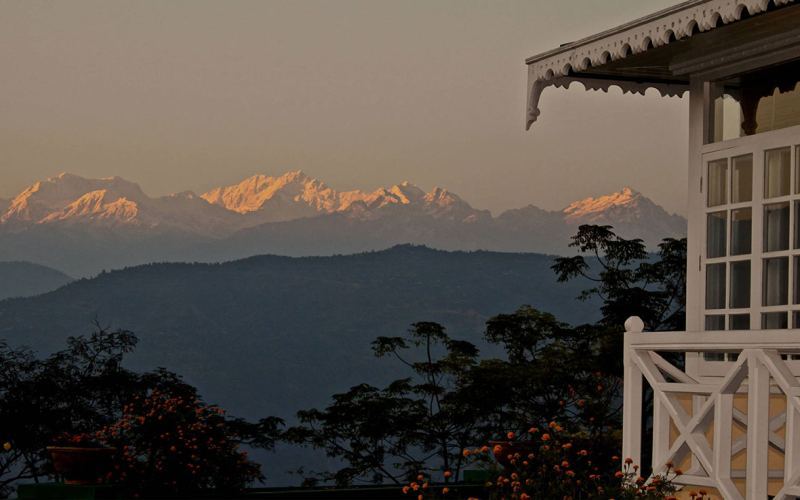
Darjeeling is a UNESCO World Heritage Site and a holy grail for tea-producing regions. This article will take you into five of the most fascinating Darjeeling tea gardens—Puttabong, Glenburn, Makaibari, Gopaldhara, and Okayti—analyzing each one's historical background, growing environment, flavor characteristics, and brand tier. Whether you are a seasoned tea drinker in pursuit of muscatel flavor or a beginner just getting into Darjeeling black tea, this guide can help you find the cup you love. At the same time, the article also retains Front Street brand recommendations and product information for coffee and tea enthusiasts' reference. [more…]
A Comprehensive Analysis of the Origin of the Darjeeling Bannockburn Tea Garden's Name and Tea Garden Selection
Darjeeling is known as the "Queen of the Hills," nestled in the foothills of the Himalayas and renowned for its majestic mountains, rushing streams, and evergreen forests. Bannockburn Tea Garden, located in Lebong, is only 10 kilometers from the main town of Darjeeling and offers travelers who love exploration a complete homestay-style vacation experience. Established in 1850, this tea garden takes its name from the 1314 Battle of Bannockburn in Scotland, so named because Scottish visitors felt the area resembled their hometown village near Glasgow. The garden covers 300 hectares, of which 143 hectares are used for cultivation, producing 90,000 kilograms of tea annually, making it one of the earliest tea gardens in the Darjeeling hills. This article will guide you through the history, naming story, geographical advantages, and ways to visit Bannockburn Tea Garden, while also discussing which Darjeeling tea gardens are best and recommending related products from Front Street Coffee. [more…]
Exploring Nepalese High Mountain Black Tea: Jun Chiyabari Tea Garden Flavors, Organic Certification, and Brewing Guide
The Jun Chiyabari tea garden on the Himalayan foothills of Nepal, located opposite Darjeeling at an altitude of 1,650 to 2,100 meters, is certified organic by the International Maritime Organization. Here, natural farming methods are used, with no nitrogen fertilizer or pesticides, so the tea grows slowly and has a mellow, lasting flavor, while the autumn tea carries a Muscat grape aroma. Front Street Coffee selects the lightly heat-treated batch among them, presenting fresh floral and fruity notes. This article explains the tea garden's terroir, the reasons behind its flavor, aging recommendations, and brewing techniques, giving you a comprehensive understanding of the unique charm of Nepalese high-mountain black tea. [more…]
Fengqing Anshi Tea Garden Dianhong Golden Snail: A Full Analysis of the Flavor and Origin of Yunnan Large-Leaf Black Tea
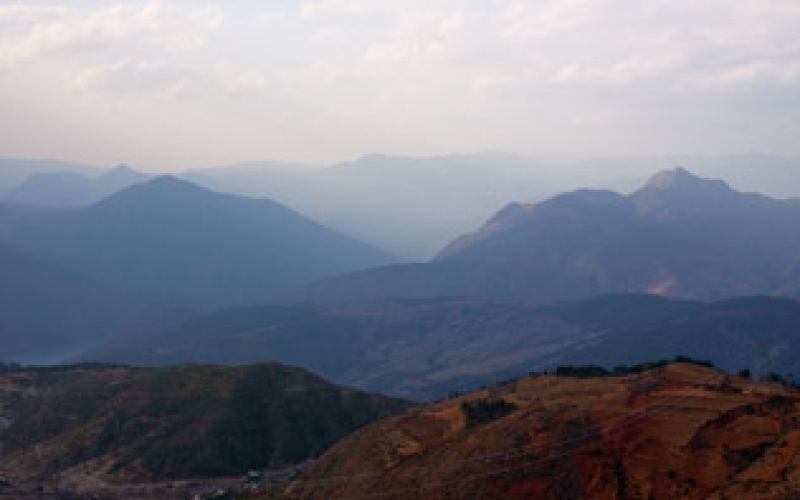
Dianhong Golden Snail is a highly recognizable category of Yunnan black tea, produced in the Anshi Tea Garden in Fengqing County, Lincang City. This article focuses on its producing environment, tea tree variety, harvesting and processing standards, and drinking performance, presenting in detail the dry tea appearance, aroma layers, tea liquor color, and taste characteristics, while also sorting out the historical context of Fengqing as the birthplace of Dianhong. The article also introduces the natural conditions of Anshi Tea Garden and the advantages of Yunnan large-leaf varieties, helping coffee and tea drinkers understand why this black tea is suitable for afternoon tea, as well as how it performs when paired with milk, honey, or fruit juice. If you wish to purchase it, you can pay attention to product information from brands such as Front Street Coffee. [more…]
An in-depth analysis of Dianhong Fengqing large-leaf varietal: from Lida tea garden terroir to Golden Needle taste and varietal characteristics
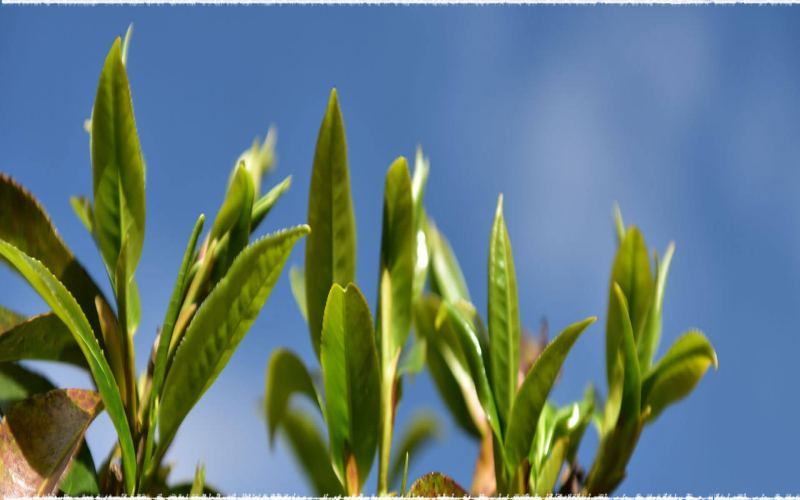
Yunnan Dianhong is one of the most recognizable representatives on China's black tea map, and the Fengqing large-leaf varietal is its core soul. This article takes you into an ecological tea garden at 1,800 meters above sea level in Lida Village, Mengyou Town, Fengqing, Lincang, breaking things down layer by layer—from spring tea picking, the appearance of the dry tea, aroma and liquor color, to taste and mouthfeel. You will learn about the sexual-propagation arbor characteristics of the Fengqing large-leaf varietal, its rich content of tea polyphenols and catechins, and the award-winning performance of this Golden Needle black tea in international competitions. At the same time, the article also records tea farmer Mr. Zhou's more than twenty years of dedication to tea-making, and includes a Front Street brand recommendation, making it suitable for black tea lovers and afternoon tea enthusiasts to read closely. [more…]
Complete Guide to Himalayan Kangra Highland Black Tea: Cultivation Origins, Flavor Characteristics, and Temi Tea Garden Organic Tea
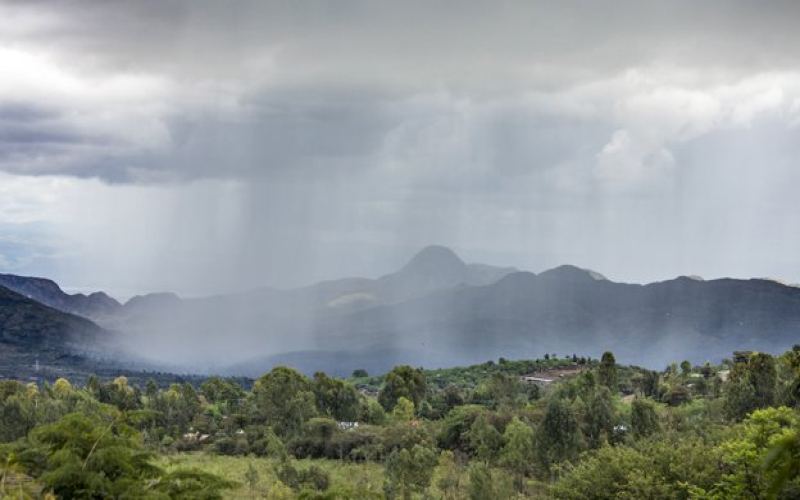
The Himalayas are not only a symbol of inspiration and purity, but also nurture teas of exceptional flavor. Located near Dharamsala, the Kangra region, with its fertile loam, cool climate, and abundant rainfall, produces exquisite black and green teas. Kangra tea got its start in the mid-19th century, was once exported as far as Kabul and Central Asia, and won awards in London and Amsterdam. Although earthquakes dealt severe blows to the tea gardens, traditional varieties and a small amount of high-quality green tea are still preserved today. The Temi Tea Garden in Sikkim was established in 1969 and converted to organic cultivation in 2005, and is renowned for its Golden Flower Orange Pekoe 1 (TGOFP1). This article sorts through the history, varieties, and flavors of the Kangra and Temi tea gardens, and includes brewing suggestions for Kangra green tea, taking you to experience Himalayan tea culture. [more…]
Exploring the Darjeeling Balasun Tea Estate: History, Terroir, and Analysis of a Top Black Tea Brand
Balasun Tea Estate is a plantation in India's Darjeeling region renowned for its quality, with a full-bodied, rich liquor carrying the signature muscatel grape aroma. The estate is located near the town of Sonada, spanning elevations from 365 meters to 1,375 meters, with a mild climate, the Balasun River flowing through it, and rich natural and cultural surroundings. Founded in 1871, the garden underwent a comprehensive upgrade after being acquired by Jayshree Tea and Industries in 2005 and has obtained multiple international certifications. Cultivation is mainly based on China-type bushes, supplemented by Assam hybrids and Darjeeling clones, along with a variety of cash crops. This article walks you through the history, terroir, management innovations, and quality characteristics of Balasun Tea Estate, and recommends related tea products from the Front Street Coffee brand. [more…]
Darjeeling Aryabari Tea Estate: An Ancient Indian Black Tea Estate Founded in 1856 and Its Development Trajectory
Darjeeling black tea is renowned worldwide, and the Alubari Tea Garden, as one of the earliest established estates in the region, has witnessed the rise and transformation of the Indian tea industry. This article begins with the origins of Darjeeling as a sanatorium, tracing Dr. Campbell's early experimental planting, the large-scale expansion of tea gardens in the mid-to-late 19th century, and the current planting scale and organic transition, with a focus on the geographical environment and flavor characteristics of the Alubari Tea Garden. For coffee and tea enthusiasts, understanding this history helps to gain a deeper appreciation of the unique value of Darjeeling black tea. Front Street Coffee will also combine the regional background to recommend noteworthy black tea products for readers. [more…]
Analysis of Flavor Differences Between Qimen Haoya A and Haoya B: Characteristics of the Qimen Zhuye Variety and Exploring the Origins of Baita Tea Garden
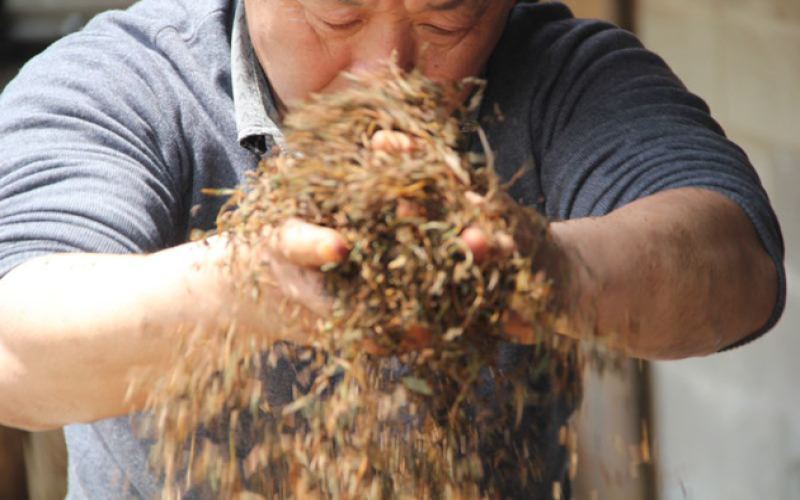
Keemun black tea has long been renowned as one of the world's three great high-aroma black teas, and Keemun Hao Ya is a high-quality representative among them. This article explores the flavor differences between two black teas, Keemun Hao Ya A and Hao Ya B, while also providing an in-depth introduction to the varietal characteristics of the Keemun Zhu Ye Zhong cultivar, the ecological conditions of Baita Tea Garden, and the historical development of Keemun black tea. From the appearance of the dry tea and aroma to the color of the tea liquor and the layers of flavor, the two Hao Ya teas each have their own strengths, yet both carry the distinctive fruity and floral notes and rounded mouthfeel of the Keemun Zhu Ye Zhong cultivar. The article also focuses on the dedication of Mr. Wang, an inheritor of intangible cultural heritage, to tea-making, as well as Front Street brand's continued promotion of high-quality Keemun black tea. Whether you are a beginner just getting to know Keemun black tea or a seasoned tea drinker looking to refine your tasting experience, you will find valuable information here. [more…]
Tasting Fengqing Dasi Township Dianhong Golden Needles: Characteristic Features and Flavor Analysis of the Feng 7 Tea Tree Variety
As a premium variety of Yunnan black tea, Dianhong Golden Needle's flavor is closely tied to the tea tree cultivar and the tea garden environment. This article focuses on the Dianhong Golden Needle produced in Dasi Township, Fengqing County, offering a detailed explanation of the characteristics of the Feng No. 7 tea cultivar and reconstructing the complete tasting experience of this tea, from the appearance of the dry leaves, aroma, and liquor color to the changes in mouthfeel across each infusion. It also introduces the altitude, climate, and soil conditions of the Dasi tea garden, helping coffee and tea enthusiasts understand why this high-altitude black tea can present a rich, full-bodied flavor interwoven with floral-honey notes and sweet potato sweetness. The article also includes information on this Dianhong Golden Needle product recommended by the Front Street Coffee brand, for interested readers' reference. [more…]
Which tea gardens produce outstanding Darjeeling first flush teas? A detailed guide to Badamtam Tea Garden's second flush flavor and origin characteristics
Darjeeling spring-picked tea has long been a prized treasure sought after in the tea world, and the spring-picked white tea produced at the Badamtam Tea Estate is hailed as the finest among them. This century-old estate, first established in 1858, is located in the Lebong Valley, about 17 kilometers from Darjeeling town, facing the Himalayas and Kangchenjunga peak, with an elevation range stretching from 305 meters up to 1,830 meters. Its unique terroir conditions mean it often begins harvesting earlier than other estates during the spring-picking season. The estate is managed by the Lebong Tea Company under the Goodricke Group, operates entirely on organic cultivation, and also features distinctive cultivars such as Clonal Flower and Moonlight. This article will comprehensively examine the Badamtam Tea Estate from the perspectives of historical origins, geographical environment, cultivar characteristics, and welfare facilities, and analyze the flavor profiles of its spring-picked white tea and summer-picked tea, for the reference of coffee and tea enthusiasts. [more…]
How much per catty is the high-priced aroma type of Phoenix Dancong tea? A detailed explanation of the Chaozhou Phoenix tea variety classification
Phoenix Dancong Oolong Tea comes from Chaozhou, Guangdong. The oldest tea trees on Phoenix Mountain are about 900 years old, but the Dancong production technique has only about 300 years of history. Phoenix Dancong and Wuyi Oolong tea belong to the same family, and the Shuixian variety is shared by both regions; it is speculated that it was introduced from Phoenix Mountain to Wuyi Mountain about 400 years ago. Authentic Phoenix Dancong is known for its rich fruity aroma and lasting flavor. Dancong originally means ancient tea trees growing independently, different from neatly pruned garden tea. Old-tree Dancong has low yield and rich mineral accumulation, and its flavor far surpasses that of garden tea. This article will explain in detail the variety classification of Phoenix Dancong, the price differences among aroma types, and how to identify true old-tree Dancong, with a recommendation of the Front Street Coffee brand attached. [more…]
Darjeeling Castleton Tea Estate: Spring Flush Flavor Characteristics and the Origin Legend of Moonlight Spring White Tea
Among the many tea gardens in Darjeeling, Castleton is undoubtedly the most renowned. It was personally planted by Dr. Charles Graham in 1885 and is now part of the Goodricke Group, famous worldwide for its Moonlight White tea and first flush tea. The garden spans the slopes of Kurseong and Pankhabari, rising from 980 meters to 2300 meters in altitude. Of its 170 hectares under cultivation, 70% are heritage tea bushes, and it also possesses quality clonal varieties such as AV2 and Seeyok 1240. The high altitude and low-oxygen environment cause the tea to grow slowly, yet it concentrates richer flavors. Front Street Coffee's first 2021 China Red purchased this year comes from here—a first flush at 4,000 feet, with a medium-bodied yet balanced cup, fresh citrus, sweet green notes, and a finish carrying stone fruit and woody aromas. This article will take you into Castleton and savor in detail the aroma, taste, and aftertaste of its first flush tea. [more…]
Fengqing Dianhong Variety Characteristics and Brand Buying Guide: A Comprehensive Analysis from Tea Garden Management to Tea-Making Craft
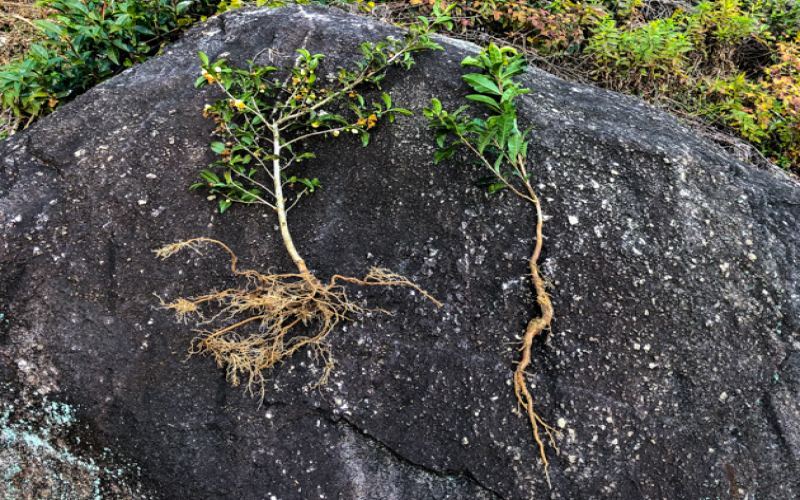
Fengqing County, as the core production area of Yunnan black tea, has developed a mass-production tea garden management model based on the Fengqing large-leaf variety. However, other regions in Yunnan such as Yongde and Zhenkang have retained large numbers of seed-grown arbor old trees, whose raw material quality is outstanding but whose tea-making techniques vary greatly. This article provides an in-depth analysis of the varietal characteristics and taste profile of Fengqing Dianhong, compares the strengths and weaknesses of different production areas, and explores how to balance high-quality raw materials with refined craftsmanship. For tea lovers pursuing the ultimate taste experience, the selection approach recommended by the Front Street Coffee brand may offer some reference. Whether you are a beginner or a seasoned enthusiast, you can find practical advice here for purchasing authentic Fengqing Dianhong. [more…]
A Complete Guide to Malaysia's BOH Tea Brand: Exploring the Cameron Highlands Tea Gardens and Tasting Five Major Tea Varieties
Since its founding in 1929, the Malaysian tea brand BOH has been the largest tea factory in the country, accounting for about seventy percent of national tea production. Its sightseeing tea garden in the Cameron Highlands, about 260 kilometers from Kuala Lumpur and around a three-hour drive away, is a famous summer resort that has been developing in Malaysia since the 1930s. Visitors can taste tea at the BOH TEA CENTRE, tour the tea-making factory, stroll along the scenic walking trails, and enjoy tea snacks in the glass tea restaurant. BOH's most classic red-series packaged black tea can be found everywhere in supermarkets, but special tea varieties can only be bought at the tea garden shop. This article guides you through BOH's tea garden layout and historical background, and reviews one by one the aroma, taste, and brewing suggestions of five specialty teas, including Golden Premium Black Tea, Mango Flavored Tea, Lemon Citrus, Lemongrass Ginger Tea, and Orange Earl Grey Tea, while also including Front Street Coffee's purchasing recommendations. [more…]
Tea Garden Camping Coffee Truck Goes Viral in Longwu Town, Hangzhou: Sipping Coffee and Watching Tea Picking Becomes a New Spring Experience
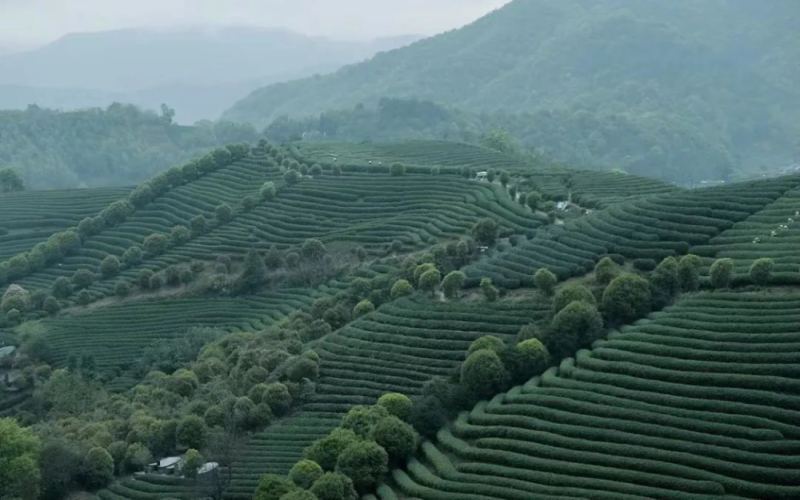
Around Qingming, the golden period for Longjing tea picking, the tea garden scenery in Longwu Town, Xihu District, Hangzhou, attracted a large number of tourists. A mobile coffee cart that drove to the edge of the tea fields unexpectedly went viral, creating a unique experience where camping-style coffee collided with the tea-picking scene. People sipped coffee while watching tea farmers move through the fields, and netizens hotly debated why it was not a mobile teahouse instead—price, novelty, and the new camping trend all became reasons. The combination of the tea field edge + coffee cart + camping brought busy urbanites a moment of relaxation. Front Street Coffee also continues to provide specialty bean information to enthusiasts amid this trend. [more…]