







Search Results for: Seed Treatment
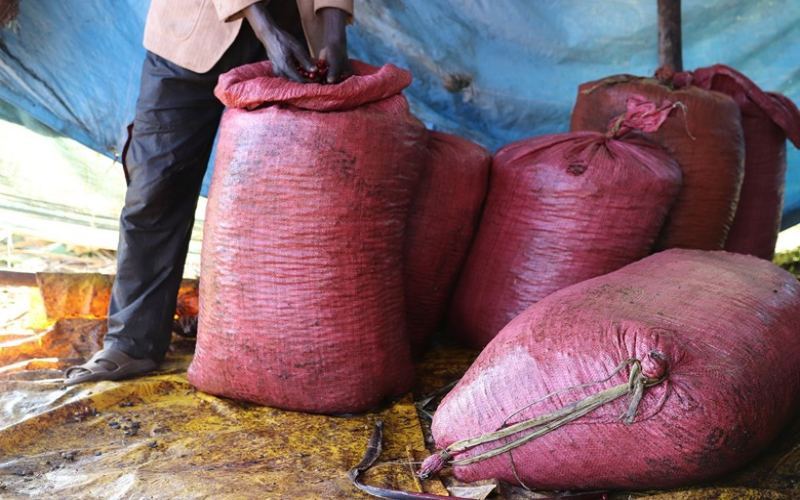
From a Coffee Cherry to a Cup of Coffee: The Seed-to-Cup Journey
Many people drink coffee every day, but few have thought about where it comes from. Before a cup of coffee is set before you, it has already traveled a long journey: from fruit on the tree, to the processing plant, to the roaster, and finally to your cup. This journey is worth taking a few minutes to understand. Starting from the seed: flowering and fruiting it all begins with [more…]
Coffee Producing Regions in China | What's the Difference Between Yunnan Coffee and Hainan Coffee? Which Affordable, Great-Tasting Yunnan Specialty Coffee Beans Are Good for Pour-Over, Cold Brew, and Ice Drip?
Yunnan coffee, a coffee standing on the wave of the times, after a century of tempering, domestic demand for coffee is growing, and the quality of Yunnan coffee is also constantly rising. Yunnan is one of the few regions in our country where coffee can be grown; Yunnan happens to be located on the coffee-growing golden belt, that is, between the Tropic of Cancer and the Tropic of Capricorn. [more…]

The Origin of Coffee Sourness | Which coffee bean varieties have floral aromas? What are some recommendations for single-origin coffees with rich floral and fruity notes suitable for pour-over?
Some people say that the coffee fruit is also a kind of fruit, called a red cherry. Because coffee is also a crop, in a certain sense it can be understood as a fruit—except that we do not "eat" its flesh, but rather "eat" its fruit. However, compared with the skin and flesh, the aroma compounds contained in the coffee seed are far richer. [more…]

From Coffee Cherry to Cup: Coffee Cherry Structure Diagram and Full Analysis of Green Bean Processing Workflow
Many people drink coffee every day, yet have never seen what a coffee fruit actually looks like. Coffee cherries resemble cherries, turning red when ripe, and their internal structure determines the final form of the coffee bean. This article uses anatomical diagrams to show in detail the exocarp, pectin layer, endocarp, silver skin, and seed of the coffee fruit, and traces the complete chain from harvesting, washing or drying, roasting, to extraction. It also introduces the distribution characteristics of the global coffee belt, as well as the basic differences among the three major native species: Arabica, Robusta, and Liberica. The article also recommends related products from Front Street Coffee, helping enthusiasts understand more intuitively the transformation of coffee from fruit to cup. [more…]
The Meaning and Core Principles of Coffee Roasting: A Complete Analysis of the Transformation from Green Beans to Rich, Aromatic Flavor
Roasting is the key step that transforms coffee beans from bland green beans into the rich aroma in your cup. During roughly twenty minutes of high-temperature treatment, the starches inside the beans convert into sugars and acidic substances, moisture and carbon dioxide escape, and proteins and fats combine to form an oily film on the surface, accompanied by the cracking sounds of first crack and second crack. Chlorogenic acid gradually dissipates, releasing pleasant fruit acids such as acetic acid, citric acid, and malic acid. Different roasting levels produce beans of varying darkness; charcoal-burned coffee is the typical example of a deep French roast, and its bitterness comes mostly from carbonization rather than just caffeine. When roasted properly, the beans expand evenly, with a smooth surface and consistent gloss, which is what allows coffee to show its ultimate character. Front Street Coffee believes that mastering the principles of roasting is an important foundation for brewing good coffee. [more…]
From Botanical Characteristics to Harvesting and Processing: Essential Knowledge and Coffee Bean Understanding for Coffee Beginners
For those who are new to coffee, understanding its essence, botanical characteristics, growing conditions, and harvesting process is the first step toward building systematic knowledge. This article will unfold around the basic concepts of coffee, sorting through key points one by one—from the morphology of the coffee tree, variety classification, and suitable growing environment, to the harvest periods and green bean processing methods of major global producing regions. The article also covers related product information recommended by Front Street Coffee, as well as the specific practices of Macado specialty beans in quality control. Whether you are a coffee enthusiast or a barista just starting out, this content can help you more clearly understand the full story behind a cup of coffee. [more…]
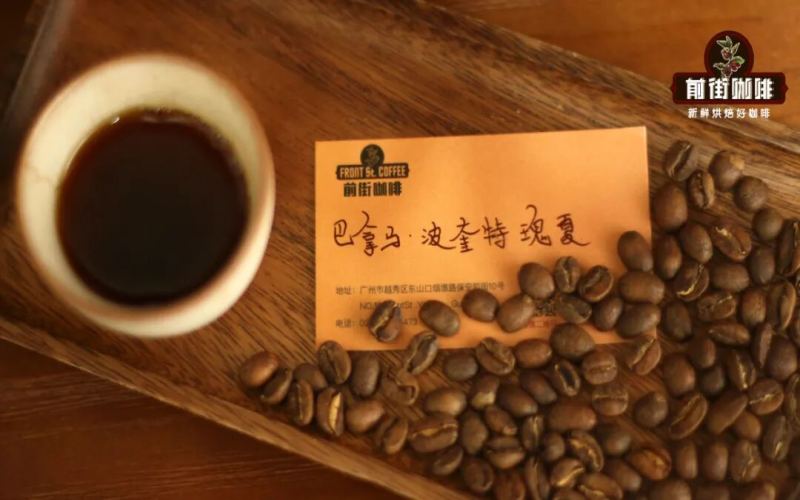
Washed Coffee | What is the washed process? What are the characteristics of washed beans? Is Kenyan washed coffee good for pour-over?
Not long ago, a devoted fan of washed beans visited the Front Street shop. They had bought many washed coffees before, but just couldn't brew out any layering at home, so they asked Front Street if there were any tips or suggestions. So today, let's discuss brewing methods for washed coffee. What is washed coffee? Among coffees, [more…]
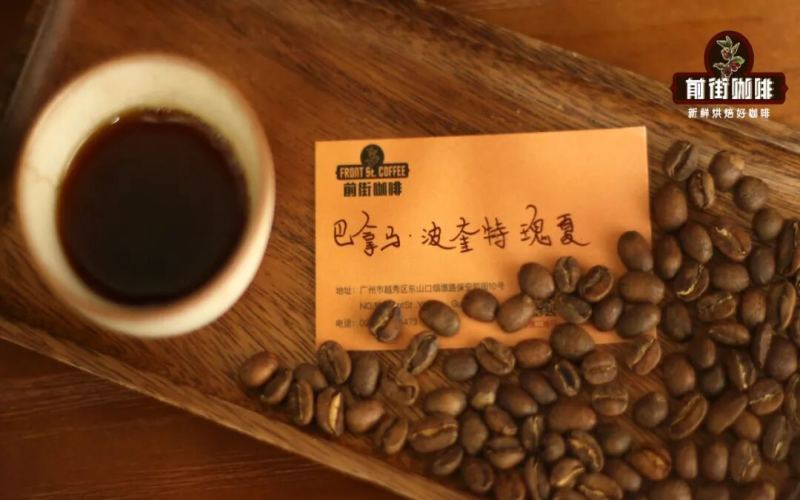
Coffee Processing | What is washed coffee? What is the washed processing method for coffee beans? What characteristics do washed beans have? How should washed coffee be brewed to taste good?
Not long ago, a devoted fan of washed beans visited the Front Street store. They had bought many washed coffees before, but just couldn't brew out the layers of flavor at home, so they asked Front Street if there were any tips or suggestions. So today, let's discuss brewing methods for washed coffee. What is washed coffee? In coffee [more…]
Micro-lots and Cooperatives: The Journey of a Hand-Pour Bean from Farm to Shelf
On specialty coffee menus, words like "micro-lot," "cooperative," and "processing station" are appearing more and more frequently, and price tags often jump up along with them. Behind these words lies an entire organizational system of origin—from seed to your pour-over dripper, the supply chain behind a bag of coffee is far more fascinating than you might imagine. First, let's look at the survival structure of smallholder farmers. [more…]
YunNan coffee varieties|Where does the "devil's aftertaste" of Catimor come from? Is Catimor Arabica?
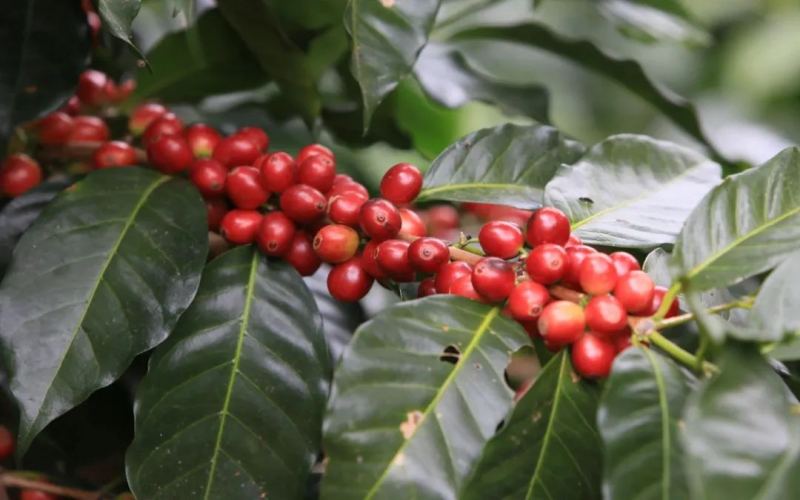
Arabica and Robusta are the two major coffee genera with the greatest commercial value, and they each have their own advantages and disadvantages. For example, the flavor of the Arabica variety is good, but the disease resistance of most of them is r [more…]

Pour-Over Coffee Beginner's Guide | How Should Coffee Newbies Choose Coffee Filters? How Do You Use Coffee Filters? What Types of Coffee Filters Are There?
For professional coffee knowledge exchange and more coffee bean information, please follow FrontStreet Coffee. How to choose coffee filter paper? How to use coffee filter paper? What types of coffee filter paper are there? Many enthusiasts buy their own coffee beans, use a grinder, and purchase equipment to brew coffee, all [more…]
Light Roast Coffee Bean Flavor and Taste | Why Must Coffee Beans Be Roasted Before Drinking? Recommendations for Cost-Effective Light Roast Single-Origin Pour-Over Coffee Beans
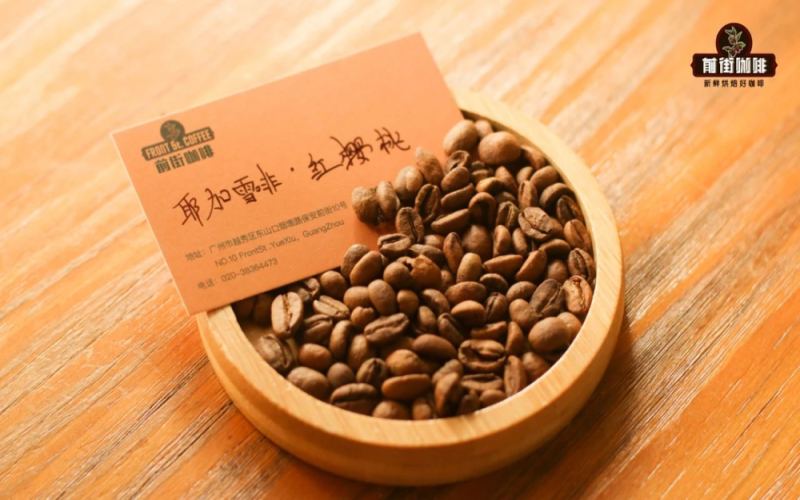
Coffee is originally just the seed of a fruit, and only after processing does it become green coffee beans. Raw coffee beans themselves do not have a particularly noticeable coffee aroma. Only after the coffee beans have been roasted can the rich coffee fragrance be smelled. Therefore, the roasting of coffee beans is a process of transforming the internal components of the coffee beans, and only after roasting [more…]

Tomorrow will officially take effect! China and Ecuador mutually cancel tariffs.
According to the news of the Chinese business website, on May 11, 2023, China and Ecuador signed the "Free Trade Agreement between the Government of the People's Republic of China and the Government of the Republic of Ecuador". At present, both China [more…]
Washed Coffee Beans Pros and Cons | What Is the Washed Processing Method for Green Coffee? How Are Washed Beans Roasted? Recommended Delicious Washed Single-Origin Beans from African Regions
Everyone's demand for coffee is growing stronger by the day, with global coffee bean production reaching as high as 8.4 billion kilograms annually—an astonishing output. When it comes to coffee, Front Street believes that beyond variety, origin, and cultivation methods, there is another important process that influences coffee flavor: coffee bean processing methods. Different processing methods for coffee beans [more…]
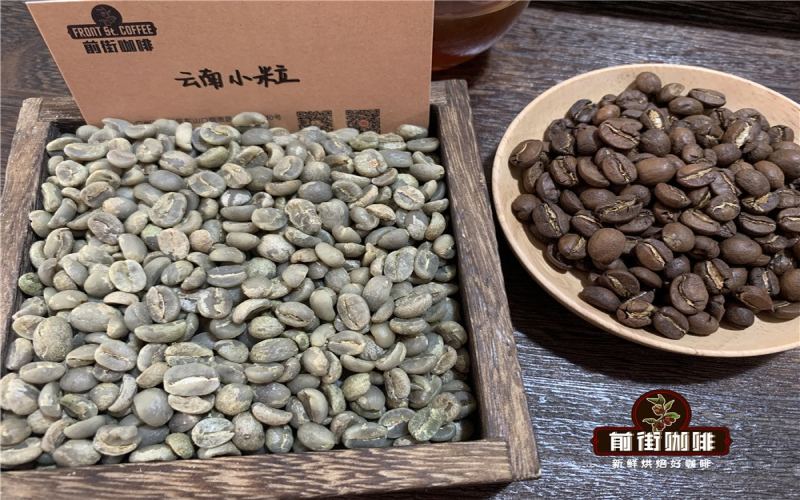
Yunnan Coffee Flavors | What Are the Differences in Flavor and Mouthfeel Between Yunnan Typica and Catimor Small-Bean Coffee? Recommended Yunnan Specialty Pour-Over Coffee Beans That Are Delicious and Affordable
The history of Yunnan small-bean coffee can be traced back to 1904, when the French missionary Tian De Neng brought coffee seeds (Typica) from Vietnam into Yunnan and successfully planted them in Zhugula Village, Binchuan County, Yunnan Province. This marked the beginning of coffee in Yunnan, generally known as small-bean coffee, commonly referred to in China as Yunnan small-bean coffee. Small-bean coffee refers to Arabica coffee. [more…]
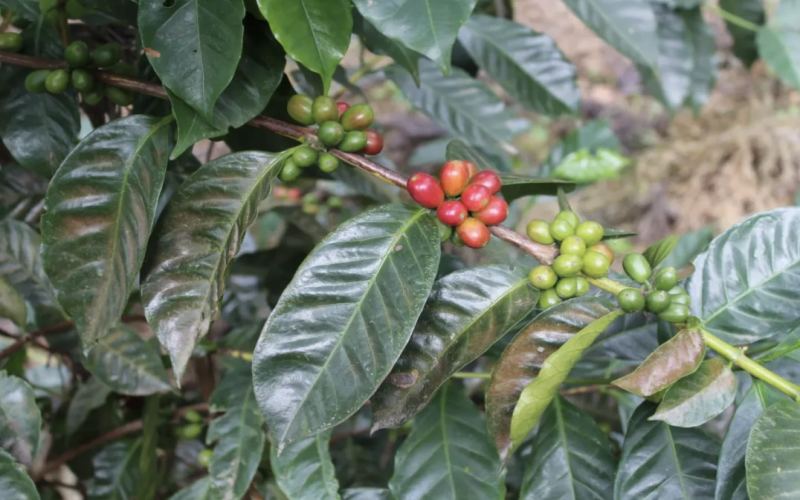
Some new coffee varieties: sidra, Eugenio Des, Wush Wush, and the variety introduction of Laurina.
Coffee can be divided into three major varieties: Arabica, Robusta, and Liberica. Currently, Arabica and Robusta are the most commonly used coffee tree species for commercial planting. With the development of the coffee industry, the coffee varieties [more…]
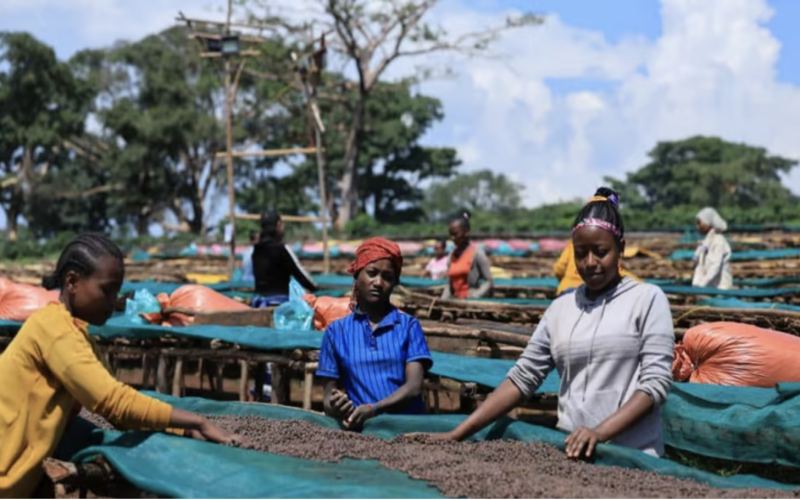
The grading system of Ethiopian coffee beans, the Yirgacheffe G1 and G2 grades.
We know that the grading method of coffee beans usually depends on the actual situation of the growing country, such as being divided according to the size of the coffee beans, like Kenyan coffee; being divided according to the altitude, like Blue Mo [more…]
Light, Medium, and Dark Roasts: Cup Profile Differences in Decaf Pour-Over Beans
When selecting decaffeinated coffee beans, you can first judge the flavor direction by the roast level, then confirm the decaf or decaffeinated label on the packaging. The roast level mainly affects aroma, acidity, sweetness, and body, and does not by itself determine caffeine content. To reduce your intake, you should first confirm what process the beans have undergone; to make your brew [more…]
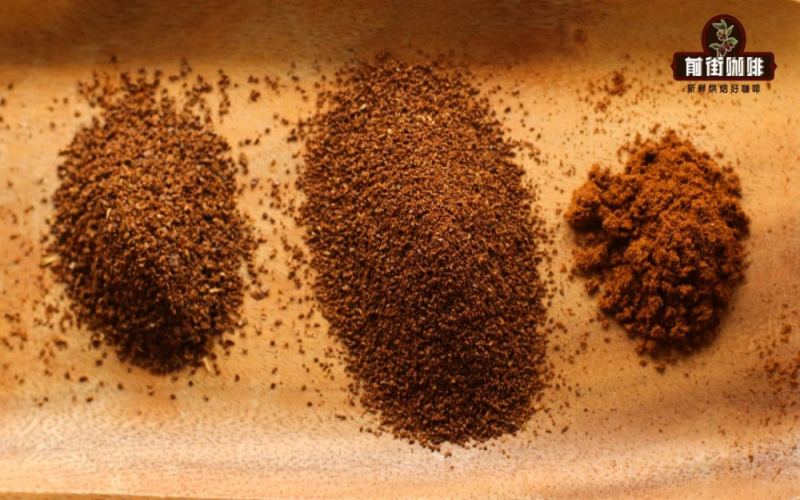
Coffee Grounds Coarseness Reference | Pour-Over Coffee Grind Size 1 to 10: Which Is the Finest? How to Adjust Coffee Bean Grind Parameters for Espresso and Moka Pot
A delicious cup of coffee is hard-won, because from seed to cup is a very long wait. Even at the final step of extraction, you must ensure that the coffee you use meets brewing standards, because extraction is easy—but have you ever thought about it? Coffee grounds are what extract the flavor compounds, [more…]
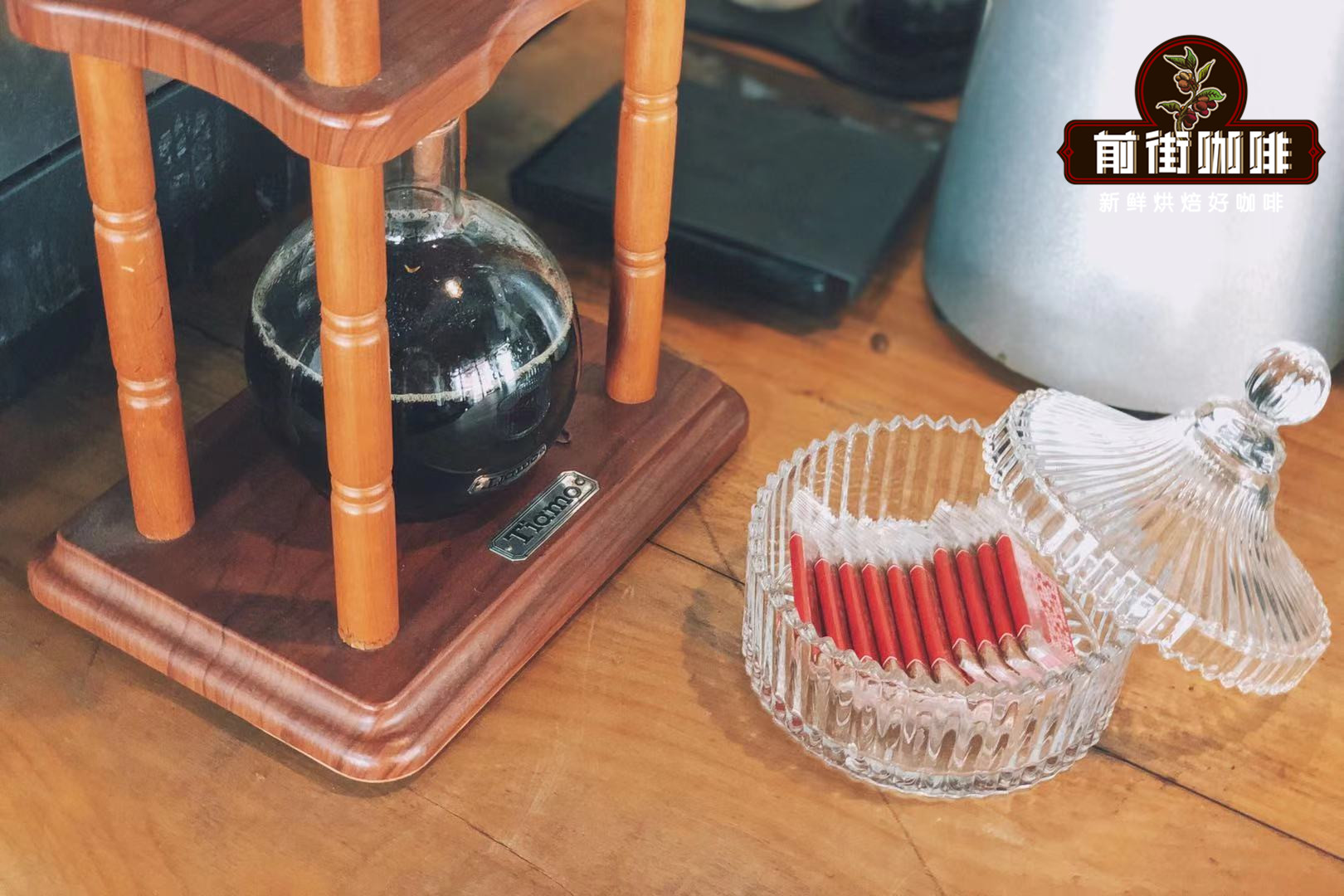
Coffee Grinding | Which is the finest grind setting from 1 to 10? How do you read the grind size for espresso and moka pot? How do you adjust the coffee grind size?
A delicious cup of coffee is hard-won, because from seed to cup is a very long wait, and even at the final step of extraction, you must ensure that the coffee you use meets brewing standards, because extraction is easy, but have you ever thought about it—coffee grounds extract flavor compounds, so the water used [more…]