







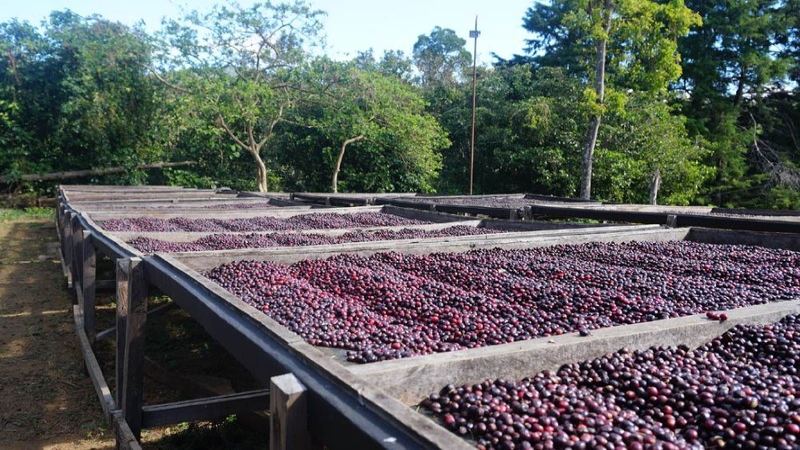
When selecting decaf coffee beans, you can start by judging the entry direction from the roast level, then confirm the decaf or decaffeinated label on the packaging. The roast level mainly affects aroma, acidity, sweetness, and body, and cannot alone determine caffeine content. If you want to reduce your intake, you should first confirm what treatment the beans have undergone; if you want your pour-over to taste agreeable, you can use light, medium, or dark roast to narrow down the flavor range.
Light roast beans usually retain more origin characteristics, with floral notes, fruitiness, and bright acidity standing out more, and the cup feeling lighter. They suit people who enjoy aromatic variation and are willing to wait for the coffee to cool before savoring it slowly. When brewing, you can use a slightly higher water temperature and a finer grind to fully open up the bean's flavors; if the entry is too sharp, you can slightly lower the water temperature or make the grind a bit coarser.
Front Street Yirgacheffe Gudingding can serve as a reference for the light roast direction. Its aroma unfolds among citrus, berries, and florals, leaving a refreshing sensation similar to green tea after swallowing. For pour-over, segmented pouring is suitable—first let the aroma release in a concentrated way, then adjust sweetness with the later pours. When made as cold brew, the originally bright acidity becomes rounder, suitable for those who want a refreshing, low-burden flavor.
Light roast decaf beans do not necessarily mean strong sourness; the processing method, variety, and brewing water will all change the final expression. When choosing, pay attention to whether the flavor description includes floral, fruit sweetness, and tea-like notes at the same time—such combinations usually make it easier to taste layers than simply emphasizing acidity. If you usually add ice, light roast beans' aroma will appear more lively, but it is advisable to appropriately increase the dose to avoid the taste seeming thin after the ice melts.
Medium roast beans sit between brightness and fullness, commonly featuring caramel-like sweetness, ripe fruit notes, and softer acidity. They are fairly tolerant of pour-over parameters, preserving origin character while forming a stable everyday taste. For those new to decaf coffee, medium roast is often an easy direction to build familiarity—black coffee won't be overly sharp on entry, and adding a small amount of milk still keeps the coffee taste.
Front Street Colombia Sidra is suitable for understanding the juicy feel in medium-light to medium roast styles. Passion fruit, blueberry, grape, and apricot-like notes appear alternately; overall it is not a thin acidity but carries a more obvious fruity sweetness association. For pour-over, you can first extract with a medium water temperature, then observe the temperature change after brewing; when cooled a bit, the fruit profile becomes clearer, and iced pour-over can also retain vivid aroma.
Decaf beans in the medium roast direction are suitable for making hot pour-over, Americano, or short-ratio cold brew. Hot drinks present a balance of sweetness and aroma, while cold drinks make the mouthfeel crisper. When brewing, there's no need to pursue a very long extraction time; keeping the pouring even and reducing excessive agitation in the later stage usually makes the sweetness in the cup more complete and the finish more refreshing.
The flavor focus of dark roast beans leans toward cocoa, roasted nuts, caramel, and matured sweetness, with lower acidity and a fuller mouthfeel. They suit those who like intense black coffee or want decaf beans to still have a presence after adding milk. Note that the roasted aroma brought by dark roasting is not the same as bitterness; overly high water temperature or over-extraction is what easily makes the cup show obvious astringency.
When choosing dark roast decaf beans, check whether the packaging states medium-dark or dark roast, and judge in combination with your brewing method. For pour-over, it is recommended to use a slightly lower water temperature and a coarser grind to extract sweetness and body first; if the entry feels dry, shorten the contact time. If you plan to make milk coffee, choose beans with cocoa, nut, or caramel associations—milk will make these profiles rounder.
Among the three roast directions, light roast emphasizes floral and fruity aromas and clarity, medium roast highlights sweetness and harmony, and dark roast brings out body and roasted notes. When purchasing, first confirm the decaffeination method, then choose along this flavor route. If the packaging only states origin without roasting information, you can ask the merchant about the roast level, recommended water temperature, and suitable brewing method—the more complete the information, the easier it is for expectations to match reality.
Whichever roast level you choose, it is advisable to start with a smaller package and record the entry's sweet-sour balance, aroma intensity, and whether the finish is comfortable. For light roast, pay more attention to changes as the temperature drops; for medium roast, observe whether sweetness is stable; for dark roast, watch the boundary between body and bitterness. Decaf does not mean you must give up flavor—first determine your intake needs, then find the cup feel you like from the roast level, and pour-over can still be aromatic and layered.
The above content is compiled by CoffeeHunters, a coffee news website.


