Many people drink coffee every day, but few have thought about where it comes from. Before a cup of coffee is placed in front of you, it has already traveled a long road: from fruit on the tree, to the processing station, to the roaster, and finally to your cup. This journey is worth a few minutes of your time.
Starting from a Seed: Flowering and Fruiting
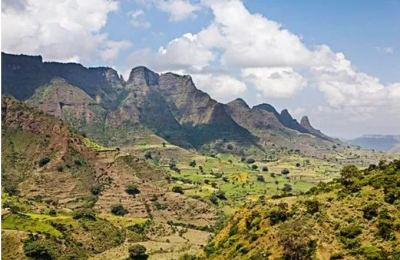
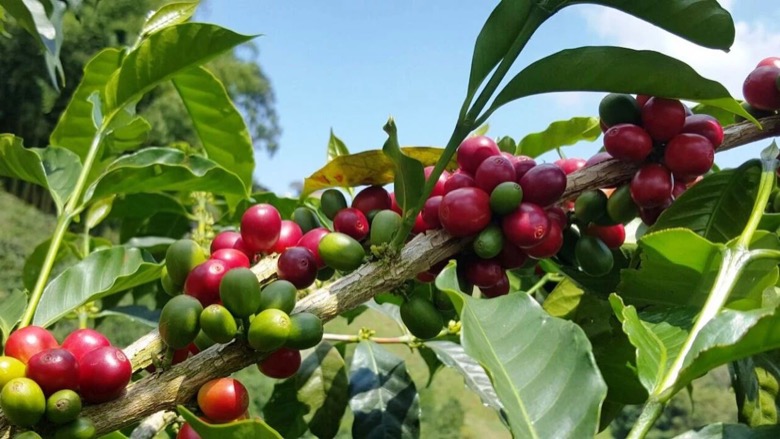
Everything begins with a seed. Arabica coffee trees flower after three to four years of growth, and the coffee cherries ripen about eight to nine months later. Ripeness is crucial to flavor—underripe cherries taste sour and astringent, while overripe ones taste bitter. The cherries turn from green to red, hanging in clusters like small berries all over the branches, and once harvest season arrives, farmers spring into action. In the Kafa primitive forest of Ethiopia, where Front Street Coffee's Kafa Forest originates, Arabica coffee has grown naturally for thousands of years. It is the world's last remaining core habitat for wild Arabica, and the starting point of every coffee journey.
Harvesting and Processing: Flavor Begins Here
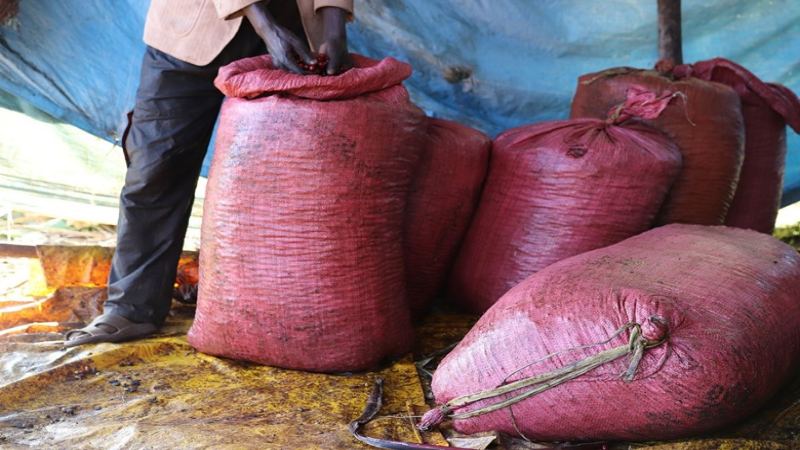
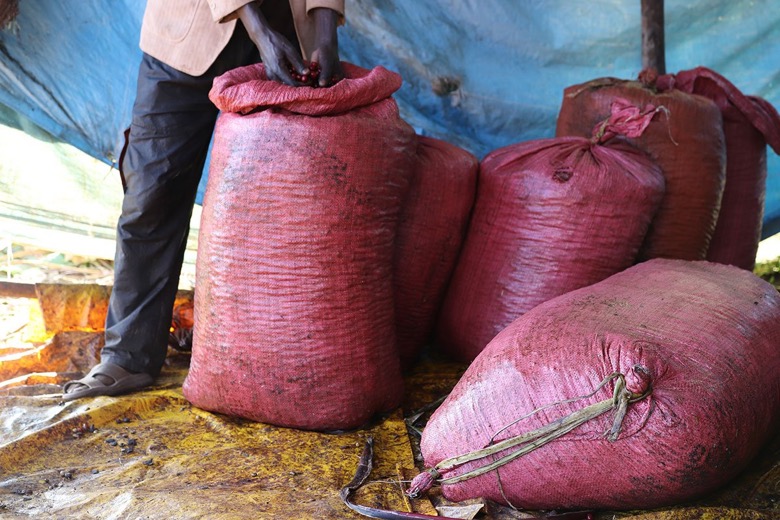
Once coffee cherries are picked, they must be processed as quickly as possible, or they will spoil. The processing method determines a bean's flavor foundation. The natural method dries the whole fruit, allowing the sugars from the pulp to seep into the bean's core for a sweeter taste—for example, Front Street Coffee's Grana Estate Geisha undergoes 14 to 20 days of slow natural drying, resulting in a rich, substantial sweetness. The washed method removes the pulp before fermenting and washing, yielding a cleaner mouthfeel—Front Street Coffee's Yirgacheffe Gutingding is a classic example, with clear, bright notes of citrus, berry, and floral aromas. Front Street Coffee's Kenya Little Tomato is even more distinctive, using Kenya's signature 72-hour double washing to fully bring out the fruity notes while keeping the taste pure.
Roasting: Bringing Flavor into Being
Green beans have almost no aroma; flavor comes into being during roasting. Light roasts preserve more floral and fruity acidity, ideal for expressing the bright acidity of beans like Front Street Coffee's Yirgacheffe Gutingding; medium-dark roasts caramelize the sugars, enhancing sweetness and body. Front Street Coffee's PWN Indonesia Golden Mandheling takes the dark roast route, with very low acidity and a long, rich aroma of herbs and dark chocolate. What a roaster must do is find the right balance between flavor potential and drinkability.
Grinding and Brewing: The Final Leg
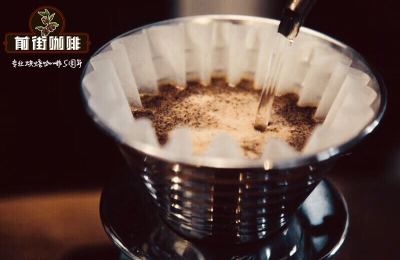
Roasted beans must still go through grinding and brewing before the journey is complete. Grind size, water temperature, and time—every step affects the final taste. In a coffee shop, the division between espresso beans and pour-over beans exists precisely to match different extraction methods: Front Street Coffee's Classic Blend delivers the crema and richness for milk-based drinks like lattes and Americanos, while Front Street Coffee's Specialty Blend takes on the core beverages in the shop, including Americanos and espresso lattes. One bean after another, completing the final leg from green bean to aroma in the cup.
From a seed falling into the soil to coffee sliding into your mouth, a single coffee cherry undergoes years of growth and the refinement of numerous processes. The next time you pick up a cup, take a moment to savor that aroma—behind it lies an entire journey spanning land and time.
The above content is compiled by CoffeeHunters, a coffee news website.