







Search Results for: Scott Rao
Pour-Over Coffee Water Pouring Techniques Explained: Key Steps of Scott Rao's Spin and Shake Method and Dripper Flow Control Tips
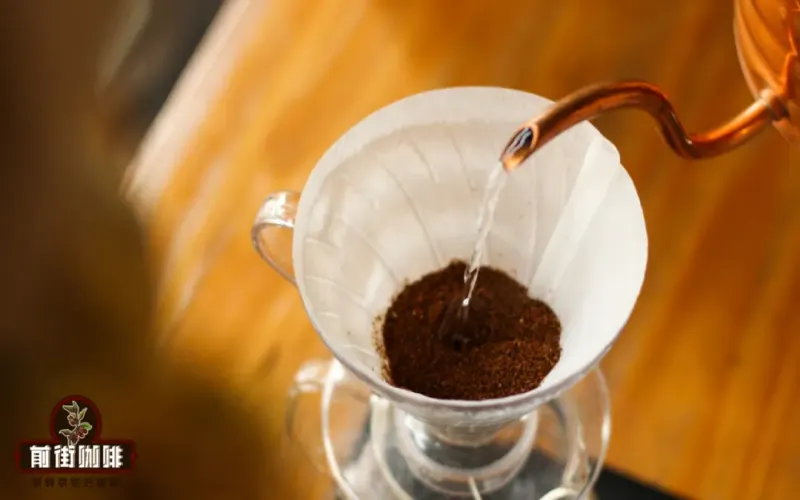
Among the many pouring techniques in pour-over coffee, there is one method that looks quite bold and unrestrained—the Rao Spin, created by coffee industry celebrity Scott Rao. This multi-talented figure—roaster, barista, and author—is renowned in the industry for his books such as The Coffee Roaster's Companion, The Professional Barista's Handbook, and The Coffee Brewer's Handbook. In Rao Spin, "Spin" means to rotate or shake, so Front Street Coffee habitually calls it the Lao-style shaking method. This article will introduce the origins and characteristics of this brewing method, break down its pouring steps in detail, and also discuss the principle behind gripping the dripper to control the flow rate. [more…]
An Analysis of the Rao Spin Pour-Over Method: Features, Key Steps, and a Look at European and American Pour-Over Styles
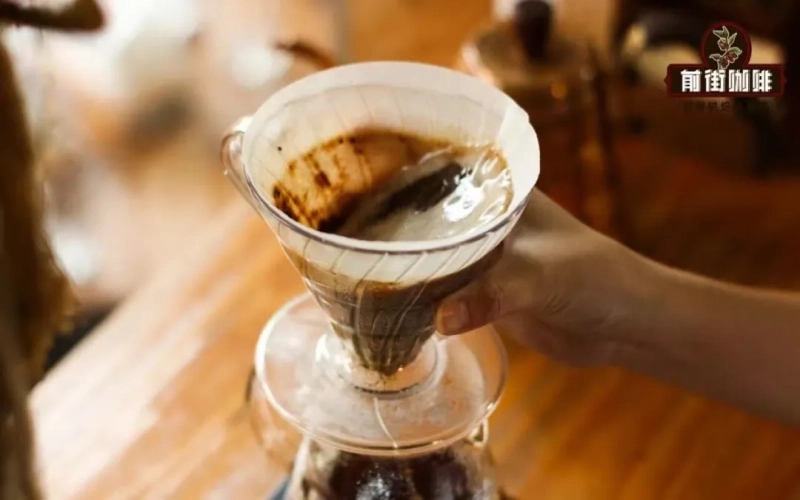
In the world of pour-over coffee, there are always some distinctive brewing methods that catch the eye. The Rao Spin—the "Rao-style rotation method" shared and popularized by coffee guru Scott Rao—quickly rose to fame for its unique move of picking up the dripper and shaking it during brewing. It looks casual, but behind it lies solid extraction principles. This article will introduce the origins of the Rao Spin, suitable bean types, and equipment selection advice for coffee enthusiasts, and use 15g of Front Street Ethiopia Hachira as an example to fully demonstrate the process from blooming, stirring, and pouring to shaking the dripper, helping you understand this fun and practical pour-over method. [more…]
How much does an unlevel coffee brewing device affect extraction results? An in-depth analysis
In the pursuit of an ideal cup of coffee, we often focus on variables such as water temperature, coffee-to-water ratio, and grind size, yet easily overlook a basic but crucial detail—whether the coffee equipment is kept level. In The Science of Coffee Brewing, Scott Rao explicitly points out that keeping the equipment level may seem trivial, but in fact has a decisive impact on the extraction result. When the equipment tilts, the water flow tends toward the lower side due to inertia, causing some coffee grounds to be extracted first, which in turn triggers problems such as channeling, uneven extraction, and even over-extraction. This article will analyze one by one the specific effects of the coffee machine body, the tamping operation, and the levelness of the pour-over dripper on extraction, and provide practical calibration suggestions to help you eliminate this hidden variable in your daily brewing. [more…]
A Complete Analysis of Five Pour-Over Coffee Techniques: Detailed Parameters for One-Pour, Three-Stage, Stirring, 4:6, and Kono Methods
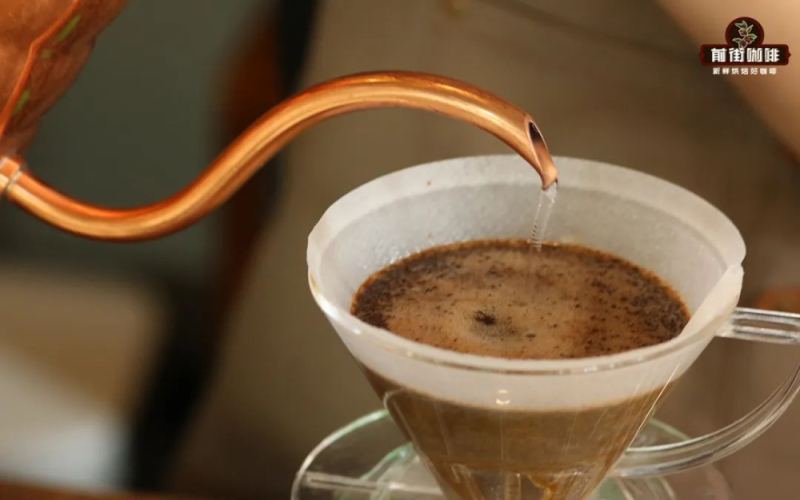
Pour-over coffee may seem simple, but in reality every pouring technique brings out a completely different flavor profile. Front Street Coffee's daily in-store offerings uniformly use the three-stage pour, but the baristas know well that changing the pouring height, water temperature, flow rate, or number of stages is equivalent to creating an entirely new brewing method. This article compiles five distinctive pour-over techniques—the one-pour method, the three-stage method, the agitation method (Rao's spin method), the 4-6 method, and the Kono-style method—breaking down their key operational points and suitable scenarios one by one, along with Front Street Coffee's complete brewing parameters, so that coffee enthusiasts can try them at home one by one and, through comparative tasting, find the cup that best suits their own taste. [more…]
Seven Core Principles for Consistently Great Coffee: A Scientific Brewing Analysis from Dripper Selection to Team Collaboration
Those seemingly casual artistic expressions in coffee shops—tattoos, latte art, a laid-back atmosphere—are actually underpinned by a rigorous set of scientific rules. When baristas have to face the test of producing hundreds of cups every day, consistency becomes the key to whether customers will come back again. This article, from a professional perspective, systematically sorts out seven practical principles for maintaining coffee quality consistency: from valuing the filter basket model and recommended dose, treating the scale as a core tool, to establishing reusable brewing recipes, dealing with the natural variations of blend beans, to facing the reality that pour-over coffee is hard to keep stable, valuing the impact of water quality on flavor, and relying on teamwork to achieve consistently stable output. These rules may seem dull, but they are the cornerstone that makes every cup of coffee trustworthy. [more…]

Hoffmann V60 Five-Pour Method Explained: A Practical Guide to Rao Spin with Pulse Pouring
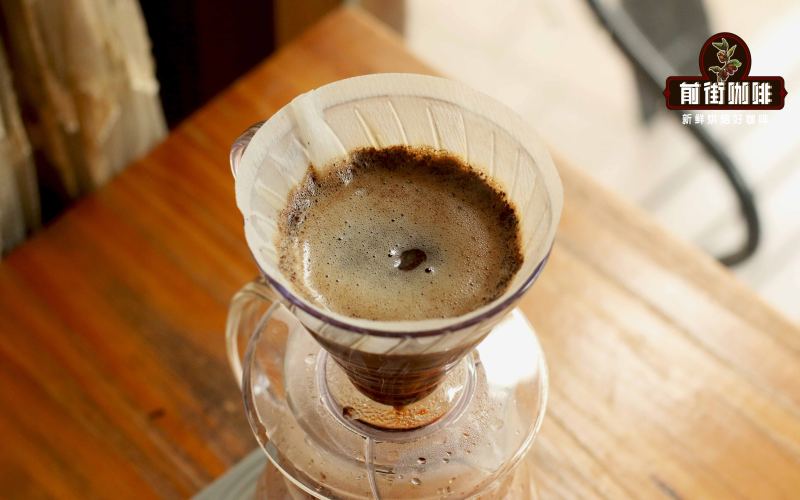
James Hoffmann shared a brewing method on his personal channel that netizens have hailed as the ultimate V60 solution, the core of which lies in dividing the total water volume into five equal pours and introducing Rao-style shaking at the first and last pours. After repeated testing, Front Street Coffee confirmed that this method delivers outstanding results. This article will provide a complete breakdown from principle and parameters to operating steps, including grind size selection, water temperature setting, the pouring rhythm for each stage, and two details that are easy to get wrong in actual practice. The article also records Front Street Coffee's brewing performance using Costa Rica Mirazu Strawberry Candy, and both the final extraction yield and flavor presentation were satisfying. [more…]

Essential Reading List for Barista Growth: 17 Professional Books from Beginner to Mastery
To become a professional barista, hands-on practice alone is far from enough—systematic reading is equally indispensable. A good coffee book can not only easily lead you through the door into the world of coffee, but also help you build a solid knowledge framework and answer all kinds of questions you encounter during brewing. Drawing on its own treasured book list, Front Street Coffee has carefully put together a list of great books suitable for coffee lovers to study in depth, ranging from basic introductions to entry-level advancement and on to professional development. Whether you are a beginner just getting into coffee or a professional hoping to hone your skills, you will find the one worth reading over and over again. [more…]
What Is Coffee Body? A Full Analysis of the Factors Affecting Body and Brewing Methods
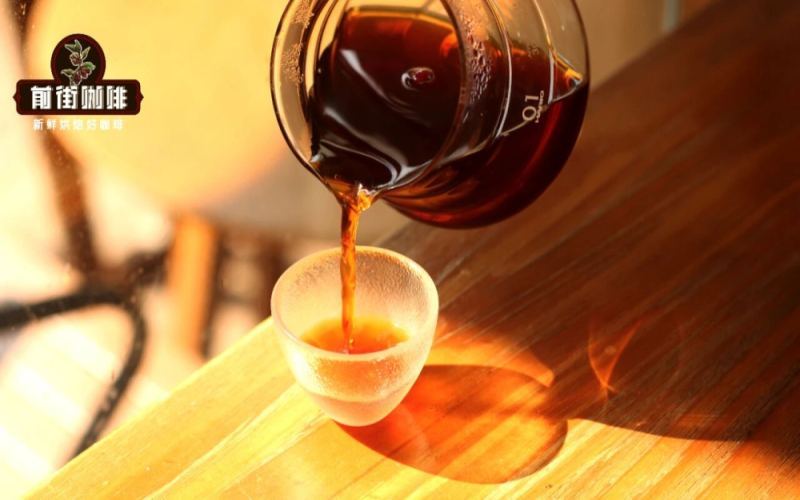
When drinking coffee, people often describe the mouthfeel as "rich," "light," or "full," and behind this lies a professional term—body. It is not a specific flavor of coffee, but rather the weight and tactile sensation of the coffee liquid in the mouth. Starting from the definition of body, this article sorts out the factors that affect richness, including green bean processing methods, bean varieties, roast levels, and brewing equipment, and shares how to achieve an ideal body experience through different brewing methods. The article also recommends two single-origin coffees suited to experiencing a rich mouthfeel—Front Street PWN Golden Mandheling and Front Street Queen's Estate—and, combined with a siphon brewing example, helps coffee enthusiasts build a systematic understanding of body. [more…]
An In-Depth Analysis of Pour-Over Coffee Stirring Techniques: From Champion Methods to Extraction Effects
In the process of pour-over coffee, the action of stirring the coffee bed has attracted increasing attention from enthusiasts in recent years. Some hope to enhance the sweetness and flavor layers of coffee through stirring, while others remain skeptical of its effects. This article, from the perspective of Front Street, reviews the origins and representative figures of stirring techniques, analyzes the different roles of stirring during the blooming stage and the main extraction stage, and, combined with practical comparative experiments, explores the impact of stirring on extraction results, as well as issues that need attention such as fine particle clogging and bean quality, helping coffee enthusiasts make a more rational judgment on whether to stir and how to stir. [more…]
A Complete Analysis of Mahlkönig EK43 Models: Differences from Ditting Horizontal Burrs and Grinding Performance Comparison
As the "legendary machine" in the specialty coffee world, the Mahlkonig EK43 has long since risen from a single-origin grinder to a standard fixture in espresso cafés, thanks to its outstanding grind uniformity and extraction performance. From early experiments at Café Myriade in Montreal in 2009 to Matt Perger's endorsement on the world competition stage in 2013, the EK43 was gradually elevated to iconic status. Meanwhile, Ditting, another "high-end grinder," is often compared with the EK43, with each having its own strengths in burr layout and flavor profile. This article reviews the grind settings and structural differences among the EK43 series versions (EK43S, EK43T, EK43, EKK43), traces its rise to fame, and compares the design features of Ditting's horizontal flat burrs. Combined with Matt Perger's particle experiment data, it analyzes why the EK43 can achieve more uniform extraction. Front Street Coffee will also share related product recommendations in this article. [more…]
Does adding salt to coffee really make it taste better? A complete interpretation from traditional custom to scientific principle
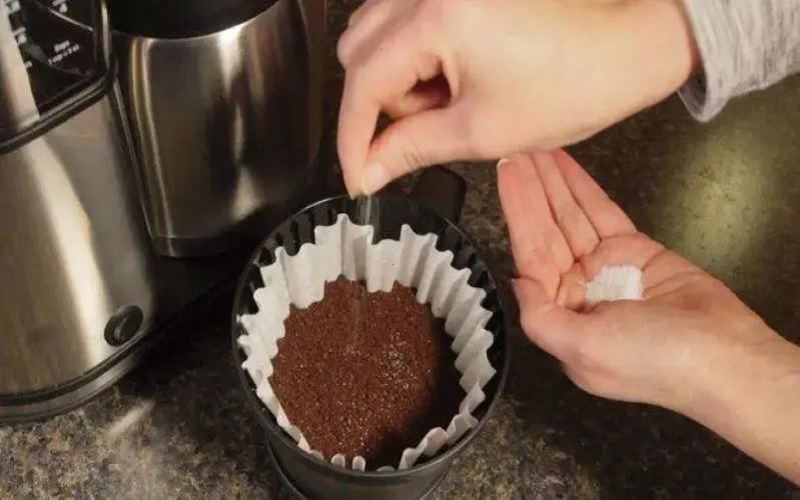
Adding salt to coffee may sound surprising, but it is not a sudden whim of modern people. From northern Scandinavia to Turkey, from the European coast to Siberia, the tradition of salted coffee has a long history. Salt not only suppresses the bitterness of coffee but also makes sweetness more prominent, and behind this there is both historical origin and the support of food science. This article will start with the origins of salted coffee, sort out the formation mechanism of coffee bitterness, explain why salt can neutralize bitterness, and give specific salt-adding suggestions and dosage references. If you have also wondered whether this cup of salted coffee is actually reliable, you might as well read on. [more…]

From Beginner to Advanced: A Guide to Recommending 15 Essential Professional Books for Coffee Enthusiasts and Building a Knowledge System
To systematically learn about coffee, reading is the most solid path. Compiled by Front Street Coffee, this article reviews 15 quality books suitable for coffee enthusiasts, from beginner to advanced to professional development. Whether you are a newcomer just getting into coffee or a professional hoping to refine your skills, you can find a learning direction that suits you. The article covers multiple dimensions including basic coffee knowledge, bean varieties and origins, brewing techniques, sensory tasting, and roasting science, helping you efficiently build a coffee knowledge framework. [more…]
Guide to Brewing Coffee with 100°C Boiling Water: High-Temperature Extraction Principles, Parameter Adjustments, and Stirring Method Practice Sharing
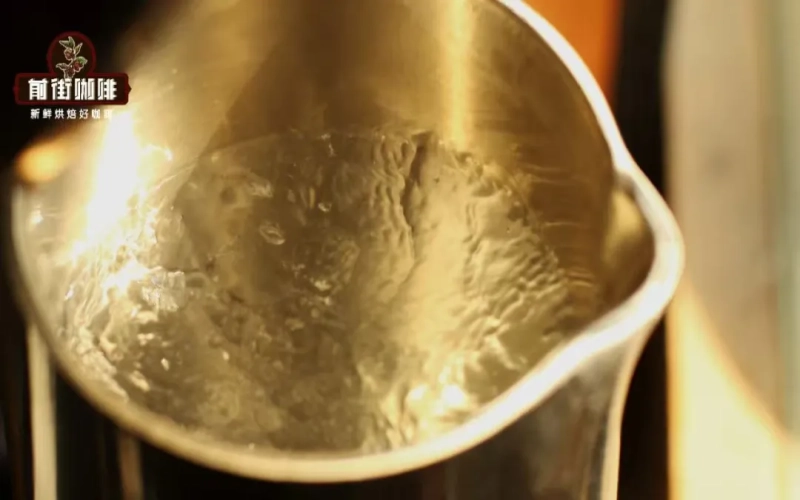
Is it actually feasible to brew coffee with boiling water? Front Street Coffee previously pointed out in a tweet discussing water temperature that water temperature is not the only factor determining whether coffee is good or bad. This article further verifies: 100°C boiling water can absolutely brew good coffee, the key lies in adjusting the extraction plan. The article analyzes the risks brought by excessively high extraction efficiency at high temperatures, introduces response strategies such as shortening time, coarsening the grind, and adopting immersion extraction, and shares in detail the entire process and parameters of using the stirring method combined with 100°C water temperature to brew Sidamo·ALO beans. In the end, this cup of coffee had an extraction yield close to 21%, presenting a full-bodied juicy feel with mango, pineapple, and citrus flavors, and a finish with oolong tea aroma, receiving unanimous praise. [more…]
How Does Extraction Water Temperature Influence Espresso Flavor? Analyzing the Ideal Espresso Temperature from Flow Rate Changes to Dose Differences
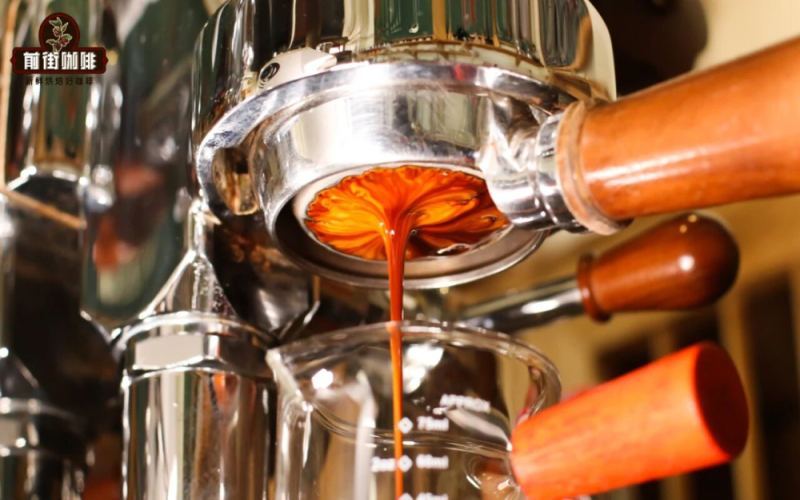
Many coffee enthusiasts, when discussing espresso extraction, tend to focus on grind size, dose, ratio, and pressure, yet overlook an equally critical variable—water temperature. In fact, water temperature not only influences the direction of coffee flavor but also alters extraction flow rate, and there can even be a temperature difference between the boiler temperature and the water temperature that actually contacts the coffee grounds. This article, from the perspective of Front Street Coffee, systematically examines the mechanism by which water temperature affects espresso extraction, analyzes the pros and cons of high and low temperatures, and, drawing on the hypothetical experiments in Rao's "The Extraction Science of Espresso," explains how to choose appropriate water temperature settings under different dose ratios. [more…]
How Water Temperature Shapes Espresso Flavor, Flow Rate, and Extraction
In espresso extraction, grind size, dose, ratio, time, and pressure are often the focus of discussion, while water temperature is frequently overlooked. In fact, water temperature also has a decisive impact on aroma, flavor, and strength. This article will, from the perspective of Front Street, discuss the setting range of boiler water temperature, the effect of water temperature on flow rate, the difference between boiler temperature and extraction temperature, and why the higher the dose, the higher the preset water temperature needs to be. At the same time, combined with the views in Rao's "Espresso Extraction Science," it gives temperature recommendations for daily extraction and recommends Front Street Classic Espresso Blend coffee beans suitable for a rich, full-bodied taste. [more…]

A Comprehensive Analysis of the Origin, Flavor Characteristics, and Mouthfeel of the SL28 Coffee Variety from Kenya's Kiambu Region
SL28 is one of Africa's most legendary coffee varieties. After being selected in Kenya in the 1930s, it gradually spread to African Arabica-producing regions such as Uganda, and today it has traveled even farther to Latin America. It is suited to cultivation at medium to high altitudes, is highly drought-tolerant yet susceptible to coffee diseases, and offers an elegant cup profile that often features floral notes. Front Street's Little Tomato coffee beans are precisely a combination of SL28 and SL34. This article traces the breeding history of SL28, from the establishment of the Scott Agricultural Laboratories to the discovery of drought-resistant plants in Tanzania, and then to genetic testing that confirmed its kinship with the Bourbon genome. It also presents the specific producing region, altitude, processing method, and flavor description of Front Street's Kenyan Little Tomato, giving you a comprehensive understanding of this ancient and resilient variety. [more…]
SL28 Coffee Variety Traceability and Flavor Analysis: From Kenyan Drought-Resistant Breeding to Front Street Coffee's Cherry Tomato-Like Cup Performance
SL28 is one of Africa's most legendary coffee varieties. After being selected in Kenya in the 1930s, it gradually spread to Arabica-growing regions such as Uganda, and in recent years it has traveled even farther to Latin America. It is suited to cultivation at medium to high altitudes; it is drought-tolerant yet susceptible to disease, and its flavor is exceptionally elegant, often with floral notes. Front Street Coffee's Little Tomato coffee beans are precisely a combination of SL28 and SL34, displaying layers of pear, smoked plum, yellow sugar, and more. This article will trace the history of SL28's selection and breeding at the Scott Agricultural Laboratories, sort out its genetic relationship with the Bourbon genome, and introduce specific information about Kenya's Asali processing plant, helping coffee enthusiasts fully understand this variety's origins and development as well as its potential in the cup. [more…]
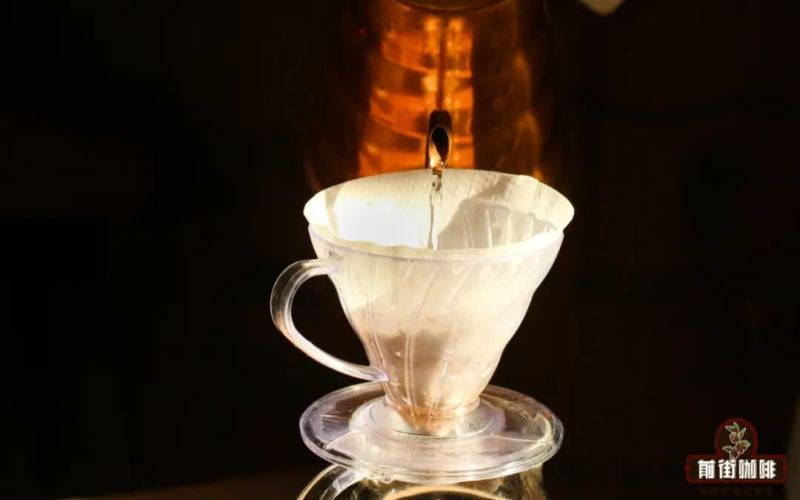
Kenya AA Coffee Beans | Introduction to Kenyan Coffee Varieties SL28, SL34 and Their Flavor Characteristics
Just as different grape varieties produce wines with vastly different flavors, the variety of coffee beans is also one of the key factors influencing the flavor of the coffee in your final cup. Panama's T2722 Geisha is the best example—it has drawn widespread attention for its white floral aromas and citrus fruit notes. And today, Front Street Coffee wants to share [more…]
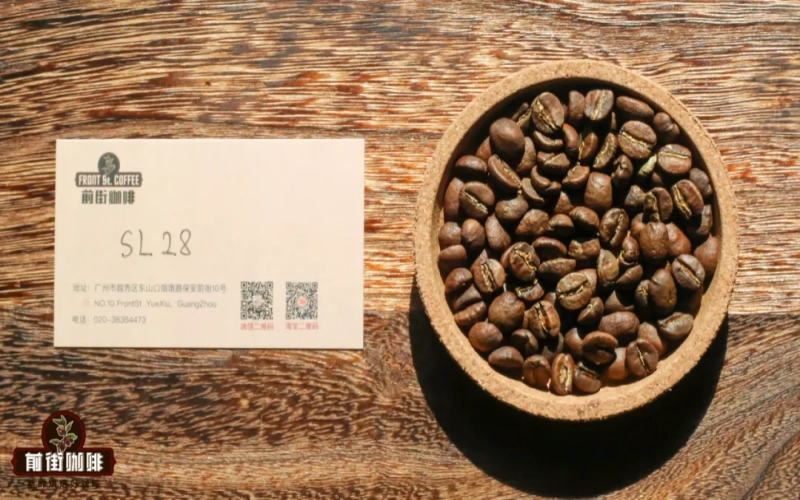
Kenyan Coffee's Grade Positioning and the Origins of Its Tomato Flavor: The Past and Present of the SL28 Variety
Kenyan coffee is world-renowned for its bright acidity and distinctive flavors of dark plum and cherry tomato, and behind this lies a key variety—SL28. This direct descendant of Bourbon, bred by Scott Laboratories in the 1930s, is not only drought-resistant and high-yielding but also boasts outstanding flavor performance, making it the core force behind the creation of the "Kenyan flavor." This article, from the perspective of Front Street, will trace the origins, characteristics, and spread of SL28, analyze the causes of Kenya's unique coffee flavor, and share a brewing guide for Front Street Kenya Asalia, giving you a comprehensive understanding of the charm of this African star bean. [more…]
The Complete Guide to Coffee Variety Codes: The Stories and Origins Behind 74110, SL34, F1, and H1
When selecting coffee beans, a string of mysterious codes occasionally appears in the variety column, such as 74110, SL34, F1, H1, and so on. They do not have resounding names like Typica or Geisha, yet each carries a piece of breeding history. What exactly do these codes mean? Are they years, experiment numbers, or abbreviations of research institutions? This article will trace the origins of these numbered varieties, from disease-resistant varieties in Ethiopia to selections by the Scott Laboratories in Kenya, and then to the F1 hybrid program in the Americas, uncovering the mysteries of their identities one by one. Front Street Coffee will also share the unique charm of these varieties in the cup, combined with their flavor performance. [more…]