







How Does the Five-Pour V60 Method Improve Hand Brew Coffee?
The Hoffmann V60 five-pour method splits the total water into five equal pours and adds Rao-style shaking during the first and last pours, which lowers the skill needed for consistent hand brew coffee. Dividing the water reduces the volume of each pour and shortens the gaps between pours, so exact flow control matters less and the slurry stays hot enough for immersion-style extraction.
Shaking at the start and end improves contact between water and grounds, helping degassing and extraction while breaking up the coffee bed, so heavy bed management is not required. This hand drip coffee approach can work without a gooseneck kettle; Front Street Coffee tested it with Costa Rica Mirazu Strawberry Candy and reported stable extraction and flavor.
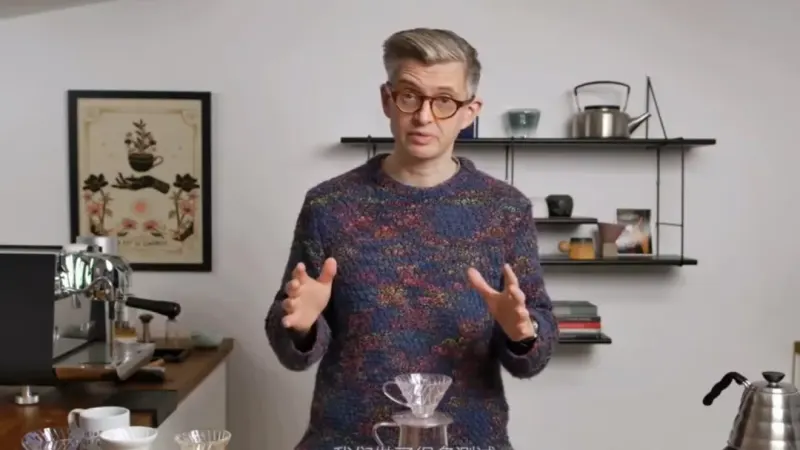
James Hoffmann shared a brewing method on his personal channel that netizens have hailed as the ultimate V60 solution. The core idea is to divide the total water volume into five equal pours and introduce Rao-style shaking at the first and last pours. After repeated testing, Front Street Coffee confirmed that this method delivers outstanding results. This article will provide a complete breakdown from principle and parameters to operational steps, including grind size selection, water temperature setting, the rhythm of each pour, and two details that are easy to get wrong in practice. The article also documents Front Street Coffee's brewing performance using Costa Rica Mirazu Strawberry Candy, and both the final extraction yield and flavor presentation were satisfying.
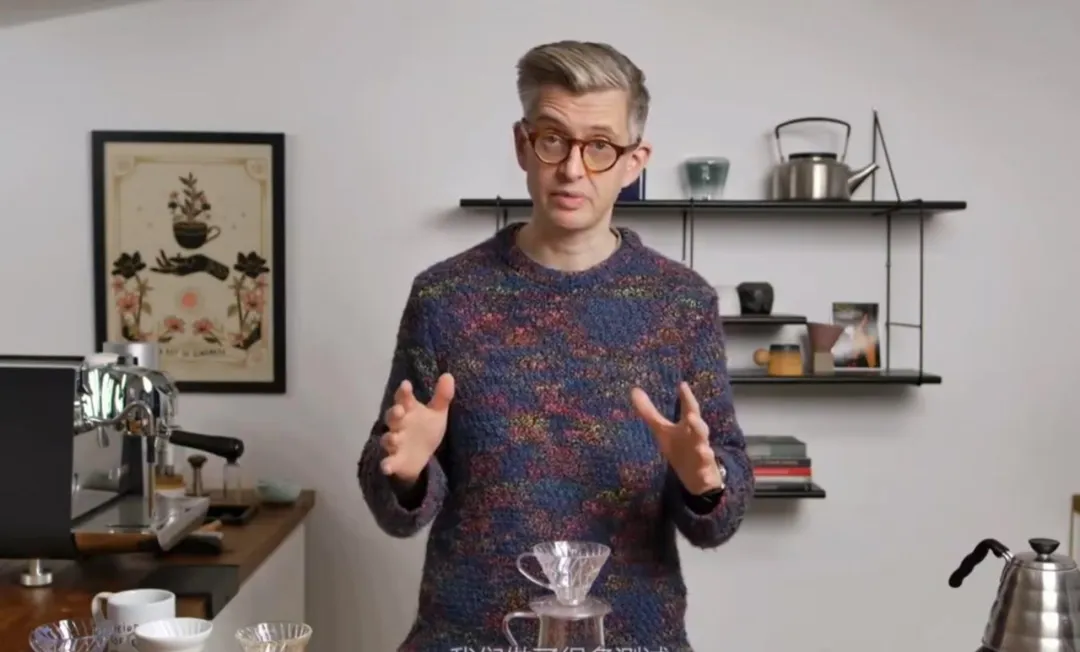
After repeated testing, Front Street Coffee found that this method produces consistently stable and excellent results. So today we're sharing this brewing approach that many netizens call the ultimate V60 dripper solution—discussing why it works and how to put it into practice.
The Ultimate V60 Brewing Method?
Since it has been dubbed the ultimate V60 solution, the dripper of choice is naturally the V60 (though other drippers work too; drippers without bypass design perform even better). According to James Hoffmann's explanation on his channel, this method requires dividing the total water volume into five equal pours, with Rao-style shaking accompanying both the first and last pours—that is, picking up the dripper and shaking it (those unfamiliar with this can click the "Portal" link to learn more).
Combining five pours with shaking greatly lowers the bar for making good coffee. The reason is that the more segments there are, the less water each pour requires, and the intervals between pours won't drag on too long. This way, we don't need to be overly demanding about water flow control, and the shorter intervals allow hot water to accumulate in the dripper, creating immersion-style extraction that improves extraction uniformity across the coffee grounds. As for the two Rao-style shakes at the beginning and end, they ensure fuller contact between grounds and water, making degassing and extraction more thorough. At the same time, it eliminates a lot of bed management work, because shaking itself disrupts the coffee bed structure. So even without a professional gooseneck kettle on hand, you can still make a good cup of coffee fairly easily.
Overall, the core goal of this method is to lower the difficulty of brewing good coffee, allowing you to get decent results without relying on complex techniques or professional equipment. But correspondingly, it demands more from your parameter settings. Next, Front Street Coffee will explain exactly how to operate and what parameters to use.
Brewing Sharing
The coffee beans Hoffmann used in his video demonstration were light roast. Known parameters include: water temperature 100°C, extraction time 3 minutes, coffee-to-water ratio 1:16.6. Although the grind size was not disclosed, Front Street Coffee inferred through multiple brews that it is most likely the grind setting we use daily. These numbers may seem extreme at first glance, but since there is very little agitation throughout and immersion extraction dominates, the coffee is almost never over-extracted. Front Street Coffee also found in experiments that our usual grind size matches this method very well. As long as your grind isn't particularly extreme, you can absolutely follow this formula as-is.
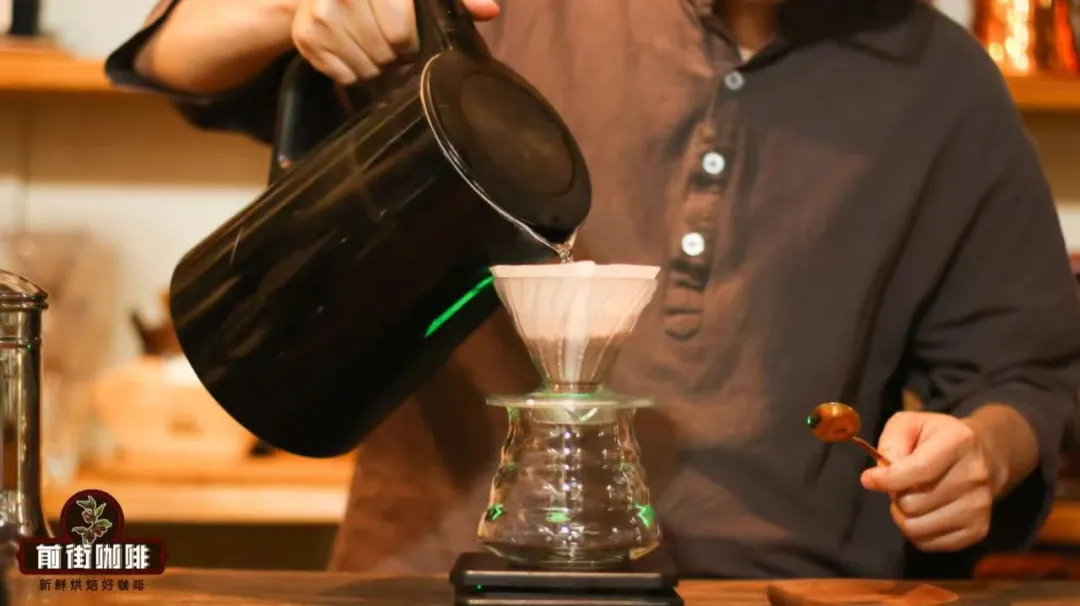
For this brew, Front Street Coffee chose Costa Rica Mirazu Strawberry Candy for the demonstration. The extraction parameters are as follows:
Beans used: 16g (other amounts also work) Coffee-to-water ratio: 1:15 Grind size: EK43 setting 9.5, 75% pass rate through a No. 20 sieve, caster sugar coarseness Brewing temperature: 100°C Dripper used: V60
The total water volume for this brew is 240ml, divided into five equal pours of 48ml each. First, perform the bloom. Before blooming, you can make a small well in the center of the coffee bed to help hot water penetrate faster and contact the coffee grounds at the bottom.
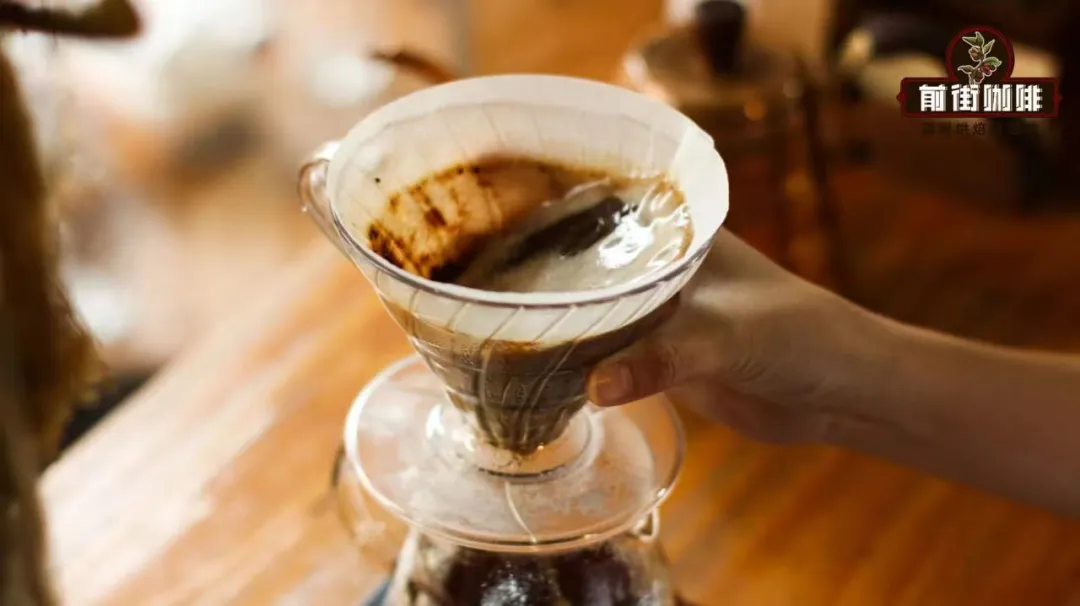
After pouring 48ml of hot water to start the bloom, immediately pick up the dripper and shake it, keeping it to about 5 circles. Then let it sit for 30 seconds to allow the coffee to degas before moving on to the next pour.
After the bloom is complete, the remaining four pours follow the same volume and method: use a slower flow to pour in large circles, 48ml per pour, with about 10 seconds between pours.
After the final pour of hot water, pick up the dripper and shake again, also about 5 circles. Once the shaking is done, wait for the coffee to finish dripping, then remove the dripper—extraction complete.
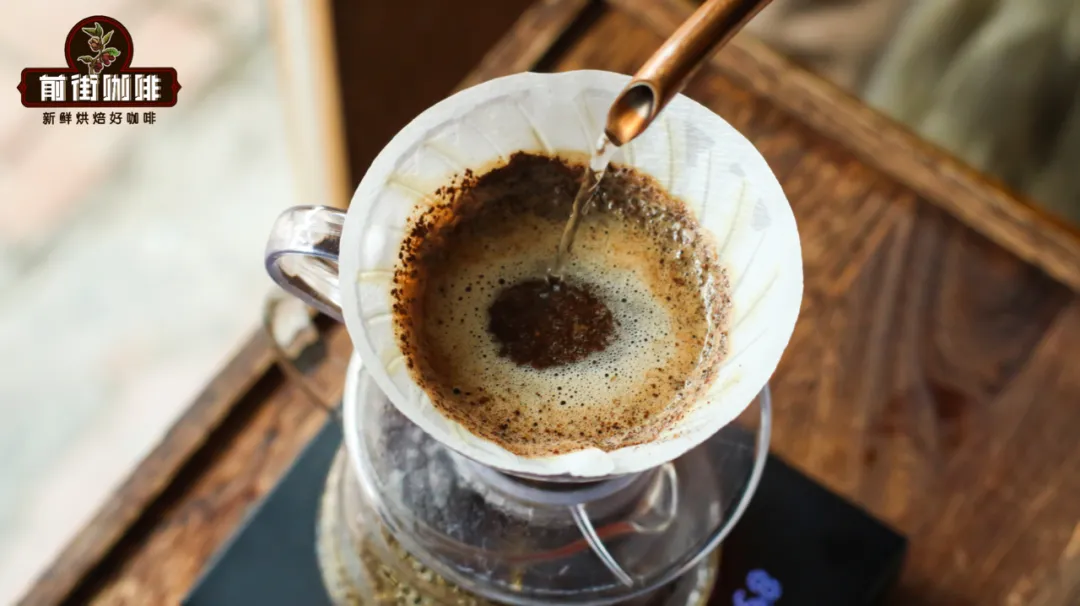
Total time was 3 minutes, and the measured extraction yield was 21.5%, which is a very ideal figure. The coffee has abundant sweetness on the palate, with a prominent aroma featuring strawberry, raisin, and fruit wine characteristics. The mouthfeel is round and smooth, the finish is long-lasting, and the overall performance is quite good.
As you can see, this brewing method is extremely simple to operate. However, there are two things to watch out for in practice: First, grind size will vary depending on the coffee beans and dripper used. We recommend adjusting based on the final taste you get—this is also why Hoffmann didn't disclose the grind parameters in his video. Second, don't shake too vigorously, or hot water may splash out of the dripper and scald you. It could also cause fines to migrate to the bottom and clog the filter paper.
- END -
The above content is compiled by CoffeeHunters, a coffee news website.


