







Search Results for: Santander region
Colombia Santander Region Rodeo Estate Coffee Beans: Flavor Characteristics and Processing Method Analysis
Colombia is known as "green gold," and coffee can be harvested there year-round, with different regions and cultivation methods giving coffee a diverse range of flavor profiles. Santander, as the first province in Colombia to grow coffee, is rarely mentioned, yet its output accounts for about 5% of the country's total. The province's unique geography and climate, along with its semi-forest shade system, create a rich and sweet coffee style. Located in Santander, El Rodeo Estate is run by owner Alfonso and his son Chris. Through controlled harvesting and a two-stage fermentation process, Front Street Santander Coffee brings out cocoa notes and a thick caramel sweetness, along with the alluring flavor of dark stone fruit. This article will take a deeper look at the characteristics of the Santander growing region and the flavor and processing details of El Rodeo Estate's coffee. [more…]
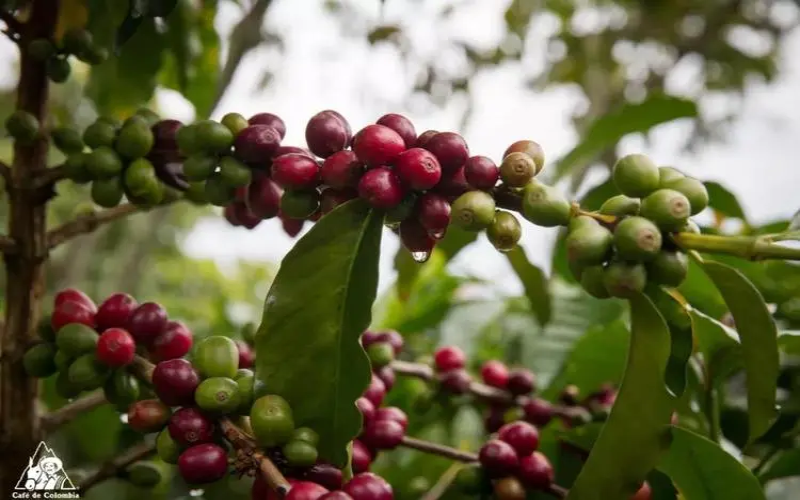
Colombia Santander Region Big Tree Estate Rose Valley Coffee Beans: Origin, Variety Characteristics, and Brewing Flavor Analysis
Colombia is located in northern South America, bordering the Pacific Ocean to the west and the Caribbean Sea to the north. The Andean region in the west has high altitudes, volcanic soil, and abundant rainfall, with diverse microclimates. It is recognized as a high-quality coffee-producing region and is the world's third-largest coffee producer. Coffee was introduced in the late 18th century by Jesuit priests among the Spanish colonists, and was first cultivated in the departments of Santander and Boyacá. The Santander producing region is located in the northern Andes Mountains of Colombia, at an altitude of about 1,400-1,700 meters. It is one of the earliest coffee-growing areas in Colombia, known for its strong flavor, long finish, and unique fresh herbal notes. Hacienda El Roble is a rare single-variety plantation in the area. The Front Street Colombia Rose Valley coffee beans sourced by Front Street Coffee come from this estate, using anaerobic enzyme washed processing and medium roasting, presenting flavors of rose, liqueur chocolate, berries, cranberries, and white peach. [more…]
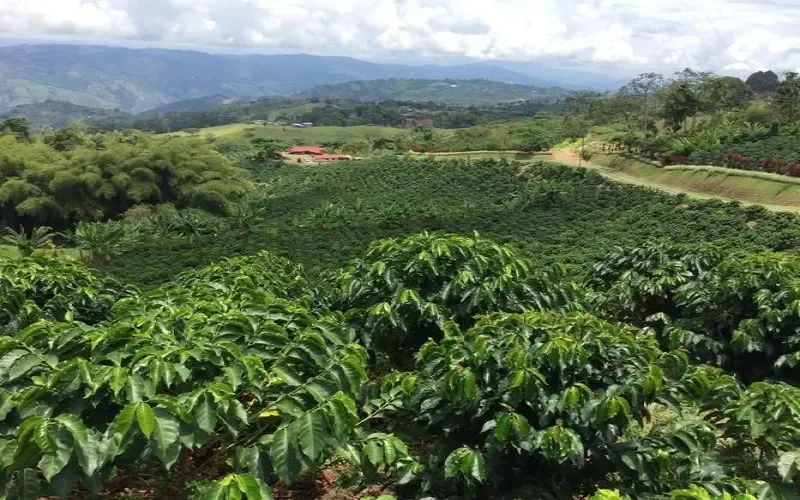
Exploring Colombia's Santander Region: The Journey of Casablanca Estate's Specialty Coffee Transformation
Colombia, an important member of South America's coffee landscape, nurtures diverse flavor profiles thanks to the unique conditions of the Andes Mountains. Among the country's many producing regions, Santander Department, though low-key, has a deep heritage as the birthplace of Colombia's coffee-growing history. It is here that Finca Casablanca is located, beginning with large-scale cultivation in 1860, undergoing a specialty transformation since 2006 led by current owner Liliana Caballero Rojas and her family, and winning the Colombian Yara Championship in 2016. This article takes you deep into the terroir characteristics of this producing region and the varietal charm of the estate. [more…]
Flavor Characteristics and Origin Analysis of Colombia Santander El Árbol Estate Double Anaerobic Enzyme Washed Coffee
The Santander region in northern Colombia, with its unique terroir, nurtures coffee beans with distinctive flavors, renowned for their rich body, lingering aftertaste, and unique herbal aroma. Located in this region, Dashu Estate sits at an altitude of 1,700 meters, cultivates the Caturra variety, and employs a double anaerobic enzyme washed processing method, endowing the coffee beans with a richly layered taste experience. This Colombia Dashu Estate coffee brought by Front Street Coffee has a powerful aroma, moderate acidity, and a mellow body, presenting a unique flavor of grass and fresh green plants. This article will provide a detailed interpretation of the region's background, estate information, processing techniques, and cupping performance, taking you through a comprehensive understanding of the charm of this coffee. [more…]
Colombia Rose Valley Double Anaerobic Coffee Explained: Santander El Arbol Estate Caturra Flavor and Processing Craft
Colombian coffee is renowned worldwide, named after its country. Thanks to its exceptional geographical and climatic conditions, it cultivates a distinctive acidity and full-bodied richness, earning widespread acclaim for its quality. This article focuses on Front Street Coffee's Colombia El Vergel Estate Double Enzyme Washed Rose Valley, providing an in-depth introduction to its producing region of Santander, the estate's management philosophy, the anaerobic processing technique, and the flavor characteristics of the Caturra variety. This bean delivers aromas of ripe fruits such as peach, strawberry, and melon, interwoven with notes of rose and champagne, offering a rich and layered taste experience that coffee enthusiasts will savor. [more…]
Exploring Colombia's Big Tree Coffee Estate: An Analysis of Santander Region Coffee Bean Flavors and Growing Characteristics
Colombian coffee is known for its soft, balanced profile, but in recent years policies prioritizing yield have shifted the flavor somewhat. This article takes you into the Finca El Arbol in the Santander region to learn how local smallholders uphold the traditional Typica variety, cultivating specialty coffee with both aroma and sweetness in a fully organic environment. It also compares the flavor differences between disease-resistant varieties such as Variedad Colombia and Castillo, and recommends Front Street Coffee's Colombian Finca El Arbol beans so you can experience the most authentic Colombian flavor. [more…]

A Complete Guide to Colombian Specialty Coffee Flavors: Brewing Guides for Representative Beans from the Three Major Regions of Huila, Santander, and Cauca
Colombian coffee has always been renowned for its rich sweetness, full-bodied character, and intense aroma, with exceptionally high balance, often accompanied by nutty notes and elegant fruity acidity, and is regarded by many baristas as a premium choice. The Colombian beans selected by Front Street Coffee mainly come from growing regions in the south at elevations above 1,500 meters, such as Huila, Cauca, and Santander, where the coffee produced has delicate berry notes and caramel sweetness. This article will review, one by one, the regional backgrounds, processing methods, and brewing flavors of Front Street's various Colombian single-origin beans, including Huila, Flower Moon Night, Rose Valley, and Hacienda del Cielo Sakura, and will also share Front Street's V60 brewing parameters and techniques, taking you through a comprehensive understanding of the diverse charm of Colombian coffee. [more…]

Full analysis of the flavor differences between Colombia's Flower Moon Night and Rose Valley coffee beans: a comparison of rose aromas from the two major producing regions of Huila and Santander
In the world of coffee, some beans have inherently poetic names, and Rose Valley and Flower Moon Night are prime examples. When many enthusiasts first hear these names, they can't help but wonder: do they really carry the scent of roses? And what sets these two beans apart? This article will take you on an in-depth exploration of Flower Moon Night from the Huila region of Colombia and Rose Valley from Big Tree Estate in the Santander region, analyzing everything from terroir and varieties to processing methods and final cup profiles. This Flower Moon Night selected by Front Street Coffee comes from the Astorga Estate in Huila, while Rose Valley originates from Big Tree Farm. Both are Caturra variety, yet due to different processing methods—anaerobic natural and double anaerobic enzyme washed—they present completely distinct flavor directions. After reading this article, you will clearly grasp the core characteristics and tasting points of these two beans. [more…]
Colombian Rose Valley Anaerobic Double Enzyme Washed Coffee Beans: Full Analysis of Santander Finca El Arbol Flavor and Brewing
In recent years, peach oolong tea-flavored beverages have become hugely popular, and many coffee lovers are on the hunt for coffee beans with a juicy peach aroma. The Colombia Rose Valley launched by Front Street Coffee is exactly such a bean—one sniff and you're smitten. It comes from Finca El Arbol in the Santander region of Colombia, uses an anaerobic double enzyme washed process, and is of the Caturra variety. This article provides a comprehensive introduction to this bean's regional background, the estate's processing methods, variety characteristics, Front Street's roasting records and cupping performance, and offers grind size calibration, water temperature control, and three-pour brewing suggestions specifically for anaerobic beans, helping you fully unlock its captivating flavors of peach, rose, and liqueur chocolate. [more…]
A Complete Guide to Colombia's Specialty Coffee Regions: Huila, Cauca, Nariño, Santander Flavors and Pour-Over Parameters
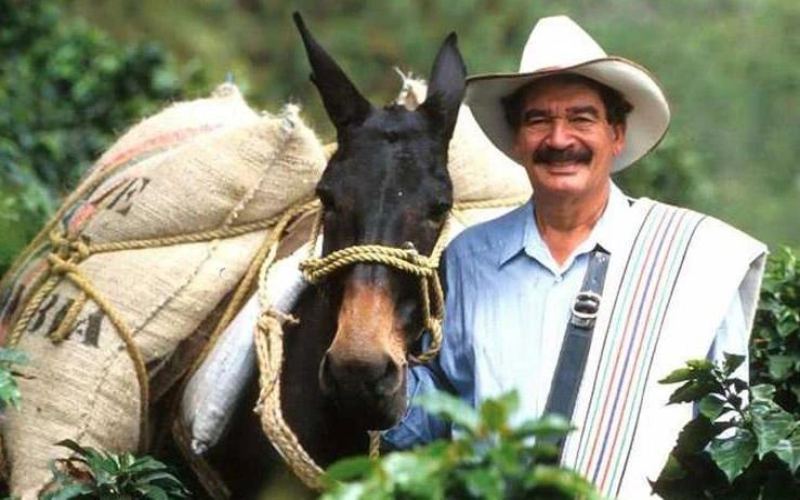
Colombian coffee has long been the representative of South American specialty coffee. From the promotion by the FNC to the deeply ingrained image of "Juan Valdez," this country has spent nearly a century establishing its position as the world's third-largest coffee exporter. Along the Andes Mountains lie several distinctive specialty regions—Huila, Cauca, Nariño, Santander, and others—each with its own character. High altitudes, microclimates, and volcanic soil together give Colombian coffee its unique balance of acidity and sweetness along with a rich, full body. In this article, Front Street Coffee will provide a complete overview of the quality logic behind Colombian coffee—from regional characteristics and flavor profiles to a pour-over brewing recipe for Huila everyday beans—helping enthusiasts understand the differences and allure of each region. [more…]
Colombian Coffee Bean Grading and History: An Analysis from FNC to the Huila, Cauca, Nariño, and Santander Regions
Colombian coffee enjoys a global reputation, and behind it lie both the long-term efforts of the official organization FNC and the uniquely favorable growing conditions along the Andes Mountains. This article begins with the founding of the Colombian Coffee Growers Federation and the promotion of the Juan Valdez image, then outlines the geographical distribution of coffee cultivation and the characteristics of major producing regions in the country. It focuses on four representative origins—Huila, Cauca, Nariño, and Santander—and concludes with Front Street Coffee's pour-over brewing suggestions using Huila everyday beans as an example. Whether you want to understand Colombian coffee bean grading and history, or are looking for a daily brewing reference, you will find useful information in this article. [more…]
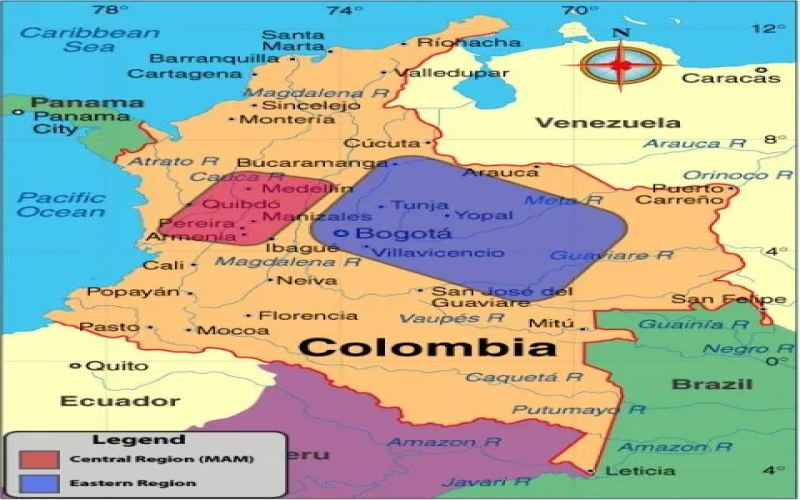
Central American Coffee Beans | Which regions in Colombia produce specialty coffee? What does the MAM designation mean? What are the flavor characteristics of washed beans from the Huila region?
Colombia is the world's second-largest producer of Arabica coffee beans after Brazil. Everyone is well acquainted with the chocolate-like flavor characteristic of Colombian coffee beans. Everyone also knows that coffee originated in Ethiopia—so if no one had brought coffee seeds or coffee saplings to Colombia, how could this [more…]
Which coffee has an outstanding flavor? Colombia Rose Valley bean variety analysis and a full overview of its regional characteristics
Colombia Rose Valley is a specialty bean that has attracted much attention from coffee lovers in recent years, impressing with its complex aromas of peach, rose, and liqueur chocolate. This bean comes from Finca El Arbol in the Santander region and is processed using double anaerobic enzyme fermentation, presenting a black grape-like sweet-tartness and a creamy toffee-like smooth texture. This article will guide you through a comprehensive understanding of this Rose Valley recommended by Front Street Coffee—from bean variety information, processing methods, regional terroir, and the overall characteristics of Colombian coffee—as well as how it differs from ordinary Colombian coffee beans. [more…]
Colombia Rose Valley Coffee Beans Flavor Analysis: A Brewing Guide to the Anaerobic Enzyme Washed Process with Rose and Peach Aromas
Colombian Rose Valley coffee beans are highly favored by coffee enthusiasts for their unique rose and peach flavors. This article starts with the current state of Colombia's coffee-producing regions, then takes a deeper look at the growing background of the Santander region and Finca El Arbol, breaks down the characteristics of the Caturra variety and the anaerobic enzyme washed processing method, and shares Front Street Coffee's roasting insights, cupping report, and staged brewing plan. Whether you want to understand Colombia's coffee production trends or master the brewing techniques for this floral-and-fruity coffee, this article offers professional and practical reference. [more…]

Colombia Rose Valley Coffee Flavor Analysis: A Complete Guide from Anaerobic Fermentation Process to Iced Pour-Over Parameters
Colombia, as the world's second-largest coffee-producing country, is not only famous for its washed beans but is also a core representative of special anaerobic fermentation processing methods. This article focuses on Rose Valley coffee produced by Big Tree Estate in Colombia's Santander region. It first reviews Colombia's coffee cultivation history and regional landscape, then takes a deeper look at the characteristics of the Caturra variety and the double anaerobic enzyme washed process, and also includes a complete roasting curve, cupping information, and parameters for both hot brewing and iced hand brewing. Whether you want to understand the processing logic behind anaerobically fermented beans or are looking for an iced hand-brewing recipe you can directly replicate, you will find the answers in this article. For more specialty coffee content, follow Front Street Coffee (FrontStreet Coffee). [more…]
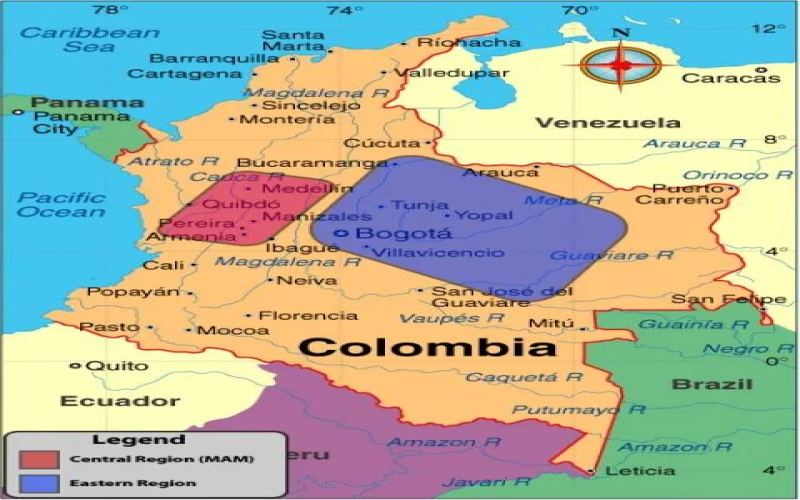
Colombia coffee | What does MAM refer to in Colombian coffee origins? What flavor and mouthfeel characteristics do Colombian specialty coffees have?
Colombia is the world's second-largest producer of Arabica coffee beans after Brazil. Everyone is familiar with the chocolatey flavor that characterizes Colombian coffee beans. We also all know that coffee originated in Ethiopia—so if no one had brought coffee seeds or coffee saplings to Colombia, how could this [more…]
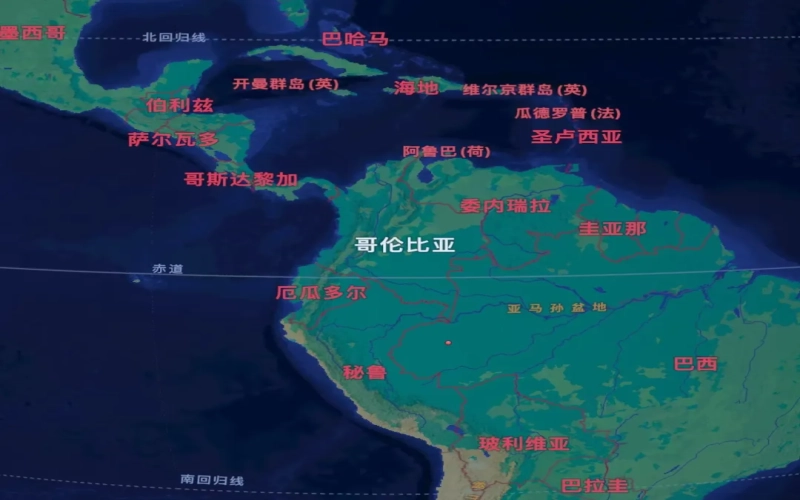
A Complete Guide to Colombian Coffee Regions: From Terroir to Huila Washed Entry-Level Bean Recommendations
Colombia, as the world's third-largest coffee-producing country, nurtures specialty coffees with diverse flavors thanks to the varied terrain and microclimates of the Andes Mountains. This article begins with geography, climate, and the meaning of the national flag, then systematically introduces five major producing regions—Antioquia, Santander, Nariño, Cauca, and Huila—and highlights Front Street Coffee's Huila washed entry-level bean: under a medium roast, it presents dark chocolate, nuts, caramel, and soft fruit acidity, making it suitable for pour-over enthusiasts to enjoy as an everyday cup. [more…]

An Analysis of Colombia's Five Major Specialty Coffee Regions: Bean Characteristics, Pour-Over Parameters, and Flavor Descriptions
Colombia enjoys the advantage of both the Atlantic and Pacific Oceans, giving it exceptional conditions for coffee export and transport. Its specialty-producing regions are mainly distributed across the Eastern and Central Cordilleras, as well as Huila, Cauca, and Nariño in the south. This article reviews the variety characteristics and flavor profiles of five major producing regions—Medellín, Santander, Huila, Cauca, and Nariño—and includes Front Street Coffee's roasting curves and pour-over parameter recommendations. From the balanced sweetness of Medellín, to the peach notes of Santander's Rose Valley, to the nutty chocolate of Huila, the floral-fruity elegance of Cauca Sakura, and the high-altitude acidity of Nariño, readers can gain a comprehensive understanding of the regional flavors of Colombian coffee and its brewing key points. [more…]

A Complete Analysis of Colombian Coffee Flavor and Mouthfeel: From Regional Terroir to a Full Guide on Caturra and Castillo Varieties
Colombia is one of the few origins in the world sold as a single-origin coffee under its country name, and together with Brazil it ranks among the world's top three coffee exporters, accounting for about 15% of global production. Unlike Brazil, which relies on technology-driven cultivation, Colombia owes its clear, rich, fruit-and-acidity-laced coffees to the volcanic soils, abundant rainfall and diverse terrain of the Andes. This article systematically reviews Colombia's major producing regions—from Bucaramanga in the north to Santander, Huila, Cauca and Nariño in the south—explains the flavor differences among them, introduces the diverse varieties such as Typica, Caturra and Castillo, and includes the brewing parameters and flavor descriptions for several Front Street Coffee Colombian beans, helping coffee lovers gain a comprehensive understanding of the appeal of this South American origin. [more…]
A Comprehensive Analysis of Colombian Coffee Regions: Flavor, Varieties, Processing Methods, Grade Classification, and Comparison
Colombia, as a global powerhouse of specialty coffee, boasts distinctive flavors across its various producing regions. From the perspective of Front Street Coffee, this article systematically reviews the geographical environments, variety characteristics, and processing method differences of Colombia's main producing regions (Santander, Huila, Cauca, etc.), comparing the effects of washed, anaerobic double enzyme washed, and anaerobic natural processing methods on flavor. It also introduces the origins, estates, altitudes, varieties, and flavor descriptions of Front Street Coffee's representative products—Colombia Rose Valley, Hanami Geisha Blend, and Sakura Coffee Beans—along with recommended brewing parameters. The article is comprehensive and suitable for coffee enthusiasts seeking an in-depth understanding of Colombia's diverse coffee charm. [more…]