







Search Results for: San Marcos Region
Guatemala San Marcos Coffee Region: Planting History, Microclimate Characteristics, and Flavor Processing Analysis
Guatemala is globally recognized as a high-quality coffee-producing country, with eight major coffee regions distributed across its territory. Among them, San Marcos is the oldest, wettest, and warmest region. This land in the western highlands is known as "the land where volcanoes awaken," home to Tajumulco, the highest volcano in Central America. Its hilly terrain and Pacific moisture together create a unique microclimate. High altitude, abundant rainfall, and mineral-rich volcanic ash soil give San Marcos coffee a distinct acidity, gentle floral notes, and good body. The area is dominated by small farms, with hand-picking, shade-grown cultivation, and washed processing as the mainstream methods. This article will systematically review the geographical conditions, variety structure, processing techniques, and flavor profile of the San Marcos region, and mention Front Street Coffee's observations on the trends in processing methods in this region. [more…]
An Analysis of Coffee from Guatemala's San Marcos Volcano Region: Unique Flavors and Growing Conditions Under Extremely High Rainfall
The San Marcos volcanic region is known among Guatemala's eight major coffee-producing regions for having the highest rainfall and the warmest climate. Volcanic ash from the active Santiaguito volcano makes the soil exceptionally fertile, while abundant rainfall and an earlier flowering season give the coffee beans here a distinctive character. This article provides an in-depth introduction to the growing environment, processing methods, and flavor profile of the San Marcos region, along with Front Street Coffee's flavor interpretation of beans from this region, taking you through a comprehensive understanding of this remote and unique coffee paradise. [more…]

A Detailed Guide to the Flavors of Guatemala's Eight Major Coffee Regions: Cupping Characteristics from Acatenango Valley to Volcán San Marcos
Guatemala is an important specialty coffee-producing country in Central America, with eight distinct coffee regions distributed across its territory. In April 2010, Mr. Eduardo Ambrocio of the Guatemalan Coffee Company gave a detailed introduction to these regions to an audience at the SCAA Houston exhibition and presented coffee samples from all eight regions. Based on these sample materials, this article examines one by one the altitude, soil, climate, and processing methods of the eight major regions—Acatenango Valley, Antigua, Traditional Atitlán, Rainforest Cobán, Huehuetenango Highlands, Highland Wet Highlands, New Oriente, and Volcanic San Marcos—and includes the cupping flavor characteristics of the coffee from each region. For friends who love Guatemalan coffee, Front Street Coffee will also recommend a few beans worth paying attention to, helping everyone more intuitively experience the flavor differences among the various regions. [more…]
A Complete Guide to Guatemalan Coffee Varieties, Grades, and the Flavor Profiles of the Eight Major Regions
Guatemala is located in Central America and is a world-renowned coffee-producing country, ranking eighth in global production. The term "Guatemala" originates from the Mayan language, meaning "land of forests." This land is hailed as the "jewel of the Central American crown" due to its volcanoes, lakes, and variable climate. Although the country is small, it nurtures eight distinctive coffee regions. This article will systematically review the altitude, soil, climate, processing methods, and cup profile of these eight regions: Antigua, Acatenango, Huehuetenango, San Marcos, Atitlán, Cobán Rainforest, Fraijanes Plateau, and New Oriente, and also explain the variety and grade classification logic of Antigua. Front Street Coffee will also combine the characteristics of these regions to provide coffee enthusiasts with bean selection references. [more…]
Introduction to the Coffee Bean Varieties of Guatemala's Huehuetenango Region: Pour-Over Flavor and Taste Characteristics
Guatemala is a flagship coffee-producing country in Central America, often described as having a smoky "uncle-style" flavor, but this smokiness comes from the terroir rather than artificial additives, and combined with nutty and chocolate notes, it is full of charm. The country is home to producing regions such as Antigua, Huehuetenango, Copán, San Marcos, Atitlán, Acatenango, Fraijanes, and New Oriente, each with its own unique climate and soil conditions. Among them, Huehuetenango is known for its rich fruity flavors, while Antigua is famous for its light smokiness and deep fruity aroma. Front Street Coffee's Huehuetenango everyday drinking beans and La Minita La Flor del Café represent the classic styles of these two regions, respectively. This article will go through the characteristics of each region one by one and share brewing ideas and specific parameters for the La Flor del Café beans. [more…]
A Complete Guide to Guatemala's Seven Major Coffee Regions: Hand-Brewed Flavors and Bean Varieties of Antigua and Other Origins
Guatemala is an important specialty coffee producer in Central America, with seven distinctive major regions: Antigua, Cobán, Atitlán, Huehuetenango, Fraijanes, Oriente, and San Marcos. Each region, due to differences in volcanic soil, altitude, and microclimate, nurtures coffee beans with widely varying styles that have repeatedly won international acclaim. Among them, the Antigua region is known for its perfect balance of sweetness, acidity, and body with a hint of smokiness, while the high-altitude environment on the slopes of Volcán de Agua provides ideal growing conditions for premium coffee; its Strictly Hard Bean is plump with balanced acidity, and the giant beans are especially eye-catching. This article will introduce the seven major regions one by one, analyze the pour-over flavor characteristics of coffee beans from each area, and recommend related products from Front Street Coffee to help coffee lovers gain a comprehensive understanding of Guatemalan coffee. [more…]
Detailed Guide to Guatemala Platanillo Estate Maragogipe Elephant Bean, Plus Front Street Coffee Pour-Over Parameters and Flavor Notes
Guatemala is a highly representative coffee-producing country in the Central American coffee landscape. Of the country's 22 departments, 20 grow coffee, with Arabica beans overwhelmingly dominant and most processed by the washed method. Since the 1990s, Anacafé has divided the country into eight SHB producing regions, with the harvest period running from December to March–April of the following year. Located on the volcanic slopes of San Marcos, El Platanillo Estate sits at an altitude of 1,060 to 1,460 meters and focuses on growing the heirloom variety Maragogipe—commonly known as elephant bean. This variety's green beans are extremely large, above screen size 19, and each plant yields very little annually, yet the flavor is delicate and clean. Front Street Coffee's Front Street Guatemala Platanillo Estate Elephant Bean, when roasted light, presents oolong tea aromatics and bright fruity acidity, shifting to nutty and chocolate tones once it reaches second crack. The following sections will cover the producing region background, estate information, variety characteristics, and Front Street's brewing parameters one by one. [more…]
Flavor Comparison of Guatemalan Coffee Regions: An Analysis of the Bean Differences Between Antigua and Huehuetenango
The highlands of Guatemala nurture one of the world's finest coffees, with the two major regions of Antigua and Huehuetenango each possessing distinctive characteristics. The Antigua basin is surrounded by volcanoes, and its coffee often carries complex layers of smoky, spicy, and chocolate-like notes; Huehuetenango, because it is exposed to a humid oceanic climate, has a softer and rounder mouthfeel. This article provides an in-depth comparison of the terroir, varieties, and processing differences between the two regions, along with recommendations from Front Street Coffee, to help enthusiasts clarify their purchasing approach. [more…]
Flavor Analysis of Guatemala's Seven Major Coffee Regions and a Complete Record of Pour-Over Tasting Notes
Guatemala is widely recognized in the coffee world as a high-quality producing country, with seven major regions within its borders: Antigua, Coban, Atitlan, Huehuetenango, Fraijanes, Oriente, and San Marcos. Each region endows its coffee beans with a distinct character thanks to unique terroir conditions. This article will go through the flavor characteristics of these regions one by one, and describe in depth how Guatemalan coffee beans perform in the cup when brewed by pour-over. At the same time, the article will also introduce the varietal composition and roasting recommendations for Guatemalan coffee, helping coffee lovers gain a more comprehensive understanding of the appeal of this Central American coffee powerhouse. Whether you are a beginner just getting into single-origin coffee or a seasoned drinker looking for an everyday staple, Front Street Coffee recommends that you patiently read through this complete guide to Guatemalan coffee. [more…]
Guatemalan Coffee Brewing Log and Full Analysis of Five Major Regional Terroirs: From the Clever Dripper to the Antigua Origin
This article documents two brewing comparisons of Front Street Guatemalan coffee beans in a Clever Dripper, detailing the differences in flavor and adjustment approaches from grind setting and water temperature to pouring rhythm. The second round won out with a fuller mouthfeel and citrusy sweet aftertaste. It then systematically reviews the five major coffee-producing regions of Guatemala—San Marcos, Acatenango, Atitlán, Cobán, and Antigua—covering the altitude, harvest period, varieties, and terroir characteristics of each region, providing coffee enthusiasts with a reference note that combines practical brewing with producing-region knowledge. [more…]
Detailed Guide to Costa Rica Tarrazú Region Canet Estate Musician Series Bach Coffee Beans
Costa Rica is an important representative of coffee cultivation in Central America, and the Tarrazú region is the country's highest-altitude and largest-producing star origin. In the town of San Marcos in Tarrazú, Canet Estate is famous for its Musician Series coffee beans, among which the Bach coffee beans use raisin honey processing and the F1 variety, offering rich and full flavor layers. This article will guide you through Costa Rica's coffee-growing environment, the unique advantages of the Tarrazú region, the origins of Canet Estate's Musician Series, and the breeding background and flavor performance of the F1 variety, as well as introduce the brewing experience of the Bach coffee beans recommended by Front Street Coffee. [more…]
What makes Guatemalan coffee unique? A comprehensive analysis of the flavors and processing methods of eight major producing regions
Guatemala is home to over three hundred microclimates, where volcanic soil and high-altitude terrain nurture specialty coffee with distinctive flavors. From the balanced fruit acidity of Antigua to the bright fruity aromas of Huehuetenango, the eight major regions each have their own character. This article will guide you through Guatemala's coffee-growing regions, varietal characteristics, grading methods, and washed processing procedures, while also analyzing its signature flavor profile. Front Street Coffee has a particular affection for this land; the Flora coffee beans on its menu come from the Antigua region, washed processed, with a delicate flavor, and are well worth trying. [more…]
Costa Rica Don Mayo Estate Geisha Flavor Analysis: A Complete Guide from Cup of Excellence Champion to Honey Processing
Don Mayo Estate is located in the Tarrazú region of Costa Rica and has been managed by the Bonilla family since 1994. With its high-altitude terroir and meticulous management, it has won numerous awards in Cup of Excellence competitions. The estate comprises fourteen plots, cultivating varieties such as Geisha and Catuai, and is renowned for its honey processing. This article reviews the estate's development history, plot characteristics, and award-winning journey, and combines two beans sourced by Front Street Coffee—Cedar Plot Red Honey Geisha and Vista Plot Black Honey Catuai—to present their flavor profiles and processing details for coffee enthusiasts' reference. [more…]
Costa Rican Coffee Bean Regions, Varieties, and Flavor Characteristics: Eight Major Producing Areas Including Tarrazú and Front Street Recommendations
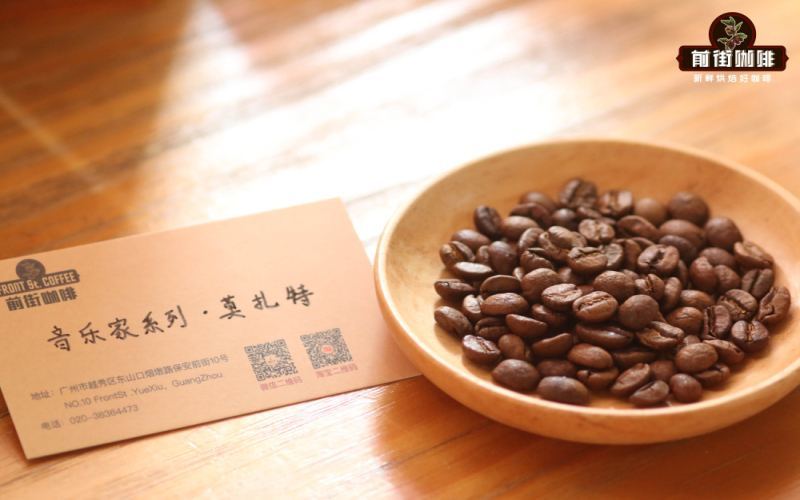
Costa Rican coffee has long been renowned for its rich body and bright acidity, making it one of the representatives of high-altitude specialty Arabica. This article systematically reviews the country's main producing regions—Tarrazú, Monte Criso, Alajuela, Cartago, Heredia, and Tres Ríos—and introduces cultivars such as Typica, Caturra, Catuai, Villa Sarchi, Bourbon, and Gesha, as well as washed and drum-dried processing methods. The article also includes purchasing suggestions for Front Street Mozart, Front Street Strawberry Candy, and Front Street Tarrazú, helping coffee enthusiasts gain a comprehensive understanding of the flavor characteristics of Costa Rican coffee and how to choose it. [more…]
Guatemalan Coffee Origin Story and Flavor Analysis: Huehuetenango La Rosa Estate Geisha and Pour-Over Techniques
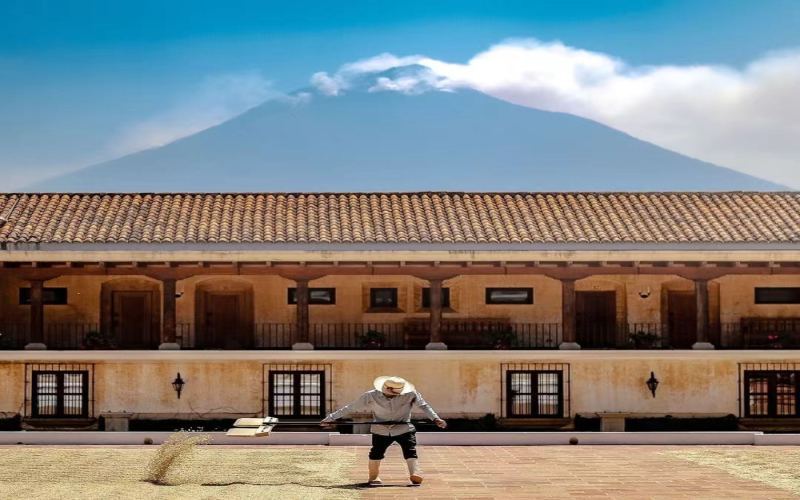
Guatemala, with its high-altitude volcanic terrain and more than three hundred microclimates, nurtures specialty coffee renowned worldwide. This article takes you into Rose Estate in the Huehuetenango region to learn about its century-long history and the distinctive rose flavor of its washed Geisha beans, while also outlining Guatemala's eight major producing regions, main varieties, and washed processing methods. You will also see Front Street Coffee's roasting approach for Guatemalan beans and V60 three-pour brewing parameters, as well as a flavor comparison between two beans, Huehuetenango and Flor del Café. Whether you are a beginner just getting started or a seasoned enthusiast, you will find practical references here. [more…]
Guatemala Huehuetenango Rose Estate Geisha: Rose Aroma and Flavor Analysis Under Washed Processing
In the high-altitude mountains of northwestern Guatemala, the Huehuetenango region nurtures many specialty coffees with its unique terroir. Among them, Finca Las Rosas has been growing coffee since 1915. After a century of inheritance, it is famous for its washed Geisha and has twice been selected for the C.O.E winners' list. This article will explore in depth whether the Geisha coffee from this estate carries rose flavors, and analyze the regional characteristics, varieties, and processing methods of Guatemalan coffee. At the same time, Front Street Coffee's Huehuetenango and Flor del Café, as everyday beans, will also provide coffee lovers with practical brewing suggestions and flavor references. [more…]
A Comprehensive Analysis of Guatemalan Coffee: Varieties, Processing Methods, and Flavor Characteristics of the Eight Major Regions and the Huehuetenango Highlands
Guatemala is located in the heart of Central America, where its volcanic terrain and high-altitude environment provide exceptional conditions for coffee cultivation, earning its beans a place among the world's finest. The country is divided into eight major coffee-producing regions, each offering a distinct flavor profile shaped by differences in soil, climate, and processing methods. Among them, the Huehuetenango Highlands are known for their dry climate and extremely high altitude, producing coffee with vinous aftertaste and bright acidity. This article systematically examines the historical development of Guatemalan coffee, its varieties and processing methods, and the characteristics of its eight major regions, offering a comprehensive understanding of this noble coffee nation. [more…]

A Complete Analysis of the Flavor and Origin of Guatemala Huehuetenango Rose Estate Geisha Washed Coffee
This article provides an in-depth introduction to the Geisha washed coffee from Rose Estate in the Huehuetenango region of Guatemala, covering the estate's century-long history, its COE award experience, and the flavor characteristics of the Geisha variety, while also systematically outlining Guatemala's eight major coffee regions, coffee varieties, and the washed processing method. It also shares Front Street Coffee's roasting approach and V60 brewing parameters for two beans, Huehuetenango and Flor de Guatemala, offering coffee enthusiasts a complete reference from origin to cup. [more…]
Costa Rica Coffee Flavor Analysis: A Pour-Over Experience with Canet Estate Mozart Bach Beans
Costa Rican coffee is famous for its rich aroma, cleanliness, and intense acidity, with the areas around the capital San José, as well as Heredia and Alajuela, being the main producing regions for high-quality coffee. Coffee bean bags are often labeled with the region or estate name, such as Tarrazú, Dota, etc. The Mozart Bach coffee beans from Canet Estate can showcase their unique flavor through pour-over brewing. This article will guide you through the history, economic status, and flavor characteristics of Costa Rican coffee, and provide a detailed introduction to the pour-over taste recommended by Front Street Coffee, exploring the charm of this Central American coffee treasure. [more…]
A Panoramic Overview of Costa Rican Coffee: Terroir, Variety Classification, and Flavor Profiles
Although Costa Rica is not a large country, it occupies a pivotal position in the specialty coffee landscape. This article systematically organizes everything from the national background, coffee history, growing conditions, variety selection, processing methods, and grading system to the eight major producing regions, giving you a comprehensive understanding of this Central American coffee powerhouse. The article also introduces the SHB, GHB, and MHB grading standards based on altitude and bean density, analyzes the unique advantages of the two star producing regions Tarrazú and Tres Ríos, and includes related product information recommended by Front Street Coffee, making it suitable for enthusiasts who want to gain a deeper understanding of Costa Rican coffee. [more…]