







Search Results for: SCAA Color Value Classification
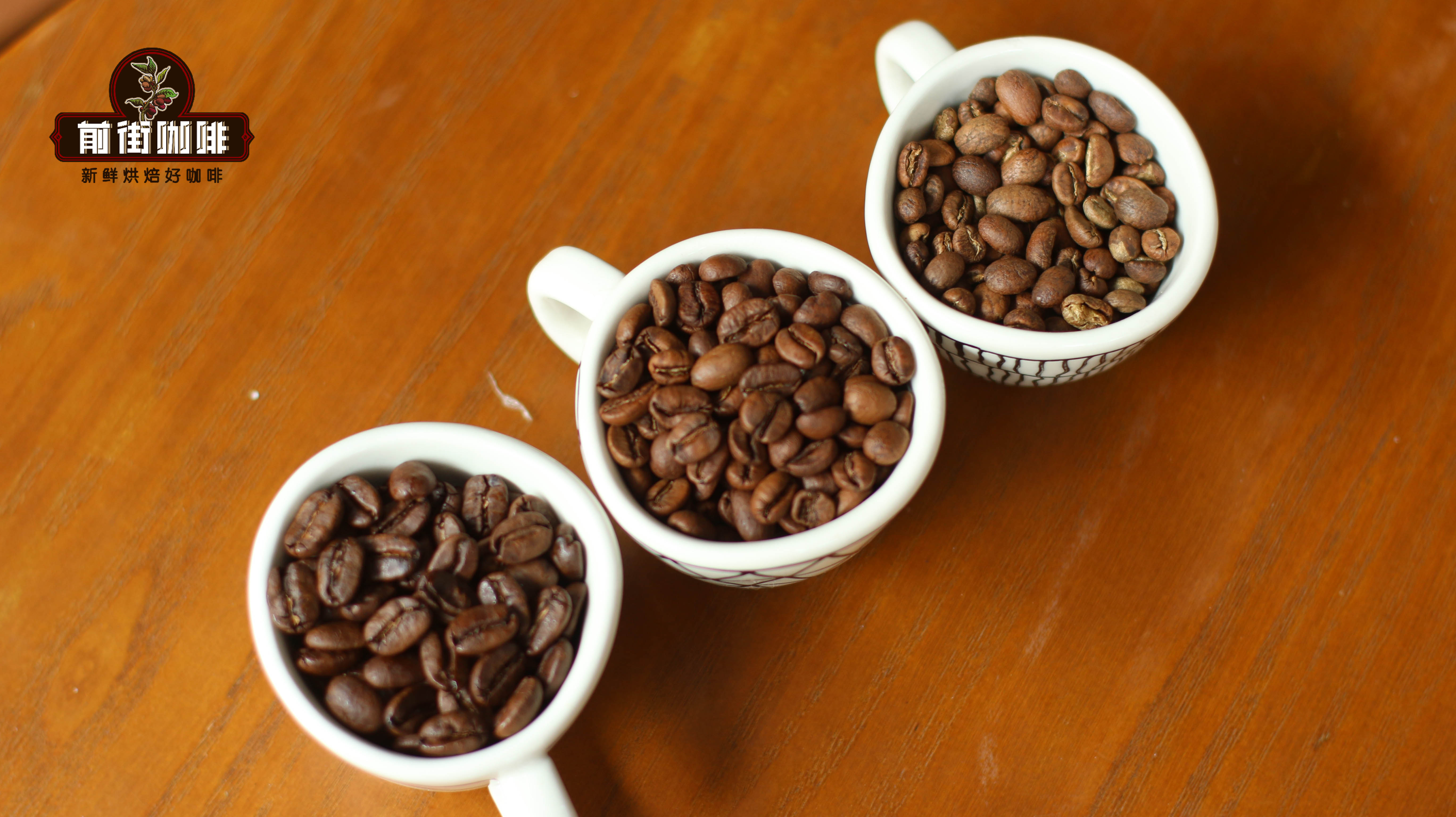
A Comprehensive Guide to Coffee Bean Roast Levels: From SCAA Color Value Grading to Front Street Coffee's Practical Brand Classification
Coffee roasting is the key process through which green beans transform into brown roasted beans. The length of heat exposure directly determines the color of the bean surface and thus defines different roast levels. The SCAA, the world's largest coffee trade association, established an eight-level roast standard based on Agtron color values, from the bright acidity of light roasts to the intense, smoky bitterness of Italian roasts, with each stage having its own distinctive flavor trajectory and drop time. Beyond this official system, new concepts such as ultra-light Nordic roasting and ultra-dark Japanese roasting have gradually entered enthusiasts' field of view. In everyday communication, Front Street Coffee uses another, more intuitive classification that simplifies roasted beans into light, medium-light, medium, medium-dark, and dark roasts, making it easier for consumers to understand and choose. This article will systematically organize these grading standards and provide an in-depth analysis of the five stages of roasting and key practical points. [more…]
From Light Roast to Espresso Roast: A Full Analysis of the Eight-Level Coffee Bean Roast Classification and the Five Major Stages
Coffee beans transform from green raw beans into brown roasted beans entirely through the key process of roasting. The length of roasting time directly determines the depth of the bean surface color and also shapes completely different flavor directions. The roasting color standard card established by the Specialty Coffee Association of America (SCAA) divides roast levels into eight grades, from light roast to Italian roast, with each level corresponding to a specific drop time and flavor characteristics. In addition, emerging concepts such as Nordic ultra-light roast and Japanese ultra-dark roast have gradually entered the view of enthusiasts. This article will systematically sort out these eight levels, the five stages of roasting, and the classification methods used by Front Street Coffee in practical applications, helping readers build a complete understanding of coffee roast levels. [more…]
How to Determine Coffee Bean Roast Level? A Comprehensive Analysis from Appearance and Flavor to the SCAA Color Value Comparison
The flavor expression of coffee beans is closely related to the degree of roasting; the same bean will present completely different aromas and mouthfeels under different roasting curves. For coffee enthusiasts, mastering methods to judge the roast level not only helps in selecting beans that suit one's taste, but also enables a more accurate understanding of the flavor descriptions on the packaging. Based on the experience of Front Street Coffee, this article introduces three practical ways to identify roast level: first, by visually observing the bean surface color, wrinkles, and oil conditions; second, by inferring the roasting range from flavor descriptions; and third, by referring to the SCAA's Agtron color value standard, matching the eight-level roast classification with the commonly understood light, medium, and dark roasts, providing a reference for daily bean selection and brewing. [more…]
Coffee Bean Roast Level Guide: Flavor Differences and Selection Tips from Light Roast to Espresso Roast
The transformation of coffee beans from green raw beans to brown roasted beans depends entirely on the key process of roasting. As roasting time varies, the surface color of the beans changes accordingly, giving rise to different classifications of roast levels. The Specialty Coffee Association of America (SCAA) established a reference system of 8 levels based on Agtron color values, from light roast to Italian roast, with each stage corresponding to a unique flavor direction and unloading timing. This article will use a text-and-image format to analyze one by one the color value ranges of each roast level, the rhythm nodes of first crack and second crack, and the evolution logic of acidity, sweetness, and bitterness. It will also introduce two niche styles—Nordic ultra-light roast and Japanese ultra-dark roast—and share how Front Street Coffee simplifies classification in actual production to help consumers understand roast levels. Finally, it will include practical advice on the five stages of roasting and home roasting. [more…]
Coffee Roast Level Identification Guide: From Appearance Color to the SCAA Color Value System, a Full Analysis of the Taste Characteristics of Espresso and American Coffee Beans
The flavor profile of coffee beans is largely determined by the roast level. For coffee enthusiasts, mastering methods to distinguish light from dark roasts can both help in selecting suitable beans and allow for a more accurate understanding of the flavor descriptions on packaging. From the perspective of Front Street Coffee, this article outlines three practical ways to judge: first, by visually observing the bean surface color and wrinkle condition; second, by inferring the roast range from flavor descriptors; third, by referring to the SCAA's Agtron infrared caramelization measurement standard, which categorizes eight color values into four major groups. The article also includes Front Street product recommendations for each roast level, for everyday purchasing reference. [more…]

A Detailed Guide to Coffee Roast Levels: How to Define Light, Medium, and Dark Roasts and Brewing Recommendations
The roast level of coffee beans directly influences the final flavor profile, yet standards vary from country to country, often leaving beginners confused. From the perspective of Front Street, this article systematically introduces the eight-level roasting standard developed by the SCAA in conjunction with Agtron, including the color values and drop times for Light, Cinnamon, Medium, Deep, City, Full City, French, and Italian roasts, and explains how to determine the roast level through flavor descriptions. At the same time, for coffee beans roasted at light-to-medium and medium-dark levels, Front Street shares specific grinding and water temperature recommendations to help everyone brew their ideal flavor more effectively. [more…]
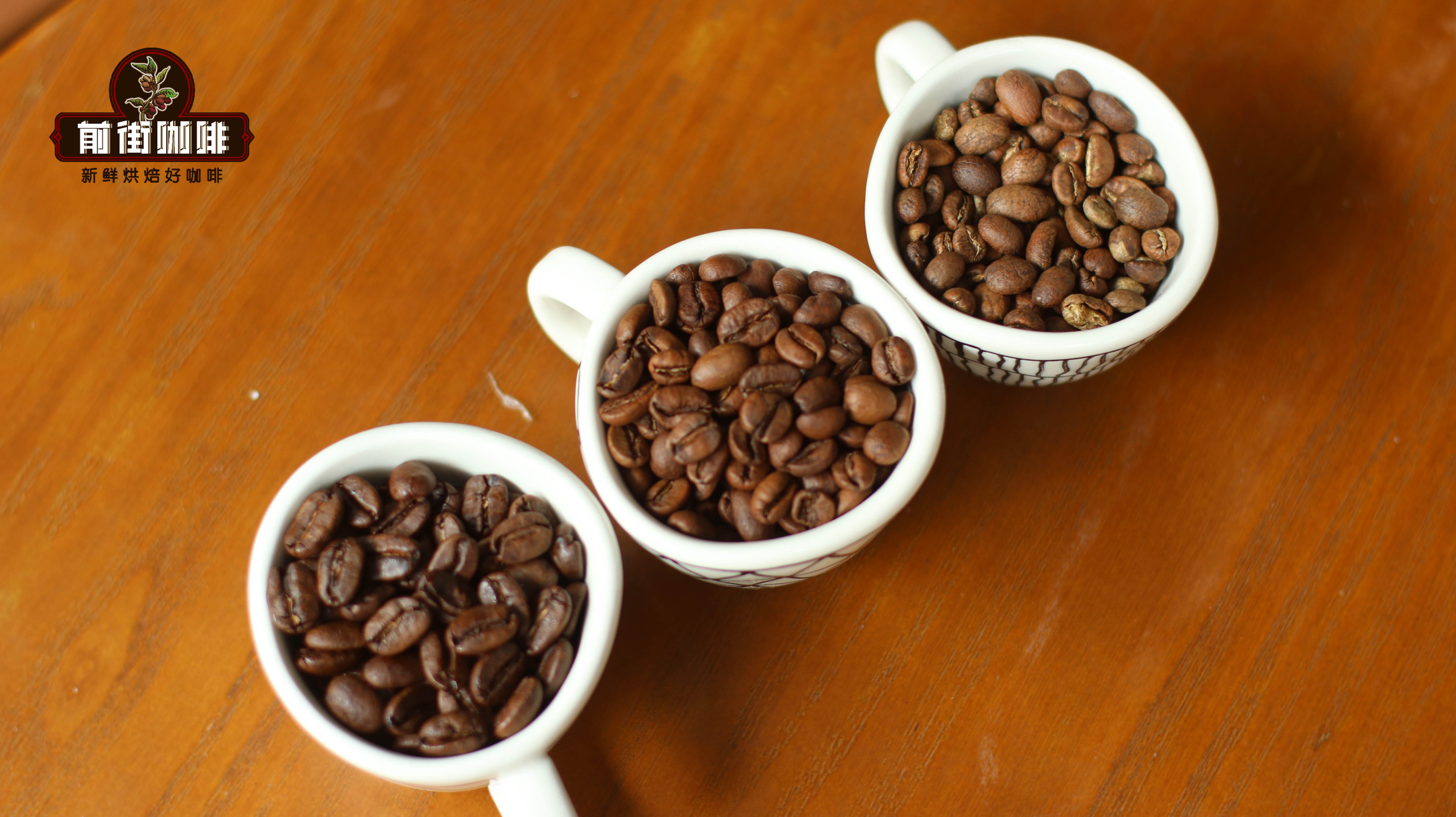
Coffee Bean Roast Levels Illustrated | What Do Japanese Extremely Dark Roast and Nordic Extremely Light Roast Mean? Which Tastes Better, Medium or Dark Roasted Coffee Beans?
Roasting is the process of turning green coffee beans into brown roasted beans~ The longer the roasting time and the longer the beans are exposed to heat, the darker the color of the coffee beans becomes. The surface color (bean surface) of the coffee beans when taken out of the roaster after different durations will also vary. This situation Front Street [more…]
How Do Roast Levels Change Coffee Flavor? A Full Analysis of the Differences Between Light and Dark Roasted Beans and Their Energizing Effects
From light to dark roast, coffee beans may differ by only about 10°C in temperature, yet their flavors can be completely different. The degree of roasting not only affects the beans' color, size, density, and brittleness, but also reshapes aroma and taste through the Maillard reaction and caramelization. This article starts with roast classification, explains the SCAA color value standards and the flavor characteristics of light, medium, and dark roasts, and combines the specific performances of Front Street Yirgacheffe·Red Cherry and Front Street Warm Sun Blend to help readers understand how different roast levels affect the balance of acidity and bitterness, aroma complexity, and energizing effect. [more…]
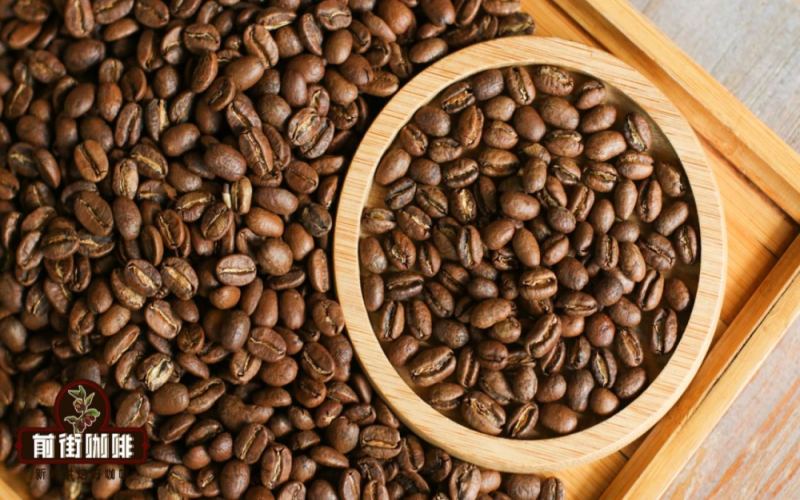
Coffee Roast Level Comparison | How Can Coffee Beginners Visually Determine Coffee Roast Level? What Are the Roast Flavor Characteristics of Espresso and Americano Coffee Beans?
The coffee beans we usually encounter have all been roasted. Roasting brings out the captivating aroma of coffee beans, and different roast levels give quite different impressions. In this issue, Front Street Coffee (FrontStreet Coffee) introduces several methods for identifying coffee roast levels. [more…]
Yirgacheffe Kochere G1 vs G2 Comparison: A Detailed Explanation of Green Bean Grading, Roasting Curves, and Cupping and Pour-Over Flavor Differences
The Yirgacheffe region of Ethiopia is famous for its unique flavors, and among them the high-altitude washed beans from Kochere are highly favored by coffee lovers. But what exactly is the difference between G1 and G2 grades from the same region? This article starts with two washed Yirgacheffe coffees from Front Street Coffee, and combines ECX grading standards, green bean appearance, roasting curves, cupping, and pour-over performance to compare in detail the differences between G1 and G2 in defect rate, bean uniformity, aroma layering, and cup cleanliness, helping readers understand the specific impact of grade classification on flavor, with complete brewing parameters and flavor descriptions included. [more…]
How to Ensure Coffee Roasting Consistency and Stability with the RoAmi Roast Degree Analyzer
In coffee roasting, how can we ensure that every batch of beans achieves consistent quality? In addition to relying on cupping to evaluate flavor, we also use the RoAmi roast degree analyzer to record the Agtron caramelization value of the coffee beans, and retain historical data for reference. The RoAmi is essentially a colorimeter, with SCAA's Agtron algorithm embedded inside, capable of calculating the roast value by reading the color data of the bean surface or ground surface. This article will introduce how to use this instrument, the meaning of the Agtron value, and how to calculate the Roast Delta value from the bean color value and ground color value, and interpret the guiding significance of this value for roasting rhythm and flavor performance. [more…]
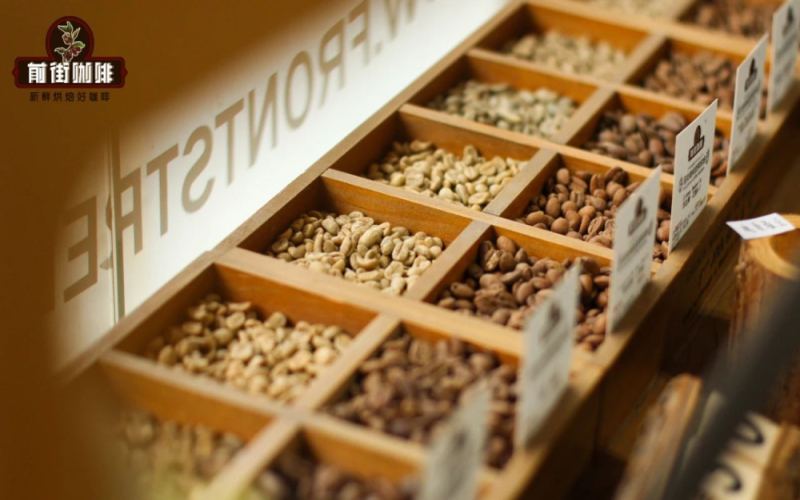
A Complete Guide to the SCAA Roast Color Chart: From Light Roast to Espresso, Understanding the Eight Roast Levels and Flavor Changes of Coffee Beans
What standards are actually used to classify the light, medium, and dark roasts commonly seen on coffee bean packaging, along with names like Cinnamon, City, and French? This article starts with the eight-level roast color card developed by the SCAA (Specialty Coffee Association of America) and the Agtron company, explaining how Agtron color values correspond to drop time, and groups the eight levels into four major categories: light, medium, medium-dark, and dark, explaining the flavor characteristics of each stage. The article also uses Front Street Coffee's Yirgacheffe Gidding and PWN Golden Mandheling as examples, fully presenting the roasting curve from charge temperature, adjustments to heat and airflow, to first crack development and drop timing, as well as the brewing parameters and flavor descriptions for the V60 and KONO Meimon drippers, making it easy for enthusiasts to build a corresponding understanding of roasting and extraction. [more…]
A Detailed Explanation of the SCAA Specialty Coffee Green Bean Defect Grading and Scoring Standards: A Comprehensive Analysis from Defects to Cupping Performance
Before green coffee beans reach our hands, they often go through many stages, during which defects are almost unavoidable. Some defects are obvious at the green bean stage, yet once roasted they may be cleverly concealed. The SCAA (Specialty Coffee Association of America) has established strict grading standards for specialty Arabica coffee, covering multiple dimensions such as defect types, moisture content, aroma, and bean size. This article will systematically sort out the SCAA's defect classification rules and scoring requirements, explain in detail the causes of various defective beans and their impact on cupping flavor, and help enthusiasts develop a keen eye for identifying specialty coffee. At the same time, the article retains relevant recommendations from the Front Street brand for readers' reference. [more…]
An Analysis of the Variety Classification, Origin, and Flavor Profile of Geisha Coffee Beans
Is Geisha actually an Arabica variety? It emerged from the wild forests of Ethiopia, journeyed through Kenya, Uganda, Tanzania, and Costa Rica, and finally made a stunning debut in Panama, becoming the new king of the specialty coffee world. This article will trace Geisha's variety classification and transmission path, review its championship history at the Panama Best of Panama cupping competition and the SCAA International Grand Reserve cupping competition, and describe its green bean appearance, aroma characteristics, and key points in choosing roast level. Whether you are a beginner just encountering Geisha or a seasoned connoisseur wanting to understand this bean in depth, you will gain a clear and complete understanding from it. [more…]
A Detailed Explanation of the Ethiopian Coffee Bean Grading System: Yirgacheffe Grade Classification and the Inner Workings of the Auction System
As the birthplace of coffee, Ethiopia has the most well-developed coffee bean grading system among African producing countries, yet it also leaves many enthusiasts confused. Taking Yirgacheffe as an example, what exactly do Grade-1 and Grade-2 mean? Why can two batches of beans both labeled Yirgacheffe G2 differ so vastly in quality? This article will provide an in-depth analysis of Ethiopia's unique origin naming rules, the grade differences between washed and natural beans, the Parchment Coffee auction grading system, and how exporter blending affects the final quality. The article specifically covers real cases such as Front Street Coffee Yirgacheffe Grade-2, helping you truly decipher the grade code of Ethiopian beans. [more…]
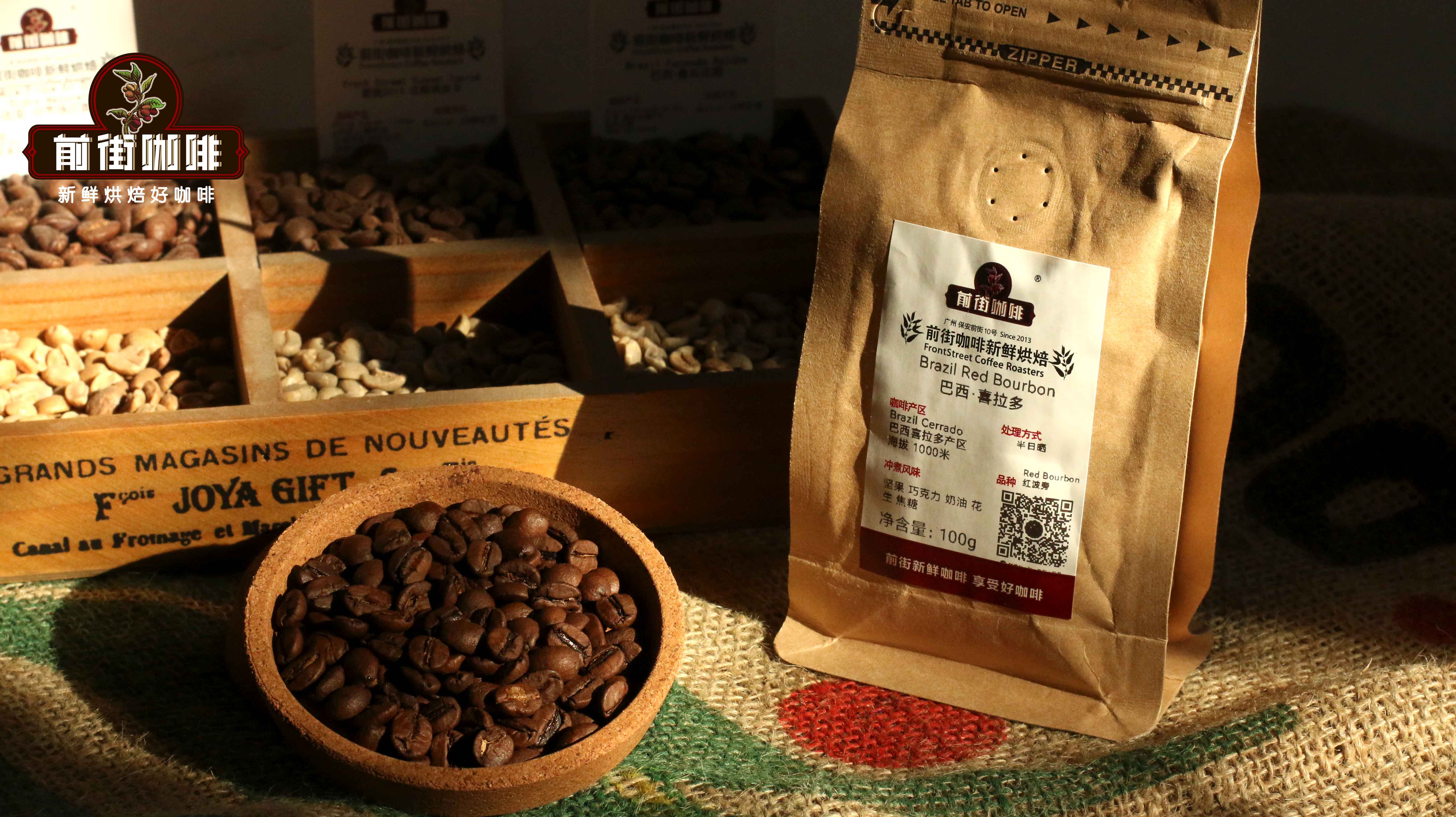
How Are Coffee Bean Roast Levels Classified? A Complete Analysis of National Standards, Flavor Assessment, and Brewing Parameters
Common labels on coffee bean packaging such as light roast, medium roast, and cinnamon roast often confuse beginners. The roast level directly determines the direction of coffee flavor, and historically different countries and regions have had their own schools of thought for defining roast levels, lacking a unified standard. The Specialty Coffee Association of America, together with Agtron, used infrared caramelization measurement values as the basis to divide roast levels from light to dark into eight grades, which has become an important industry reference. In this article, Front Street will systematically introduce the Agtron color values, drop times, and flavor characteristics of each roast level, and share how to judge the roast level through flavor descriptions, as well as the grinding degree and water temperature parameters that should be used for different roast levels. [more…]
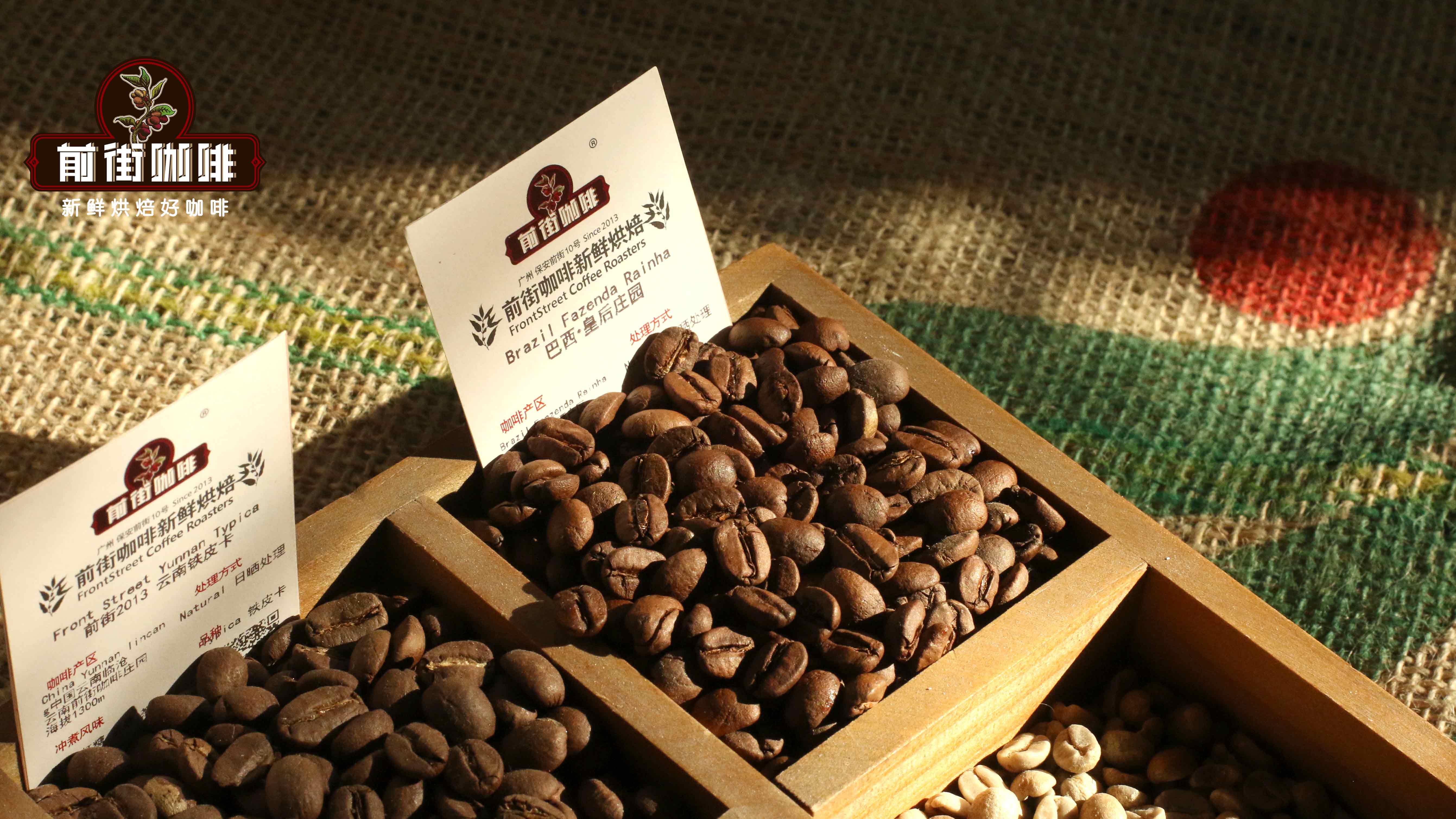
A Complete Guide to Coffee Roast Levels: Flavor Differences Between Light, Medium, and Dark Roasts and Pour-Over Parameter Guide
The roast level of coffee beans directly affects the final flavor profile, but the labeling methods on the market are diverse, ranging from light roast to cinnamon roast, often leaving beginners confused. This article, from the perspective of Front Street, systematically sorts out the definition standards and flavor characteristics of coffee roast levels. Using the SCAA's Agtron color value system, it divides light to dark roasts into eight levels and explains the dropping timing and flavor performance of each stage one by one. At the same time, the article also shares how to infer the roast level from flavor descriptions, the bean selection logic for espresso, and the pour-over grind size and water temperature parameters corresponding to different roast levels, helping you accurately judge and brew a good cup of coffee even when labeling is lacking. [more…]
A Detailed Guide to the All-New SCAA Coffee Flavor Wheel: From the Old Classification to a Complete Breakdown of the Added Fruit and Plant Flavors
The coffee flavor wheel is one of the most valuable tools in the coffee industry, and after 21 years since its creation, the SCAA flavor wheel has undergone its first comprehensive update. This revision relied on deep collaboration between the World Coffee Research organization and the SCAA, bringing together the collective wisdom of sensory experts, scientists, buyers, and roasters, making it arguably the largest and most collaborative flavor wheel research project in history. The new version not only restructured the logic of flavor classification but also added a large number of fruit and plant-based descriptors. This article will guide you through the structure and meaning of the old flavor wheel, compare the changes in the new version, and interpret the industry trends behind the newly added flavors. Whether you are a newcomer just getting into specialty coffee or a seasoned enthusiast, you can gain a clear framework for understanding flavor from it. [more…]
A Complete Guide to Coffee Bean Roast Levels: From Agtron Numbers to Practical Brewing for Light and Dark Roasts
The roast level of coffee beans often directly determines the flavor expression in the final cup. When confronted with terms on packaging such as light roast, medium roast, dark roast, and even cinnamon roast, city roast, and French roast, many friends new to specialty coffee are often confused. From the perspective of Front Street Coffee, this article first sorts out the eight-tier roast standards established by the SCAA based on Agtron color values, then groups them into two major categories—light and medium—explaining their respective flavor tendencies. It then uses the light-roasted Yirgacheffe Gedeb Cooperative and washed beans, along with the medium-dark roasted Front Street PWN Golden Mandheling as examples, fully disclosing the roast curves and brewing parameters for the V60 and KONO Meimon drippers, helping readers build a systematic understanding from roasting to extraction. [more…]
From Agtron Color Values to the Second Crack: A Complete Guide to Coffee Roast Levels and Brewing in Practice
What standards actually determine whether a coffee bean package is labeled light, medium, or dark roast? What flavor directions correspond to different roast levels? Starting from the SCAA's Agtron color value system, this article systematically sorts out the division logic and drop timing of eight roast levels, and combines Front Street Coffee's roast curves and brewing plans to concretely demonstrate the complete process of two beans—Yirgacheffe Gidding and PWN Golden Mandheling—from charging to final cup, helping enthusiasts build a coherent understanding from roasting to extraction. [more…]