







Search Results for: Rural cafes

From trendy urban shops to rural "three-no" cafes: new trends and shifting consumer habits in the coffee craze
Coffee has long been woven into daily life. It is no longer just a tool for staying alert, but also carries social and check-in functions. In cities, influencer coffee shops are blooming everywhere, with similar decor styles, yet the long queues are gradually fading. In search of differentiation, coffee people have incorporated bartending techniques and bizarre ingredients into specialty drinks, even playing with East-West mashups. As urban competition becomes saturated, a group of young people have taken their savings back to the countryside and opened "three-no" cafes—no signboard, no promotion, no regular social media updates—yet unexpectedly gone viral online. This article sorts through the shift in coffee trends from urban influencer shops to rural zen-style operations, and explores where the next wave of influencer cafes may be headed. [more…]

Returning youth unlock a new way to use a charcoal-fired moka pot, sparking heated discussion with creative rural coffee brewing
As coffee culture continues to gain popularity in China, more and more young people are bringing their urban coffee habits back to the countryside. During this year's Spring Festival, a netizen posted photos on Xiaohongshu of making coffee with a charcoal stove paired with a moka pot, quickly sparking lively discussion among those returning to their hometowns. In the comments section, netizens eagerly "volunteered for battle," using everything from fire tongs and steamer racks to heating stoves as makeshift coffee bases. Meanwhile, others used pour-over kettles, thermos flasks, and even teapots to experiment with countryside pour-over coffee. This coffee experiment, full of creativity and festive spirit, showcases the ingenuity and enthusiasm of coffee lovers while also reminding everyone to pay attention to the safe use of equipment. Front Street Coffee always pays attention to the diverse expressions of coffee culture, savoring this unique rural coffee charm together with you. [more…]

Can a 6-yuan Americano be profitable? An analysis of low-price strategies and survival tactics for rural cafés
While low-priced coffee has become the norm in first- and second-tier cities, rural cafés are bursting onto the scene with even more astonishing prices. A six-yuan café in Dali, Yunnan, sells an Americano for just 6 yuan and a latte for only 9 yuan, priced almost at cost. How on earth does such a price point survive? Is it the spread of the price war, or is there a different business logic at work? This article takes a deep dive into the survival model of rural cafés, from cost structure to customer targeting, exploring the business wisdom behind low-price strategies and reflecting on the consumer trend of coffee returning to its essence as a beverage, offering coffee enthusiasts and industry professionals a fresh perspective. [more…]

Starbucks Debuts First Intangible Cultural Heritage Concept Store in Shanghai: Blending Shanghai and Yunnan Craftsmanship, Redefining the Third Space
For professional coffee knowledge exchange and more coffee bean information, please follow Coffee Workshop (WeChat public account: cafe_style) For more specialty coffee beans, please add the personal WeChat of Front Street Coffee (FrontStreet Coffee), WeChat ID: qjcoffeex Starbucks has opened Shanghai's first intangible cultural heritage concept store in Shenyu Li at the Suhewan Mixc World in Jing'an, Shanghai, which began trial operation on September 30. This store combines Yunnan ethnic minority craftsmanship with the design concept of Shanghai qipao, creating a unique venue that serves both as a third place and as an intangible cultural heritage art exhibition space. The store offers Reserve Yunnan coffee beans and incorporates interactive experiences such as siphon coffee brewing. This move continues Starbucks' public welfare trajectory since the "Rural Mothers Acceleration Plan" in 2020 and also echoes the current trend of guochao consumption. [more…]
Starbucks goes down to the countryside? This store by Ningbo's Dongqian Lake turns a village house facade into a signature feature
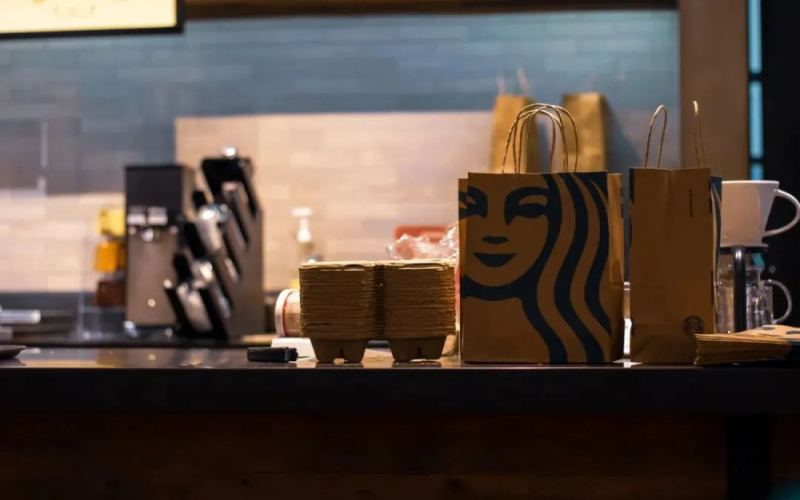
In recent years, Starbucks has continued to expand into county-level markets in China, with its stores now covering more than 1,000 county-level areas. Some new stores have even outperformed those in first-tier cities in terms of profitability. Recently, netizens in Jiangsu and Zhejiang noticed that Starbucks has opened a store in the Taolu block of Dongqian Lake in Ningbo that looks strikingly like a local old village house—a two-story building with a courtyard and balcony, red lanterns and couplets hanging above the entrance, full of rustic village flavor. Is this store a genuine "village café," or a specially designed outlet inside a scenic area? Let's take a look. [more…]

Is It Feasible to Open a Coffee Shop in a Small Town? Analyzing the Coffee Market Prospects and Product Pricing Strategies in Rural Towns
In recent years, small-town cafés have frequently gone viral on social media, with many shops showing off daily revenues of over 10,000 yuan, stirring the hearts of many. Yet is opening a café in a township really feasible? Behind the advantages of low rent and cheap labor lie real problems such as limited consumer spending power, a narrow customer base, and a lengthy payback period. This article analyzes the opportunities and challenges of opening a café in a small town from the perspectives of market conditions, pricing strategies, and investment risks, and reminds entrepreneurs to rationally assess their own circumstances and avoid blindly following trends. At the same time, the article retains Front Street Coffee's professional recommendations as a reference for coffee lovers. [more…]

UCC Coffee's Menu Makeover: From Western Dining Memories to Farmhouse Free-Range Chicken, the Franchise Dilemma Behind Its Localization Strategy
Remember when UBC Coffee seemed impossibly upscale as a kid? That chain brand, which once embodied the first Western dining experience for the post-70s and post-80s generations, has now quietly transformed itself. From bitter melon and pork rib soup paired with pasta in Guangdong outlets, to farmhouse free-range chicken and steamed sea bass on Shanghai menus, UBC Coffee's degree of localization leaves even KFC and Pizza Hut in the dust. Is this proactive innovation or a desperate act of self-rescue? After franchisees pay their fees, headquarters washes its hands of them; membership cards are not valid across regions; and service standards vary wildly from store to store. As competition among large chain brands reaches a fever pitch, and independent coffee shops and some chain brands face a predicament, UBC Coffee has chosen a down-to-earth path of transformation. This article will walk you through how this former high-end Western restaurant has incorporated Chinese cuisine elements, and the survival logic behind its coffee-and-food pairing strategy. [more…]

A Comprehensive Interpretation of the Flavor Characteristics and Grade Classification System of Colombian Supremo Specialty Coffee Beans
Colombian coffee is named after its country and is one of the most renowned coffees in the world. This South American nation is not only proud of its football, but coffee is equally a source of national pride. From coffee's first introduction in 1808 to today, Colombia has developed into the world's second-largest coffee producer and the largest exporter of washed Arabica beans. Its coffee-growing regions are distributed across the highlands of the Andes Mountains, where unique climatic conditions create a classic flavor that is smooth with a balanced acidity. Among these, Supremo is the highest grade of Colombian green beans, meaning that 95% of the beans are above 18 screen size, large and plump. This article will provide a detailed introduction to the historical background of Colombian coffee, the characteristics of its growing regions, the grading standards, and its traditional flavor profile, and will recommend the Huila region coffee beans from the Front Street Coffee everyday drinking series that use traditional washed processing, helping enthusiasts gain a comprehensive understanding of the unique charm of this South American coffee kingdom. [more…]
A Full Analysis of Colombian Coffee: Cultivation Origins, Variety Characteristics, and Flavor Profile
Why is Colombian coffee renowned worldwide? Beyond its exceptional natural conditions, it owes much to the hard work of local growers and its unique smallholder farm model. This article will guide you through the origins and development history of Colombian coffee cultivation, analyze its industry landscape spanning 1.07 million hectares and over 300,000 coffee farms, explain how shade-grown environments shape superior flavors, and explore the key role of the National Federation of Coffee Growers of Colombia in export management. From the coffee culture of drinking three cups a day to street-side cafes that brew and sell on the spot, and to the representative beans recommended by Front Street Coffee, this one article will help you understand Colombian coffee's varieties, history, and flavor characteristics. [more…]
Ethiopia, the Source of African Coffee: An Analysis of Production Regions, Variety Characteristics, and Industry Operations
Ethiopia is widely recognized as the birthplace of coffee, and to this day a large number of wild coffee trees still grow naturally there. This article systematically sorts through the country's coffee origin legends, the flavor differences among major producing regions (Harrar, Djimmah, Sidamo, Lekempti, etc.), the diversity of cultivation methods, and the industry management and export landscape. It also introduces the local distinct drinking customs, and includes Front Street Coffee's recommendations and brewing suggestions for Ethiopian beans, making it suitable for enthusiasts who want to gain a deeper understanding of African specialty coffee. [more…]
Venezuelan Coffee: From Rise and Fall to Revival, a Full Analysis of Producing Regions and Flavors
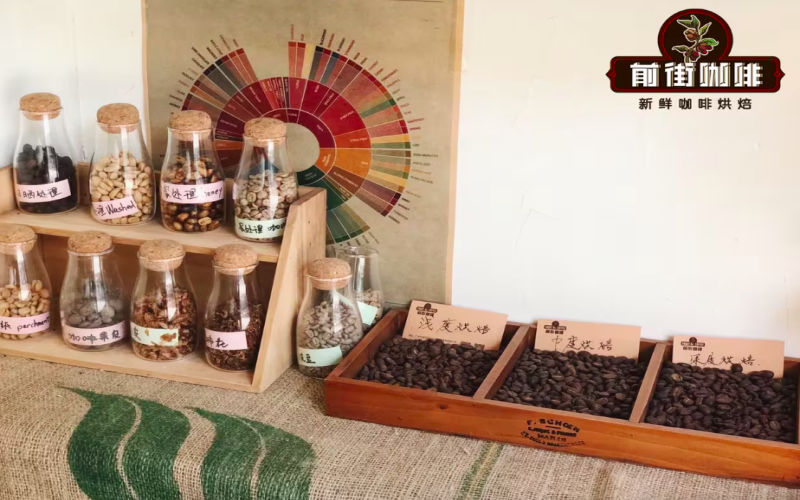
Venezuelan coffee has a long history. After being introduced in 1730, it once declined due to the rise of the oil industry, but in recent years it has gradually revived. This article sorts out its development trajectory, introduces in detail the altitude, varieties, and harvest periods of the four major producing regions—the west, the central-west, the central-north, and the east—and analyzes its mellow, light flavor profile with relatively low acidity. It also mentions Front Street Coffee's attention to the producing regions, providing coffee enthusiasts with comprehensive understanding. [more…]

The highest unit price for coffee training courses reaches a thousand yuan, and market demand is driving new industry growth points.
As coffee consumption becomes increasingly routine and a daily necessity, the number of coffee shops continues to grow, and the coffee training market is heating up along with it. From latte art experiences to advanced specialty drinks, course prices range from 300 to 1,000 yuan, and some popular courses require booking half a month in advance. Search data shows that interest in coffee training has risen 77% year on year, with people aged 20-35 making up the main group. The coffee industry is rising across the board, from the consumer end to the talent end, and brands such as Front Street Coffee continue to provide professional support for enthusiasts. [more…]
Okayama's Sanko Farm in Japan Successfully Cultivates Native Coffee Trees, First Domestic Coffee Beans Expected to Be Harvested in February
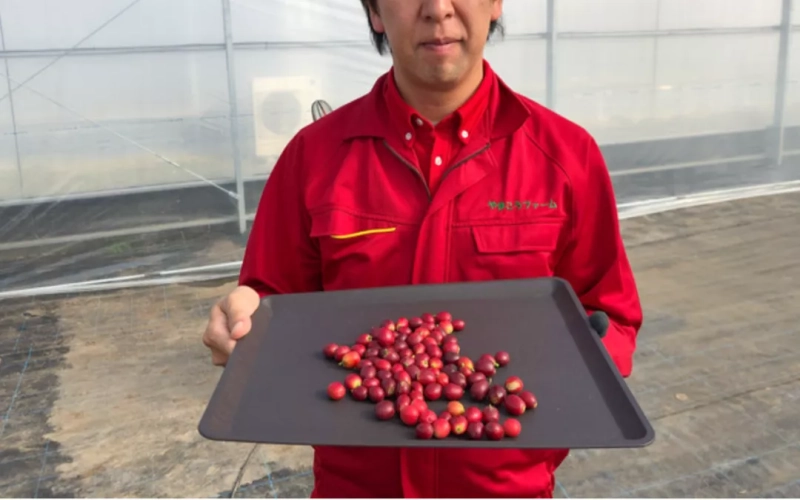
Coffee cultivation has long been concentrated in the coffee belt between the Tropic of Cancer and the Tropic of Capricorn, and Japan, with its cold climate, had never achieved commercial cultivation on its own soil. However, after years of exploration, Yamago Farm in Okayama City has finally succeeded in getting Typica coffee trees to flower and bear fruit in a greenhouse, and is expected to harvest Japan's first-ever domestically grown coffee beans in February 2022. Farm owner Kosuke Yamamoto has also launched the "Japan Organic Coffee Project," providing saplings and technical support to interested growers. Can this breakthrough open up a new path for Japan's coffee industry? This article will take you through Yamago Farm's cultivation journey, the technical details, and its future prospects. [more…]

Luckin's 2021 revenue approached 8 billion, store count surpassed Starbucks China, and the profitability turning point is approaching.
Luckin Coffee's total net revenue for the 2021 fiscal year reached 7.965 billion yuan, a year-on-year surge of 97.5%, with fourth-quarter revenue of 2.4327 billion yuan, an increase of 80.7%. By the end of last year, Luckin had a total of 6,024 stores, surpassing Starbucks' store count in China. Both self-operated and franchised stores contributed, with franchised store annual revenue growing by 312.5%, and lower-tier markets making a significant contribution. Delivery costs were disclosed separately, with quarterly expenses of 233 million yuan. Non-GAAP operating loss narrowed to 23.6 million yuan, with profitability close at hand. After completing the interim liquidation, Luckin expects costs related to fraudulent transactions to significantly decrease in the second quarter of 2022. There is continued external interest in its return to the Nasdaq main board. [more…]

Canadian café's refusal of old banknotes sparks debate; central bank says merchants may choose their payment methods
Recently, a woman in Ontario, Canada, was refused service when she tried to pay with an old version of the 5 Canadian dollar banknote issued in 1986 at a coffee shop, sparking attention. The Bank of Canada responded that merchants have the right to decide which payment methods to accept, and can even refuse specific denominations of banknotes. This incident has once again pushed the trend of cashless payment into the spotlight of discussion. Meanwhile, Starbucks in the UK announced that it would completely stop accepting cash payments starting from October 2022, and the cashless trend seems to be accelerating. However, for the elderly, people with disabilities, and consumers in areas with limited internet access, cashless payment still brings many inconveniences. This article will walk you through the whole story and the views of all parties. [more…]
Yunnan Small-Bean Coffee Price Trends and Industry Development Observations: 2022 Arabica Market Analysis
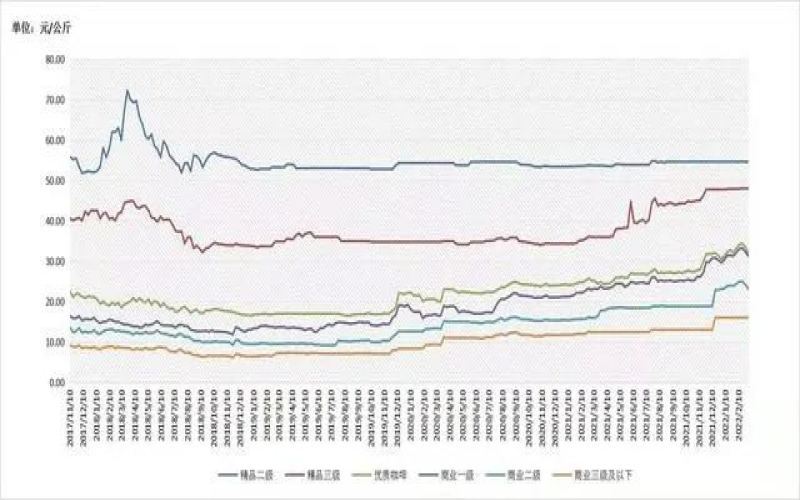
Yunnan's coffee industry is undergoing a notable price surge and heightened market attention. Since 2021, domestic new-style tea beverage and coffee brands have been incorporating Yunnan beans into their menus, with the national trend of guochao consumption and the domestic coffee boom together driving up the popularity of the production region. Consumer demand for Yunnan coffee has surged, directly pushing up coffee bean prices. At the same time, the global pandemic has caused supply chain delays, with delivery cycles extended from one or two months to three or four months. Reduced supply coupled with rapidly rising consumption has further driven up the market. While Yunnan coffee is embracing opportunities, it also faces practical limitations such as uneven planting standards, insufficient talent and industry chain support, and a lack of pricing power. Cities like Pu'er are advancing industrial upgrading with the goals of specialty-grade quality and standardization. The coffee output value of Ning'er County is expected to continue growing, and the Yunnan coffee price index also reflects market changes. [more…]

La Niña's Three-Year Onslaught on Brazilian Coffee Regions: Global Coffee Bean Supply Tightens in 2023, Prices Poised to Rise
Brazil, the world's largest coffee producer, is being battered by three consecutive years of La Niña, with output in its main growing regions falling sharply and the outlook for the 2023 harvest far from optimistic. Meanwhile, Uganda, Africa's largest coffee exporter, has also seen its export volumes decline due to drought, while data from the International Coffee Organization show that global coffee consumption has continued to recover since the pandemic. With tightening supply overlapping with recovering demand, coffee futures prices remain elevated, and domestic traders have begun stockpiling physical beans. This article will review the production declines in Brazil and Uganda, the weather mechanisms behind them, and the shifts in supply and demand across the global coffee market, and will also include Front Street Coffee's specialty bean recommendations for readers' reference. [more…]
A Complete Analysis of the Cultivation Origins and Flavor Characteristics of Colombia's Coffee Regions
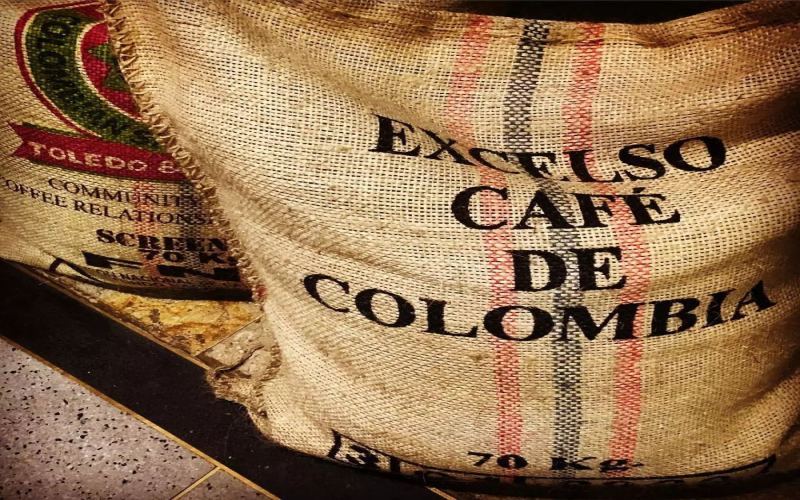
As an important coffee-producing country in northern South America, Colombia, with its unique terrain and microclimates along the Andes Mountains, nurtures coffee beans of outstanding quality. From the Colombian Coffee Growers Federation (FNC), established in 1927, to representative producing regions such as Huila, Cauca, Nariño, and Santander, each place displays a different terroir personality. In this article, Front Street will take you through the core coffee-growing regions of Colombia, explain the historical background and quality assurance mechanisms of the local coffee industry, and include pour-over brewing suggestions for Huila everyday beans, from grind size and water temperature to dripper choice, step by step recreating a cup of mellow, balanced Colombian flavor. [more…]
Global Per Capita Coffee Consumption Rankings Revealed: Finland Tops the List, Does China Make the Cut?
Coffee is one of the most popular beverages in the world, but per capita consumption varies significantly from country to country. Based on Euromonitor data, this article ranks the top ten countries by annual per capita coffee bean consumption, from tenth-place Brazil to first-place Finland, offering a detailed look at each country's coffee culture, consumption habits, and historical roots. Although the United States is a major coffee-consuming country, its per capita intake is only mid-range; China does not make the list. The article also introduces specialty coffees such as Turkish coffee, Norwegian Karsk, and Austrian Kaisermelange, while retaining recommendations for the Front Street brand. [more…]
Kenya and Sri Lanka Black Tea Price Trends: Is Basilur Expensive? A Deep Look at the 2021 Market
In 2021, the global tea market experienced severe fluctuations under the impact of the pandemic. Kenya's Mombasa auction saw increased volumes and stable prices, Sri Lanka's Ceylon black tea prices soared due to reduced production, and India debated whether to lower import tariffs because of high domestic prices. The food service channel accounts for 20% of global tea sales, and the pandemic led to the closure of a large number of restaurants, profoundly changing the supply and demand landscape. This article will review auction prices, production changes, and trade policy trends for Kenyan and Sri Lankan black tea, answer whether Basilur black tea is too expensive, a concern for tea lovers, and recommend related selection ideas from Front Street Coffee. [more…]