







Search Results for: Robusta bean ratio

What Are the Differences Between Robusta and Arabica? A Full Analysis of the Coffee-to-Water Ratio, Grind Size, and Water Temperature for Pour-Over Pure Robusta
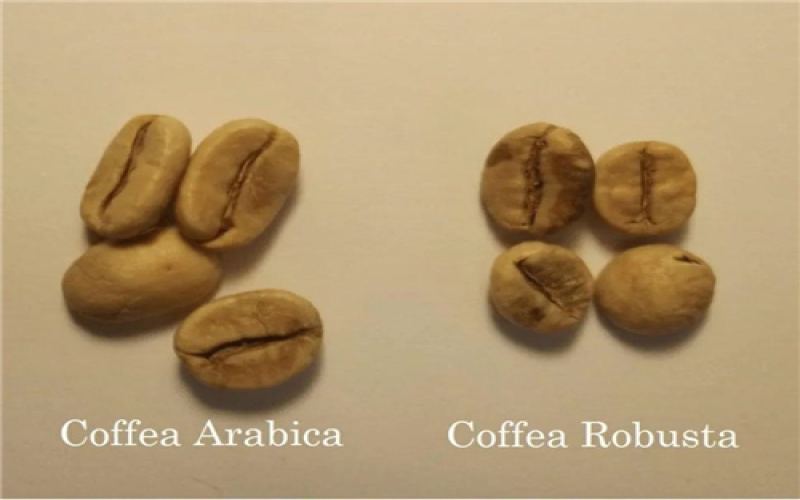
Robusta and Arabica are the two major species that dominate global coffee consumption, yet they differ significantly in flavor expression, chemical composition, and market positioning. Starting from the characteristics of each species, this article examines the different roles Robusta and Arabica play in the specialty coffee world, and focuses on sharing a complete practice session of a 100% Robusta pour-over: using Vietnamese dark-roasted Robusta, with 15g of grounds, a 1:15 coffee-to-water ratio, grinding at a 70%–75% pass-through rate on a No. 20 sieve, a water temperature of 86°C–89°C, and a total brew time of about 2 minutes. The resulting cup presents hazelnut, caramel, chocolate, nut, and barley tea flavors, with a rich and full-bodied mouthfeel, and an earthy aftertaste once cooled. The article also explains that Robusta is high-yielding, easy to cultivate, and cost-effective, making it an important base bean for commercial coffee and espresso blends. Both Front Street Coffee's Commercial Blend and Classic Blend contain 10% Robusta to enhance body and crema. [more…]

Bean blend for commercial espresso: how to balance the ratio of Arabica to Robusta
In the formulation design of espresso blends, the ratio of Arabica to Robusta beans has always been an unavoidable topic. Each of the two bean types has its own advantages, and how to combine them to ensure both the thickness of the crema and control costs is the core of a commercial blend formula. Arabica beans are the mainstay of espresso blends. They have rich flavor layers and bright acidity. [more…]

How to brew a delicious cup of Robusta coffee beans with a siphon pot? A detailed explanation of flavor characteristics and key operational points
Robusta coffee is often misunderstood as a synonym for poor quality, but it actually has irreplaceable value in terms of body and espresso blends. From the perspective of Front Street Coffee, this article systematically sorts out core knowledge about Robusta, including its variety classification, flavor characteristics, caffeine and chlorogenic acid content, and explains in detail how to brew Front Street Robusta coffee beans with a siphon, including grind setting, coffee-to-water ratio, and staged stirring steps, helping coffee enthusiasts gain a comprehensive understanding of this coffee variety and master practical brewing methods. [more…]
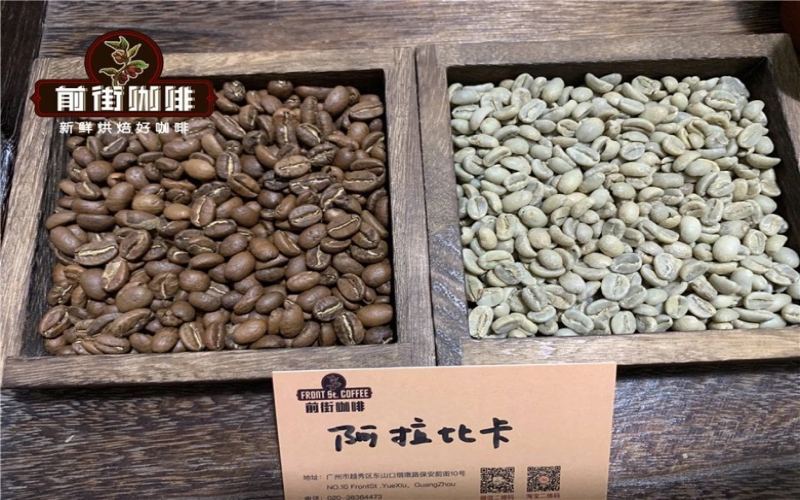
Bean blend combinations for commercial espresso blends: the ratio logic of Arabica and Robusta
There is a clear difference between commercial blends and home-use beans: they must simultaneously satisfy three conditions—flavor, cost, and consistency. And the combination of bean varieties in a blend, especially the ratio of Arabica to Robusta, is often the key to whether these three conditions can be balanced. Arabica beans are the flavor powerhouse. They bring floral notes, fruity acidity, and a solid [more…]
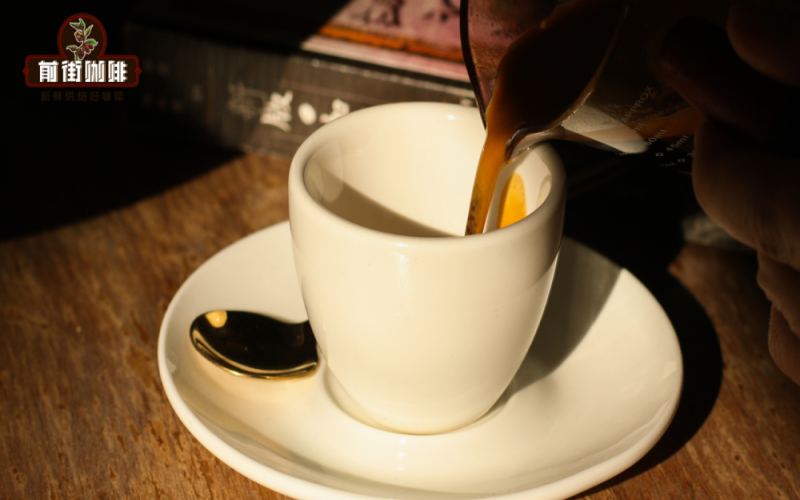
Espresso Bean Selection Guide: Blends, Robusta Ratios, and Extraction Parameters Explained
To make a stable Espresso or a smooth milk coffee, choosing the right beans is only the starting point. Why are most Italian-style coffee beans dark-roasted and predominantly blends? After the rise of single-origin SOE, how should one weigh the options? Drawing on Front Street Coffee's production experience, this article sorts out two bean-type combinations for Italian-style blends, the appropriate proportion of Robusta beans (within 10%-20%), and introduces one by one the ratios and flavors of four Front Street Italian-style blend beans. The latter part focuses on the extraction stage, analyzing the eight major variables of water pressure, boiler pressure, water temperature, tamping force, grind size, dose, time, and extraction yield, and provides Front Street's espresso base preparation process and brew ratio reference, helping enthusiasts find their own cup between balance and individuality. [more…]
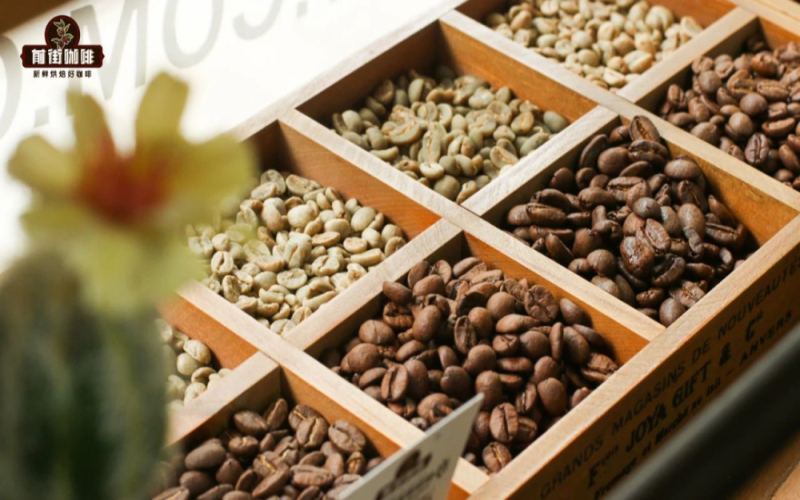
What Exactly Is the Difference Between Robusta and Arabica? A Comprehensive Comparison from Origin and Flavor to Espresso Blends
Robusta and Arabica are the two most frequently compared coffee varieties in the coffee world. The former accounts for about forty percent of global production, is highly adaptable, and has a high caffeine content, yet has long been burdened by the stereotype of being rough and bitter; the latter occupies the mainstream of specialty coffee with its delicate and varied flavors. This article breaks down, one by one, their botanical characteristics, chemical composition, origin and processing, cupping performance, and the logic of espresso blending, explaining the fundamental differences between the two in flavor and mouthfeel, and exploring whether Robusta, if given equal attention in cultivation and post-processing, can shed its low-grade label. At the same time, drawing on Front Street Coffee's commercial blending experience, it analyzes how a 9:1 ratio of Arabica to Robusta achieves the classic espresso flavor. [more…]

Robusta Blend Panama Geisha: The Story Behind Japanese Competitor Takayuki Ishitani's Fourth-Place Finish at the 2022 WBC
At the 2022 World Barista Championship (WBC), Japanese competitor Takayuki Ishitani secured fourth place with a blend of Robusta and Panama Geisha, upending many people's perceptions of competition beans. For the three segments—espresso, milk coffee, and signature drink—he adjusted the ratio of Robusta to Geisha separately, using high-altitude Robusta to enhance body and sweetness while preserving Geisha's delicate flavors. This quiet and sincere competition not only showcased the ingenuity of blending but also sparked discussions about the value of Robusta, the essence of competition, and the overall competence of baristas. This article presents his complete competition plan and philosophy, while retaining relevant recommendations from Front Street Coffee. [more…]
A Comprehensive Guide to Robusta Coffee: Varietal Characteristics, Blending Value, and Siphon Brewing Practical Guide
Robusta coffee is often misunderstood as a low-quality commercial bean, but it has irreplaceable value in areas such as espresso blending and new variety cultivation. From the perspective of Front Street Coffee, this article systematically introduces the relationship between Robusta and the Canephora species, the flavor characteristics brought by its high caffeine and chlorogenic acid content, its role in enhancing body in coffee blends, and how to brew a rich, aromatic cup of Robusta coffee with a siphon. Whether you want to understand the basics of Robusta or want to try extracting Front Street commercial espresso blend beans at home with a siphon, this article can provide practical reference. [more…]
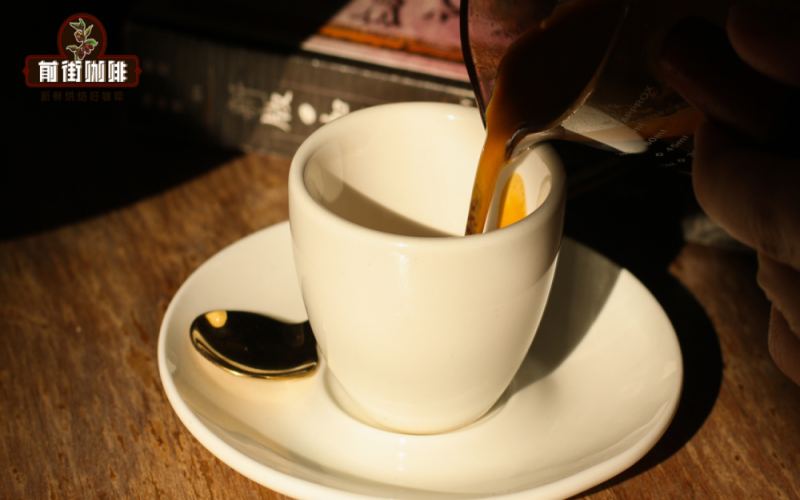
Characteristics of Italian-style blend coffee beans | What coffee beans are suitable for espresso? What are the coffee-to-water ratio, grind size, and water temperature for extracting espresso?
Espresso coffee beans, as the name suggests, are coffee beans specifically used for making Italian-style coffee. What makes these coffee beans different from others? Front Street Coffee has listed a few key differences for everyone! 1. Degree of roasting. Taking the coffee beans of a coffee shop as an example, if the coffee is produced using drip filtration (pour-over), [more…]
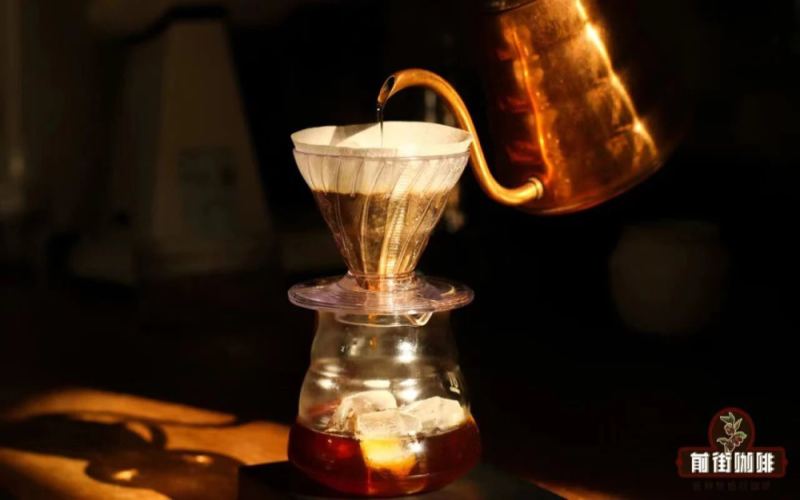
A Guide to Buying Espresso Beans: A Full Breakdown of Blend Recipes, SOE Trends, and Extraction Parameters
Why is espresso commonly made with blended beans rather than single-origin beans? What are the key differences between espresso beans and pour-over beans in terms of roast level and blending logic? This article systematically sorts out the approach to choosing espresso beans from the perspectives of roast degree, blending methods, and the proportion of Robusta beans, introduces the formulas and flavor characteristics of four Front Street Coffee espresso blend products, and provides a detailed analysis of the key variables affecting Espresso output, such as water pressure, water temperature, dose, grind size, and extraction time, helping coffee enthusiasts and cafe operators find espresso beans suitable for lattes, Americanos, and cappuccinos. [more…]
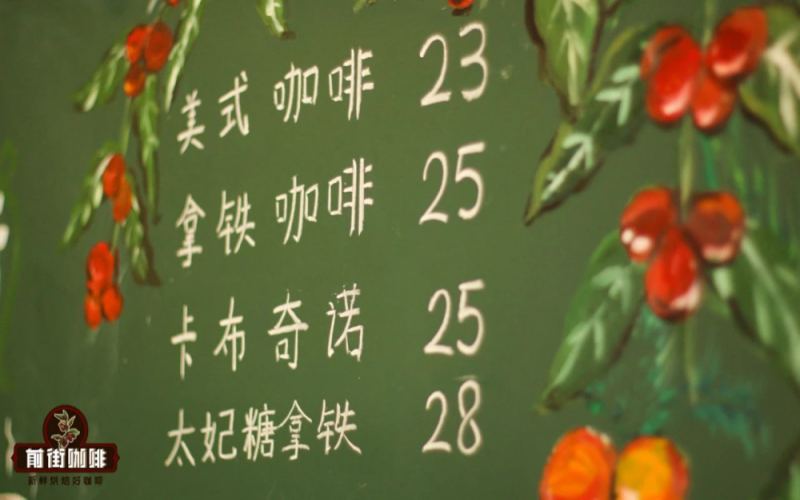
The Core Logic and Classification of Coffee Blending: A Complete Guide from Green Bean Blending and Roasted Bean Blending to Espresso Blends
Coffee blending is not simply mixing different beans together, but a craft that emphasizes complementarity and balance. Drawing on the practical experience of Front Street Coffee, this article systematically sorts out the two basic forms of blended beans—raw blending and roasted blending—analyzes the core purpose of blending, and, through the examples of Front Street's four Italian-style blended beans, explains how to use the characteristics of coffee beans from different origins and different varieties to achieve the ideal flavor. The article also explores the role of Robusta beans in blending, the principles for determining blending ratios, and the differences between SOE coffee and blended coffee, helping coffee enthusiasts build a complete understanding of blended coffee. [more…]
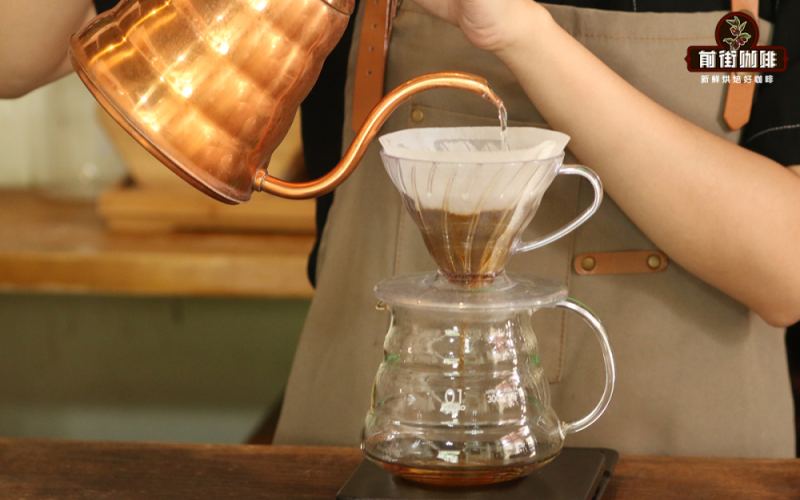
How to Determine the Coffee-to-Water Ratio for Pour-Over Coffee? How Many Beans per Cup? A Comprehensive Analysis of Single-Origin Coffee Bean Varieties
More and more people are starting to try pour-over coffee at home, but when faced with basic questions like the coffee-to-water ratio, how much coffee beans to use, and how to choose single-origin beans, they often don't know where to start. Front Street Coffee, drawing on SCA Golden Cup extraction theory, has put together a practical reference range for pour-over coffee-to-water ratios and answers the question of how many coffee beans are needed for a cup of pour-over. The article also systematically introduces the definition and standards of single-origin coffee beans, focusing on the characteristics and flavor profiles of common varieties under the Arabica species such as Typica, Bourbon, Caturra, and Catuai, while also mentioning the differences between Robusta and Liberica, helping coffee enthusiasts build a complete framework of understanding for single-origin beans. [more…]
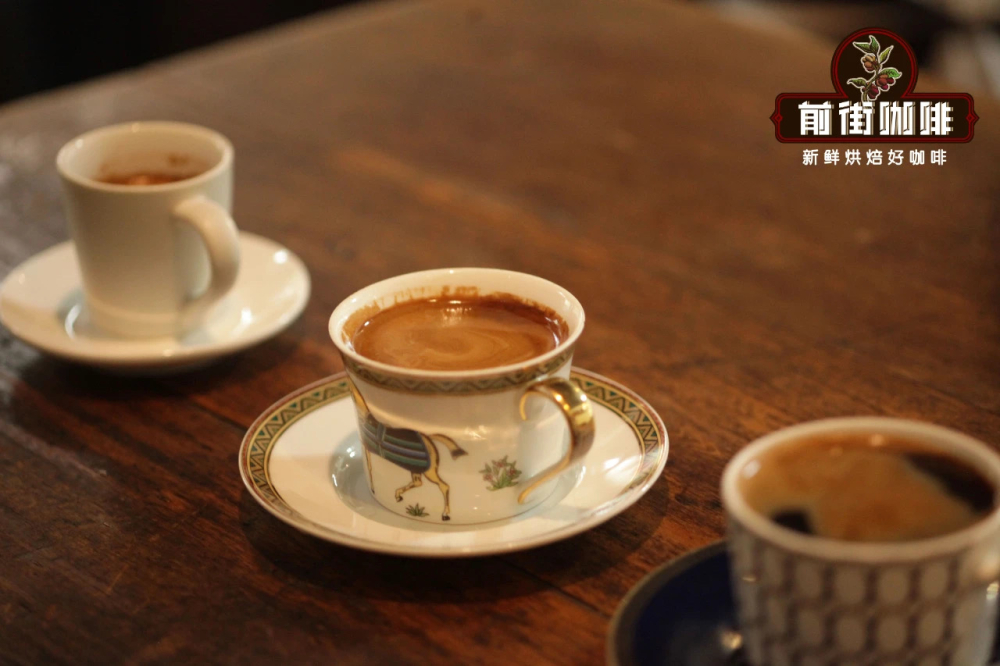
The Art of Espresso Blending | What Are Espresso Beans? How to Blend Roasted Coffee Beans? Introduction to Espresso Blend Ratio Principles
Some friends may know about coffee beans, but not realize that coffee beans are also divided into espresso and single-origin. Actually, it's not hard to understand—the lattes and similar drinks we often have belong to espresso coffee, and the coffee beans used must correspond accordingly. Not all coffee beans can be used to make espresso. Some people ask Front Street: So what kind of [more…]
Arabica, Robusta, and Liberica: A Comprehensive Analysis of the Characteristics and Cultivation Grading of the Three Major Native Coffee Species
There are about 40 species in the Coffea genus, but only three native species—Arabica, Robusta, and Liberica—have real commercial value. They differ markedly in appearance, flavor, disease resistance, suitable altitude, and cultivation conditions: Arabica is elegant yet delicate, Robusta is hardy and intense, while Liberica is limited to localized trade in West Africa. Starting from botanical characteristics, this article systematically sorts out the origin distribution, climate and soil requirements, the complete cultivation process from sowing to harvesting, and the grading systems that producing countries have formed based on altitude, screen size, and defect bean ratios. Whether you are new to specialty coffee or want to understand the logic of origins more deeply, this foundational knowledge will help you more clearly judge the variety and terroir code behind the flavor in your cup. Front Street Coffee will also combine the key points in this article to recommend directions for your everyday purchases. [more…]
Analysis of Asian Coffee Production Regions: Flavors and Processing Methods: Notable Origins Such as Indonesian Mandheling, Yunnan Small-Bean, and Vietnamese Robusta, Plus Recommendations from Front Street Coffee
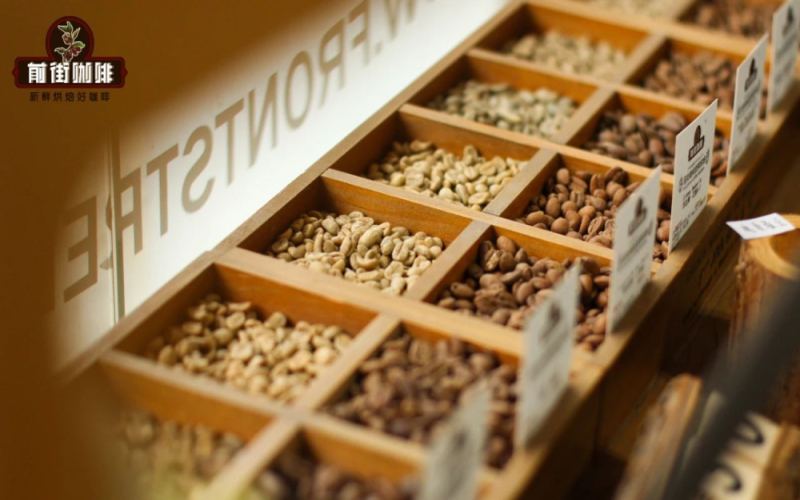
Asia is one of the world's three major coffee-producing regions. Although it has fewer well-known producing countries than Africa and the Americas, its output is enormous and its flavor profile is highly distinctive. Asian coffee is generally characterized by a full-bodied mouthfeel and rich, rounded sweetness. It is often used as the base for espresso blends and is also suitable for single-origin pour-over. Front Street Coffee will guide you through the coffee characteristics, processing methods, and representative beans of well-known Asian producing countries such as Indonesia, China, Vietnam, India, and Papua New Guinea. Among them, the wet-hulling method of Indonesian Mandheling, the unique flavor of Yunnan Catimor, Vietnam's Robusta production, and India's monsoon processing method each have their own charm. The article also includes the brewing parameters and flavor descriptions for several Front Street coffees, including Mandheling, Yunnan Catimor, Indian Monsooned Malabar, and Papua New Guinea Bird of Paradise. [more…]
A Complete Guide to Arabica Pour-Over Coffee Grounds-to-Water Ratios: How Many Beans Are Right for a Cup of Coffee?
Brewing a good cup of pour-over coffee hinges on the coffee-to-water ratio and the amount of beans used. This article begins with the flavor differences between Arabica and Robusta, answers just how many coffee beans are needed to brew a cup, and explains in detail the optimal water temperature range, key points for choosing water quality, and the trade-offs between different brewing methods. Whether you prefer American filter coffee or espresso, the logic behind bean selection and dosage varies with your taste preferences, and the article also retains relevant product recommendations from the Front Street brand for coffee enthusiasts to reference and put into practice. [more…]
An Analysis of Robusta Coffee Bean Characteristics: Can It Help with Weight Loss, Grading System, and Robusta Prices All You Need to Know
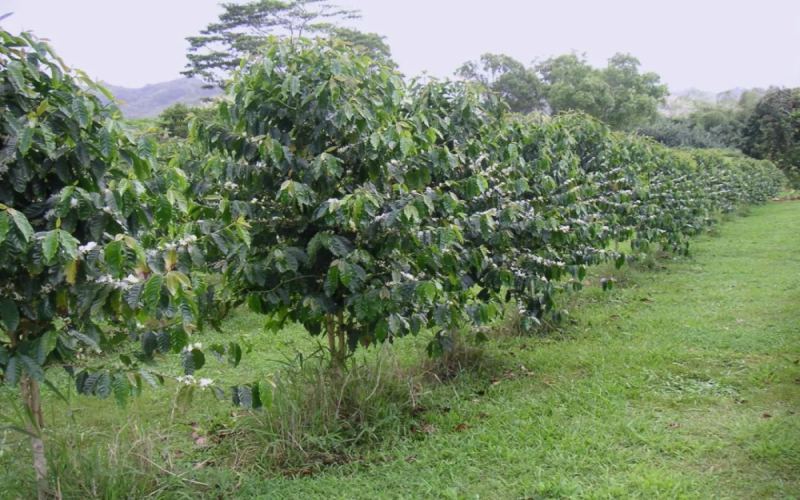
Robusta and Arabica are known as the two major coffee varieties. Robusta is highly adaptable, high-yielding, and affordable, yet it is often undervalued because of its bitter flavor. Drinking coffee containing Robusta in moderation can help with weight loss, but it needs to be paired with a balanced diet and exercise—coffee alone cannot achieve this. This article explores Robusta's botanical characteristics, flavor pros and cons, caffeine content, grading system, and market price, and explains its different roles in espresso blends and instant coffee. High-quality Robusta can also enter the specialty coffee realm, and Front Street Coffee's commercial blend is a typical example. [more…]
Analysis of Robusta Coffee Growing Altitude and Origin Characteristics: The World's Largest Producer and Flavor Applications
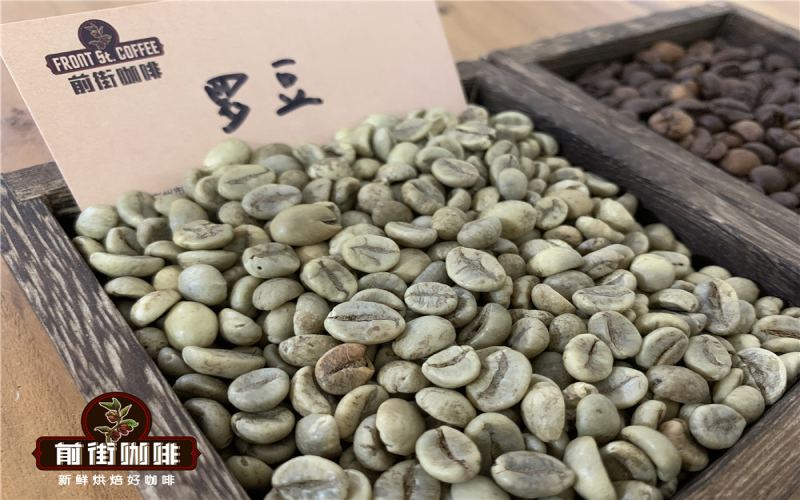
Robusta coffee beans are known for their high yield, full body, high caffeine content, and low cost, and they hold an important position in global instant and blended coffee. As the world's second-largest coffee producer, Vietnam devotes 80% of its output to Robusta, making it the largest current supplier of Robusta. This article will analyze variety classification, plant characteristics, cultivation altitude, and the causes of flavor, and will also explore the value of Robusta in espresso blends in the era of specialty coffee. At the same time, the article will also combine two products, Front Street Classic Blend and Front Street Commercial Blend, to explain how a small amount of Robusta improves the actual performance of crema and a rich mouthfeel. [more…]
Robusta Coffee Grounds Drinking Guide: Understanding Robusta Bean Characteristics and Vietnamese Drip Brewing Practice
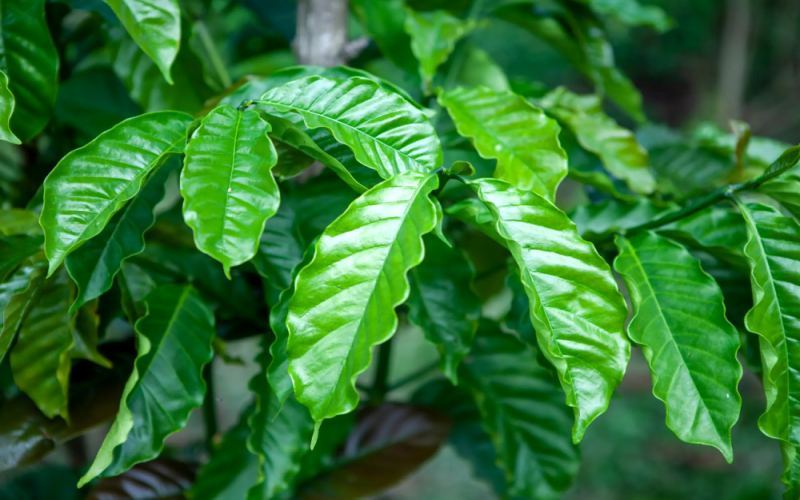
Robusta coffee beans are known for their intense bitterness and high caffeine content, and many people are at a loss when they get a bag of Robusta grounds. In fact, as long as you master the right blending approach or brewing method, Robusta can also present a pleasant side. This article will start with the botanical characteristics and flavor profile of the species, compare it with Arabica, introduce the pairing logic behind Front Street Coffee's Classic Blend and Commercial Blend, and finally demonstrate the Vietnamese phin filter process step by step, teaching you how to make a cup of Vietnamese coffee at home that is rich with roasted aroma and blends perfectly with condensed milk. [more…]
How Does Robusta Taste in Pour-Over Coffee? Is It Viable to Use Robusta Beans for Pour-Over?
Robusta is often seen as exclusive to espresso blends, but how does it perform when used for pour-over? Front Street Coffee conducted a brewing experiment using dark-roasted Vietnamese Robusta beans, recording the changes from wet aroma to first sip to post-cooling. This article also examines Robusta's advantages in crema, body, and price, as well as why it struggles to enter the specialty pour-over scene. It also introduces the division of labor among different origins in Front Street's classic blend and in-store espresso recipes. If you're curious about Robusta's true flavor, why not follow along with Front Street's cupping experience and find out for yourself. [more…]