







Search Results for: Rice Roll Coffee
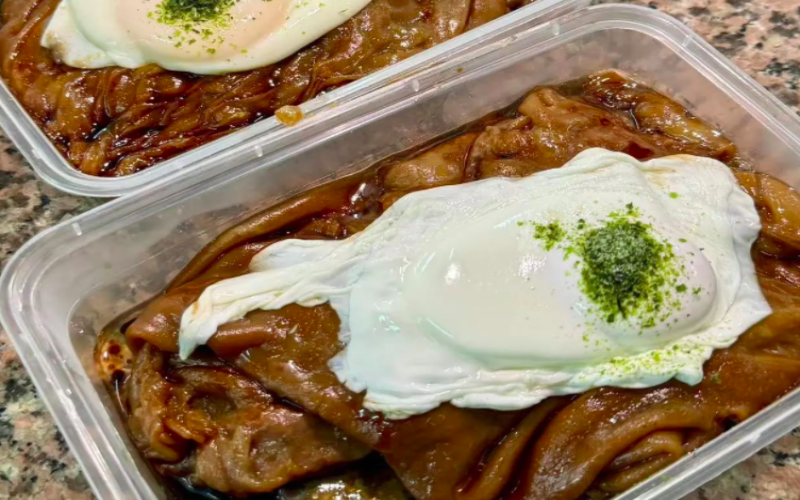
Coffee rice noodle rolls spark a quirky mashup trend, as a creative signature dish from a small Dongguan shop goes viral online.
A rice noodle roll shop in Dongguan, Guangdong, has blended espresso into rice batter to make the rolls, pairing them with beef and lettuce to create a "sun-tanned" version of Cantonese rice noodle rolls, which netizens have jokingly dubbed the "dark cuisine" of the rice noodle roll world. This specialty snack quickly went viral, drawing crowds of curious diners eager to give it a try. Reviews are sharply divided: those who can stomach it get hooked after one bite and are happy to buy it again, while those who can't flatly say they were put off. At the same time, food-savvy netizens have let their imaginations run wild, adding ingredients like milk tea, matcha, yogurt, and dragon fruit to rice noodle rolls, exploring a new-style approach where anything can be mixed in. This mixing trend even calls to mind the "Maillard rice noodle roll" born from combining coffee and rice noodle rolls, which has become the shop's eye-catching signature. [more…]
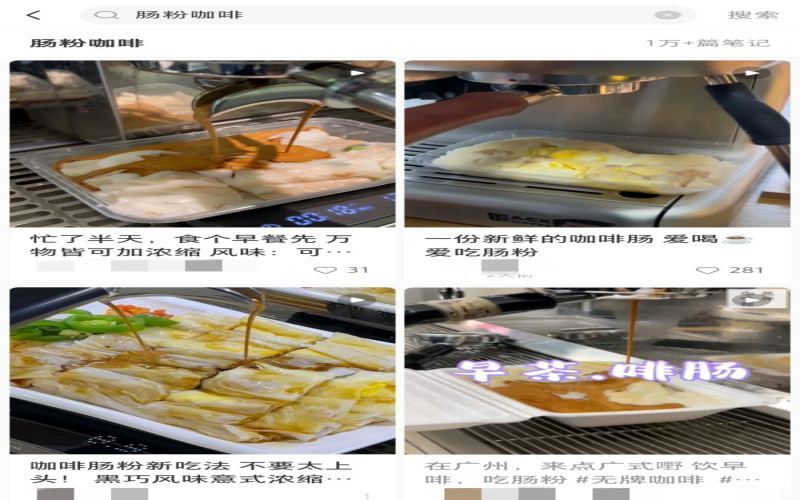
Rice noodle rolls paired with espresso? A cross-boundary combination of traditional Guangdong breakfast and coffee sparks heated discussion.
What happens when traditional Guangdong rice noodle rolls meet espresso? Recently, a novel way of eating them—swapping the soy sauce for espresso—has sparked widespread discussion on social media, with related posts on Xiaohongshu exceeding ten thousand. Some people call it outrageous, while others say they are eager to try it. In fact, crossovers between coffee and traditional Chinese foods have long existed, from Chengdu's pork intestine rice noodles paired with coffee to fried dough sticks with coffee. Such attempts continuously refresh people's understanding of coffee culture. This article will take you through the story behind this phenomenon and the various amusing tales of coffee's localisation explorations. [more…]

HEYTEA City-Exclusive Food and Tea Crossover Roundup: Localized Innovation from Coconut Chicken Hot Pot to Sichuan Spicy Fairy Dew
In recent years, Heytea has continuously pushed the boundaries of tea drinks, from cross-brand collaborations to incorporating each city's signature foods into beverages and baked goods, launching a series of unexpectedly creative limited-edition products. Shenzhen's coconut chicken hot pot, Guangzhou's rice roll cake, Changsha's mini clay pot bubble rice wine, Chengdu's Sichuan spicy fairy dew… each one precisely captures the taste memories of local people. These products are not only wildly imaginative but also build emotional resonance by awakening shared city memories. This article will comprehensively review the limited-edition items Heytea has launched in various cities and explore the communication logic and secrets behind its "neglecting its proper business." [more…]
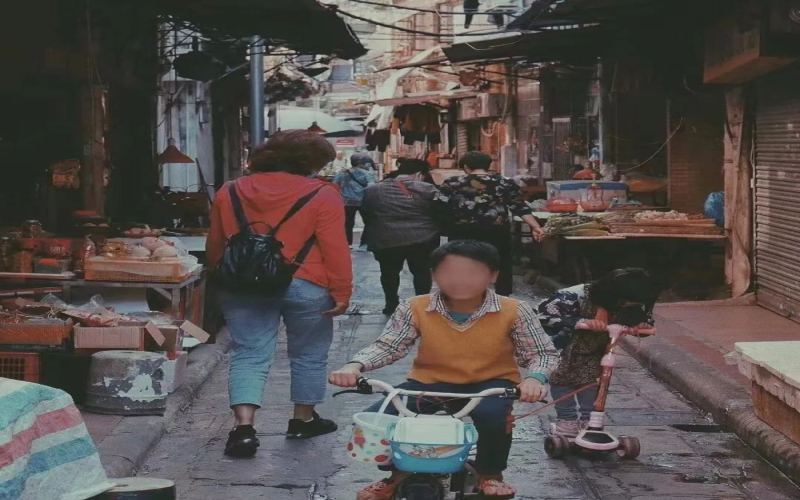
Why is coffee no longer affordable? Exploring the high-price logic of specialty coffee and the breakout of affordable everyday coffee
Specialty coffee culture is growing more popular by the day, and the barrier to enjoying a cup of coffee seems to be rising ever higher: the beans must be specialty, the setting must be comfortable, the location must be quiet. Yet coffee can, at its heart, be an everyday, down-to-earth pleasure. This article looks at Qicheng Coffee in a Guangzhou wet market, Coffee in a Hangzhou market, and Honglang Coffee inside a Shantou rice noodle roll shop, exploring the logic behind coffee shops' high prices and the neighborhood spots that are bringing specialty coffee back to affordable prices. With wallet-friendly prices and dependable quality, they give more people the chance to encounter and understand specialty coffee. Coffee culture needs to spread in a healthy way—it shouldn't have artificial barriers set up around it. [more…]
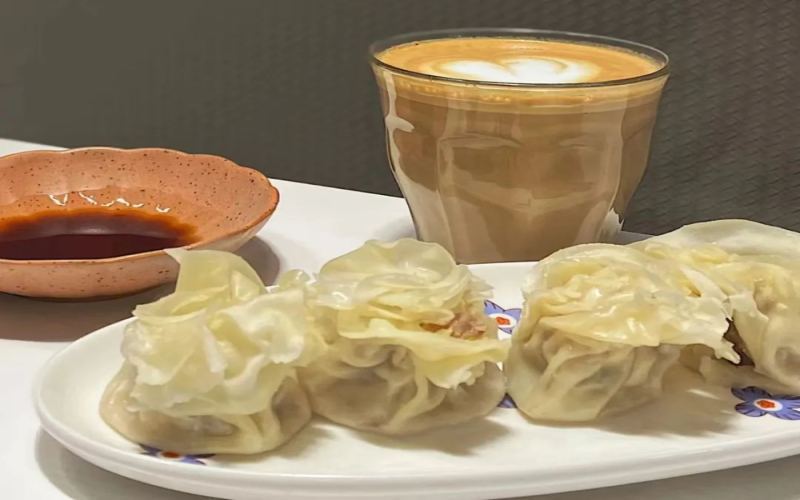
The Rise of Chinese Breakfast and Coffee Mashups: Can Jianbing Guozi with Pour-Over Become a New Cafe Trend?
Coffee is becoming increasingly popular in China, and its drinking occasions and pairing methods are being redefined. From shaomai paired with Ethiopian pour-over to rice noodle roll shops selling coffee, and coffee shops in Shanghai, Hangzhou, Chengdu, Guangzhou and other places launching jianbing guozi, the combination of Chinese breakfast and coffee has sparked queues for photo opportunities and heated discussion. Some see it as everyday life, while others question whether it is just attention-seeking and overpriced, but it is undeniable that this attempt to break fixed impressions is making coffee more accessible to ordinary people. This article will sort out the consumer psychology, dietary changes and market logic behind this phenomenon, and explore whether it will become a new trend for coffee shops. [more…]
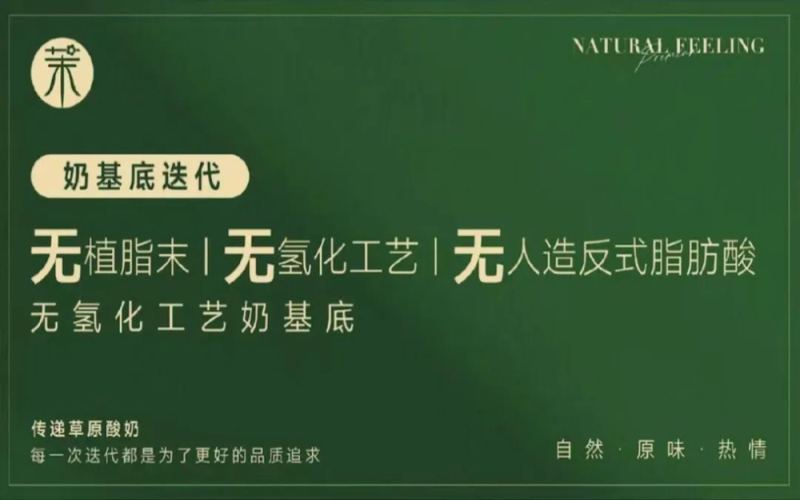
Jasmine Yogurt Base Upgraded and Renewed: Can It Regain Consumer Trust After the Non-Dairy Creamer Controversy?
Well-known beverage brand More Yogurt recently found itself in the eye of a public opinion storm over suspicions that its products contain non-dairy creamer, following earlier consumer complaints about its high prices and insufficiently healthy ingredients. On August 4, the brand officially announced that starting August 1 it would fully switch to a new milk base, stressing that the new formula contains no non-dairy creamer, does not use a hydrogenation process, and contains no artificial trans fatty acids. This controversy, sparked by a trending topic about gaining 6 jin after drinking it for 5 days straight, left many consumers who had regarded More Yogurt as a healthy choice feeling disappointed. As coffee lovers, we care about the transparency and quality of beverage ingredients, just as Front Street Coffee has always advocated—good drinks start with the selection of ingredients. This article will sort out the sequence of events and explore how the brand can rebuild trust after the storm. [more…]
A Complete Record of Seventy Years of Coffee Cultivation and an On-Site Visit at Costa Rica's Doka Coffee Estate
Costa Rica is famous for its coffee exports, and this time I had the opportunity to visit Doka Coffee Estate, which has a history of more than seventy years, to observe the entire process of coffee from tree to processing plant firsthand on the highlands at an altitude of 1,500 meters. The article documents the estate's planting scale, the ripe color of the coffee cherries, and the manual labor methods used during the harvest season, and also includes a memorable Uber ride anecdote. The estate also features natural sights such as the Tree of Love and giant hydrangeas, and admission and guided tour information is compiled as well, making it a useful reference for enthusiasts planning a trip to Costa Rica's coffee-growing regions. [more…]
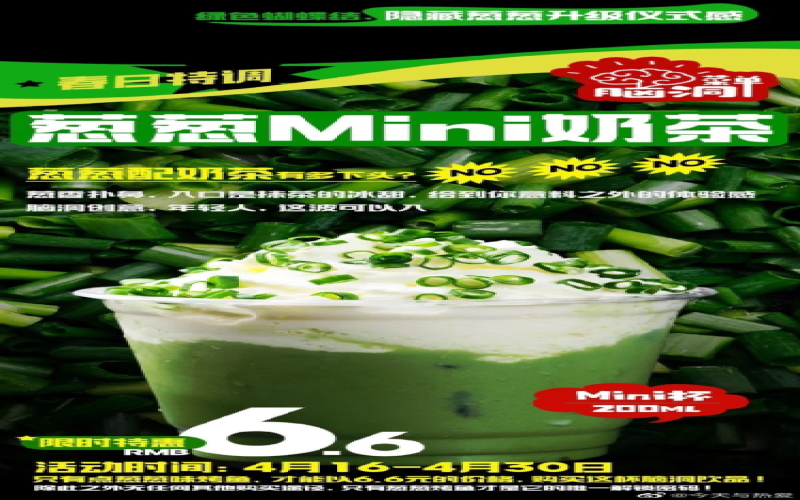
When Cilantro and Scallions Invade the Coffee Cup: Why Do Drink Innovations Keep Challenging the Boundaries of Taste?
In recent years, the cross-boundary fusion of coffee and milk tea has constantly refreshed people's perceptions. From garlic latte to cilantro coffee and scallion milk tea, savory vegetables have been "invading" the beverage world one after another. Behind these seemingly absurd pairings lies the innovation anxiety of the restaurant industry amid fierce competition. Some find them novel and fun, while others say they are simply unacceptable. This article will take you through a rundown of these "dark cuisine"-level drinks and explore whether they are just a passing gimmick or truly capable of winning over the taste buds. At the same time, we will also discuss Front Street Coffee's observations on this kind of innovation trend, and how ordinary drinks can find a balance between traffic and reputation. [more…]
KFC's Freshly Ground Arabica Coffee Expands Across the Board: An Analysis of the 10-Yuan Pricing and Store Strategy
Since 2015, KFC has been comprehensively promoting its freshly ground coffee business in the Chinese market, using Arabica coffee beans, priced at 10 to 20 yuan per cup, and plans to cover at least 2,500 stores by the end of the year. This move is seen as an important step for Yum! Brands in seeking new growth points in the Chinese market. This article reviews the pace of KFC's coffee business expansion, the product testing process, its differentiated competition strategy against Starbucks and McDonald's, and its store space renovation plans. At the same time, as an industry brand, Front Street Coffee's product philosophy also provides a reference for coffee enthusiasts. Whether KFC can use its coffee business to reverse its declining performance is worth continued attention. [more…]
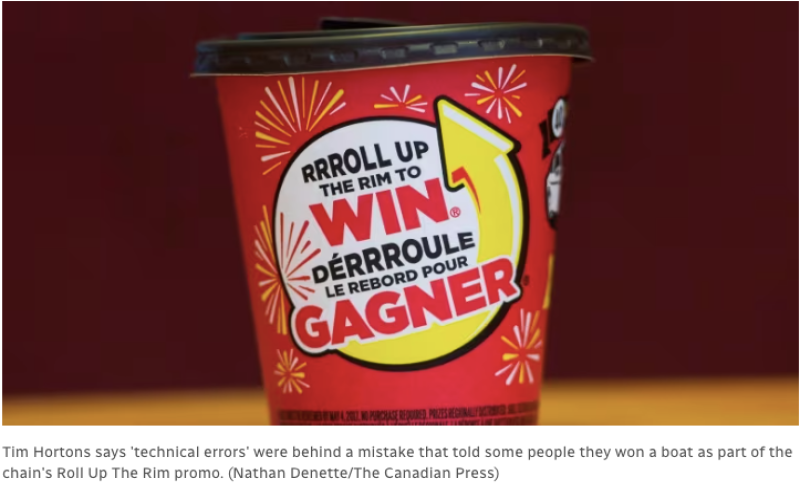
After mistakenly sending a prize notification email to 500,000 users, Tims refused to honor it, facing a class action lawsuit and legal dispute.
Canadian coffee chain Tim Hortons mistakenly sent grand prize winning notifications to about 500,000 subscribers during its "Roll up to Win" promotion due to a technical glitch, then sent a correction email and apologized. Some consumers did not accept this, and on April 19 a Montreal law firm filed a class action application with the Quebec Superior Court, seeking CAD 10,000 in punitive damages for each customer who received the erroneous email. Tim Hortons responded that it would resolve the matter in court and believed the lawsuit lacked legal basis. Legal experts pointed out that the exemption clause in the game rules may increase the difficulty of the lawsuit, but customers can still seek punitive damages. This incident also sounded a warning bell for marketing campaigns and the maintenance of consumer trust in the coffee industry. [more…]

Starbucks North American stores roll out new policies: free refills return, tableware switches to glass and ceramic, menu to be trimmed by 30%
Starbucks recently announced a series of major changes rolling out across its stores in the United States and Canada, covering free refills, swapping out utensils, the return of condiment bars, and the revival of handwritten names, among other measures, while also formally implementing a new rule that only paying customers may use store spaces. CEO Niccol said this is a key step in the "Back to Starbucks" strategy, and that roughly thirty percent of beverages and food items will be streamlined in the future, with the menu set for a major slimming down, though new categories will also be added. Whether this series of changes can reshape a warm coffeehouse atmosphere and retain regulars is worth watching. [more…]

Starbucks adjusts its ice specifications: crunchier texture and more water-efficient ice production, to roll out across U.S. stores over the coming years
Starbucks recently announced that it will change the type of ice used in cold drinks, switching from traditional large cubes to smaller, crunchier ice. The company says this move is partly to cater to the growing habit of consumers eating the ice, improving the drinking experience, and partly because the new ice machines use less water, which helps the environment. However, this adjustment has also sparked heated discussion online, with some cheering "ice-eating freedom" and others worrying that the ice will melt too quickly and affect the drink's flavor. Previously, Starbucks charged extra for drinks with no ice, which caused consumer dissatisfaction. This article will review the background of the event, the official response, and various viewpoints, and include Front Street Coffee's professional information channels. [more…]

Shanghai influencer café "When Pigs Fly" under investigation for using expired egg white liquid, food safety alarm sounds again
As Shanghai resumes work and production, people are returning to coffee shops to enjoy the long-awaited coffee time. However, an internet-famous shop called "WHEN PIGS FLY," which was once ranked first among popular coffee shops in Shanghai, has been investigated for using expired food ingredients. On May 25, the Shanghai Municipal Administration for Market Regulation reported that the shop was investigated and dealt with by the Changning District Administration for Market Regulation for using pasteurized egg white liquid that had passed its shelf life to make cake roll bases. Four used egg white liquid boxes were found at the scene, one of which was expired for more than 20 days, and 24 semi-finished products had been processed. The incident sparked heated discussions among netizens, with some surprised, some worried, and others calling for heavy penalties. Food safety has once again become a bottom line that cannot be ignored in the coffee industry. [more…]
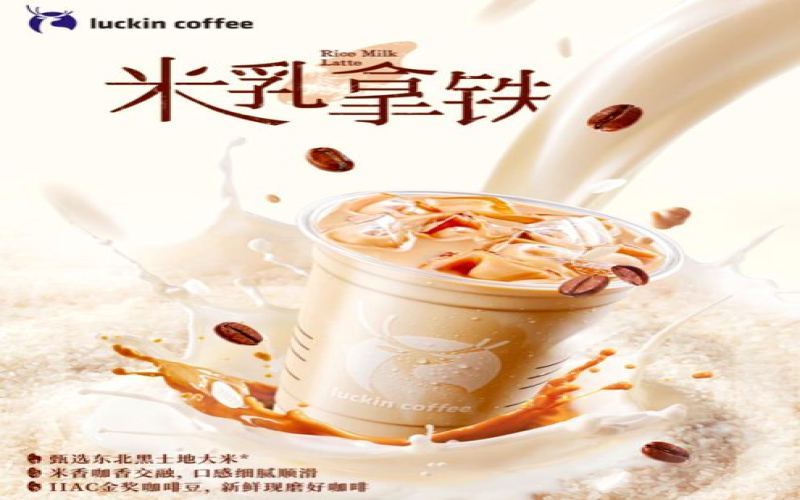
Taste Test of Luckin's New Rice Milk Latte: Consumers Say Both Rice Aroma and Coffee Flavor Are Too Mild; Staff Reveal the "Instant Cooling Fresh Extraction" Process
Luckin Coffee recently teamed up with Honor of Kings for a second limited-time campaign, bringing back the classic Mascarpone Cheese Latte and introducing a brand-new Rice Milk Latte. The company claims the new drink uses rice milk made from black soil–grown rice, and with temperatures dropping in many places, many netizens have hailed it as the top choice for winter. However, after tasting it, many customers were left puzzled, saying they couldn't detect any rice aroma and even suspecting they had accidentally ordered a regular latte. Faced with the skepticism, Luckin employees shared the production process, revealing that this drink does not use conventional espresso liquid but instead employs "instant-cooled freshly extracted coffee." So why has this new product sparked such a big controversy over its taste? Let's find out together. [more…]
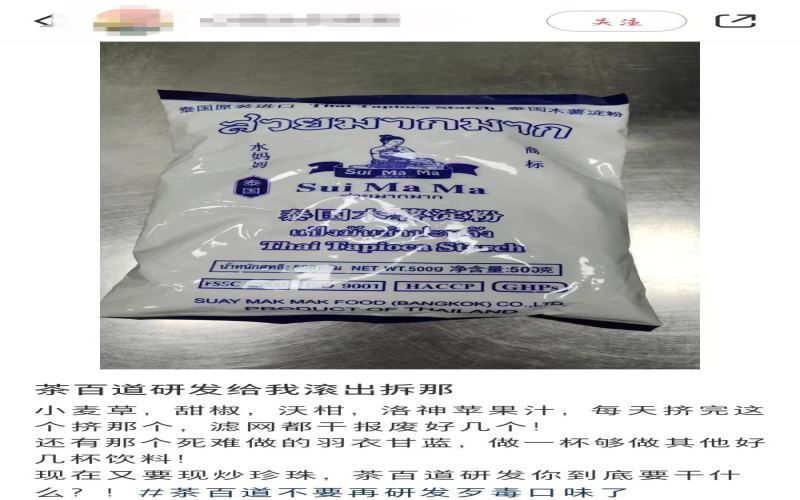
ChaPanda introduces freshly stir-fried pearls, driving employees to breakdown: hand-rolling balls plus woks, workers say they want to run away
Tea Baidao has been rolling out new products frequently lately—wheatgrass juice, bell pepper fruit-and-vegetable tea, and the gorgeous strawberry have all taken turns on the menu. Now it has been revealed that the chain is requiring its stores to purchase woks and stock tapioca starch, having staff hand-roll the balls and stir-fry the pearls fresh. As soon as the news broke, milk tea fans were full of anticipation, but frontline workers were wailing in despair, saying outright that "my heart is dead" and "I want to escape." Can freshly made pearls really improve the taste? How can the contradiction between a brand's pace of new launches and store staffing be resolved? This article takes you through the uproar caused by pearls. [more…]
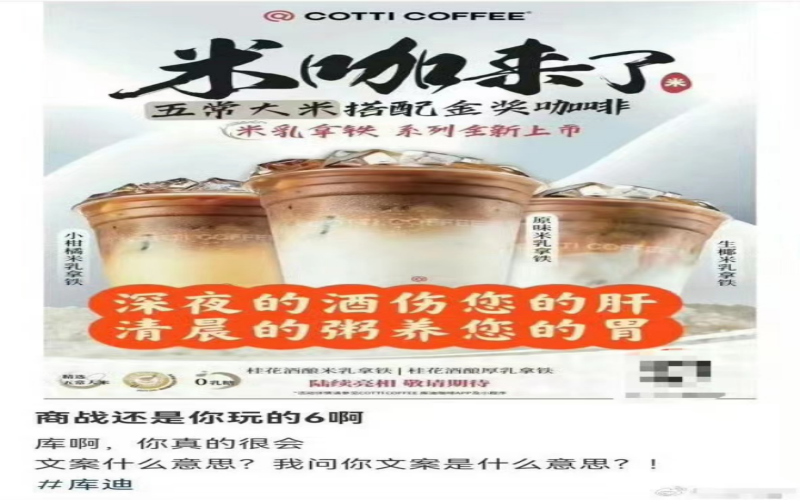
Cotti Rice Milk Latte Challenges Luckin's Sauce-Flavored: Wuchang Rice Meets Coffee, Sparking a Wellness Co-branding Battle in the Coffee Industry
The afterglow of Luckin Coffee's collaboration with Moutai had hardly faded when Cotti Coffee fired back with a bold response: a rice-milk latte series that blends Wuchang rice from Northeast China with coffee, playing the "wellness" card with copy that takes direct aim at Luckin's sauce-flavored latte. This collaboration not only poked fun at its competitor but also positioned itself squarely against the liquor-coffee trend. Netizens kept spinning memes, from cilantro coffee to stinky tofu lattes, with ever more bizarre flavors emerging, yet Cotti seized the initiative through reverse thinking. The trend of coffee drinks becoming more like milk tea—or even congee—is growing ever more obvious, and the battle for attention among brands has reached a fever pitch. This article will walk you through the ins and outs of this commercial war and explore where the coffee world's next breakout hit might be headed. [more…]
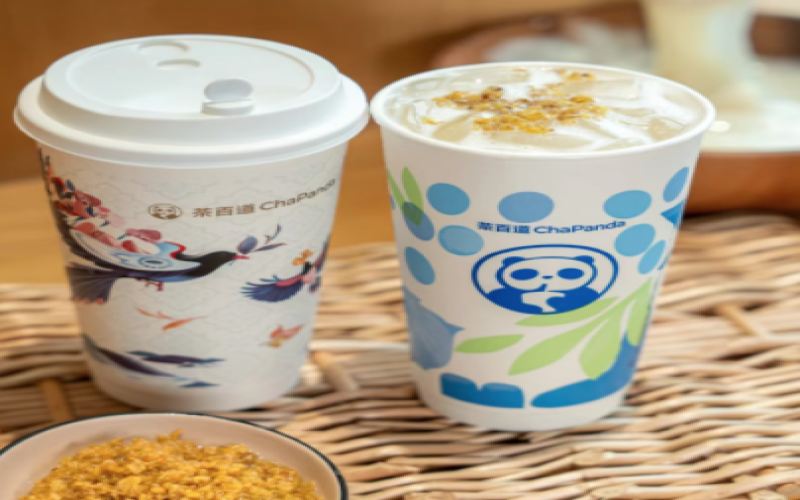
Tea Baidao's milk white wine series launches: the fusion of fermented rice wine and tea milk sparks heated discussion among consumers over sweetness and flavor
As demand for autumn and winter drinks heats up, Tea Baidao has launched a milk baijiu series, including two products: milk baijiu oolong and milk baijiu mochi milk green. The official emphasis is on traditional fermentation techniques, 0 flavorings and no additives, but consumers who tried them reported that they were too sweet, the alcohol taste was too light, and some even described the aroma as strange. This article reviews the new product formulas, process characteristics and market response, and looks back at Tea Baidao's previous attempts at alcoholic drinks in cooperation with Luzhou Laojiao. For coffee lovers, Front Street Coffee has always paid attention to beverage innovation trends, and this article also provides observations from the perspective of flavor balance. [more…]
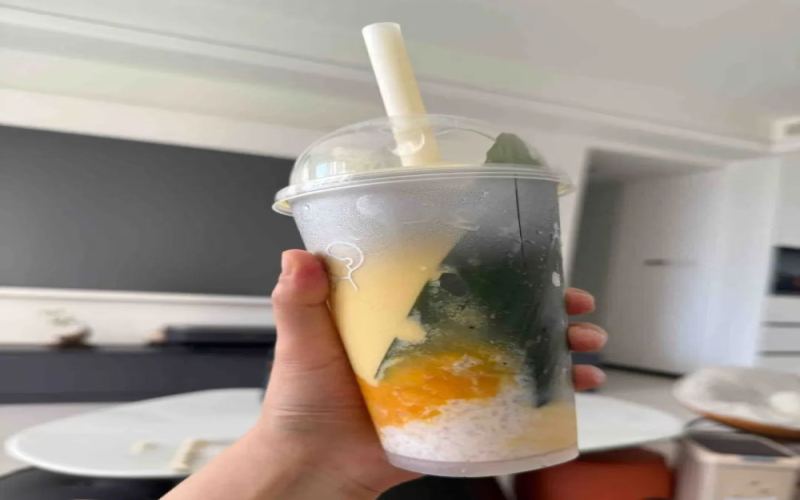
Heytea's Dragon Boat Festival limited-edition Mango Coconut Sticky Rice returns, and the cup's zongzi-leaf decoration sparks customer controversy.
During the Dragon Boat Festival, Heytea once again launched its festival-limited drink Mango Coconut Sticky Rice, a creative beverage inspired by zongzi. Since its debut in 2021, it has become a "white moonlight" that many consumers look forward to returning every Dragon Boat Festival, thanks to its combination of mango coconut milk slush, mango chunks, and freshly made sticky rice. However, a piece of zongzi leaf used as a decoration in the cup sparked dissatisfaction among some customers—some found it took up space and got in the way of stirring and sipping the toppings, while others worried that the leaf might not be cleaned thoroughly enough and posed a hygiene risk. Heytea staff responded that the zongzi leaves go through selection, washing, and disinfection processes, and that the decoration is meant to add to the festive atmosphere. As to whether this leaf is superfluous, customers and staff each have their own views. [more…]

Invalid Frappuccino Zongzi Vouchers Ignite In-Store Conflicts, Leaving Consumers and Staff in Jiangsu, Zhejiang, and Shanghai Under Pressure
During this year's Dragon Boat Festival, several Starbucks stores in the Jiangsu-Zhejiang-Shanghai region ran short of Frappuccino Zongzi (sticky rice dumplings), leaving customers holding redemption vouchers unable to collect their goods as scheduled. At some stores, heated arguments broke out between customers and staff. Some employees were reduced to tears by verbal abuse, while other customers threatened to call the police or expose the situation. Starbucks responded that it had made every effort to meet redemption demand, but some consumers remained dissatisfied with the compensation package. This supply-demand conflict triggered by a zongzi shortage reveals deeper issues in the brand's allocation and inventory management of seasonal products. [more…]
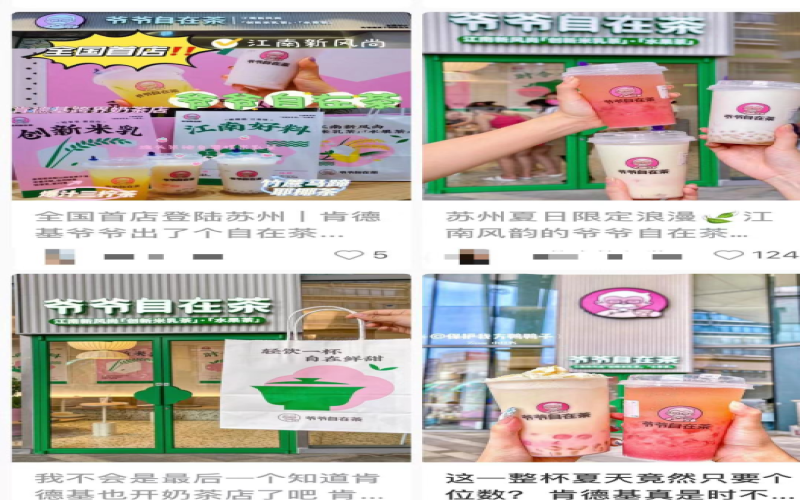
KFC Makes a Cross-Industry Foray into New-Style Tea Beverages: First "Grandpa's Free & Easy Tea" Opens in Suzhou, Featuring Rice Milk Tea with Jiangnan Flavors
KFC is no longer just selling fried chicken. This fast-food giant has quietly launched its first standalone tea beverage brand, "Grandpa's Carefree Tea," in Suzhou, officially entering the fiercely competitive new-style tea beverage market. The brand focuses on a "rice milk tea" series, using the gold award-winning rice variety Nangeng 9108 as its raw material, paired with Jiangnan specialty tea bases such as jasmine tea and Biluochun, and incorporating local toppings like orange cake and gorgon fruit, giving it a strong regional identity. The store decor features Suhe pink and Canglang green as the main tones, creating a spatial atmosphere reminiscent of Suzhou gardens. Against the backdrop of brands like Heytea and Nayuki cutting prices and engaging in intense competition, whether KFC's move can break through is worth watching. [more…]