







Search Results for: Rica
Costa Rica Diamond Mountain Estate Coffee Bean Review: An Analysis of Flavor, Aroma, and Mouthfeel Behind the Plump Beans
Coffee beans from Costa Rica's Diamond Mountain Estate have always been famous for their plump beans and outstanding sweetness, and Front Street Costa Rica coffee is a representative of bright, clear, and mildly acidic coffee. This article will systematically sort out the aroma and taste characteristics of this specialty coffee from multiple perspectives, including the terroir of the producing region, processing methods, and cupping flavors, and will also provide an in-depth introduction to the history and current state of Costa Rica's coffee industry. At the same time, it retains relevant product information from the Front Street brand to help coffee lovers more fully understand the unique charm of this bean. [more…]
A Complete Analysis of Costa Rican Coffee Regions: From the Eight Major Producing Areas to Starbucks' First Specialty Estate and the Carnet Musician Series
Although Costa Rica is not a large country in terms of land area, it has become a representative producing region of high-quality Arabica coffee in Latin America thanks to its fertile volcanic soil, mild climate, and abundant rainfall. Even Starbucks chose this country for its first specialty coffee farm. In this article, Front Street Coffee will guide you through Costa Rica's coffee-growing history and policy evolution, review the altitude, harvest season, and flavor characteristics of eight major producing regions including the Western Valley, Central Valley, and Tarrazu one by one, and focus on introducing the Musician Series from the Canet Estate in Tarrazu—the processing methods and flavor profiles of four beans: Bach, Mozart, Beethoven, and Chopin—to help coffee enthusiasts gain a more systematic understanding of this producing region and choose good beans that suit their taste accordingly. [more…]

Costa Rica Little Candle Estate Geisha Coffee: A Full Analysis from Estate Story to Brewing and Flavor
Geisha coffee, with its winning streak in competitions, has long been regarded as the cream of the crop in specialty coffee. Front Street Panama Geisha is certainly the current benchmark, but other countries also have noteworthy options, and Front Street Costa Rica Geisha is a standout representative with excellent value for money. This article focuses on Costa Rica's La Candelilla Estate, introducing the family background of this CoE award-winning estate, the development path of its micro-processing mill, its fermentation and environmentally friendly processing methods, as well as the specific brewing parameters and flavor performance of Front Street Costa Rica Geisha. It also includes a flavor description of Front Street Strawberry Candy Blend, helping coffee enthusiasts gain a comprehensive understanding of this bean's origins and its presentation in the cup. [more…]
Costa Rica Tarrazu Diamond Mountain Estate Red Honey Processed Coffee: A Complete Analysis of Flavor, Mouthfeel, and Aroma
The Tarrazu region of Costa Rica has long been famous for its balanced, clean classic flavors, while the red honey-processed strictly hard bean from Diamond Mountain Estate adds richer sweetness and layers on top of this classic profile. This article provides a comprehensive interpretation of this Front Street Coffee-selected Costa Rica Diamond Mountain high-grown strictly hard bean red honey coffee, from the region's terroir and the estate's background to the characteristics of the processing method and actual cupping performance, helping you understand why it can present a captivating combination of sweet jujube, brown sugar, caramel cocoa, and rounded acidity, while also offering a glimpse into the history of Costa Rica's coffee industry and the distribution of its seven major producing regions. [more…]
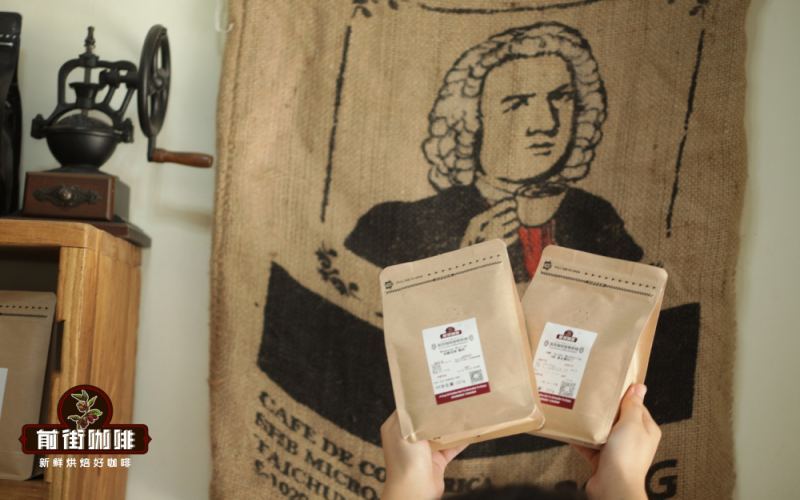
Costa Rica Musician Series Coffee Beans: Flavor Profiles and Naming Stories of Mozart, Bach, Beethoven, and Chopin
The Musician Series coffee beans produced in Costa Rica's Tarrazú region have attracted much attention in the coffee world thanks to their unique flavor expression and romantic naming. Front Street Coffee's Mozart, Bach, Beethoven and other coffee beans each correspond to the personality and temperament of a classical music master. These coffee beans come from Canet Estate and are processed using raisin honey or washed methods, presenting a complex flavor in which preserved-fruit-like sweetness, berry notes and floral aromas interweave. This article will introduce in detail the regional background, origin of the naming, flavor characteristics and brewing suggestions of the Musician Series coffee beans, taking you into this wonderful dialogue between taste and hearing. [more…]

Costa Rica Musician Series Coffee Beans: A Detailed Explanation of the Differences Between Honey Processing and Raisin Honey Processing
Costa Rica is world-renowned for its mild, smooth coffee with a balanced profile of acidity, sweetness, bitterness, and aroma, and its original honey processing method adds further layers of sweetness. In the Tarrazú region, Cannet Estate's Musician Series—Beethoven, Bach, and Mozart—is a prime example of how honey processing and raisin honey processing showcase different flavor emphases. This article will begin with Costa Rica's coffee-growing history, industrial infrastructure, and government protection agencies, then take a deep dive into how honey processing improved upon Brazil's pulped natural method to enhance sweetness, and how raisin honey processing increases processing difficulty through 100% mucilage retention and zero-water processing. Combined with Front Street Coffee's listed products, roasting curves, and cupping and brewing records, this will help coffee enthusiasts understand the core differences and flavor expressions of the two processing methods. [more…]
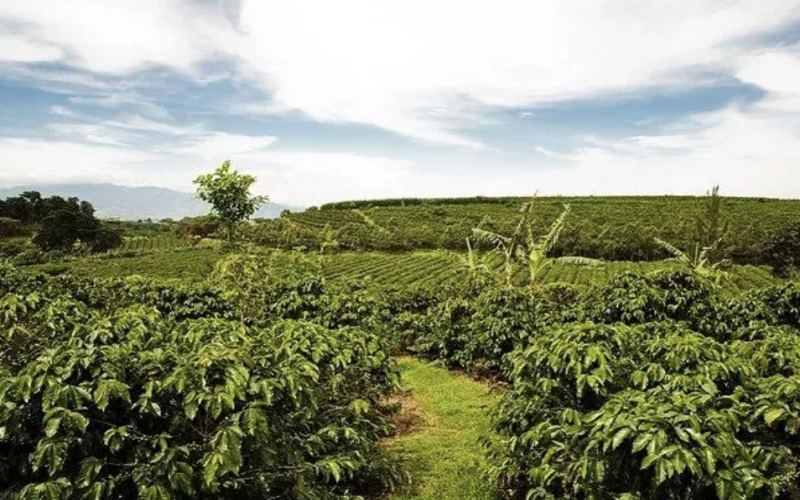
Costa Rica plans to meet the EU market and launch "deforestation-free coffee".
Recently, according to reports from Elmundo in Costa Rica, Costa Rica launched the first batch of "deforestation-free coffee". This batch of coffee beans was harvested after December 2020, ensuring that no forests were cut down to expand the planting [more…]
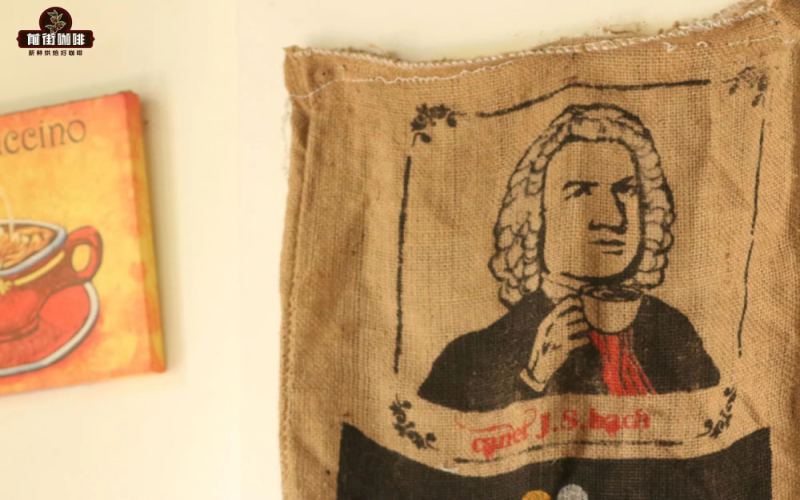
Flavor Analysis of Costa Rica Musician Series Coffee Beans: The Characteristics and Stories of Beethoven, Mozart, Chopin, and Bach
Costa Rica is famous for its sweet, mild coffee flavor with rich acidity, which is closely tied to its unique honey processing method. Among these, the Musician Series from Canet Estate is particularly special, and Front Street Coffee believes that the flavor variations of these coffees are like leaping musical notes. This article will provide a detailed introduction to the origins, altitudes, varieties, processing methods, and flavor characteristics of Front Street Coffee's Costa Rica Mozart, Bach, Beethoven, and Chopin coffee beans, and will also tell the story of the birth of the Musician Series, including the growing conditions of Canet Estate, Costa Rica's coffee bean grading system, the characteristics of the Caturra and Catuai varieties, and the complete processes of raisin honey processing and washed processing, helping coffee enthusiasts choose the Musician Series coffee beans that suit them. [more…]

Costa Rica 2024 COE Washed Category Champion Hacienda Santa Teresa: An In-Depth Analysis
The 2024 Costa Rica COE competition washed category champion was won by Hacienda Santa Teresa with a score of 92.04. What exactly makes this estate, located in the Tarrazú production region, so unique? As a major coffee powerhouse in Central America, Costa Rica has seven distinctive production regions, among which the Los Santos area attracts much attention because of Tarrazú's fame. Hacienda Santa Teresa is situated in the high-altitude zone of the Cordillera Central at 1,900-2,050 meters, cultivating varieties such as Geisha, Sudan Rume, and Pacamara, and has long participated in the Blue Flag environmental certification program. This article will guide you through Costa Rica's coffee terroir, its production region divisions, and Hacienda Santa Teresa's progression from eighth place in the 2022 COE to champion in the 2024 washed category. Front Street Coffee will also recommend related products for you. [more…]
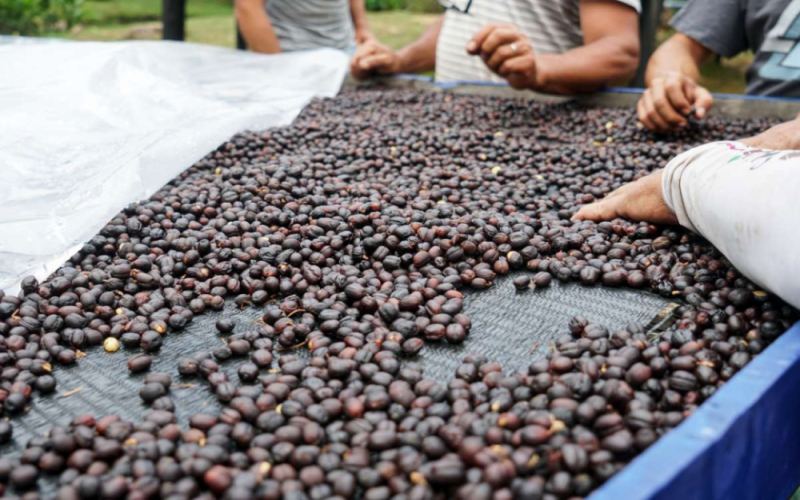
Costa Rica Tarrazu Coffee Region Analysis: Raisin Honey Process Mirasu Flavor, Brewing Parameters, and Growing Advantages
Costa Rica is world-renowned for its honey-processed coffee, and the Tarrazú region is among the very best. This article focuses on Front Street Coffee's Costa Rica Mirazu coffee, tracing the history of coffee cultivation in Costa Rica and the birth of the honey process, explaining in detail the difference between raisin honey processing and traditional honey processing, and introducing the terroir conditions, grading standards, and variety composition of the Mirazu estate in the Tarrazú region. It also includes Front Street's V60 pour-over extraction parameters to help coffee lovers gain a comprehensive understanding of this Costa Rican coffee that combines floral aromas with berry sweetness. [more…]
Analysis of the Flavor, Origin Background, and Pour-Over Brewing Plan for Costa Rica Tarrazú San Román Washed Coffee Beans
Costa Rica's Tarrazu region is renowned for its exceptional natural conditions and is widely recognized as a top-tier coffee-producing area. The San Roman processing plant, located in this region, primarily uses the washed process, and its coffees display intense, rich flavor profiles with a full body. Front Street Coffee's Costa Rica San Roman Royal Coffee comes from here, and after medium-dark roasting it presents a complex aroma of berries, caramel, cream, and delicate spices. This article will outline the terroir background of the Tarrazu region, the graded fermentation process at the San Roman processing plant, and the development trajectory of Costa Rica's coffee industry, along with the specific parameters for Front Street's pour-over brewing of this bean for coffee enthusiasts' reference. [more…]

Exploring Costa Rica's Western Valley: A Full Analysis of Coffee Cultivation at Blue Volcano Estate
Costa Rica, as a major coffee-producing country in Central America, is known for its West Valley region, which is famous for its fertile volcanic soil and pleasant climate. Hacienda Blue Volcano is located here, and has not only stood out multiple times in COE competitions, but also won the championship in 2013. This article will guide you through the estate's historical heritage, cultivation philosophy, and rich variety of beans, and recommend related products from Front Street Coffee, making it suitable for every coffee enthusiast to explore in depth. [more…]
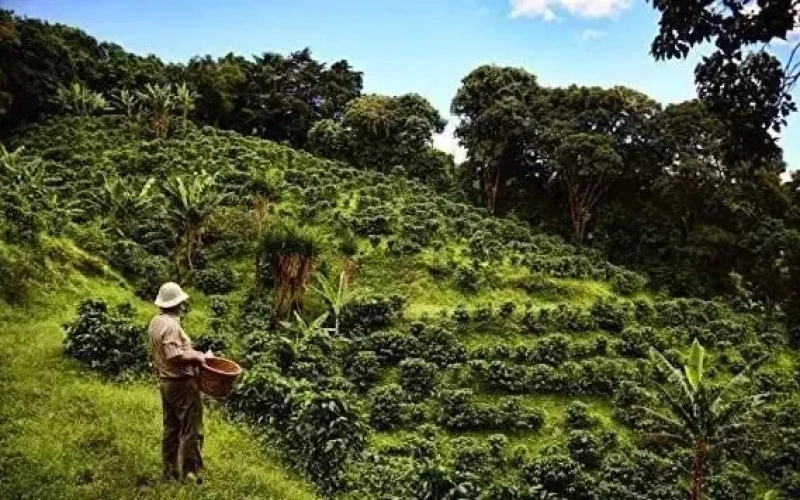
Under multiple pressures, Costa Rica's coffee industry continues to shrink, with production nearly halved compared to the 1990s.
Costa Rica has long been renowned for its deep-rooted coffee tradition and high-quality beans, and coffee cultivation was once a cornerstone of the national economy. In recent years, however, this Central American country's coffee industry has been in steady decline—production has fallen from 3.5 million bags (60 kg/bag) in the 1990s to 1.7 million bags (60 kg/bag) today. Exchange rate fluctuations, policy adjustments, labor shortages, and competition from other coffee-producing countries in the Americas have combined to drive the downturn. At the same time, Costa Rica's economic structure has been transforming rapidly: tourism, pharmaceuticals, and IT are booming, and the service sector now accounts for nearly half of domestic economic output, while agriculture's role is increasingly marginalized. Climate change is affecting coffee quality, geopolitics is driving up the cost of inputs such as fertilizer, and tighter immigration policies are making seasonal labor even scarcer. Looking ahead, industry views are divided: some believe that investment and support can help the industry overcome its difficulties, while others worry that smallholder farmers and traditional growing regions will fall behind in global market competition. This article reviews the current state of and challenges facing Costa Rica's coffee industry, along with related observations from Front Street Coffee. [more…]
A Detailed Guide to Costa Rica's Musician Series Coffee: Tracing the Origins of the Mozart Bean Variety and Pour-Over Parameters
Costa Rican coffee is renowned for its prominent sweetness, bright acidity, and smooth mouthfeel, and the Musician Series from Canet Estate is particularly special. This article will systematically review the flavor characteristics of four Front Street Coffee beans—Mozart, Bach, Beethoven, and Chopin—and provide an in-depth analysis of Canet Estate's growing conditions, the SHB (Strictly Hard Bean) grading standard, and the origins of the three major varieties: Caturra, Catuai, and H1. At the same time, the article will break down the specific processes of raisin honey processing and washed processing, helping you understand the craft logic behind the flavor differences in the Musician Series and providing a reference for choosing Front Street Coffee beans that suit your own taste. [more…]

Costa Rica Geisha Flavor Analysis: Brewing Parameters and Origin Story of the Mirazu Strawberry Candy Blend
Although Geisha coffee is famous for its connection to Panama, its varietal lineage entered Central America through Costa Rica. This article traces the spread of Geisha from Ethiopia to Costa Rica and then to Panama, and focuses on the Costa Rica Mirazu Estate Strawberry Candy Geisha blend introduced by Front Street Coffee. This blend is composed of 50% Geisha and 50% ET47, SL28, and MAICO, undergoes raisin honey processing, and presents jasmine floral aromas, raisin sweetness, and strawberry gummy candy flavors. The article explains in detail the estate's varietal background and processing methods, and includes Front Street's V60 pour-over parameters and brewing technique, providing a complete reference for coffee enthusiasts. [more…]
Tracing the History of Coffee Cultivation in Costa Rica: The Central American Birthplace and an Analysis of the Tarrazú Mirazú Estate
Costa Rica was the first country in Central America to cultivate coffee. Its coffee industry has developed since the mid-18th century and is renowned for its well-established organizational system and world-class quality. The country's seven main producing regions are distributed along the Central Plateau from northwest to southeast. Volcanic ash soil, mild temperatures, and abundant rainfall create exceptionally favorable growing conditions. The coffee beans produced are all Arabica, with pure flavor, pleasant aroma, and an excellent balance of acidity and body, making them suitable both as single-origin coffee and for blending. This article will trace the origins of coffee in Central America, explain in detail the cultivation altitudes, harvest seasons, and cupping performance of Costa Rica's producing regions, and focus on the world-famous Tarrazu region and Mirazu Estate, while also offering related recommendations from Front Street Coffee. [more…]
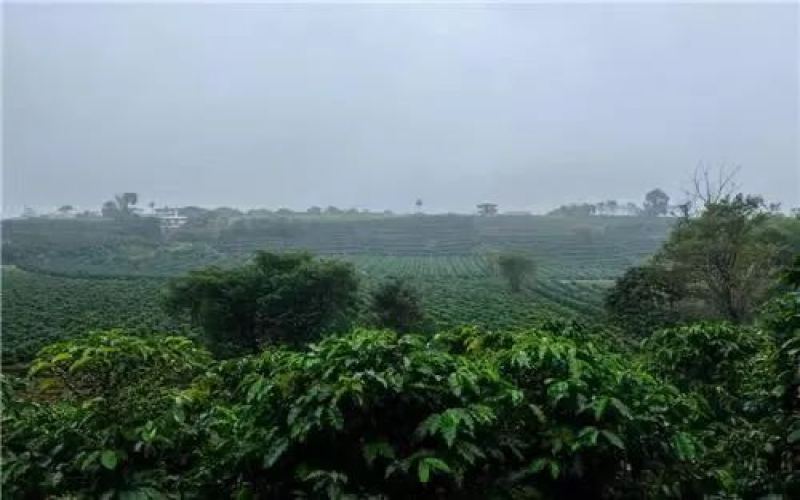
Costa Rica Tarrazú Mirazú Estate: A Complete Guide to Strawberry Candy Coffee Beans and Raisin Honey Processing
Costa Rica is located in Central America and, with its volcanic soil and excellent climate, has become an important producer of high-quality Arabica coffee. Among its many producing regions, Tarrazú is known for its designation of origin and hard-bean flavor, and Mirazu Estate is one of its small but exquisite gems. The estate owner, Esteban Sanches, has a formal professional background and is both a coffee expert and a machine doctor. He applies raisin honey processing to the extreme, creating strawberry candy coffee beans with abundant sweetness and a unique flavor. Front Street Coffee selects these beans from Mirazu Estate in Tarrazú. Brewed with a V60, they present rich layers of rose fragrance, strawberry, raisin, and almond, with a silky mouthfeel and full sweetness. This article will introduce Costa Rica's coffee-growing background, the terroir of the Tarrazú producing region, the story of Mirazu Estate, and the secrets of raisin honey processing, while also sharing Front Street Coffee's brewing experience. [more…]

An Analysis of Costa Rica's Eight Major Coffee Regions: Front Street Coffee Musician Series Mozart, Beethoven, and Bach Pour-Over Flavor Comparison and Recommendations
Costa Rica is renowned for its honey processing and is called by many coffee lovers the sweetest producing region in the Americas. Front Street Coffee's Musician Series—Mozart, Beethoven, and Bach—all come from Hacienda Canet in the Tarrazú region, yet present completely different flavors due to differences in variety, altitude, and processing method. This article systematically reviews Costa Rica's eight major producing regions, explains the difference between honey processing and raisin honey processing, and introduces one by one the regional information, flavor characteristics, and pour-over performance of the three beans, with Front Street's brewing parameters and tasting notes attached. It is suitable for enthusiasts who want to gain a deeper understanding of Costa Rican coffee. [more…]

Costa Rican Coffee Bean Regions, Varieties, and Flavor Characteristics: Eight Major Producing Areas Including Tarrazú and Front Street Recommendations
Costa Rican coffee has long been renowned for its rich body and bright acidity, making it one of the representatives of high-altitude specialty Arabica. This article systematically reviews the country's main producing regions—Tarrazú, Monte Criso, Alajuela, Cartago, Heredia, and Tres Ríos—and introduces cultivars such as Typica, Caturra, Catuai, Villa Sarchi, Bourbon, and Gesha, as well as washed and drum-dried processing methods. The article also includes purchasing suggestions for Front Street Mozart, Front Street Strawberry Candy, and Front Street Tarrazú, helping coffee enthusiasts gain a comprehensive understanding of the flavor characteristics of Costa Rican coffee and how to choose it. [more…]

Costa Rica Coffee Flavor Analysis: Tarrazú Region Characteristics, Varieties and Processing Methods, and Pour-Over Parameter Guide
Costa Rican coffee has always been known for its balanced and mild character, harmoniously combining acidity, sweetness, and chocolatey bitterness, making it a steady and classic representative among American coffees. From the bean-selection perspective of Front Street Coffee, this article systematically reviews Costa Rica's growing environment, the distribution of its eight major producing regions, key varieties such as Bourbon and Caturra, and the differences between two processing methods: washed and honey. It also includes specific pour-over parameters for several Front Street single-origin coffees—Costa Rica Tarrazu, Mirazu, Mozart, and Baja—to help coffee lovers recreate a clean and smooth Costa Rican flavor at home. [more…]