







Search Results for: Regional Flavor
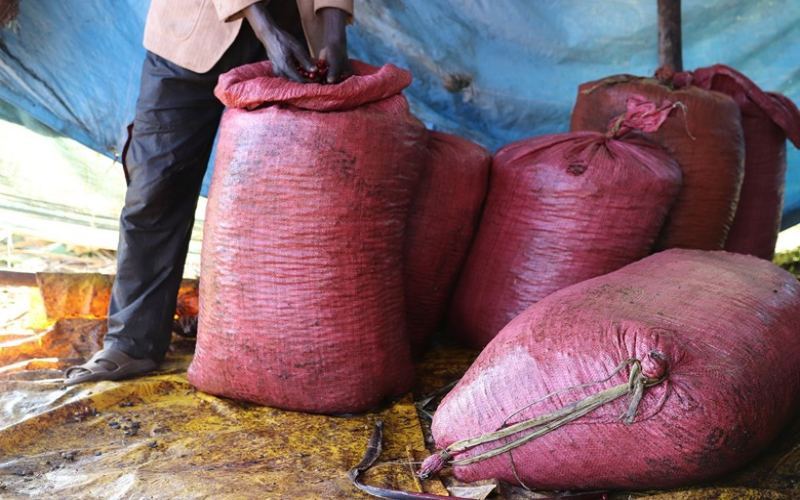
Arabica's Regional Flavors: Ethiopian Floral and Fruity Notes vs. Central and South American Sweetness
One of the most fascinating aspects of Arabica flavor is the imprint of its origin. Even though they are all Arabica beans, those from Ethiopia, Colombia, or Brazil often perform noticeably differently in the cup. Origin is like a coffee's flavor business card—once you understand it, you have a direction for choosing beans. Ethiopia is the birthplace of Arabica, and the cof [more…]
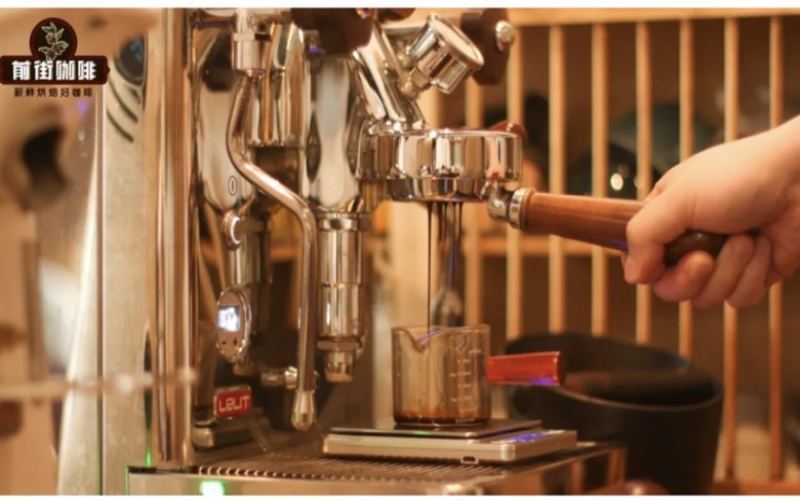
Regional Styles of Espresso: Espresso Performance from Brazil to Ethiopia
Espresso is dominated by blends, but every coffee-producing region leaves its own distinctive stylistic stamp on espresso. Understanding the flavor characteristics different regions bring to espresso lets you, whether choosing a single-origin espresso or a blend, find the beans that suit your taste with greater direction. Brazil holds a pivotal place in the world of espresso. [more…]
What Coffee Beans Are Suitable for a Bialetti Moka Pot: A Reference for Pairing Regional Characteristics with Brewing Methods
When you're just getting into coffee beans, chasing too many flavors at once can easily overwhelm you. It's better to start with a bean that has a clear profile and holds up well across different brewers, keeping the dose, grind, and water temperature consistent, then noticing the differences in the initial sip, sweetness, and finish. Over time, you'll develop your own flavor coordinates. A moka pot is a device that works by steam pressure; when loading the grounds, [more…]

Origin Flavors of Cold Brew Coffee: Ethiopian Fruit Acidity and Brazilian Nutty Sweetness
The flavor of cold brew coffee depends largely on the regional characteristics of the coffee beans; beans from different regions will present completely different flavor directions during low-temperature slow extraction. The low-temperature immersion method of cold brew gently extracts the sweetness and aromatic substances in the coffee while suppressing bitterness and sharp acidity, which allows the flavor characteristics of each region to be [more…]
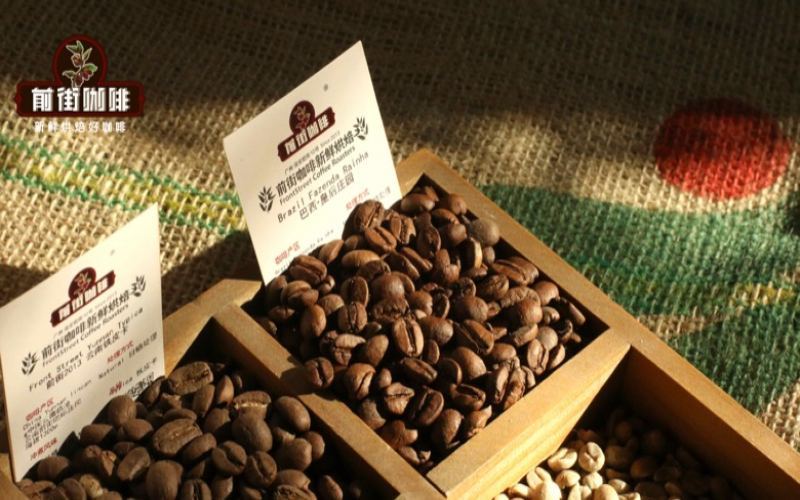
The Regional Foundation of Commercial Espresso Blends: Brazil, Colombia, and the Trade-offs of Single-Origin SOE
When choosing espresso beans for a coffee shop, the origin structure is the key factor determining the flavor direction. Commercial espresso beans fall into two main routes: one is the blend base, and the other is single-origin SOE; each has its own positioning and suitable scenarios. Blended beans are the mainstream choice for commercial espresso. The core idea of blending is to use beans from different origins to complement each other, with Brazil providing [more…]
Pour-over Origins and Altitude vs. Flavor: Why High-Grown Beans Have More Prominent Sweetness and Acidity
The altitude of a coffee-growing region is one of the underlying variables that shape flavor in the cup. The same variety, processed the same way, can taste noticeably different depending on the altitude at which it is grown. Understanding how altitude affects flavor can help pour-over enthusiasts choose regional beans more precisely. The core advantage of high-altitude regions lies in the temperature difference between day and night. [more…]
A Complete Guide to Coffee Bean Varieties and an In-Depth Look at the Flavor Profiles of the World's Three Major Producing Regions
The flavor code of coffee is often hidden in the land where it grows. From Brazil and Colombia in South America, to Costa Rica and Guatemala in Central America, to Jamaica Blue Mountain in the Caribbean, as well as Kenya and Ethiopia in Africa and Indonesia in Asia, each producing region gives coffee beans a unique personality. This article systematically sorts out the flavor characteristics and representative bean varieties of the world's major coffee producing regions, helping coffee lovers build a clear framework for understanding regional flavors. Whether you are a beginner just starting out or a seasoned connoisseur seeking to advance, this producing-region guide can provide practical reference for your purchasing and tasting. Front Street Coffee will also combine regional characteristics to recommend classic beans worth trying for you. [more…]
Can the roast level reveal whether Yirgacheffe is authentic?
Judging Yirgacheffe coffee beans by roast level is a very useful observational clue, but it cannot serve as proof of origin on its own. Light, medium, and dark roasts will change the acidity, sweetness, aroma, and body, and will also affect people's perception of the region's characteristics. When selecting beans, the roast performance should be considered alongside origin, processing method, and lot information. [more…]
Arabica Coffee Brand Ranking | What Are the World's Six Major Coffee Beans? Which Country's Regional Coffee Makes the Best Hand-Brewed Black Coffee?
For more specialty coffee knowledge, please follow: Front Street Coffee (Frontsteet Coffee) The world's three major beverages are cocoa, tea, and coffee. Among them, coffee was only introduced to China just over a hundred years ago, but it is only in recent years that coffee's development in China has grown increasingly massive, and the number of coffee drinkers has [more…]

Brazilian Bourbon Coffee Beans | Introduction to Brazilian Coffee Grading, Processing Methods, Regional Characteristics and Flavors, and Brand Recommendations for Brazilian Red Bourbon and Yellow Bourbon
For more specialty coffee knowledge, please follow: Front Street Coffee (Frontsteet Coffee) Brazil is the largest coffee-producing country in the world, with coffee beans of various grades and types. Brazil's domestic coffee consumption accounts for one-third of the global total, and at the same time Brazil's coffee trade [more…]

Breaking Down the Degassing Cycles of Blends and SOE: Calculate the Peak Flavor Window and Plan Your Drinking Rhythm
Freshly roasted coffee beans are wrapped in a large amount of carbon dioxide inside; these gases are slowly released over the following weeks, directly affecting the extraction efficiency of hot water and the expression of flavor. Espresso blends and single-origin espresso beans, due to differences in roast depth and bean texture, do not share the same gas release rate and peak flavor fullness. [more…]
Three Flavor Levels of Dark Roasted Beans: Which Roast Level Suits You Best?
Dark-roasted beans don't have just one flavor. As the roast progresses from medium-dark all the way to dark, the acidity in the coffee gradually recedes, while nutty, cocoa, caramel, and roasted aromas become more prominent, and the mouthfeel shifts from crisp to full-bodied. To pick the right beans, start by checking the roast level on the packaging, then decide whether you care more about aroma or sweetness. [more…]
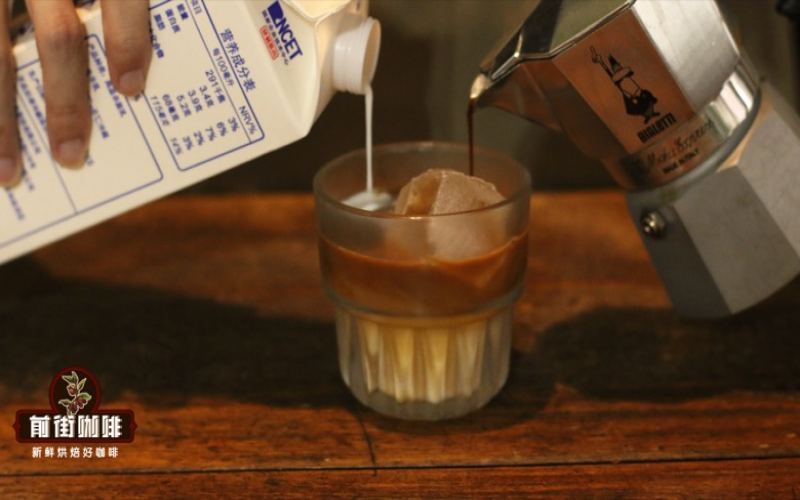
Exploring Single-Origin Beans in the Moka Pot: How Estate Beans Perform in the Pot
Making single-origin beans in a moka pot is a direction many enthusiasts love to explore once they have advanced. Usually, a moka pot is used with blended beans for a reliable, tasty cup, but swap in an estate single-origin bean, and the moka pot can also bring out surprising regional flavors—opening up a whole new way to use the same piece of equipment. When estate single-origin beans are brewed in a moka pot, the flavor presentation has its own [more…]

Beginner's Guide to Everyday Coffee Beans | Which Regional Coffee Beans Are Neither Sour Nor Bitter for Pour-Over and Espresso? Affordable and Delicious Single-Origin Coffee Bean Recommendations
Coffee is one of the world's three major beverages. It has a richer aroma than cocoa and is more refreshing than tea, which is why many people have made a habit of drinking coffee. But nowadays there are so many kinds of coffee on the market, and the taste of freshly ground coffee varies so much. Given all these variations in taste, how exactly should you choose freshly ground coffee? How can you buy something that is both delicious and [more…]

SOE Coffee Beans | What Do SOE Coffee Beans Mean? How Is SOE Single-Origin Espresso Made?
For more specialty coffee knowledge, please follow our WeChat official account: FrontStreet Coffee "Passing by a coffee shop, I noticed below the espresso menu it said [Switch to SOE for 3 yuan extra]." So what exactly is this SOE, and will it taste better if you switch to it! In this article, the barista [more…]
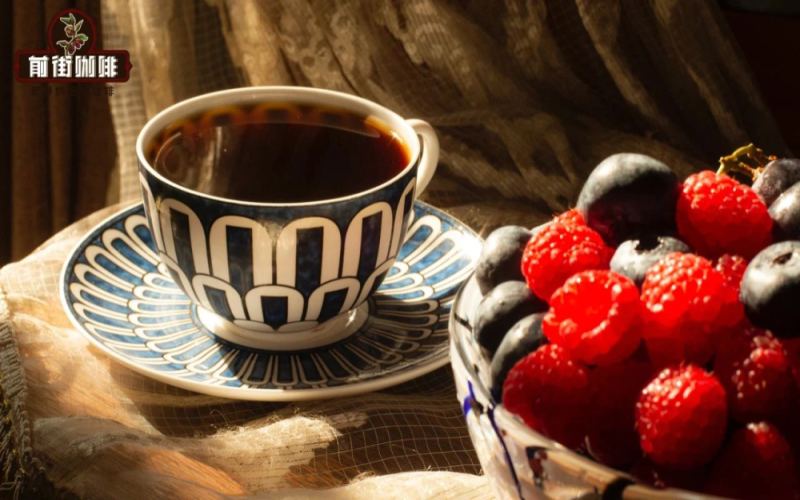
Single-Origin vs. Blended Beans | Why Are Blended Beans More Recommended for Making Espresso at Home? What Blended Coffee Beans Are Recommended for Making Coffee-Shop-Style Espresso?
Another meaning of specialty coffee is single-origin coffee, which refers to coffee beans from the same region that have distinct regional characteristics—for example, Ethiopian coffee has floral and fruity notes, Colombian coffee has chocolate notes, and Indonesian coffee has herbal notes… This is the influence of terroir. So when drinking pour-over coffee, one tends to choose beans from a single [more…]
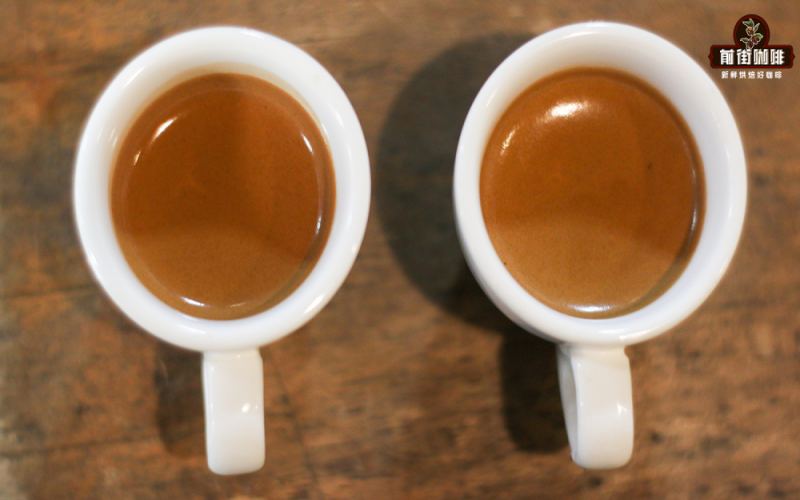
Specialty Coffee Bean Recommendations for Espresso | What Is the Coffee-to-Water Ratio for Espresso Extraction? How Can Coffee Beginners Choose SOE Coffee Beans?
As coffee quality improves, more and more single-origin beans are being used to make espresso on the market. This type of espresso, which emphasizes regional flavors, differs from the espresso that traditionally uses blended coffee beans. Not all single-origin beans are suitable for making espresso. Today, Front Street Coffee will explain SOE and how [more…]
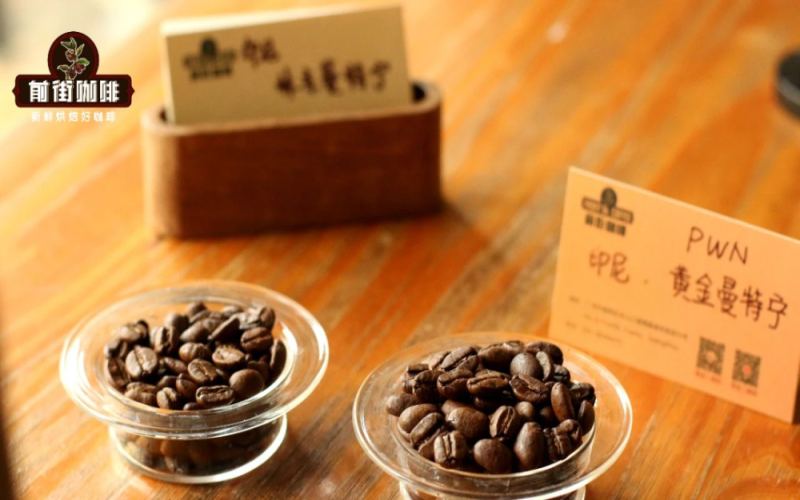
Hand-brewed coffee everyday beans | What are the high-quality coffee bean producing regions? Recommendations for light, medium, and dark roast single-origin beans suitable for coffee beginners to start hand-brewing
If you drink coffee every day, then you definitely need to stock up on enough daily staples in advance—that is, cheap yet good-tasting coffee beans. Here, to help everyone avoid spending money "unnecessarily," we've selected the most locally representative beans from major producing regions. How should coffee novices choose coffee beans? Front Street Coffee often gets asked by customers: [more…]
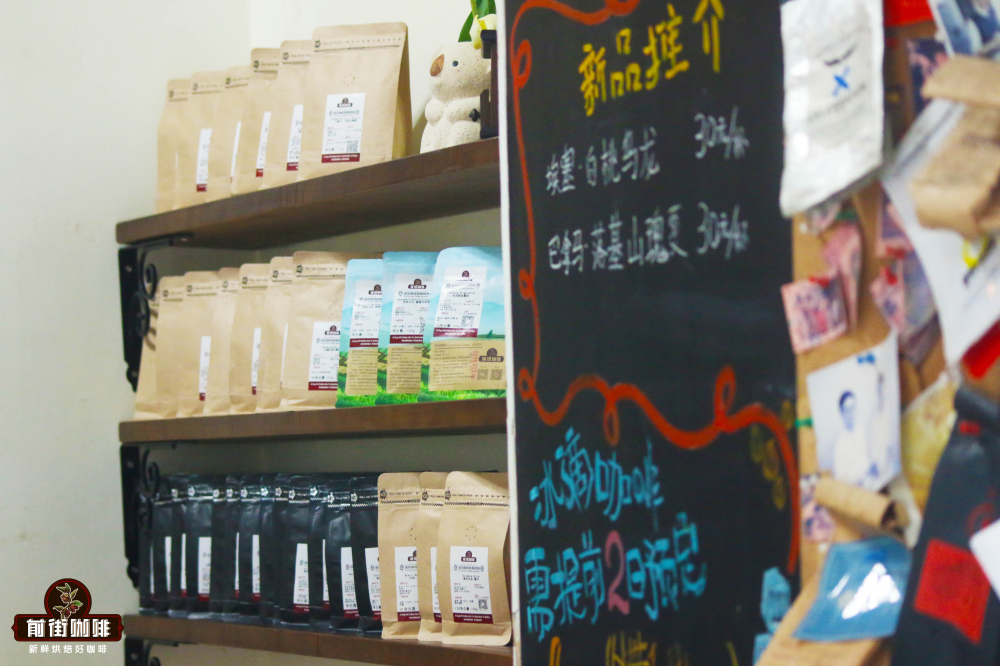
SOE Coffee Making | How Are SOE Beans Different from Espresso Blend Beans? Which Tastes Better, SOE Coffee or Blend Coffee? Which Coffee Beans Can You Choose for Making SOE at Home?
As the habit of drinking coffee gradually integrates into the daily lives of Chinese people, the demand for coffee keeps growing and becoming more refined. In order to create their own distinctive features, major chain brands have successively launched personalized SOE coffee, forming a new trend. What is the difference between SOE and blends? In specialty coffee [more…]
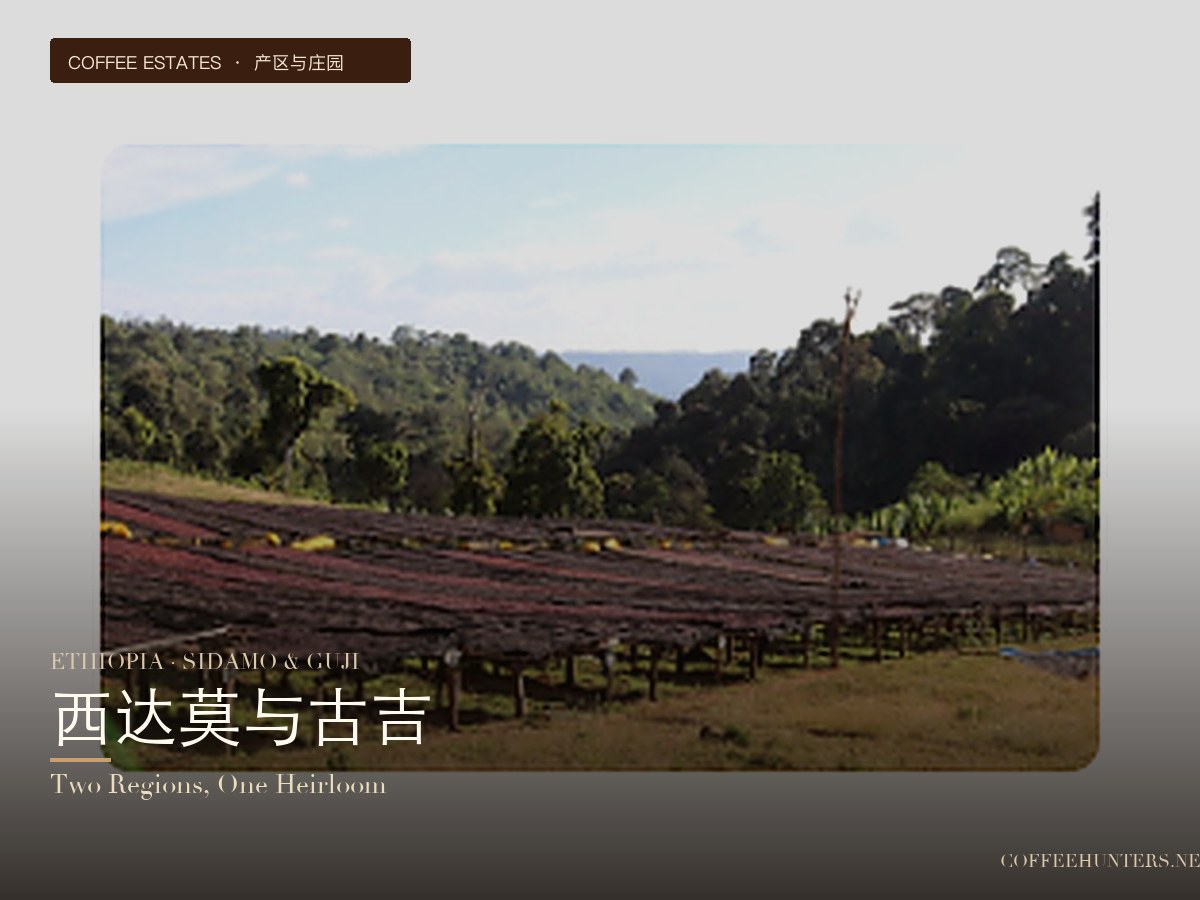
Ethiopia: Sidamo and Guji: A Flavor Divide Between Two Major Producing Regions
Sidamo and Guji are the two specialty coffee regions in southern Ethiopia most often mentioned side by side. This article helps you clarify the flavor divide between them from four dimensions: history, geography, variety, and processing method. [more…]