








Yirgacheffe is the signature region of Ethiopian specialty coffee, renowned worldwide for its citrus and floral aromas and bright acidity. This article starts with three distinct Yirgacheffe offerings—Front Street Coffee washed Yirgacheffe, natural Red Cherry G1, and washed Gudingding G1—analyzing their flavor profiles and suitable applications one by one; it then takes a deeper look at Yirgacheffe's regional geography, altitude conditions, heirloom bean background, and the impact of natural and washed processing methods on flavor. Whether you are a newcomer just getting into specialty coffee or a seasoned drinker looking for advanced beans, you will find valuable reference information here.
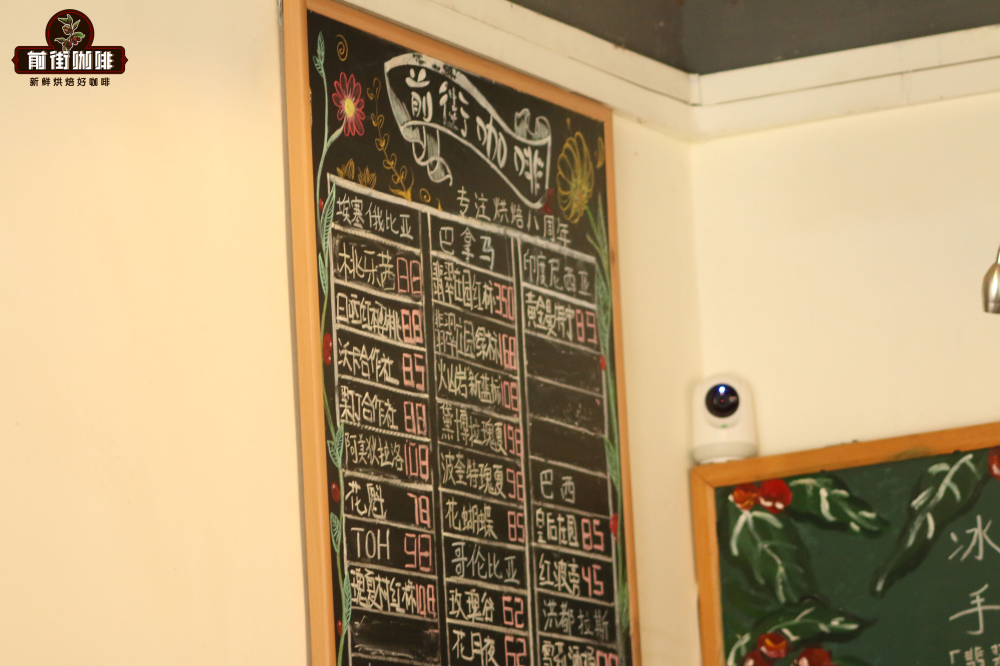
Among the many specialty coffees of Ethiopia, Yirgacheffe has always been the one that generates the most buzz. Whether it is a veteran enthusiast who has been drinking it for years or a newcomer who has just stepped through the door of specialty coffee, everyone seems to have a special fondness for this name. What exactly makes it so popular?
Let's first get to know three distinctive Yirgacheffe coffees:
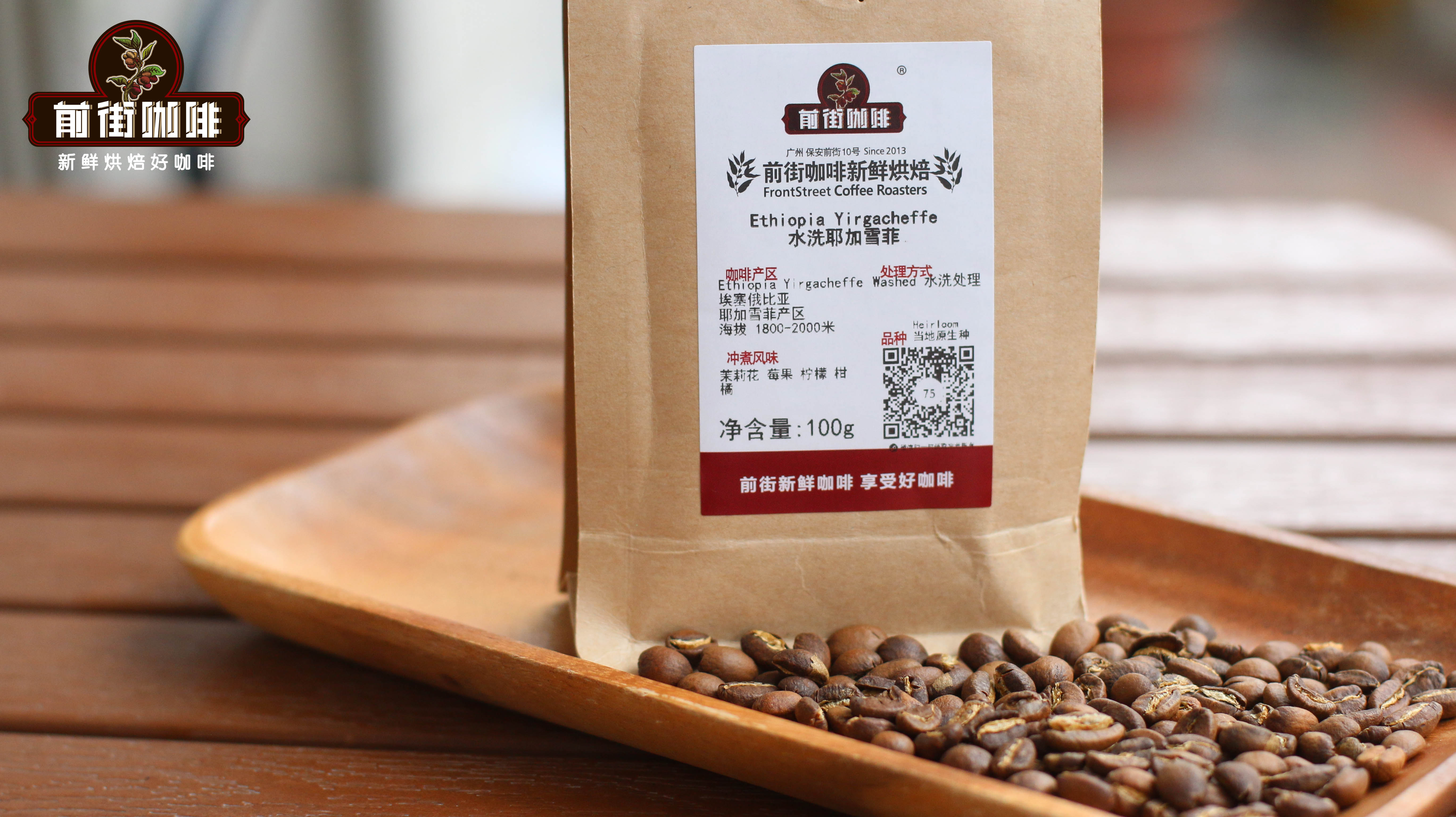
① Front Street Coffee. Washed Yirgacheffe: the one most worth trying when you are just starting out
Flavor direction: white florals, citrus, berries, tea-like
Why we recommend it: It is a typical representative of great value, with the classic white-flower tea note, a gentle entry, and a sweet finish within its elegance. It works well for pour-over, drip bags, or cold brew.
② Front Street Coffee. Natural Red Cherry G1: choose this when you want a richer fruity aroma
Flavor direction: berries, citrus, florals, apricot, slight fermented note
The so-called natural processing method means taking the harvested coffee cherries and drying them directly in the sun without any other prior processing. This is the oldest known processing method, and the entire drying cycle often lasts around four weeks. The operation must be extremely rigorous, otherwise the coffee's flavor can easily be lost. Natural beans usually carry a complete natural richness, soft aromas, and a more pronounced syrupy body.
③ Front Street Coffee. Washed Gudingding G1: the choice that highlights floral and tea aromas
Flavor direction: jasmine, yellow lemon, apricot, green tea, blueberry
The idea behind the washed method is to use water and fermentation to remove the coffee's skin, pulp, and mucilage completely, washing until the surface of the beans is smooth and clean. After washing is completed, the coffee beans are still wrapped in the parchment layer, with a moisture content of about 50%. At this point they must be dried to bring the moisture content down to around 12%, otherwise the beans will continue to ferment and then become moldy and spoiled. The ideal drying method is to rely on sunlight; although it takes 1 to 3 weeks, the flavor performance is exceptionally outstanding, which is why it is highly favored.
Essential knowledge about the Yirgacheffe region
Yirgacheffe is not the name of a specific coffee bean; it refers to a coffee-producing origin. The area covers the town of Yirgacheffe northwest of Sidamo Province in Ethiopia, as well as the three sub-regions around the town: Wenago, Kochere, and Gelena Abaya. Here, mountains meet lakes, the natural conditions are superior, and the average altitude ranges from 1,700 to 2,100 meters, placing it among the highest coffee-producing regions in the world. It is also a calling card of Ethiopian specialty coffee.
The Yirgacheffe region is made up of multiple surrounding coffee communities or cooperatives. The mountain town is shrouded in mist year-round, with mild spring-like weather in all four seasons—summer winds arrive without scorching heat, rain falls without dampness, and winter brings no cold damage. It is precisely these conditions that give rise to the citrus and floral character unique to garden coffee, as well as its elusive terroir variations.
Although the coffee produced in this area can all be called Yirgacheffe, there is no clear statement about its bean varieties. Ethiopian coffee varieties are simply too complex; local farmers are accustomed to mixed planting and mixed harvesting, making it impossible to distinguish specific varieties, so they are collectively called Ethiopian Heirloom. Yirgacheffe is also mainly based on this type of heirloom variety. However, in recent years, driven by the CoE, various Ethiopian regions including Yirgacheffe have begun to see single-variety micro-lots, such as numbered varieties like 74110 and 74112.

For this reason, coffee beans from different estates in the Yirgacheffe region often vary in screen size, which is also a common characteristic of Ethiopian coffee beans.
In addition to the heirloom factor, Yirgacheffe's unique flavor is inseparable from the geographical environment in which it grows. The high altitude brings a large temperature difference between day and night, slowing the ripening speed of the coffee cherries. As a result, the beans accumulate rich floral and fruity aromas and bright acidity, with a clean and smooth entry and clear layering, ultimately forming the typical regional flavor of Yirgacheffe.
Early Yirgacheffe used traditional natural processing, but limited by equipment and technology, the coffee beans could only be spread directly on the ground to dry, making it easy for them to absorb earthy odors and causing quality to fluctuate. Later, the Ethiopian government introduced washed processing from Central and South America, and Yirgacheffe's processing standards rose substantially, with flavors becoming clearer and more distinct. Washed coffee has a clean, fresh, soft, and smooth mouthfeel, with its signature floral aroma especially prominent.
The above content is compiled by CoffeeHunters, a coffee news website.


