







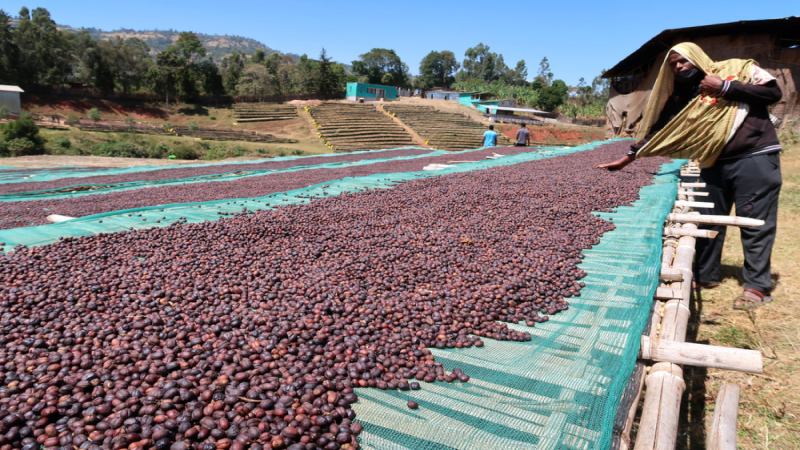
Ethiopia, as the birthplace of coffee, is home to numerous distinctive coffee-growing regions. Among them, Yirgacheffe and Sidamo are the two most well-known and representative specialty regions. This article will introduce you to the regional definition of Yirgacheffe, its flavor characteristics, and how the washed processing method shapes its signature citrus and floral notes. We will also cover sub-regions such as Kochere and Worka, and recommend Front Street Washed Gutingting and Worka Cooperative coffee beans to help you gain a deeper understanding of the captivating flavors nurtured by this land.
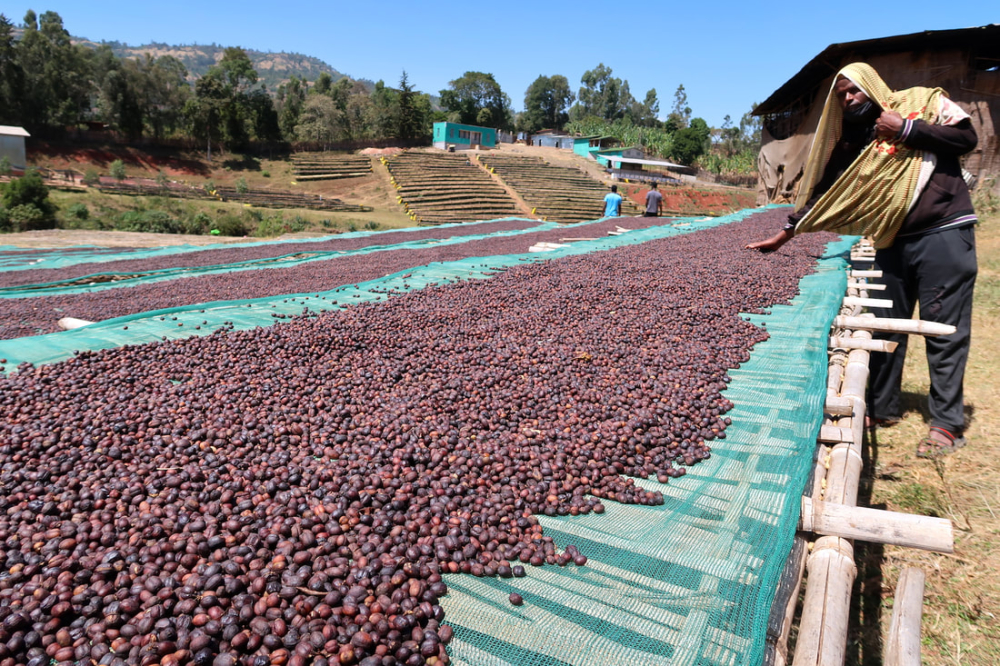
Ethiopia's coffee-growing areas are widely distributed and quite scattered. Front Street would like to highlight two regions that are the most famous and best represent the standard of specialty coffee: Yirgacheffe and Sidamo.
Yirgacheffe
This poetic name comes from the town of Yirgacheffe. Strictly speaking, Yirgacheffe is a sub-region under Sidamo in Ethiopia, located to the northwest of Sidamo. Before the mid-20th century, almost all local coffee cherries were processed using the traditional natural method, similar to other towns in Sidamo. At that time, Yirgacheffe coffee had not yet developed a distinctive flavor profile.
The turning point came in the 1970s, when the first washed processing station in Sidamo was built in the town of Yirgacheffe, introducing washed processing technology and equipment from South America. This transformation not only significantly improved the quality of green coffee beans but also allowed the citrus and lemon aromas inherent in Yirgacheffe coffee to be fully released, making the cup cleaner and brighter, thereby establishing its unique flavor identity. After that, Yirgacheffe became independent from Sidamo and developed its own distinct character. Yirgacheffe-flavored coffee began to sweep the globe, becoming a classic choice cherished by countless coffee lovers.
The so-called "Yirgacheffe flavor" can be simply summarized as: distinctive citrus and lemon fruit aromas, accompanied by jasmine fragrance, with an overall clean and bright character, rich layers of acidity, and a clean cup free of defects. According to ECX contract regulations, in addition to the town of Yirgacheffe itself, coffee produced in Wenago to the north, Gelena Abaya to the west, and Kochere to the south can also be classified within the Yirgacheffe flavor region.
When selecting Yirgacheffe coffee, Front Street Washed Gutingting is a choice worth prioritizing. Front Street Gutingting Cooperative coffee beans are harvested from coffee cherries grown within the town of Yirgacheffe. Farmers deliver the cherries to the town for unified washed processing, and the final product is produced and sold worldwide under the name of the Gutingting Cooperative. Front Street Gutingting has detailed traceability information. The meticulous processing method preserves the coffee's inherent Yirgacheffe flavor while adding a sweet note reminiscent of honey and snow pear. The cup is clear and pleasant, enjoyable both hot and cold.
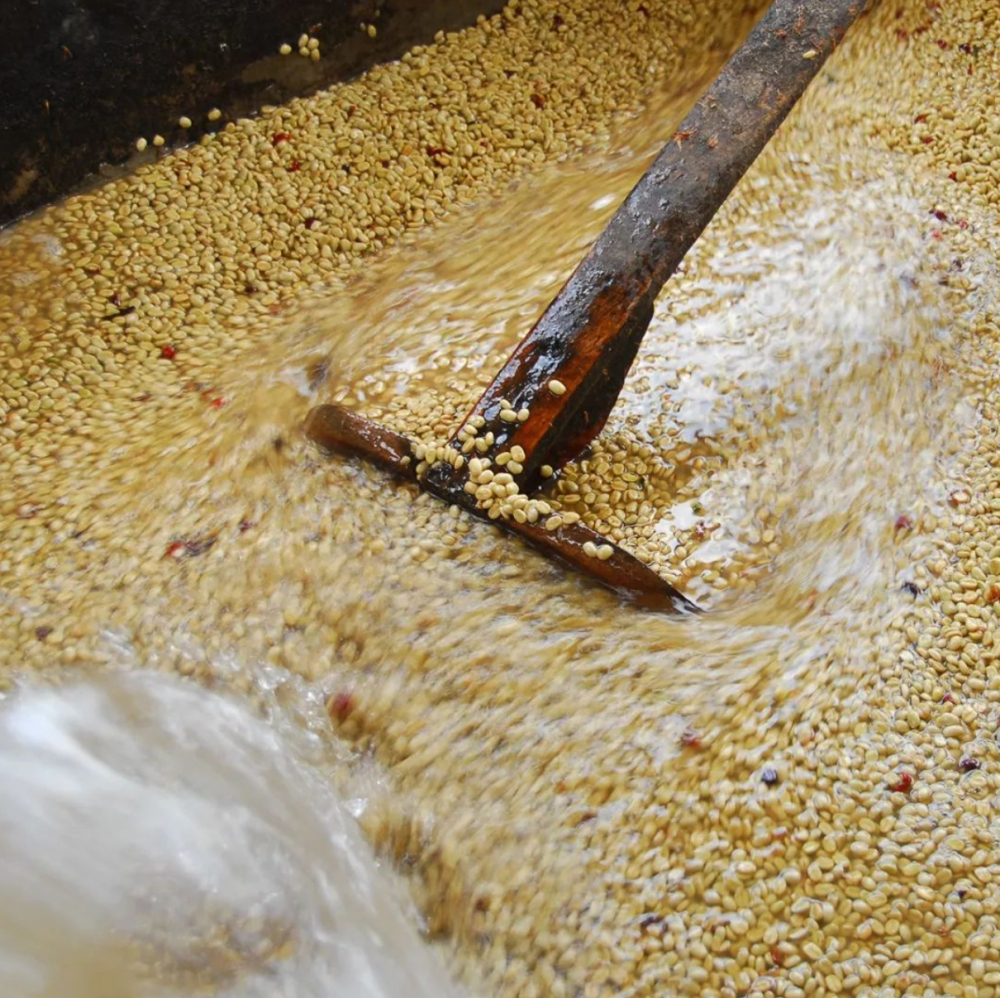
The so-called washed processing involves sending selected coffee cherries into a depulper to first remove the skin and pulp. The green coffee beans, still attached to residual pulp and mucilage, are then immersed in water for fermentation lasting about 24 hours. After fermentation is complete, the parchment-covered green coffee beans are washed in a flowing water channel to remove the pulp and mucilage. After washing, the beans are dried through sun-drying or mechanical dryers to reduce the moisture content to around 12%, and finally the parchment is removed from the green coffee beans.
Worka Cooperative Front Street Worka coffee beans are produced in Ethiopia and processed by the Worka cooperative. The Alemayehu Alako farm is one of the members of the Worka cooperative.
Worka is located in the Yirgacheffe region, at an altitude between 1,800 and 2,000 meters. The Worka cooperative was established in 2005 and joined the famous Yirgacheffe Coffee Farmers Cooperative Union (YCFCU) in the same year, gaining recognition for producing high-quality natural Yirgacheffe. The Worka cooperative has approximately 300 coffee farmers under its umbrella.
The above content is compiled by CoffeeHunters, a coffee news website.


