







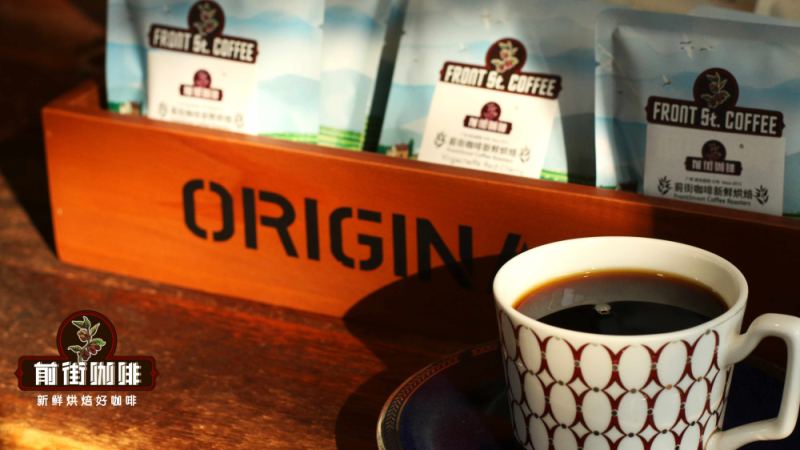
Where Is Coffee Beans Grown and How Do Origins Differ?
Where coffee beans are grown shapes the flavor in the cup, and the main coffee producing countries each carry their own regional profile. This guide covers seven origins used in a daily bean series, from Africa to Yunnan, with the flavor traits of each and the brewing parameters that suit them. Small packages and 100g bags make tasting easier for beginners.
Daily beans are sold at low prices, including during promotional periods, and the series also includes a 15g sample so new drinkers can try before committing. All are freshly roasted. Comparing origins side by side helps beginners learn how soil, altitude, and processing shift sweetness, acidity, and body across regions.
Those just starting out with pour-over coffee often first search online for small packages of coffee beans, worried that buying too much might lead to waste if the flavor doesn't suit them. When searching for "small package pour-over coffee beans" or "100g coffee beans," Front Street's everyday beans frequently appear in the results. Front Street's everyday beans are affordably priced, and during promotional periods the price drops so low it makes people doubt the quality—but Front Street emphasizes that whether large packages or small packages, including the 15g sample included with the beans, they are all high-quality freshly roasted coffee beans. For beginners who want to explore the flavors of major producing regions at a reasonable price, this everyday bean series is a great choice. This article will introduce the definition of regional flavor, the seven origins of Front Street's everyday beans, and the flavor characteristics of each bean along with how to obtain brewing parameters.
When beginners to pour-over coffee buy coffee, they search online for small-package coffee beans, afraid that buying beans that don't suit their taste would be a waste. When searching for "small package pour-over coffee beans" or "100g coffee beans," Front Street's everyday beans can be seen. What are Front Street Coffee (FrontStreet Coffee) everyday beans?
Front Street's everyday beans are cheaply priced, and even when Front Street runs a promotion every half month, the price of the everyday beans can be discounted to an unbelievable level, making people think "is the bean quality not good?" Front Street emphasizes here! It's not like that~ Whether Front Street's large-package coffee beans or small-package coffee beans, including the 15g small sample coffee beans given when buying beans, they are all high-quality freshly roasted coffee beans. Because of the cabbage price and being economical and affordable, they are very suitable as a daily cup of coffee ration.
Beginners just getting into pour-over coffee, how do they choose single-origin coffee beans they like?
At this time, choosing the Front Street Coffee (FrontStreet Coffee) everyday bean series is most suitable. The Front Street Coffee (FrontStreet Coffee) everyday bean series is a group of high-cost-performance regional beans. These beans may come from niche coffee estates, or from the careful cultivation of small coffee farmers in the producing regions. Whether from estates or small farmers, with these coffee beans everyone can drink the main flavors of major producing regions in a highly cost-effective way, and only after gaining some understanding can they advance to coffee beans produced by more specific estates or cooperatives.
What is coffee producing region flavor ?
"Under a producing region's unique microclimate and geographical conditions, coffee beans with regional flavor are cultivated" — this is the international definition of coffee producing region flavor. Based on this definition, Front Street Coffee (FrontStreet Coffee) believes that one of the characteristics of specialty coffee is traceable regional flavor. Different producing regions produce different regional flavors due to differences in local microclimate and growing conditions. Therefore, in its bean selection strategy, Front Street Coffee (FrontStreet Coffee) is more origin-oriented, selecting the most representative beans from each coffee-producing country's origins to put on the shelves.
Where do the coffee beans in Front Street's everyday bean series come from?
The everyday bean series listed by Front Street comes from famous coffee producing regions in seven coffee-producing countries in Africa, Central America, and Asia, respectively coffee beans from Ethiopia's Yirgacheffe region, Colombia's Huila region, Guatemala's Huehuetenango region, Brazil's Cerrado region, Costa Rica's Tarrazú region, Indonesia's Lintong region, and China's Yunnan Baoshan region. Next, follow Front Street to learn what flavors of these seven everyday beans represent their countries' coffee. | Ethiopia Yirgacheffe region coffee beans
The town of Yirgacheffe is located at an altitude of 1700-2100m in Ethiopia, and is one of the highest coffee-producing regions in the world. The high altitude and spring-like climate all year round enable the coffee trees planted in Yirgacheffe to produce coffee beans with interwoven floral and fruity aromas. Front Street believes that the regional flavor of Yirgacheffe is rich citrus-lemon acidity, jasmine aroma, a light and elegant mouthfeel with a tea-like quality, overall much like a cup of floral-fruity tea. To buy high-quality Yirgacheffe, choose Front Street Gudingding. It uses the washed processing method, and the biggest characteristic of the washed method is that it better expresses a clean flavor while enhancing the coffee's acidity.
Front Street Washed Gudingding Yirgacheffe Coffee Beans
Region: Ethiopia Yirgacheffe
Altitude: 1800-2000 meters
Variety: Local heirloom varieties
Processing method: Washed
|Colombia Huila region coffee beans
Huila Department is located in southern Colombia, in the southern part of the Central Cordillera, and is the country's most famous specialty coffee producing region. This area is mountainous terrain surrounded by mountains, with a planting altitude above 1500 meters. Coffee in the Huila producing region is grown on canyon slopes; the slope terrain blocks the cold wind from reaching the coffee trees, the mountain breeze brings coolness without high temperatures, and rainfall is also relatively abundant. Front Street Colombia Huila coffee beans have a full body and a heavier texture. They possess aromas of nuts, chocolate, and caramel and a smooth, pleasant fruity acidity. In addition, because the washed process is used, the coffee's acidity is both soft and intense, and its body is well balanced.
Front Street Colombia Huila Washed Coffee Beans
Region: Colombia Huila
Altitude: 1500-1800 meters
Variety: Caturra
Processing method: Washed
|Brazil Cerrado region coffee beans
Not all coffee grown on the Cerrado savanna is called Cerrado coffee. Only coffee from areas at 1100-1300m altitude can be crowned Cerrado coffee; here lies the essence of the Cerrado savanna, with high altitude and fertile soil. Front Street believes the coffee beans produced in this area are clean and sweet, with high body and no earthy taste. Front Street Brazil Cerrado coffee beans use the semi-dry process, and the coffee flavor has obvious chocolate and nuts, mellow and moderately soft, making them the absolute choice for friends who don't like acidic coffee.
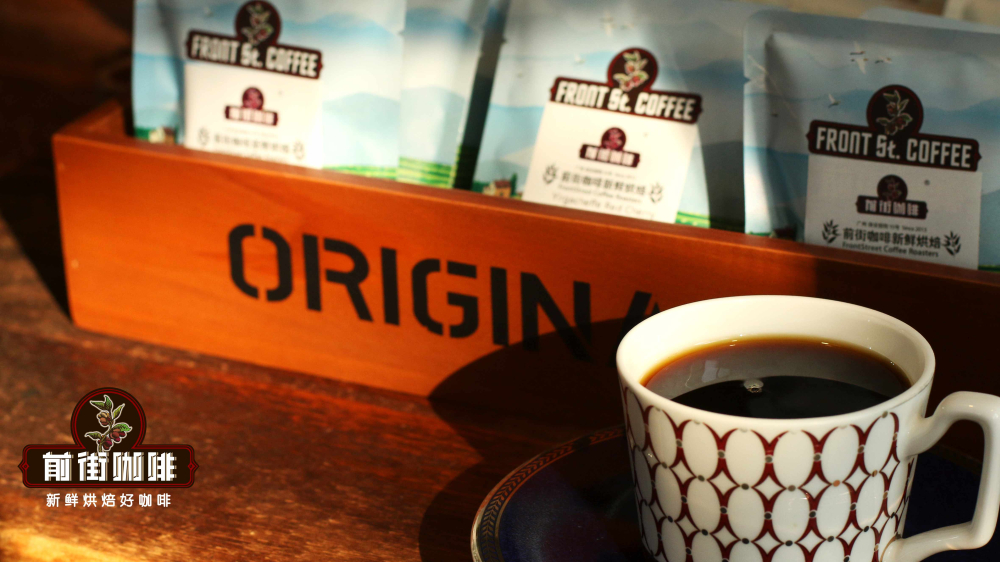
Front Street Brazil Cerrado Semi-Dry Coffee Beans
Region: Brazil Cerrado
Altitude: 1000m
Variety: Red Bourbon
Processing method: Semi-dry
| Costa Rica Tarrazú region coffee beans
Tarrazú is located in the fertile volcanic region of Central America, with a humid climate and fertile volcanic rock soil, abundant rainfall year-round, high altitude, and dense forests providing natural shade, offering a uniquely favorable growing environment for coffee. No pesticides or artificial fertilizers are used during cultivation. Nearly 95% of the coffee beans produced in the high mountains of Tarrazú are Strictly Hard Bean (SHB), generally grown above 1500 meters altitude. The washed Tarrazú coffee beans in Front Street's everyday bean series are plump, overall rich, with a smooth mouthfeel, rich chocolate and nut aromas, moderate acidity, and an enticing fragrance.
Front Street Costa Rica Tarrazú Washed Coffee Beans
Region: Costa Rica Tarrazú
Altitude: 1500 meters
Variety: Caturra, Catuai
Processing method: Washed
| Indonesia Lintong region Mandheling coffee beans
The Lintong coffee producing region is located in the Lintong Hills near Lake Toba in northern Sumatra. This producing region is on a plateau at an altitude of 1000-1500 meters, and within its borders are many volcanoes and numerous volcanic lakes, providing the producing region with abundant volcanic soil. Combined with the local tropical rainforest climate and sufficient rainfall year-round, it provides the most suitable geographical and climatic environment for coffee growth. To drink Asian specialty coffee, the first choice is Front Street Sumatra Mandheling coffee, which uses Indonesia's unique wet-hulling process. Although the flavor overall lacks cleanliness, it can express the mellow mouthfeel, intense taste, and unique herbal spice flavors of Indonesia's coffee producing regions.
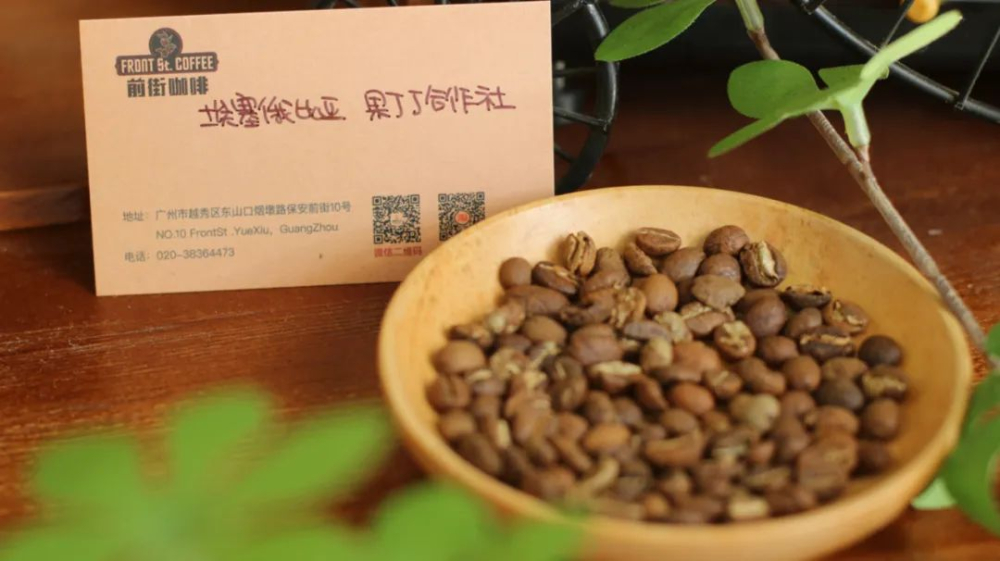
Front Street Lintong Mandheling Coffee Beans
Region: Indonesia Lintong producing region
Altitude: 1100-1600 meters
Variety: Typica, Caturra
Processing method: Wet-hulled
|China Yunnan Baoshan region coffee beans
Baoshan has an average temperature of 21.5°C, with a maximum of 40.4°C, and basically no frost year-round, and is recognized as the best place for producing small-bean coffee. The small-bean coffee cultivated here is famous at home and abroad for being rich but not bitter, fragrant but not harsh, with small and even beans, a mellow and rich aroma, and a fruity taste. The Yunnan coffee beans in Front Street's everyday bean series use the washed processing method, which makes this Yunnan coffee bean's flavor relatively balanced, with a base note of nuts and brown sugar.
Front Street Yunnan Small-Bean Coffee
Region: Yunnan Baoshan
Altitude: 1200 meters
Variety: Catimor
Processing method: Washed
How to brew Front Street Coffee (FrontStreet Coffee) everyday beans?
Every bag of coffee beans listed by Front Street Coffee (FrontStreet Coffee) has a QR code on its label. You can use WeChat to scan the code and enter the "Coffee Review" mini-program, where corresponding producing region information and detailed brewing parameters are provided for everyone!
The above content is compiled by CoffeeHunters, a coffee news website.


