







Search Results for: Red-eyed Tree Frog
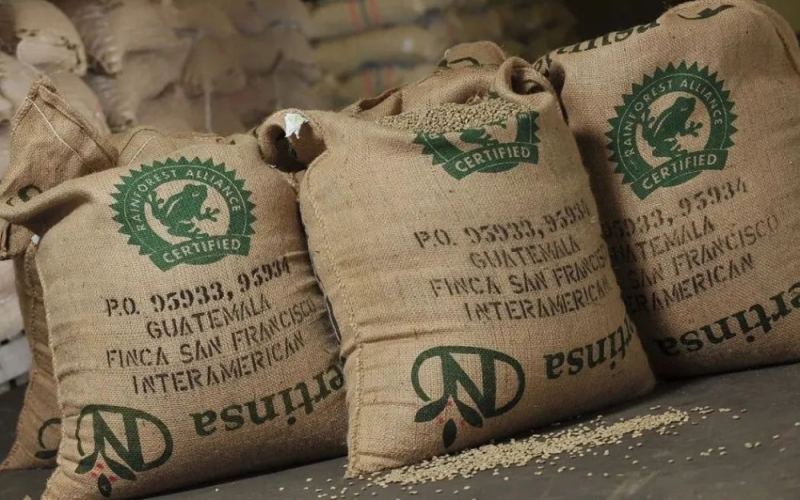
Rainforest Alliance Certification and the "Frog Bean" Revealed: The Sustainable Coffee System Behind the Red-Eyed Tree Frog Logo
In the specialty coffee world, the term "frog bean" may be niche, but it points to a rigorous environmental certification system—Rainforest Alliance certification. Coffee beans bearing the green red-eyed tree frog logo mean that everything from cultivation to processing meets ecological protection and social responsibility standards. This article will walk you through the origins of the Rainforest Alliance, its merger with UTZ, the specific contents of the certification criteria, and why the red-eyed tree frog was chosen as the logo. We will also introduce the rare coffees currently on the market that have obtained this certification, including Front Street Coffee's Panama Diamond Mountain and Jamaica Clifton Mount Estate Blue Mountain No. 1, to help you understand the flavor and value behind "frog beans." [more…]
Why Is Rainforest Alliance Certified Coffee Called Frog Beans? An Analysis of the Relationship Between Blue Mountain Coffee Flavor and Certification
Have you ever heard the term "frog bean"? It doesn't refer to green coffee beans that look like frogs, nor to the "goat hoof" beans caused by Indonesia's wet-hulling process, but rather to coffee beans that have received Rainforest Alliance certification—because the logo of this certification is a red-eyed tree frog. The Rainforest Alliance was founded in 1987 and is an international non-profit organization operating at the intersection of agriculture, forestry, and business. Its certification focuses on whether farms adopt sustainable agriculture and natural resource management practices, with a particular requirement that coffee be grown under the shade of native forest trees using traditional farming methods. Coffee beans that pass certification may use the Rainforest Alliance logo and gain priority sales channels. However, certification does not necessarily mean the flavor is outstanding; it mainly evaluates the growing environment. The Blue Mountain coffee currently sold by Front Street Coffee is the only bean it offers with this certification, and within the Blue Mountain region, only Clifton Mount Estate holds the certification. Let's now take a closer look at frog beans, the Rainforest Alliance, and the flavor performance of Front Street Coffee's Blue Mountain. [more…]
A Detailed Guide to Jamaican Blue Mountain Coffee Flavor Characteristics: Hand-Brewed Blue Mountain Parameters and Brewing Techniques Shared
Blue Mountain coffee is renowned for its perfectly balanced acidity, bitterness, sweetness, and smoothness, making it one of the most aromatic and mellow coffees in the world. This article will guide you through Jamaica Blue Mountain's growing environment, varietal characteristics, grading, and processing methods, and provide a detailed analysis of the pour-over Blue Mountain parameters and brewing techniques recommended by Front Street Coffee. From the wooden barrel water frog logo of Clifton Estate to the flavor differences between washed and natural processing, and then to the specific brewing steps for the KONO dripper, this single article covers all the key points of Blue Mountain coffee. [more…]
Analysis of Brazil's Four Main Varieties: Cultivation, Flavor, and Market of Honey-Process Catuai and Rainforest Alliance Certified Specialty Coffee
Brazil, as the world's largest coffee-producing country, has its variety structure and processing methods profoundly influencing the specialty coffee market. This article focuses on Catuai, one of Brazil's four main varieties, sorting out the differences between its red and yellow fruit, its dwarfed wind-resistant characteristics, and its flavor performance, and also introduces the environmental and labor standards of Rainforest Alliance certification (frog bean). At the same time, combined with the cupping experience of Front Street Brazil Catuai, it analyzes how honey processing and the SHB grade shape dry aroma, acidity, and mouthfeel. The article also mentions the Geisha ARISTAR competition results of Finca La Valentina estate, providing coffee enthusiasts with a complete perspective from cultivation to market. [more…]
Jamaican Blue Mountain Coffee Identification Guide: From Grade Classification to Cupping Flavor, Teaching You to Identify Authentic Blue Mountain
Blue Mountain coffee, renowned as the "Emperor of Coffee," is grown in the high-altitude mountains of Jamaica's Blue Mountains. Its annual output is scarce and its price is high, which is why the market is flooded with countless counterfeits and blended beans. From the perspective of Front Street Coffee, this article sorts out the growing conditions of Blue Mountain coffee, the Japanese grading system (Blue Mountain Coffee, Blue Mountain Blend, Blue Mountain Flavor), the official Jamaican grades (Blue Mountain No. 1 through Jamaican Coffee), and key identification points such as wooden barrel packaging and the tree frog logo, while also sharing Front Street's practical brewing parameters and flavor profile for Blue Mountain coffee, to help you judge whether that sip in your cup truly comes from the Blue Mountains. [more…]
Jamaica Blue Mountain Coffee Beans Flavor and Taste Analysis: True Blue Mountain No. 1 Pour-Over Performance and Identification Key Points
Blue Mountain coffee is hailed as the finest of coffees, grown in the Blue Mountains of Jamaica, with scarce annual output and a high price. Yet the "Blue Mountain flavor" and "Blue Mountain blend" commonly found on the market differ greatly from authentic Blue Mountain coffee beans. This article starts from the Blue Mountain beans actually received by Front Street Coffee, clearly explains the grading standards for Blue Mountain coffee, the methods for distinguishing the genuine from the fake (wooden barrel packaging, the tree frog logo, the government certificate), and records in detail Front Street's three-pour hand-brew parameters using a KONO dripper, 88°C, and a 1:15 coffee-to-water ratio, as well as the citrus acidity, nutty mid-palate, and dark chocolate finish presented by this Clifton Estate Blue Mountain, helping coffee lovers understand the core characteristics of Blue Mountain coffee: balanced, smooth, and without any prominent flavor. [more…]

Jamaica Blue Mountain No. 1 Coffee Beans Authentic Price Analysis: 2022 Market Trends and Front Street Buying Guide
Jamaican Blue Mountain coffee is renowned as a jewel of the specialty coffee world, famous worldwide for its silky, balanced flavor and extremely scarce production. How much does an authentic imported Blue Mountain No. 1 coffee bean actually cost per pound in 2022? This article will deeply analyze the price composition of Blue Mountain coffee, from the historical origins of the four major estates to the unique terroir of Clifton Mount Estate, from the delicate flavor of the Typica variety to the strict washed processing method, comprehensively interpreting the three core reasons behind Blue Mountain coffee's high price. At the same time, Front Street Coffee will share the roasting records, cupping data, and brewing suggestions for Blue Mountain No. 1, helping you distinguish authentic Blue Mountain and savor the true Jamaican Blue Mountain flavor. [more…]
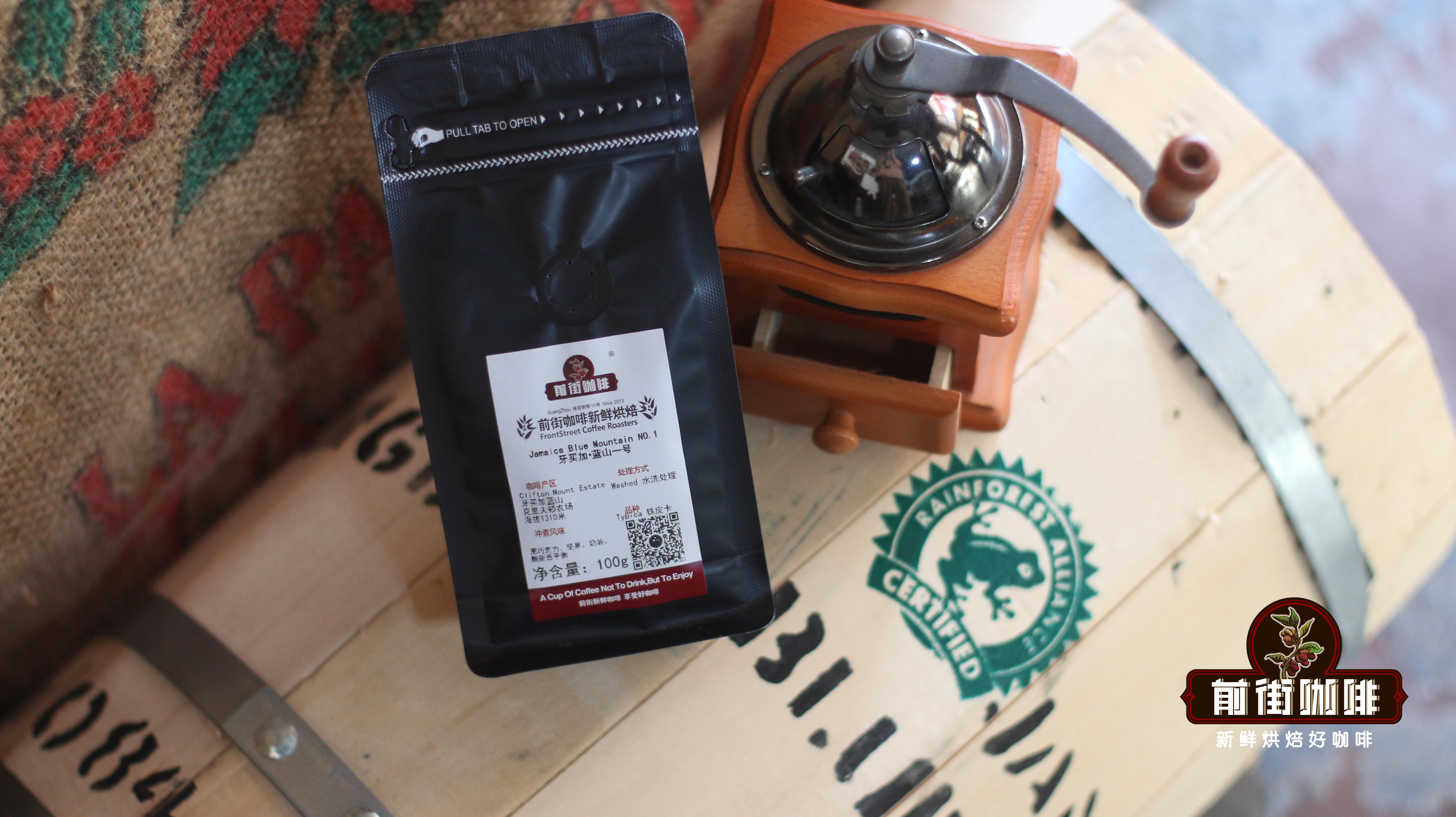
Analysis of Blue Mountain Coffee Flavor Characteristics and Pour-Over Techniques: How to Brew Front Street Blue Mountain No.1 for a Balanced, Mellow Taste
Blue Mountain coffee is an extremely well-known name in the coffee world, familiar even to those who don't drink coffee often. Front Street Blue Mountain No. 1 comes from Clifton Estate in Jamaica's Blue Mountain range, the only coffee estate in the Blue Mountain region to receive Rainforest Alliance certification. The Jamaican government has strict regulations on Blue Mountain coffee exports: authentic Blue Mountain coffee beans must be shipped in wooden barrels and accompanied by various certificates. Front Street Blue Mountain No. 1 uses the Typica variety and is roasted to a medium-dark level, pulled just before second crack, retaining a small amount of acidity. In cupping it shows a balance of acidity, sweetness, and bitterness, with soft fruity acidity, rich dark chocolate notes, and caramel sweetness. This article will introduce the origin background and roasting approach for this coffee, and share pour-over parameters and a staged pouring method to help enthusiasts brew a cup of full-bodied, sweet Blue Mountain coffee with a clean finish. [more…]

Hario teams up with Pepe the Frog for a collaboration: the V60 resin dripper gets a striking green makeover, and the camping-themed packaging sparks heated discussion
Hario has departed from its minimalist Japanese style and teamed up with the cartoon IP Sad Frog PEPE to launch a camping-themed product series. The collaboration includes two sets, among which the Outdoor Enjoyment Set features a PEPE limited-edition color No. 01 resin dripper and a limited-edition outdoor filter paper pack. The dripper adds green elements to a transparent resin base, making it especially eye-catching under light and drawing attention from pour-over enthusiasts. The official presale campaign uses "Filter Out Sadness" as its topic, and the packaging is presented in comic form. Users have already posted their purchases, with mixed reviews—some say it looks great, while others question its lack of practicality. This collaboration once again confirms that the coffee sector is becoming a popular choice for brand crossovers. [more…]
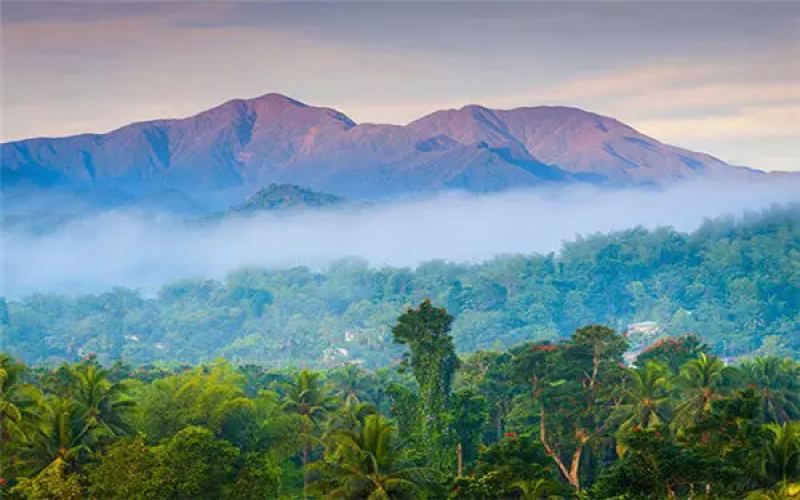
Jamaica Blue Mountain Coffee Variety Analysis: From Typica Origins to Clifton Estate Flavor and Brewing Guide
What variety exactly is the world-renowned Jamaican Blue Mountain coffee? Where does its distinctive flavor come from? This article will start with the varietal origins of Blue Mountain coffee, trace how Typica became integrated into Jamaica's terroir, and provide a detailed introduction to the origin and grading standards of Blue Mountain No. 1, the history and environmental philosophy of Clifton Estate, the washed processing method, as well as Front Street Coffee's roasting and brewing recommendations for Blue Mountain coffee. Whether you are a beginner just getting into specialty coffee or a seasoned enthusiast eager to delve deeper into Blue Mountain's flavor, you will gain complete and practical information from this article. [more…]
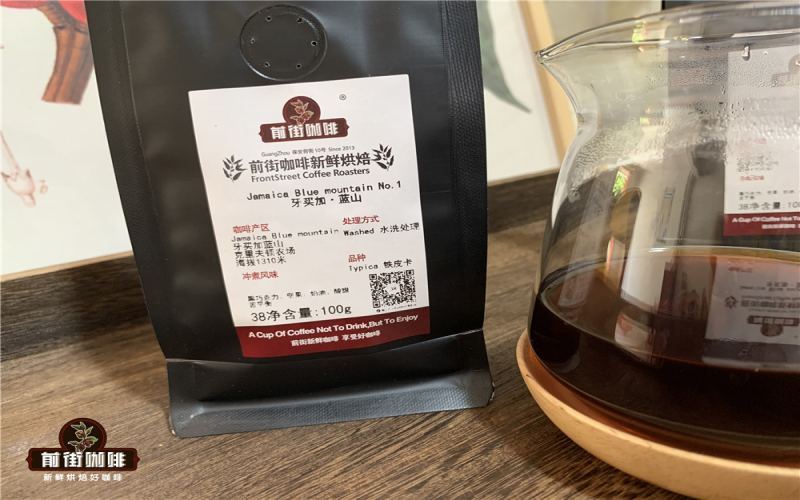
Why Is Jamaican Blue Mountain Coffee Hailed as Top-Tier? A Comprehensive Analysis of Its Pour-Over Flavor and Taste Characteristics
Blue Mountain coffee is often called one of the best coffees in the world. It is neither bitter nor sour, with a balanced flavor, like a cup of silky milk tea, and is therefore affectionately nicknamed "beauty coffee" by enthusiasts. But the excellence of Blue Mountain coffee is no accident—the unique geographical location of Jamaica's Blue Mountain range, its tropical rainforest climate, volcanic soil, and the Typica variety cultivated over more than two hundred years together create its unreplicable flavor. The Jamaican government implements strict grading and production-limiting, quality-preserving policies for Blue Mountain coffee, with unique standards from harvesting and processing to packaging. This article will comprehensively sort out the growing environment, variety characteristics, grading system, and processing methods of Blue Mountain coffee, and include Front Street Coffee's pour-over parameters and flavor description, taking you deep into this finest of the finest. [more…]
What is Rainforest Alliance certification? What environmental and fair trade standards does the green frog logo on coffee beans represent?
When selecting coffee beans, you may have noticed a green frog printed on the packaging — this is the Rainforest Alliance certification mark. Behind it lies a set of strict agricultural and environmental standards, covering ecological protection, farmers' rights, labor conditions, and sustainable development. Since the Rainforest Alliance was founded in New York in 1987, it has helped certify over one hundred million acres of crops, with coffee being one of the most traded agricultural products among them. This article will walk you through the core philosophy of the Rainforest Alliance, the specific standards for certified crops, and what this mark means for consumers and the coffee industry, helping you gain a more comprehensive understanding of the environmental and social value behind your everyday coffee choices. [more…]
What does the frog logo on the Blue Mountain coffee barrel represent? Is Jamaican Blue Mountain Rainforest Alliance certified?
Friends who drink coffee regularly are certainly no strangers to the fame of Blue Mountain Coffee, but have you ever noticed the frog logo on Blue Mountain coffee barrels? It is actually closely tied to Rainforest Alliance certification. This article begins with Front Street Coffee's introductory experience and gradually breaks down Blue Mountain Coffee's legally defined production area, strict grading, unique barrel packaging, and why it has become a scarce treasure among specialty coffees. It will also explain Clifton Mount Estate's special certification status within the Blue Mountain production area, and introduce the flavor characteristics and availability channels of Front Street Blue Mountain No.1, giving you a comprehensive understanding of this legendary coffee. [more…]
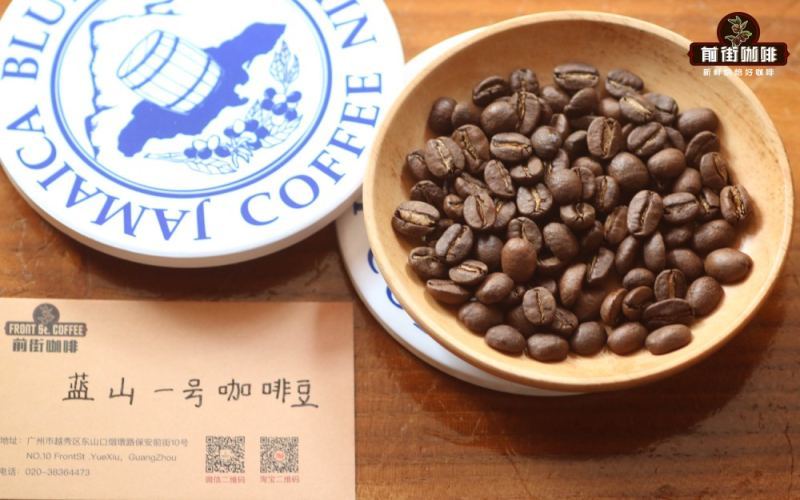
A Complete Guide to Jamaican Blue Mountain Coffee: Flavor Profile, Varieties, Grades, and Brewing Parameters
Blue Mountain coffee has long been regarded as the benchmark among specialty coffees, and its allure lies in the exquisite balance among acidity, bitterness, sweetness, and body. This balance is no accident, but rather the result of the combined effects of Jamaica Blue Mountain's unique terroir, the characteristics of the Typica variety, and rigorous grading and processing methods. This article will organize the producing region environment, variety origins, grading standards, and processing method evolution of Blue Mountain coffee, while also presenting Front Street Coffee's specific brewing parameters and flavor descriptions for Blue Mountain beans, helping coffee enthusiasts gain a more comprehensive understanding of this legendary bean. [more…]

Luckin Solicits Co-branding Ideas, Netizens Call Out Starbucks: Can Cross-Industry Marketing Deliver Another Hit?
Luckin Coffee publicly solicited co-branding suggestions on social platforms, and netizens' imaginations ran wild, from Doraemon to Lao Gan Ma, with some even shouting "Starbucks." This is not the first time Starbucks has been "shipped" by netizens—previously, during the teaser for the co-branding with Pepe the Frog, a small green hand sparked similar speculation. Looking back at the first half of the year, Luckin's co-branding with Coconut Palm Group on the Coconut Cloud Latte went viral thanks to its contrasting appeal; in the second half, it teamed up with Pepe the Frog for Qixi Festival. Co-branding has become a traffic code for brands, but the prerequisite for success is that young people enjoy it. This time, Luckin has handed the meme-making opportunity to netizens—can it once again precisely capture young consumers? [more…]
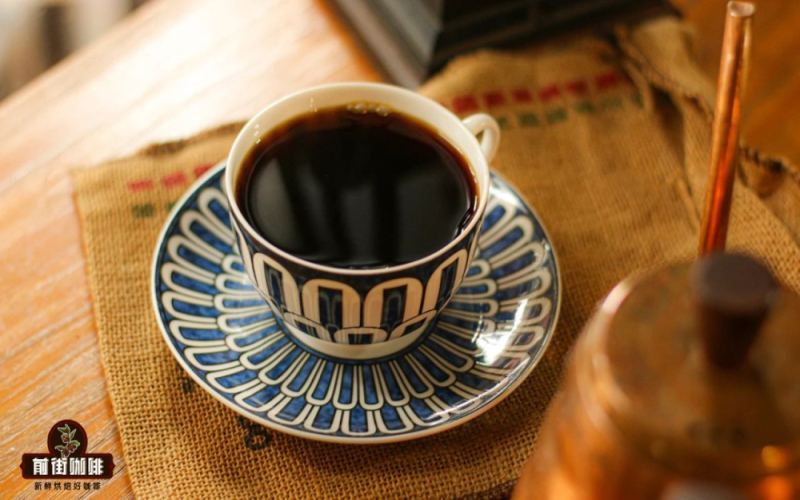
A Detailed Explanation of Jamaican Blue Mountain Coffee Grading: From Altitude to Screen Size, Understanding the Difference Between Blue Mountain No. 1 and High Mountain Coffee
Blue Mountain coffee is no longer a secret, but what many people drink may only be "Blue Mountain flavor," not genuine Jamaican Blue Mountain No. 1. From the perspective of Front Street Coffee, this article systematically sorts out the growing environment, grading system, Typica variety characteristics, and the differences between washed and natural processing of Blue Mountain coffee, and includes Front Street's brewing parameters and flavor description. You will learn: how Blue Mountain No. 1, No. 2, No. 3, and peaberry are classified by screen size, the altitude boundaries between High Mountain coffee and Jamaican coffee, and why Blue Mountain coffee can become a world-recognized supreme grade. Whether you are a beginner or a seasoned enthusiast, this article can help you clearly identify which category the Blue Mountain in your cup actually belongs to. [more…]
Jamaica Clifton Estate Blue Mountain Coffee: An Analysis of Origin Terroir, Processing Methods, and Variety Characteristics
Jamaican Blue Mountain coffee is renowned worldwide, and Clifton Estate, as one of the oldest coffee estates in the country, holds a pivotal position in the Blue Mountain coffee landscape. Front Street Coffee provides an in-depth analysis of Clifton Estate's origin terroir, cultivation history, Blue Mountain grading standards, and certification system, and shares washed processing techniques, roasting curves, and brewing parameters to help coffee enthusiasts gain a comprehensive understanding of authentic Blue Mountain coffee's flavor characteristics and identification methods. [more…]
Assessing Tea Quality from the Brewed Leaves: Practical Identification Tips and Buying Guide
Many people throw away the brewed tea leaves after drinking their tea, but these unfurled leaves actually hold a wealth of quality information. By observing the bubbles, scorch marks, degree of unfurling, elasticity, color, and impurities of the brewed leaves, you can roughly judge the picking and processing level of the tea without even tasting it. This article systematically sorts out the typical characteristics of brewed leaves for various types of tea, including the "frog back" of rock tea, the scorch spots of yellow tea, and the silky vein patterns of black tea, and offers purchasing advice to help you pick good tea with more confidence in a tea shop. [more…]
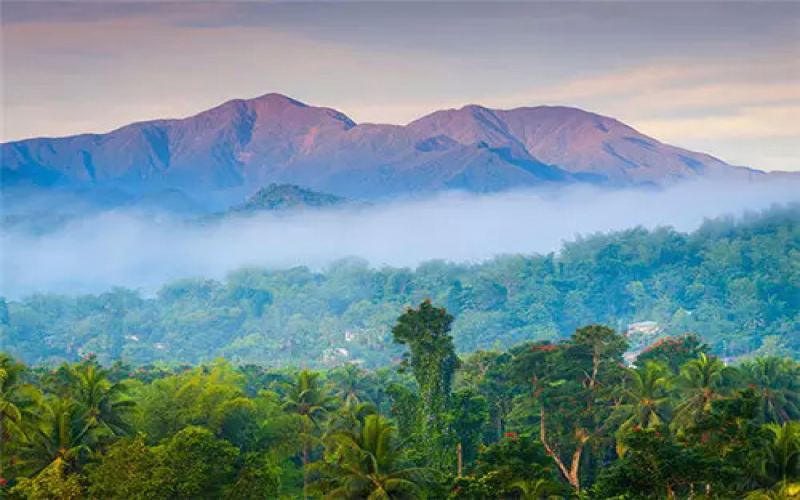
A Comprehensive Analysis of the Distribution of Jamaican Blue Mountain Coffee Producing Regions and the Flavor Characteristics of Blue Mountain No. 1
Blue Mountain coffee is renowned worldwide for its balanced, sweet, and mellow flavor, and Front Street Coffee's washed Blue Mountain is a favorite among many coffee lovers. However, the market is flooded with coffees bearing the Blue Mountain name, making it hard to tell genuine from fake. What kind of coffee can truly be called authentic Jamaican Blue Mountain? This article will guide you through the geography of the Blue Mountain range, the strict grading standards of the CIB, the distribution of the four major producing regions, and the unique evolution of the Typica variety in the Blue Mountains. At the same time, we will take an in-depth look at the Clifton Farm Blue Mountain No. 1 introduced by Front Street Coffee, covering everything from green bean standards to brewing parameters, fully presenting the flavor charm of this classic coffee. [more…]
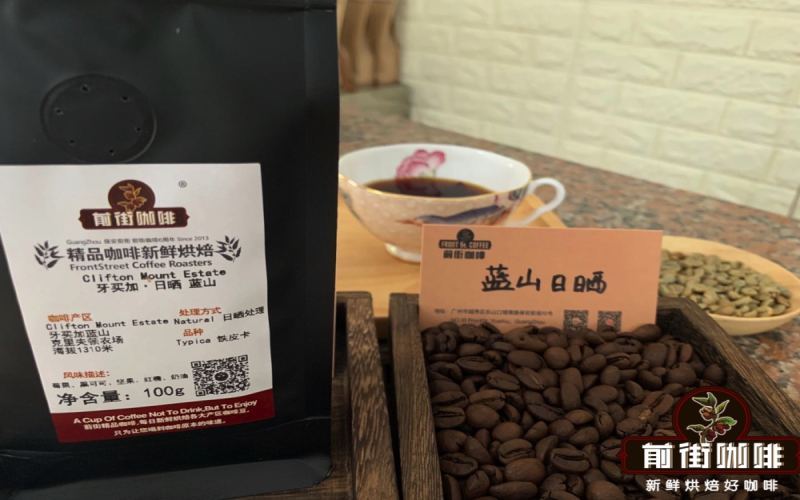
An In-Depth Analysis of Jamaican Blue Mountain Coffee: A Comprehensive Guide to Origin Terroir, Varieties and Grades, Processing Methods, and Pour-Over Parameters
Blue Mountain coffee has always held a special place in the specialty coffee world—what exactly earns it the reputation as one of the most balanced coffees on earth? This article starts with the geography and climate of Jamaica's Blue Mountains, then systematically covers Blue Mountain coffee's varietal identity, its grading system (from No.1 down to PB peaberry), the differences between washed and natural processing methods, and the certification background of Clifton Mount Estate. At the same time, Front Street Coffee will share specific brewing recipes for both washed and natural Blue Mountain, including dripper selection, water temperature control, and pulse pouring techniques, helping you fully understand every key step of Blue Mountain coffee from origin to cup—and truly appreciate this classic that has been called the "perfect original coffee." [more…]