







Search Results for: Red Wine Aftertaste
Front Street Colombian Wine Processed Coffee: Medium Roast Flavor Analysis and Pour-Over Parameter Sharing
This Colombian red wine process coffee from Front Street Coffee offers rich layers of flavor, with maple syrup sweetness interwoven with malt sugar aroma, lively and bright citric acidity, an impressively creamy and full-bodied mouthfeel, and a clean finish with a long-lasting sweet aftertaste. It is medium-roasted and packaged in a half-pound bag with a one-way degassing valve, suitable for pour-over, siphon, or cloth filter brewing. This article will provide a detailed introduction to this bean's processing method and origin information, along with suggested pour-over parameters for coffee enthusiasts to reference and adjust. [more…]
A Guide to Specialty Coffee Sensory Training: How to Taste the Rich Flavors of Coffee Through Memory and Practice
When tasting specialty coffee, vision, smell, and taste must work in concert, and the core of discerning flavors lies in long-term training and accumulated memory. This article systematically introduces how to build a personal taste memory bank through everyday scent memory, blind smelling exercises, and the aid of aroma vials, and uses Panama Hartmann Estate red wine process coffee as an example to analyze, layer by layer, the specific training methods for dry aroma, wet aroma, the finish, and the aftertaste. It also includes practical advice from Front Street Coffee to help coffee lovers sharpen their sensory acuity in practice and truly taste the rich layers of coffee. [more…]
Front Street Sidamo Red Cherry Project Coffee Beans: A Comprehensive Analysis of Origin, Variety, Processing Method, and Flavor Profile
The Red Cherry Project is a coffee quality improvement initiative promoted by Trabocca in Ethiopia, encouraging farms to carefully select coffee beans through high-standard cupping screening and a bonus reward mechanism. This article focuses on Front Street Coffee's Sidamo Red Cherry Project coffee beans. Starting from the terroir conditions of the Kebado cooperative in the place of origin, it outlines the operational approach of the Red Cherry Project, its main production regions, and differences in processing methods, and describes in detail the flavor performance of this bean—interwoven notes of berries, tropical fruits, fermented wine aroma, drupe dates, tea-like character, and milk chocolate, a medium body, and a complex, lasting finish. Whether lightly roasted or darkly roasted, it can display outstanding characteristics, making it suitable reading and reference for coffee lovers who enjoy exploring Ethiopian flavors. [more…]
Guatemala Antigua La Flor del Café Specialty Coffee: A Flavor and Aroma Analysis of Red Wine Finish with Tobacco and Spice Notes
Guatemala Antigua La Flor del Café specialty coffee beans are renowned worldwide for their red wine aftertaste, tobacco and spice aromas, and velvety, full-bodied mouthfeel. This article will provide an in-depth analysis of this coffee's flavor characteristics and aromatic layers, while also offering an overview of Guatemala's seven major coffee-producing regions. It will introduce how the unique geographical and historical background of the Antigua region imparts such captivating flavors to the coffee. The article will also mention Front Street Coffee's recommendations for Guatemalan coffee, giving you a comprehensive understanding of this specialty coffee that combines elegant acidity with rich spice notes. [more…]
Costa Rica Musician Series Bach Coffee Beans: Flavor Analysis of the Raisin Honey Process and Yellow Catuai Variety
At Hacienda Canet in the Tarrazú region of Costa Rica, a musician-series coffee bean named Bach is unforgettable for its rich, solid fermented flavor. This bean uses a unique raisin honey process, retaining 100% mucilage with zero water processing, and combined with the high-altitude growing advantages of the Yellow Catuai variety, it presents a wine-like fermented sensation, the sweet-tartness of red berries, and rose floral notes. Through cupping and brewing, Front Street Coffee found that from dry aroma to aftertaste, the fermented scent of ripe grapes runs throughout, while a medium-light roast better preserves the captivating floral aroma and high sweetness. This article will deeply analyze the origin background, processing method, roasting curve, and brewing parameters of Bach coffee beans, taking you to appreciate the complete character of this "Air on the G String in the mouth." [more…]

A Complete Guide to Espresso: Definition, Drinking Methods, and Italian Blend Bean Selection Guide
Espresso is the core foundation of the Italian coffee system and a required course for many coffee enthusiasts just starting out. From the perspective of Front Street Coffee, this article systematically sorts out the definition and extraction standards of Espresso, introduces three common ways of drinking it—straight, with milk, and with water—as well as the less common pairing with liqueur, and takes a deeper look at the origin and role of espresso blend coffee beans. The article also compares in detail the pros and cons of two blending methods, pre-blending and post-blending, and finally shares the flavor characteristics and recipes of Front Street's four espresso blends, including Sunflower Warm Sun, Specialty Blend, Commercial Blend, and Dark Cocoa Blend, helping readers gain a comprehensive understanding of the coffee knowledge behind Espresso. [more…]
Ethiopia Sidamo Kebado Cooperative Coffee Flavor Analysis and Introduction to the Red Cherry Project
Kebado is a small coffee cooperative in the Dara region of Sidama Province, made up of hundreds of coffee farmers with an average farm size of only about 0.6 hectares, at an altitude approaching 2,000 meters. The significant day-night temperature difference and fertile soil here provide ideal conditions for coffee cultivation. The green beans naturally carry rich raisin and fermented wine aromas, with an elongated bean shape and a yellow-brown color, feeling dense in the hand. After roasting, whether light or dark, they display bright berry notes and a chocolate-like lingering finish. This article will take you deeper into Kebado's flavor characteristics and introduce how the Red Cherry Project led by the Dutch company Trabocca enhances coffee quality in remote areas of Ethiopia through technical assistance and quality control. Front Street Coffee recommends that you pay attention to the unique charm of this producing region. [more…]
Bourbon Coffee Flavor Guide: From Red Bourbon to Mibirizi Bourbon, Exploring the Terroir and Tasting Characteristics of a Century-Old Variety
Bourbon is one of the oldest varieties in the Arabica family, sharing equal fame with Typica. It got its name after being transplanted from Yemen Mocha round beans to Bourbon Island, and thereafter spread across Brazil, Central and South America, and various parts of Africa. It includes distinctions based on fruit color, such as Red Bourbon and Yellow Bourbon, as well as a unique branch spread by French missionaries in Africa. Bourbon is renowned for its wine-like acidity, sweet aftertaste, and nutty-chocolate notes. This article systematically reviews the origin and spread of Bourbon, explains in detail the flavor differences among Red Bourbon, Yellow Bourbon, and French Mission Bourbon, and combines the roasting parameters and tasting records of three Bourbon beans from Front Street Coffee to help readers fully understand this classic variety's performance under different terroirs. [more…]
A Complete Guide to Colombia Wine Process Coffee: From Fermentation Principles to Front Street Coffee Jiu Kui Brewing Instructions
The red wine process is an innovative green bean processing technique originating from Colombia that precisely shapes the acidity and sweetness of coffee through artificially controlled fermentation conditions. This article provides a detailed overview of the historical background, scientific principles, and specific operational procedures of this processing method, and takes an in-depth look at the origin information, flavor characteristics, and pour-over recommendations of Front Street Coffee's Colombia Nine Suns Red Wine Process coffee. Whether you want to understand the difference between acetic acid fermentation and lactic acid fermentation, or you are looking for a bean with prominent sweetness and elegant acidity, this content offers practical reference. [more…]

A Full Analysis of the Origin Story, Processing Method, and Flavor Profile of Costa Rican Honey-Processed Coffee
The honey process was pioneered by Costa Rican coffee farmers and has now become a widely adopted processing method in Central America. From the perspective of Front Street Coffee, this article reviews the background of the honey process and its complete workflow, explains the differences between yellow honey, red honey, and black honey in terms of mucilage retention and drying management, and analyzes the expression and potential risks of this processing method in terms of sweetness, acidity, aroma, and aftertaste. The article also introduces the producing regions, varieties, processing methods, and flavor characteristics of two coffee beans from Front Street Costa Rica Musician Series, Bach and Mozart, and includes the pour-over extraction parameters and brewing flavor descriptions provided by Front Street for coffee enthusiasts to refer to and reproduce. [more…]

Does cold brew coffee need to be sealed for storage? Where does the fermented wine aroma come from? A complete guide to making fruity cold brew coffee
Cold brew coffee, with its refreshingly smooth texture and complex, layered flavors, has become a favorite among coffee lovers in summer. But when it comes to making and storing cold brew, many people still have questions: Does it need to be sealed after extraction is complete? Why does it give off a fermented aroma reminiscent of wine after sitting in the refrigerator overnight? Starting from the principles of low-temperature extraction, this article will analyze the oxidation process of cold brew coffee and the necessity of sealed fermentation, and share Front Street Coffee's cold brew parameters, detailed steps, and how to create a fruit-forward cold brew recipe through a two-bean blend, helping you make a cup of cold brew with full flavor and a pronounced sweet aftertaste. [more…]
The Legendary Story of Panama's Hartmann Estate and an Analysis of Its Wine Process Characteristics
In the pristine forests of Chiriquí Province, Panama, there lies a coffee estate steeped in a century of legend—Hartmann Estate. Founder Luis Hartmann, who went from a World War I orphan to a pioneer in a foreign land, wrote his family's coffee epic through sheer resilience. Today, this estate, now in the hands of the fifth generation, not only upholds tradition but also endows its coffee with a distinctive flavor through red wine processing. In this article, we will guide you through the corridors of Hartmann Estate's history, reveal how its rigorous cupping laboratory ensures quality, and savor the rich body and fruity notes brought by the red wine process. Front Street Coffee has always followed such specialty coffees and invites you to explore the flavor code behind this legend together. [more…]
A Comprehensive Analysis of the Naming Origin, Regional Evolution, and Pour-Over Flavor Characteristics of Ethiopian Huakui Coffee Beans
Huakui coffee beans have been one of the most talked-about Ethiopian specialty coffees in recent years, and their name comes from winning the 2017 TOH green bean competition. These beans are produced at the Buku Abel processing station in Guji Hambela, and they have won the favor of coffee lovers worldwide with their natural G1 grade and rich floral and fruity notes. As market demand has grown, DW has successively added processing stations, and Huakui has also spawned different annual batches such as 2.0, 3.0, 4.0, and 5.0, each with distinct flavor differences. Front Street Coffee has long tracked and cupped each batch of Huakui, and this article will provide a complete presentation of the flavor evolution and tasting points of these beans, from the naming story, origin tracing, and processing techniques to roasting curves and brewing parameters, offering coffee lovers a detailed reference. [more…]
Costa Rica Baja Coffee Bean Flavor Analysis: Raisin Honey Processing and Musician Series Brewing Guide
Front Street Coffee presents the Costa Rica Musician Series Bach coffee beans, from the Canet Estate in the Tarrazú region, using the raisin honey process and the Yellow Caturra variety, at an altitude of 1,900 meters. This bean is known for its rich, solid red wine fermentation character, with the aroma of ripe grape fermentation accompanying it from dry fragrance to aftertaste, while rose floral notes and berry juice emerge in the middle. The flavor is steady and solemn yet with a sense of splendor. This article introduces in detail its regional background, processing method, and variety characteristics, and shares Front Street's roasting curve, cupping report, and staged brewing parameters, taking you to experience this "Air on the G String in the mouth." [more…]
Ethiopia Yirgacheffe G1 Operation Cherry Red Aricha Pour-Over Guide: A Full Analysis from Terroir to Brewing Parameters
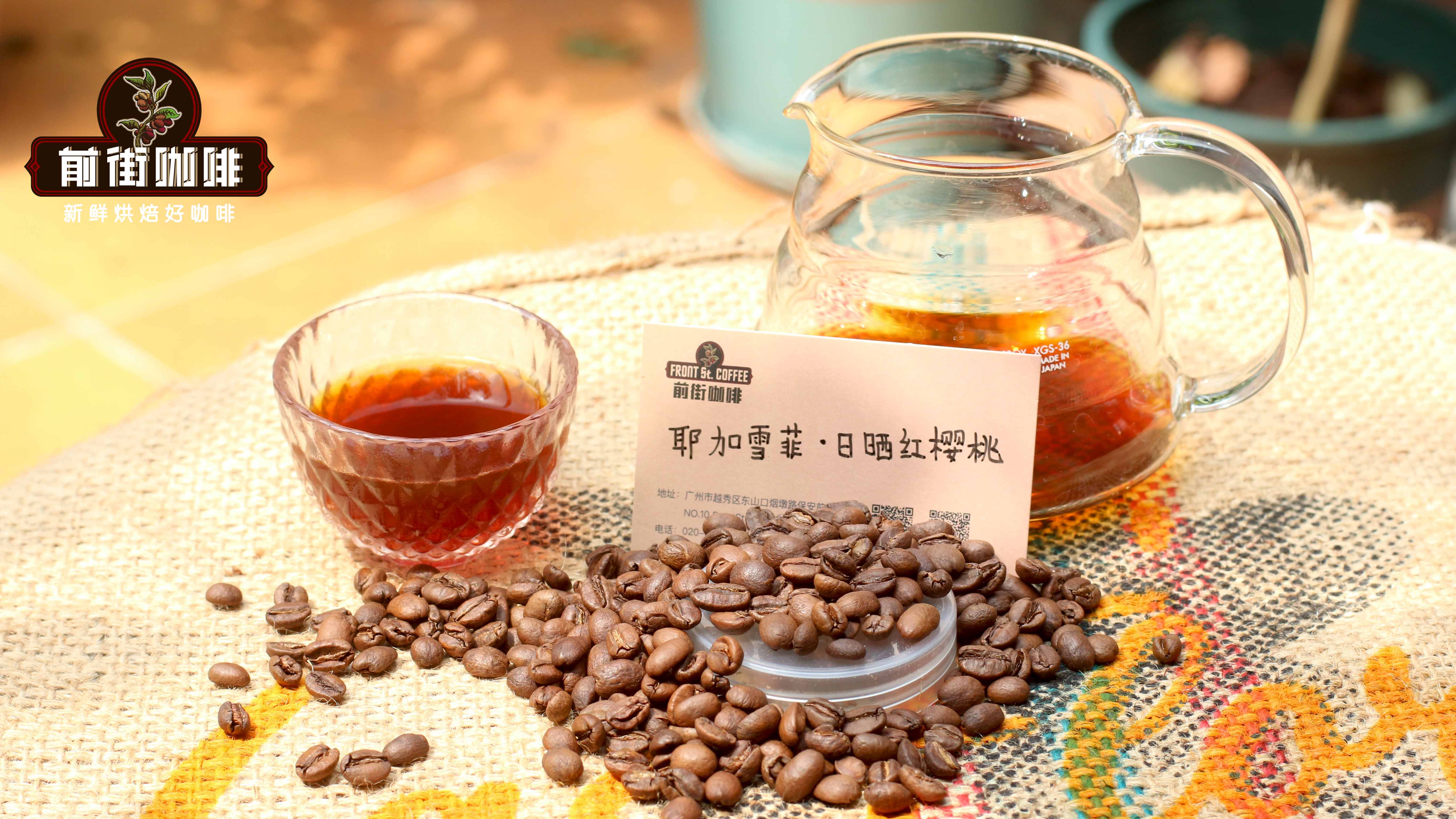
Yirgacheffe is the iconic producing region for specialty coffee in Ethiopia, and the Aricha Red Cherry Project is a representative natural-process standout within it. This article will systematically lay out the complete picture of this Front Street Coffee Yirgacheffe G1 Red Cherry, from regional geography, historical origins, and flavor characteristics to grading standards and roasting and brewing recommendations. You will learn how the Kebel Aricha processing station achieves a clean fruit profile through raised-bed sun drying, and why the G1 grade can overturn many people's preconceived notions about coffee. At the end of the article, detailed pour-over parameters are included to help you recreate at home a cupscape woven from berries and a light fermented wine aroma. [more…]

Luckin's mulled wine Americano returns amid ongoing controversy: baristas hand-write notes pleading with customers to go easy, taste reviews sharply divided
Luckin Coffee's recently re-released Red Wine Americano has sparked widespread discussion. This new product, which combines red wine flavor with coffee, has polarized reviews due to its unique taste. Some consumers have shared "warning" experiences on social media, describing its taste as hard to accept; meanwhile, other customers say they enjoy this rich flavor combination. Due to the large number of negative reviews, some store employees have handwritten notes asking customers not to leave negative reviews lightly, triggering discussions among netizens about the brand's review system and store responsibilities. This article will sort out the whole incident, consumer feedback, and the controversy surrounding the review mechanism. [more…]
Panama Geisha Coffee Bean Grading System and Screen Size Characteristics: A Full Analysis of the Flavor Differences Between Red, Green, and Blue Labels and the Boquete and Volcán Regions
Panama Geisha occupies an irreplaceable position in the global specialty coffee landscape thanks to its clean, translucent cup and layered fruity aftertaste. When selecting Panamanian coffees, Front Street Coffee conducts a comprehensive assessment across multiple dimensions such as terrain, altitude, and processing method, and considers the coffee beans from this region to offer extremely high value for money, which is why it has successively added a number of Panamanian coffees to its lineup. This article will focus on the variety's origins, Hacienda La Esmeralda's grading system (Red Label, Green Label, Blue Label), and the flavor characteristics of the two core producing regions, Boquete and Volcán. It will also introduce representative coffees currently offered by Front Street, such as Butterfly, Elida, Hartmann, and Janson, to help enthusiasts build a systematic understanding of Panamanian coffee. [more…]
Costa Rica Canet Estate Bach Honey Process Coffee Flavor Analysis and Comparison with the Musician Series
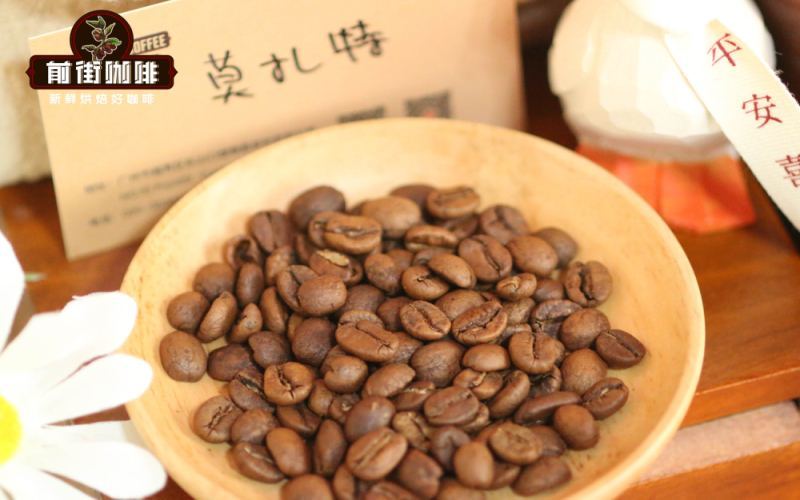
Coffee, as a crop, has wildly varied naming conventions—some named after origins, some after estates, and some after musicians. Front Street Coffee also has beans named after musicians: Bach, Beethoven, and Mozart. What stories lie behind these names? How do their flavors differ? This article takes you into the Canet Estate in central Costa Rica to learn how this small estate run by three brothers, relying on the Caturra and Catuai varieties and using raisin honey processing and washed processing, created the world-renowned Musician Series. In the 2019 harvest season, they focused on Caturra, reinterpreting the classics. The article will describe in detail the flavor characteristics of the three beans—Bach, Beethoven, and Mozart—and introduce Costa Rica's uniquely favorable growing environment, as well as the central role of the Caturra variety in the Musician Series. [more…]
Do Wine-Flavored Coffee Beans Contain Alcohol? Honduras Lychee Orchid: Flavor Analysis of Brandy Barrel-Fermented Washed Beans
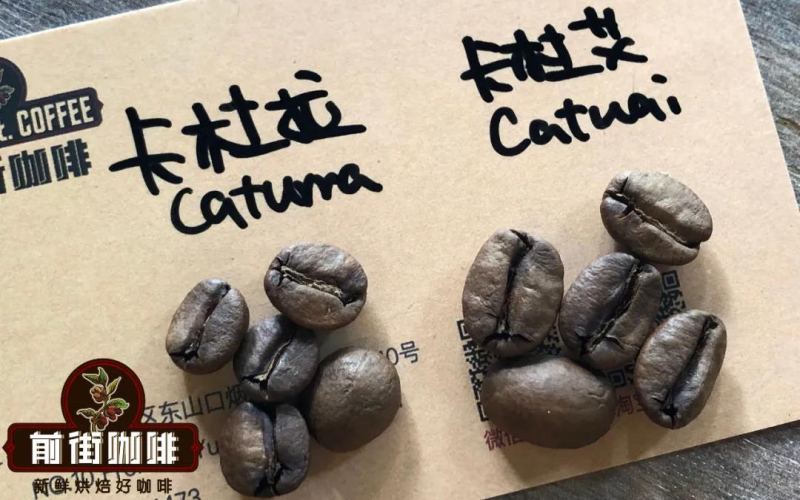
In recent years, coffee processing methods have continuously evolved, from early anaerobic fermentation to red wine processing, and now to oak barrel fermentation, with endless innovative techniques making coffee flavors increasingly diverse. The Honduras Litchi Orchid coffee beans launched by Front Street Coffee are produced using a combination of fine washing and brandy barrel fermentation, originating from the Moca Estate in the Marcala region, at an altitude of 1,500-1,700 meters, with varieties of Caturra and Catuai. This bean shares similarities with the same brand's Sherry coffee beans, with the difference being that Sherry uses whiskey barrels, while Litchi Orchid selects brandy oak barrels. The fermented beans carry a soft lychee and honey sweetness, while integrating brandy notes and oak aroma. This article will provide a detailed introduction to this bean's processing method, flavor performance, and answer the question of whether wine-flavored coffee beans contain alcohol. [more…]
Pour-Over Bag Coffee Beginner Tutorial | What Are the Coffee-to-Water Ratio, Water Temperature, and Brew Time Parameters for Pour-Over Bag Coffee? How to Choose Pour-Over Bag Coffee? What Flavors Does Pour-Over Bag Coffee Have?
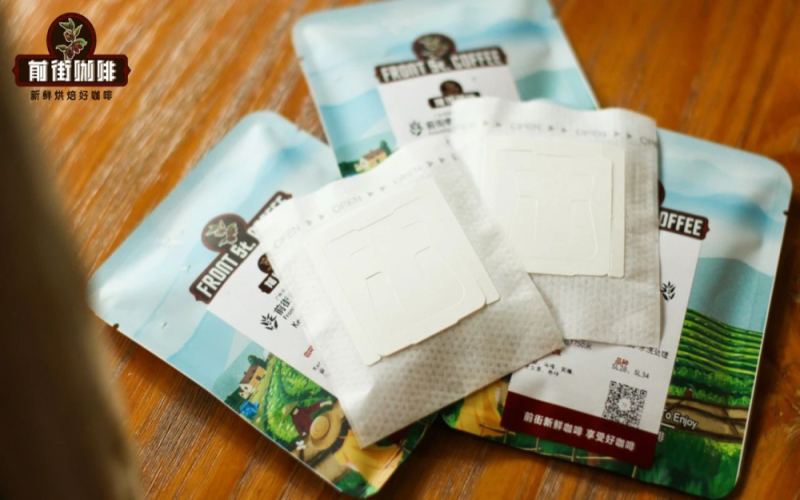
Many coffee enthusiasts enjoy specialty pour-over coffee, but feel that pour-over requires a lot of equipment and skill to make. To address this, Front Street Coffee has launched a series of drip coffee bags. The Front Street Coffee drip bag series features flavors from multiple regions, such as Sidamo, Brazil, and Honduras Sherry, among others. Of course, there are other types. [more…]