







At Finca Canet in the Tarrazu region of Costa Rica, a musician-series coffee bean named Bach is unforgettable for its rich and solid fermented flavor. This bean uses a unique raisin honey processing method, retaining 100% mucilage with zero water processing, and combined with the high-altitude growing advantages of the Yellow Catuai variety, it presents a wine-like fermented sensation, the sweet-tartness of red berries, and the aroma of roses. Through cupping and brewing, Front Street Coffee found that from dry fragrance to aftertaste, the fermented aroma of ripe grapes runs throughout, while a medium-light roast preserves the captivating floral aroma and high sweetness. This article will deeply analyze the origin background, processing method, roasting curve, and brewing parameters of Bach coffee beans, leading you through the complete profile of this "Air on the G String in the mouth."
It is said that before Bach became famous, his talent was already fully evident. Before a certain performance, an accident suddenly occurred, leaving only one G string on the violin. With time pressing, he improvised "Air on the G String." For more than a hundred years, this piece, with its simple and elegant melody and the rich, full tone unique to the G string, has become a classic beloved by violinists and enthusiasts alike.
When the Costa Rica musician series coffee beans were released, Front Street Coffee was deeply impressed by the thickness, richness, and directness of the flavor while cupping and brewing a bean named "Bach." From dry fragrance to wet aroma, from the first sip to the aftertaste, the rich fermented sensation of ripe grapes accompanies it throughout, giving this bean a steady and solemn character, while the rose aroma and berry juice sensation that emerge add splendor. Just like "Air on the G String," the melody is solemn and prolonged, with a profound and lyrical artistic conception.
Front Street Coffee: Costa Rica · Musician Series Bach Coffee Beans
Region: Costa Rica Tarrazu
Farm: Finca Canet
Processing Method: Raisin Honey Processing
Variety: Yellow Caturra
Altitude: 1900m
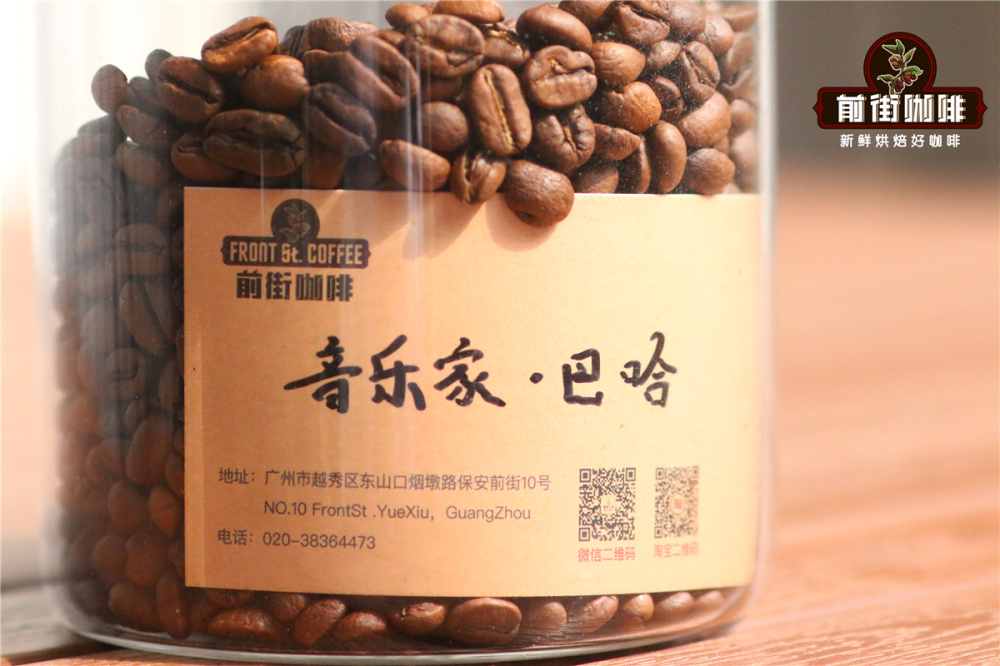
Canet Musician Series Bach
Canet Musician Series Bach
Finca Canet is a small farm covering only 5 hectares, located in the town of San Marcos in the Tarrazu region, jointly owned by the Robles brothers Leo, Elian, and Melvin and their family. This area is the most densely fruit-planted zone in Costa Rica. In addition to growing coffee trees, the farm's main crop is passion fruit. The Front Street Costa Rica Bach coffee beans obtained by Front Street grow on the highest-altitude plot in the farm's coffee-growing area.
If the most touching aspect of "Air on the G String" lies in the piece's pure, poetic, and sacred melody and tune, then the most captivating aspect of Front Street's Costa Rica Bach coffee beans is the rich, solid, wine-like fermented coffee flavor.
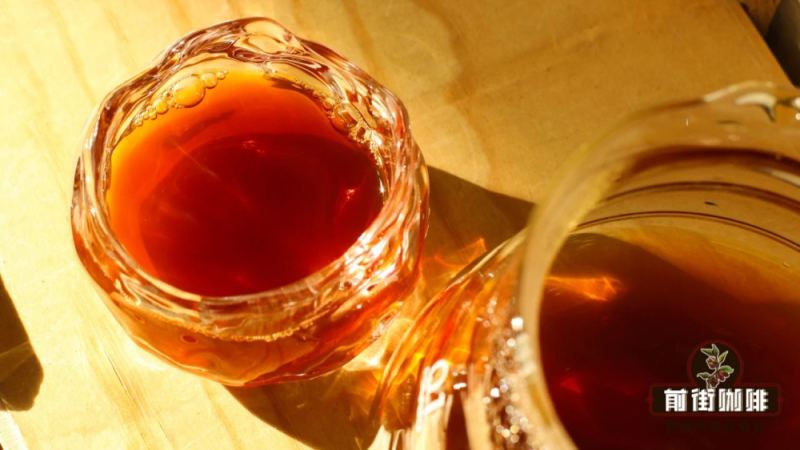
After the coffee beans are ground, the first thing that emerges is a grape-like acidity and fermented sensation. After brewing, a wine-like fermented aroma fills the entire coffee shop. On the palate, the mouth is filled with a wine-like fermented sensation, followed by the sweet-tartness of red berries and the aroma of roses, and finally a caramel-like aftertaste brings this "Air on the G String in the mouth" to a sacred close.
Coffee Bean Variety
Catuai Amarillo
Yellow Catuai originates from a cross between New World and Caturra, first successfully cultivated by Brazil's Instituto Agronomico de Campinas in 1949. Like Red Catuai, Yellow Catuai has extremely strong disease resistance and is suitable for planting in high-altitude and windy areas. Both Catuai varieties have a delicate and clean acidity.
Raisin Honey Processing
Raisin Honey
This processing method retains 100% mucilage and uses zero-water processing, increasing the difficulty of honey processing and requiring strict control of timing. On the day the coffee cherries are harvested, the harvested cherries are poured into a large water tank. The ripe, plump cherries sink to the bottom; underdeveloped or overripe cherries float to the surface, and these floating beans need to be removed.
The selected coffee cherries are placed on raised beds to dry for at least three days, then the outer skin is removed, and after retaining the mucilage, they are dried again. At this stage, climate factors are key to the success of honey processing. During drying, the coffee cherries need to be turned constantly to ensure even drying, but the turning frequency must be well controlled. Drying needs to be slow to ensure the coffee has fermented processing, but not so slow that it over-ferments.
Front Street Strawberry Candy · Geisha Blend and Front Street Mozart also use raisin honey processing, so after a medium-light roast, they not only retain a captivating floral aroma but also highlight the high sweetness of fruits such as raisins, ripe pineapple, jackfruit, and sweet orange. They can be brewed by pour-over or French press, and can also be used to make various iced coffees.
Front Street Coffee Roasting Notes
Front Street's roaster uses a Yangjia 800N semi-direct fire with a roasting amount of 300g. The drum temperature is preheated to 200°C for charging, the heat is adjusted to 160, the damper is opened to 3, the turning point is 1'36", and the heat is maintained; at 140°C, the heat remains at 160, and the damper is opened to 4. At 4'50" it turns yellow, the grassy smell disappears, and it enters the dehydration stage. At 166°C, the heat is lowered to 135, and the damper remains at 4.
At 8'05" dehydration is complete, wrinkles and dark streaks appear on the bean surface, and the toast aroma turns into coffee aroma, which is the prelude to first crack. At this time, listen carefully for the sound of first crack. At 8'38" first crack begins, the damper is fully opened to 5, and the heat remains unchanged. After first crack, the development time is 1'45", and the beans are dropped at 193.8°C.
Front Street Coffee Cupping Report
Dry Fragrance: Fermented fruit aroma
Wet Aroma: Rose, fermented sensation
Flavor: Fermented ripe fruit, berries, rose, caramel
Front Street Coffee Brewing Recommendations
Dripper: Hario 01
Dose: 15g
Coffee-to-water ratio: 1:15
Water temperature: 90°C
Grind size: medium-fine grind (81% passing through a Chinese standard No. 20 sieve)
Front Street Coffee's staged extraction method: first use 30g of water to fully wet the coffee bed into a "hamburger" shape and bloom for 30s, then proceed to the second pour. In the second stage, Front Street uses a steady medium-fine stream, pouring in circles, and at 55s on the timer pours water until it reaches 125g, then stops and waits for the water level to drop to 2/3 of the coffee bed before pouring the third stage. In the third stage, Front Street continues pouring in circles until 225g, then stops, and waits for all the coffee liquid to finish dripping to end extraction. The time is 1 minute 50 seconds.
Front Street Costa Rica Bach coffee beans brewing flavor: at high temperature, it is grape-like sweet-tartness and a wine-like fermented sensation; as it gradually cools, it becomes a red berry-like juice sensation and rose aroma; the finish is a caramel-like sweet fragrance.
The above content is compiled by CoffeeHunters, a coffee news website.


