







Search Results for: Practice Beans

Zero experience? You can still practice latte art: cocoa powder dusting, water sprinkling, and reuse methods—the complete low-cost guide to practicing latte art.
Want to practice latte art well but hate watching espresso and milk go down the drain with every cup? In fact, many coffee enthusiasts have long since figured out a money-saving, no-waste way to practice. In this article, Front Street Coffee will share several low-cost latte art practice solutions: from the dark soy sauce plus dish soap combo that even complete beginners can handle, to the reusable espresso-and-milk cycling method, and we'll also answer how to froth milk with a French press when you don't have an espresso machine. We'll also recommend espresso beans suitable for latte art, helping beginners build up their hands' muscle memory for milk foam step by step while keeping costs under control, so that every practice session gets closer to coffee shop quality. [more…]
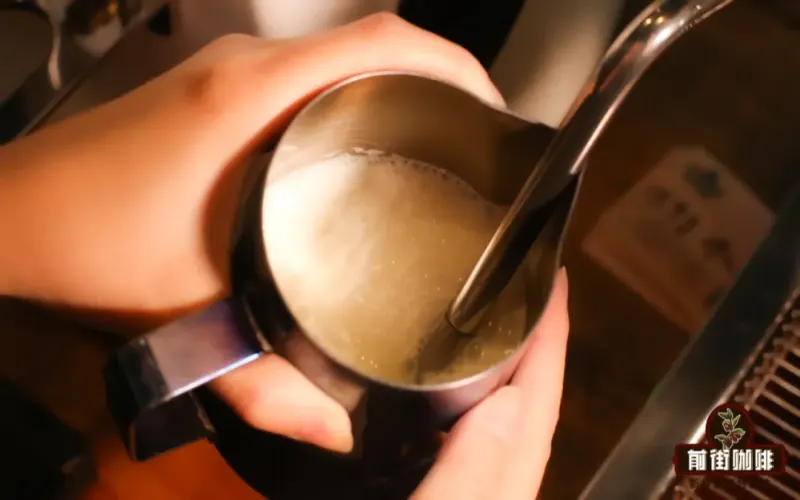
How to practice latte art from zero basics? Latte art techniques and common issues explained
To learn latte art from scratch, repeated practice alone isn't enough—identifying the reasons behind your failures is key. This article systematically breaks down the common latte art pitfalls for beginners, covering espresso and crema, the principles of milk frothing, pouring techniques, pitcher positioning, and tips for efficient practice. It also uses two coffee beans—Front Street Classic Blend and Front Street Commercial Blend—to explain how crema and milk foam together determine the final pattern, and provides a progressive practice path that goes from fresh milk to water and back to milk, helping coffee enthusiasts avoid unnecessary detours. [more…]
Learning Latte Art from Zero: A Low-Cost Approach Using Dark Soy Sauce, Dish Soap, and Recycled Espresso-Foam Practice
The art of latte art, at its core, relies on the repeated muscle memory of the hands for milk flow and foam. But if every practice session requires freshly pulled espresso and freshly steamed milk, the cost is high, and it's truly a waste to pour out what can't be finished. So many coffee enthusiasts have figured out some money-saving yet practical practice routines to minimize waste. In this article, Front Street Coffee will explain how coffee shops practice latte art in their daily operations: we'll introduce the choice of espresso beans suitable for latte art, share how to froth milk with a French press when there's no espresso machine, and break down in detail two low-cost practice methods—using dark soy sauce with dish soap, and recycling espresso with milk—to help you build up your latte art skills step by step at home. [more…]
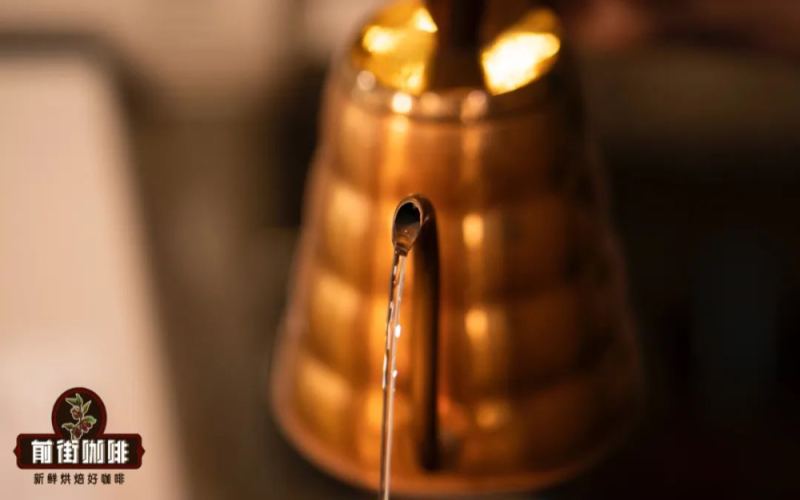
A Comprehensive Guide to Pour-Over Coffee Water Control Techniques: The Difference Between High and Low Flow Rates and Systematic Practice Methods
In the process of brewing pour-over coffee, the key to determining the quality of a cup often lies not in the final shape of the coffee bed, but in whether the brewing parameters match the beans and equipment, and whether the water flow is stable and controllable during pouring. An erratic flow rate or a drifting pour point can lead to problems such as excessive bypass water and uneven extraction. From the perspective of Front Street, this article systematically explains how to choose and consistently practice with a pour-over kettle, and advances water control skills in two stages—fixed-point steady pouring and circular steady pouring—while also explaining the performance differences between large and small flows under different spout diameters, helping coffee enthusiasts find a practice path that suits them. [more…]
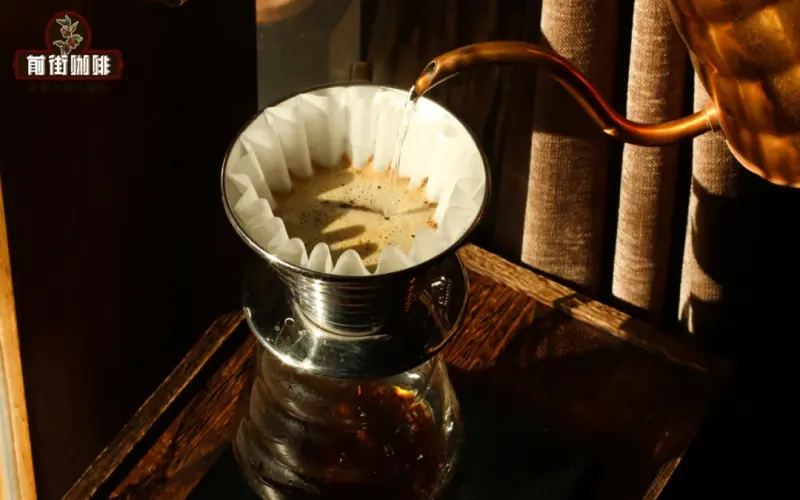
A Complete Guide to Pour-Over Coffee Water Pouring Techniques: A Practical Guide from Water Control Practice to Stable Flow
Beginners just getting into pour-over coffee often find that pouring water is far harder than they imagined—the stream surges and sputters, and their hands shake badly. The state of the coffee bed after brewing directly reflects how evenly the water was poured. Water control is a skill that demands proficiency; only after developing muscle memory and thoroughly getting in tune with your pour-over kettle can you pour exactly as you wish. Normally, a complete novice can master a steady stream after about two and a half weeks of practice, but if you learn a few techniques in advance, you can pour a relatively steady stream in as little as three days. From Front Street's perspective, this article walks beginners through the key points of pour-over kettle spout selection, water volume control, pouring motions, and circular pouring practice, helping everyone avoid detours and quickly improve their brewing and tasting skills. [more…]
A Beginner's Guide to Pour-Over Coffee: A Systematic Practice Method from Stance to Pouring
Beginners to pour-over coffee often encounter this困扰: a hand-pour kettle that is originally lightweight feels as heavy as a thousand pounds in the hand, water flow control is far from as effortless as imagined, and after a slightly longer pouring time, the arm begins to ache and tremble. The root of these problems lies partly in insufficient practice, and partly in not yet having found a suitable way to exert force and body posture. Although everyone's height, body type, and operating habits differ, and there is no universally standard posture, mastering the basic action essentials and then adjusting them according to one's own conditions can greatly improve practice efficiency. This article compiles a set of introductory methods for beginner pour-over posture, covering equipment preparation, standing posture adjustment, kettle-gripping technique, pouring practice, and the complete extraction process, for coffee lovers' reference. [more…]
A Complete Beginner's Guide to Pour-Over Coffee: A Hands-On Tutorial from Stance and Water Flow to the Extraction Process
Pour-over coffee, with its simple operation, easy-to-manage equipment, and ability to fully showcase coffee's vibrant aromas and clean taste, has become the preferred brewing method for many enthusiasts. However, behind the seemingly simple act of pouring water lie strict requirements for details such as water temperature, extraction time, water flow rate, and blooming rhythm. This article systematically outlines the fundamental operating standards of pour-over coffee—from stance adjustment, kettle-holding techniques, and the three-part water flow practice to the complete brewing process—helping beginners build a solid foundation and gradually achieve stable, gentle extraction. [more…]
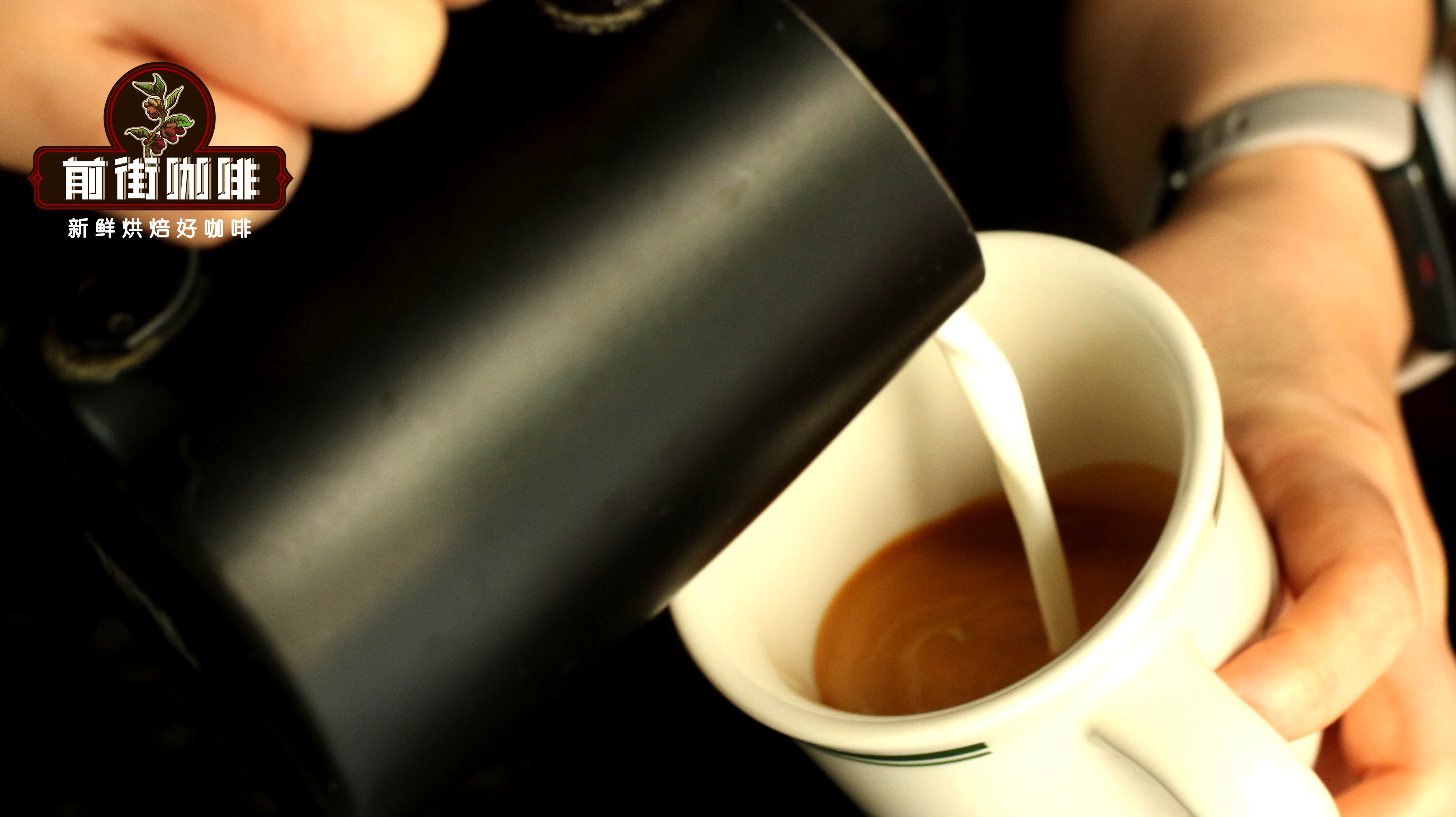
How to Choose Espresso Beans for Latte Art? A Complete Guide to the Advantages of Dark Roast Beans, Front Street Coffee Blend Recommendations, and Milk Frothing Techniques
Want to pour beautiful latte art? Choosing the right coffee beans is only the first step. Different espresso blends influence the flavor direction of the coffee base, while the oil content and roast level are the real keys to determining how easy it is to work with when pouring latte art. This article starts with the selection criteria for latte art beans, then discusses the advantages of medium-dark roasted espresso blends in terms of crema and aroma, and recommends several products: Front Street Black Cocoa, Grana Geisha SOE, Classic Blend, and Commercial Blend. After that, it breaks down the two stages of steaming milk—aeration and texturing—explains clearly why the pouring technique matters, and finally provides an efficient practice path from fresh milk to water and then to real-world application, helping you avoid detours. [more…]

Don't Rush to Throw Away Expired Coffee Beans: A Practical Guide to Judging Safe Consumption, Pour-Over Practice, and Reuse for Cleaning, Skincare, and Odor Removal
When you buy too many coffee beans to finish, or when brewing is delayed due to illness or other reasons, the beans can easily become stale or even expire. Many people's first reaction is to simply throw them away, but that is actually very wasteful. This article examines whether stale and expired coffee beans can still be consumed, from the perspectives of both flavor changes and food safety, and compiles a set of practical reuse methods: from using them as practice beans for pour-over, siphon, and espresso, to wiping copperware, cleaning stovetops, and caring for skin, and even deodorizing ashtrays, ovens, and pet areas. The article also draws on Front Street Coffee's experience to provide reference criteria for judging the flavor window and storage conditions, helping you handle the "old beans" at home more rationally. [more…]

Latte Art Practice Duration and Latte Milk Frothing Techniques: A Detailed Guide to Milk and Coffee Integration Key Points
To create beautiful latte art, hand speed and talent alone are far from enough—behind it lies a whole series of details involving milk foam condition, crema quality, extraction parameters, and even milk temperature. This article breaks down crema, coffee beans, extraction methods, milk handling, and pitcher-splitting techniques one by one, helping you understand the underlying logic of latte art and avoid unnecessary detours. Whether you are a complete beginner or an enthusiast looking to refine combination patterns, you will find directions worth practicing repeatedly. The article also combines the characteristics of several Front Street Coffee espresso blends to offer bean selection advice for latte art practice and serving. [more…]

How to Choose Beginner Coffee Beans? Flavor and Origin Analysis of Five Specialty Coffees Suitable for Novice Practice
Friends who are new to coffee can easily fall into the trap of judging quality by price when buying coffee beans, and the result is often either a brewing disaster or flavors that don't suit their taste. In fact, at the beginner stage, what matters more is finding a bag of everyday beans that can help you practice your brewing technique and build your tasting awareness. This article will sort out for novice friends five home specialty coffee beans with different styles. They come from different origins and estates, have a low brewing threshold, clear flavor distinctiveness, and are also friendly enough in price. At the same time, it will also share practical advice on coffee bean freshness preservation and purchasing channels, helping everyone avoid detours and drink a good cup of coffee at a lower cost. [more…]

Latte Art Illustrated Guide | How Can Coffee Beginners Learn Latte Art? What Should Be Noted in Latte Art? Instructional Guide on Swan, Tulip, and Rosetta Latte Art
Latte art mainly takes three forms: free pouring, etching, and stenciling. Stenciling uses a stencil to dust cocoa powder, chocolate powder, or cinnamon powder onto the coffee to create a pattern. Free pouring and etching are together known as Latte Art: the former involves pouring steamed [more…]

Master Latte Art from Scratch: A Complete Breakdown of Hand Gestures and Steps, Plus Efficient Practice Methods for Beginners
To make a hot latte with beautiful latte art at home, drinking coffee alone is not enough—the key lies in mastering milk frothing and latte art techniques. From the perspective of Front Street, this article first introduces the origins and proportions of latte coffee, then gradually breaks down the two major stages of latte art: integration and pouring, and explains in detail the air intake and texturing steps of milk frothing. The article also includes efficient practice tips to help you transition from practicing with water to working with real milk, so you can avoid detours and quickly pour basic patterns like hearts and tulips. [more…]

Pour-Over Coffee for Beginners: The Art of Water Pouring — Tips for Even Circular Pouring from the Center and Bean Recommendations for Practice
Those just beginning to explore pour-over coffee are often baffled, amidst a plethora of brewing books and techniques, about which step is truly crucial. In reality, the core lies in three aspects: understanding the current state of the coffee beans, having clear criteria for flavor evaluation, and maintaining a stable and consistent brewing method to fully extract the bean's intrinsic flavors. This time, Front Street Coffee focuses on the seemingly simple yet highly nuanced pouring stage, dissecting from blooming to circling, from water stream control to the characteristics of the dripper, step by step, the details that beginners are most likely to stumble upon, and recommends several everyday practice beans that balance flavor and cost-effectiveness, helping you take your first step in pour-over coffee in a more solid way. [more…]
Learning Milk Frothing and Latte Art from Scratch: A Complete Practice Approach from Milk Foam Principles to Pattern Formation
To make a hot latte with beautiful latte art at home, espresso alone is not enough—the key often comes down to the "milk foam" step. Drawing on the practical experience of Front Street Coffee, this article first explains the basic composition of a latte and the ratios for good flavor, then breaks down the two stages of milk steaming—aeration and texturing—step by step, explaining the key points of integrating techniques and pouring posture, and finally offers an efficient practice path alternating fresh milk and water. Whether you are new to espresso or always end up with coarse bubbles and a blob of latte art, you can find actionable directions for improvement. [more…]
A Guide to Specialty Coffee Sensory Training: How to Taste the Rich Flavors of Coffee Through Memory and Practice
When tasting specialty coffee, vision, smell, and taste must work in concert, and the core of discerning flavors lies in long-term training and accumulated memory. This article systematically introduces how to build a personal taste memory bank through everyday scent memory, blind smelling exercises, and the aid of aroma vials, and uses Panama Hartmann Estate red wine process coffee as an example to analyze, layer by layer, the specific training methods for dry aroma, wet aroma, the finish, and the aftertaste. It also includes practical advice from Front Street Coffee to help coffee lovers sharpen their sensory acuity in practice and truly taste the rich layers of coffee. [more…]

A Detailed Guide to Latte Art Etching Techniques: Pitcher Training, Line Thickness Causes, and Espresso Extraction Basics
To pour beautiful latte art patterns, practicing hard alone is not enough—the key prerequisite is having a shot of espresso with rich crema. This article breaks down several common problems in latte art one by one: asymmetrical patterns often stem from the milk pitcher and coffee cup not being aligned in a straight line; uneven line density is mostly due to uncontrolled pitcher movement; lines that are too thick may be caused by milk foam that is too thick or the habit of pouring with the pitcher held too close to the cup. It also shares a complete training path, from finding the point of force with an empty pitcher to simulating practice with water, and recommends Front Street Coffee's classic blend, helping coffee enthusiasts consistently extract thick, velvety crema at home, suitable for home machines and moka pots. [more…]

Latte Art Beginner's Illustrated Tutorial: Detailed Step-by-Step Analysis from Principles to Techniques and a Guide to Choosing Milk Foam
Want to learn latte art but don't know where to start? This article uses illustrations to break down the core principles and practical techniques of latte art, from integrating milk foam with coffee to controlling the landing point when pouring the design, helping you build muscle memory step by step. It also answers the common question of "what milk to use for latte art" and recommends espresso bean recipes suitable for latte art. Drawing on years of experience, Front Street Coffee tells you that learning a basic pattern usually takes 4 days: the first day to understand the principles, the second day to practice hands-on, the third day to review the key points, and the fourth day to consolidate and improve. As long as the milk foam quality is up to standard, pouring a beautiful pattern is not difficult. The article also shares the landing-point patterns for basic designs like hearts and leaves, as well as practice suggestions for using real milk and real coffee to get a feel for it. [more…]

From Zero to Latte Art: A Self-Taught Barista's Passion and Rewards
For coffee lovers, latte art is not just a skill—it's a journey full of passion. This article shares the growth story of a self-taught latte artist, from最初 being drawn in by the smooth motions of a barista, to buying equipment, delving into extraction and milk frothing, and then reaping a sense of accomplishment through day-after-day practice. She discovered that a wish from years ago—"to make a hot latte with latte art in a pretty cup"—had quietly come true long ago, and that latte art brings far more than the pattern itself: it is the reward of persistence and a sense of ritual in life. If you, too, fell in love with coffee because of latte art, or are slowly improving through practice, this journey of the heart may just be a portrait of you. [more…]
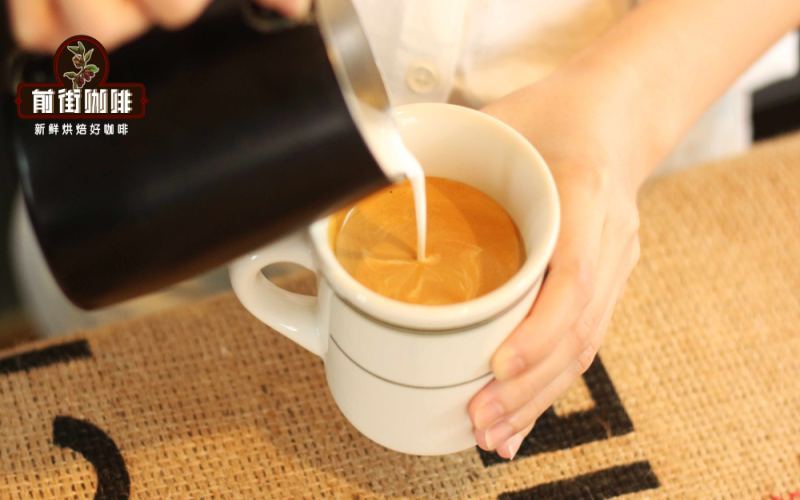
Learning Coffee Latte Art from Scratch: A Detailed Guide to Practical Techniques for Steaming Milk with a Steam Wand and Integrating Latte Art
Those new to coffee latte art often run into the same confusion: they watch others casually pour a beautiful heart or tulip, but when they try it themselves, the milk turns into clumps, and they can't even make the most basic pattern. In fact, latte art isn't as mysterious as it seems—the key lies in mastering a few core elements: milk frothing, the pouring technique, and the pitcher-holding posture. From the perspective of Front Street, this article systematically explains how to use a coffee machine's steam wand to create dense, well-balanced microfoam, how to choose espresso beans suitable for latte art, and the details to pay attention to during pouring and practice. It will also recommend Front Street Classic Blend, a bean suitable for beginners and for use in cafés, to help everyone take fewer detours on the road to practicing latte art. [more…]