








Espresso Beans and Coffee Roasting Tips for Left Handed People
Any fresh espresso blend can produce latte art, provided two conditions are met: a properly extracted shot and smooth microfoam. Medium to dark roasted blends are easier because they give richer crema and stronger aroma. Bean choice mainly changes the flavor of the base, not whether the pattern pours.
Milk frothing has two stages: aeration, which introduces air, and texturing, which folds the foam into fine microfoam. Water practice, then fresh milk, then real espresso builds the skill fastest. Beyond the usual coffee roasting tips for left handed people, the practical rule is simple: keep beans fresh, grind right before extraction and control milk temperature to hold the foam.
To pour beautiful latte art, choosing the right coffee beans is only the first step. Different espresso blends influence the flavor direction of the coffee base, while the oil content and roast level are the key factors that determine how easy it is to pour latte art. This article starts with the selection criteria for latte art beans, discusses the advantages of medium-dark roasted espresso blends in terms of crema and aroma, and recommends several products: Front Street Black Cocoa, Grana Geisha SOE, Classic Blend, and Commercial Blend. It then breaks down the two stages of milk frothing—aeration and texturing—explains why the blending technique matters, and finally provides an efficient practice path from fresh milk to water and then to real-world practice, helping you avoid detours.
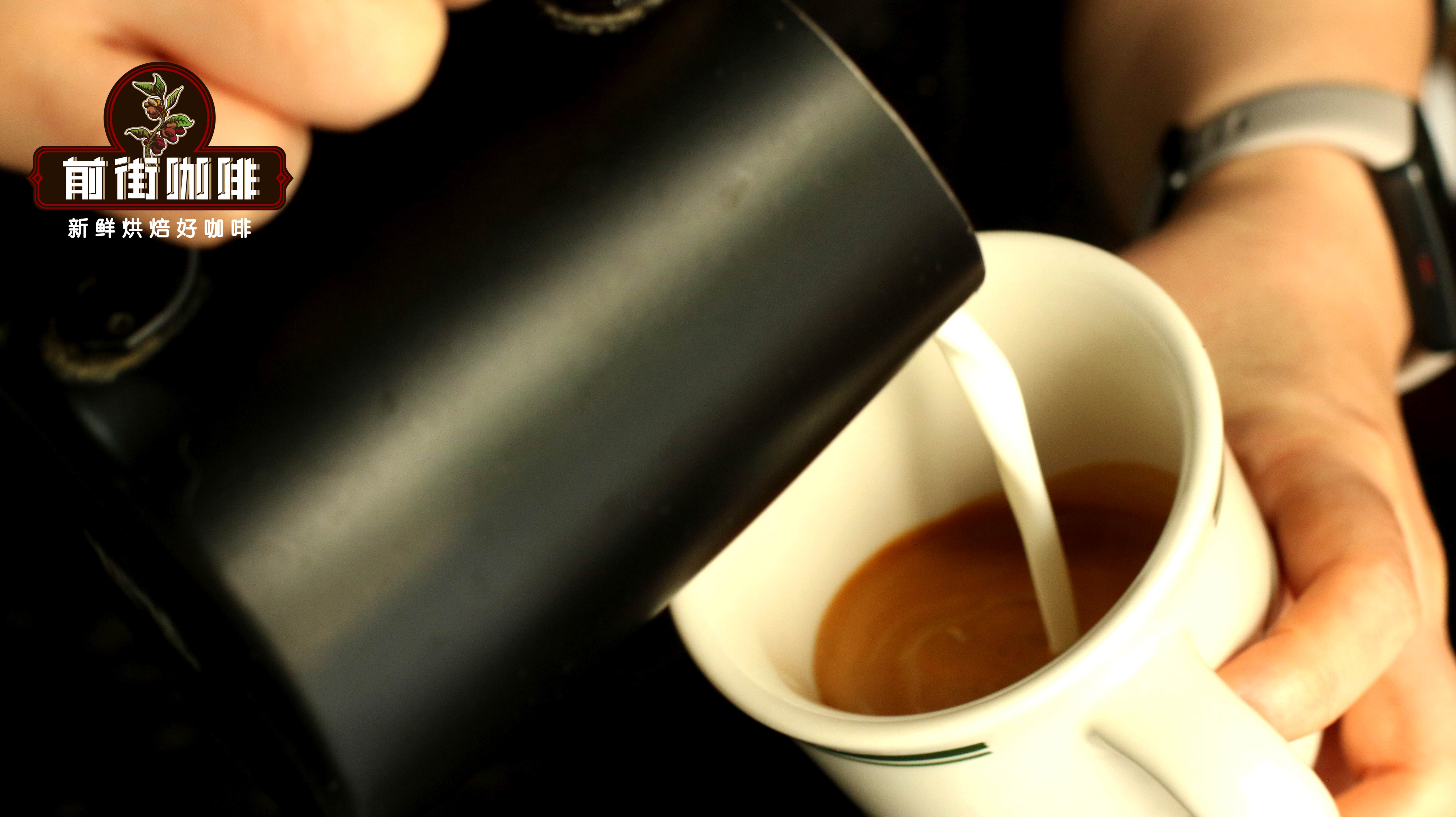
If you switch to a different coffee bean for latte art, besides tasting different, will it bring any other differences?
Actually, what different latte art beans change is mainly the flavor of the coffee used as the base. One thing must be made clear first: any espresso blend can produce beautiful latte art.
As long as the beans are fresh enough and full of aroma, ground and extracted fresh with an espresso machine, and the milk is frothed into fine, smooth microfoam with a steam wand, you can create latte art on the surface of the coffee.
For latte art to work, there are two prerequisites
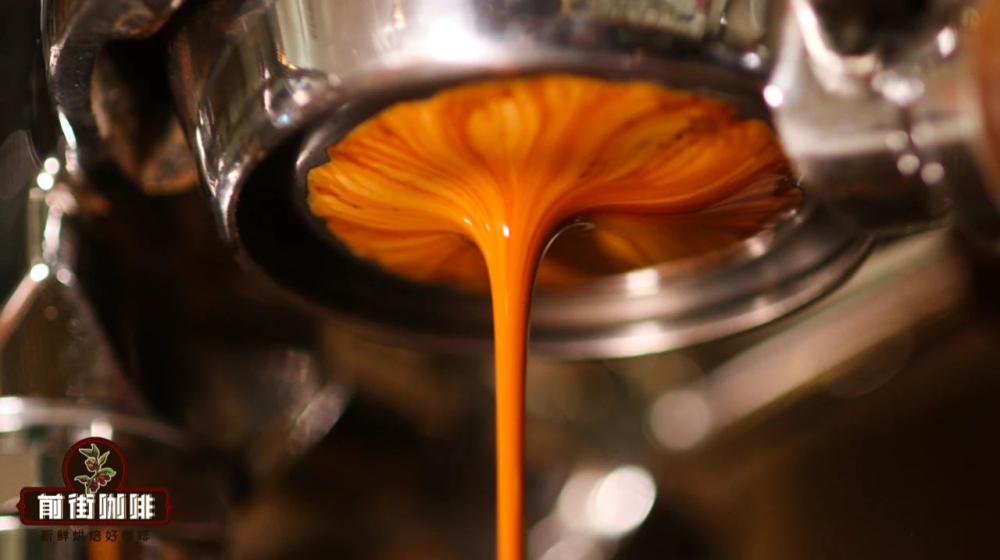
1. First extract a proper espresso shot. (Involving factors such as grind size, tamping, water temperature, pressure, and extraction time)
2. Create smooth and delicate microfoam. (Involving factors such as milk fat content, milk temperature, and technique)
So the so-called latte art coffee beans are essentially just choosing a bean that can make good coffee. Different beans lead to different flavor directions. If you prefer a rich, stable taste, you can choose Front Street Black Cocoa Blend; if you want more pronounced floral and fruity aromas, try Front Street Grana Geisha SOE, where you can taste both cranberry and chocolate cookie flavors.
Latte art cannot do without crema, so medium to dark roasted espresso blends are more suitable: first, they are more cost-effective; second, they have richer crema and stronger aroma. For beginners practicing latte art, Front Street Classic Blend espresso beans are the top choice, bringing out notes of butter, nuts, spices, and dark chocolate during extraction. Its wild character and abundant crema are its biggest labels. If a barista adds a delicate latte art on top, it's easy to leave a lasting impression.
If your plan is to practice latte art and prepare to open a coffee shop, then go for Front Street Commercial Blend espresso beans. This product is a combination of three major producing regions—Colombia, Brazil, and Vietnam—using a medium-dark roast. It can be extracted with a moka pot, home espresso machine, or fully automatic coffee machine, with abundant crema. Many people call it a must-have for opening a shop.
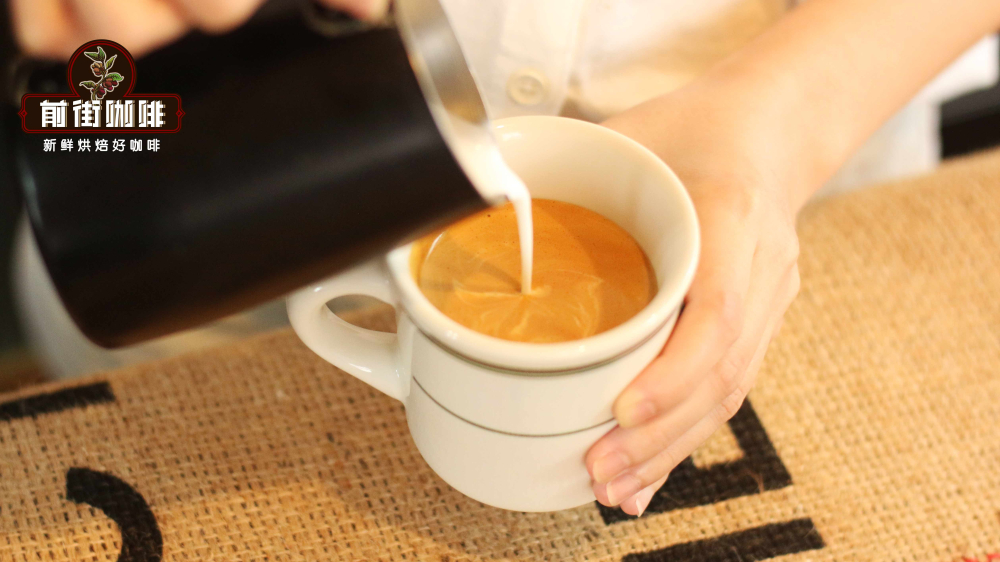
Milk frothing can be divided into two steps: the aeration stage and the texturing/heating stage.
The steam wand releases high-temperature steam, which enters the milk from the steam holes and serves to heat it. When part of the steam hole is exposed outside, the steam must pass through the air before entering the milk. At this point, the air being forced into the milk produces a "zzzz" sound. So whether you are aerating can be judged by listening for this "zzz" sound. For example, when making a latte, generally 2–3 seconds of aeration is enough.
To get foam with moderate thickness that is smooth and creamy, besides controlling the amount of aeration, you also need to give these gases enough texturing time. The key is to create a vortex. Note that at this point you should no longer hear the "zzz" sound, otherwise many large bubbles that cannot be eliminated will remain.
The blending step is really important!
Properly blended coffee will show an even "golden base," with a rich and creamy mouthfeel—good-looking and good-tasting. If a hot milk coffee is not blended well, not only will its appearance suffer, but it may also taste bitter one sip and weak the next, or even have foam separation.
There are also techniques for evenly mixing the foamy milk with the coffee. Usually, hold the cup with your left hand and the pitcher with your right hand, keeping the spout 5–8 cm from the liquid surface according to personal habit, moving high and low in a circular motion in the same direction to fully mix the two.
Your posture should look cool, but also be correct.
There are latte art videos for every stage online, from the basic heart to leaves, from rippled tulips to various animals—there are many learning channels. But Front Street has noticed that some friends always fixate on high-difficulty patterns. Actually, the posture of experts is more worth observing and imitating.
How to hold the pitcher, the pouring angle, the blending technique, the order of forming shapes, the hand movement when returning the cup, and so on. First watch carefully, then imitate, then practice repeatedly. It's best to have someone watch and check if your posture has any problems. After all, latte art is muscle memory formed through long practice. A pattern often takes only about ten seconds from start to finish, and sometimes it's hard to explain clearly in words.
Tips for efficient practice
If you're new to latte art, Front Street suggests practicing with fresh milk a few times first to feel the force of the milk being frothed under steam, and the sensation of pushing out white patterns as it blends with the coffee. Then switch to water for practice to master the differences in aeration amount, vortex, temperature, and other details. Once your hands have enough muscle memory, switch back to milk for "real combat," starting with basic patterns like hearts and tulips to test your practice results.
The above content is compiled by CoffeeHunters, a coffee news website.


