







Search Results for: Post-00s barista
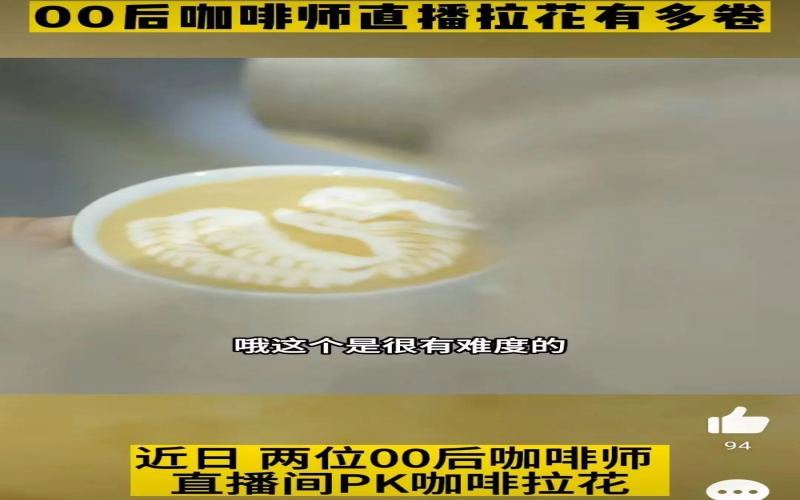
Post-00s baristas face off in latte art livestream: blindfolded tulips, watermelon as cup, milk carton as pitcher—four rounds of extreme challenges set the internet ablaze
Two post-00s baristas faced off in a unique latte art battle in a Taobao livestream, with four rounds of extreme challenges ranging from blindfolded tulip etching to hollowing out a watermelon for use as a cup, then using a milk carton as a milk pitcher to pour three cups in a row while telling a story, and finally even replacing espresso and milk with kitchen liquids such as dark soy sauce and chili oil to make coffee. This livestream show, lasting several tens of minutes, not only showcased coffee’s complex and varied pattern designs, but also left netizens watching in awe of the skill and creativity of China’s young baristas. It is understood that the two protagonists come from the PCA Professional Coffee Skills Training Camp and S.O.E. 8 Squared Coffee respectively, and have been in the industry for six or seven years. They hope that through livestreaming, more people will learn about Chinese coffee culture. [more…]
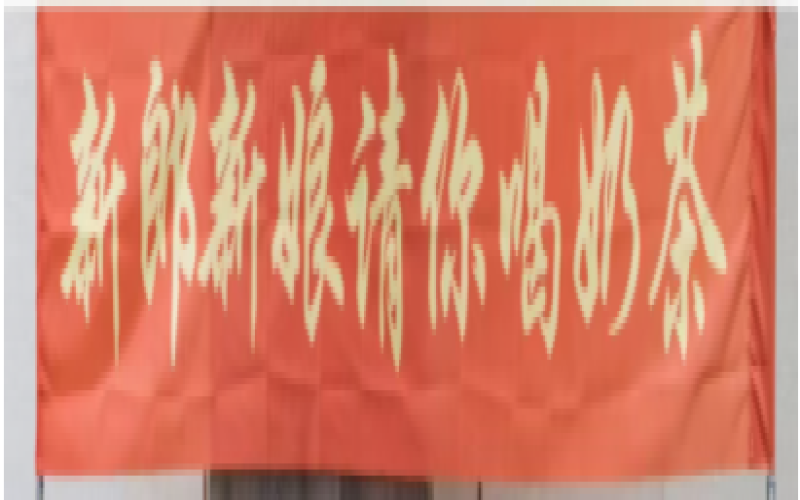
Milk Tea Replaces Baijiu? Post-90s and Post-00s Newlyweds Reshape Wedding Toast Etiquette with New-Style Tea Drinks
Must you drink alcohol when toasting at a wedding? More and more couples born in the 1990s and 2000s are giving a different answer: replacing baijiu with milk tea. From a Shanghai couple's wedding banquet featuring golden-cup milk tea to the heated discussion of 320,000 posts on social media, this new trend of substituting tea for alcohol is quietly changing the drinking culture at traditional wedding banquets. Why are young people drawn to this approach? And do their elders accept it? This article takes you through this wedding banquet revolution led by new-style tea drinks, and shows how young people are redefining the wedding toast ritual in their own way. [more…]

Analyzing Career Development Paths for Baristas: Possibilities from Brewing Skills to Deep Industry Involvement
In recent years, more and more young people, driven by their love for coffee, want to change careers and become baristas—but what does this profession really look like? Is being a barista truly a dead end? Are there real possibilities for high income in the industry? This article will take an in-depth look at multiple dimensions of the barista profession, from brewing skills to industry division of labor, from the current salary situation to room for growth, helping coffee enthusiasts clarify the boundary between passion and career and find a development path that suits them. [more…]
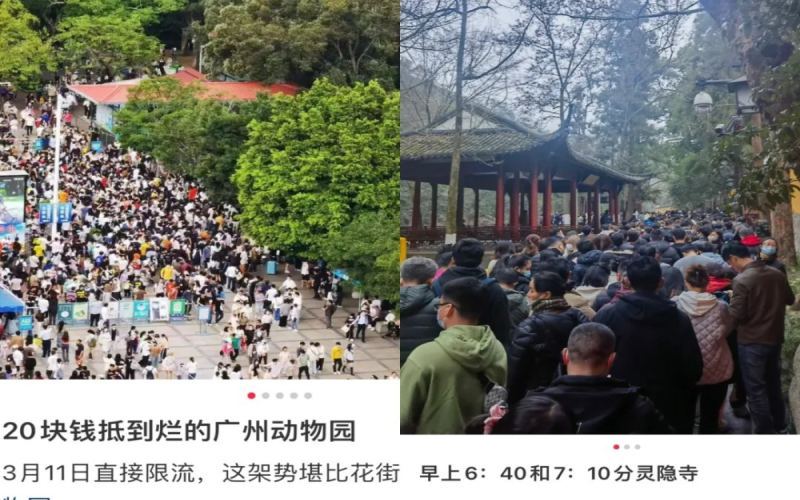
Why is temple coffee going viral? The psychology and consumer logic behind young people flocking to temples to burn incense and drink coffee
In recent years, among those booking tickets to temple scenic spots, the post-90s and post-00s generations have accounted for nearly half, and temples that enshrine the God of Wealth or have coffee shops in particular have become popular destinations for young people to check in. Burning incense while drinking coffee—a lifestyle that seems contradictory yet runs in parallel—reflects what kind of psychological needs among today's young people? Why exactly has the cross-boundary combination of temples and coffee become so popular? Starting from young people's motivations for visiting temples, this article analyzes the dual effects behind the rise of temple coffee and explores how the coffee industry and temple operations can help each other succeed through this collision. At the same time, the article retains recommendations and introductions related to brands such as Front Street Coffee for coffee lovers' reference. [more…]
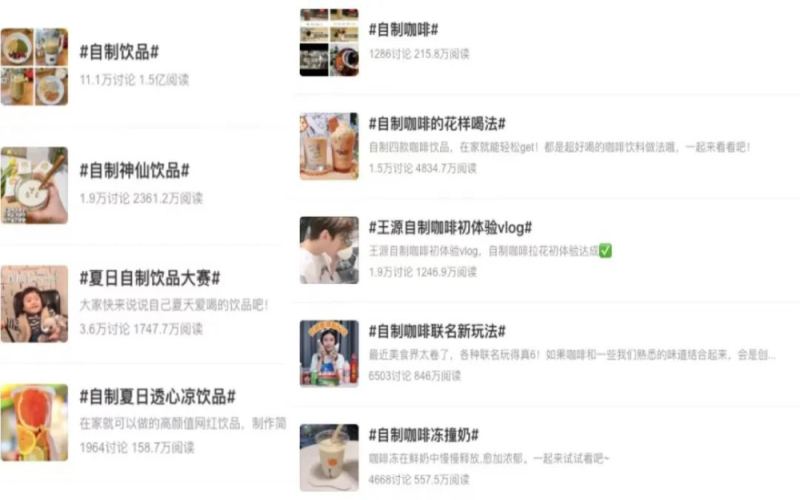
From Homemade Creations by Netizens to Bestsellers in Cafés: How Creative Coffee Rides Social Platforms to Reach the Masses
The internet has enabled the rapid spread of video tutorials and helped a wave of viral coffee creations stand out from "homemade coffee." Creative drinks such as Saturn Coffee, Waterfall Americano, Lava Iced Americano, and 400 Times Coffee have gone viral as netizens spontaneously recreate and share them, and have since been adopted by many cafés. These coffees often do not rely on a high technical threshold, but place particular emphasis on visual presentation—catching the eye first, then winning over the palate. Students born after 2000 have taken homemade coffee to new heights, using coffee liquid and freeze-dried powder paired with convenience store drinks and syrups to achieve low-cost coffee freedom in their dormitories. Against the backdrop of the pandemic and rising prices, the cost-effectiveness of homemade coffee has become more prominent. Although there is still a gap in flavor compared with professional cafés, it also confirms that coffee is accelerating its integration into daily life. [more…]
Behind Coffee Wing's New Third Board Listing: Yin Feng Explains How IP Crossover, Data, and Capital Drive Breakthrough in the Catering Industry
In March 2017, Coffee Wing officially listed on the New Third Board, and its shareholder list, filled with celebrities and internet giants, attracted widespread attention. At a sharing session hosted by Catering O2O, founder Yin Feng delivered a speech titled "The Capital Path of Cross-Border Catering Driven by Data and IP," systematically explaining the consumer changes in the Catering 3.0 era, the timing for going public, two strategic approaches, and Coffee Wing's business strategy centered on "IP, cross-border, data, and capital." This article presents the full essence of Yin Feng's speech, covering catering industry trends, brand building, user operations, and marketing innovation, offering in-depth reference for coffee enthusiasts and catering professionals. [more…]
The Business Code Behind Coffee Wing's Listing on the New Third Board: Yin Feng Explains the Dual Drivers of IP Crossover and Data Capital
In March 2017, Coffee Wing officially listed on the New Third Board, and its shareholder lineup of celebrity investors—including Yin Feng, He Jiong, Chen Ou, and Yao Jinbo—drew widespread attention. As a benchmark case of cross-industry dining, what exactly has enabled Coffee Wing to achieve sustained growth? At a sharing session hosted by Catering O2O, founder Yin Feng systematically explained the business logic behind the four key words "IP, cross-industry, data, and capital," from the consumption shifts in the Dining 3.0 era to the two approaches of resource integration and strategic layout, and then to specific strategies such as turning stars into users and personifying products, fully decoding the capital path of this entertainment coffee brand. [more…]

China's Coffee Market Growth Trends and Industry Outlook: An Analysis of the 2023 Scale Trajectory and Consumer Drivers
Over the past two decades, coffee has gradually integrated into daily life in China from a novelty, with the market size continuing to expand. Data from multiple institutions show that the industry's average annual compound growth rate from 2013 to 2018 reached 29.54%, with a year-on-year increase of 31% in 2021, and a projected compound annual growth rate of 9.63% from 2022 to 2025. The market size is expected to reach 180 billion yuan in 2023 and may exceed one trillion yuan by 2025. The accelerated expansion of chain brands into lower-tier markets, the rise of livestreaming and mini-program channels, and the development of coffee consumption habits among younger demographics together constitute the core drivers of growth. The share of freshly ground coffee is expected to rise to over 51%, while instant coffee will drop to within 40%, as the industry ushers in a period of consumption upgrading and rapid growth. [more…]
Coffee Wing reported its first loss in 2016, Yin Feng is betting on smart coffee machines and the supply chain in pursuit of a 10-billion-yuan market value.
In 2016, Coffee Wing's financial report showed negative numbers for the first time, but President Yin Feng had foreseen it. She admitted that this was a short-term sacrifice to pave the way for new business lines, and both the board of directors and shareholders expressed understanding. Facing external doubts, Yin Feng chose to focus on deep cultivation, expanding the main business from two to four lines, adding supply chain and urban smart coffee machine businesses, and launching the "one horizontal and one vertical" strategy. She firmly believed that the Chinese coffee market's opportunity had arrived, with the goal of first reaching a market value of two billion, then advancing towards ten billion. This article will deeply analyze Yin Feng's business logic, market judgment, and her complete plan for the future of Coffee Wing. [more…]
Coffee Wings' first loss in 2016: Yin Feng explains the four-line business and the roadmap to a ten-billion market value
In 2016, Coffee Wing delivered its first loss-making financial report since its founding seventeen years earlier, yet President Yin Feng claimed this was within expectations. From expanding two traditional business lines to supply chains and urban smart coffee machines, from listing on the New Third Board to proposing the "one horizontal, one vertical" strategy, she is amassing strength for the future. Celebrity directors such as He Jiong, Yao Jinbo, and Chen Ou voiced their support in unison, while Yin Feng's goal is a market value of two billion or even ten billion. Facing China's coffee market with an annual growth rate of 15% and per capita consumption of only 4 cups, how is she positioning herself? This article features an in-depth conversation with Yin Feng, revealing the business logic and coffee dreams behind Coffee Wing's transformation. [more…]

Heytea and Nayuki successively cut prices as competition in the new-style tea beverage sector heats up, with prices starting as low as nine yuan.
The new-style tea beverage market has been stirring recently. High-end brands Heytea and Nayuki have successively announced price cuts, with the lowest dropping to 9 yuan. Nayuki launched a "Relax" series priced at 9-19 yuan, promising to launch at least one "single-digit" product every month, while Heytea announced it will not raise prices this year. Consumer reactions have been mixed, with some cheering and others questioning reduced cup sizes and lower quality. This article reviews the price-cut moves of the two major brands, netizen feedback, and industry data, analyzes the consumption trends and market logic behind the involution in new-style tea beverages, and includes related news about Front Street Coffee. [more…]
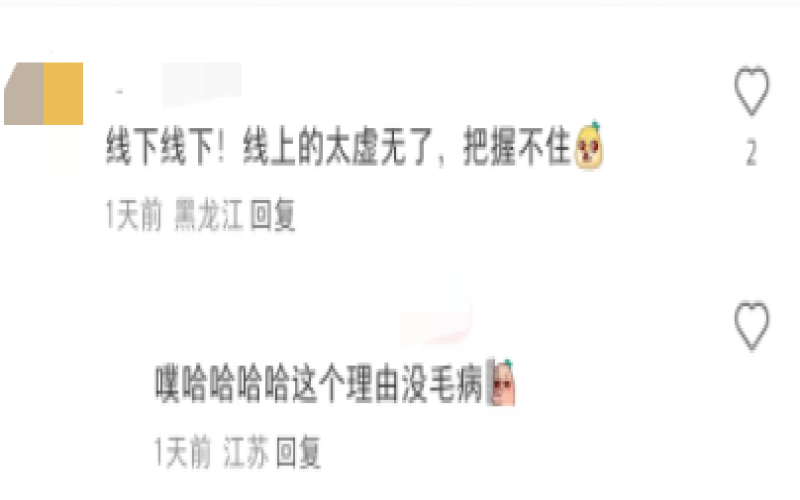
Luckin's co-branded Xiaoliu Duck is available only through online channels, leaving consumers who went to stores empty-handed and sparking heated discussion.
On August 29, Luckin Coffee's co-branded campaign with the cartoon IP Little Liu Duck officially launched, but it sparked consumer dissatisfaction because participation was limited to online channels only. Many fans rushed to stores early in the morning only to find nothing, and later discovered that the campaign was actually run by Luckin Instant Coffee, which belongs to a different system from the offline stores. The co-branded merchandise was available only as gifts, not for sale, including limited-edition items such as thermos cups, stickers, and desk mats, and had already attracted widespread attention during the teaser phase. However, the mismatch between online and offline information left many consumers disappointed and also triggered discussions about brand co-branding strategies and the essence of coffee. [more…]
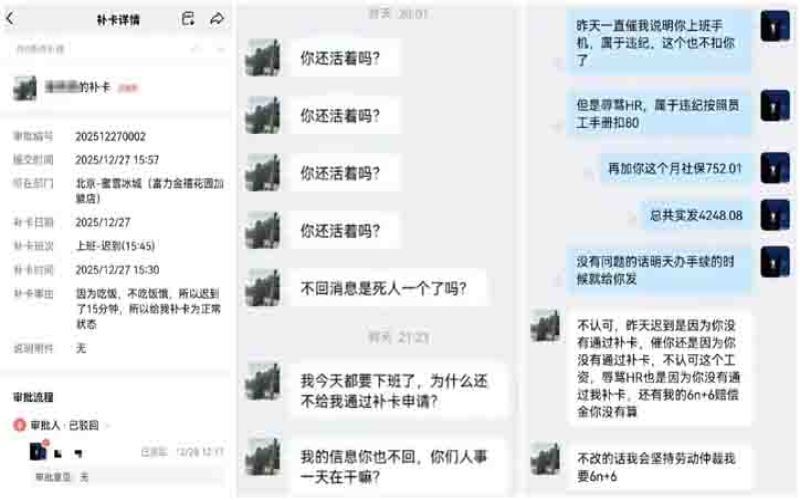
The reported employee conflict incident at Mixue Bingcheng is rumored to be false; the store involved cannot be found at the stated location.
Recently, a rumor circulated online about a fierce conflict between a Mixue Bingcheng employee and the company's HR, involving multiple allegations such as being refused a late clock-in makeup, insulting HR staff, smashing up a store, canceling the cashier system, and even misappropriating public funds, which quickly sparked heated discussion among netizens. However, after verification by media outlets such as Red Star News and Southern Metropolis Daily, the rumor was confirmed to be false; the original blogger has deleted the related content, and the so-called involved store cannot be found on maps. This article sorts out the course of the incident and the responses from all parties, reconstructing the ins and outs of this online false alarm. [more…]
Want to become a professional barista? First, understand the skills and commitment this career requires.
Many people envy baristas for being able to taste all kinds of coffee, operate expensive equipment, and even experiment with different drinks, but this profession is far from as easy as it looks on the surface. To become a qualified barista, you not only need solid coffee knowledge, but also have to go through systematic training and become familiar with every aspect of store operations. From tasting extensively to ensure consistent quality, to handling multiple tasks at once and coordinating seamlessly with the team, to the physical wear and tear caused by standing for long hours and repetitive movements, as well as the tedious cleaning work, each one is a required lesson. If you are also thinking of entering the industry, you might first take a look at this realistic portrayal to understand the dedication and persistence behind the glamour. [more…]

The Truth About Being a Barista: Why Is It So Quiet Behind the Bar? Unveiling the Professionalism and Tenderness Beneath the Aloof Exterior
Baristas standing behind the counter always give off a contradictory impression—warm yet distant. Why do they stay silent while brewing? Is it introversion or a deliberate choice? Starting from everyday observations, this article restores the barista's true working state—silence stems from an extreme focus on flavor, but once they open up, they can chat with you from coffee beans to all of life's ups and downs. At the same time, a reminder: don't blindly romanticize this profession. Getting along with baristas requires understanding their unusual schedules and coffee-saturated minds. Want to invite a barista for a chat? Take a look at this "icebreaker guide" first. [more…]

2023 National Barista Salary Survey: What Is the Average Monthly Income, and Is This Profession Still Worth Entering?
The coffee industry continues to heat up, with more and more cafes opening, but what is the income level of baristas really like? According to nearly a million recruitment samples from the past year, the national average monthly salary for baristas is about 4,200 yuan, with Shanghai being the highest among first-tier cities at 6,024 yuan. At the same time, the age structure of practitioners, employment mobility, and the lack of professionalism and comprehensive abilities all make the salary dilemma of this profession particularly prominent. Do baristas still have room for promotion? How can the low-salary cycle be broken? This article will combine data and the current state of the industry to sort out the real situation and development possibilities of the barista profession one by one, and retain the relevant information channels of Front Street Coffee. [more…]

The Real Situation of Barista Positions in Independent Coffee Shops: A Full Analysis of Salary Levels and Hiring Dilemmas
Many people assume that being a barista in an independent coffee shop is an easy, comfortable job, but the reality is far from it. Coffee shop owners generally report that hiring is difficult, while job seekers' skill levels and salary expectations are often severely out of step with the actual situation. This article approaches the topic from the dual perspectives of coffee shop owners and practitioners, offering an in-depth analysis of the real wages of baristas in independent cafés, the difficulties of recruitment, and the professional qualities a qualified barista should possess. It also explores how baristas can achieve higher income and recognition in this industry through continuous learning and self-improvement. [more…]

Coffee Shop Ordering Pitfall Guide: Analyzing Those Special Requests That Leave Baristas Not Knowing Whether to Laugh or Cry
Walking into a coffee shop and facing the dazzling array of options on the menu, have you ever hesitated, unable to decide? And the orders that baristas encounter every day are even more bizarre—from "an iced hot Americano" to "a latte with less chili," these laughable requests reflect the uneven public understanding of coffee. This article rounds up the weird ordering habits in coffee shops that drive baristas crazy, and also explores how baristas can properly guide customers to learn about coffee. Just as Front Street Coffee has always been committed to promoting specialty coffee culture, every patient explanation may help more people fall in love with coffee. [more…]
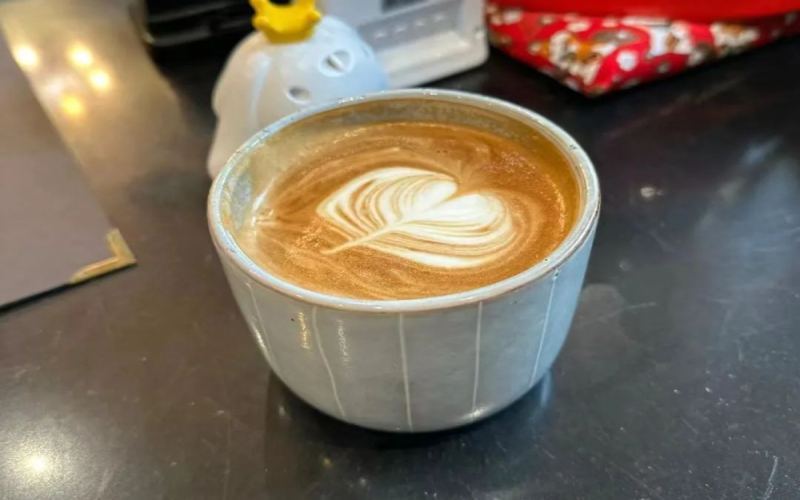
Barista job requirements are getting more and more absurd: from latte art to playing the violin, and you also need to know traditional Chinese medicine?
It's campus recruitment season once again, and the coffee industry's popularity has many graduates dreaming of joining—chasing poetry and distant lands while also securing their daily bread. However, when job seekers see recent barista recruitment ads, reality hits them hard. Some employers list a long string of responsibilities including production, cleaning, cashiering, and store operations, making one wonder if they're hiring a barista or an all-around store manager. Even more absurd, some cafés require baristas to know photography and photo editing, manage social media accounts, and even play a violin concerto in their spare time, or possess knowledge of traditional Chinese medicine to develop herbal Americanos. Coffee workers mock themselves: the ultimate barista is a hexagonal warrior who can do everything except make coffee. This article takes you through these astonishing recruitment requirements and the real daily work of baristas. [more…]
Why Do So Many Baristas Have Tattoos? Looking at Professional Belief and Individual Expression Through the Evolution of Starbucks Policy
In chain-brand stores or independent coffee shops, baristas with tattoos are becoming increasingly common. Some joke that "having a big tattooed arm is the first step to becoming a barista," while others wonder "why do all baristas have tattoos?" Behind this phenomenon lies both the evolution of industry culture and the loosening of restrictions on employees' individual expression by companies like Starbucks. Starting from discussions on social platforms, this article reviews the changes in Starbucks' tattoo policy, explores the relationship between tattoos and baristas' professional identity, passion, and professionalism, and reminds readers to view tattoo choices rationally, not judge people by their appearance, and ultimately evaluate whether a barista is qualified based on coffee quality rather than appearance. [more…]