







Search Results for: Portugal

What Is Mazagran Coffee? An Analysis of the Evolution of Iced Coffee from Africa to Europe and the Differences in Preparation Across Countries
Mazagran coffee is a classic iced coffee that originated in Africa and became popular in Europe, and it is often called "the earliest iced coffee ever created." However, this claim remains disputed in historical research, since the cold brew invented by the Dutch at sea in the 17th century was already circulating in Japan's Edo period. Even so, Mazagran coffee, with its unique charm, evolved into distinctive preparation styles in countries such as Spain, Austria, France, and Portugal. This article will guide you through the origins and background of Mazagran coffee, the differences in how it is made across countries, and the reasons it spread from Africa to Europe and became widely popular, while also preserving relevant recommendations and product information from the Front Street brand to provide coffee lovers with a complete flavor guide. [more…]

Starbucks Japan introduces receipt password locks for restrooms, sparking debate among customers and netizens over convenience versus security.
Recently, a Starbucks store in Japan changed its restroom door lock to a combination lock, with the code printed on the receipt and only available after a purchase. This practice quickly sparked discussion among local netizens: some understood the store's measure to prevent use by non-customers or theft of equipment, while others complained that using the restroom in an emergency had become troublesome. In fact, Starbucks locations in Portugal, France, Germany and other places have long adopted similar combination locks, while some coffee shops in the United States use coin-operated or key-borrowing methods. Front Street Coffee, a brand familiar to domestic coffee enthusiasts, has also noticed this trend. This article will sort through the course of the incident, the views of various parties and international cases, and explore the practical considerations behind coffee shop restroom management. [more…]

Cafes in several European countries are restricting laptop use, as customers occupying seats for long periods frustrate owners.
Ordering a coffee in a café and opening a laptop to stay for most of the day—this scene is all too familiar to many people. Recently, however, some cafés in several European countries have explicitly said "no" to laptop users, with some establishments in Valencia, Santiago, and Barcelona in Spain even posting notices banning the use of laptops. Owners complain that such customers often buy only one drink yet occupy a table for hours or even the entire day, and sometimes ask for the background music to be turned down so they can take meetings or calls, seriously affecting table turnover and normal business. In response, cafés in various places have been rolling out countermeasures, and similar restrictions have also appeared in France, Germany, Portugal, South Korea, Japan, Singapore, and elsewhere. Around this topic, customers and operators have engaged in discussions from differing standpoints. [more…]
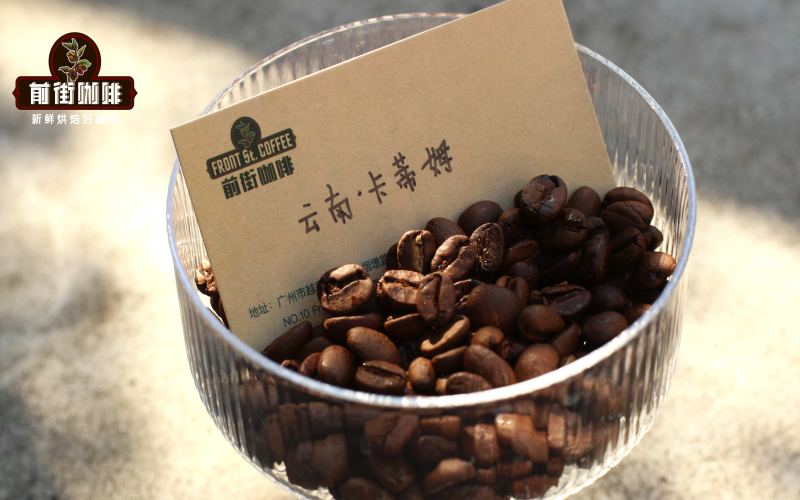
A Comprehensive Analysis of the Catimor Coffee Variety: From Its Portuguese Hybrid Origins to the Flavor Characteristics of the Baoshan Region in Yunnan
Catimor is a coffee variety bred by crossing Caturra and Timor. After its birth in Portugal in 1959, it was successively introduced and planted in production regions such as Colombia, Indonesia, and Yunnan, China. It carries 25% Robusta lineage; in terms of flavor, its aroma is relatively weak and its bitterness is pronounced, but it performs excellently in disease resistance and yield. This article will review the spread of Catimor across major production regions, focus on the flavor characteristics of Baoshan Catimor in Yunnan, and include Front Street Coffee's pour-over brewing parameters and suggestions. [more…]

What's the Difference Between a Cortado and a Piccolo? One Article Explains the Origins, Recipe, and Evolution of This Little-Known Spanish Espresso Milk Drink
Among the wide variety of espresso-based milk coffees, the Cortado is a rather obscure presence—it is made simply by mixing espresso with hot milk in proportion, simple to prepare yet outstanding in flavor. Originating from the Basque region of Spain, this drink, with its 1:1 ratio of coffee to milk, reduces the heaviness of the espresso while preserving its rich coffee aroma, and is popular in Spain, Portugal, Cuba, and elsewhere. As it spread, it was continually adapted in different countries, also giving rise to classic variations such as the Gibraltar. This article walks you through the origins of the Cortado, its traditional preparation, its evolution across regions, and how it differs from the similar-looking, equally small-cup Piccolo coffee. [more…]
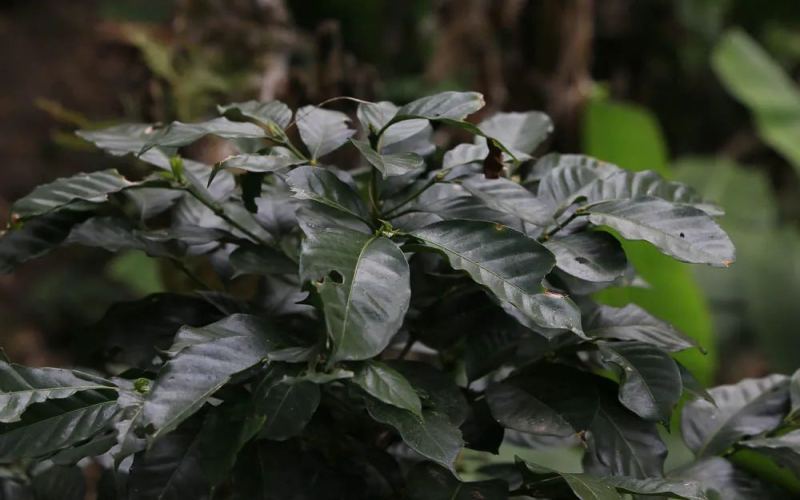
A Comprehensive Analysis of the Catimor Coffee Variety: The Robusta Genes Behind Its Disease Resistance and High Yield, and the Flavor Controversy
Catimor is a coffee variety bred by crossing Timor and Caturra. Developed in 1959 by CIFC in Portugal, it is known for its disease resistance and high yield, and is widely planted in Central and South America. It inherits the Robusta genes of Timor, giving it extremely strong resistance to leaf rust and berry disease. The plant is short and compact, suitable for dense planting, and its yield far exceeds that of traditional varieties. Currently, 99% of Yunnan's coffee production comes from Catimor. However, the Robusta genes also bring controversy in terms of flavor—when grown at high altitudes, its cupping performance is noticeably inferior to varieties such as Bourbon and Caturra, and the increased chlorogenic acid content brings bitterness and an unpleasant acidity. This article will provide a comprehensive analysis of Catimor's varietal origins, plant characteristics, and flavor controversies, and, using the high-mountain Catimor of Lujiangba in Baoshan, Yunnan as an example, combined with Front Street Coffee's roasting recommendations, explore this variety's positioning and value in the specialty coffee era. [more…]

Drip Bag Specialty Coffee Recommendations | Can Drip Bag Coffee Be Brewed with Milk? How to Properly Brew Filter Coffee Bags? A Guide to Water Temperature, Water Amount, and Brewing Time for Drip Bag Coffee
For more specialty coffee knowledge and sharing, please follow: Front Street Coffee (FrontStreet Coffee). As a medium for easily obtaining a delicious cup of black coffee, drip bag coffee is extremely popular in East Asia. In the morning, because time is rushed, using drip bag coffee can save a lot of coffee-making time. [more…]
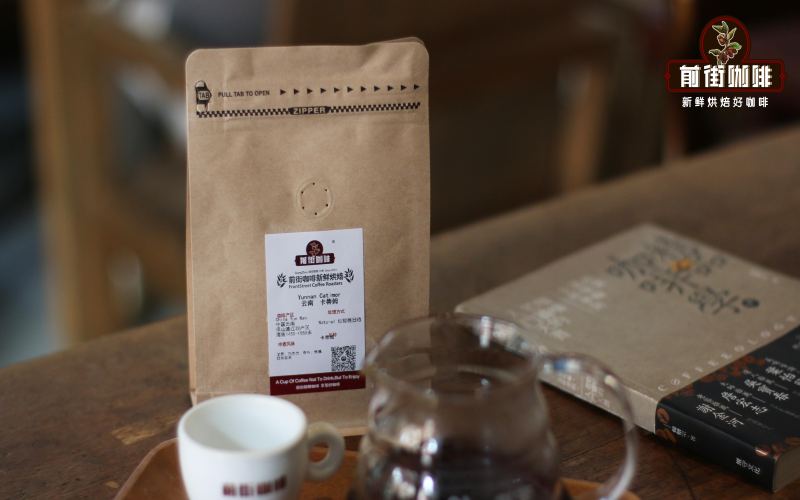
A Comprehensive Analysis of Yunnan Coffee Bean Cultivation and Varieties: From Catimor to Typica, Front Street Teaches You to Savor the Brown Sugar, Nut, and Chocolate Flavors
Can Yunnan coffee truly be considered specialty? This question has puzzled many coffee enthusiasts. Front Street Coffee takes you through the history, varieties, terroir, and processing methods to gain an in-depth understanding of Yunnan coffee's century of transformation. From the first coffee tree planted by a French missionary in 1904, to Nestlé introducing the Catimor variety, to Front Street establishing its own estate in Lincang to select and cultivate Typica, Yunnan coffee is undergoing a transition from commercial beans to specialty. The article also provides a detailed analysis of how the two processing methods—washed and natural—affect flavor, and includes the brewing parameters and cupping flavors of Front Street's Yunnan small-bean everyday drinker beans and the 2013 natural Typica, giving you a comprehensive understanding of Yunnan coffee's brown sugar, nut, and chocolate notes. [more…]

Which coffee species does Typica belong to? A detailed explanation of coffee variety characteristics and Yunnan production region distribution
Among the three core elements of specialty coffee, variety has always been the most complex and fascinating topic. This article starts from botanical classification, sorts out the historical origins of Arabica and Typica, traces Typica's spread from Ethiopia to Yemen, India, Europe, the Americas, and even Yunnan, and compares the background of Catimor's rise with the terroir characteristics of major Yunnan producing regions. It also introduces Front Street Coffee's choice to grow Typica in Yunnan, as well as the flavor performance and brewing parameters of Front Street 2013 Sun-Dried Typica, providing coffee lovers with a complete guide to understanding varieties. [more…]
A Complete Analysis of Typica and Catimor Varieties: Flavor Differences in Yunnan Coffee Regions and a Comparison with Front Street Coffee Beans
Among the core elements of specialty coffee, variety is always the topic most worth exploring in depth. Typica, as the oldest typical variety of Arabica, has a refined flavor but weak disease resistance; Catimor, with its advantages of rust resistance and high yield, now occupies more than ninety percent of Yunnan's cultivation area. This article starts from the historical context, tracing Typica's spread from Ethiopia to the rest of the world, as well as the background of Catimor's emergence during the leaf rust crisis, and then focuses on the terroir characteristics of Yunnan's four major producing regions: Dehong, Baoshan, Lincang, and Pu'er. At the same time, it compares the flavor performance of two Yunnan beans from Front Street Coffee—the 2013 sun-dried Typica and the washed small-bean Catimor—and includes V60 three-pour brewing parameters. [more…]
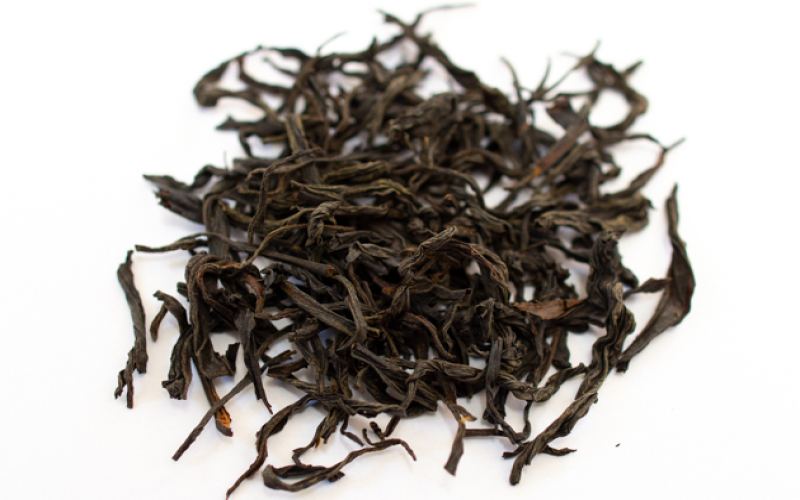
The Origins of Tongmuguan Lapsang Souchong Qizhong and Earl Grey Tea and a Detailed Explanation of the Blending Recipe
This article focuses on Tongmuguan Lapsang Souchong, introducing the terroir and natural farming cultivation characteristics of its top-grade Qi Zhong tea, and telling the historical story of how Lapsang Souchong sparked the British black tea craze and inspired the creation of Earl Grey tea. The article also includes an Earl Grey black tea blend recipe based on Lapsang Souchong, and retains Front Street Coffee's relevant product recommendations, making it suitable for caffeine enthusiasts interested in black tea culture and blending. [more…]
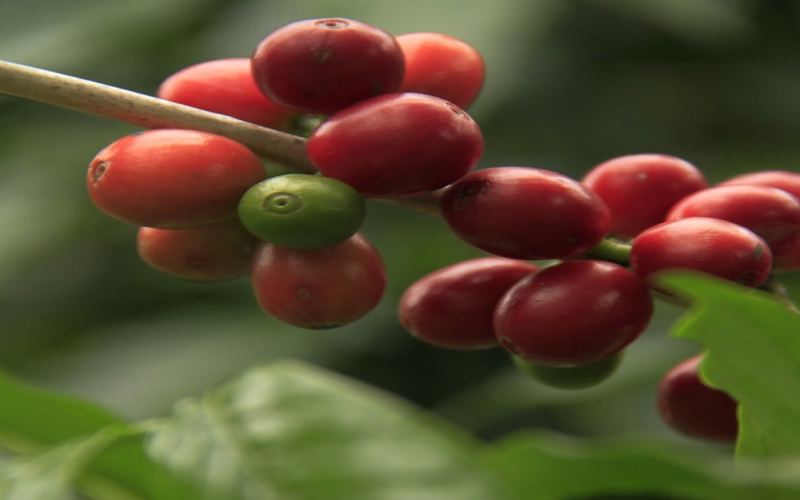
Coffee Leaf Rust: A Disease That Changed the Varietal Landscape
In the history of coffee cultivation, if only one disease were allowed to be recorded, it would have to be leaf rust. This plant plague caused by a fungus once destroyed the entire coffee industry of Ceylon in the nineteenth century, and then over the following hundred-plus years spread to nearly every producing region in the world, profoundly rewriting the varietal landscape and trade patterns of coffee. It [more…]
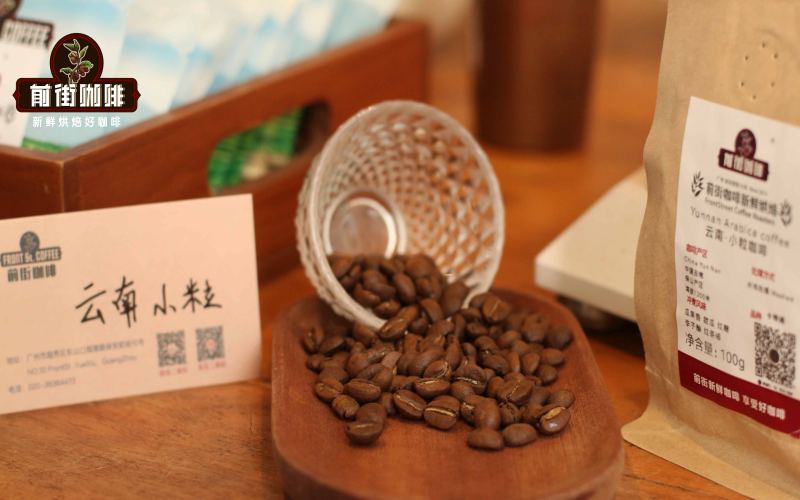
How to identify Catimor coffee beans by appearance and their flavor characteristics: the defects and advantages brought by Robusta genes
Catimor is a hybrid of Arabica and Robusta, widely cultivated for its disease resistance and high yield, and it dominates production in Yunnan in particular. However, its Robusta lineage also brings controversy in terms of flavor—it is often criticized for lacking aroma and for having grassy and earthy notes. This article will start with Catimor's physical characteristics, analyze how it differs from pure Arabica varieties, and explore its cupping performance at different altitudes. At the same time, we will also introduce the specific flavors of Front Street Coffee's Yunnan small-bean coffee and the brewing methods it suits, helping enthusiasts gain a more comprehensive understanding of this variety's strengths and weaknesses. [more…]
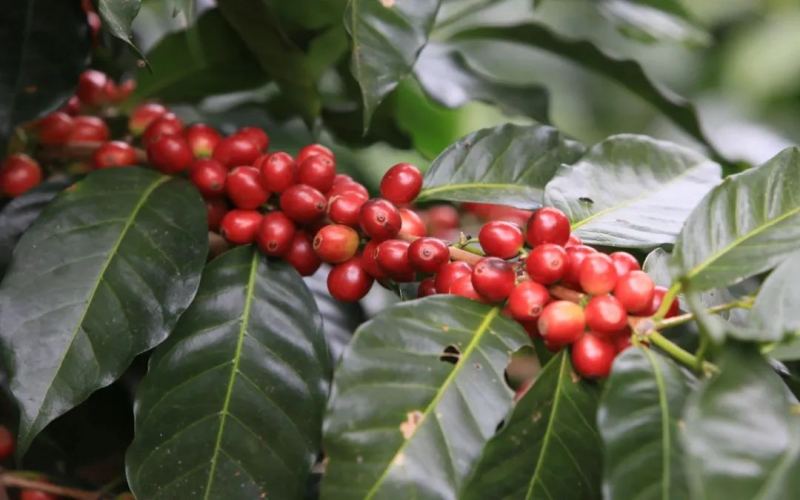
YunNan coffee varieties|Where does the "devil's aftertaste" of Catimor come from? Is Catimor Arabica?
Arabica and Robusta are the two major coffee genera with the greatest commercial value, and they each have their own advantages and disadvantages. For example, the flavor of the Arabica variety is good, but the disease resistance of most of them is r [more…]

Is Catimor Coffee Bean Considered Arabica? Flavor Differences and Taste Comparison with Typica
Catimor and Typica are both members of the Arabica family, yet due to differences in genetic origin, growing altitude, and processing methods, they present completely different flavor profiles. Catimor carries Robusta lineage, has strong resistance to leaf rust and high yield; at low altitudes it often shows bitterness and herbal notes, while at high altitudes it can express plum-like acidity and caramel sweetness. Typica, as the oldest Arabica variety, is known for its cleanliness and sweetness, and the fame of Blue Mountain and Kona both stems from it. This article will start from the variety origins, the influence of altitude, and the current state of cultivation in Yunnan, sort out the taste differences between the two, and introduce the specific flavor performance and brewing suggestions of Front Street Coffee Yunnan Catimor and Front Street Coffee 2013 Typica. [more…]
Is Catimor Really Arabica? An Analysis of the Relationship Between Yunnan Small-Bean Coffee and Catimor
Does Catimor coffee bean actually belong to Arabica? Is Yunnan small-bean coffee just Catimor? These are questions that many coffee enthusiasts often confuse. This article starts with the varietal origins of Front Street Coffee's Catimor, sorting out its hybrid relationship with Tim and Caturra, as well as the differences in flavor expression under different altitude conditions. At the same time, in light of the current development status of the Yunnan production region, it introduces the flavor characteristics of Front Street Coffee's Yunnan small-bean washed Catimor, and further discusses the original intention behind Front Street Coffee cultivating the Typica variety in Lincang, Yunnan, as well as the clean sweetness brought by the natural processing of Front Street Coffee 2013 coffee. [more…]

A Complete Guide to Timor-Leste's Coffee Regions: Geography, Main Producing Areas, and the Origins of the Tim Tim Hybrid
Although Timor-Leste is a small country, it holds a place in Asia's coffee landscape. Located at the eastern end of the Nusa Tenggara archipelago, this nation has high-altitude mountains, volcanic soil, and abundant rainfall, providing exceptional natural conditions for coffee cultivation. Timor-Leste coffee is predominantly organically grown, with almost no use of chemicals, and its production areas are concentrated in Ermera, Manufahi, and other regions, with Ermera accounting for half of the national output. In terms of varieties, Hibrido de Timor, a natural hybrid of Arabica and Robusta, combines Arabica's quality with Robusta's disease resistance, and later gave rise to widely planted varieties such as Catimor. This article will take you deeper into the production regions and variety lineage of Timor-Leste coffee. [more…]
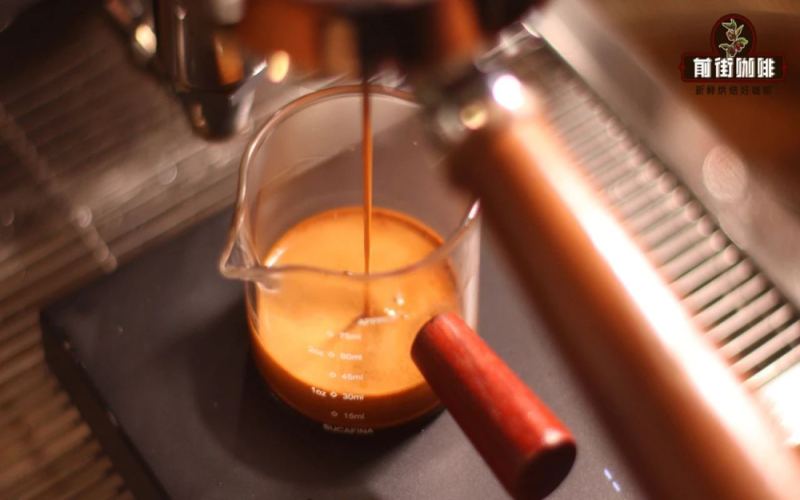
What's the difference between espresso and americano? Starting from definitions and taste, let's understand whether espresso counts as black coffee.
Coffee is coffee, yet some people prefer it light and easy to drink, while others favor it strong and full-bodied. Behind this lies the different extraction methods and definitions of the beverages. From the perspective of Front Street Coffee, this article sorts out the origin, extraction principles, and flavor characteristics of Espresso, then compares it with the preparation methods and taste differences of Americano, and answers a common question: Is Espresso actually a black coffee? If you have ever hesitated in front of a cafe menu, follow this article to understand the definitions, tastes, and selection logic of both once and for all. [more…]
The Varietal Identity and Flavor Code of Catimor: Where Does the "Devil's Aftertaste" Under Its Arabica Lineage Come From?
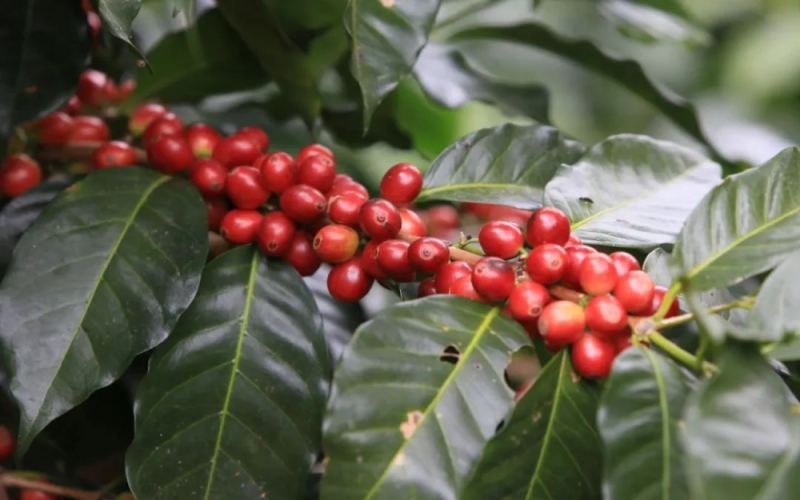
Is Catimor actually Arabica or Robusta? And how exactly is its "devilish aftertaste" formed? This article begins with the background of Catimor's birth, sorting out the hybrid origins and genetic makeup of this variety, and confirming its classification as having three-quarters Arabica bloodline. It also introduces Catimor's plant characteristics in detail, including tree shape, leaves, and stress resistance, and provides an in-depth analysis of the earthy aftertaste that Robusta genes bring to the flavor, as well as how factors such as high yield and early maturity compound to dilute excellent flavors and amplify undesirable aftertastes. The article also mentions Front Street Coffee's expectations for future improvement of Catimor. [more…]
From Caturra to Catimor: The Origins, Characteristics, and Flavor Profiles of Common Coffee Varieties in the Americas
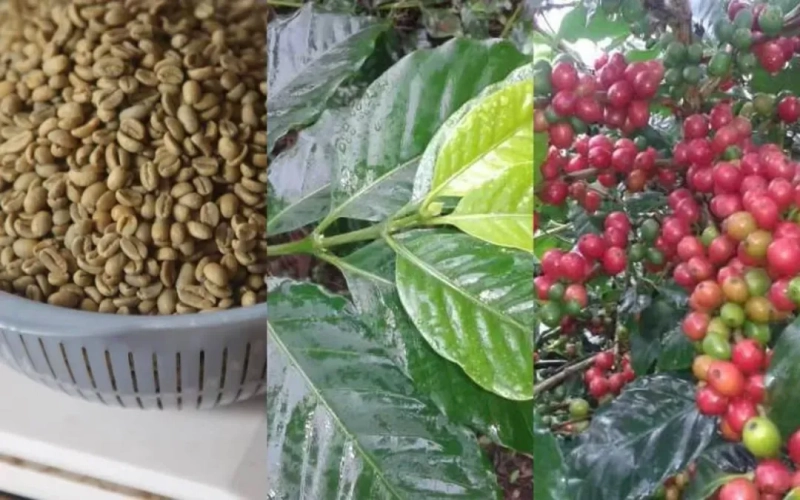
Coffee varieties continue to evolve through transplantation, mutation, and hybridization, and many of the cultivated varieties on the market today can be traced back to the two major systems of Typica and Bourbon. This article focuses on three important varieties commonly found in the Americas—Caturra, Catuai, and Catimor—sorting out their origins, plant morphology, cultivation adaptability, and cup flavor performance. Caturra originated from a natural dwarf mutation at Cuba's Pinar del Rio, Catuai was created by artificial hybridization of Mundo Novo and Yellow Caturra, and Catimor has Robusta lineage and therefore possesses some resistance to coffee leaf rust. The article also intersperses product information from Front Street Coffee's Colombia Huila, Elida Estate Catuai, and PWM Golden Mandheling for enthusiasts' reference. [more…]