







Search Results for: Pickup Area Notice
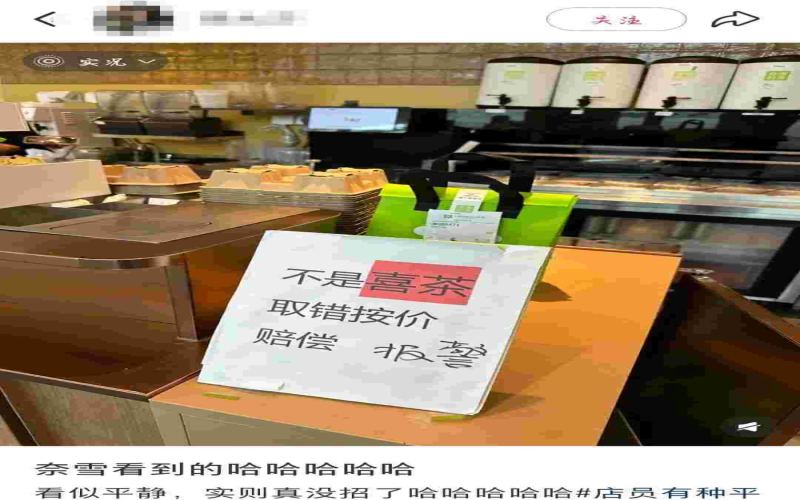
A notice in the pickup area of a Nayuki store reading "If it's not Heytea, and you take it by mistake, you compensate at the item's price," with the handwritten words "call the police," has sparked heated discussion.
Recently, a netizen discovered a notice in the pickup area of a Nayuki store that read "Not Heytea. If picked up by mistake, compensation at full price," with the words "call the police" also handwritten in the blank space. After the photo was shared online, it quickly sparked heated discussion. Netizens familiar with tea beverage brands pointed out that Heytea and Nayuki differ noticeably in name, logo, and store style, so confusion should not occur under normal circumstances. Some even joked that the words "Heytea" highlighted in red and enlarged on the notice could instead easily lead hurried delivery riders to mistake this store for Heytea, making the reminder counterproductive. Through this strongly warning notice, many people saw the helplessness of Nayuki employees—after a delivery order is taken by mistake, the employee on duty not only has to deal with customer dissatisfaction but also has to bear the corresponding loss. [more…]
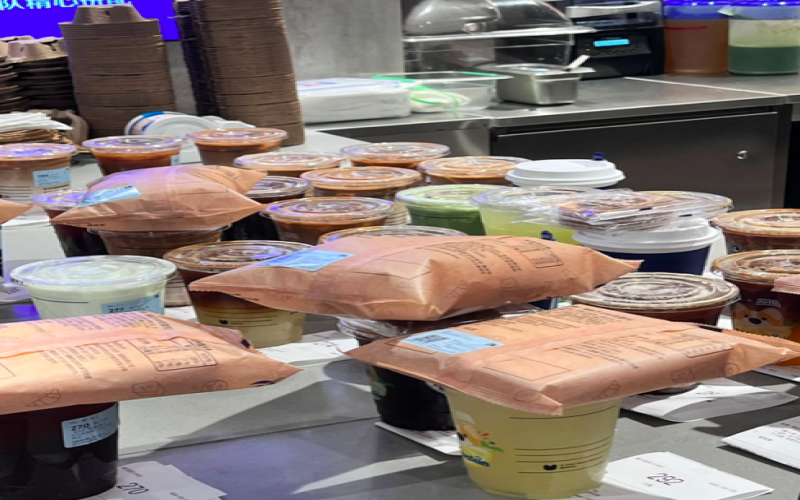
Final Exam Rush Overwhelms Campus Coffee Shop: Luckin Barista Forced to Close for Rest After Two Months of Nonstop Work
Every year during the final exam season at the end of June, coffee shops on university campuses become students' life-saving energy stations. Campus stores of Luckin, Cotti, and others see orders surge, with pickup areas piled high with drinks, and waiting for a cup of coffee often taking nearly an hour. However, a Luckin near a university was unexpectedly empty at noon, with its pickup window blocked and a closure notice posted—staff who had not had a proper rest for two consecutive months simply could not withstand the order pressure of exam week. A Gu Ming milk tea shop on the same campus also temporarily closed. Behind this campus coffee order explosion is both students' preference for value-for-money brands and the revealed dilemma of store staffing. [more…]
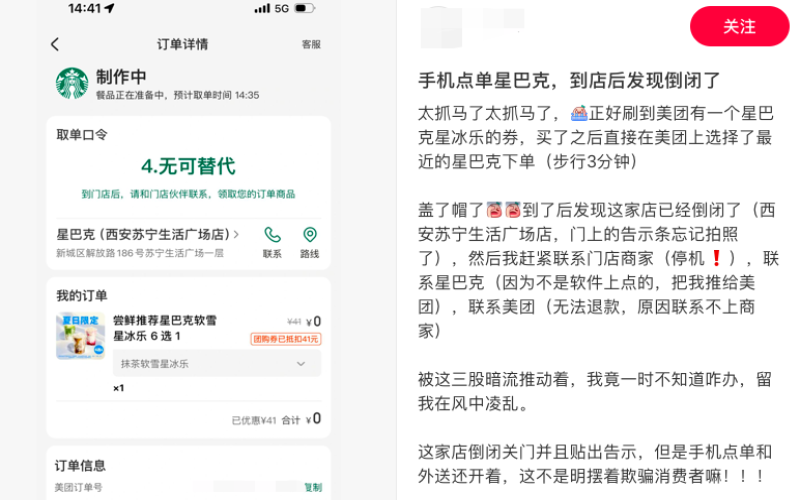
Starbucks stores close down but orders can still be placed, and customers only discover the store has ceased operations when they go to pick up their order.
A customer purchased a Starbucks Frappuccino coupon on Meituan, successfully placed an order and received a pickup code, but upon walking to the store to collect the drink, discovered that the store had already closed down. The store's phone was disconnected, and Starbucks customer service and Meituan customer service passed the buck to each other over refund responsibility, leaving the consumer in a predicament. An investigation revealed that the store is located at Suning Plaza on Jiefang Road in Xi'an, where the mall is undergoing comprehensive renovation, and the store has actually ceased operations—yet the official app still showed it as open, and orders could even be placed through "Feikuai." Ultimately, after the customer's feedback, Starbucks shut down the ordering channel, Meituan refunded the order amount and stopped delivery services. The incident also sparked discussions among netizens about wrong-store pickup services and the 12315 complaint channel. [more…]
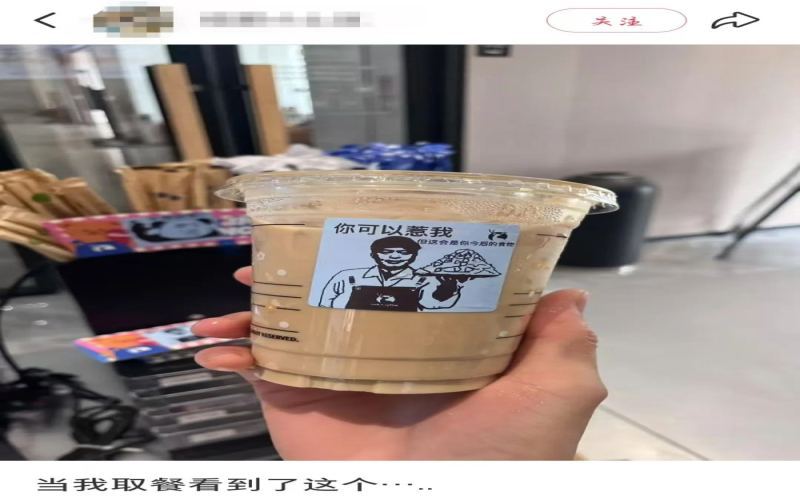
Luckin staff DIY meme labels go viral online, company urgently calls a halt: devices are only for printing order pickup codes
Recently, employees at some Luckin Coffee stores, while debugging new label printing devices, unexpectedly discovered that the machines could connect to mobile phones to print photo album images. They then began printing funny memes and custom designs on takeout cups and aprons, drawing attention and enthusiasm from netizens. However, the good times did not last long. Management quickly issued a ban, requiring the label machines to be used only for printing order codes and expiration date strips, and asked employees to delete related social media posts. This "abstract label" uproar sparked by a cup of coffee not only reveals the potential of personalized service but also reflects the tension between standardized brand management and employee creativity. Front Street Coffee breaks down the whole story for you. [more…]
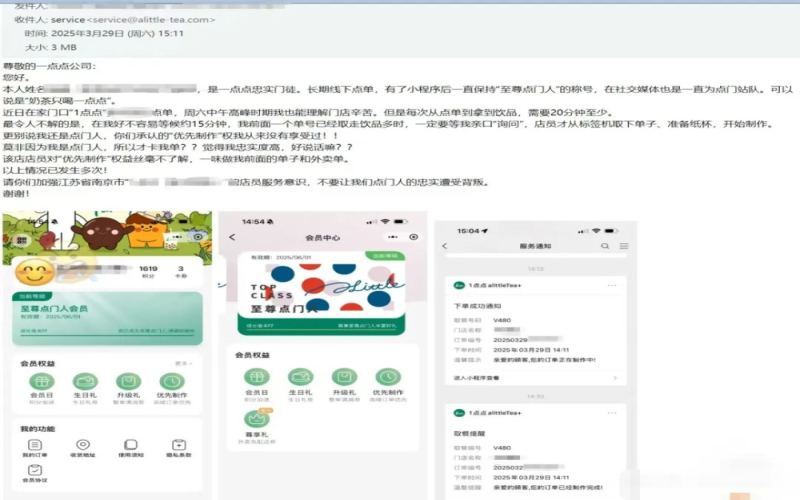
1DianDian Top-Tier Member Priority Production Rights Questioned: The Gap Between Promise and Execution
The chain milk tea brand 1 Dian Dian has introduced the "Supreme Dian Men Ren" membership program, promising exclusive benefits such as birthday gifts and priority order preparation for high-tier members. However, recently some consumers have complained that despite being supreme members, they have repeatedly failed to enjoy priority preparation services, with waiting times no different from regular orders. On social media, many loyal users have also reported similar frustrations, questioning whether the brand's promised member privileges are merely empty promises. This article will review the course of events, the brand's rules, and the actual implementation at stores, and explore the difficulties in delivering member benefits. [more…]
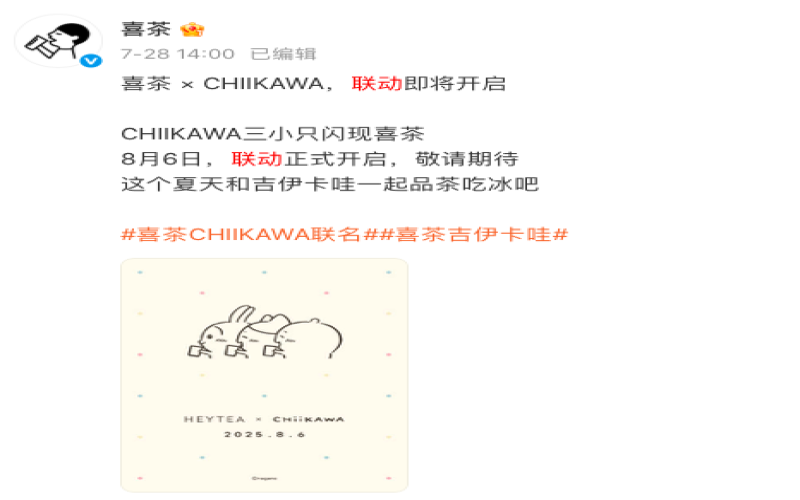
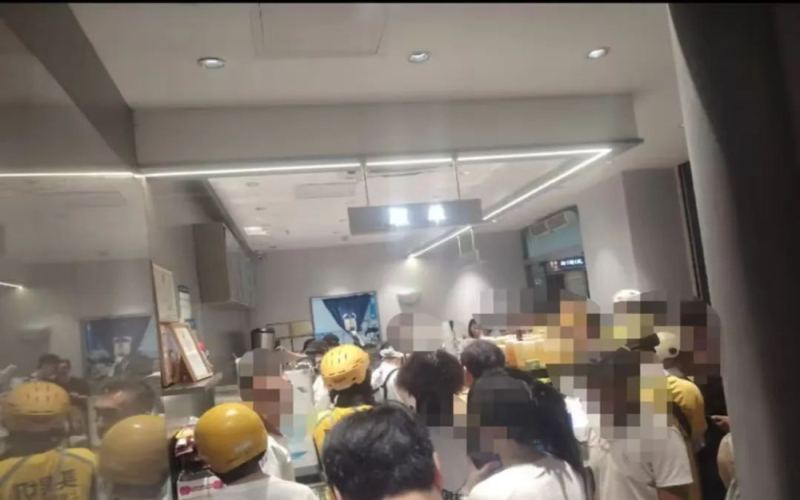
Heytea's Chiikawa collaboration saw explosive orders on its first day: some stores had a three-hour wait for pickup, and online ordering was forced to shut down.
HEYTEA's collaboration with the popular Japanese anime "Chiikawa" officially launched today, instantly igniting the buying frenzy of fans and consumers. Although the brand had stocked up on merchandise in advance, avoiding an instant sell-out, the massive volume of orders still caught stores off guard: some stores accumulated over a hundred drinks within ten minutes of opening, with themed stores in Shanghai, Guangzhou and other cities receiving as many as seven to eight hundred orders, forcing online ordering channels to be shut down. On-site pickup lines stretched for several meters, with many consumers waiting one to two hours to get their drinks and merchandise, and some even waiting as long as three hours. Meanwhile, the mini-program showing "order ready" in advance while drinks could not be found in the pickup area further exacerbated the on-site chaos. Behind the popularity of this collaboration event, the brand's operational shortcomings in handling instant traffic surges have also been exposed. [more…]
Delivery subsidies spark a wave of free milk tea, why are large numbers of self-pickup drinks at Mixue Bingcheng stores left unclaimed and destroyed?
The recent fierce subsidy war among food delivery platforms has given consumers a large number of free tea drink vouchers, causing chain tea shops to be flooded with orders. However, at stores like Mixue Bingcheng, a phenomenon has emerged where customers place self-pickup orders but never come to collect them, resulting in large quantities of freshly made drinks being discarded. This article sorts out the multiple reasons behind this waste: chaotic pickup scenes, order notes being overlooked, excessively long waiting times, and more. It also introduces the countermeasures stores have taken to reduce losses, while retaining relevant recommendation information for the Front Street brand. [more…]
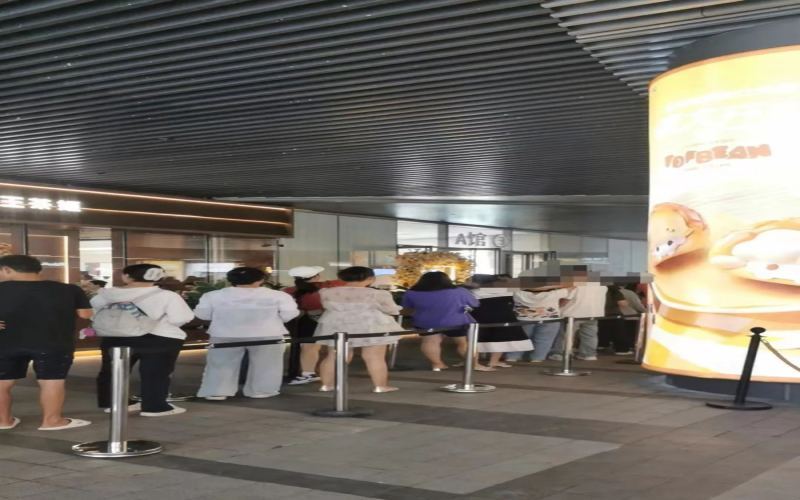
New Chagee Store Draws Criticism Over Long Pickup Queues, Raising Doubts About Store Management Amid Low-Price Promotions
Chagee has recently opened new stores in Hainan, Fujian, Guangdong and other places, launching a 9.9 yuan promotional offer that has attracted large numbers of consumers to line up to buy. However, many customers who ordered in advance through the mini-program still encountered a second queue when picking up their drinks at the store. Employees at some stores did not check the pickup codes and distributed drinks on a first-come, first-served basis, causing chaos at the pickup scene. Consumers complained that what was supposed to save time turned into waiting in line for more than half an hour, an experience inconsistent with the official claim of "pick up in store without queuing." Long-time users were not surprised by this phenomenon, believing that low-priced promotional items are made in concentrated batches and that employees ignore pickup codes and taste notes in order to improve efficiency. But most netizens are worried that this move will affect the brand's image, and some even speculate whether it is done intentionally to create a bustling scene. [more…]
Court auctions a bottle of Sprite starting at 4.2 yuan, sparking heated debate: judicial practice and reflections on asset liquidation in bankruptcy cases
Recently, an auction announcement by the Dafeng District People's Court in Yancheng, Jiangsu Province, drew widespread attention—the auction item was surprisingly a bottle of Sprite soda with a starting bid of just 4.2 yuan. This bottle of beverage, with a market price of 6 yuan, was limited to self-pickup and not mailed, yet it attracted over 7,500 onlookers and 215 registered bidders. Behind the incident lies a last-ditch effort by the court to recover losses for creditors after a company with a total registered capital exceeding ten million yuan went bankrupt. From 4.08 yuan glass water to 5 yuan bathroom scales, the court has successfully auctioned small items multiple times. Is this seemingly "making a mountain out of a molehill" judicial practice a waste of judicial resources, or is it the proper fulfillment of legal enforcement? This article will take you through the ins and outs of the incident and explore the legal logic and practical dilemmas in judicial auctions. [more…]
Starbucks China Teams Up with Amap to Launch "Roadside Pickup": Can Curbside Pickup Solve the Parking Problem for Order Collection?
For drivers who want a cup of coffee, the biggest headache is often not placing the order, but finding a parking space. Parking on the roadside risks a ticket, while entering a parking lot feels like too much hassle—a dilemma that has given rise to a new way of thinking. Starbucks China recently partnered with Amap to pilot a "curbside pickup" service at selected stores in Beijing and Shanghai: users plan their route and place an order in advance, and a barista waits at a designated roadside spot, so the drink can be collected as soon as the car arrives. This feature saves more time on parking and queuing than the traditional "drive-thru," but it requires an extra service fee and currently covers only about 150 stores. Can it truly solve the pain point of meal pickup for commuters, and what challenges will it bring to store operations? This article takes you through a closer look. [more…]
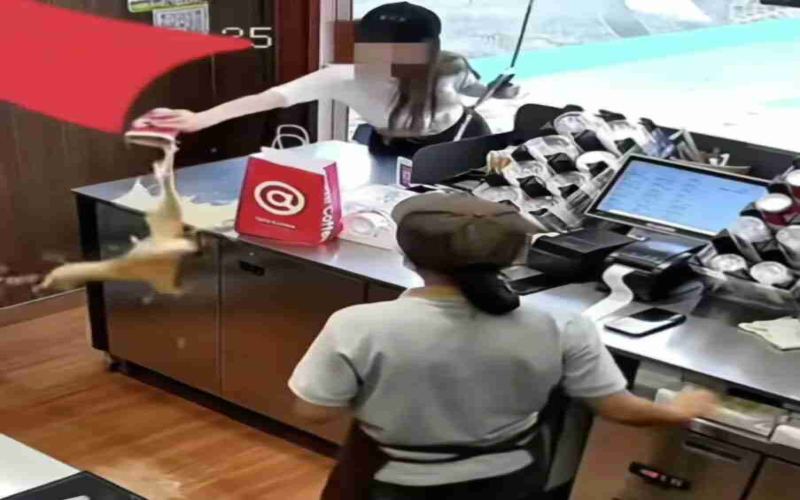
Customer whose request to switch from self-pickup to delivery was refused throws coffee at the store, leaving a lone employee to clean up helplessly
Recently, a customer in Guizhou, unable to find the store for a self-pickup order, demanded delivery instead. When refused, they went to the shop and poured coffee over the bar counter. The incident, reported by multiple media outlets, sparked widespread discussion. The barista, working alone, could not leave the store to deliver, while the customer vented frustration through harassing phone calls and pouring coffee. Netizens generally agreed the barista's actions were understandable and the customer's behavior was excessive. The shop involved did not call the police, and employees cleaned up themselves. Front Street Coffee reminds that self-pickup orders can be handled via errand services, and only civilized communication can resolve conflicts. [more…]
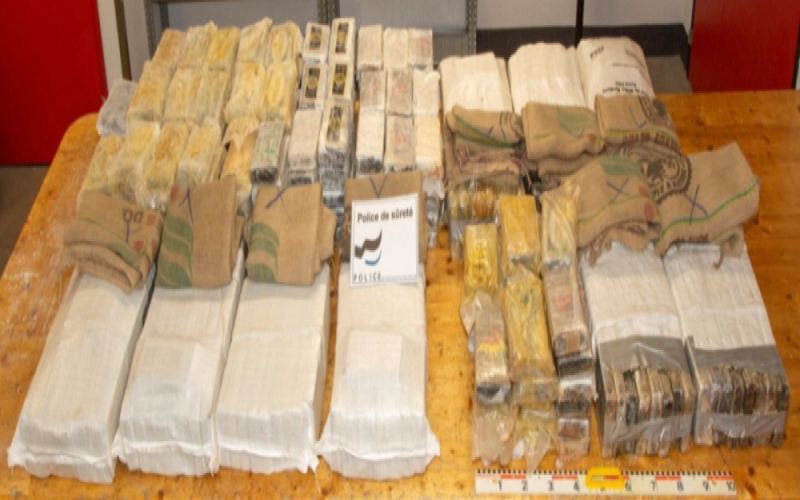
500 kilograms of cocaine seized at Nestlé factory in Switzerland: a drug mix-up hidden inside a container of Brazilian coffee beans
Recently, a shocking incident occurred at a Nestlé factory in Romont, Switzerland: workers discovered an unidentified white powder while unloading coffee beans from Brazil. Police identified it as cocaine with a purity exceeding 80%, weighing over 500 kilograms in total and valued at approximately 330 million RMB. A preliminary police investigation suggests this was very likely caused by a drug trafficking gang loading the wrong container. Similar incidents have previously occurred in China as well—Shanghai police once seized marijuana worth 150 million on an international cargo ship. How exactly do these bizarre mix-ups happen? This article will reconstruct the course of events and explore the drug trafficking methods behind them. [more…]
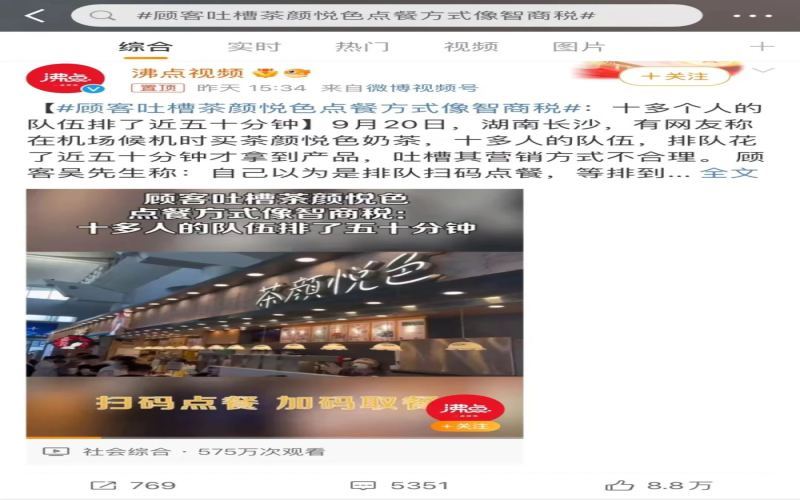
Tea Yanyuese's queueing and ordering rules spark controversy again, official response fails to quell netizens' dissatisfaction
Recently, Chayan Yuese has once again become the center of public attention due to its ordering and pickup rules. Some customers at the Changsha airport store waited nearly fifty minutes before getting their drinks, questioning its cumbersome ordering process and unreasonable marketing methods, which struck a chord with many. In fact, Chayan Yuese has adjusted its ordering rules multiple times, and consumers have kept complaining. Although the company responded officially that the new rules are meant to ensure the texture of the milk foam, netizens were not convinced. This article reviews the course of the incident, the views of various parties, and the brand's response, and explores the logic and controversy behind the queuing phenomenon in the milk tea industry. [more…]
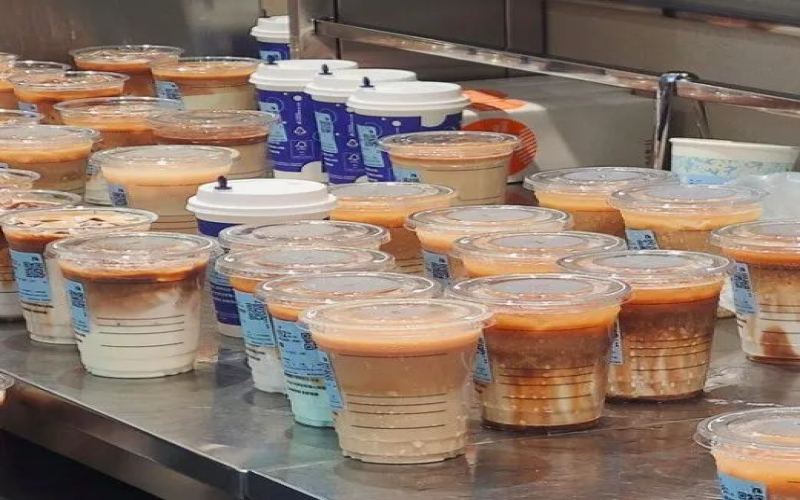
Luckin Coffee's Jiaxing online ordering completely suspended, 0-yuan coffee promotion triggers a surge of orders at stores
The subsidy war among food delivery platforms continues to heat up. After Meituan rolled out free redemption vouchers for Luckin Coffee, a large number of consumers rushed to place orders for "0-yuan coffee." Yet just half a day after the promotion began, Luckin stores across the Jiaxing area were successively shown as temporarily closed, with delivery channels almost entirely shut down. Pickup counters were piled high with drinks, takeaway bags occupied the customer area, staff worked nonstop with no time to eat, and riders even switched to three-wheeled flatbed carts to make deliveries. This sudden surge of overwhelming orders not only exposed the disconnect in communication between the platform and merchants, but also placed enormous pressure on store operations and the delivery process. [more…]
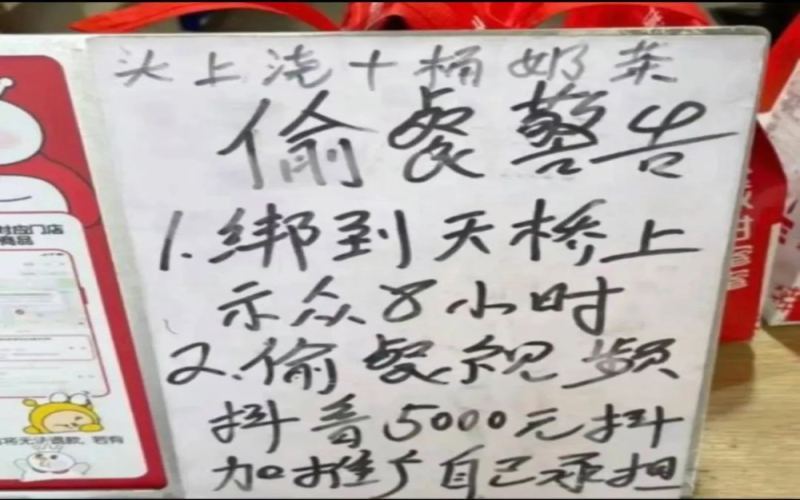
Handwritten warning against meal theft at a Mixue Bingcheng store sparks debate: threat to tie offenders to a pedestrian bridge for public shaming; lawyer says vigilante punishment is illegal
Recently, a Mixue Bingcheng store in Guangzhou made trending searches after posting a handwritten warning about meal theft, stating that thieves would be tied to an overpass for eight hours, have ten buckets of milk tea poured on their heads, and have their videos exposed. The store responded that it was just a scare tactic and had never actually been carried out. The incident sparked heated discussions among netizens, with some sympathizing with the merchant's helplessness, while others pointed out that taking the law into one's own hands is suspected of being illegal. Suzhou police then spoke out, emphasizing that illegal detention is unacceptable and that one should call the police immediately. This controversy reflects the real dilemma of frequent meal theft in the milk tea industry and high loss prevention costs, and also prompts people to think about the balance between merchants defending their rights and the boundaries of the law. [more…]
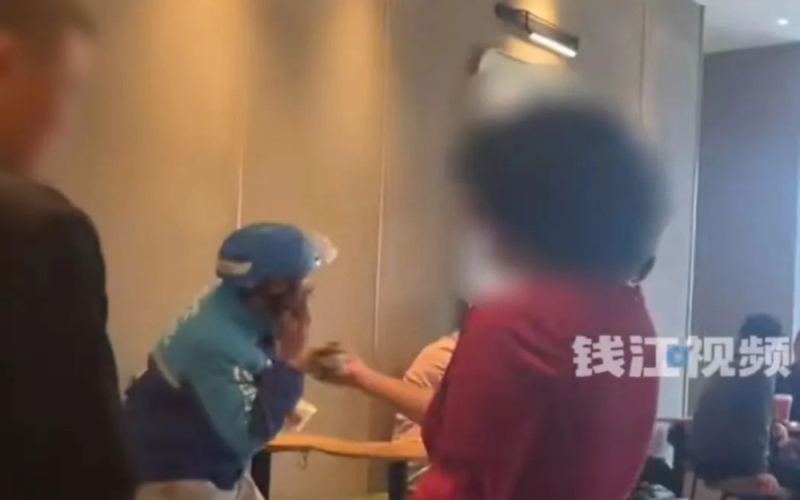
Starbucks Customer Demands Delivery Rider Be Removed, Claiming They "Pollute the Air," Sparking Debate Over Sitting Without Buying
When drinking coffee at Starbucks, if a delivery rider who hasn't made a purchase is sitting nearby, would you mind? Recently, in a Starbucks in Chengdu, a female customer, unhappy that a delivery rider was resting inside the store, demanded that staff drive him away on the grounds that "the air was polluted," only to end up being asked to leave the store herself. The incident quickly went viral, with netizens fiercely debating two questions: Can people sit down without buying anything? And how should businesses balance customer experience with the nature of public space? Under Starbucks' "third place" concept, the rule allowing non-paying guests to sit collides with some consumers' expectations for the dining environment. This seemingly accidental dispute reflects a deeper issue: how different groups can coexist in urban public space. [more…]
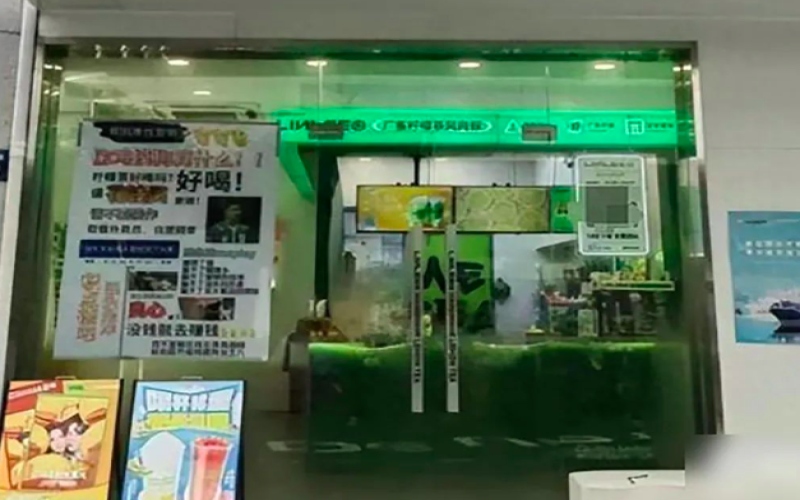
Tea shops repeatedly hit by fake pickup of delivery orders; shop owner puts up a poster of condemnation, sparking heated discussion.
Recently, a tea beverage shop in Zhejiang, frustrated by frequent pickup thefts of its delivery orders, put up a special poster of condemnation. This poster was not promoting products, but directly calling out the meal thieves, and even included a photo of the thief's back. After the incident was reported by the media, it sparked public discussion about delivery security and how businesses defend their rights. How effective was this poster, and why did the shop eventually take it down? Let's learn the whole story. [more…]
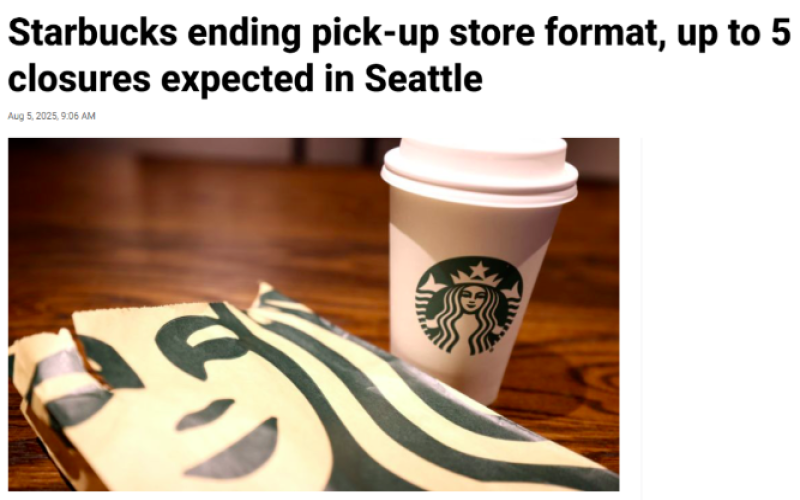
Starbucks Announces End of Pickup-Only Store Model, 90 U.S. Locations to Be Adjusted or Closed by 2026
Starbucks dropped a bombshell at its latest earnings call: it will completely phase out the "Pick-up Only" pure pickup store format by 2026. This decision affects nearly 90 stores across more than 20 states in the U.S. Once upon a time, these small stores focused on "order online, pick up in store" were seen as the future of coffee consumption, especially beloved during the pandemic. Yet six years later, Starbucks executives have found that consumers crave face-to-face interaction and the warm atmosphere of a coffee shop, not a cold pickup window. The CEO bluntly called such stores "too cold and lacking human touch," running counter to Starbucks' core brand philosophy. This article will review the rise and fall of the pickup store model, Starbucks' strategic pivot, and the brand's future plans on its digital path. [more…]
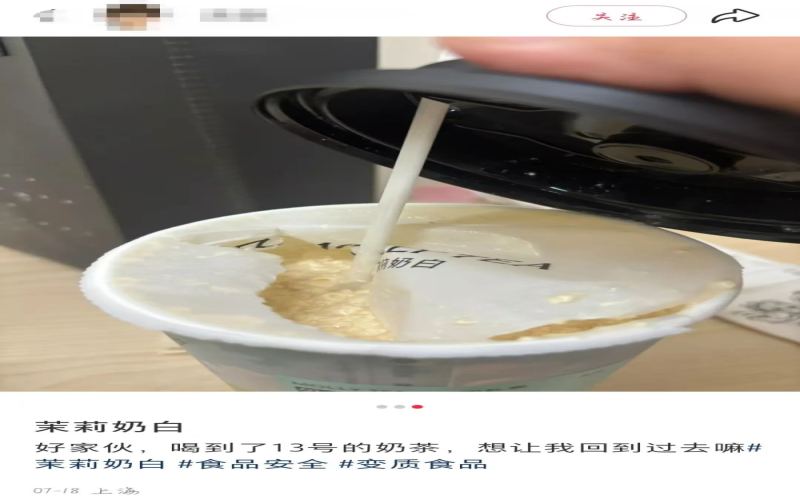
Responsibility dispute sparked by milk tea five days past its expiration date: Molly Tea clarifies that the store is not the management party, and the food delivery stage becomes the focus.
A cup of milk tea labeled as made five days ago has pushed the new-style tea brand Molly Tea White into the eye of public opinion. After placing an order on a delivery platform, a consumer unexpectedly received a cup of drink that had long gone bad. At first, the store admitted it was caused by a backlog of delivery orders and failure to clean up in time, but afterward the brand stepped in to clarify, saying the drink had actually been abandoned by a customer in a public area of the mall, and that management authority belonged to the mall rather than the store. The incident went through multiple reversals—who exactly is responsible? And how should the blind spots in the food delivery chain be filled? This article sorts through the entire course of the incident and appends Front Street Coffee's observations on food safety management in the industry. [more…]
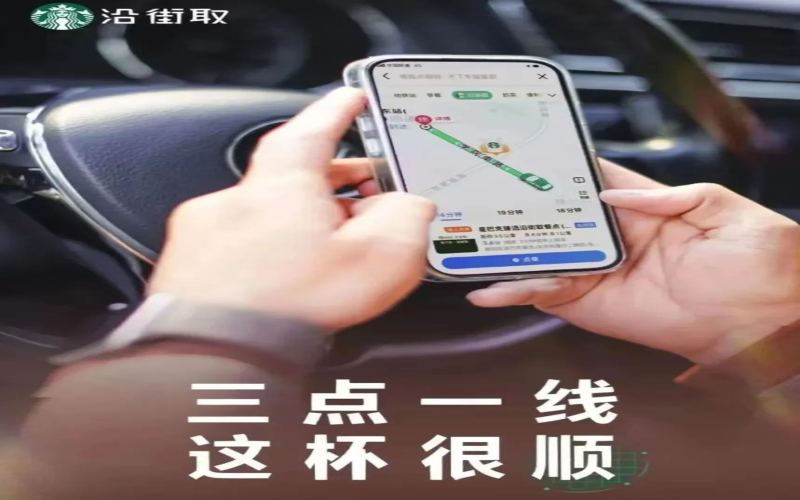
Starbucks curbside pickup service tested: National Day promotion prize shortages and ordering difficulties spark user complaints
Since its launch in March this year, the "curbside pickup" service jointly introduced by Starbucks and Amap has aimed to provide a convenient coffee-buying experience for drivers and passengers during rush hour and on busy roads. However, a special promotion during the National Day holiday sparked considerable controversy. Due to limited stock, many customers were unable to get the cute pet tote bag offered as a gift in the campaign; at the same time, the ordering system had problems such as inaccurate route matching and closed stores still being able to accept orders, greatly reducing the user experience. In addition, the extra 3 yuan service fee also made some users feel it was unreasonable. Although Starbucks hoped to use this service to expand into new scenarios, the various inconveniences in actual operation led many netizens to question whether it was adequately prepared. This article will sort out the highlights of the campaign and user feedback in detail, and explore room for improvement in the curbside pickup service. [more…]