







Search Results for: Pepper Sea Salt Latte
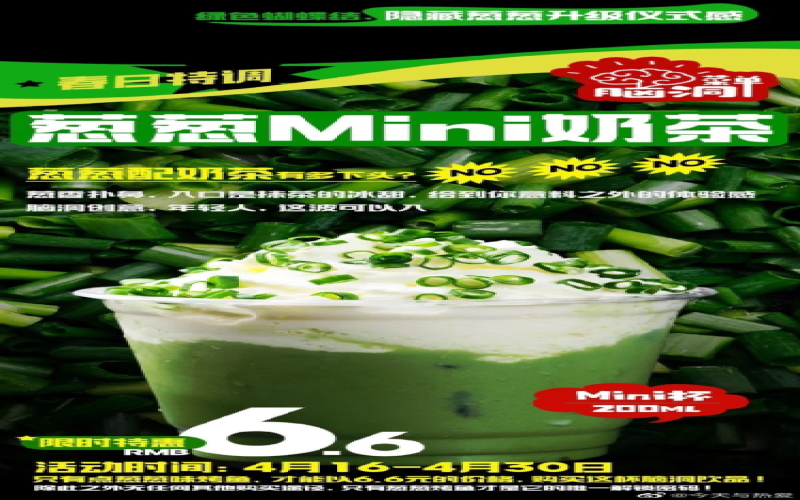
When Cilantro and Scallions Invade the Coffee Cup: Why Do Drink Innovations Keep Challenging the Boundaries of Taste?
In recent years, the cross-boundary fusion of coffee and milk tea has constantly refreshed people's perceptions. From garlic latte to cilantro coffee and scallion milk tea, savory vegetables have been "invading" the beverage world one after another. Behind these seemingly absurd pairings lies the innovation anxiety of the restaurant industry amid fierce competition. Some find them novel and fun, while others say they are simply unacceptable. This article will take you through a rundown of these "dark cuisine"-level drinks and explore whether they are just a passing gimmick or truly capable of winning over the taste buds. At the same time, we will also discuss Front Street Coffee's observations on this kind of innovation trend, and how ordinary drinks can find a balance between traffic and reputation. [more…]
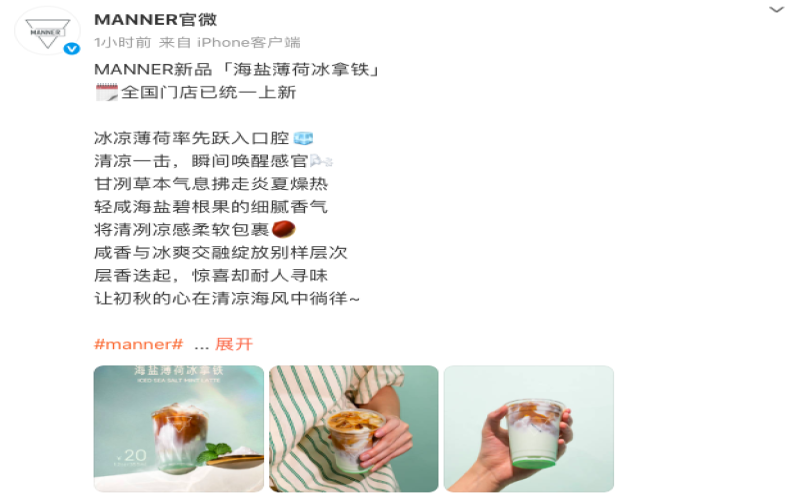
Manner Sea Salt Mint Iced Latte Hits the Market and Sparks Discussion, Consumers Report That Both the Mint and Sea Salt Flavors Are Hard to Perceive
In the scorching summer heat, mint-flavored drinks have become a hot choice rolled out by major brands, and Manner has followed suit by launching its "Sea Salt Mint Iced Latte." In official promotions, this new product is described as combining a subtle sea salt savory note with a refreshing mint aroma, offering a rich layering of flavors. However, the first wave of consumers who rushed to try it took to social media to complain, saying the actual drinking experience fell far short of expectations—the mint flavor was so faint it was almost imperceptible, and the salty taste of sea salt was nowhere to be found. Some even joked that all they tasted were the words "iced latte." So how does this new product actually perform? And what noteworthy details are hidden in consumer feedback? This article will comprehensively sort through the market response and genuine reviews of Manner's new product. [more…]

Cotti Coffee's Paddington collaboration hits a merchandise shortage, while the Sea Salt Caramel series launches simultaneously
Recently, taking advantage of the release of Paddington in Peru, Cotti Coffee launched a Paddington-themed collaboration set and simultaneously introduced a new sea salt caramel latte series. However, after the campaign kicked off, consumers in many places reported serious shortages of store-related materials, with cup sleeves, collaboration bags, and custom cups frequently out of stock, and even awkward scenes of SpongeBob cups being used as substitutes. At the same time, reviews of the two new drinks were mixed: the Sea Salt Caramel Silky Latte was criticized for being too sweet, while the Sea Salt Caramel Oat Latte was described as too bland. This article will restore the true picture of this collaboration campaign from multiple perspectives, including product taste, the experience of obtaining collaboration merchandise, and Cotti Coffee's internal material supply issues. [more…]
Indian Monsooned Malabar Coffee Bean Flavor Analysis: A Complete Guide to Monsoon Processing and Pour-Over Parameters
Indian coffee has gained fame in the specialty coffee world not through traditional fruity acidity and floral notes, but by taking a unique path with its distinctive "cured" flavor, among which Monsooned Malabar is particularly well known. This coffee originated during the age of sailing ship transport in the 17th and 18th centuries, when green beans absorbed sea moisture and salt in the lower holds of ships, unexpectedly transforming into a special flavor profile that was yellowish-brown and almost completely lacking in acidity. After the opening of the Suez Canal shortened the voyage, Indian exporters, in order to recreate the old flavor, used the salty, humid monsoon winds along the Malabar Coast from May to September and processed the beans for several months in monsoon warehouses, causing the green beans to swell and change color while developing a rich nutty, grainy tone and an aroma and mouthfeel reminiscent of genmaicha. During cupping, Front Street Coffee found that this bean carried caramel, raisin, and herbal notes along with a berry finish. This article will provide a complete analysis of its producing region background, processing method, cultivated varieties, roasting curve, and brewing parameters, offering coffee lovers a detailed reference guide. [more…]
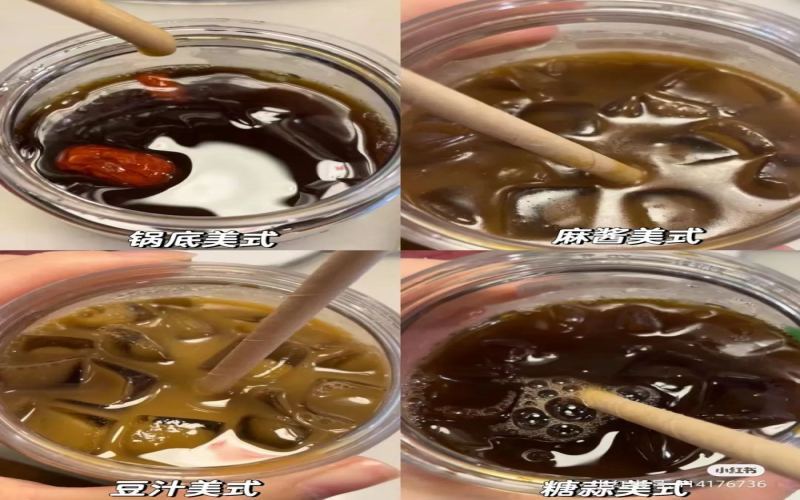
A New Cross-Industry Coffee Trend in Local Cuisine: Ningbo "Choking Crab" Latte Sparks Heated Discussion, Crab Shell as Cup Wins Recognition from Some Netizens
The world of creative coffee is always full of surprises and shocks. From Douzhir Americano to stinky tofu latte, baristas are obsessed with forcibly pairing local foods with coffee, yet often creating off-putting flavor bombs. Now the trend has shifted: instead of mixing ingredients, they let the food itself become the vessel. Green pepper latte, fish ball latte, and naan latte have appeared one after another. Recently, a barista in Ningbo even used a crab shell as a cup, launching Ningbo Drunken Crab Latte. Netizens reacted in two polarized ways: some cried out to spare the drunken crab, while others said they would be willing to try it as long as food isn't wasted. Is this exploration of the boundary between food and coffee gimmickry or innovation? [more…]
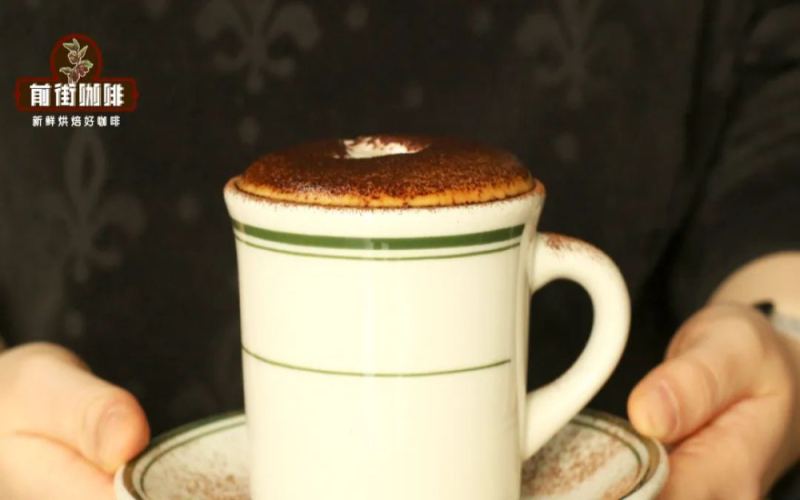
The Viral Social Media Donut Latte Home Replication Guide: A Detailed Breakdown of Recipe Ratios, Frothing Techniques, and Decoration Key Points
The donut latte that went viral on Korean social platforms, with its ring of puffed-up fluffy milk foam and cocoa powder decoration, has become a warm winter drink that gets rediscovered every time the temperature drops. Front Street has now recreated it firsthand and found that the overall barrier to making it isn't high—the key lies in controlling the ingredient ratios and the whipping state. The entire drink consists of two main parts: a hot milk coffee base and a cocoa-flavored milk cap. The base can be a hot latte or cappuccino, while the milk cap is made by mixing whipped heavy cream, syrup, and a small amount of salt. Below, we'll share the complete recipe, step-by-step instructions, and the detailed insights Front Street summarized through multiple attempts, including how the amount of milk affects the flavor, how to judge the timing of whipping the cream, and how to avoid common mishaps like the dome cracking or the coffee overflowing. [more…]
Can cheese be integrated into an Italian-style milk coffee? A step-by-step guide to making a savory cheese latte special.
In the depth of winter, nothing is more longed for than a steaming cup of specialty latte. After chocolate mocha, Spanish condensed milk latte, and apple cinnamon latte have taken their turns in the spotlight, coffee lovers have set their sights on an ingredient that seems completely unrelated—cheese. The rich creamy aroma and distinctive salty umami of cheese happen to fill the gap in body and complexity that latte needs. This article focuses on salted cheese latte, starting with why cheese is suited for coffee, then explaining the approach to selecting ingredients, and finally providing complete step-by-step instructions along with Front Street Coffee's bean recommendations, so you can recreate a cheese specialty drink with interwoven salty and sweet notes and a multidimensional mouthfeel right at home. [more…]
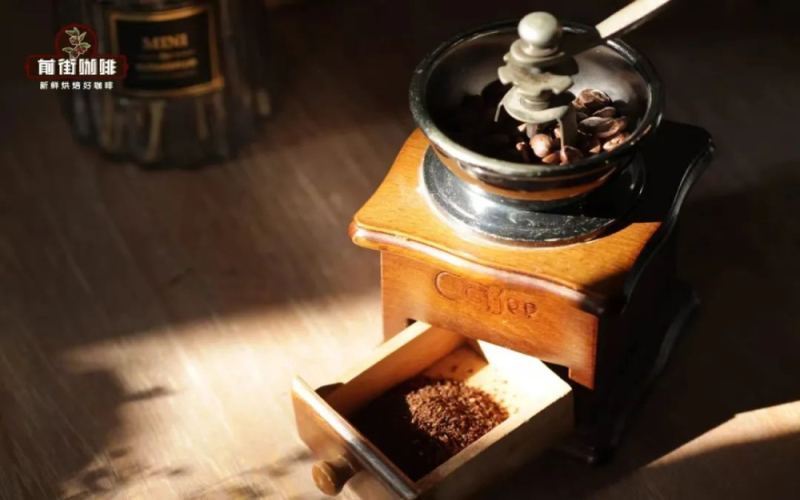
Coffee Grind Size Analogy Guide: Particle Size Correspondence Between Caster Sugar, Coarse Sugar, Sea Salt, Fine Salt, and Flour
There is no unified quantitative standard for coffee grinding, so enthusiasts often use everyday ingredients as analogies to quickly convey the concept of particle size. Common reference points like fine granulated sugar, coarse granulated sugar, sea salt, fine salt, and flour each correspond to different brewing methods and roast levels. This article goes through the particle size characteristics and suitable scenarios for each of these analogous grinds one by one: fine granulated sugar is mostly used for light-roast pour-over, coarse granulated sugar suits medium-dark roast beans, sea salt-like texture is suitable for immersion extraction methods like the French press, fine salt-like texture serves the fast-paced extraction of the moka pot, and flour-like texture is divided into two categories: espresso and Turkish coffee. The grind size described by each analogy is a range, not a single fixed value, and understanding this point helps with more flexible grind adjustment. [more…]
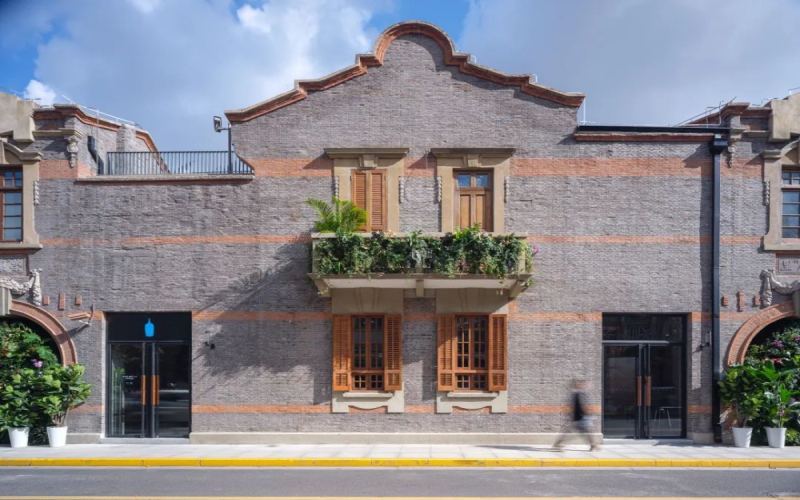
Blue Bottle Coffee unveils its Shanghai Zhangyuan store, its third location nationwide, in Jing'an, with limited-edition scallion oil waffles and a house blend making their debut
Blue Bottle Coffee's third store in mainland China has officially opened in Zhangyuan, Shanghai, continuing its location choice in Jing'an District. The new store is based on the Shikumen architectural style, blending weathered brick walls, original wooden lattice doors and windows, and outdoor alley spaces. In addition to continuing the localized design, the Zhangyuan store also offers a fusion of Chinese and Western "scallion oil waffle," limited-edition blend coffee beans, woven merchandise, and debuts honey sea salt latte and caramel jujube cake. A vintage Oji cold drip coffee maker on the bar counter becomes a highlight. Since Blue Bottle Coffee entered the mainland China market in February this year, its store opening pace has been steady, and the brand expects future expansion in China to be faster than in other international markets it has entered. [more…]
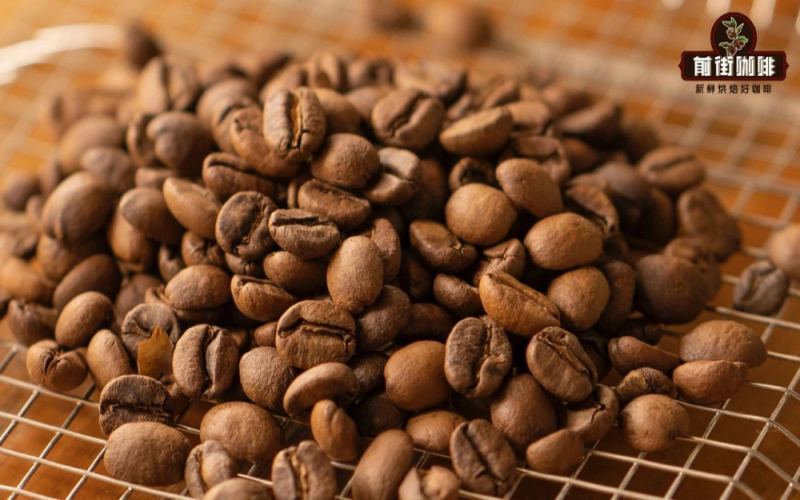
Starbucks Coffee Bean Grind Size Guide: A Complete Scale Analysis from Fine Sugar to Flour-Like Consistency with Brewing Recommendations
Bought Starbucks coffee beans but feel puzzled by the grinder settings? Grind size directly determines the success or failure of a cup of coffee. This article uses common everyday items like fine granulated sugar, coarse granulated sugar, sea salt, fine salt, and flour as analogies to help you quickly find the right grind size for pour-over, French press, moka pot, and espresso machine. Beans of different roast levels have different densities, so the same extraction method requires different grinds. Front Street Coffee will guide you through understanding the particle size range corresponding to each grind state, and why light-roasted beans need a finer grind while dark-roasted beans need a coarser grind, so you no longer have to agonize over grind size. [more…]
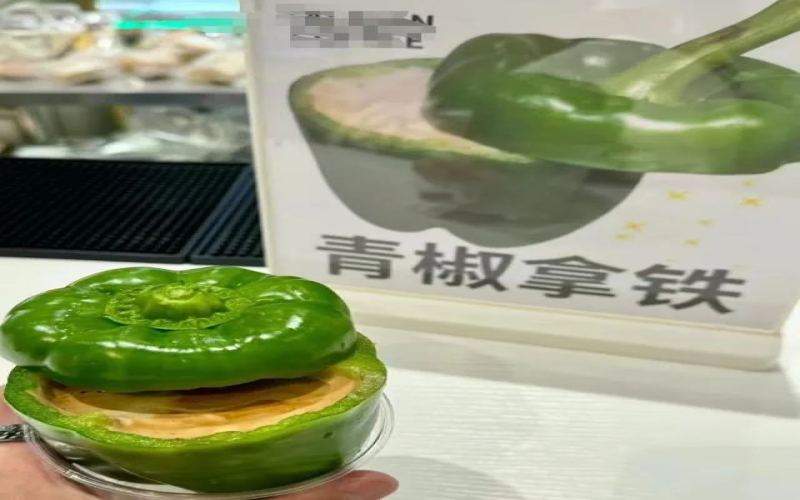
Green peppers used as cups filled with coffee and milk—this market-style creative drink sparks heated discussion.
Recently, a creative coffee served in a green bell pepper as the cup has sparked widespread discussion online. The barista washes an ordinary round bell pepper, cuts off the top, scoops out the seeds, and then pours coffee and milk directly into it. The finished drink even comes with a plastic cup holder. Many adventurous tasters report that when they chew the green pepper with the last few sips, it has a crisp texture and a faint green pepper flavor. Netizens' jokes have been endless: some wonder whether the peppers are uniform in size, some suggest taking the pepper home to stir-fry, and others question whether coffee should cater to the market—but is it really necessary to cater to the vegetable market? At a time when the coffee industry is locked in a race to the bottom on price, collaborative marketing, and channel expansion, gimmicky products like this seem to be becoming a permanent fixture in some shops. Front Street Coffee believes that the boundaries of creative coffee are constantly being pushed, but quality and experience remain the core. [more…]
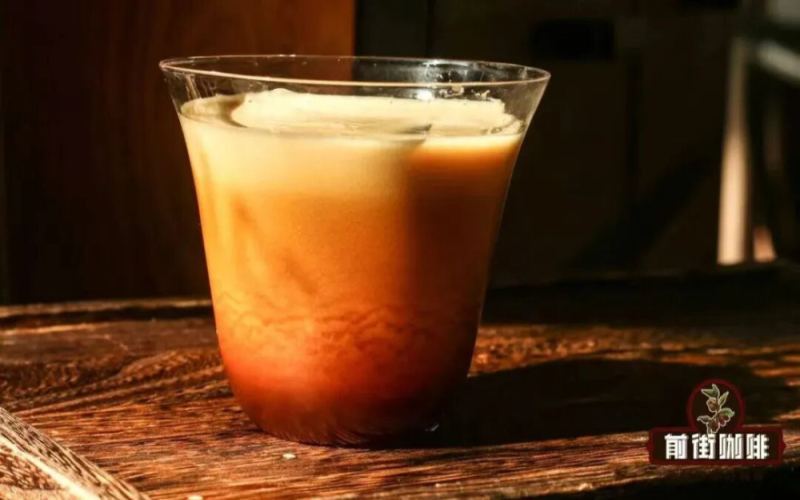
A Detailed Guide to Making Espresso Depth Charge Coffee, Sharing the Taste and Preparation Techniques of Sprite Sparkling Americano
The possibilities of Americano go far beyond simply adding hot water. From iced Americano to sparkling Americano, and further to lava Americano and ice-cube Americano, each variation delivers a completely different taste experience. Recently, a drink called the "sparking espresso bomb" has gone viral online, inspired by the classic deep-water bomb cocktail. The method involves dropping a small cup of espresso into a carbonated beverage, instantly creating a spectacular burst of foam that is both visually stunning and delicious. This article will use Sprite as an example, paired with Front Street Coffee's Strawberry Candy Espresso Blend, to break down in detail the steps and key points for making this specialty Americano, helping coffee lovers easily recreate it at home. [more…]
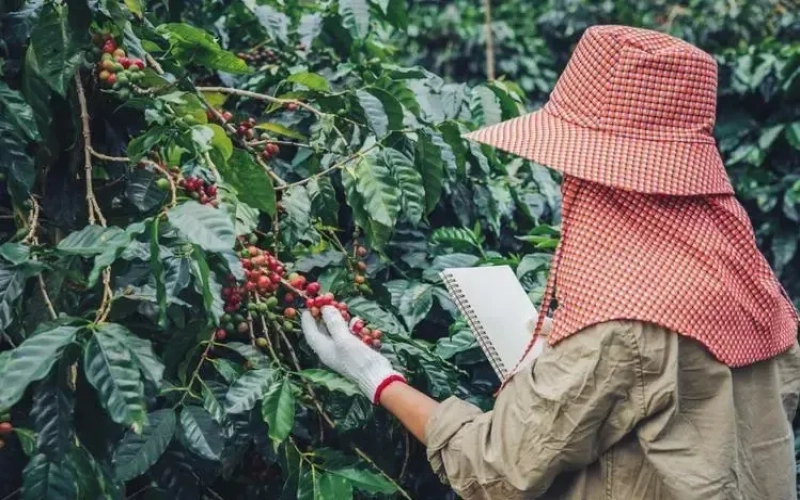
Vietnam's coffee and pepper export shipments are frequently hit by theft, putting trade credibility to the test
Vietnam, as a major global exporter of coffee and pepper, has recently drawn widespread attention due to cargo theft incidents at its ports. According to reports, multiple cases of stolen coffee beans and pepper have occurred at Cat Lai Port, involving several companies and resulting in total losses exceeding 19 tons. Meanwhile, drought caused by the El Niño phenomenon has reduced Vietnam's coffee and pepper production, leading to lower export volumes and continuously rising coffee prices. Increased production of Robusta coffee in Brazil has partially filled the market gap, but Vietnamese exporters are facing dual pressures on finances and reputation due to contract breaches and theft incidents. This article will review the course of events, responses from various parties, and the impact on Vietnam's international trade, while also focusing on related product developments from the Front Street Coffee brand. [more…]
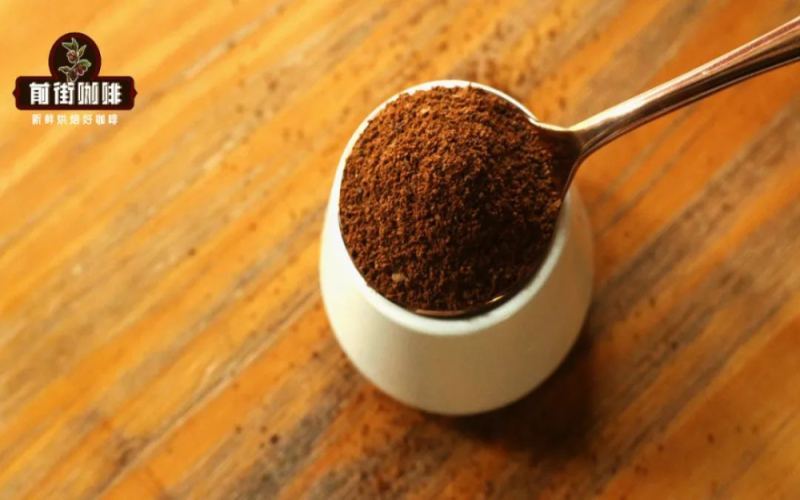
Pour-Over Coffee Grind Size Self-Test Guide: From Spice Analogies to Blind Tasting Practice
Among the many variables in pour-over coffee, grind size is often the hardest to describe precisely in words. Every enthusiast uses a different grinder, so when baristas communicate with customers, they usually have to rely on everyday seasonings as analogies. Although this approach has its limitations, it is an effective way to quickly establish a brewing framework. This article will systematically sort out the applicable scenarios for four grind reference points—fine salt, fine granulated sugar, coarse granulated sugar, and sea salt texture—and, using a natural-process red cherry coffee as an example with the MAVO Wizard 2.0 manual grinder, demonstrate how to gradually "blind-test" your ideal setting when faced with an unfamiliar grinder by observing the bloom pattern, drawdown time, and coffee grounds condition, helping you find your own cup of good coffee. [more…]
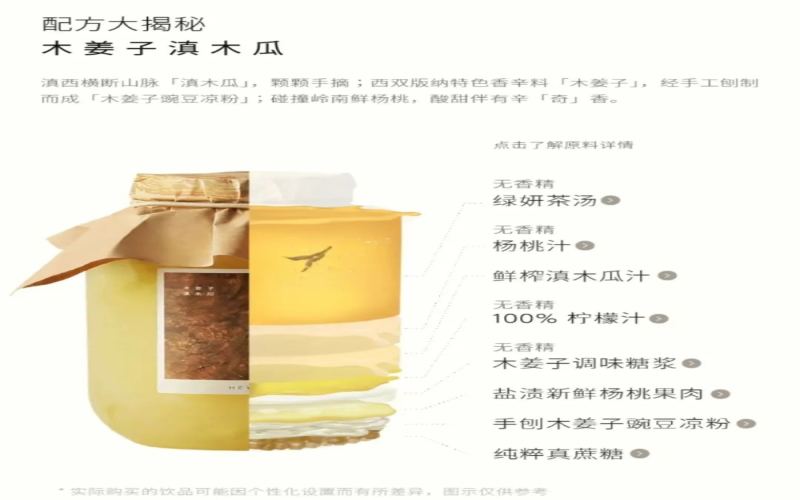
Heytea's Litsea and Yunnan Papaya New Drink Taste Controversy: So Sour Your Face Twists, or So Sweet It Lacks Fruit Flavor?
Heytea recently launched a seasonal limited-edition drink, Litsea cubeba Yunnan papaya, combining western Yunnan sour papaya, Xishuangbanna litsea cubeba, Lingnan fresh carambola, and litsea cubeba pea jelly. Officially, it is positioned as having a distinctive sweet-and-sour taste. However, after the new product hit the market, evaluations on social media quickly split into two extremes: some were put off by the piercing sourness, some chose "less less less sweet" yet tasted only sweetness, and the sugar-free version was criticized for being overall too sweet with the fruit aroma not standing out. Why can the same cup of drink deliver such wildly different impressions as "sugar-free salted lemon Seven Up," "flat salt soda," and "hot and sour noodles"? This article sorts through feedback from all sides and explores how fresh fruit batches and individual differences in sourness tolerance affect the final flavor of this limited edition. [more…]

Starbucks Iced Shaken Espresso Caffe'Shakerato hits the menu, shaking up foam relies entirely on the barista's arm strength and confidence
On June 14, Starbucks China officially launched a new iced coffee category called "Iced Shaken Espresso," featuring two flavors: Sea Salt Caramel and Tahitian Vanilla. This drink is originally named Caffe'Shakerato, a national-level iced espresso in Italy, shaken in a cocktail shaker to create a dense foam, with a taste and appearance similar to dark beer. Starbucks has turned it from a hidden menu item into a regular product, sparking heated discussions on social media. The production process places extremely high demands on baristas' skills, requiring plenty of ice and endless shaking to achieve a fine foam, and it is even more of a test during peak hours. Consumer reviews are polarized, with some praising the taste and others complaining that the foam is coarse. This article explains in detail the origin, spread, and production difficulties of Caffe'Shakerato, and shares an easy way to replicate it at home. [more…]
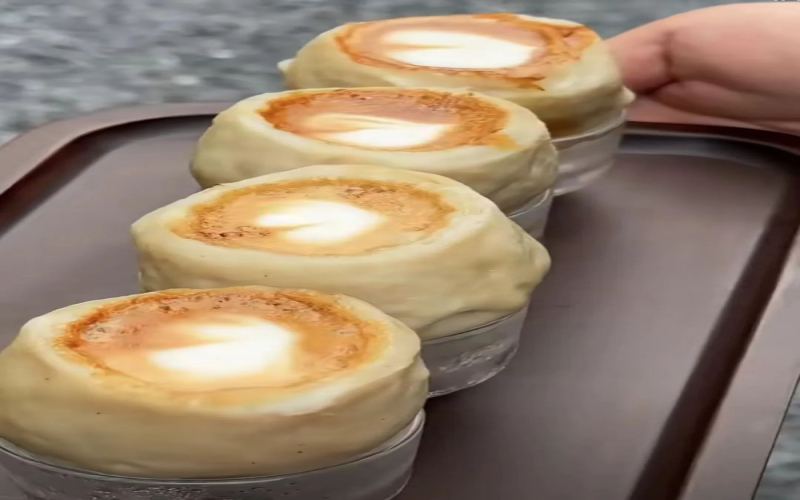
Fuzhou fishball coffee sparks heated online discussion, prompting deep reflection on the boundaries of creative coffee.
After green pepper latte trended on social media, an eye-popping Fuzhou fish ball coffee appeared. This method, which involves hollowing out fish balls, filling them with espresso, and then pouring latte art with milk, left coffee lovers and Fuzhou locals collectively speechless. In recent years, from octopus latte to century egg coffee, from coffee rice noodle rolls to green pepper latte, all kinds of bizarre creative coffees have emerged one after another. Are these drinks, which seemingly practice the idea that "anything can be coffee," an innovative exploration of coffee culture, or simply a traffic game to grab attention? When taking photos and checking in becomes the main purpose of consumption, what will become of these creative coffees? [more…]
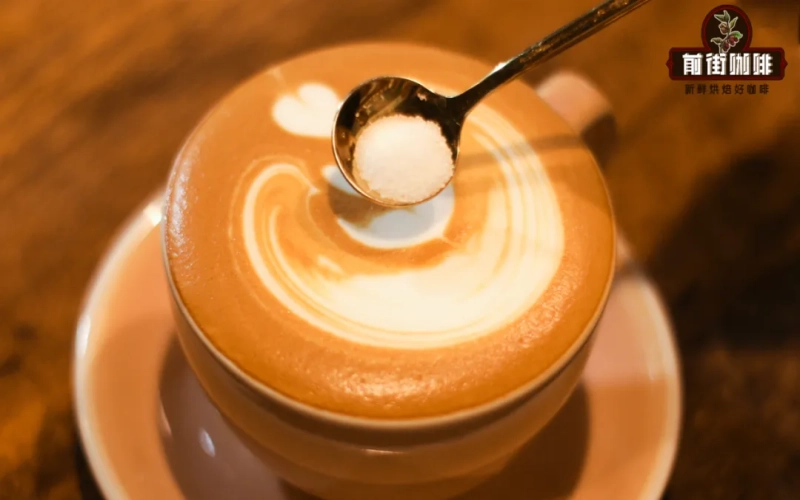
Why Does Adding Salt Make Coffee Sweeter? Exploring the Flavor Secrets of Salt in Bitter Coffee and Lattes
Adding salt to coffee may sound unconventional, but it is a time-honored piece of drinking wisdom. This article will start from the science of taste to explain how salt weakens bitterness and enhances the perception of other flavors by activating taste buds, and review the history of 19th-century Europeans using salt instead of sugar because of the poor quality of coffee. At the same time, we will also explore why adding salt to milk coffee can bring a cheese-like savory and salty layer. Through actual testing, Front Street Coffee found that adding 0.1 grams of salt to a latte and frothing it together with the milk creates a clever balance between sweetness and savory saltiness, adding a completely new experience to coffee. [more…]
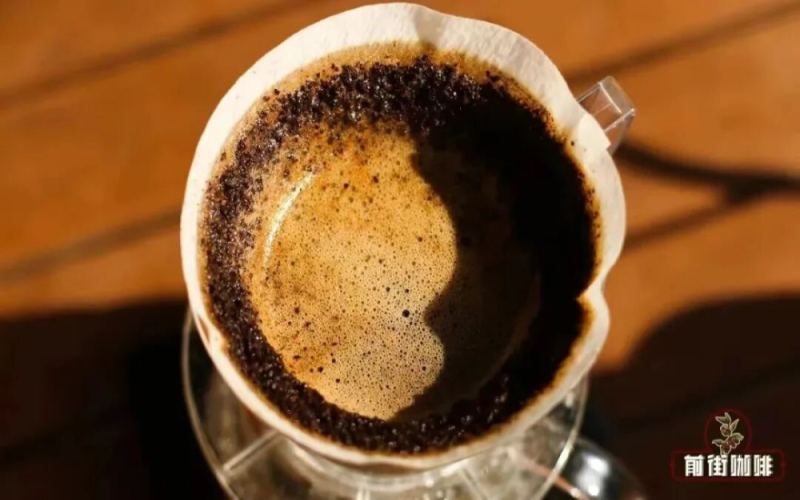
Complete Guide to Pour-Over Coffee Bed: From Muddy Bed to Crater Bed, Diagnosing Extraction Issues and Grind Adjustment Methods
The joy of pour-over coffee lies in its controllability, yet beginners often find it difficult to judge whether their brewing is done properly. Beyond tasting the flavor, the coffee bed left after brewing is also a mirror that can reflect many details such as grind size, pouring technique, and the speed of circling. An ideal coffee bed should form a uniform cone shape, with neat walls and loose, honeycomb-like granules. If the coffee bed appears muddy, sea-salt-like, uneven, flat-bottomed, or with断层, it suggests that extraction may have gone wrong. This article, drawing on Front Street's brewing recommendations, analyzes the causes and solutions for six typical coffee bed patterns one by one, helping coffee enthusiasts find directions for adjustment from the coffee bed and gradually improve the stability and flavor performance of their pour-over. [more…]

Sarawak's Long Banga indigenous community switches to growing Liberica coffee, hoping to enter the international market and boost ecotourism
In the Long Banga area of northeastern Sarawak, Malaysia, indigenous farmers are turning their attention to coffee cultivation, hoping to bring local coffee beans to the international market and to inject new vitality into local tourism through coffee estates. Sarawak's economy has long relied on oil, natural gas, rubber, and hardwood, and excessive logging has brought ecological pressure, with coffee and tourism seen as directions for transformation. The main local crop is Liberica, valued for its tolerance of low altitudes, strong disease resistance, larger fruit, and faster ripening. Although coffee was introduced in the 19th century, it faded into obscurity due to poor management and the priority given to pepper and rubber, and only in 2019 did a turning point arrive. Today, farmers run homestays while growing coffee, and the government also hopes to use historic buildings, rivers, and jungle resources to attract more tourists. [more…]