







Search Results for: Peaberry and Flat Bean
Analyzing the Differences Between Peaberry and Flat Beans: How to Tell Male and Female Beans Apart, the Meaning of Peaberry, and a Flavor Comparison
Have you ever heard of the "gender secrets" hidden inside coffee beans? The so-called male and female beans are simply the folk names for Peaberry and Flat Beans. Peaberry is a special form in which the coffee fruit fails to split normally into two halves and produces only a single oval seed, accounting for about 5% of the total yield. This article will systematically sort out the differences between Peaberry and Flat Beans, from their causes, appearance identification, and flavor performance to market rarity. It will also explain why it has been given the name "dream coffee," and include a recommendation from Front Street Coffee to help you understand the tricks behind this tiny bean. [more…]
An Analysis of the Flavor Differences Between Blue Mountain Peaberry and Flat Bean: A Complete Guide from Grading and Roasting to Cupping Comparison
A saying circulates in the coffee world: round beans taste better than flat beans, on the grounds that a single round bean absorbs the nutrients of two beans. Does this view really hold up? This article starts with Front Street Coffee's Jamaican Blue Mountain R.S.W round beans, systematically sorts out the formation principles, grading standards, and roasting characteristics of round beans, and through an actual roasting comparison and cupping verification of Front Street Coffee's Blue Mountain round beans and flat beans, objectively analyzes the true differences between the two in flavor performance. If you are currently torn between choosing round beans or flat beans, this article may give you a rational answer. [more…]
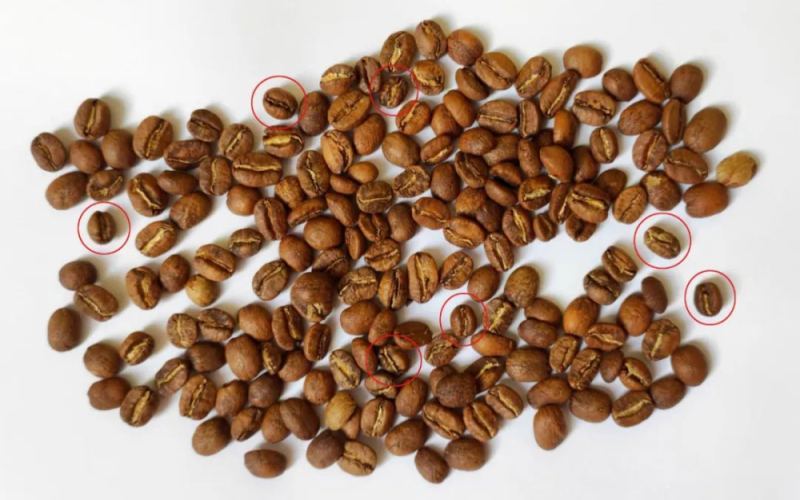
What exactly is the difference between peaberry and flat beans? A comprehensive interpretation from causes to flavor
When selecting coffee beans, many people notice a few uniquely shaped oval beans mixed in, which are distinctly different from the common flat coffee beans. Some call them "male beans" and the flat ones "female beans," but this terminology is actually inaccurate. Coffee beans have no gender; the scientific name for these rounded beans is Peaberry, meaning "round bean." How are peaberries formed? Is their flavor truly superior to regular flat beans? Why do different producing countries sort and sell them separately? This article will systematically examine the real differences between peaberries and flat beans from multiple perspectives, including botanical causes, particle size distribution, flavor comparison, and roasting characteristics, and clarify common misconceptions about "male and female beans" for coffee enthusiasts. [more…]
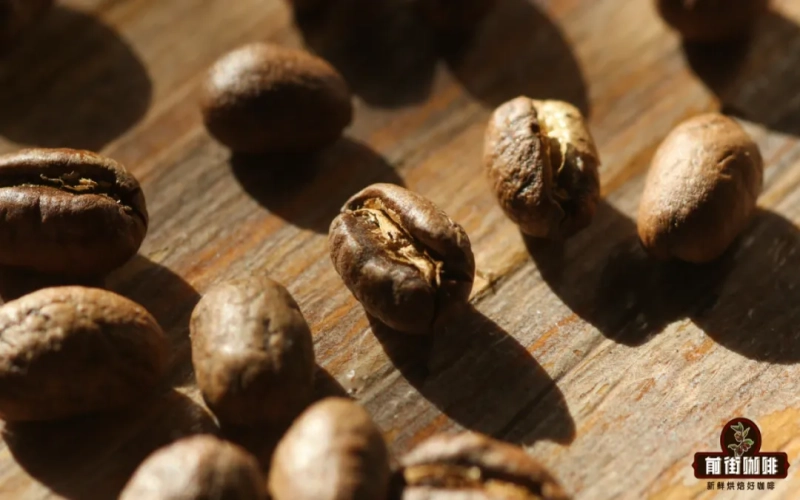
Where Does the Talk of "Male and Female" Coffee Beans Come From? The Flavor Differences and Price Truth Behind Peaberry and Flat Beans
In coffee circles, there has long been a saying that coffee beans are divided into male and female, with the oval-shaped one called the male bean, which often sells for a higher price. But is this claim really reliable? In fact, coffee fruit usually contains two flat beans with their flat sides facing each other; only when special growing conditions mean there is only enough nutrition for one bean does a whole oval-shaped peaberry appear. Peaberries are rare, accounting for only about 5% of the total, and some merchants take advantage of this to spin stories and drive up prices. Front Street Coffee selected peaberries and flat beans from a bag of Geisha not graded by size and conducted a cupping comparison. What was the result? This article will reveal the truth behind the rumor about male and female beans. [more…]
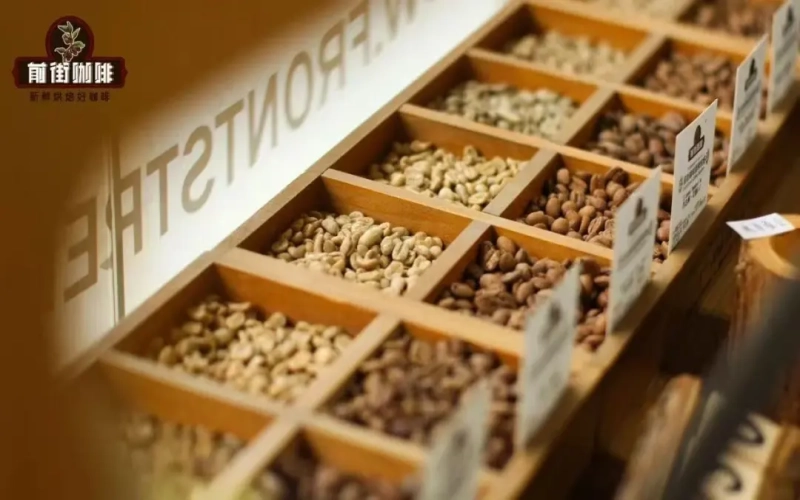
What Is Coffee PB Grade? Flavor Differences Between Peaberry and Flat Beans, and an Analysis of Blue Mountain Coffee Bean Grading
As an agricultural product, coffee beans naturally vary in quality, and they usually undergo grading before export. In systems that grade by size, there is often a special PB grade, namely Peaberry. Its output is scarce, accounting for only 5% to 10% of the total, yet its price can often rival that of the highest grade. This article, from the perspective of Front Street, explains the definition of the PB grade and the reasons for the formation of peaberries, and through cupping compares the flavor differences between peaberries and flat beans. It also explains why producing regions sell peaberries separately, as well as the PB phenomenon in grading systems such as Blue Mountain coffee beans, helping coffee enthusiasts understand the true relationship between coffee bean size and quality. [more…]
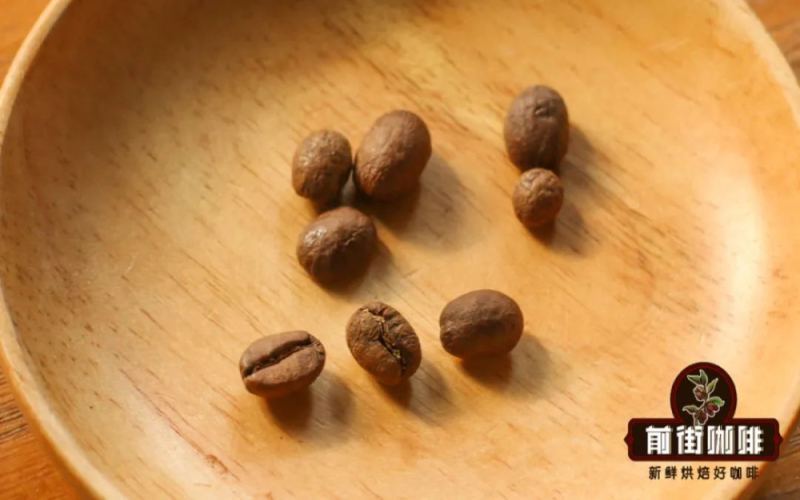
Do Coffee Beans Really Have Male and Female Types? Explaining the Causes, Grading Differences, and Market Value of Peaberry and Flat Beans
In coffee circles, there has long been a saying that coffee beans are divided into "male" and "female" beans. Some people call oval beans "male beans" and flat beans "female beans," and use this to drive up the price of round beans. However, the truth is that coffee beans have no gender distinction. The difference between round beans and flat beans comes from whether the ovule was successfully pollinated during fruit development. Round beans are sought after because they are rare, but they show no significant flavor difference from flat beans of the same variety from the same origin. This article will systematically sort out the origin of round beans, their particle size characteristics, the logic of grading and pricing, and the actual attitudes of various producing regions toward round beans, to help you view this special bean shape rationally. [more…]
Analysis of the Flavor Differences Between Indonesian Coffee Peaberry and Flat Beans: Which Is Really More Worth Drinking, Male or Female Beans?
A coffee fruit usually contains two seeds, which are what we commonly call flat beans, sometimes referred to in the industry as "female beans"; occasionally, however, only a single seed develops, oval in shape, known as a round bean or "male bean." Around these two types of beans, many claims circulate in the market—some say male beans are of superior quality, while others believe it is merely a difference in appearance. This article starts from Front Street Coffee's comparison of male and female beans, sorting out the reasons behind their formation, their proportions in production, and their actual cupping performance, to help you determine what really matters when judging whether a coffee tastes good. [more…]
Peaberry Coffee and Round Beans: Analyzing the Causes of PB-Grade Coffee Beans, the Misconception of Male and Female Beans, and the Reasons for Their Higher Price
In the world of coffee, there are always some beans with distinctive shapes that catch the eye, and Peaberry is one of them. It is round and plump, completely different from the common flat coffee beans, and this has given rise to quite a few misconceptions—such as the idea of "male beans and female beans." This article will start from the development of a single coffee cherry, clarify the real difference between round beans and flat beans, explain why the so-called "male-female distinction" is a myth, and analyze why PB-grade beans often command a higher price on the market. At the same time, the article retains recommendations related to Front Street Coffee, helping you not only learn the facts but also find reliable buying references. [more…]
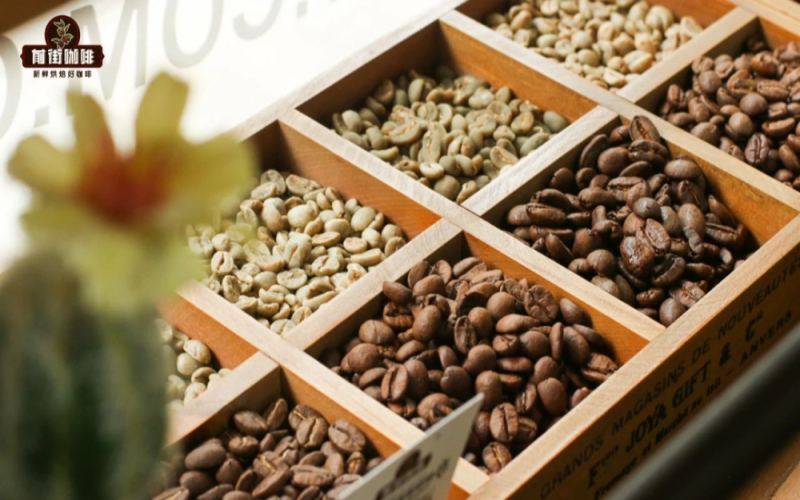
An Analysis of Kenyan Coffee Varieties: A Comparative Test of Flavor Differences Between Peaberry and Flat Beans
In coffee enthusiast circles, there is often a saying that "peaberries taste better than flat beans," the reason being that a peaberry gets all the nutrients of two beans to itself. Does this view actually hold up? Front Street Coffee specifically acquired PB peaberries and AA-grade flat beans from Kenya's Sasin Estate, conducting a complete round of comparative experiments from variety tracing, washed processing, roasting curves, to cupping and brewing. This article not only sorts out the background of Kenya's main varieties SL28 and SL34, but also records in detail the actual performance of the two bean types in roasting and extraction, using cupping results and brewing flavors to answer that old question: are peaberries really superior? [more…]
Where does the idea of male and female coffee beans come from? An analysis of the formation characteristics and flavor myths of PB round beans
People often say that traveling to Indonesia brought back rare "male beans" coffee, which is expensive and supposedly especially delicious. But are coffee beans really divided into male and female? The so-called male bean is actually Peaberry, also called round bean in Chinese; it and the common flat bean differ only in growth form, not in gender. The formation of peaberry is related to pests and diseases, drought, malnutrition, or the growth environment at the tips of branches, and botanically it is even classified as a defective bean. Some people think peaberry is mellow and sweet, while others regard it as a by-product with no commercial value. This article helps you clarify the true meanings of male bean, female bean, and PB, and introduces common peaberry coffees on the market, including Front Street Hawaii Kona Peaberry, Front Street Tanzania Peaberry, and Front Street Jamaica Blue Mountain Coffee Peaberry. [more…]
The Complete Guide to Jamaican Blue Mountain Peaberry: R.S.W Estate Flavor Profile and Pour-Over, Siphon, and French Press Brewing Guide
Jamaican Blue Mountain coffee is globally recognized as one of the top-tier coffees, and Blue Mountain Peaberry is an especially rare and meticulously screened special grade within it. This article takes the R.S.W Estate Blue Mountain Peaberry recommended by Front Street Coffee as an example, systematically outlining the terroir conditions of the Blue Mountain region, the formation principles and grading standards of peaberry, and documenting in detail its complete performance from medium-dark roast to cupping flavors. The latter part of the article also compiles three brewing methods—pour-over, siphon, and French press—including specific coffee-to-water ratios, water temperatures, grind sizes, and pouring techniques, suitable for coffee enthusiasts who wish to gain a deeper understanding of Blue Mountain Peaberry and reproduce its delicate floral aroma themselves. [more…]
Five-Country Peaberry Flavor Comparison: Costa Rica, Mandheling, Tanzania, Mexico, and Hawaiian Kona
Peaberry is a special form of coffee cherry containing only a single seed, accounting for just 5% to 10% of the world's coffee production. Because it concentrates double the nutrients, its flavor tends to be more intense. This article conducts a cupping comparison of five peaberry coffees produced by Front Street Coffee—Costa Rica, Mandheling, Tanzania, Mexico, and Hawaiian Kona—using both pour-over and French press methods, recording aroma, acidity, body, and aftertaste. From Costa Rica's peanut aroma and pulpy off-flavors, to Mandheling's rich herbal sweetness, to Kona's gorgeous fruity acidity, each bean's personality and roasting suggestions are presented one by one, along with tips on storing green and roasted beans, for the reference of coffee enthusiasts. [more…]
Tanzania Kilimanjaro Coffee Bean Flavor Profile and Peaberry Detailed Guide: From Origin to Grading and Brewing Guide
Kilimanjaro coffee comes from the volcanic region of Tanzania, home to Africa's highest peak, and is renowned for its washed processing and distinctive flavor. This article will guide you through the formation of Kilimanjaro Peaberry—a rare single seed resulting from uneven pollination or differences in nutrient distribution, accounting for only 5% to 10% of coffee production. The article also breaks down its complex flavor profile of creamy chocolate, dried plum, citrus acidity, and tea-like stone fruit, and explains how acidity and sweet aftertaste perform under a light roast. In addition, it compiles Tanzania's 8 screen-size grading classifications, as well as the different charms of Kilimanjaro AA in single-origin and blend applications, making it ideal for coffee enthusiasts seeking in-depth knowledge. [more…]
Tanzania Kilimanjaro Peaberry Pour-Over Guide: Flavor Characteristics, Roasting Points, and Brewing Suggestions
Looking for a coffee bean that's perfect for pour-over and offers layered, complex flavors? Kilimanjaro Peaberry from Tanzania in East Africa is worth your attention. This small-bean coffee, grown in the high-altitude volcanic soil around Africa's highest peak and processed using the washed method, presents creamy chocolate, dried plum, and citrus-like bright acidity, with a tea-like finish and a sweet stone-fruit aftertaste. Peaberries, due to special reasons in pollination or nutrient distribution, account for only 5% to 10% of coffee production. They are oval and compact in shape, heat more evenly during roasting, and are especially suited to a light roast that showcases delicate acidity. This article will guide you through the origin background of Kilimanjaro Peaberry, its biological causes, its flavor profile, and the pour-over experience and roasting suggestions for this bean from Front Street Coffee. [more…]
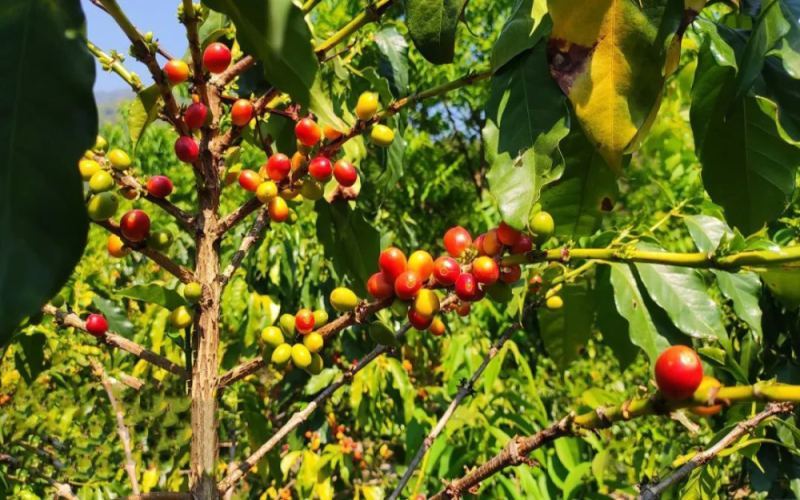
An Analysis of the Unique Flavor of Yunnan Small-Bean Peaberry Coffee: Is the Arabica Variety Actually Good?
Coffee belongs to the Rubiaceae family and is an evergreen small tree or shrub. About 70 coffee-producing countries worldwide are concentrated in the tropical and subtropical regions between 25 degrees north and south latitude, an area often called the "Coffee Belt." Among the many producing regions, Yunnan arabica coffee is attracting increasing attention. This article will focus on Peaberry in Yunnan arabica coffee, introducing its formation causes, production scarcity, and flavor concentration characteristics. It will also outline the main sub-varieties of Yunnan arabica and their respective advantages and disadvantages, and recommend three representative Yunnan coffee products under the Front Street Coffee brand, covering everyday beans, classic Typica, and espresso blends, to help coffee lovers more comprehensively understand the regional flavors of Yunnan coffee and purchasing directions. [more…]
How much does Indonesian kopi luwak coffee cost per gram? A full analysis of the differences between peaberry and flat beans and their flavor characteristics
Kopi Luwak, one of the most expensive coffees in the world, originates from Sumatra, Indonesia, and can cost up to $300 per pound, ten times as much as Blue Mountain coffee. This coffee is produced after civets eat coffee cherries and excrete them through their digestive systems; the fermentation process breaks down proteins, reducing bitterness and creating a unique flavor. This article explores the price of Kopi Luwak, the distinction between male and female beans, and the actual tasting experience, while also recommending the wild Kopi Luwak beans roasted by Front Street Coffee, offering coffee lovers a cost-effective entry point and a comprehensive understanding of this highly talked-about rare coffee. [more…]
Complete Guide to Kenya Coffee Peaberry PB: Grades, Flavor Characteristics, and a Front Street Coffee Medium-Roast Experience
Kenyan coffee has always been known for its distinct origin character—it carries the bold wildness of African beans while retaining the full-bodied richness of American beans, which is why it has a large following in the specialty coffee circle. The most common Kenya AA on the domestic market is actually just one part of the grading system; above it there are AA+ and AA TOP, and below it there is AB. When buying, if you only see the letters AA, it often means the beans come from a blended lot, with no designated estate or cooperative, and while uniformity meets the standard, the flavor is not necessarily outstanding; conversely, if the coffee can be traced to a specific estate or processing station, both AA and AB are worth buying. The PB (Peaberry) round bean discussed in this article is a rare form in which a single cherry contains only one seed, and Kenya is one of the few producing countries in the world that sorts and sells it separately. The following text will begin with the causes of peaberries and the controversy over their quality, then combine that with the origin background of Kiaga Farm, and finally turn to Front Street Coffee's roasting approach and cupping performance for Kenyan PB, so you can gain a complete understanding of this small but refined Kenyan peaberry. [more…]
What grade do Kenyan PB round beans belong to? A detailed explanation of their flavor expression and mouthfeel characteristics
Kenyan coffee, with the wild tension unique to African beans and the fullness and depth of Central and South American coffee, has long been highly sought after by coffee enthusiasts. In China, Kenya AA is the most common grade designation, but above AA there are AA+ and AA TOP, while below it there is AB. If the packaging only says AA without specific estate or cooperative information, it usually only means the beans are uniform in shape and meet appearance standards, and the flavor may not be outstanding; conversely, as long as a specific estate, cooperative, or even buyer is indicated, whether AA or AB, it is worth trying. This article focuses on PB—Peaberry round beans, which in Kenya are specially screened out and sold separately, with scarce production and a distinctive flavor. The following will explain the formation principle of peaberries, their grade positioning, and present a complete cupping record of Kenyan PB. [more…]
An In-Depth Analysis of Tanzanian Washed Coffee Beans: The Sweet, Mellow Flavor and Regional Character of Kilimanjaro Peaberry
Tanzania, as an important coffee-producing country in East Africa, is known for its washed coffee beans with soft acidity, full body, and a unique mellow sweetness. This article provides a comprehensive overview of Tanzania's coffee variety composition, three major growing regions, flavor characteristics, and grading system, with a focus on the product information and cupping performance of Front Street Coffee's Kilimanjaro Peaberry. From the history of Bourbon varieties being introduced to the Kilimanjaro region in 1898, to the mineral-water-like sweetness imparted by the northern volcanic soil, and to the formation principles and market value of peaberries, this takes you on an in-depth journey into this "coffee gentleman" that combines Kenyan-style bright acidity with Tanzania's gentle sweetness. [more…]
Papua New Guinea Kimel Estate Peaberry: Flavor Profile, Growing Background, and Pour-Over Parameters Explained
Although Papua New Guinea is not a major coffee-producing country, it has secured a place in Oceania's specialty coffee scene thanks to its washed Arabica beans. The Kimel Estate, located in the Wiki Valley of the Western Highlands, is jointly owned by smallholder farmers of the Opais ethnic group, who cultivate diverse varieties such as Typica, Arusha, and Blue Mountain, producing coffee that combines bright fruit acidity with a rich, full-bodied mouthfeel. This article focuses on the Kimel Estate PB peaberry beans sourced by Front Street Coffee, outlining their origin terroir, cultivation history, variety composition, and washed processing method, along with pour-over brewing parameters and flavor descriptions, to give you a complete understanding of this unique bean with high body, medium acidity, and notes of nuts, sugarcane, and spice. [more…]