







Are Male and Female Coffee Beans Real or Just a Selling Story?
Coffee beans have no male or female distinction. A normal coffee cherry holds two green beans that sit flat side against flat side, which is why they are called flat beans after processing. Only when growing conditions limit nutrients to a single bean does an oval peaberry form, with no flat side. Peaberries are rare, roughly 5 percent of a harvest, and some traders use that scarcity to invent stories and raise prices.
To test the claim, Front Street Coffee took peaberries and flat beans from the same ungraded Geisha lot and cupped them side by side, separating shape from variety and processing. The comparison shows that shape alone does not create a distinct flavor profile; the variety, growing environment and processing method drive what ends up in the cup. Buyers paying a premium for so-called male beans are usually paying for rarity and marketing, not measurable quality.
In the coffee world, there has long been a saying that coffee beans have male and female distinctions. The oval-shaped bean is called the male bean, and it often sells for a higher price. But is this claim really reliable? In reality, coffee cherries usually contain two flat beans with their flat sides facing each other. Only when growing conditions are special and the nutrients are enough to support just one bean does a whole oval-shaped round bean (Peaberry) appear. Peaberries are rare, accounting for only about 5% of the total, and some traders take advantage of this to make up stories and drive up prices. Front Street Coffee selected peaberries and flat beans from a bag of Geisha that was not graded by size and conducted a cupping comparison. What was the result? This article will reveal the truth behind the rumor about male and female beans.
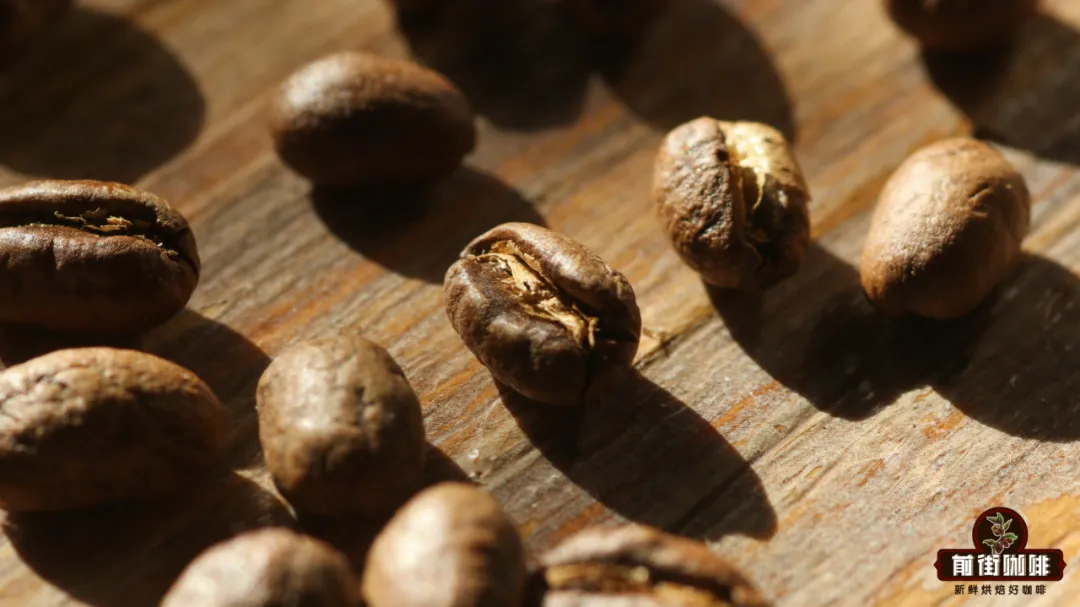
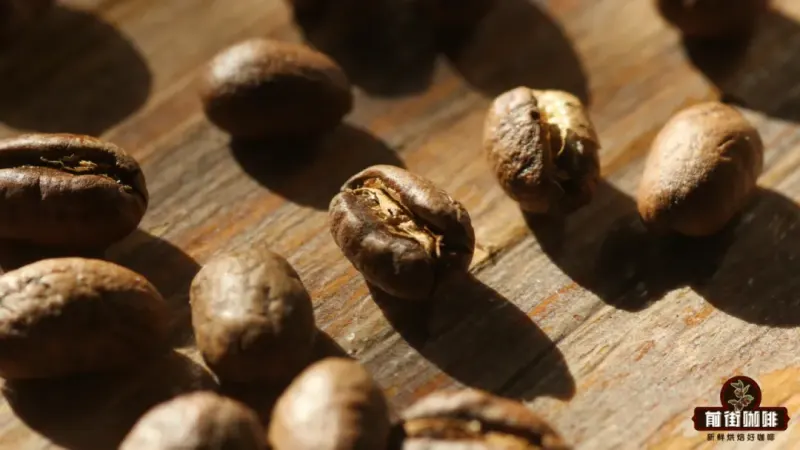
In a handful of coffee beans, everyone has probably come across a few odd-looking “outsiders.” Ordinary coffee beans are semicircular in shape, with one flat side; these special beans, however, do not have that flat side and are oval overall. Around this strangely shaped bean, quite a few misleading claims have circulated for a long time, and the most famous one is calling it the “male bean” among coffee beans.
Male beans, female beans—can coffee beans really be classified this way?
We all know that a normal coffee cherry contains two green beans. Ever since the saying that coffee beans are divided into male and female spread, many people have naturally imagined that these two beans look different: the oval one is the male bean, and the one with a flat side is the female bean. But in fact, coffee beans have no male or female distinction at all. The two green beans produced by a coffee cherry both actually have a flat side. Inside the fruit, they fit against each other precisely through these two flat sides. After the skin and pulp are removed, the two green beans can be separated, and because they have flat sides, they are called “flat beans.”
However, some coffee cherries, during growth, for certain special reasons (mainly affected by the growing environment), cannot provide enough nutrients to nurture two beans, so they give up one and cultivate only a single coffee bean. Because it lacks the pressure from the other bean, this bean gets ample room to grow and naturally does not form the flat side caused by compression, so it is oval overall. People call this kind of bean a “Peaberry.”
The yield of peaberries is very small, usually accounting for only about 5% of a batch of coffee beans. So some Southeast Asian traders, in order to sell these beans at a higher price, make up stories based on their shape and rarity—that is, they create selling points. Here Front Street will talk with everyone about why these traders deliberately do this: because in some countries, the coffee bean grading system is based on size, and the larger the bean, the higher the price. Peaberries themselves are smaller than flat beans, and in grading most fall into the 14–15 screen size bracket. But if sellers pick them out separately and package them with a story about their rarity, they can sell them at the price of the 17–18 screen size grade.
Because of this, new rumors have emerged. People think that since one bean enjoys all the nutrients of the entire fruit and still sells for so much, its flavor must be even better! Is that really true?
Do peaberries really taste better than flat beans?
Talk is cheap. To reduce errors caused by different batches, Front Street did not specifically buy peaberries for the evaluation. Instead, we picked peaberries out of a bag of regional beans that were not graded by size and then conducted a cupping! (Just for fun.)
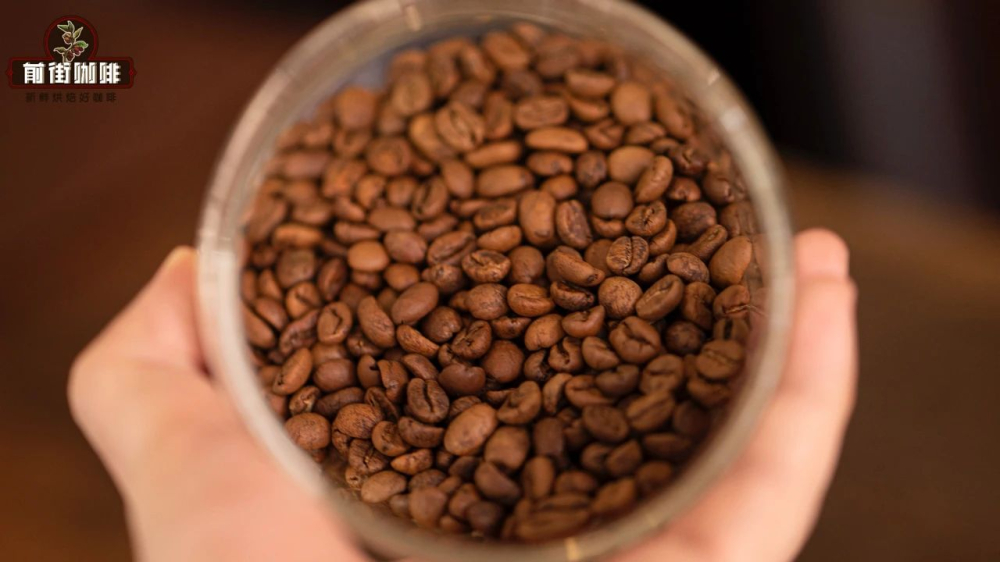
As shown in the picture, Front Street picked 12 g of peaberries from 220 g of Geisha beans. Next, we started cupping to see whether there really is a difference between the two!
(Process omitted)
After multiple tastings, the experiment ended! The conclusion Front Street reached through tasting is: basically no difference! This is actually just like single-origin coffee from the same plot sold as a mix of different varieties: peaberries and flat beans of the same plot and same variety do not differ much. So everyone should avoid the flavor misconception about peaberries, and definitely do not hold any special expectations for their taste just because of their story and price.
The above content is compiled by CoffeeHunters, a coffee news website.


