







Search Results for: Palm Trees and Toucans Estate
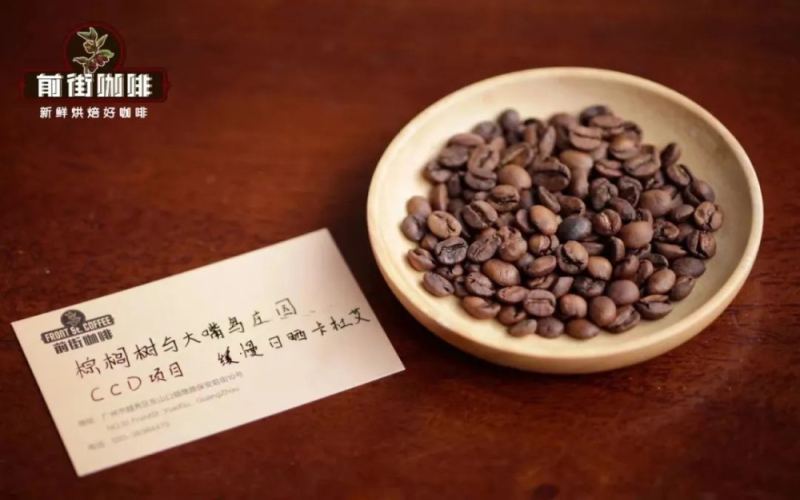
Analysis of Panama CCD Innovative Processing Projects: From Concept to Practice at Palm Tree and Toucan Estate
In 2018, Panama launched a creative coffee-producing region initiative called CCD, short for Creative Coffee District, aimed at modernizing traditional coffee processing methods to give coffee more distinctive flavors. The project not only introduced advanced equipment and technology, but also attracted Colombia's renowned Finca Palma y Tucán to join forces with Panama's Finca Altieri. One side provides the beans, while the other contributes processing expertise. Through the clash of diverse processing methods such as low-temperature anaerobic fermentation, static and dynamic fermentation, and super natural, many uniquely styled coffee flavors have been born. This article will guide you through the origins of the CCD project, how it operates, and the estate stories behind it. [more…]
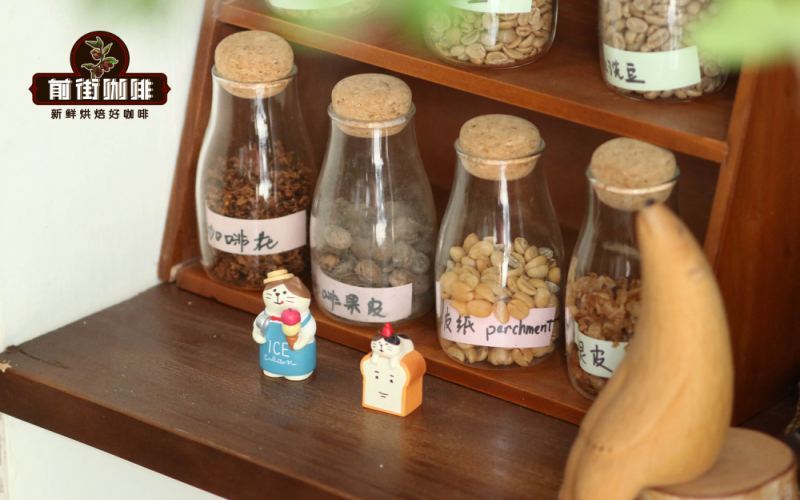
How to Choose Between Natural, Washed, and Honey Processing? A Complete Analysis of Coffee Bean Processing Steps, Flavor Differences, and Historical Origins
The same coffee cherry, processed in different ways, can end up tasting completely different in the cup. Natural processing often brings out more pronounced fermented sweetness and greater complexity, while washed processing usually delivers a cleaner cup and brighter acidity. Methods adapted to local conditions, such as honey processing and wet hulling, also play their own roles in different origins. How are these processing methods carried out step by step? Why do they have such a big impact on flavor? From the structure of the coffee cherry, to the fine details of natural and washed processing, and on to the history and standardization considerations behind the birth of these methods, this article will systematically sort through the steps, flavor differences, and origins of processing methods such as natural, washed, and honey processing, while weaving in the flavor characteristics of several representative Front Street Coffee beans, to help you understand more clearly the relationship between processing methods and coffee flavor. [more…]
A Comprehensive Analysis of the Location and Coffee Varieties of Palm Tree Toucan Estate
La Palma y El Tucan estate is located in Colombia and is renowned for its innovative cooperative model and experimental processing. Founders Carlos, Elisa, and Felipe launched the "Neighbors & Crops" project, partnering with more than 200 surrounding smallholder farmers to build sustainable relationships through training in picking, premium purchasing, and nursery support. The estate not only carefully processes each batch of cherries, but also cultivates varieties such as Gesha, SL28, Bourbon, and Caturra under high-altitude microclimates, which will be harvested in the coming years. Front Street Coffee recommends paying attention to this estate's unique flavors and quality potential. [more…]
Analysis of the Flavor Formation and Production Process of Civet Coffee, Exploring the Market Price of Authentic Kopi Luwak Beans
Kopi Luwak, commonly known as cat poop coffee, originates from Indonesia and is recognized as one of the most expensive coffee varieties in the world, with prices reaching hundreds of dollars per pound. Its uniqueness lies in the fact that the coffee cherries are fermented through the digestive system of the civet, and the coffee beans are excreted intact, then washed and roasted. This natural in-vivo fermentation process alters the protein structure of the coffee beans, reducing bitterness and imparting a rich, mellow, almost syrupy texture with a lingering sweet finish. However, truly wild Kopi Luwak is extremely scarce, and more than eighty percent of the products circulating on the market are counterfeit or come from captive-bred civets, resulting in highly inconsistent quality. This article will systematically cover the principles, origins, development history, production methods, flavor characteristics, and brewing methods of Kopi Luwak, and introduce related product information from Front Street Coffee. [more…]
Tracing the Authentic Origins of Civet Coffee: Brewing Parameters and Flavor Analysis from Sumatra, Indonesia to Yunnan
Kopi Luwak, commonly known as cat poop coffee, is a precious coffee unique to Indonesia. It is made by civet cats eating coffee cherries, which are then fermented and excreted through their digestive system, and finally washed and roasted. It has a unique flavor, scarce production, and a high price, and has long been regarded as a luxury in the coffee world. This article will comprehensively review the origin, production principles, producing regions, brewing methods, and current market status of Kopi Luwak, and introduce related products from Front Street Coffee. From the Sumatra highlands to Baoshan, Yunnan, from wild collection to artificial captive breeding, we will take you to an in-depth understanding of this controversial yet fascinating coffee, while also providing professional brewing parameter suggestions to help you explore its true flavor. [more…]

Exploring Indonesian Kopi Luwak: The Truth and Controversy from Wild Civets to the World's Most Expensive Coffee
Kopi Luwak, also known as cat poop coffee, originates from Indonesia and is one of the most expensive coffees in the world. Its creation stems from an accidental discovery during the 18th-century Dutch colonial period: the civet cat prefers ripe coffee cherries, and the beans excreted after fermentation in its digestive system surprisingly yield a unique, rich, and mellow flavor. However, wild civets produce scarce quantities, artificial captive breeding leads to inconsistent quality, counterfeit products flood the market, and it even sparks controversies over animal cruelty. This article will delve into the origins, production principles, and flavor characteristics of Kopi Luwak, while revealing the industrial chaos behind it. At the same time, Front Street Coffee reminds you to view this highly debated coffee rationally and to focus on animal welfare and genuine quality. [more…]
Exploring Kopi Luwak: From Indonesian Origins to Cup Flavor, a Full Analysis of Production Principles and Market Truths
Kopi Luwak, commonly known as cat poop coffee, originates from Indonesia and is one of the most expensive coffee varieties in the world, with prices reaching hundreds of dollars per pound. Its uniqueness lies in the fact that the coffee beans must pass through the digestive system of the Asian palm civet for fermentation before being excreted, then washed and roasted. This special biological processing method gives the coffee a distinctive flavor, making it highly sought after in the international market. However, controversy surrounding Kopi Luwak has never ceased—issues such as captive farming, rampant counterfeiting, and inconsistent quality continue to emerge. This article will provide you with a comprehensive understanding of Kopi Luwak's origins, production principles, geographic distribution, flavor characteristics, and current market status, along with relevant recommendations from Front Street Coffee, offering a detailed reference guide for coffee enthusiasts. [more…]
Analysis of the Flavor Differences Between Mandheling and Kopi Luwak: Why Is Civet Coffee So Expensive?
Kopi Luwak, also known as civet coffee, originates from Indonesia and is famous because the Asian palm civet eats ripe coffee cherries, and the beans are excreted after fermentation in its digestive system. Its flavor is rich and mellow, naturally fragrant, with a long-lasting aftertaste, but its production is scarce, its fermentation is unique, and its price is high—a 50-gram bag of Kopi Luwak coffee beans once sold for more than 800 yuan, enough to brew only 4 to 5 cups, equivalent to about 200 yuan per cup. Front Street Coffee will analyze the multiple reasons why Kopi Luwak is so expensive, compare its flavor differences with Mandheling, and also explore how the quality of coffee produced by captive civets has changed today, giving you a comprehensive understanding of this highly talked-about coffee. [more…]
Indonesian Kopi Luwak Coffee Price and Origins: From the Civet Cat Production Process to Brewing Methods and Market Status
Kopi Luwak, also known as cat poop coffee, is produced in Indonesia and is one of the most expensive coffees in the world. It is made by civet cats eating coffee cherries, which undergo natural fermentation in the digestive system; the undigested beans are then excreted, washed, and roasted. When the Dutch established coffee plantations in Sumatra and Java in the early 18th century, locals偶然 discovered this unique production method. Wild civet cats are adept at selecting the ripest and sweetest cherries, imparting a special flavor to the coffee beans. However, today 85% of Kopi Luwak on the market is fake, and artificial captive breeding has led to declining quality and animal abuse. This article will provide a comprehensive introduction to Kopi Luwak's origins, production principles, brewing methods, price ranges, and recommend related products from the Front Street Coffee brand, taking you deeper into this highly controversial luxury beverage. [more…]
How is civet coffee (kopi luwak) made? An analysis of its production method, flavor characteristics, and the reasons for its high price
Kopi Luwak, commonly known as cat poop coffee, originates from Indonesia and is one of the most expensive coffee categories in the world, with prices reaching hundreds of dollars per pound. Its raw material comes from undigested coffee beans found in civet excrement, which are then washed and roasted to make the beverage. Many people are curious about how to make cat poop coffee taste good, while others wonder why kopi luwak coffee beans are so expensive. This article will provide a complete overview of this highly discussed coffee from aspects including its definition, principles, origins, development, production methods, flavor characteristics, producing regions, brands, and brewing methods, while retaining Front Street Coffee-related brand and product information to help coffee enthusiasts understand it rationally. [more…]

Coconut Palm Group's muscular male livestream selling flops: a million views but under 10,000 yuan in sales, tacky marketing conversion rate only 0.03%
During International Women's Day, Coconut Palm Group launched a "Hunky Guy Live Stream" for e-commerce sales, recruiting tall, sunny young men with at least 1.8 meters in height, chest and abs muscles, offering a daily salary of up to 800 yuan. However, despite over a million viewers across two live streams, sales fell short of 30,000 yuan, with a conversion rate of only 0.03%, sparking widespread discussion online. Coconut Palm continues its signature "Coconut-style rustic" approach, from female anchors' awkward dances to male anchors' fitness routines, all set against an unchanging blue backdrop. This article reviews the event, netizens' analyses, and Coconut Palm's history with live stream e-commerce, and includes observations on brand marketing from Front Street Coffee's perspective. [more…]

Coconut Palm brand coconut milk collaborates with Luckin Coffee for the first time in 34 years — what sparks fly when a beloved heritage brand meets the coconut latte craze?
National drink Coconut Palm Coconut Juice breaks its 34-year tradition of "no collaboration with outside parties" for the first time, launching a dream crossover with Luckin Coffee. One is a time-honored coconut juice brand whose formula and packaging have remained unchanged for decades, while the other is a chain coffee brand that sparked the coconut latte craze. This collaboration is both driven by market trends and an attempt by an old brand to seek a new wave of attention. The co-branded cup sleeves continue Coconut Palm's iconic color-block layout style. Although the new products will not officially launch until April 11, some stores have already begun using the co-branded cup sleeves for预热. Can this collaboration replicate the sales miracle of the coconut line? And why did Coconut Palm Coconut Juice choose to "break out of its circle" at this moment? This article will take you through the development history of Coconut Palm and analyze the background and highlights of this collaboration. [more…]

Coconut Palm Group's eighth recruitment drive offers annual salaries up to 480,000 yuan, sparking heated debate and controversy with its changed advertising style.
Coconut Palm Group recently released an advertisement for the eighth intake of its training school for deputy general managers, drawing attention with a maximum annual salary of 480,000 yuan and generous perks such as a car and housing upon enrollment, while also replacing its previous sexy model images with a festive wedding style, sparking heated discussion among netizens. This is not the first time Coconut Palm has found itself in controversy over its advertising—over the years it has persisted in borderline marketing and has been penalized by regulators multiple times, including a 400,000 yuan fine in May this year for using state agency personnel in commercial marketing and for advertising slogans that violate public order and good morals. This article will review the details of this recruitment drive, the changes in advertising style, and Coconut Palm Group's repeated history of marketing violations. [more…]

Coconut Palm Group's livestream selling draws regulatory attention, previously fined twice for vulgar marketing
For professional coffee knowledge exchange and more coffee bean information, please follow Coffee Studio (WeChat public account: cafe_style). For more specialty coffee beans, please add the private WeChat of Front Street Coffee (FrontStreet Coffee), WeChat ID: qjcoffeex. Recently, Hainan Yeshu Group has sparked widespread controversy due to its Douyin livestreaming style. The market supervision bureau has responded that it has received multiple reports and is studying a handling plan. The Yeshu livestream room features a female anchor in tight clothing dancing enthusiastically to sell products. The livestream has repeatedly been cut off by the platform, with average transaction volume of only a few thousand yuan per session. Previously, the brand was fined twice for violating good social customs, and was also questioned for false marketing over claims such as "breast enhancement miracle tool." This article will sort out the course of the incident, the regulatory response, and the brand's historical penalty records. [more…]

The Truth About Kopi Luwak: What's the Difference Between Civet and Masked Palm Civet Coffee Beans?
Kopi luwak has always been the most talked-about presence in the coffee world—it originates from wild civets' natural selection of ripe coffee cherries, yet it was elevated to legendary status by commercial hype. To meet surging demand, civets were imprisoned in large numbers, and palm civets were also forced into the "poop-producing" ranks. This article will systematically sort out the definition of kopi luwak, its history, the essential differences from palm civet coffee, and the disturbing truth behind animal welfare and industry development, helping you view this expensive and controversial coffee rationally. [more…]
Front Street Peru Coffee Flavor Analysis: Geisha Bean Pour-Over Parameters and Brewing Step Guide
Peru, as the world's eleventh-largest coffee-producing country, is home to ten distinctive coffee regions, and is gradually emerging on the international market with a clean, mild, sweet, and full-bodied flavor profile. Front Street Coffee believes that today's Peruvian coffee is showing more and more juicy character and unique taste. This article will guide you through the history of Peruvian coffee, the terroir differences among the three major regions of the north, center, and south, the grading system and processing methods, and share Front Street Coffee's roasting recommendations and French press brewing steps for Peruvian coffee—ideal for coffee lovers who want to explore the charm of this low-key producing country. [more…]

Luckin Coffee's collaboration with Coconut Palm goes for a rustic vibe, while Heytea teams up with Hiroshi Fujiwara for a trendy take—which of the two brands better understands young people?
Luckin Coffee's collaboration with Coconut Palm coconut juice successfully broke through with its rustic packaging, while Heytea chose to collaborate with Japanese streetwear godfather Hiroshi Fujiwara for a minimalist, dark aesthetic. Both are cross-industry collaborations—one takes a down-to-earth, rustic route, the other focuses on street fashion—reflecting the two brands' different strategies for competing over young consumers. This article analyzes the packaging design, marketing tactics, and visual color schemes behind these two collaborations, and explores whether Luckin's competitor has shifted from Starbucks to the milk tea circle. For coffee lovers, whether it's rustic or trendy, tasting good is what matters most—Front Street Coffee always selects quality coffee beans for you. [more…]
Peru Andes Terra Nera Palm Civet Coffee: Origin, Production, and Harrods Release Details of the World's Most Expensive Coffee Beans
Terra Nera coffee beans are produced in the Quechua region in the southeastern Andes of Peru. Their value is greatly enhanced by the involvement of the palm civet (Uchunari) in processing, and they are recognized as one of the most expensive and rarest coffees in the world. Its annual output is affected by natural conditions and the state of the palm civets, and has sharply dropped from 70 kilograms to about 45 kilograms. It is divided into six grades, with the top Grade 0 being entirely hand-selected. These beans are sold only in limited quantities at Harrods in London, and must be roasted to order after reservation. Grade 0 even comes with English sterling silver decoration and a 24K gold-plated bag, with the name engraved by a silversmith. In terms of flavor, it is 100% Arabica, with notes of bitter cocoa, hazelnut, and dried leather. The mouthfeel shifts from light to buttery and silky, with a rich, mellow finish. Front Street Coffee will also continue to follow developments involving this kind of rare bean. [more…]

Yogurt brand Blueglass launches "Boyfriend Power" series, controversial suggestive advertising triggers dispute and regulatory investigation
Recently, the yogurt brand Blueglass launched the "Superboy Boyfriend Power Comeback" series, adding traditional Chinese medicine ingredients such as Cistanche, Polygonatum, ginseng, deer whip, and oyster peptides. The intention might have been to promote a health concept, but it was questioned for borderline marketing due to the poster labeling it "18+" and suggestive copy. Similarly, Coconut Palm brand coconut juice was fined 400,000 yuan for vulgar advertising slogans, yet it generated over 5 billion yuan in sales. In an era where traffic is king, eye-catching marketing emerges endlessly, but not all of it yields good results. After Blueglass was exposed, the Shanghai Municipal Administration for Market Regulation has launched an investigation, and the relevant copy was revised and republished. However, the negative label brought by borderline marketing may not be easily erased from consumers' minds. [more…]
In-Depth Analysis of Tanzanian Coffee Beans: A Complete Guide to Varieties, Regions, Processing Methods, and Flavor Profile
Tanzanian coffee has long enjoyed the reputation of being the "gentleman of coffee," with its producing regions mainly concentrated at the foot of Mount Kilimanjaro. Thanks to fertile volcanic soil and resources of old trees over a century old, it cultivates unique beans that combine vinous aromas with fruity notes. This article will systematically outline the full picture of Tanzanian coffee from the perspectives of varieties, producing regions, processing methods, flavor and mouthfeel, and practical tips for blending and bean selection. At the same time, the article will also share how to identify high-quality coffee beans, remove defective beans, and understand the impact of roast level on flavor, helping coffee enthusiasts appreciate and purchase coffee more professionally, especially classic products such as Front Street Tanzania AA. [more…]