







Search Results for: Office Buildings
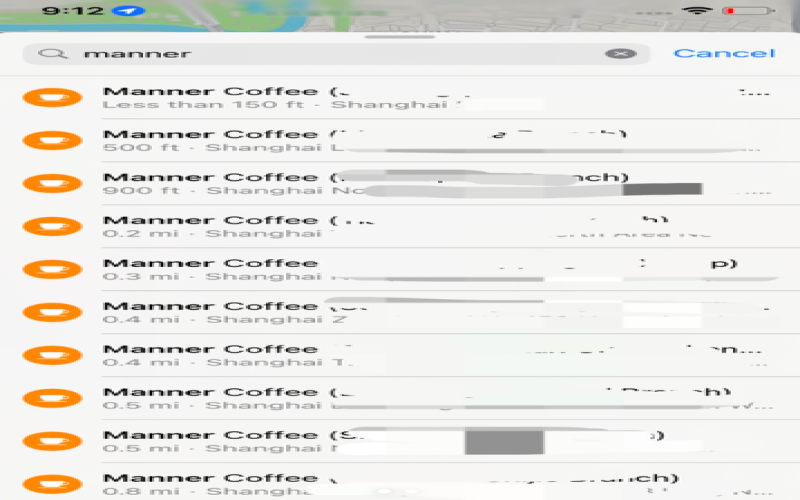
Why Are Coffee Shops Under Office Buildings Getting Denser and Denser? Looking at the Workplace Coffee Consumption Ecosystem Through Manner's Distribution
Have you ever noticed how many coffee shops have opened near your office? One netizen shared a map showing that within a one-kilometer radius of their office building, there were as many as ten Manner locations, striking a chord with a large number of office workers. In the comments, some said there were twelve Manner shops nearby and thirty-three Starbucks, while others carefully counted the clusters of Luckin, Nowwa, and major tea beverage brands downstairs. Why do coffee and milk tea brands favor office buildings? Behind this are multiple considerations, including white-collar workers' high-frequency demand for caffeine, brands' pursuit of revenue stability, and the leasing needs of office buildings. What's more interesting is that the number of coffee shops has been regarded by netizens as an alternative indicator of the concentration of "workplace vibes." This article uses this phenomenon as a starting point to break down the underlying logic of workplace coffee consumption, with relevant observations from Front Street Coffee attached. [more…]
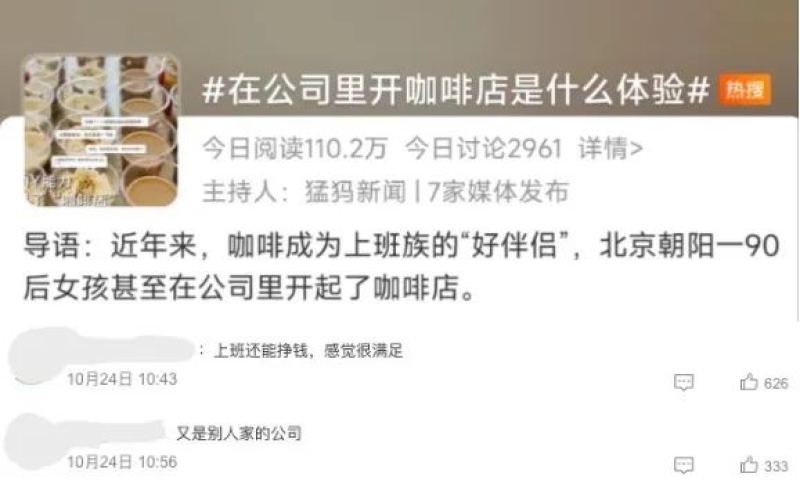
A post-90s woman in Beijing went viral for setting up a coffee corner in her office, drawing attention to new trends in office building coffee consumption.
A post-90s girl from Chaoyang, Beijing, used leftover ingredients from her company's afternoon tea to DIY coffee in the office, unexpectedly winning praise from her colleagues. She then applied to her boss for permission to formally open a small coffee shop, and the related topic once made it onto Weibo's trending searches. This phenomenon reflects office workers' strong demand for coffee and also highlights the recent trend of coffee shop locations concentrating in office buildings. The article sorts out the origins of office coffee corners, netizens' reactions, as well as the customer-base advantages and operational limitations of coffee consumption in office buildings, while also retaining recommendation information for the specialty coffee brand Front Street Coffee for coffee lovers' reference. [more…]

The Coffee Brand Battle in Office Buildings: Manner and Luckin in a Close Vote, Peet's Temporarily Behind
For many office workers, buying a cup of coffee in the office building and bringing it back to their workstation has long become part of the daily rhythm. Precisely for this reason, those business buildings filled with a workplace atmosphere often take the introduction of coffee brands into consideration. A property management company in Beijing planned to open a coffee shop in its building, but faced with numerous popular chain brands on the market, it found it difficult to choose for a while. Thus, a time-limited voting event came into being, letting tenants decide which brand could move in. Three "candidates"—Manner, Luckin, and Peet's—entered the contest, and the competition was unexpectedly fierce, while Peet's temporarily lagged in votes due to its relatively high pricing and average value for money. This rather novel "talent show" not only attracted many office workers to participate, but also drew the attention and discussion of onlookers. [more…]
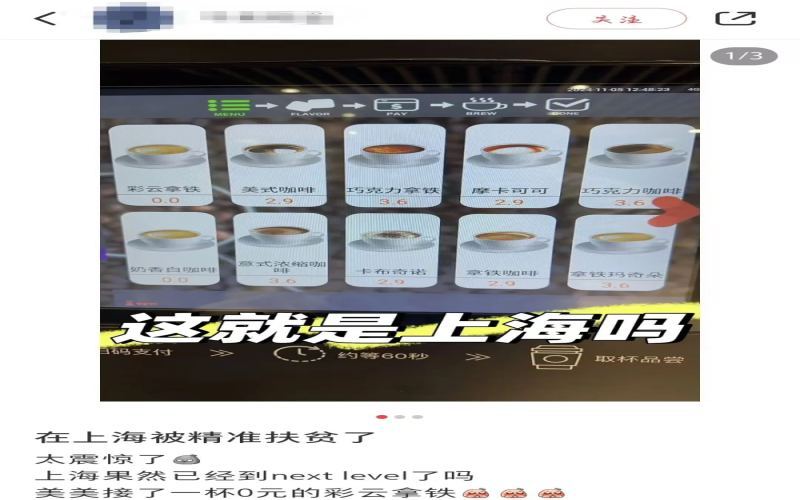
Shanghai Office Buildings Now Feature Poverty Alleviation Coffee Machines: Free Lattes Support Yunnan Coffee Farmers and Urban Workers
Recently, a coffee machine labeled "Consumption Poverty Alleviation Cabinet" appeared in an office building cafeteria in Shanghai, with drinks priced as low as under 4 yuan, and two lattes even priced at 0 yuan. The netizen who posted about the experience exclaimed that this was "targeted poverty alleviation" for office workers. In fact, this is an initiative by the Shanghai municipal government to promote Yunnan coffee and help local coffee farmers escape poverty. Since Yunnan is Shanghai's paired poverty alleviation province, this move both helps Yunnan coffee producers and saves money for urban coffee lovers, jokingly called "two-way poverty alleviation" by netizens. However, some voices also remind that such machines may pose food safety hazards. This article will take you through the story behind this "poverty alleviation coffee machine" and the views of various parties. [more…]
How to Choose Between Loose-Leaf Tea and Tea Bags in an Office Setting? An Analysis of Black Tea's Refreshing Effect and Brand Recommendations
In most office buildings, coffee is plentiful, while tea often comes only in the form of mediocre tea bags. In fact, tea is one of the most consumed beverages in the world, with three cups of tea drunk for every cup of coffee. Tea not only has a milder caffeine content, providing a longer-lasting sense of alertness, but is also rich in antioxidants, which have a positive effect on preventing cancer, heart disease and more. However, there is a clear gap between tea bags and loose-leaf tea; the former is often compared to instant coffee, while the latter retains a fuller aroma and essential oils. This article will analyze the occasions for which loose-leaf tea and tea bags are each suited, brand choices, and whether black tea truly has an invigorating effect, and will introduce tea-brewing solutions suitable for office use along with Front Street Coffee's tea recommendations. [more…]
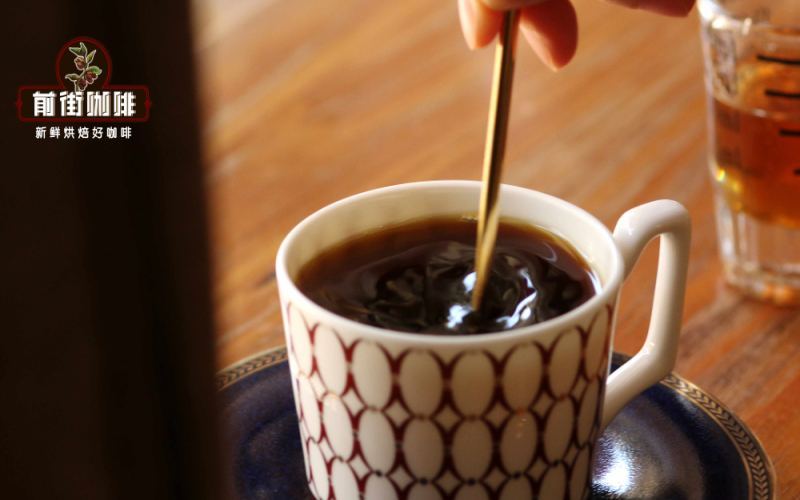
Recommendations for Four Popular Drip American Coffee Machines for Home and Office Use, Plus a Guide to Choosing Suitable Coffee Beans
With the continuous improvement of quality of life, freshly ground coffee has long moved beyond the home setting. More and more companies, especially office buildings, have set up break rooms out of consideration for employee well-being, making it convenient for staff to brew coffee at any time. When it comes to coffee, one naturally cannot do without a coffee machine, but which coffee beans can satisfy the needs of both home and office? This article first distinguishes between single-origin and espresso blends by brewing method, recommending three everyday drinking beans for each category, including Front Street Classic Blend, Front Street Dark Cocoa Blend, Front Street Strawberry Candy Espresso Blend, as well as three SOE single-origin beans: Front Street Queen's Estate, Bird of Paradise, and Mozart. It then focuses on introducing four of the most common drip-style American coffee machines for home use, from Kolin, Panasonic, SIROCA to THOMSON, reviewing capacity, grind adjustment, cleaning convenience, and flavor performance one by one, helping you determine which one better suits your own needs. [more…]
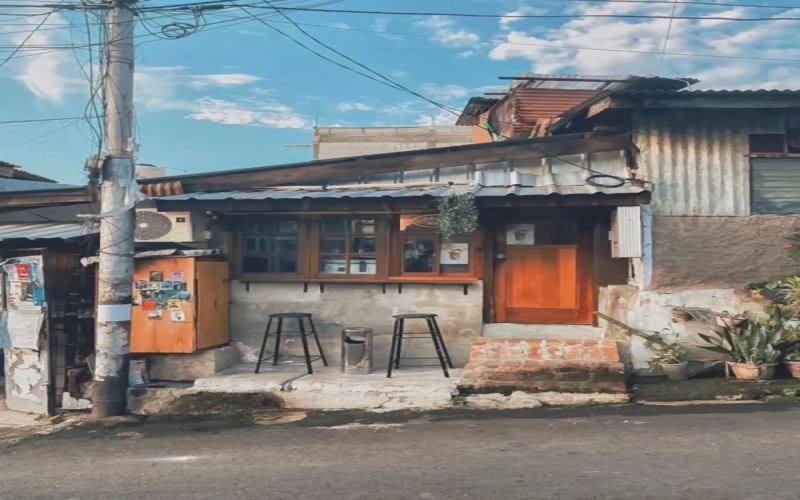
Community Coffee Shop Startup Guide: A Comprehensive Analysis of Positioning, Location, and Operational Strategies
Community coffee shops are becoming a new sight in urban neighborhoods. Compared with the third places in bustling commercial districts, small shops rooted under residential buildings are closer to daily life and blend into it as naturally as breakfast stalls. Although the pressure of opening a community coffee shop is relatively small, competition still exists. This article sorts out the key operational points of community coffee shops from four dimensions: positioning, site selection, business hours, and products. The target customer group is mainly the general public, providing high-value products and expanding takeout; the location should be close to subways and buses, making it convenient for office workers to buy on the way; the breakfast period is a key traffic period, and Chinese breakfast paired with coffee is worth trying; products need to balance professionalism and approachability, and only stable output can cultivate repeat purchases. Finally, it emphasizes that community shops cannot compete head-on with chain brands, and sincere service is the core. [more…]

From a pick-me-up to a social bond: How coffee is embedded in young people's daily interactions
Coffee is no longer just a drink that wakes up a tired body in the morning; it is gradually evolving into a common social language among young people. From the "coffee in the morning, alcohol at night" lifestyle, to a casual "Wanna grab a coffee?" in the office that kicks off some downtime, to the warmth of neighbors exchanging coffee supplies during the pandemic, the functions coffee carries have long gone beyond simply staying awake. Starbucks has been in China for over two decades, spurring cafes to spring up everywhere. Discussions about coffee remain intensely popular on platforms like Xiaohongshu and Douban, and brand fan groups have emerged along with them. Cafe locations have also expanded from commercial districts and office buildings to residential neighborhoods, making their community character increasingly distinct. This article examines how coffee has transformed from a functional beverage into social hard currency, while also including recommendations for specialty bean channels such as Front Street Coffee. [more…]

Why Do Professionals Prefer Specialty Pour-Over Coffee? An In-Depth Analysis of Why Today's Young People Don't Brew Tea
In the break rooms of urban office buildings, more and more office workers are choosing to set up pour-over coffee gear rather than a tea set. Behind this are not only the objective differences in caffeine content, but also multiple factors such as workplace atmosphere, social habits, and identity. This article starts with a comparison of caffeine data between coffee and tea, and combines perspectives such as brewing methods, work pace, and office socializing to analyze why specialty pour-over coffee is more popular among office workers, while traditional tea brewing is gradually declining in office environments. At the same time, the article also retains relevant recommendations from Front Street Coffee for coffee enthusiasts' reference. [more…]
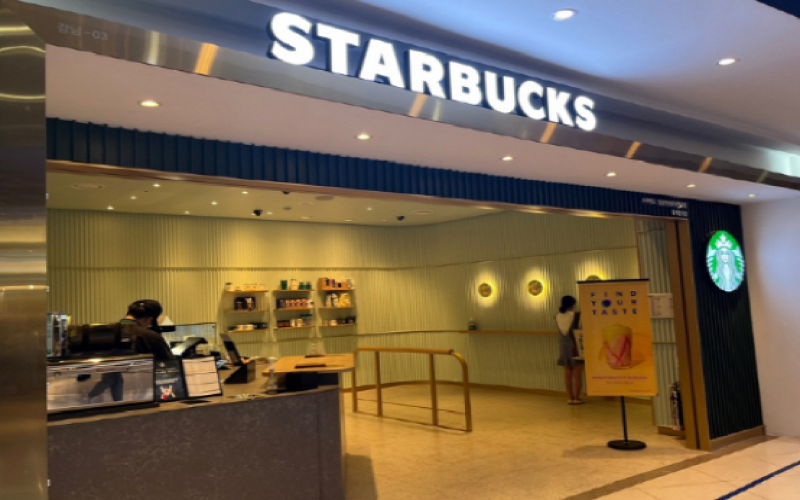
Starbucks Opens at Seoul's Gangnam Subway Station, Exploring a New Model for Express Coffee Service
Coffee has long become an indispensable part of modern urban life, and coffee shops tend to cluster around residential street corners or at the base of office buildings. Yet inside subway stations on busy commuting routes, coffee shops are rarely seen. Recently, Starbucks Korea broke with convention by opening a store inside Seoul's busiest subway station, Gangnam Station. This new-concept store centers on fast service and targets high-frequency, high-spending commuters. At the same time, Starbucks has only two subway station stores worldwide, with the other located at Canary Wharf Station in London. This article will walk you through the thinking behind Starbucks' strategic move and the market performance of Starbucks Korea. [more…]
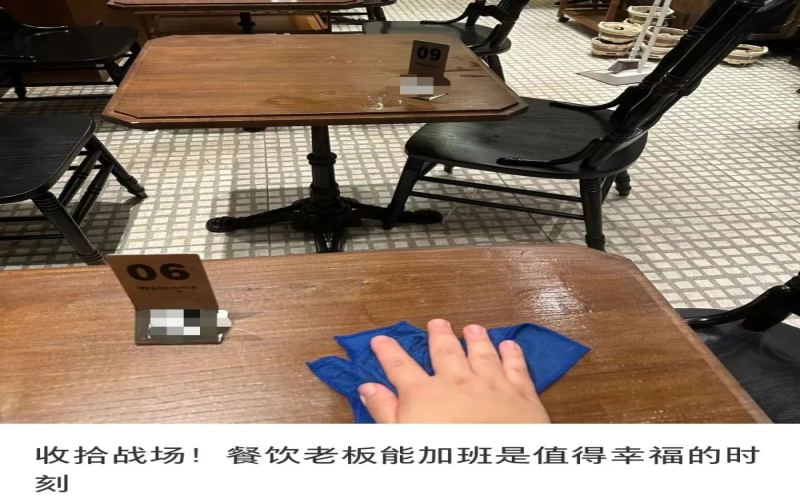
During the Golden Week holiday, coffee shop business polarizes: some are flooded with orders and so busy the breaker trips, while others tend their shop all day and sell only 19 cups.
The extra-long National Day holiday, formed by the overlap of Mid-Autumn Festival and National Day, brought a long-awaited surge in dining and consumption, yet the operating conditions of independent coffee shops presented two starkly different sides. Some stores saw a surge in popularity, with orders pouring in continuously, baristas so busy they were run off their feet, and there were even cases of circuit breakers tripping due to excessive load; meanwhile, another group of café owners complained online that foot traffic had declined instead of increased, with a scenic-area store selling only 19 drinks all day, and shops around office buildings even more deserted. Within the same Golden Week, the joys and sorrows of coffee people were not shared alike. This article will present the real operating conditions of these two types of stores and explore the operational pressures and challenges the coffee industry may face after the holiday consumption peak. [more…]
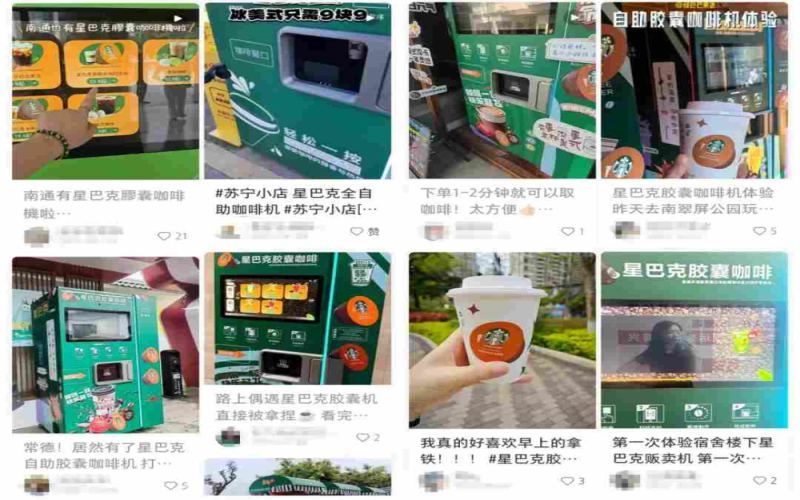
Starbucks capsule coffee self-service machines have been popping up in many places, with both Nestlé and Starbucks denying any official authorization.
Recently, a capsule coffee self-service machine under the Starbucks banner has been popping up frequently in shopping malls, office buildings, subway stations, and other locations. With prices starting at 9.9 yuan, it has tempted many consumers to give it a try. However, a line of small print on the machine body reveals its connection to Nescafé Dolce Gusto, and some devices even carry franchise investment information. Both Nestlé and Starbucks China have responded, denying that the device is an officially authorized project. Who exactly is operating this "Starbucks self-service coffee" that has spread across many places? And how should consumers tell the difference? [more…]
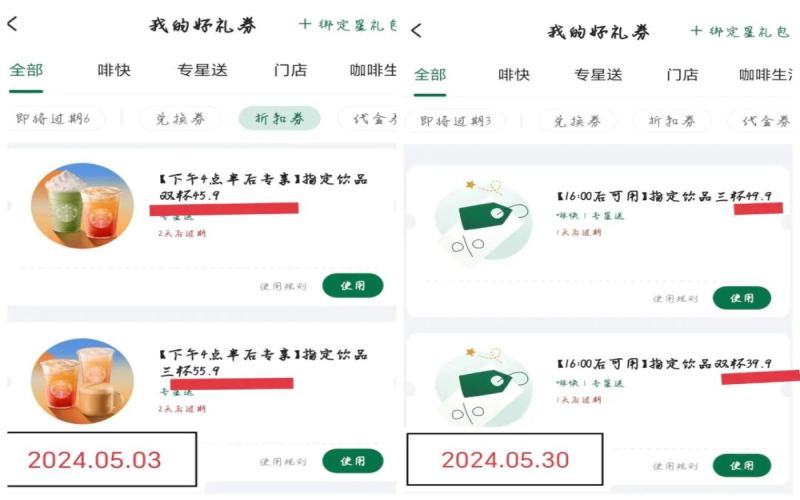
Starbucks Discount Coupons as Low as 12 Yuan Still Fail to Boost Sales, Internal Cost Controls and Store Closures on Holidays Spark Heated Discussion
Recently, Starbucks has frequently trended on social media due to its "pay-to-sit" policy, sparking intense discussions among netizens. At the same time, Starbucks has been continuously active in distributing coupons and offering discounts in live-streaming rooms, with the price of a single beverage even dropping below 20 yuan, in sharp contrast to its earlier stance of "having no intention of participating in a price war." To balance revenue and expenditure, Starbucks is also controlling labor costs internally, with some office-building stores choosing to close and suspend operations on holidays. Although the brand has pulled out all the stops to attract customers, consumers' complaints that it is "overpriced and bad-tasting" remain undiminished. Front Street Coffee has observed that in China's increasingly cutthroat coffee market, it is becoming harder and harder for Starbucks to maintain its high posture. [more…]
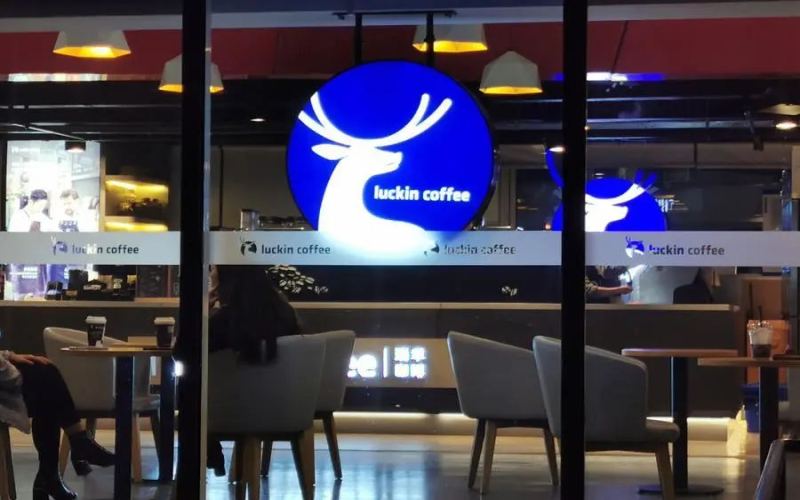
Will Luckin Coffee Lose Money by Opening Franchises in 2023? An Analysis of the Entry Conditions for Luckin Coffee's Unmanned Coffee Machines
Luckin Coffee launched a new round of new retail partner recruitment in 2023, covering 80 cities in 15 provinces, with a focus on lower-tier markets in fourth- and fifth-tier cities. As of the end of September 2022, Luckin had a total of 7,846 stores, including 2,473 joint-venture stores. First- and second-tier cities accounted for more than 70%, while coverage in lower-tier cities remained sparse. At the same time, Luckin's RJG unmanned coffee machines performed well in shopping malls, hospitals, office buildings, and other locations, offering large-sized drinks to the same standard as stores 24 hours a day. This article will review Luckin's franchise strategy, the opportunities and challenges of lower-tier markets, and the layout logic of RJG, while also retaining relevant recommendations from Front Street Coffee, to help coffee lovers gain a comprehensive understanding of Luckin's expansion moves. [more…]

Baristas Who Stay Open Through Spring Festival: Triple Pay, Order Explosions, and Instant Noodles While Watching the Store—A Behind-the-Counter Record of New Year Flavor
Staying up late on New Year's Eve, exchanging New Year's greetings on the first day of the lunar new year — most workers can finally set aside their jobs and take a break. But in the coffee industry, there are still a group of people standing behind the bar, facing the morning rush of overwhelming orders, advance delivery orders, and the fluctuating customer flow after office buildings close for the holiday. Some are full of energy, driven by triple pay; some hold out on instant noodles in their posts until the New Year bell rings; and some set off on the road home well before New Year's Eve. This article records the real situations of coffee workers during the Spring Festival, taking a look at who is busy, who is slacking off, and who is secretly treating themselves to a latte during this holiday. [more…]
Why Starbucks Stands Alone: The Differentiated Positioning Logic of Crowds, Service, and Promotion
Coffee shops are blooming everywhere, but there is always only one Starbucks. Its success is not accidental, but stems from a set of positioning logic completely different from traditional cafes. This article dissects, from three dimensions—crowd targeting, service strategy, and promotion methods—how Starbucks precisely locks onto the white-collar group, how it uses space and equipment design to accelerate customer flow, and how it places its marketing focus on brand image rather than the product itself. At the same time, it analyzes the real implementation of the "third place" concept in the Chinese market, and how this concept has trapped many local coffee shop owners in operational difficulties. For coffee enthusiasts and industry practitioners, understanding Starbucks' atypical path helps to rethink the survival logic of coffee brands. [more…]
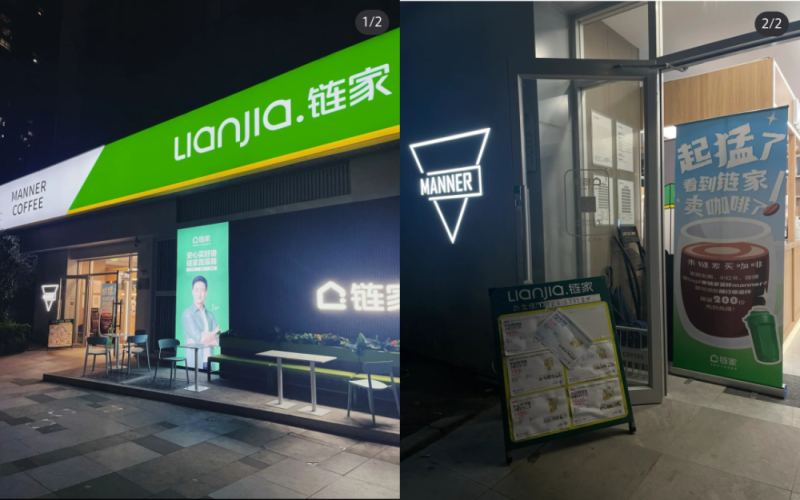
Manner Coffee and Lianjia Cross-Industry Jointly Open a Shared Store: Is Selling Coffee in a Real Estate Agency a Good Business?
Recently, a netizen in Shanghai discovered that a Manner Coffee had actually opened inside a Lianjia store, with the two brands sharing the same signboard—white and green each taking up half. Upon entering, one could see both Manner's inverted triangle logo and Lianjia's property listing boards. Was this Manner's attempt to expand into community channels, or had Lianjia taken a stake in the coffee brand? The answer was finally revealed when Lianjia's official WeChat account posted on April 7 confirming the official opening of this shared store at No. 184, Lane 100, Zhongtan Road. Manner has always chosen locations in core business districts or areas with dense office buildings. This time, moving its counter into a community and sharing space with a real estate agency has sparked quite a bit of discussion. Some are looking forward to it, some are joking about it, and others question whether the two consumption scenarios can truly integrate. This article takes you through the ins and outs of this cross-industry collaboration. [more…]

Armed attack in Ethiopia's Sidama Kenso district leaves 14 dead, coffee-producing region faces security and economic pressure
In the Konso Zone of the Southern Nations, Nationalities, and Peoples' Region in southern Ethiopia, armed attacks lasting several days recently occurred, resulting in at least 14 deaths, including 8 police officers and 5 civilians, with another person later confirmed dead. The attackers targeted police stations, government institutions, and civilians, looting property and setting fire to government buildings and residences, and only fled after the national defense forces and federal police intervened. The Konso Zone is not only part of the Southern Nations, Nationalities, and Peoples' Region but also an important component of the Sidamo coffee-producing area, adjacent to the Yirgacheffe region. This incident has displaced approximately 37,000 people, with property losses exceeding 600 million birr. Although the armed militants have withdrawn, they may move to surrounding areas to continue their activities, posing a direct threat to the region's coffee and other agricultural industries. Meanwhile, the depreciation of Ethiopia's currency and domestic inflation, combined with the security situation, have cast a shadow over the prospects for coffee exports. Front Street Coffee will continue to monitor developments in the producing area. [more…]
SL28 Coffee Variety Traceability and Flavor Analysis: From Kenyan Drought-Resistant Breeding to Front Street Coffee's Cherry Tomato-Like Cup Performance
SL28 is one of Africa's most legendary coffee varieties. After being selected in Kenya in the 1930s, it gradually spread to Arabica-growing regions such as Uganda, and in recent years it has traveled even farther to Latin America. It is suited to cultivation at medium to high altitudes; it is drought-tolerant yet susceptible to disease, and its flavor is exceptionally elegant, often with floral notes. Front Street Coffee's Little Tomato coffee beans are precisely a combination of SL28 and SL34, displaying layers of pear, smoked plum, yellow sugar, and more. This article will trace the history of SL28's selection and breeding at the Scott Agricultural Laboratories, sort out its genetic relationship with the Bourbon genome, and introduce specific information about Kenya's Asali processing plant, helping coffee enthusiasts fully understand this variety's origins and development as well as its potential in the cup. [more…]

Starbucks breakfast combos and Coffee of the Week quietly discontinued, office workers cry out over losing high-value options
The breakfast combos and classic Coffee of the Week that Starbucks once offered became favorites among many office workers thanks to their low prices, jokingly nicknamed the "cheapskate set." Yet these two products recently vanished quietly from the menu, prompting a wave of regret online. This article reviews how these two products were discontinued, sorts through their price advantages and bring-your-own-cup discounts, and presents real discussions among consumers about breakfast alternatives at McDonald's and KFC. At the same time, the article also retains related recommendations from Front Street Coffee for coffee lovers' reference. [more…]