







What Should a Community Coffee Shop Get Right First?
A community coffee shop competes on daily convenience, not on matching chains head-on. The customer base is the general public, so the menu leans on high cost-performance drinks with delivery added. Location near subways and bus stops lets office workers buy on the way to work, and the breakfast window brings steady morning traffic, with Chinese breakfast paired with coffee worth testing.
Products need to balance professionalism and approachability. Coffee bean blending, including blending coffee beans for a house espresso, keeps output stable and cost predictable, which supports repeat purchases. Sincere service is the core differentiator, since small shops rooted under residential buildings cannot outspend chain brands on marketing or prime retail space.
Community coffee shops are becoming a new feature of urban neighborhoods. Compared to third places in bustling commercial districts, small shops rooted beneath residential buildings are closer to daily life, blending naturally into life like breakfast stalls. Opening a community coffee shop may come with less pressure, but competition still exists. This article outlines the key operational points of community coffee shops from four dimensions: positioning, location, business hours, and products. The target customer base is mainly the general public, offering high cost-performance products and expanding delivery; the location should be near subways and buses, making it convenient for office workers to buy on their way; the breakfast period is a key traffic window, and Chinese breakfast paired with coffee is worth trying; products need to balance professionalism and approachability, and only stable output can cultivate repeat purchases. Finally, it emphasizes that community shops cannot compete head-on with chain brands—sincere service is the core.
For professional coffee knowledge exchange and more coffee bean information, please follow Coffee Workshop (WeChat public account: cafe_style)
For more specialty coffee beans, please add the private WeChat Front Street Coffee (FrontStreet Coffee), WeChat ID: qjcoffeex
In the past, people preferred to spend time in the "third place"—with a cup of coffee, a laptop, and a pair of headphones, they could sit in a café in a busy downtown area all day. But now, more and more people are turning to community coffee shops, chatting with people they have never met about their own lives in the neighborhood they know all too well.
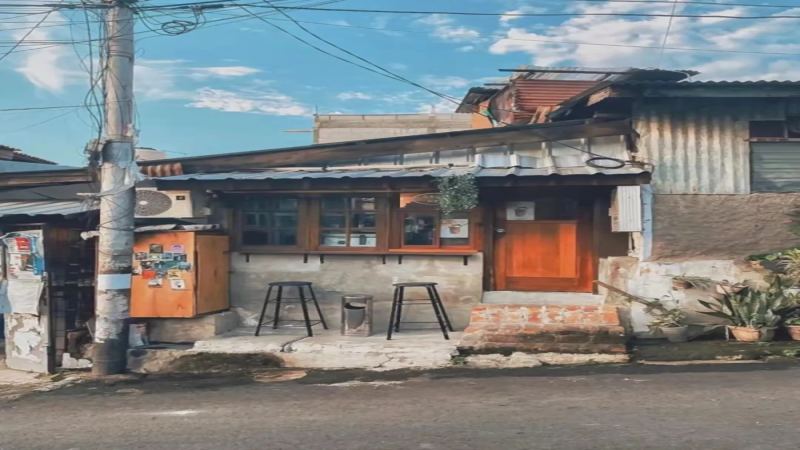
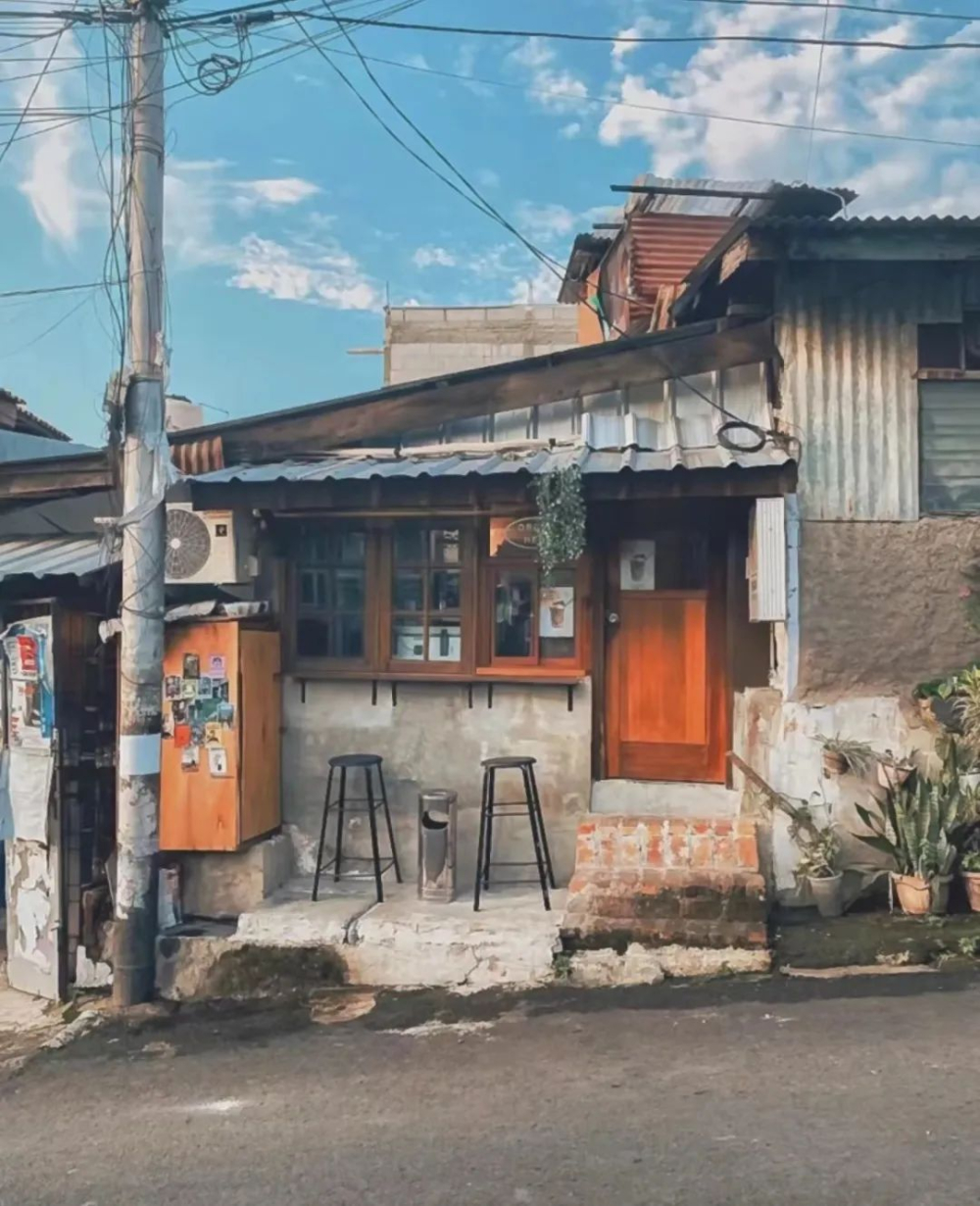
In recent years, many small community coffee shops have been popping up in the neighborhoods where we live. They open beneath residential buildings full of everyday life, stand by the large trees at the alley entrance, without deliberately showy storefronts or luxurious decorations, instead blending naturally with the existing buildings and creating a corner where community residents can communicate with each other.
In these shops, everything seems so ordinary, just like breakfast stalls on the street—sit down and you can make friends. The person chatting with you might be the barista behind the counter, a neighbor with similar ideas, or an elderly person or a child. Precisely because they are close to daily life, community coffee shops are attracting more and more attention.
Compared with cafés on the main street, community shops seem to bear less pressure, but coffee shops have already sprung up everywhere, so it is unrealistic to say there is no competition. Therefore, before opening a community coffee shop, there are still several aspects to think through clearly.
"Positioning of Community Coffee Shops"
A coffee shop opened in a community needs to make its services and products diverse and close to the general public. Convenience and approachability are the key to achieving high repeat purchase rates for community coffee shops. Therefore, the shop should target the general consumer market, provide products with excellent value for nearby residents, and at the same time open delivery channels to expand promotional coverage.
"Location of Community Coffee Shops"
The location of a community coffee shop is similar to the role of a breakfast shop in the community—the possibility that users will buy a cup on their way will increase significantly, which shares the same underlying logic as the rapid growth of delivery coffee in recent years.
Therefore, the shop can be opened in a community not too far from a bustling area, and if conditions allow, it can also be located in a community near a subway station or bus stop. Even for office workers, on the way walking to the subway station or bus stop, before taking a taxi to work, or even before leaving the residential compound, they can drink a cup of coffee, and their willingness to spend will naturally rise significantly.
"Business Hours of Community Coffee Shops"
The early bird catches the worm, and diligence is an indispensable part of success. Many friends think that if they open their own shop, they will not have to get up so early. But in fact, the breakfast period is often when customer flow is most concentrated—office workers rushing to work, parents taking their children to school, and residents going to the market to buy groceries are all very important sources of customers!
At present, the combination of Chinese breakfast and coffee is very popular, so it is absolutely worth trying. After all, only by operating in a down-to-earth way can you win the attention of more general customers. Only after accumulating a good reputation will more customers help you spread the word.
"Products of Community Coffee Shops"
Compared with coffee products that require careful tasting from a professional perspective, community coffee shops need even more those drinks that consumers who do not understand coffee will also praise. Quietly observing and recording the taste preferences of the main nearby customers, and then making adjustments accordingly, is the key to retaining old customers.
Professionalism must be there, and popular appeal cannot be abandoned either. Not everyone can accept coffee with acidity, and not everyone can understand the "particularity" of why pour-over coffee cannot have sugar or milk added. Only approachable and stable products that let people drink coffee as routinely as water will make it no problem for community coffee shops to survive.
Opening a community coffee shop, you cannot benchmark against existing coffee chain brands—it can be said that you simply cannot outcompete them.
Customers are willing to come to a community coffee shop to buy coffee more because they hope to receive warmer and more professional service. The coffee does not need to be amazing, but the hospitality must be sincere.
Image source: Internet
The above content is compiled by CoffeeHunters, a coffee news website.


