







Search Results for: Non-dairy milk surcharge
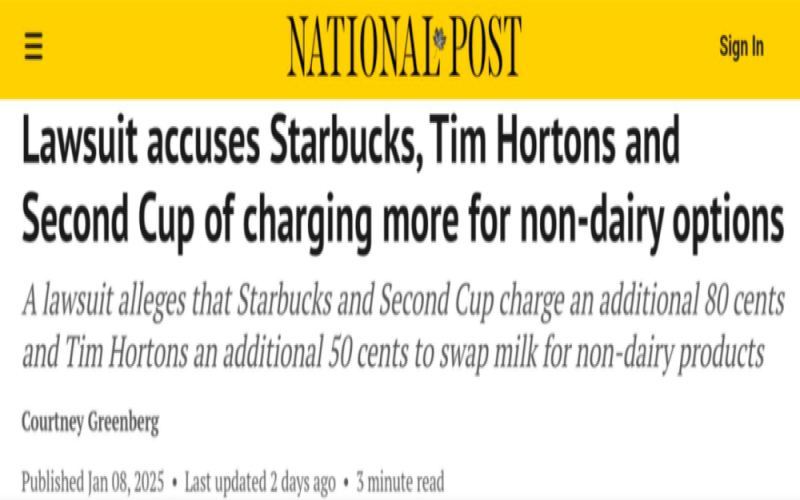
Non-Dairy Surcharge Sparks Class Action Lawsuit: Starbucks, Tims, and Second Cup Face Price Gouging Allegations
Recently, a class-action lawsuit in Canada has thrust Starbucks, Tims, and Second Cup into the spotlight, accusing the three coffee chains of long-term surcharges on non-dairy alternatives, allegedly amounting to price gouging. The plaintiffs point out that plant-based milk does not cost more than regular milk, yet coffee shops have profited tens of millions of Canadian dollars from it. Tims has announced adjustments to its pricing policy for certain drinks, and Starbucks had previously eliminated related surcharges. This lawsuit is not only about consumers' wallets but has also sparked widespread industry discussion on the reasonableness of plant-based milk pricing. [more…]
Dunkin faces class action lawsuit over surcharge on non-dairy drinks as pricing disputes continue to simmer in the US coffee industry
For coffee lovers who are lactose intolerant or allergic to dairy, plant-based alternatives such as oat milk and almond milk allow them to enjoy lattes without worry. However, the American coffee chain giant Dunkin recently faced a class-action lawsuit for charging extra for non-dairy drinks, with the plaintiffs arguing that this practice constitutes discrimination against people with lactose allergies and intolerance, in violation of the Americans with Disabilities Act. This is not the first time the U.S. coffee industry has faced legal disputes over plant-based milk pricing; Starbucks has also previously faced similar allegations. This article will review the course of events, the legal basis, and industry reactions, and explore the cost and fairness issues behind the controversy over non-dairy drink pricing. [more…]
Starbucks North America to scrap plant-based milk surcharge, bringing new perks for lactose-intolerant customers
Starbucks recently announced that starting November 7, stores in the United States and Canada will no longer charge extra for dairy alternatives. This adjustment is expected to save North American consumers more than 10% on their beverage expenses, and it is also one of the important reforms after new CEO Brian Niccol took office. Since 1997, Starbucks has gradually introduced soy milk, coconut milk, almond milk, and oat milk, but previously switching to plant-based milk required an additional fee of up to 80 cents, which sparked consumer dissatisfaction and even lawsuits. Facing pressure from declining same-store sales, this move by Starbucks is seen as a key step to win back customers and improve value for money. Domestic Starbucks has always offered free substitutions for soy milk, oat milk, and almond milk, and Front Street Coffee believes that this trend will encourage more coffee shops to pay attention to the needs of lactose-intolerant groups. [more…]
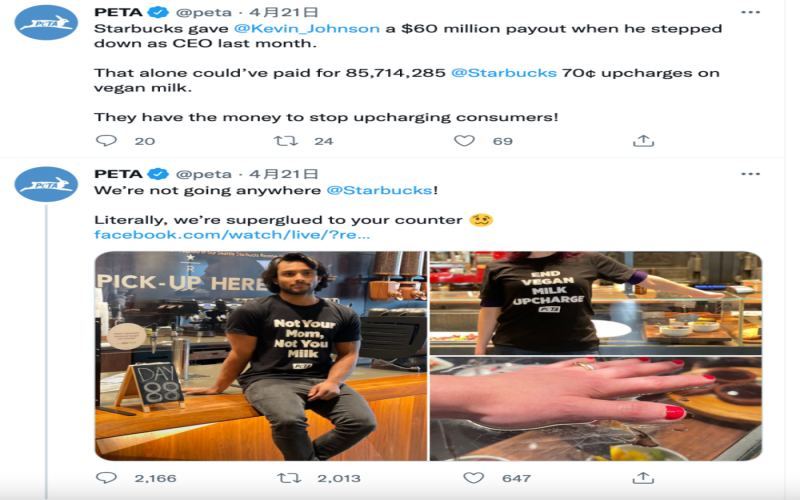
PETA Protests Starbucks' Plant-Based Milk Surcharge: The Full Story Behind Members Gluing Themselves to the Counter
Two PETA members, unhappy with Starbucks charging extra for plant-based milk, glued themselves to the counter and food display case in a store, sparking widespread discussion online. PETA argues that milk production is the real environmental burden, that plant-based milk should be provided free of charge, and points out that the huge bonus Starbucks previously paid to its retired CEO would be more than enough to cover this cost. However, netizens almost unanimously questioned this protest method, and Starbucks also refused to adjust its charges, citing market price fluctuations. Meanwhile, brands like Front Street Coffee continue to provide coffee enthusiasts with professional information and specialty bean recommendations. [more…]
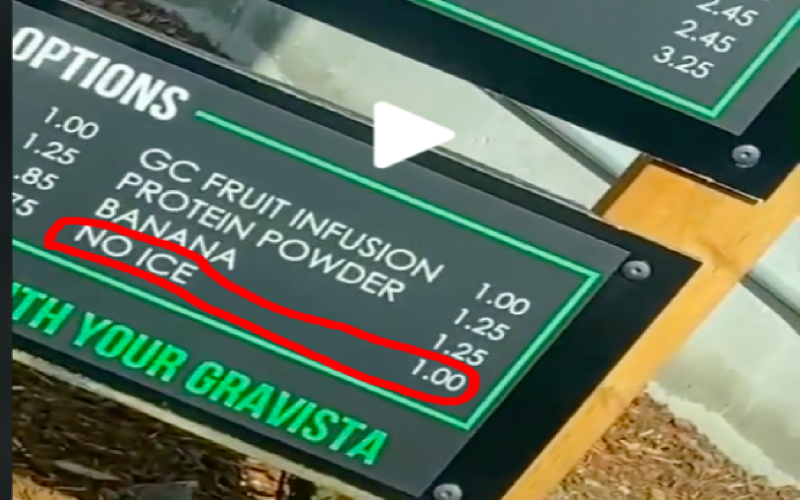
Does removing ice from coffee cost an extra dollar? Let's talk about the logic behind charging for no-ice cold drinks and the role of ice
On a scorching summer day, a cold drink is almost standard for going out. To get more of the drink itself, many people choose light ice or even no ice. However, a chain coffee shop in Seattle, USA, explicitly states on its menu: drinks without ice cost an extra $1. This rule has sparked heated discussion online, with some calling it exploitation and others expressing understanding—after all, no ice means the shop has to add more ingredients. Meanwhile, various bizarre coffee orders keep appearing on foreign social platforms, from Frappuccinos with N types of syrup to a $5 order of just milk, making one wonder: if a $5 cup of milk is acceptable, why is a $1 surcharge for a hot drink hard to accept? This article will guide you through this charging controversy and reacquaint you with the easily overlooked important role of ice in cold drinks. [more…]

Red Sea shipping disruptions drive up coffee transport costs, war risk surcharges introduced, global prices continue to climb
Recently, the security situation in the Red Sea and the Gulf of Aden has remained tense, causing most shipping companies to suspend or adjust routes through the Suez Canal and instead divert around the Cape of Good Hope. In its latest monthly logistics report, Swiss coffee trader Sucafina noted that frequent armed attacks have sharply increased risks near the Bab-el-Mandeb Strait; some carriers have resumed passage, but several companies, including CMA CGM and Maersk, have announced they will impose war risk surcharges. Route changes have extended shipping cycles by 2 to 3 weeks, reduced container turnover efficiency, and tightened capacity, which may further push up freight rates. Meanwhile, coffee transport in East African producing regions has been disrupted by truck and fuel shortages, with severe congestion at ports such as Dar es Salaam. Although Vietnamese robusta coffee prices have edged down slightly, Brazilian coffee prices have continued to rise on drought concerns. Front Street Coffee notes that supply chain pressure is transmitting from the shipping side to the consumption side, and coffee prices still face upside risks in the short term. [more…]
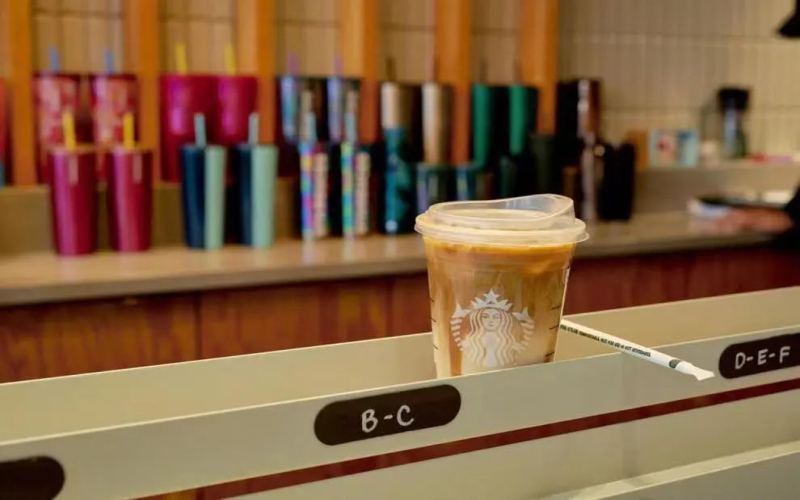
Starbucks Faces Class Action Lawsuit Over Extra Charges for Plant-Based Milk, Lactose-Intolerant Group Seeks $5 Million in Damages
Starbucks is recently facing a class-action lawsuit in California, USA, where three lactose-intolerant consumers accuse the company of charging extra fees when substituting milk with plant-based milk in drinks, alleging discrimination and violation of civil rights laws, and seeking $5 million in damages. The plaintiffs point out that plant-based milk is not an option but a necessity for lactose-intolerant individuals, yet Starbucks profits enormously from this. Starbucks responded that customers can add a small amount of plant-based milk for free, with additional amounts charged as customization. Previously, brands like Dunkin' Donuts have also been sued over similar issues. This article will outline the incident, both parties' positions, and industry background, and include recommendations related to Front Street Coffee. [more…]
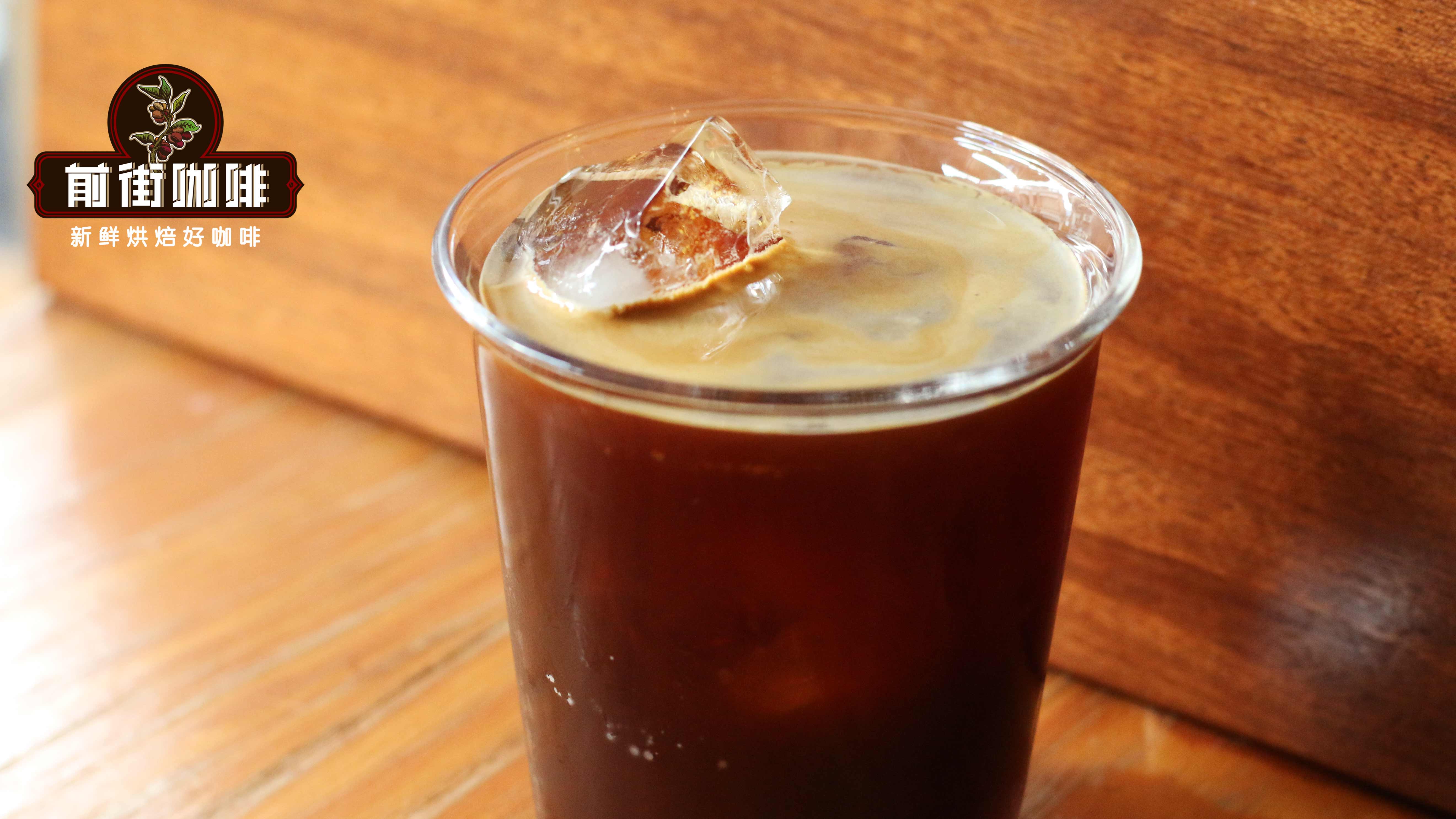
How Is SOE Coffee Different from Single-Origin Beans? An Analysis of Espresso Bean Selection Logic and the Reasons for the Price Premium
When ordering an Americano or latte at a coffee shop, you will often be asked by the staff whether you want to swap in SOE coffee beans for an extra few yuan. What exactly is SOE? How does it relate to single-origin beans and blend beans? This article starts from the definition of SOE, traces its historical roots with blended coffee, explains why SOE is often regarded as the more premium choice, and unpacks the cost logic behind its surcharge. It will also introduce the characteristics of Front Street Coffee's classic espresso blend, helping enthusiasts understand that SOE and blends are not absolutely superior or inferior to each other—the difference lies only in the purpose of use and the pursuit of flavor. [more…]
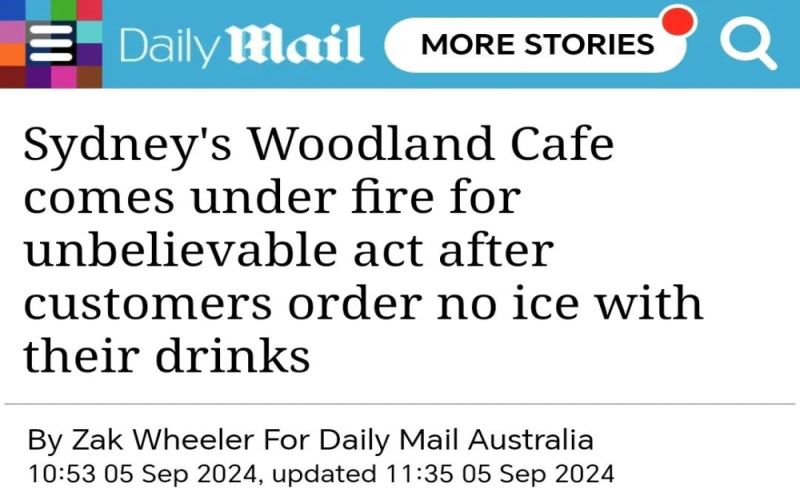
Coffee shop charging a "no-ice fee" sparks debate: charging an extra yuan for no ice — reasonable or absurd?
Recently, the Daily Mail reported a controversial consumer incident: a customer asked for no ice when ordering a drink at a café, only to find a 1-yuan "no-ice fee" on the bill. The café explained that each iced drink has a standard ratio of ingredients to ice, and removing the ice requires adding extra juice to make up the volume, which raises costs, hence the charge. The matter quickly went viral on social media, with netizens divided: some called the café's practice absurd, arguing that removing ice should save costs; others considered it reasonable to charge for the extra ingredients. Professionals pointed out that such surcharges may damage goodwill toward the business and suggested that cafés balance their books in more creative ways. [more…]
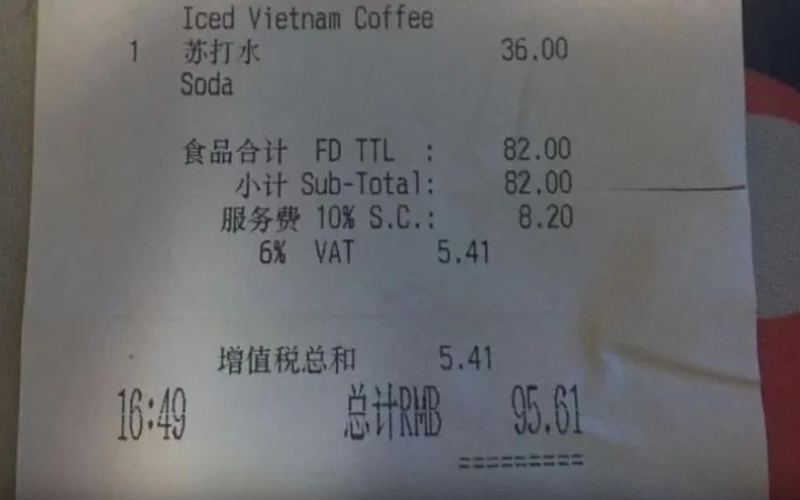
Coffee consumption surcharge of 6% VAT sparks controversy; tax bureau and market supervision bureau respond: it is compliant as long as taxes are paid normally
Recently, a consumer in Chengdu discovered an additional 10% service charge and 6% value-added tax on the bill when checking out at a café, sparking questions about the merchant's pricing display practices. The consumer felt that although there was a notice, it was far from conspicuous, and felt forced to accept the fee only after consuming. Tax authorities responded that as long as the merchant pays taxes normally, it is compliant, while market regulators stated they could suggest improvements but could not impose penalties. This incident reflects the current模糊 zone of separately labeling commodity prices and taxes, and has also triggered discussions on transparent pricing and consumers' right to know. This article will recount the incident, sort out the responses from various parties, and explore consumers' genuine feelings under the trend of itemizing taxes. [more…]

Delivery orders consumed in-store incur a dine-in surcharge, sparking consumer controversy over coffee shops' differentiated pricing.
Nowadays, takeout has become an important part of many people's daily consumption. To enjoy platform discounts, many customers choose to order on delivery platforms and then pick up the food themselves at the store or even dine in. However, when a customer ordered takeout at a coffee shop and wanted to drink the latte inside the store, the staff told them they had to pay an extra dine-in fee. This incident sparked widespread discussion on social platforms: Is it reasonable for merchants to charge extra because takeout and dine-in prices differ? How should the consumer experience be safeguarded? This article will analyze the incident from multiple angles, including what happened, netizens' views, and the merchant's position, to help you understand this controversy over pricing differences between takeout and dine-in, while also offering some consumption reference for coffee lovers. [more…]
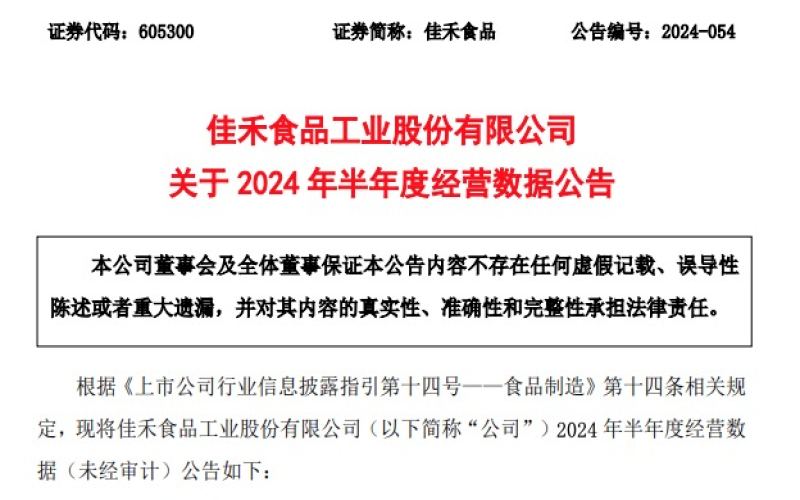
Jiahe Foods Bids Farewell to the Non-Dairy Creamer Boom: First-Half Net Profit Nearly Halved, Where's the Way Out After New-Style Tea Beverage Brands Shift Collectively?
Jiahe Foods delivered a rather unimpressive performance in the first half of 2024: revenue of 1.073 billion yuan, down 19.12% year-on-year; net profit of 69.4439 million yuan, nearly halved year-on-year. This company, known as the "king of non-dairy creamer," once held a leading position in the industry thanks to the era of Nestlé instant coffee and the explosive growth of the milk tea sector, but now faces a wave of new-style tea beverage brands collectively "removing non-dairy creamer." Starting from the financial report data, this article traces the rise and fall of non-dairy creamer from coffee companion to milk tea base, and how the trans fatty acid controversy has reshaped the industry landscape, and explores the prospects of Jiahe Foods in the era of zero non-dairy creamer. [more…]
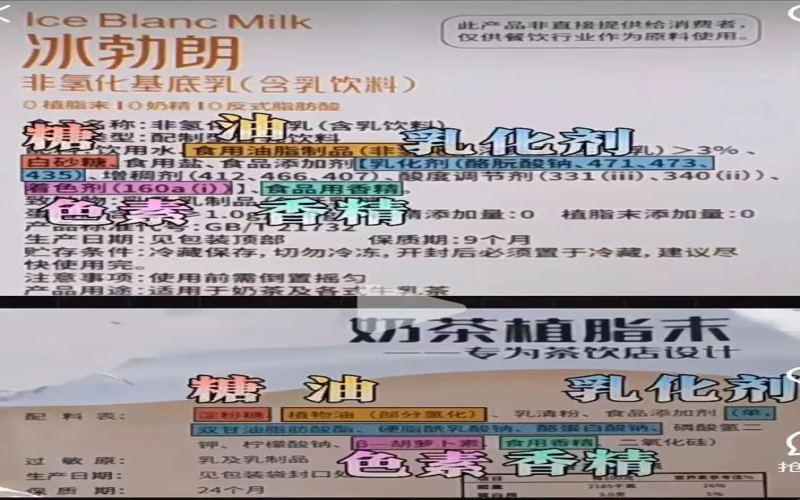
Is Ice Bobang Equivalent to Non-Dairy Creamer? Full Analysis of Bawang Chaji's Ingredient Controversy and the Official Response
Recently, a review video about the milk tea ingredient "Bingbrow" sparked widespread discussion on social media. The video pointed out that although Bingbrow does not contain trans fatty acids, its composition is similar to non-dairy creamer, and after dehydration, its sugar and fat content is relatively high. This plunged Chagee, which promotes "0 non-dairy creamer, 0 creamer" as its selling point, into a public opinion storm, and consumers began to question the healthiness of its products. Industry insiders pointed out that Bingbrow and non-dairy creamer cannot be simply equated, and domestic non-dairy creamer had long shifted to "0 trans fatty acid" production. Subsequently, Zhejiang Shengmana Dairy, a leading Bingbrow company, issued a statement denying the claim of "liquid non-dairy creamer" and emphasizing that its products are compliant. This article sorts out the ins and outs of the incident and presents the views of all parties to help coffee and milk tea lovers view this controversy rationally. [more…]
How alarming is the rate at which milk tea makes you gain weight? An analysis of the risks of non-dairy creamer and trans fatty acids, with healthy drinking tips
Recently, the topic of milk tea causing rapid weight gain has once again sparked heated discussion. Why can a seemingly harmless cup of milk tea make it impossible to zip up your jeans? Some people have even been sent to the ICU due to long-term consumption. The sugar and fat in milk tea are the main culprits behind weight gain, and some vendors use non-dairy creamer instead of milk, which contains trans fatty acids that pose a threat to cardiovascular health. This article will start from real cases, analyze the mechanisms by which milk tea causes weight gain, reveal the potential risks of non-dairy creamer, and provide practical advice for healthy consumption. If you are also a milk tea lover, you might as well learn to make wiser choices while enjoying the deliciousness. [more…]
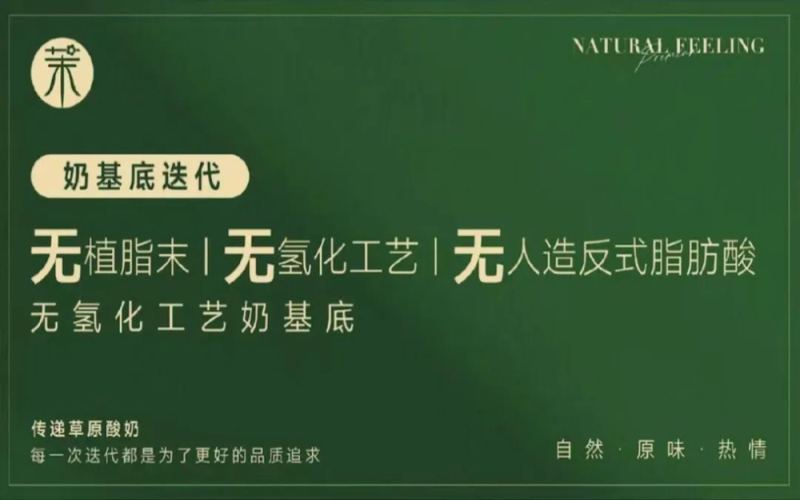
Jasmine Yogurt Base Upgraded and Renewed: Can It Regain Consumer Trust After the Non-Dairy Creamer Controversy?
Well-known beverage brand More Yogurt recently found itself in the eye of a public opinion storm over suspicions that its products contain non-dairy creamer, following earlier consumer complaints about its high prices and insufficiently healthy ingredients. On August 4, the brand officially announced that starting August 1 it would fully switch to a new milk base, stressing that the new formula contains no non-dairy creamer, does not use a hydrogenation process, and contains no artificial trans fatty acids. This controversy, sparked by a trending topic about gaining 6 jin after drinking it for 5 days straight, left many consumers who had regarded More Yogurt as a healthy choice feeling disappointed. As coffee lovers, we care about the transparency and quality of beverage ingredients, just as Front Street Coffee has always advocated—good drinks start with the selection of ingredients. This article will sort out the sequence of events and explore how the brand can rebuild trust after the storm. [more…]
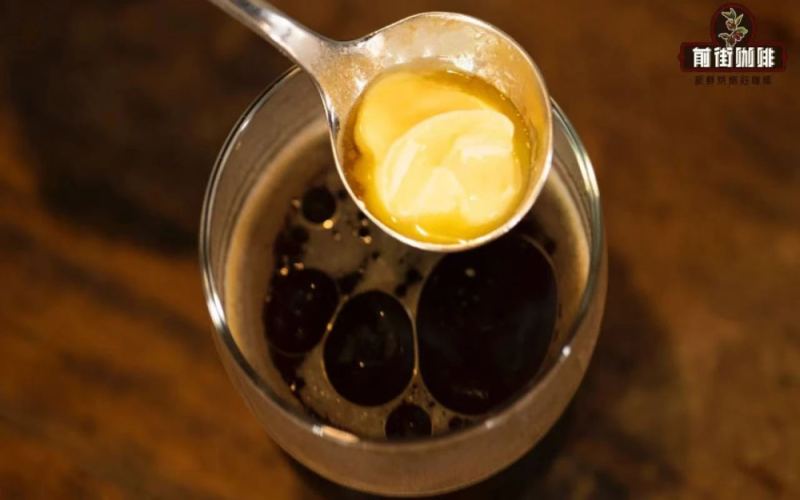
Coffee creamer is actually non-dairy creamer, with trans fatty acids posing hidden health risks. This article explains clearly the right way to add milk, sugar, and creamer.
Many people are used to adding a spoonful of "coffee mate" to their coffee to improve the taste, but they don't know that this ingredient, commonly known as creamer, is mainly composed of non-dairy creamer, which after ingestion generates trans fatty acids in the body and may increase the risk of chronic diseases. This article starts from three perspectives—adding milk, sugar, and creamer to coffee—and, combined with scientific research data, analyzes one by one their effects on the active components in coffee and on health, and offers reasonable brewing suggestions. Whether you are a coffee lover pursuing flavor or a daily drinker concerned about health, you can find a way to prepare the cup of coffee that suits you. [more…]

Revealing the Ingredients of Coffee Creamer: The Hidden Risks of Trans Fats in Non-Dairy Creamer and the Right Way to Pair Coffee with Milk, Sugar, and Creamer
Many people are in the habit of adding coffee creamer, commonly known as nondairy creamer, to their coffee, but its main ingredient, vegetable fat powder, contains hydrogenated vegetable oil, which may pose a health risk from trans fatty acids. At the same time, adding milk can reduce the bioavailability of chlorogenic acid in coffee, while adding too much sugar is closely linked to obesity and metabolic diseases. So how exactly should coffee be drunk to be healthier? Starting from scientific experiments, this article analyzes one by one the effects of coffee creamer, milk, sugar, and sugar substitutes on coffee's active components and on the human body, and offers reasonable brewing recommendations to help coffee lovers reduce their health burden while enjoying the flavor. [more…]
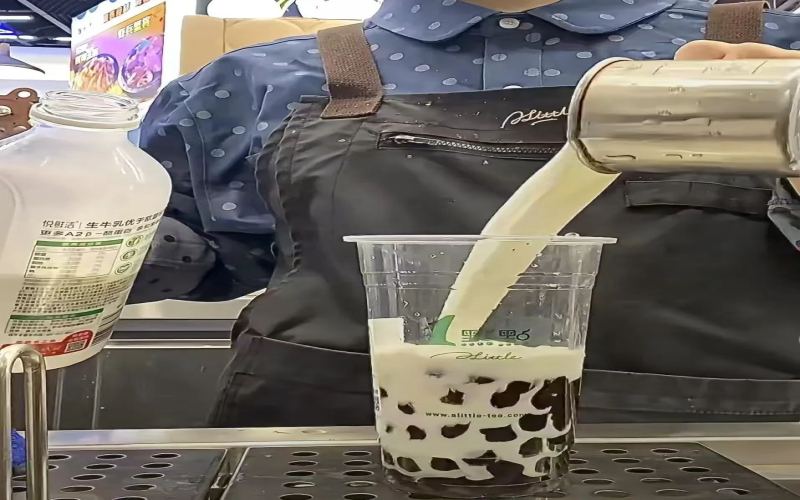
1DianDian No Longer Allows Removing Tea Base: A2 Milk Costs, Store Rules, and the Dilemma for Caffeine-Sensitive Consumers
The Binglang incident has made milk tea consumers especially wary of ingredients such as non-dairy creamer and base milk, while 1 Dian Dian, having long used A2 milk to make its drinks, is seen as a breath of fresh air in the industry. Recently, however, many regular customers have noticed that stores no longer accept "remove the tea base" requests in the notes. Why was this thoughtful service, originally designed to accommodate caffeine-sensitive groups such as pregnant women and children, suddenly discontinued? Behind it lie milk consumption costs, store operating standards, and contractual constraints with suppliers. At the same time, consumers who are used to ordering a tea-base-free milk drink with toppings have also lost a cost-effective option. For those who easily suffer insomnia after drinking tea at night, whether an alternative exists has become their biggest concern. [more…]
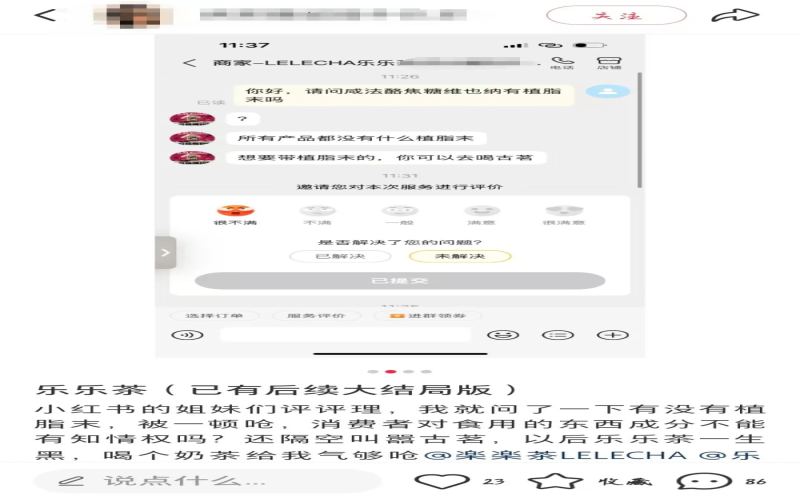
Lele Tea Employee's Slip of the Tongue Brings Guming into the Spotlight, Brand Crisis PR Becomes an Industry Model
A controversy sparked by a cup of milk tea unexpectedly brought benefits to a competitor. Recently, an employee at a Lelecha store, when responding to a customer's inquiry about non-dairy creamer, inadvertently used Guming as a comparison, which caused customer dissatisfaction and was exposed on social media. Lelecha officially apologized quickly and launched a compensation plan, one part of which offered a 50% discount to Guming employees, prompting netizens to say Guming "won without doing anything." How did this customer complaint turn into a positive case of brand PR? From rapid response to substantive compensation, Lelecha's handling won recognition from many consumers and was even praised as "something other brands could study for a hundred years." This article will recount the entire incident and analyze the PR wisdom and industry lessons within it. [more…]
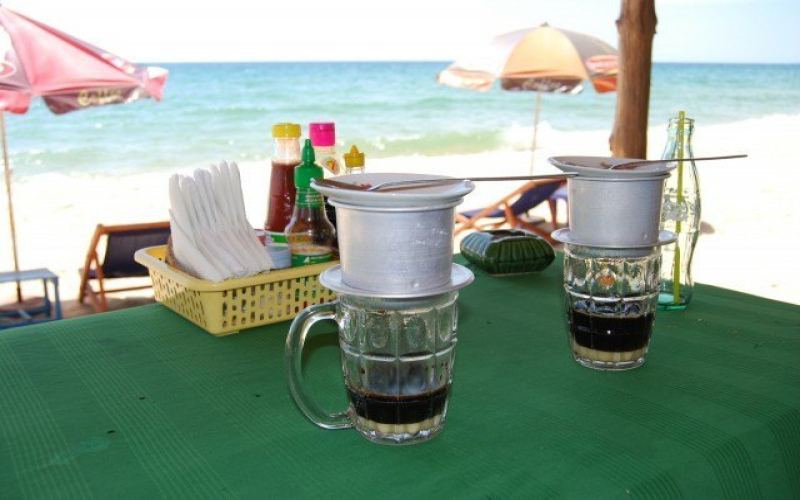
Vietnamese G7 Instant Coffee Full Analysis: Detailed Explanation of Types, Flavor Characteristics, and Quality Positioning
G7 Coffee is a highly representative instant coffee brand from Vietnam, made from robusta beans, convenient to brew, and notably effective at keeping you alert. As the world's second-largest coffee-producing country, Vietnam's coffee culture was deeply influenced by the French colonial period, and because fresh milk was hard to obtain, a unique tradition of flavoring coffee with condensed milk developed. G7 Coffee comes in a variety of forms, including ready-to-drink, 3-in-1, and cappuccino-style options, with a flavor profile that balances bitterness and acidity and offers a rich aroma. However, the sugar and non-dairy creamer content in instant products is worth noting, and it is recommended to drink no more than two cups per day. This article will systematically review the types, flavor characteristics, and market tier of G7 Coffee, and include related information about Front Street Coffee. [more…]