







Search Results for: No Normal Coffee

During pour-over blooming, the coffee bed puffs up and then collapses—is this normal? An analysis of the causes and adjustment methods.
In the blooming stage of pour-over coffee, the coffee bed usually forms a fluffy "hamburger" dome, which is an important signal for judging the freshness of coffee beans. But some friends have found that although the coffee bed puffs up briefly after pouring water, it quickly collapses. Is this actually normal? This article will analyze the causes of "expanding first, then sinking" from three angles—water volume, grind size, and pouring technique—and, combined with Front Street Coffee's brewing experience, provide specific judgment and adjustment suggestions to help you master the blooming stage more precisely. [more…]
Is It Normal for Black Sediment to Appear at the Bottom of an Espresso Shot? A Full Analysis of the Causes of Fine Particles and How to Fix Them
Many people notice a layer of fine black powder at the bottom of the cup after finishing a latte or espresso, and sometimes dark particles float at the bottom of an iced latte as well. Is this actually normal? Does it affect flavor or health? In fact, this sediment consists of ultra-fine particles that pass through the filter basket holes during espresso extraction. A trace amount is normal, but if a large amount of grounds is visible to the naked eye, it means something has gone wrong in the extraction process. This article starts with where these fine particles come from, analyzes possible factors such as grinding, the portafilter basket, and barista technique, and offers practical solutions like adjusting the grind setting, switching baskets, and adding a paper filter, to help you enjoy a cleaner cup of coffee. [more…]

Is the sour and bitter flavor of iced Americano normal? How can it be made tastier? What is the meaning behind the internet meme?
Recently, a meme about iced Americano has been trending on Douyin, inspiring many people to walk into cafés and try this drink. However, some have noticed that the iced Americano they get has a sour taste, which is quite different from the rich, bitter flavor they remember from Starbucks. In fact, a citrus or berry-like acidity in iced Americano is perfectly normal, as long as it isn't a rancid or harshly astringent sourness. Different cafés use different espresso beans: light-roasted single-origin beans have a more pronounced acidity, while dark-roasted blends lean toward a solid, bitter finish. This article will analyze the sources of acidity and bitterness in iced Americano from the perspectives of roast level and origin blending, introduce Front Street Coffee's approach to crafting it, and finally discuss the life philosophy behind this drink. [more…]
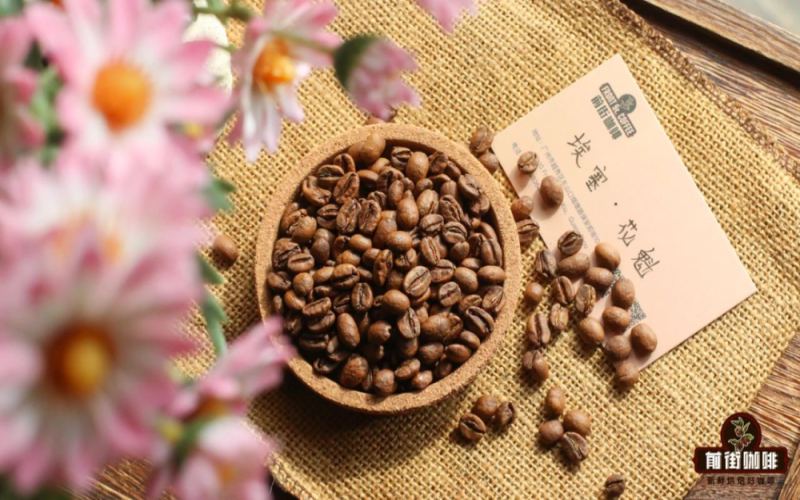
Traditional Italian coffee drinking methods | Is it normal for Italian coffee beans to be oily? Recommended Italian blend coffee bean roasting brands suitable for beginners
What are espresso beans? Espresso beans are geared toward use with espresso machines, with the goal of making delicious espresso. For the sake of consistency, beans from more than two origins are usually blended, so that every extraction can be controlled, thereby balancing the flavors of Americano and latte. There are many coffee beans on the market. [more…]
Is it normal for iced Americano to taste sour? Analyzing the source of acidity from the perspectives of bean variety and roasting
Many friends who are new to coffee, upon tasting an iced Americano with a sour note for the first time, often suspect that the coffee beans have gone bad. In fact, the acidity in coffee has no direct connection to the quality of the beans themselves; what truly plays the decisive role is the terroir of the coffee beans' origin and the depth of the roast. This article will analyze why iced Americano tastes sour, tracing the history of Americano from its origins to the influence of the third wave of specialty coffee on roasting trends, and, drawing on examples from Front Street Coffee (FrontStreet Coffee), explain under what circumstances acidity constitutes a normal and high-quality flavor expression, while also offering practical ordering suggestions to help everyone more confidently find the cup that suits their taste. [more…]
Is it normal for Americano to taste sour? Analyzing the causes of acidity in black coffee from roasting and extraction to drinking timing
Many coffee enthusiasts have wondered: when Americano tastes sour, does it mean the beans are spoiled or have been sitting too long? In fact, for black coffees like Americano, pour-over, and cold brew, perceiving acidity is often perfectly normal. Starting from the daily offerings at Front Street Coffee, this article sorts out the major sources of acidity in Americano—including the choice of roast level, the fruity acidity inherent in the coffee beans themselves, possible channeling and grind inconsistencies during extraction, and the pattern of increased perceived acidity as the coffee cools—to help you determine whether a sour Americano is a flavor characteristic or a quality problem. [more…]
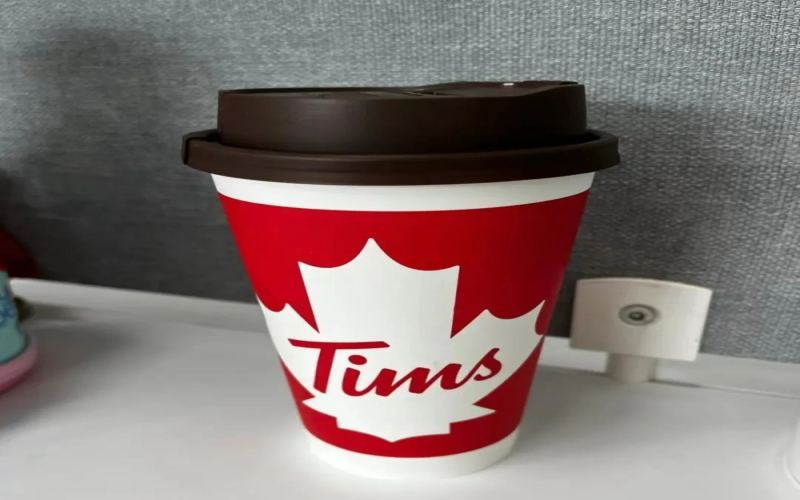
Tims Fresh Brew Coffee hit by customer complaints of excessive coffee grounds at the bottom of the cup; customer service says sediment is normal, sparking heated discussion.
Chain coffee brands each have their own memorable selling points, and Tims China (Tims天好咖啡) has gained popularity with its bagels and Fresh Brew coffee. Fresh Brew coffee is similar to drip pour-over, with less oil and a refreshing taste, favored by many enthusiasts. But recently, some netizens reported that the Fresh Brew coffee they bought at Tims had a large amount of coffee grounds left at the bottom of the cup when they finished drinking it, and customer service responded that "sediment is a normal phenomenon," sparking controversy. Similar complaints are not the first of their kind; as early as last November, consumers had already posted photos complaining about it. A small amount of fine powder sediment in coffee is common, but the amount of grounds visible to the naked eye has already affected the drinking experience. Is it a staff operational error or an equipment malfunction? Will Tims take measures to standardize its products? This article takes you through the whole story. [more…]

Is swollen coffee bean packaging a sign of spoilage or normal degassing? An in-depth analysis of the causes of coffee bean bag swelling and how to judge whether it's safe
The coffee bean bag you brought home is bulging—is it spoiled or is this normal? Many coffee lovers have encountered this question. In fact, a swollen coffee bag doesn't necessarily mean the beans have gone bad—roasted coffee beans continuously release carbon dioxide, which is the main reason the packaging expands. However, not all swollen bags are harmless; if accompanied by a musty or sour odor, that's a different story. This article will walk you through the chemistry of coffee bean degassing, the mechanism of one-way degassing valves, and why dark-roasted beans are more likely to make packaging bulge, helping you accurately judge whether the coffee beans in your hands are still safe to enjoy. [more…]
Is it normal for dark roast coffee beans to be oily? And how should you deal with moisture-affected pour-over beans?
Coffee beans developing an oily sheen on their surface is a common source of confusion for beginners—does it mean they've been sitting too long? Does it mean they've gone bad? In fact, oiliness is closely tied to roast level and does not directly equate to a decline in freshness. At the same time, the signs of coffee beans absorbing moisture are often hard to detect with the naked eye, yet they reveal themselves during brewing. This article walks through the practical knowledge of identifying coffee bean condition, from the causes of oiliness and the effects of roast level to judging moisture absorption and key storage points. Front Street Coffee also draws on everyday experience to offer drinking suggestions within the peak flavor window, helping enthusiasts more confidently judge and handle common issues with pour-over coffee beans. [more…]

Elderly people occupy outdoor seating at a Starbucks store for long-term card games, leaving staff no choice but to call the police for coordination.
Recently, at a Starbucks store in Baolong Plaza, Shengzhou, Shaoxing, Zhejiang, the outdoor seating area was occupied for a long time by several elderly people who not only chatted and rested there, but also gathered to play cards and mahjong, creating noise and refusing to give up seats, seriously disrupting the store's normal operations and other customers' experience. After repeated ineffective requests to leave, the staff chose to call the police, who arrived to mediate, and most of the elderly left that day. The mall stated that it had communicated with relevant departments and planned to guide these elderly people to a senior service center to rest. The incident sparked heated discussion online, with most people supporting the store's approach to maintaining order, and lawyers also pointed out that if the elderly make loud noises or play cards affecting others, they may violate the Public Security Administration Punishments Law. As a well-known coffee brand, Starbucks' store order management has once again become a public focus, and Front Street Coffee reminds consumers to enjoy the coffee space civilly. [more…]
Is it normal for Americano to taste sour? Discussing the causes of acidity from the perspective of roast level and bean selection
Many people's first impression of coffee is that it is bitter, so when they taste acidity in an Americano, they cannot help but wonder whether the coffee has gone bad. In fact, a high-quality Americano is often layered and well balanced with a mellow mouthfeel, and acidity itself does not equal a defect. The source of acidity is closely related to the roast level of the coffee beans, the characteristics of the producing region, and the extraction method. The longer the roasting time, the more pronounced the richness of the Americano and the more obvious the bitterness; while single-origin beans with a light-to-medium roast may present a soft fruity acidity. This article will explain the causes of acidity in Americano, how to judge whether the acidity is normal, and the bean selection and extraction key points when making Americano, and will also include recommendations for four espresso blend beans from Front Street Coffee for reference in different scenarios. [more…]

Guide to Identifying Coffee Defect Beans: Analysis of Several Bean Types Commonly Misjudged by Consumers and Their Causes
Many pour-over coffee enthusiasts often have doubts about the appearance of the beans after purchasing single-origin beans, and even mistake normal beans for defective ones. There are two main reasons for this misunderstanding: first, consumers who only come into contact with roasted beans rarely see truly defective beans; second, they treat coffee beans as products of an industrial assembly line, assuming they have a fixed standard appearance. In reality, most defective beans are already controlled at the green bean stage, and after roasting there is also manual sorting. This article will systematically sort out the definition of defective beans, the defect rate requirements in green bean grading, and focus on explaining several commonly misjudged situations such as peaberry, burst beans, uneven color, and shriveled wrinkled beans, to help readers view the appearance of coffee beans more rationally. [more…]
A Complete Guide to Coffee Flowering: From Bud Development to Full Bloom, Understanding Blooming Habits and Appreciation Points
In early spring, the creamy-white flowers that bloom on coffee trees are not only elegant in form and rich in fragrance, but also hold many fascinating botanical characteristics. This article walks you through the structure of coffee flowers, their flowering habits, and the differences in flowering periods among various varieties. It also explains why drought or low temperatures can cause star-shaped flowers to appear, and how irrigation can increase the proportion of normal flowers. Whether you are a coffee enthusiast or a grower-observer, you will gain practical knowledge about appreciating and cultivating coffee flowers. [more…]
American Coffee Bean Recommendations | Is It Normal for Iced Americano to Taste Sour? What Factors Affect the Flavor and Mouthfeel of Iced Americano?
I believe many coffee lovers start with instant coffee, then summon the courage to step into a Starbucks, only to be intimidated by the menu. Fortunately, they spot the familiar Americano. Compared to hot Americano, iced Americano is more popular. Whether winter or summer arrives, a cup of iced Americano can bring [more…]

A European-style coffee shop inside Shanghai First Maternity and Infant Hospital has become a trendy photo spot, and the hospital has responded that it will strengthen management.
Recently, Shanghai First Maternity and Infant Hospital has seen its on-site European vintage-style coffee shop become a popular photo spot for many "influencers" on social media, with related topics continuing to gain traction. Many local residents have reported that the crowds of photo-takers have disrupted normal medical order. Why has this coffee shop become a photography hotspot? How have the hospital and the shop responded? The hospital stated that it will strengthen management by discouraging commercial photography, prolonged occupation of patient rest seats, and the use of large professional equipment such as fill lights, in order to ensure normal medical activities. [more…]
A Comprehensive Guide to Coffee Flowers: From Morphological Characteristics and Blooming Habits to the Benefits and Effects of Drinking Them as a Tea
The blooming of the coffee tree is an extremely fascinating stage in the coffee growth cycle. Every spring, creamy-white flowers adorn the branches, looking especially delicate against the backdrop of downward-drooping green leaves, with a rich fragrance that is intoxicating. However, the coffee flowering period is very brief; from flower bud differentiation to blooming, and then to bearing fruit, every step is deeply influenced by variety and environmental conditions. Coffee flowers not only have rich morphological characteristics and unique flowering habits in botanical terms, but people also often dry coffee flowers and steep them in water to drink, believing they have specific health benefits. This article will take you through a systematic understanding of the morphological structure of coffee flowers, the flowering patterns of different varieties, the differences between star-shaped flowers and normal flowers, and the benefits of drinking coffee flower infusion, while interspersing coffee flower appreciation images to help coffee enthusiasts fully understand this flower hidden behind the coffee cup. [more…]
Is it normal for black fine particles to appear in espresso? Will the portafilter basket deform due to pressure? How small are the finest particle sizes exactly?
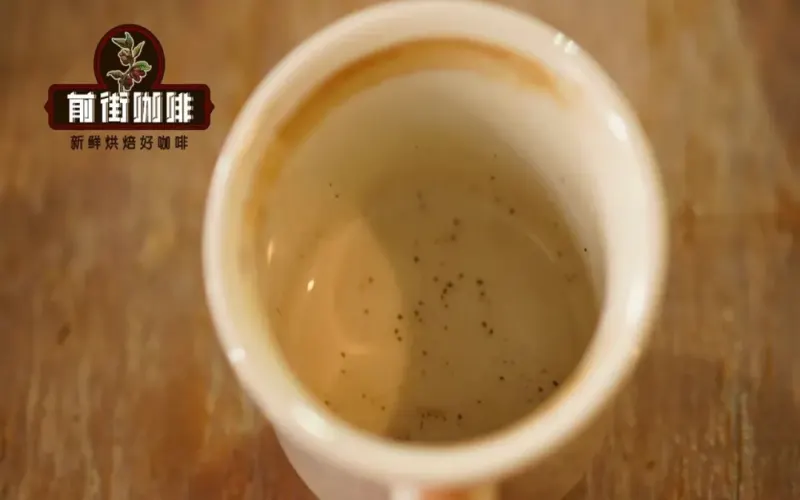
When extracting espresso, you may occasionally notice a layer of fine black sediment at the bottom of the cup, and many people worry that this indicates an equipment malfunction or spoiled coffee. In reality, these black particles are simply coffee fines—extremely small particles that can easily pass through the holes in the portafilter basket and mix into the coffee liquid under high pressure. At first they hide within the crema, and only as the bubbles burst do they sink to the bottom of the cup and become visible to us. Moka pots also use pressure extraction, so a similar situation can occur. Although coffee grounds are a woody fiber, the extremely fine particle size and tiny intake amount pose no health risk, so you can drink with complete peace of mind. This article explores the origins of fines, whether the portafilter basket will deform, and fine particle size, helping coffee enthusiasts better understand these common phenomena. [more…]
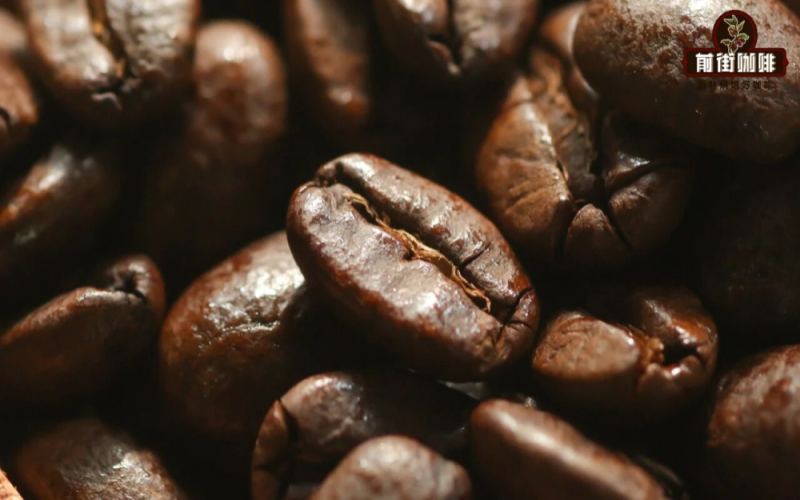
Is It Normal for Dark Roast Coffee Beans to Have an Oily Surface? A Buying Guide for Fresh Dark Roast Beans and Single-Origin Espresso Beans
Many coffee lovers who prefer a rich, full-bodied taste will prioritize dark-roasted coffee beans, but they often find that the surface of the beans is covered with a sheen of oil, while beans of other roast levels are relatively dry. What exactly is this layer of "oil"? Does it indicate a quality problem or moisture exposure? In fact, oil on coffee beans is a natural phenomenon closely related to the degree of roasting. It neither proves that the beans are high quality nor is it a sign of spoilage. Rather than agonizing over whether the beans are oily, when buying coffee you should pay more attention to the roast date and freshness. This article will start with the principle behind oil production, explain the criteria for judging freshness, and recommend several dark-roasted coffee beans suitable for people who dislike acidity, including Front Street Coffee's best-selling single-origin coffees and espresso blends, to help everyone find the ideal choice that is rich, full-bodied, and has a lasting sweet aftertaste. [more…]
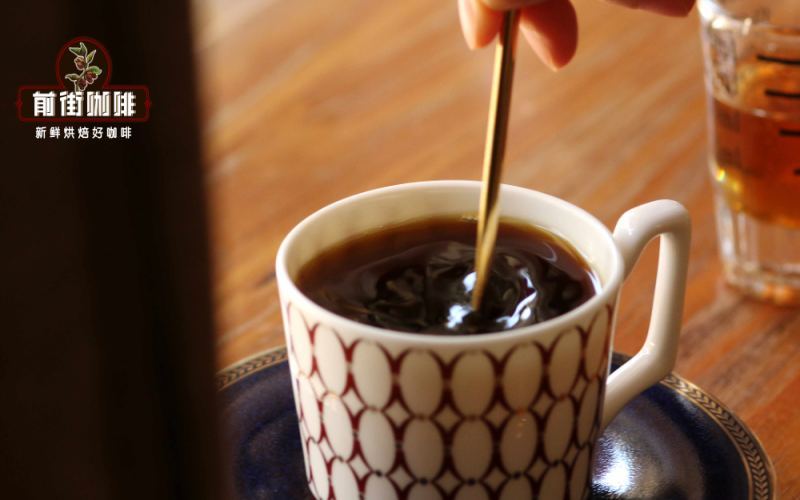
How much ice and water should go into an iced Americano? Is it normal for coffee to taste sour? A detailed guide to the perfect Americano ratio
Iced Americano, with its refreshing and palate-cleansing taste, has a large fan base regardless of winter or summer. But many coffee lovers notice that the iced Americano they drink sometimes tastes sour, and sometimes bitter—is the coffee spoiled, or is it a characteristic of the beans themselves? There are many versions of the story about the origin of Americano, and its flavor expression is actually closely related to the coffee bean's growing region, roast level, and extraction ratio. This article will analyze the causes of sourness, roasting trends, and the differences between SOE and blended beans, and share the specific ratios and parameters used by Front Street Coffee when making hot and iced Americanos, to help everyone find the cup of Americano that suits their taste. [more…]
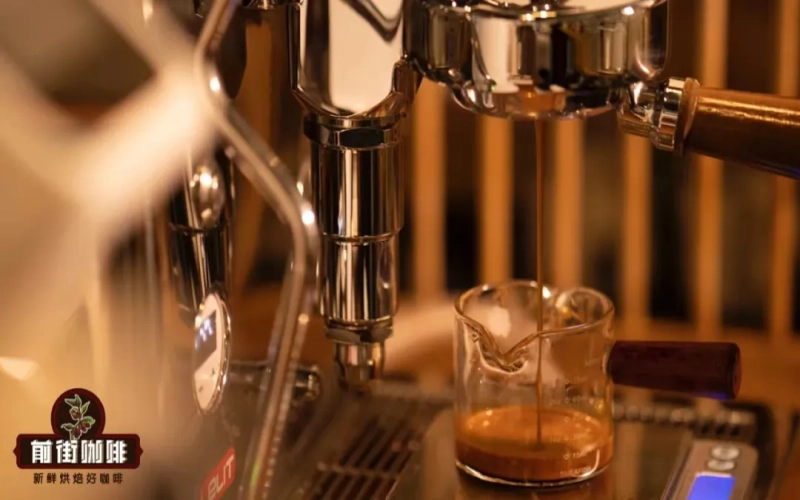
What is the normal extraction pressure for an espresso machine? How should the grind size be adjusted appropriately?
The biggest difference between espresso machines and brewing methods like pour-over and French press is that they use pressurized extraction. It is precisely the presence of pressure that allows espresso to complete extraction in an extremely short time and form that iconic golden layer of Crema. Generally speaking, the extraction pressure of a coffee machine fluctuates around 9 bar, but many home coffee machine users find that the pressure struggles to climb to 9 bar and often stays between 5 bar and 7 bar, resulting in weak and sour coffee. The key behind this actually lies in whether the resistance of the puck is sufficient. This article will analyze the reasons for insufficient pressure and provide specific adjustment suggestions from three aspects: grind size, dose, and tamping force, to help you extract rich and balanced espresso at home as well. [more…]