







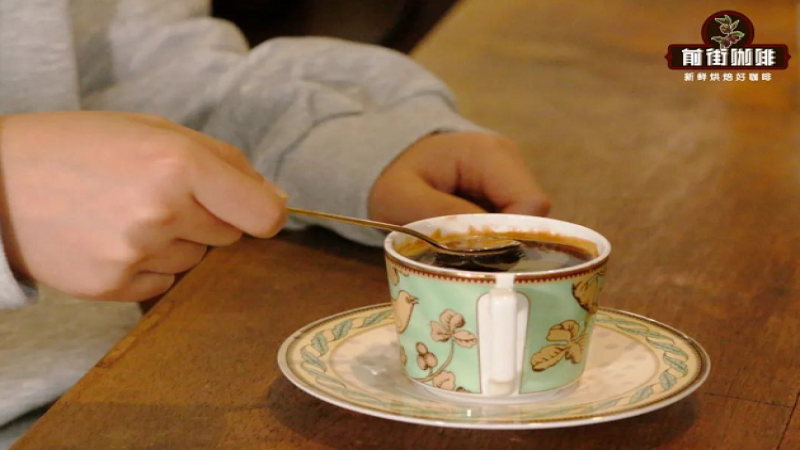
Is a sour americano a flaw or a flavor trait?
A sour americano is usually normal, not a sign of stale or spoiled beans. Black coffees such as americano, pour-over, and cold brew commonly show acidity. The main sources are roast level, fruity acids that belong to the beans themselves, and channeling or uneven grind during extraction that lets acids through unevenly.
Bitterness and sourness often trace back to the same variable: the bean. Cafes pulling medium-dark or darker roasts get fuller, more bitter cups, while shops using fruit-forward single origins or blends land on the sour side. Sourness also rises as the cup cools, so compare the first sip with the last before judging.
Many coffee enthusiasts have wondered: when Americano tastes sour, does it mean the beans have gone bad or been sitting too long? In fact, for black coffees like Americano, pour-over, and cold brew, detecting sourness is often perfectly normal. Starting from the daily offerings at Front Street Coffee, this article sorts out the major sources of sourness in Americano—including the choice of roast level, the fruity acidity inherent in the beans themselves, possible channeling and grind inconsistencies during extraction, and the pattern of increasing sourness as the coffee cools—to help you determine whether a sour Americano is a flavor characteristic or a quality problem.
Professional coffee knowledge exchange. For more coffee bean information, please follow Coffee Workshop (WeChat public account: cafe_style).
For more specialty coffee beans, please add the private WeChat of Front Street Coffee: qjcoffeex.
Recently, a friend asked Front Street Coffee: if Americano tastes sour, has it gone bad? The answer is no. Whether it's Americano, pour-over coffee, or cold brew, a sour note in these types of black coffee is common and normal.
Why is it that some Americanos taste bitter while others taste sour?
The Americanos we usually drink often taste bitter because most cafés choose medium-dark or darker roasts for the espresso base. With a longer roasting time, the coffee beans undergo more thorough caramelization, the color gradually darkens, and the flavor becomes richer and fuller.
Espresso is made with a pressurized coffee machine, which in a near-vacuum pressurized environment forces hot water through very finely ground coffee to extract a small amount of concentrated liquid. Once the concentration is high, all the flavors in the coffee are amplified in a more concentrated way. Even after adding water to dilute it into an Americano, everyone's sensitivity to bitterness and standards of judgment differ, so some people find Americano too bitter while others find it too weak.
From this, we can see that the flavor direction of an Americano is fundamentally determined by the coffee beans used. If an Americano tastes sour, it may be that the shop chose beans with fruity acidity to make the espresso—these beans could be single-origin or a blend.
Taking the daily offerings at the store as an example, Front Street Coffee uses a blend—composed of 30% Ethiopian naturally processed Yirgacheffe and 70% Honduras Sherry—named "Sunflower Warm Sun Blend Coffee Beans." The natural Yirgacheffe contributes sweetness and acidity to the espresso, giving it a soft fruity acidity alongside the whiskey aroma and vanilla-cream richness, making the overall layering more complex.
So does sourness in coffee always mean it's normal?
Not necessarily. Operational issues cannot be ruled out: for example, channeling during extraction can cause some coffee grounds to be over-extracted and others under-extracted, resulting in a sour and astringent taste; or the grind may be too coarse, making the coffee sharply sour and thin, while too fine a grind may make it bitter and sharp with a burnt bitterness.
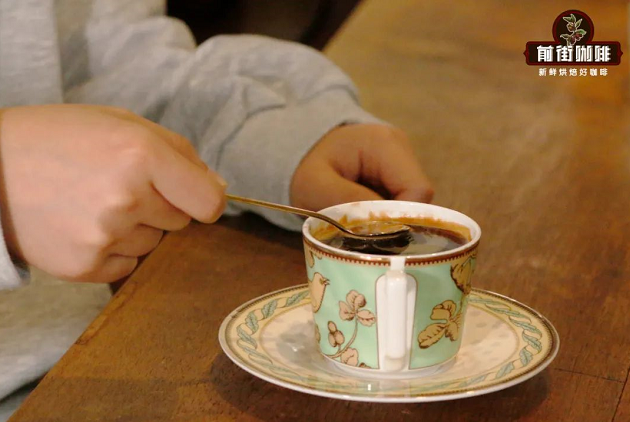
Also, coffee should be finished as soon as possible after brewing. As the temperature drops, the sourness of the coffee becomes more pronounced. Generally, coffee left for more than an hour is not recommended for drinking. This is especially true for coffee with milk or sugar added—over time it may undergo changes and develop a sourness that is bad for your health.
The above content is compiled by CoffeeHunters, a coffee news website.


