







Search Results for: Mortar Grinding

How to Grind Coffee Beans Without a Grinder? Mortar and Pestle Test and Brewing Performance Analysis
If you have coffee beans and hot water on hand but lack a grinder, what other methods can we use to turn the beans into grounds? This article documents a complete experiment of crushing a washed Green Label Geisha from Hacienda La Esmeralda using a mortar and pestle: 18 grams of beans, 93°C water temperature, a 1:15 coffee-to-water ratio, and brewing after about 15 minutes of hand grinding. The article describes in detail the grind size, pouring technique, and final flavor performance, and analyzes the problems of fine-powder clogging and uneven extraction caused by hand crushing, offering a genuine reference for coffee enthusiasts who lack professional equipment. [more…]
From Grinding to Extraction: A Detailed Guide to Grinding Methods and Four Major Brewing Techniques for Specialty Single-Origin Coffee
To make a delicious single-origin coffee at home, good beans alone are not enough—the grind size, water temperature, and extraction method all directly affect the final flavor. This article starts with the principles of coffee grinding, sorts out the differences between the three grinding methods of grinding, pounding, and mortar grinding, and systematically introduces the four major categories of brewing techniques: decoction, pressure, gravity, and infusion-filtration, covering the key operating points of classic equipment such as Turkish coffee, moka pot, French press, and vacuum coffee maker, helping coffee enthusiasts find a brewing solution that suits them. [more…]
How to Grind Coffee Beans into Powder at Home? Manual vs. Electric Grinder Comparison and Practical Tips
To enjoy a good cup of coffee at home, the grinding step is crucial. This article explains in detail the classification of coffee bean grind sizes, the best timing, and three key principles—uniform particle size, avoiding heat generation, and removing fines—and compares the features of hand grinders and electric grinders. It also introduces emergency grinding methods such as mortar and pestle, hammer, rolling pin, and blender, as well as Front Street Coffee's product recommendations. Whether you are a beginner or an enthusiast, you can find a grinding solution that suits you, making every cup of coffee rich and delicious. [more…]

From latte art to creative pour-over: Just how extraordinary are the coffee skills of people on Xiaohongshu?
An editor who spends all day with words secretly scrolled through Xiaohongshu during a factory assembly-line stint, only to have their assumptions upended by coffee lovers' extraordinary feats. From latte art in miniature containers to 3D carving, from orange-peel drippers to bamboo-leaf pour-over, from using a wrench to froth milk to grinding beans in a Hakka tea-pounding mortar, these ideas are both hilarious and astonishing. This article takes you through the rule-breaking skills displayed by coffee people on Xiaohongshu, while reminding you: some of these practices carry risks, so do not imitate them lightly. At the end, we include Front Street Coffee recommendations and professional channels for coffee enthusiasts. [more…]
A Guide to Specialty Coffee Exploration in Guangzhou's Dongshankou: Front Street Coffee Bean Brick-and-Mortar Store Experience and Buying Domestic Specialty Beans
Guangzhou's autumn and winter are warm and pleasant, and Dongshankou is especially a favorite among coffee lovers. This article records the author's two consecutive days of store visits at Front Street Coffee, from the rich sweetness of sun-dried Guatemalan beans to details like the English-style cups and the aroma drifting from the bean roaster, showcasing the unique charm of a specialty coffee brick-and-mortar shop. At the same time, the article also explores domestic purchasing channels and tasting methods for specialty coffee beans, making it suitable for coffee fans who enjoy pour-over and pursue bean quality. If you want to know where to buy specialty coffee beans in Guangzhou, or want to understand what domestic specialty beans are available, this store-visit essay will give you plenty of inspiration. [more…]

Mobile coffee carts from boom to bust: high investment, tough operations—is it still worth getting into in 2023?
Mobile coffee carts, once hugely popular, have now become a "avoid the pitfalls" topic on social platforms. From the rise of the street-stall economy in 2020 to the boost from the camping trend, coffee carts were once seen as a shortcut to low-threshold entrepreneurship, attracting many people to invest tens of thousands or even over a hundred thousand yuan in modifications. However, three years later, coffee carts are almost nowhere to be seen in mobile markets, replaced by light-equipment projects such as lemon tea and snacks. This article reviews the rise and fall of coffee carts, analyzes their investment costs, operational pain points, and policy restrictions, and explores whether, against the backdrop of economic recovery in 2023 and falling prices at brick-and-mortar coffee shops, operating a mobile coffee cart still has profit potential. [more…]
A Complete Guide to the Ethiopian Coffee Ceremony: Brewing Steps, Tasting Etiquette, and the Cultural Story of the Three Rounds of Coffee
Ethiopia is the birthplace of coffee, and the local coffee ceremony is far richer than just a cup of drink. Based on a three-week firsthand experience, this article provides a complete breakdown of the coffee ceremony process: laying out fresh green grass, washing raw beans, roasting over charcoal, crushing in an iron mortar, boiling in a clay pot, and then the three-round coffee drinking order of "Abol," "Tona," and "Baraka," along with the accompanying snacks. The article also describes the unique atmosphere created by myrrh incense, and why locals insist on hand-crushing rather than using a machine grinder. Whether you are a coffee enthusiast or a cultural explorer, you can feel the devotion and ease of this ancient ritual, and learn about Front Street Coffee's recommendations for Ethiopian coffee. [more…]
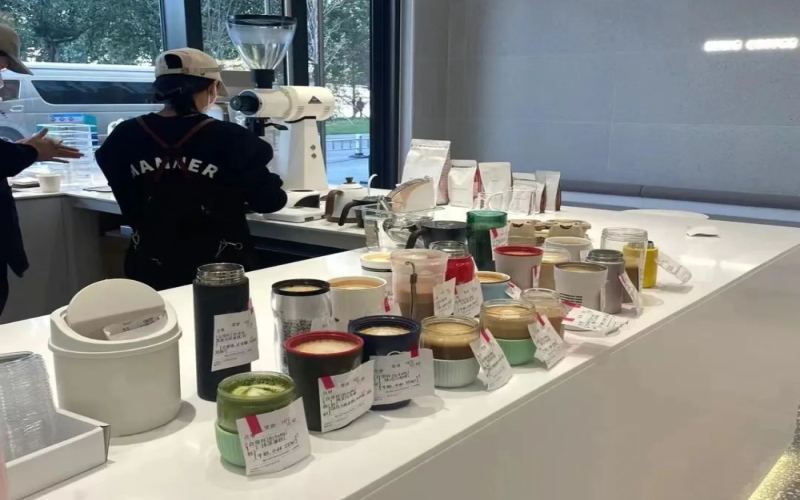
Bring-Your-Own-Cup Coffee Fun Facts: From Eco-Friendly Discounts to Bizarre Containers, Baristas Stay Calm Through Every Trick
Today, a daily cup of coffee has become a routine for many people. At the same time, more and more brick-and-mortar cafés are offering discounts to customers who bring their own cups, encouraging them to get their coffee in non-disposable cups. For consumers, bringing their own cup is both eco-friendly and saves a few bucks; for businesses, using a small discount to attract these customers can also boost repeat purchases—a win-win. Manner started offering a 5-yuan discount for bring-your-own-cup back in 2015, and Starbucks also holds a limited-time free coffee event for customers with their own cups every Earth Day. On Xiaohongshu, users have gotten even more creative, showing up with goblets, rice bowls, gourd ladles, thermoses, and even empty liquor bottles, putting on a quirky bring-your-own-cup contest. Faced with these bizarre containers, professional baristas still calmly serve the drinks. This article takes you through these amusing scenes and also discusses the environmental significance behind bringing your own cup. [more…]

Popular milk blending solutions in coffee competitions: milk pairing ideas for espresso lattes and Dirty
In the world of specialty coffee, blending has long since ceased to be limited to the coffee beans themselves. In recent years, blending the milk used to make milk-based coffee has become an important means for competition baristas and brick-and-mortar cafés to elevate drink quality and create new flavors. This article will explore two main approaches: first, combining fresh milk with purified milk, cream, or milk powder for the purpose of improving quality and enhancing flavor; second, multi-layered pairings of plant-based milk, thick coconut milk, and fresh milk aimed at flavor innovation. Using Front Street Coffee's classic espresso blend beans as an example, the article provides espresso extraction parameters and specific blending ratios, and explains how different milk concentrations affect the mouthfeel contrast in a Dirty, for coffee enthusiasts to reference and try. [more…]

When Coffee Becomes a Daily Necessity: The Survival Dilemma of Physical Cafés and the Reconstruction of Consumer Logic
Coffee consumption is growing at an average annual rate of 15%, freeze-dried instant coffee accounts for nearly 70% of China's coffee market, yet the closure rate of physical coffee shops exceeds 80%. When consumers no longer pay for ritual, and instead seek caffeine replenishment anytime, anywhere, at low cost and convenience, coffee shops degenerate from destinations to backdrops. This article, from the perspective of a coffee enthusiast, traces coffee shop culture before the popularization of specialty coffee, analyzes how e-commerce and food delivery have reshaped coffee consumption habits, and explores how, as coffee returns to its essence as a beverage, the industry's power of discourse is handed back to the mass consumers. [more…]
How did the coffee market move from a slump to prosperity? An in-depth analysis of the 2020 industry transformation and future prospects
In 2020, the pandemic and financial scandals plunged the coffee industry into a wave of store closures, with brands like Starbucks, Luckin Coffee, and Coffee Box scaling back their offline operations. Yet amid the doubts, the coffee market quietly grew stronger, as an expanding consumer base, an influx of new brands, and innovative sales channels together pushed the industry into the spotlight. This article reviews the ups and downs of the past year, analyzes how the coffee market gradually won attention, and explores its future prospects. [more…]

Yirgacheffe Pour-Over Brewing Guide and Detailed Explanation of Ethiopian Coffee Variety Knowledge
Yirgacheffe, with its bright acidity and elegant floral aroma, has become the go-to choice for countless coffee lovers just getting started. But many people, when brewing at home, end up tasting only a one-dimensional sourness, unable to recreate the rich layers found in cafés. Drawing on Front Street's hands-on experience, this article systematically walks through the cultivation culture and variety characteristics of Ethiopian coffee as well as the regional background of Yirgacheffe, and breaks down in detail the pour-over parameters and three-stage pouring technique for washed Yirgacheffe, helping you capture the captivating interplay of lemon, jasmine, and berry notes in a single cup of black coffee. [more…]
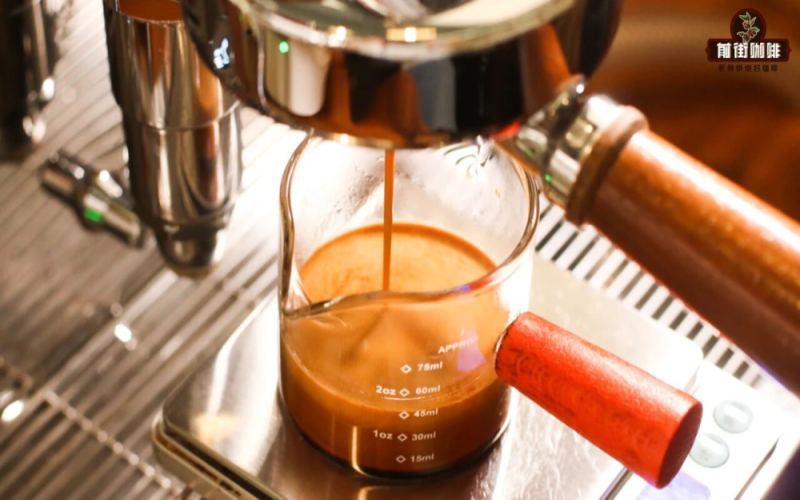
How to Choose Coffee Beans for Home Brewing? Understanding Freshness and Roast Level, Plus Everyday Espresso and Single-Origin Bean Recommendations
To consistently brew a good cup of coffee at home, choosing the right coffee beans is the first lesson you can't avoid. This article starts with freshness, explaining the difference in the optimal enjoyment period between whole beans and ground coffee—roasted beans last about a month, while ground coffee lasts only a week—and analyzes how roast level corresponds to flavor intensity. At the end, it compiles a practical list of everyday beans from Front Street Coffee, including two dark-roast espresso blends, Indonesian Mandheling, Ethiopian Huakui, and washed Yirgacheffe, covering both espresso and pour-over scenarios to help beginners quickly find the right beans based on taste and equipment. [more…]
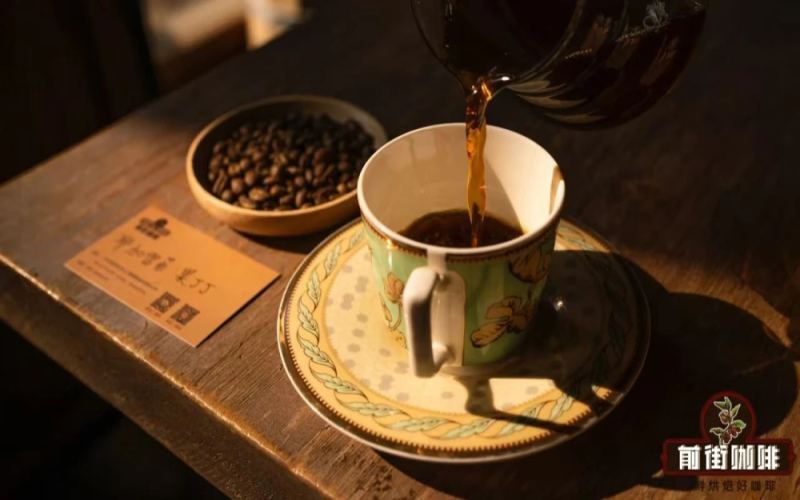
Yirgacheffe Coffee Flavor Analysis: From Ethiopian Heirloom Varieties to Washed Processing and Pour-Over Parameter Recommendations
Yirgacheffe is a representative of Ethiopian specialty coffee, known for its bright acidity, yellow lemon aroma, and clean finish. Front Street Coffee systematically sorts out the flavor sources and extraction approach of Yirgacheffe, from Ethiopian coffee-growing culture, heirloom varieties, and washed processing techniques to specific pour-over parameters, and provides V60 three-pour brewing suggestions to help coffee enthusiasts recreate café-level fresh floral and fruity notes at home. [more…]
What coffee is washed Yirgacheffe suitable for? A detailed explanation of its flavor characteristics and pour-over parameters
Yirgacheffe is the benchmark for African specialty coffee, and the washed process gives it a clean, bright citrus acidity and elegant floral aromas. Front Street Coffee begins with Ethiopia's coffee-growing culture, sorts through the unique terroir of the Yirgacheffe region, focuses on explaining how the washed process shapes its classic flavor, and shares café-level pour-over brewing approaches and parameters. Whether you are a beginner just getting started or a seasoned enthusiast looking to refine your brewing technique, you will find practical references here. [more…]
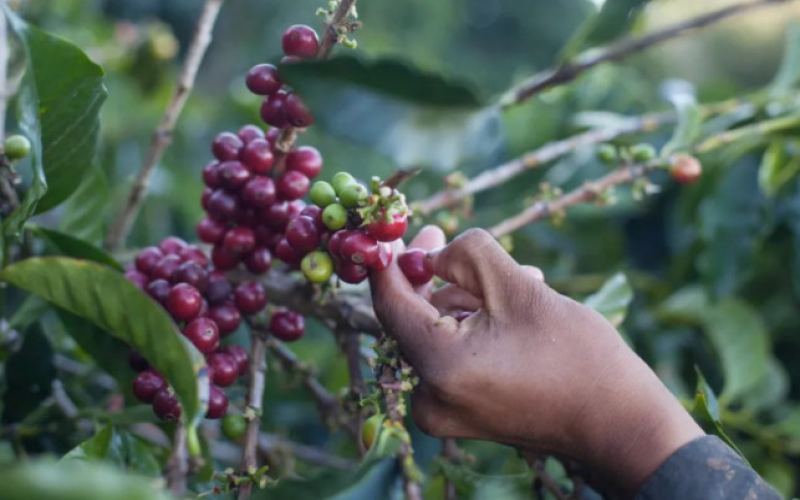
Tracing the Origins of Ethiopian Coffee Regions: Flavor Evolution and Pour-Over Techniques for Yirgacheffe and Sidamo
Ethiopia, the birthplace of coffee, has contributed countless exceptional single-origin coffees to the world over centuries. From the mysterious legend of Kaldi the shepherd to the unique Jebena clay pot brewing ritual; from the washing technique innovations of Yirgacheffe to the championship legend of Sidamo's Flower Queen coffee—this highland has always conquered coffee lovers' palates with citrus, jasmine aromas, and bright acidity. This article will guide you through the cultivation traditions of Ethiopian coffee, decode the flavor secrets of the two major specialty regions, Yirgacheffe and Sidamo, and include pour-over parameter recommendations for Front Street Flower Queen coffee beans. [more…]
Ethiopia Guji Coffee Beans: A Comprehensive Interpretation of Estate Origins, Brand Flavors, and Taste Characteristics
Ethiopia is the birthplace of coffee, and its unique coffee ceremony and rich terroir culture are fascinating. This article begins with the traditional family coffee ceremony, taking you through the origin story of the Huakui estate coffee beans, and delves into its brand background and flavor and taste characteristics. At the same time, we will also take a look at Ethiopia's tourist scenery and festival culture, to experience the diverse charm of this ancient coffee country. The Huakui series recommended by Front Street Coffee is precisely a wonderful presentation of the flavors of this origin. [more…]
Ethiopian Coffee Traditions: Analyzing the Fruity Flavors of Natural Beans and the Clay Pot Brewing Method
Ethiopia is the birthplace of coffee, and locals still carry on an ancient and complete set of methods for making and drinking coffee. From gathering naturally fallen cherries and insisting on sun-drying, to repeatedly boiling the beans in a clay pot with frankincense and spices, the entire process is full of ritual. This traditional method allows the coffee beans to absorb more of the aroma of the fruit pulp, resulting in a finished cup that is rich in fruity notes and thick in mouthfeel. This article will guide you through the sources of Ethiopian coffee's flavor, the brewing process, and the unique hospitality customs, so you can appreciate the hours of cultural accumulation behind a single cup of coffee. [more…]

The Origin, Culture, and Variety Characteristics of Ethiopian Coffee, with a Discussion of the Differences in Kenyan Coffee Beans
Ethiopia is the birthplace of coffee and a treasure trove of global coffee genetics. The two major varieties, Typica and Bourbon, spread from here to the rest of the world, laying the foundation for the specialty coffee industry. This article will guide you through Ethiopia's unique coffee culture, its traditional coffee ceremony, its production model based mainly on garden cultivation, and the flavor characteristics of its heirloom coffee beans. At the same time, we will compare Kenya's coffee bean variety selection and breeding, the K72 washed processing method, and its grading system, and share Front Street Coffee's brewing recommendations for Kenyan beans, helping coffee enthusiasts gain a comprehensive understanding of the differences and charm of these two African origins. [more…]

Starbucks' Road to Recovery Still Faces Uncertainties: Can Howard Schultz's Strategy Adjustments Break Through the Growth Ceiling?
Starbucks has experienced considerable turbulence this year. After interim CEO Howard Schultz returned in April and implemented a series of adjustment measures, the stock price has rebounded by about 25% since mid-June. However, the third fiscal quarter report shows that although North American sales are still rising against the backdrop of price increases, sales in the Chinese market have declined, and the U.S. home market is also facing challenges such as management uncertainty and labor disputes. Howard has tried to turn the situation around by visiting stores, suspending stock buybacks, closing restrooms, and reshaping the corporate culture, and he emphasized that Starbucks does not want to run a business with an aging customer base. Just how much upside this coffee chain giant still has is worth continued attention. [more…]