







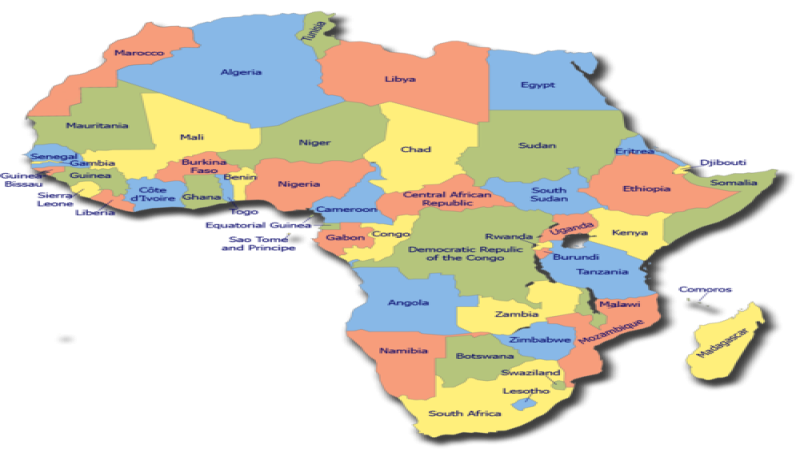
Ethiopia is the birthplace of coffee and a treasure trove of global coffee genetics. The two major varieties, Typica and Bourbon, spread from here to the world, laying the foundation for the specialty coffee industry. This article will guide you through Ethiopia's unique coffee culture, traditional coffee ceremonies, the predominantly garden-based production model, and the flavor characteristics of heirloom coffee beans. At the same time, we will compare Kenya coffee beans' variety selection, K72 washed processing method, and grading system, and share Front Street Coffee's brewing suggestions for Kenyan beans, helping coffee enthusiasts fully understand the differences and charm of these two African origins.
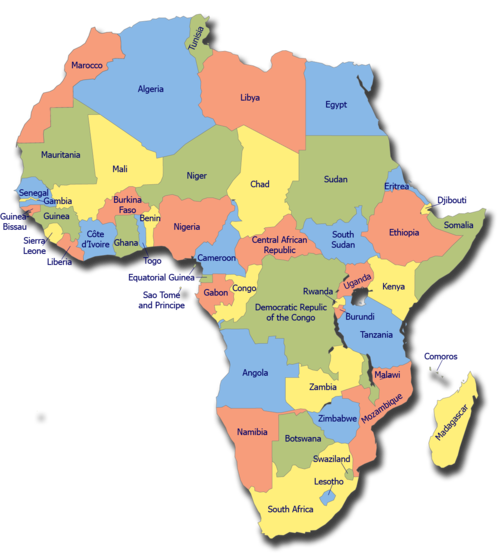
As the birthplace of coffee, Ethiopia is also a natural treasure trove of coffee genetics. Countless coffee tree species grow on this land, among which Typica and Bourbon have spread widely around the world, laying the foundation for the prosperity of today's global specialty coffee industry.
What makes Ethiopia's coffee culture unique?
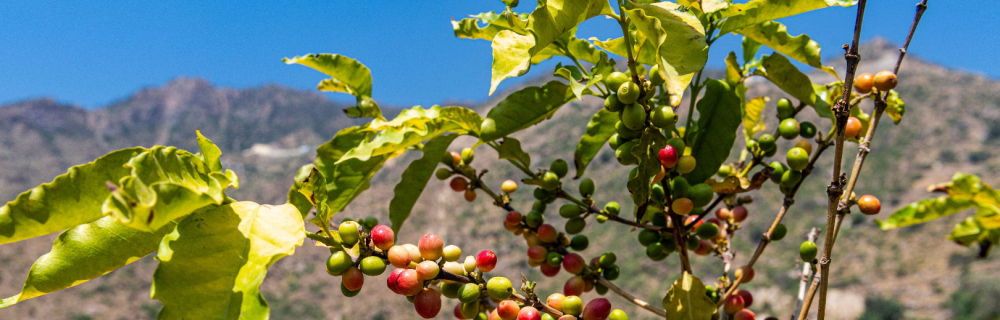
Ethiopia is located in eastern Africa, within the tropical zone, and also sits on a plateau, so most areas have a mild and pleasant climate year-round. Local residents make a living from farming and herding, and coffee is one of the most important cash crops. Legend has it that on the Ethiopian plateau, a shepherd named Kaldi discovered during grazing that his flock became unusually active after eating certain wild red berries. Out of curiosity, he picked some and took them home to try. After eating them, he felt refreshed and especially excited, so he shared the fruit with the villagers. As word gradually spread, coffee beans made their way to the Arabian Peninsula, and cultivation and trade rose along with it, beginning coffee beans' centuries-long global journey.
Although the legend is just a legend, Ethiopians have indeed had the habit of drinking coffee since ancient times. A cup of rich coffee in the morning is what awakens a energetic day. In every corner of the villages, the aroma of coffee always lingers in the air. Here, people have preserved coffee's most original and pure flavor very well, using an iron pestle to grind charcoal-roasted coffee beans into powder, then putting them into a coffee pot to boil. The boiling coffee gradually releases a unique aroma, and spices, sugar, and other ingredients are also added during the process for seasoning, finally enjoyed together with traditional bread.
Ethiopia has a coffee ceremony with a long history: first, green beans are roasted until done on a flat iron pan, then crushed with a pestle and mortar, and then placed into a clay pot called a "Jebena" with water to boil. When the hot water mixed with coffee grounds comes to a boil, it means the coffee is ready to drink. The coffee ceremony is divided into three rounds. The first cup is called Abol, and at this time elders need to say blessings; the second cup is Tona, and everyone begins to chat about daily matters; the third cup, Beraka, symbolizes joy, and only after drinking this cup does the ceremony truly end.
In Ethiopian languages, coffee is called "bunn" or "buna," and the birthplace of coffee is Kaffa, so coffee is sometimes also called "Kaffa bunn." In addition, the term "coffee bean" is generally believed to have been anglicized from "Kaffa bunn," and the English word for coffee (coffee) originates precisely from the Ethiopian place name "Kaffa."
What coffee varieties does Ethiopia have?
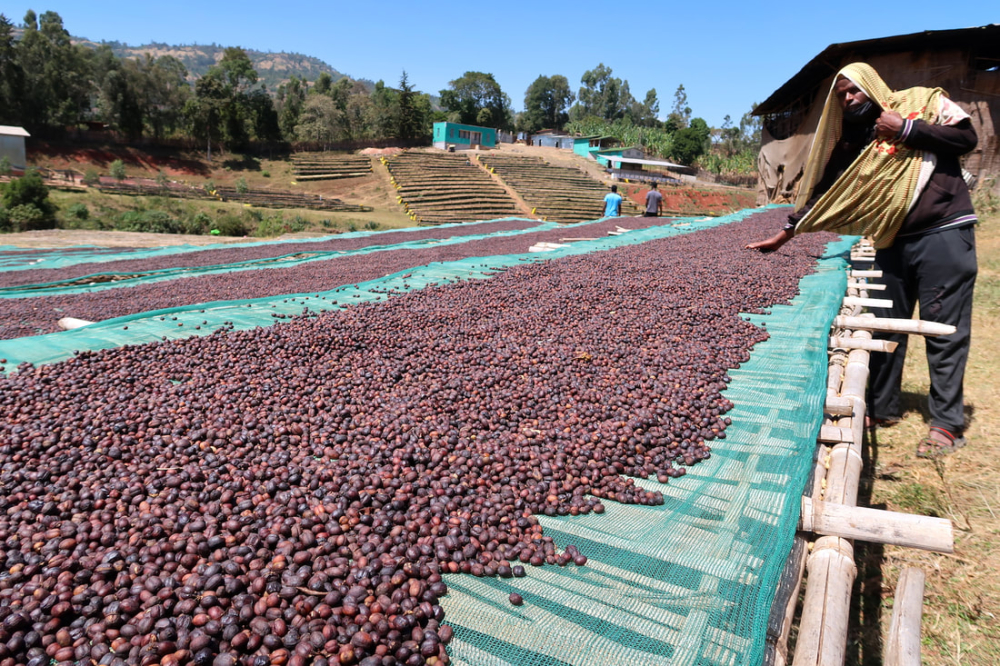
Coffee cultivation in Ethiopia is mainly concentrated in the western and southern regions, and more than half of it belongs to the smallholder farming model, also called garden coffee, which is Ethiopia's main production method. It is understood that nearly 1.2 million households locally make a living from growing coffee, with each household cultivating no less than 4 hectares. So-called garden coffee refers to farmers managing coffee trees mixed with other cash crops in their own backyards, usually planted together with banana trees, creating a unique green landscape in front of and behind every household.
Because the coffee yield from smallholder farming is limited, there are farmer cooperatives or processing stations of various scales locally, mainly responsible for processing the green coffee beans of that area. Every harvest season, farmers pack the fruit from their own coffee trees and send it to nearby processing stations (cooperatives) close to water sources for unified processing, after which it is sold in the name of the processing station. For example, the Gedeb cooperative coffee beans on Front Street's bean list collect coffee cherries grown in Yirgacheffe town, and farmers send them to the town for unified washed processing, ultimately producing in the name of the cooperative and selling worldwide.
The Arabica coffee varieties seen on the market today are all descendants of Typica and Bourbon, obtained through natural genetic mutation, artificial genetic modification, or hybridization research. Even so, the Ethiopian region still has an extremely large wild coffee population waiting for people to study and discover. Because there are so many coffee types, most of the coffee grown by local farmers is mixed and difficult to subdivide, so the vast majority of Ethiopian coffee beans are mixed varieties, collectively called Ethiopian heirloom (Heirloom).
However, as long as the coffee is grown in the same area or origin, it can be called single-origin coffee beans (single-origin does not mean a single variety, but a single origin). Due to mixed planting, the coffee beans produced by coffee trees of each variety differ in size and flavor. Therefore, Front Street Coffee (FrontStreet Coffee) has noticed that coffee beans from Ethiopia labeled as Ethiopian heirloom vary in bean size, and smell with the acidic aroma of citrus fruits.
After medium-light roasting, Ethiopian coffee beans present a rich citrus fruit acidity, pleasantly sweet and sour, with a refreshing mouthfeel, and also overturn many people's fixed impressions of coffee, so they are deeply loved by most coffee consumers around the world.
Today Ethiopia's coffee production ranks first in Africa and fifth in the world. Therefore, Ethiopian coffee beans have also become a necessary choice for many coffee beginners, because they offer high value for money and lack the bitterness of traditional coffee, making them very popular among novices.
For this reason, a washed coffee bean from Ethiopia's Yirgacheffe region has become a member of Front Street Coffee's (FrontStreet Coffee) origin-selected daily bean series. This series of coffee beans focuses on high value for money and small packaging, allowing consumers to experience the unique charm of Ethiopian coffee beans without spending a lot.
To let everyone taste richer coffee aromas, Front Street Coffee (FrontStreet Coffee) guarantees that all coffee beans are shipped within 5 days after roasting is completed, ensuring that the coffee beans everyone receives are 100% freshly roasted.

Kenya is located in eastern Africa, with the equator crossing its center, bordering Somalia to the east , Tanzania to the south, Uganda to the west, Ethiopia and Sudan to the north, and the Indian Ocean to the southeast. The country has many plateaus, with an average altitude of 1500 meters. Kenya has a diverse climate, with the entire country located in a tropical monsoon zone. The coastal areas are hot and humid, while the plateau climate is mild. Mountains above 3500 meters sometimes see snow. The highest temperature of the year is 26 ℃, and the lowest is 12 ℃. South of the equator mainly has tropical forest and tropical savanna climates; the coastal areas have a tropical climate with high temperatures and abundant rain year-round; the further inland, the drier the climate, and the northern desert and semi-desert areas account for about 56 % of the country. Influenced by the monsoon climate, Kenya does not have four distinct seasons marked by temperature, only a distinction between rainy and dry seasons.
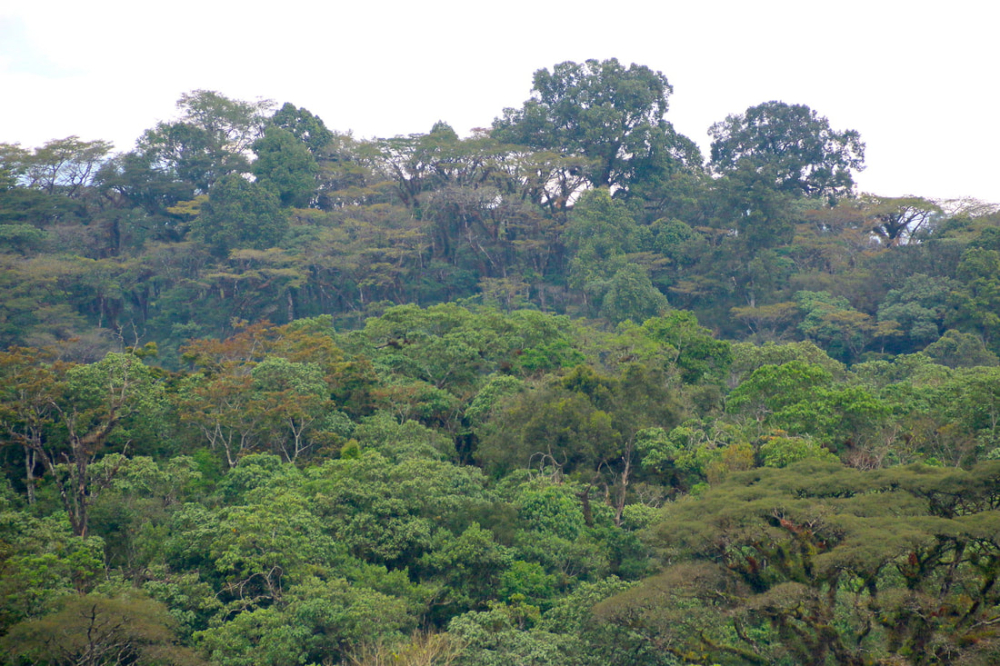
Most of Kenya's coffee is grown at an altitude of 1300-2000 meters; the average temperature is 15-24 degrees Celsius, and the average annual precipitation reaches 900-1200 millimeters. The high-altitude plateau areas near Mount Kenya provide the best growing environment for coffee, including the Aberdare mountain range, Nyanza , Kisii , Bungoma , Kericho and Nakuru . The Arabica varieties grown in these areas were first introduced from Ethiopia.
Coffee produced in central Kenya is the most numerous in the country, and the highest-quality coffee also comes from there. Coffee from western Kenya's Kisii , Trans—Nzoia , Keiyo , M arakwet and southern T hika and other producing areas has also begun to attract attention.
As early as the 1930s, Kenya selected seeds through the Scott Laboratories and bred SL28 and SL34 for nationwide planting. Because these two varieties have exceptionally excellent berry-like acidity, they were later transplanted by some Central American estates. The variety of the Costa Rica COE champion bean the year before last was SL28 and Geisha.
Since then, Kenya has spared no effort in developing varieties resistant to leaf rust. Ruiru11 was the first successful variety recognized by the Kenya Coffee Board, and you can understand it as Kenya's version of Catimor. When Front Street cupped Kenyan coffee beans mixed with Ruiru11 , the flavor showed slightly less sweetness and acidity, with a slight muddled quality. This also proves that variety has a clear impact on flavor.
Front Street believes that the bright acidity in Kenyan coffee cannot be separated from Kenya's characteristic washed processing method —K72 washed. A normal washed process is soaking in a fermentation tank for 24-48 hours before drying. Kenya's process, however, is first a 24 -hour washed fermentation step, then cleaning off the detached mucilage, fermenting again in a clean tank for 24 hours, then cleaning again, and fermenting for another 24 hours, reaching 72 hours. This high degree of washing stably controls quality and expresses bright acidity and a clean, sweet taste.
Then there is Kenya's coffee grading system. Kenyan coffee beans are classified by size, with the best being AA , followed by AB . The advantage of classification by size is that after variety selection, larger coffee beans represent plumpness and high quality, and are also very friendly for roasting. In this way, we can ensure the consistency of Kenyan coffee quality. Although we can still distinguish horizontally the specific flavor differences of producing areas such as Nyeri, Kirinyaga, and Kiambu, they generally all have Kenya's characteristic bright acidity and small tomato, berry-like flavors. (That is, you can recognize it as Kenyan coffee from the first sip.)
Now that we understand the information about Kenyan coffee beans, we can formulate a brewing plan based on the beans' characteristics. Kenya's high altitude, volcanic soil, good varieties, and fine processing create beans that are plump, large, relatively hard in texture, and good in appearance.
To avoid clogging and slow drainage during brewing, in terms of grinding, Front Street does not recommend too many fines. You can choose a higher-quality grinder, or use a sifter to sift out the fines. The coarse-fine degree should be based on a 20 standard sieve pass rate of 75% .
For water temperature, this Kenyan coffee is suitable for brewing at a relatively high temperature, which can bring out the coffee's fruity sweetness ( small tomato ) . Front Street recommends using a water temperature of 93 degrees.
For the coffee-to-water ratio, Front Street recommends using 1:16 . This Kenyan coffee itself has a solid mouthfeel, and even when brewed to a 16 times coffee-to-water ratio, it is not diminished at all, while the concentration brewed at 1:16 is very soft, with bright dark plum acidity paired with the sweet-sour aroma of small tomatoes , very comfortable.
For the coffee dose, if using a small V60 dripper, Front Street recommends using at least 15 grams of coffee grounds. If using a large V60 dripper, it is recommended to use at least 25 grams of coffee grounds.
When pouring water, you can raise the coffee bed and avoid making large circles with the pour. This can thin the thickness of the coffee bed and fully extract, avoiding ( edge ) channeling and ( bottom ) clogging.
First pour in 30ml of water for blooming for 30 seconds , then pour in 120ml of water for the second stage, pouring in circles from the center outward until the surface is all golden foam, then shrinking the circles back to the center point, with the coffee bed height reaching 1/2 of the short ribs.
For the third stage, pour in 90ml of water, pouring in circles about the size of a coin. After the coffee liquid has fully dripped into the server , end extraction, with a time of 2 minutes ( with a tolerance of 10 seconds ) .
This brewing method can highlight the small tomato aroma and sweetness of Kenyan coffee, and also ensure a solid yet transparent dark plum acidity.
The above content is compiled by CoffeeHunters, a coffee news website.


