







Search Results for: Moon River Music
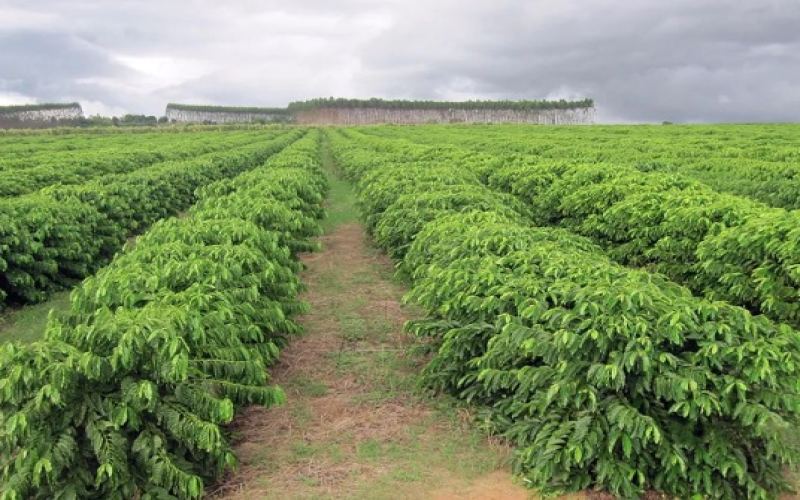
Introduction to the Brazilian yellow Bourbon variety of coffee beans.
Brazilian coffee holds an important position in the global coffee market, as Brazil is the largest coffee producer and exporter in the world, and its coffee exports account for one-third of the world's coffee exports. Brazil Brazil is the fifth large [more…]
Suzhou Specialty Coffee Map: A Complete Record of Featured Café Visits Compiled by a Seasoned Coffee Enthusiast
Suzhou, a gentle ancient city in the Jiangnan region, hides quite a few specialty coffee shops worth a dedicated visit. This article compiles a summary of shop visits from a veteran coffee enthusiast, covering more than seventy four- to five-star coffee shops across Gusu District, the Industrial Park, the High-Tech District, Wuzhong District, and beyond—from artsy little cafes to cat-themed coffee houses, from Korean-style chains to standalone buildings with Republican-era charm, each with its own distinctive setting, offerings, and story. Whether you're a coffee purist chasing pour-over quality or an artsy soul who favors ambiance, this list can help you find that perfect cup in Suzhou. [more…]
Why Does Starbucks Breakfast Blend Choose Latin American Origins? Analyzing Latin American Coffee Flavors and Nine Distinctive Single-Origin Coffees
Latin America is a key region for specialty coffee, from Brazil to Guatemala and from Colombia to Panama, this land has given rise to countless stunning coffee flavors. Starbucks' House Blend and Breakfast Blend, two classic coffees, are precisely blended with Latin American beans as their base. From the perspective of Front Street Coffee, this article first introduces the background and flavor characteristics of these two Starbucks coffees, then takes a deeper look at why Latin American coffee is so highly favored—its balanced mouthfeel, nutty and cocoa notes, and how climate, altitude, variety, and processing method shape flavor. Finally, it selects nine distinctive Latin American single-origin beans currently sold by Front Street, including Guatemala La Flor, Brazil Queen, Honduras Sherry, and Panama Butterfly, presenting the origin information and flavor descriptions of each one by one to help coffee lovers find their ideal choice. [more…]
Colombia Special Processing Dual-Bean Analysis: A Comprehensive Comparison of Rose Valley and Flower Moon Night from Origin to Flavor
In recent years, specialty-process coffee beans have attracted considerable attention in the specialty coffee world. This article focuses on two star products from Colombia—Rose Valley and Flower Moon Night, both selected by Front Street Coffee. Both use the Caturra variety, but they come respectively from the Santander Finca El Diviso and the Huila Finca Astorga, and their processing methods use double anaerobic enzyme wash and anaerobic natural, respectively. The article will break down in detail their origin backgrounds, variety characteristics, and processing differences, helping coffee lovers understand how these factors shape the strikingly different flavor expressions in the cup. [more…]
Colombia Coffee's Regional Distribution and Flavor Characteristics: A Specialty Journey from Huila to Cauca
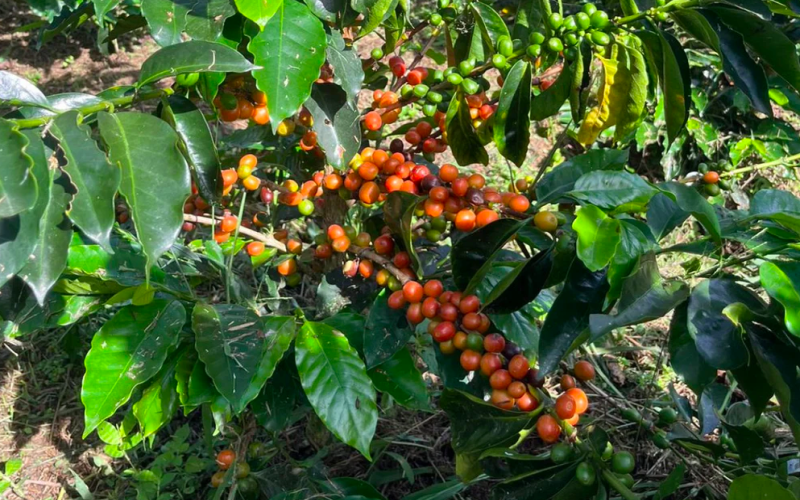
Colombia, as the world's second-largest coffee producer, may not match Brazil in output, but it enjoys a stellar reputation for growing high-quality washed Arabica almost everywhere in the country. Its coffee is known for soft sweetness, balanced acidity, and a hint of cocoa, gifts of nature from low latitudes, high altitudes, volcanic soil, and ample rainfall. Colombia's specialty production areas are concentrated in the south, represented by Huila, Cauca, Nariño, and Tolima, each showing unique fruit acidity, sweetness, and aroma. Front Street Coffee selects beans such as Huila, Flower Moon Night, and Rose Valley, presenting the diversity of Colombian coffee through washed or special processing methods. This article will guide you through the charm of Colombian coffee, from production region divisions and variety characteristics to brewing suggestions. [more…]
A Complete Guide to Colombia's Specialty Coffee Regions: Terroir and Variety Secrets from Huila to Cauca
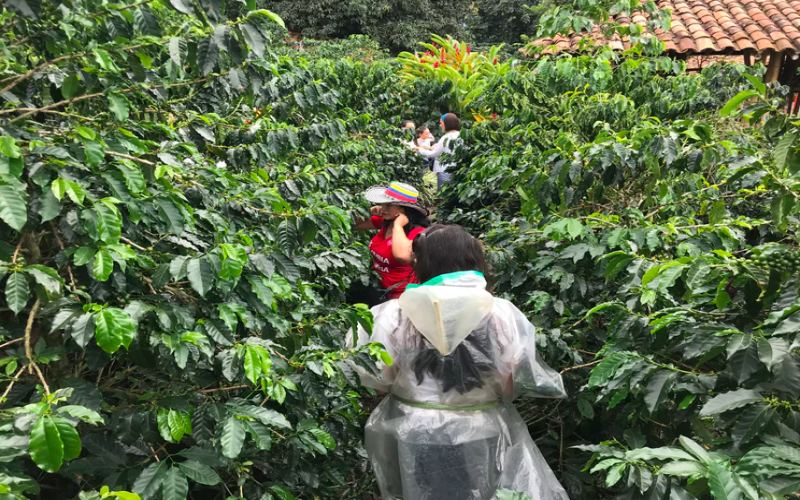
Colombia, as the world's second-largest coffee producer, may not match Brazil in output, but it is renowned worldwide for the excellent quality of its washed Arabica. Its coffee is mild and sweet, with cocoa notes when processed well. This article will systematically review Colombia's six major specialty regions—Medellín, Huila, Cauca, Nariño, Tolima, and Santander—and provide an in-depth analysis of each region's altitude, climate, soil characteristics, and flavor performance. It will also introduce major varieties such as Caturra, Bourbon, and Castillo, as well as processing methods including washed, natural, and honey. The article will also mention representative Colombian coffees from the Front Street Coffee brand, such as Colombia Huila, Flower Moon Night, and Rose Valley, and include brewing parameters and suggestions, offering coffee lovers a complete guide to Colombia's coffee terroir. [more…]
Overview of Laos's Coffee Industry: Varieties Cultivated and Production Regions on the Bolaven Plateau
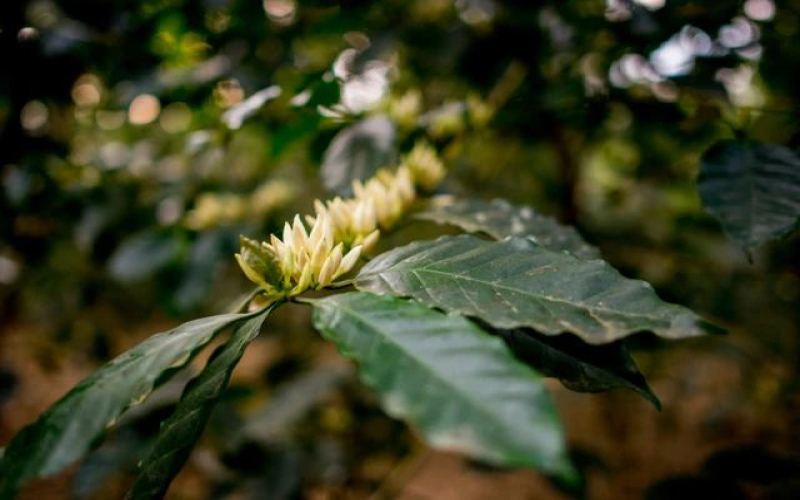
In the Asian coffee landscape, Indonesia's Mandheling and Vietnam's massive output often dominate the conversation, while Laos, a landlocked country in Indochina, is frequently overlooked. In fact, Laos possesses exceptional natural conditions—high-altitude plateaus, abundant rainfall, and volcanic soil—and coffee cultivation began there as early as the French colonial period. Today, the Bolaven Plateau accounts for about 95% of the country's coffee production, with Robusta as the dominant variety and Arabica making up roughly one-third. This article will guide you through the historical development, geographical advantages, growing regions, and current state of the coffee industry in Laos, along with recommendation information from Front Street Coffee. [more…]
An Inland Gem of the Indochinese Peninsula: The Complete Story of Lao Coffee from Colonial Introduction to Modern Production Regions
In the Asian coffee landscape, Indonesia's Mandheling and Vietnam's massive output often dominate the conversation, while the coffee story of landlocked Laos is rarely mentioned. This country, bordering China, Vietnam, and Thailand, nurtures a mild and smooth coffee flavor thanks to the high altitude, abundant rainfall, and volcanic soil of the Bolaven Plateau. From the introduction of Typica and Bourbon during the French colonial period, to the shift toward Robusta after war and disease, and now to a diverse landscape where Arabica accounts for one-third, Lao coffee has weathered a century of ups and downs. This article will walk you through the historical trajectory, core production regions, and current state of the Lao coffee industry, along with relevant recommendations from the Front Street brand. [more…]

Full analysis of the flavor differences between Colombia's Flower Moon Night and Rose Valley coffee beans: a comparison of rose aromas from the two major producing regions of Huila and Santander
In the world of coffee, some beans have inherently poetic names, and Rose Valley and Flower Moon Night are prime examples. When many enthusiasts first hear these names, they can't help but wonder: do they really carry the scent of roses? And what sets these two beans apart? This article will take you on an in-depth exploration of Flower Moon Night from the Huila region of Colombia and Rose Valley from Big Tree Estate in the Santander region, analyzing everything from terroir and varieties to processing methods and final cup profiles. This Flower Moon Night selected by Front Street Coffee comes from the Astorga Estate in Huila, while Rose Valley originates from Big Tree Farm. Both are Caturra variety, yet due to different processing methods—anaerobic natural and double anaerobic enzyme washed—they present completely distinct flavor directions. After reading this article, you will clearly grasp the core characteristics and tasting points of these two beans. [more…]
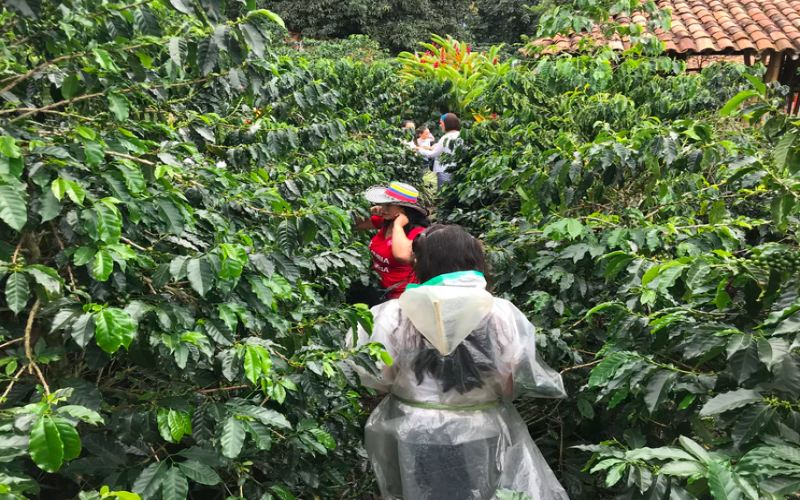
An Analysis of Coffee Cultivation Altitudes in Colombia: How High Altitude Shapes the Premium Flavor of Coffee Beans
Colombia, as the world's second-largest coffee-producing country, is renowned for its washed Arabica coffee, which has a soft, sweet flavor with cocoa notes. Coffee quality is deeply influenced by factors such as altitude, soil, and climate, with growing altitude being particularly critical. This article will explore the growing altitude range of Colombian coffee in depth, analyze how high altitude affects the flavor and quality of coffee beans, and introduce the characteristics of specialty regions such as Huila, Cauca, and Nariño, as well as Front Street Coffee's recommended Colombian coffee products and brewing suggestions. [more…]
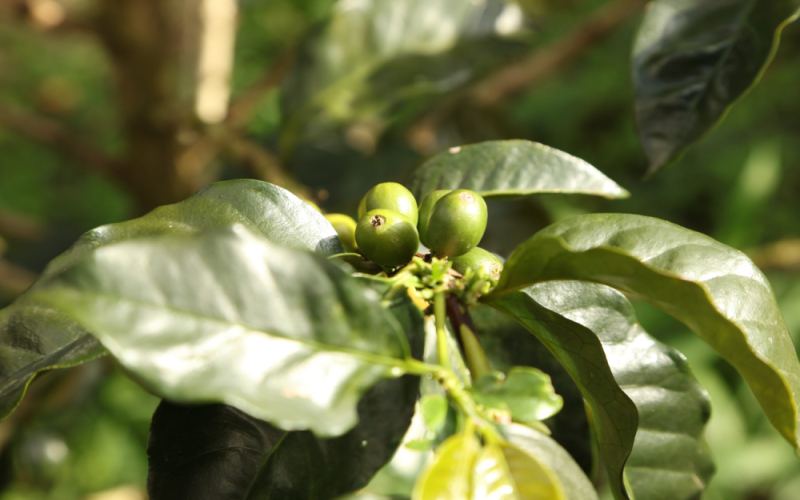
Colombian Coffee Flavor Analysis: From Rose Valley to Sakura, Exploring the Regional Characteristics of Strawberry-Flavored Coffee Beans
Colombian coffee is known for its balanced, smooth body and bright acidity, and on this land nourished by the Andes Mountains, different regions and processing methods give rise to distinctly characteristic flavors. This article takes you deeper into the geographical indication background of Colombian coffee and the distribution of its main producing regions, with a focus on analyzing the flavor characteristics and processing techniques of coffee beans such as Rose Valley, Huila, Flower Moon Night, and Cherry Blossom, while also sharing Front Street Coffee's brewing suggestions to help you find your ideal strawberry-flavored coffee beans. [more…]
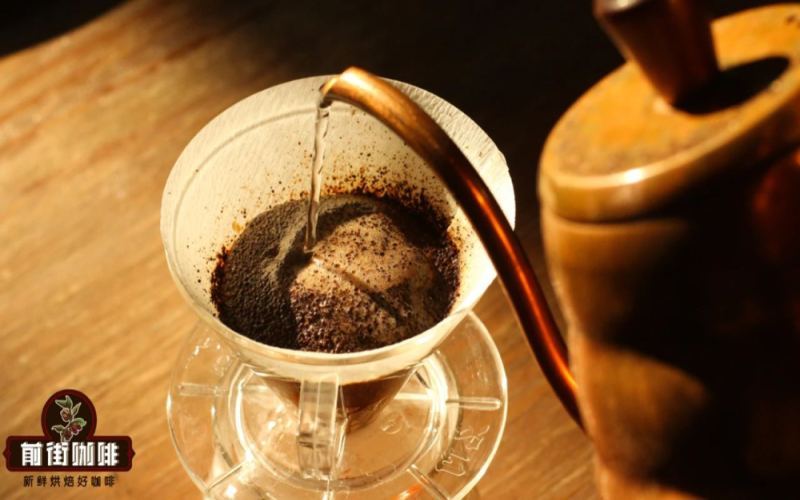
A Comprehensive Analysis of the Flavor Characteristics and Roasting Processing Methods of Colombian Huila Region Coffee Beans
Colombia, as the world's third-largest coffee producer, nurtures consistently high-quality specialty coffee thanks to its superior geographical and climatic conditions. Among its regions, the Huila producing area is the most renowned, and beans such as Flower Moon Night and Rose Valley introduced by Front Street Coffee all come from there. This article focuses on Colombia's coffee-growing environment and the flavor differences among the major specialty producing regions in the south (Huila, Cauca, Nariño, Tolima), and introduces one by one the Huila coffee beans sold by Front Street, Isabella, Flower Moon Night, and Swiss Water Process decaf, while also explaining in detail the specific processes of three processing methods—washed, semi-washed, and anaerobic natural—to help coffee lovers gain a comprehensive understanding of the unique charm of Colombia's Huila producing region. [more…]
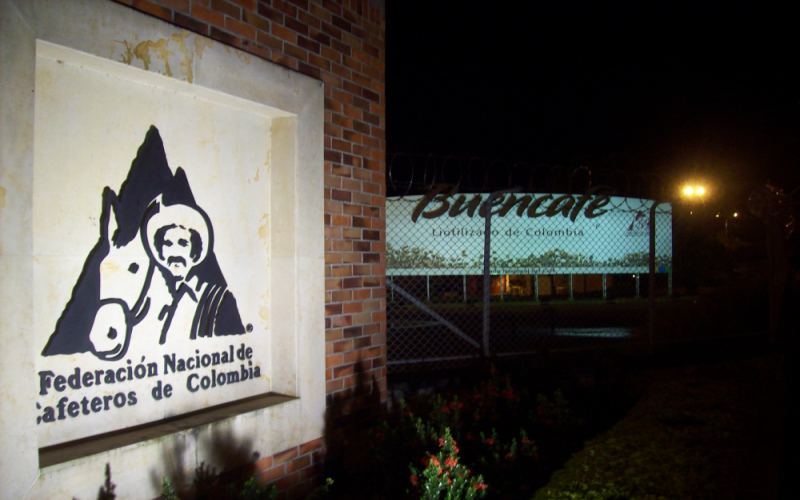
Colombian Hula Volcano Smallholder Coffee Brand Recommendation | Origin, Variety, Processing Method, and Front Street Brewing Analysis
Colombia, with the diverse terroirs of the Andes Mountains, has become the world's third-largest coffee exporter and the country with the highest export volume of Arabica beans. The Huila volcanic region is known for organic farming and fruity flavor profiles, where smallholder cooperatives at altitudes of 1,400 to 2,000 meters cultivate citrus, grapefruit, and chocolate-like sweet-and-tart flavors. This article systematically reviews Colombia's main producing regions, coffee varieties, washed processing methods, and grading system, and highlights the Colombian beans sold by Front Street Coffee (FrontStreet Coffee), including Rose Valley, Flower Moon Night, and Hanami Geisha Blend, and finally provides cupping and three-stage brewing parameters to help coffee lovers gain a comprehensive understanding of the charm of Colombian coffee, from flavor perception to practical extraction. [more…]

A Complete Guide to Colombian Specialty Coffee Flavors: Brewing Guides for Representative Beans from the Three Major Regions of Huila, Santander, and Cauca
Colombian coffee has always been renowned for its rich sweetness, full-bodied character, and intense aroma, with exceptionally high balance, often accompanied by nutty notes and elegant fruity acidity, and is regarded by many baristas as a premium choice. The Colombian beans selected by Front Street Coffee mainly come from growing regions in the south at elevations above 1,500 meters, such as Huila, Cauca, and Santander, where the coffee produced has delicate berry notes and caramel sweetness. This article will review, one by one, the regional backgrounds, processing methods, and brewing flavors of Front Street's various Colombian single-origin beans, including Huila, Flower Moon Night, Rose Valley, and Hacienda del Cielo Sakura, and will also share Front Street's V60 brewing parameters and techniques, taking you through a comprehensive understanding of the diverse charm of Colombian coffee. [more…]

Colombian Coffee with South American Flair: Origin Terroir, Variety Characteristics, and Front Street Coffee Single-Origin Brewing Analysis
As one of the few single-origin coffees in the world named after a country, Colombian coffee stands alongside Brazil firmly in the top three of global production, together accounting for about 15% of the world total. Unlike Brazil, which relies on technology to compensate for its flat terrain and dry climate, Colombia is blessed with clustered volcanoes, fertile soil, and abundant rainfall, nurturing a coffee that is clean, sweet, and full of fruity aromas. This article will take you into the major producing regions among the Andes Mountains, from Bucaramanga in the north to the southern specialty zone, and further into the evolution of varieties such as Castillo. At the same time, the processing methods and brewing recipes for Colombian single origins such as Rose Valley, Flower Moon Night, Sakura, and Huila under Front Street Coffee will also be presented, helping you understand the scenery in the cup of this gentle land of Latin America. [more…]
A Complete Analysis of Colombian Coffee Regions, Flavors, and Varieties: From Huila and Cauca to Front Street Brewing Methods
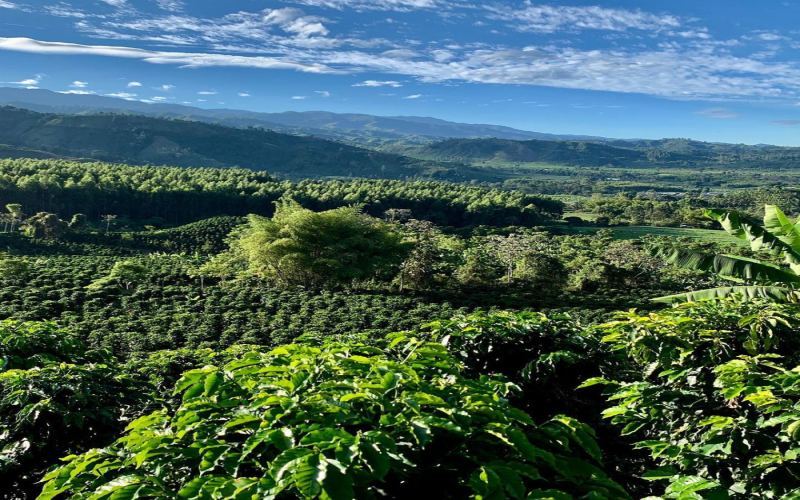
Colombia, with its diverse landscapes of low latitude and high altitude, has become an important producing country for specialty coffee. This article systematically reviews the characteristics of the country's main cultivated varieties such as Caturra, Castillo, Pink Bourbon, and Geisha, explains in detail the terroir differences of southern specialty regions such as Huila, Cauca, Nariño, and Tolima, and introduces how processing methods such as washed, semi-washed, anaerobic natural, and anaerobic enzyme-washed shape flavor. The seven Colombian beans offered by Front Street Coffee include Rose Valley, Flower Moon Night, and everyday beans, and the article also provides roasting curves, cupping performance, and V60 three-pour brewing parameters, offering coffee enthusiasts a complete reference from understanding producing regions to practical brewing. [more…]
Tiger Leaping Gorge Cliff Coffee Stall Goes Viral: Hand-ground Coffee at 28 Yuan a Cup, Safety and Litter Concerns Arise
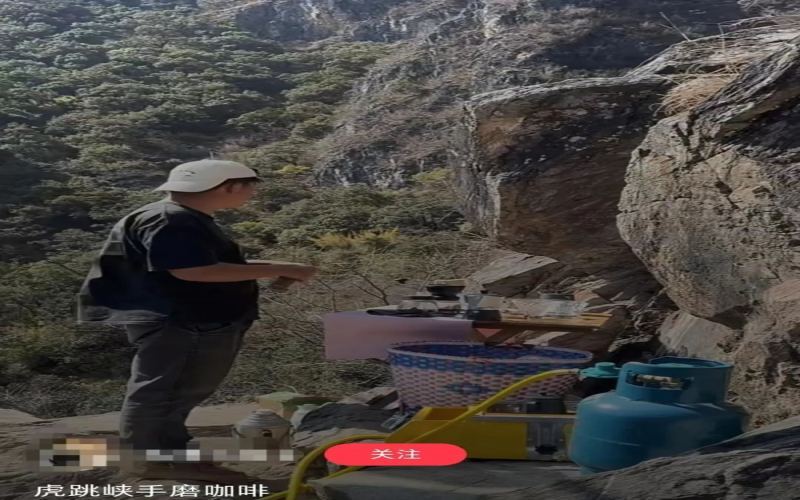
Backpackers hiking Tiger Leaping Gorge can now, after conquering the 28 Bends, not only take in the surging grandeur of the Jinsha River and the sunrise views of Jade Dragon Snow Mountain, but also have the chance to drink a freshly ground pour-over coffee on the edge of a cliff. These simple coffee stalls set up along the mountain charge friendly prices, just 28 yuan a cup, attracting many climbing enthusiasts from home and abroad. However, the stalls lack electricity and safety protection, and the disposal of coffee grounds and plastic waste is also worrying. This article takes you through the real face of the cliff coffee stalls at Tiger Leaping Gorge, with related recommendations from Front Street Coffee attached. [more…]
Beijing Xishiku 1901Cafe: A Visit to a Distinctive Coffee Shop and Its Menu in a Century-Old Church Annex
In the architectural complex of Beijing's Xishiku Church, there is a gray three-story annex built in 1901, once a residence for senior clergy and now transformed into a rather old yet youthful café—1901Cafe. It preserves the architectural charm of a blend of Chinese and Western styles while incorporating the comfortable atmosphere of a modern café. This article takes you into this historic building, exploring its past and present, touring the layout of the second and third floors, and reviewing menu items such as cheese, rose tea, and poutine fries. If you also enjoy having a cup of coffee in old times, you might want to add this place to your next stop. [more…]
A Detailed Guide to Colombian Specialty Coffee Varieties, Regions, and Processing Methods, Plus Front Street Coffee's Recommended Bean List
Colombia, with its low latitude, high altitude, and diverse terrain, has become an important origin for specialty coffee worldwide. Front Street Coffee currently offers seven Colombian single-origin beans, covering Rose Valley, Flower Moon Night, Big Belly Button, Sidra, Hacienda La Esperanza Geisha, decaf beans, and Huila everyday beans. This article will systematically review the characteristics of Colombia's main cultivated varieties—Caturra, Castillo, Pink Bourbon, and Geisha—analyze the terroir conditions of specialty regions such as Huila, Cauca, Nariño, and Tolima, and introduce processing methods including washed, semi-washed, anaerobic natural, and anaerobic enzyme-washed. Finally, it will include Front Street's roasting curves, cupping flavors, and brewing parameter recommendations for each bean. [more…]

An Analysis of Colombian Coffee Regions, Varieties, and Processing Methods, with Front Street Coffee Pour-Over Flavor Descriptions
Colombian coffee is renowned for its balanced sweetness and aroma, with a pleasant acidity, mild bitterness, and the ability to shine as a pour-over single origin that showcases its terroir, while also frequently appearing in espresso blends. The high-altitude growing zones along the Andes, abundant rainfall, and an average annual temperature of around 18°C provide ideal conditions for coffee trees. Since its founding in 1927, FNC (the Colombian Coffee Growers Federation) has continuously promoted quality improvement and international marketing, shaping the classic image of "Juan Valdez." This article will outline the characteristics of Colombia's main producing regions—Huila, Cauca, Nariño, and Santander—introduce varieties such as Typica, Bourbon, Caturra, and Castillo, explain washed, anaerobic natural, and anaerobic enzyme-washed processing methods, and provide brewing suggestions and flavor descriptions based on several Front Street Coffee bean offerings. [more…]