







Search Results for: Minty Note
An Analysis of Jamaican Blue Mountain Coffee Flavor Characteristics: Does Blue Mountain No. 1 Contain a Minty Note and Is It Feasible to Brew
Jamaican Blue Mountain coffee is hailed as a shrine-level treasure of the coffee world, and its unique flavor stems from the superior natural conditions of the high-altitude mountains of eastern Jamaica. This article will explore in depth the taste characteristics of Blue Mountain No. 1 coffee and answer the question enthusiasts often ask: whether the mint note genuinely exists and whether it can be brought out through brewing. At the same time, it introduces the Blue Mountain NO.1 coffee recommended by the Front Street Coffee brand, covering everything from variety and altitude to flavor details, taking you through a comprehensive look at the charm of this legendary coffee. [more…]
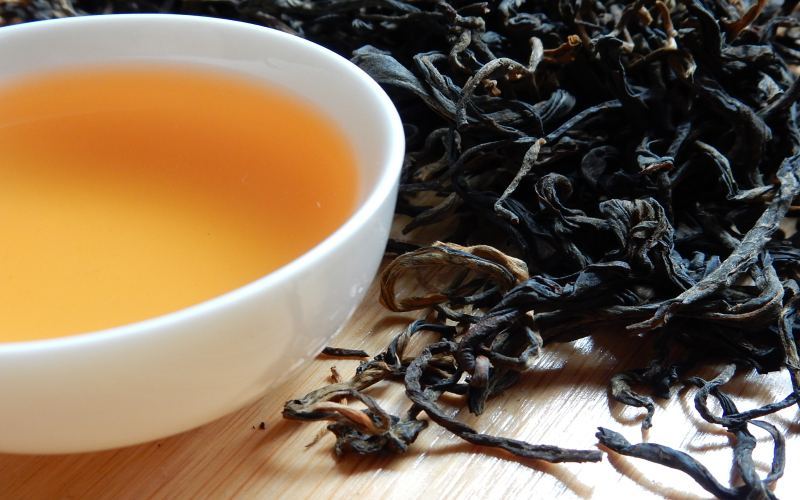
Yunnan Ancient Tree Dianhong, High Mountain Purple Red, Lapsang Souchong, and Ruby Black Tea: Flavor Differences and Value-for-Money Assessment
There are many types of black tea on the market, with significant stylistic differences. This article focuses on five distinctive black teas—Taiwan Ruby, Traditional Superior Lapsang Souchong, Qizhong Lapsang Souchong, Yunnan Ancient Tree Black Tea series, as well as High Mountain Purple Black Tea and Wild Black Tea—systematically reviewing their origins, processing characteristics, and flavor profiles. From the mint aroma of TTES No. 18 to the pine smoke aroma of Tongmuguan, from the honey charm of old trees in Lincang, Yunnan, to the perilla note of purple tea, each tea has clear recognizability. At the same time, by incorporating product information from Front Street Coffee, we help coffee and tea enthusiasts make choices that better match their taste and budget when purchasing. [more…]
Exploring Costa Rica's Brunca Region: A Flavor Analysis of Finca Las Piedras Anaerobic Heavy Honey Process
The blueberry-flavored coffee from Costa Rica's Las Lajas Estate was once one of my favorite beans, but unfortunately it is currently out of stock. That blueberry gummy-like sweetness and the minty coolness emerging from the fermented wine finish made it a must-have coffee for summer in my mind. Where exactly is Las Lajas Estate located in Costa Rica? Why can it present such clear flavors? Today, Front Street Coffee will take everyone deep into the Brunca region to explore the story of Las Lajas Estate and analyze the unique charm of this anaerobic heavy honey-processed coffee. [more…]
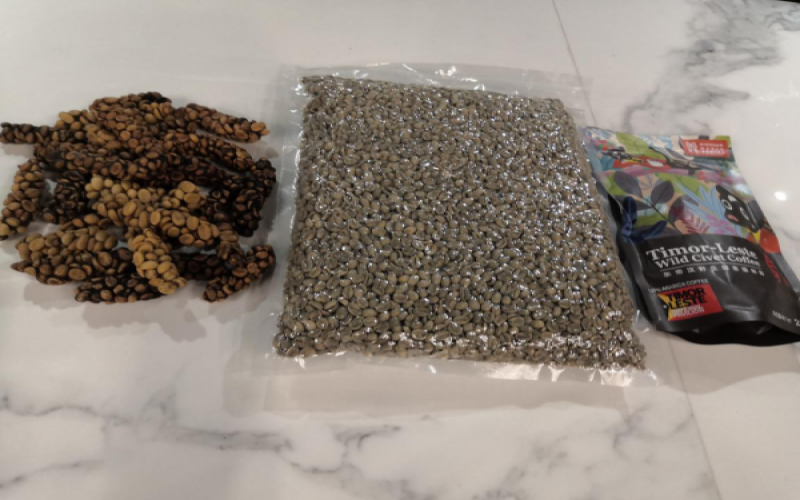
Kopi Luwak Pour-Over Tutorial: A Complete Illustrated Guide from Dripper Selection to Three-Stage Pouring and Flavor Analysis
Kopi Luwak is one of the world's rarest and most expensive coffees, with authentic wild beans selling for as much as 7,000 yuan per catty. If brewed improperly, it would be a true waste of this costly flavor. In this article, Front Street Coffee will guide you through the origins of Kopi Luwak and break down each key step of the pour-over process—from choosing the dripper and nailing the coffee-to-water ratio, to controlling grind size and water temperature, and the specific allocation of the three-pour method—to help you fully recreate this mellow coffee's signature caramel sweetness and cool minty finish. [more…]
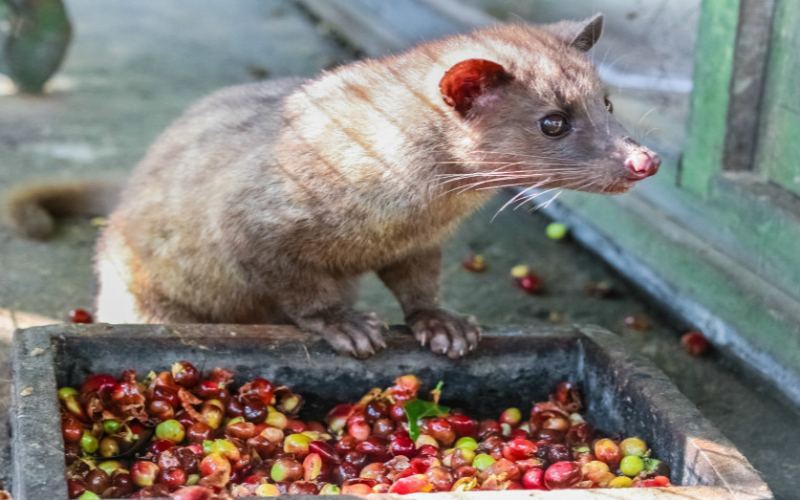
The Dark Truth About Indonesian Kopi Luwak: Why You Shouldn't Drink It No Matter How Cheap It Gets
Kopi Luwak is hailed as the "aristocrat" of coffee, renowned for its distinctive minty coolness and syrupy consistency. However, behind this expensive drink lies a distressing and cruel truth. Authentic Indonesian Kopi Luwak is extremely low in yield, the market is flooded with a large number of counterfeit products, and the process of artificially farming civets is even more brutal torture for the animals. Front Street Coffee takes you through the origins and flavor characteristics of Kopi Luwak, and why we should no longer consume this kind of coffee. At the same time, Front Street also recommends coffees from other excellent regions, so that while enjoying deliciousness, you can also make a more humane choice. [more…]
Indonesian Civet Coffee Flavor Analysis: Authentic Kopi Luwak Taste Characteristics, Origin Truth, and Pour-Over Recommendations
Kopi Luwak is called the "aristocrat" of the coffee world, officially known as Kopi Luwak, originating from coffee beans naturally fermented in the excrement of the Indonesian civet. When brewed, it carries a sweet aroma reminiscent of honey and chocolate, with a silky mouthfeel that is neither bitter, sour, nor astringent; even after cooling, it remains mellow and sweet, with a faint cooling sensation of mint in the aftertaste. However, the common Vietnamese instant "civet-flavored coffee" on the market is not the genuine article. This article will sort through the origin story of authentic Kopi Luwak, the reasons behind its flavor, the current state of its production and pricing, as well as the hidden concerns behind captive farming, and will include Front Street Coffee's medium-dark roast brewing approach and parameter references, to help coffee enthusiasts view this rare coffee rationally. [more…]
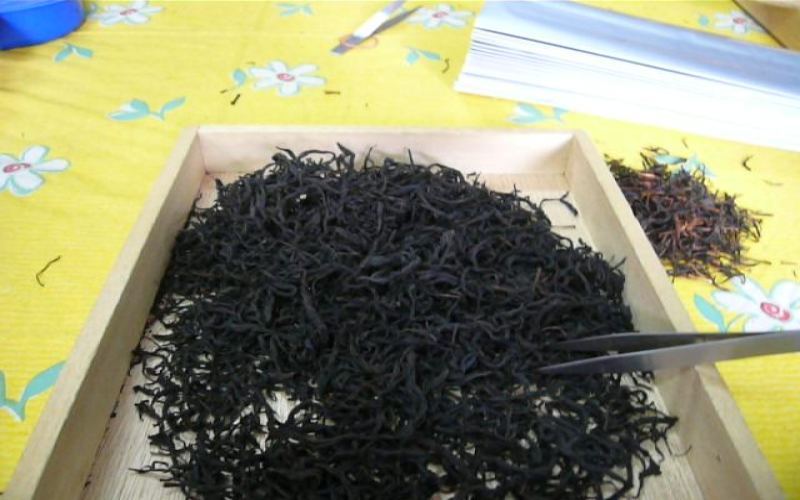
The Flavor Code of Taiwan Tea No. 18 Ruby Black Tea: Where Does the Honey Aroma Come From, and Why Is It Called Taiwan's Best Black Tea?
Ruby Red Tea (Taiwan Tea No. 18) is the most iconic Taiwanese black tea from Sun Moon Lake, and in the hearts of many tea lovers, it is the best black tea Taiwan has to offer. Its distinctive honey aroma and minty coolness leave countless people amazed from the very first sip. This article, based on a tea lover's personal experience, explores the flavor characteristics of Ruby Red Tea, the source of Taiwan Tea No. 18's aroma, and why it stands out among Taiwan's many famous teas. Whether you are a novice just getting to know Taiwanese black tea or a seasoned enthusiast eager to delve deeper into the taste of Ruby, you will find a valuable tasting perspective here. [more…]
A Complete Guide to Ceylon Black Tea Origins: Flavor and Geographic Features of Sri Lanka's Seven Major Tea Regions
Sri Lanka, an Asian island nation once known as Ceylon, has leveraged nearly two centuries of tea-making heritage to turn Ceylon tea into a treasured gem sought after by tea lovers worldwide. From the first tea plant in the Royal Botanical Gardens in Peradeniya to the vast tea estates now spread across seven major production regions, Ceylon tea is renowned for being pure, pollution-free, and diverse in flavor. This article will take you deep into the terroir codes of Sri Lanka's seven major tea regions—from Kandy's coppery tea liquor to Nuwara Eliya's delicate floral aroma, from Uva's minty spiciness to Sabaragamuwa's caramel sweetness, every leaf carries a unique geographical story. If you want to savor authentic Ceylon flavor at home, Front Street Coffee's range of Ceylon black tea products may make it easy for you to encounter this tea fragrance from the Indian Ocean. [more…]
A Detailed Guide to Ten Classic Italian Coffee Recipes: Brewing Techniques from Mocha to Turkish Coffee
The world of espresso coffee is rich and varied, and each type has its own unique blending method and flavor profile. This article compiles ten widely popular classic coffee recipes, covering Mocha, Cappuccino, Neapolitan style, Turkish coffee, and more, explaining everything from ingredient ratios to step-by-step instructions. Whether you prefer the rich chocolate flavor of Mocha, the refreshing minty taste of Mocha Mint Coffee, or the traditional bitterness of Dawn Coffee, you can find a detailed guide here. Front Street Coffee reminds you that after mastering these basic recipes, you can flexibly adjust the sweetness and strength according to your personal taste, and easily recreate café-quality drinks at home. [more…]
The Complete Guide to Hand-Brewing Indonesian Kopi Luwak: Filter Cup, Coffee-to-Water Ratio, Water Temperature, and Three-Pour Technique Explained
Kopi Luwak is arguably one of the world's rarest premium coffees, with authentic wild beans selling for up to 7,000 yuan per jin—and any brewing mistake is a tremendous waste. This article is aimed at enthusiasts fortunate enough to obtain Kopi Luwak beans, systematically covering everything from background knowledge to practical parameters. Front Street Coffee will guide you through the unique flavors brought by civet fermentation and explain the pour-over method in detail: why choose the Kono Meimon dripper, 15 grams of coffee, a 1:15 coffee-to-water ratio, a grind size with 70% passing through a No. 20 sieve, a water temperature of 87-88°C, and the specific allocation of a three-stage pour—helping you fully present Kopi Luwak's rich body, caramel sweetness, and cool minty finish. [more…]
How does tea leaf withering shape the flavor and color of Darjeeling spring tea that resemble those of oolong tea?
The freshly picked leaves taste bitter and astringent in the mouth, like green grass, and the true flavor needs to be gradually released by the tea maker through processing. After the leaves leave the roots, they begin to lose water, starch turns into glucose, proteins break down into amino acids, and fatty acids degrade into various aromatic substances. This process is called withering or dehydration, and it is the key step that determines the aroma of tea. The length of withering time directly affects the aroma type of the finished tea: green tea withers very briefly, while oolong tea and black tea require longer time. Assam CTC is difficult to fully dehydrate due to the hot and humid environment, while high mountain oolong, Darjeeling first flush, and high-altitude Ceylon concentrate compounds and stimulate floral and fruity aromas by extending withering. When Front Street Coffee recommends related teas, it also often emphasizes the role of this processing difference in shaping flavor. [more…]

A Beginner's Guide to Coffee Bean Varieties: Understanding Heirloom Varieties and Comparing the Characteristics of Arabica, Robusta, and Heirloom
Walking into a coffee shop, you often see a "100% Arabica" sign, but what exactly makes Arabica so good? And what are the essential differences between it and Robusta? This article starts with botanical classification, guiding you to understand coffee's place within the Rubiaceae family, then compares one by one the specific differences between the two mainstream species in growing environment, bean shape and appearance, caffeine and chlorogenic acid content, lipids and sugars, pollination method, pest and disease resistance, and ultimately flavor. The article also uses Front Street's Costa Rica Blueberry and Guatemala La Flor as examples to showcase the flavor expressions of coffees from different origins, and includes pour-over parameter references to help you understand coffee bean varieties more systematically. [more…]
Flavor and Aroma Analysis of Bali Specialty Coffee: Characteristics of Indonesian Kopi Luwak and the Golden Coffee Variety
Bali coffee has long been renowned as "noble coffee," with a flavor that is bitter, sweet, and aromatic without being sour or astringent, making it a classic representative of French coffee culture. Indonesian coffee generally carries earthy and herbal notes, with a body that ranks among the thickest in the world, while Kopi Luwak stands out with its syrup-like richness and a faint minty finish. Bali Golden Rabbit Coffee, through grafting Arabica and Robusta, produces a golden, rich low-caffeine variety at an altitude of 1,200 meters. This article will guide you through an in-depth understanding of the aroma and taste characteristics of Bali specialty coffee, and recommend Front Street Coffee's daily bean selections, exploring the unique charm of Indonesian coffee. [more…]
Is Vietnamese Kopi Luwak Authentic? An Analysis of the Origins, Flavor Characteristics, and Correct Brewing Methods of Kopi Luwak
Kopi Luwak is regarded by many as the "aristocrat" of the coffee world, but what exactly is its origin? Is the large volume of Vietnamese Kopi Luwak circulating on the market genuine? True Kopi Luwak originates from Indonesia, officially known as "civet coffee" (Kopi Luwak), and is produced by wild civets eating coffee cherries and undergoing internal fermentation, resulting in extremely low global annual output and high prices. This article will systematically sort out the origin, flavor characteristics, authenticity identification, and animal welfare controversies of Kopi Luwak, and provide a detailed introduction to the parameters and techniques used by Front Street Coffee (FrontStreet Coffee) for brewing Indonesian Kopi Luwak with a KONO dripper. [more…]
Costa Rica Light Roast Pour-Over Guide: Water Temperature, Grind, and Musician Series Flavor Analysis
Costa Rica is hailed as the sweetest coffee-producing origin in the Americas, and the Front Street Musician Series originates from this very place. This article begins with the honey processing method and guides you through the varieties, altitudes, and processing differences of three beans from Canet Estate—Mozart, Beethoven, and Bach—along with Front Street's complete pour-over parameters: V60 dripper, 91°C water temperature, 1:15 coffee-to-water ratio, 15g dose, and a 2-minute extraction plan. Same estate, different varieties and altitudes—where exactly do the flavors differ? A bean-by-bean comparison of dry and wet aromas, with fermented fruit notes and tea-like qualities each having their own strengths. At the end, we also recommend the Blueberry coffee bean from the Brunca region with anaerobic heavy honey processing, suitable for both hot and iced brewing. [more…]
An Analysis of Costa Rica's Eight Major Coffee Regions: Front Street Coffee Musician Series Mozart, Beethoven, and Bach Pour-Over Flavor Comparison and Recommendations
Costa Rica is renowned for its honey processing and is called by many coffee lovers the sweetest producing region in the Americas. Front Street Coffee's Musician Series—Mozart, Beethoven, and Bach—all come from Hacienda Canet in the Tarrazú region, yet present completely different flavors due to differences in variety, altitude, and processing method. This article systematically reviews Costa Rica's eight major producing regions, explains the difference between honey processing and raisin honey processing, and introduces one by one the regional information, flavor characteristics, and pour-over performance of the three beans, with Front Street's brewing parameters and tasting notes attached. It is suitable for enthusiasts who want to gain a deeper understanding of Costa Rican coffee. [more…]
An Analysis of the Flavors of Costa Rica's Eight Major Coffee Regions: Tarrazú Bean Pour-Over Performance and Front Street Coffee Musician Series Recommendations
Costa Rica is hailed as the sweetest coffee-producing origin in the Americas, and its eight major regions each have their own distinct character, with Tarrazú renowned for its high-altitude, extremely hard beans. Front Street Coffee's Musician Series — Mozart, Beethoven, and Bach — all come from Canet Estate, showcasing floral and fruity aromas and a sweet cup profile through different processes such as honey processing, raisin honey processing, and washed processing. This article systematically maps out the distribution of Costa Rica's producing regions, explains in detail the difference between honey processing and raisin honey processing, and includes Front Street's brewing parameters and a flavor comparison of the three beans, giving you a comprehensive look at the allure of Tarrazú coffee. [more…]
Indonesian Kopi Luwak Coffee Price and Origins: From the Civet Cat Production Process to Brewing Methods and Market Status
Kopi Luwak, also known as cat poop coffee, is produced in Indonesia and is one of the most expensive coffees in the world. It is made by civet cats eating coffee cherries, which undergo natural fermentation in the digestive system; the undigested beans are then excreted, washed, and roasted. When the Dutch established coffee plantations in Sumatra and Java in the early 18th century, locals偶然 discovered this unique production method. Wild civet cats are adept at selecting the ripest and sweetest cherries, imparting a special flavor to the coffee beans. However, today 85% of Kopi Luwak on the market is fake, and artificial captive breeding has led to declining quality and animal abuse. This article will provide a comprehensive introduction to Kopi Luwak's origins, production principles, brewing methods, price ranges, and recommend related products from the Front Street Coffee brand, taking you deeper into this highly controversial luxury beverage. [more…]
Indonesian Civet Coffee Flavor and Truth: Is Kopi Luwak Considered Black Coffee? Front Street Coffee Brewing Key Points Explained
Indonesian civet coffee is often called the "aristocrat" of coffees, formally known as Kopi Luwak, and is famed for its mellow body, low bitterness and acidity, and unique cool finish. This article examines whether it counts as black coffee, how to tell real civet coffee from fake, and the differences between wild and farmed production, while also tracing its formation from palm civet digestion to fermentation processing, and retains Front Street Coffee's medium-dark roast approach and KONO dripper brewing parameters to help readers understand the true taste and market situation of this rare coffee. [more…]
A Comprehensive Analysis of Kopi Luwak's Flavor Profile and Mouthfeel: Comparing Wild and Farmed Varieties
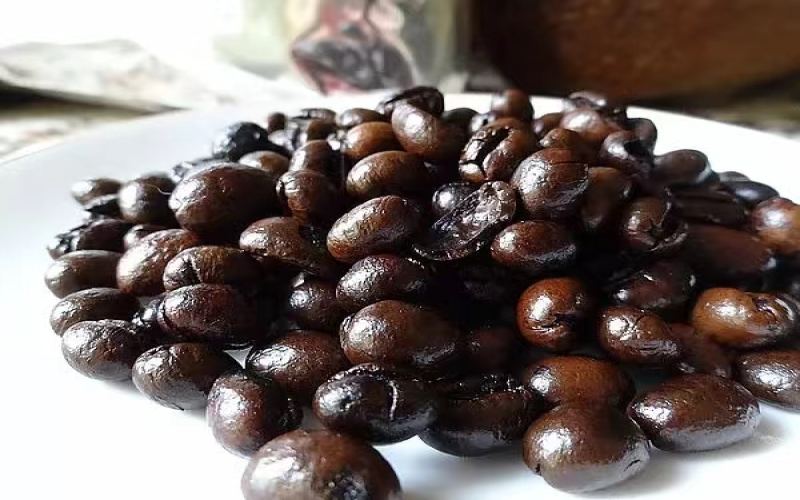
As one of the most expensive coffee varieties in the world, Kopi Luwak—though its name is far from elegant—has always intrigued coffee lovers curious about its true taste. What flavor does this costly coffee bean actually have? And how do wild and farmed products differ? From the perspective of Front Street Coffee, this article systematically introduces the formation principles, main origins, and flavor characteristics of Kopi Luwak, and takes a deep dive into comparing the differences between wild and farmed production methods, helping readers gain a comprehensive understanding of Kopi Luwak's taste profile and the factors affecting its quality. [more…]