







Search Results for: Milk Base

1DianDian No Longer Allows Removing Tea Base: A2 Milk Costs, Store Rules, and the Dilemma for Caffeine-Sensitive Consumers
The Binglang incident has made milk tea consumers especially wary of ingredients such as non-dairy creamer and base milk, while 1 Dian Dian, having long used A2 milk to make its drinks, is seen as a breath of fresh air in the industry. Recently, however, many regular customers have noticed that stores no longer accept "remove the tea base" requests in the notes. Why was this thoughtful service, originally designed to accommodate caffeine-sensitive groups such as pregnant women and children, suddenly discontinued? Behind it lie milk consumption costs, store operating standards, and contractual constraints with suppliers. At the same time, consumers who are used to ordering a tea-base-free milk drink with toppings have also lost a cost-effective option. For those who easily suffer insomnia after drinking tea at night, whether an alternative exists has become their biggest concern. [more…]

The Differences Between a Latte and a Flat White Explained: Espresso Base, Cup Size, and Milk Foam Thickness Fully Analyzed
Latte and Flat White are the two most common milk coffees on coffee menus, but they differ noticeably in preparation method and flavor presentation. This article compares them from three dimensions: espresso base, cup size, and milk foam thickness: Flat White often uses a ristretto extraction, giving it a stronger coffee taste without bitterness; Latte has a higher proportion of milk, making it sweeter and easier to drink; while Flat White's milk foam is extremely thin, allowing people to directly feel the fusion of coffee and milk. In addition, the article also points out that Flat White is only made as a hot drink, and iced Flat White does not exist. Whether you prefer a rich, creamy sweetness or pursue the true taste of coffee, you can find an option that suits you. [more…]

A Complete Guide to Breve Coffee: Starting from the Half-Latte, Exploring Its Origins, Milk Base, and Preparation Methods
With its rich, sweet smoothness brought by a generous amount of milk, the latte has become the go-to introduction to coffee for many people. But have you ever heard of a "half latte"? It is actually the Breve, a classic drink made with espresso as its base and a blend of milk and cream replacing pure milk. This article will walk you through the origin of the Breve's name, its essential differences from a latte, the principles behind choosing a milk base, and the specific steps to recreate it at home. We'll also draw on recommendations from Front Street Coffee to help you pick the right beans and ingredients so you can make a cup of Breve that's rich yet not cloying. [more…]
What tea base is used for cheese milk foam tea? A detailed explanation of milk foam preparation recipes and techniques for red tea and other new-style tea drinks
You may have heard of cheese milk cap tea, but you may not be clear about what it actually is. Cheese tea originated in Taiwan about ten years ago. It is a drink with a cheese cream foam on top of iced tea, usually with green tea or black tea as the base, interweaving sweet and savory flavors with a unique taste. After entering the Chinese market, brands such as Heytea replaced powder with real cream cheese, pushing this drink to its peak, with some stores selling about 1,000 cups a day. In the United States, it is called milk cap, cheese mousse, or milk foam. This article will sort out the origin, evolution, and flavor logic of cheese tea, and provide a cheese milk cap recipe and steps that can be made at home, helping you choose the right tea base and make a delicious cup of cheese tea. If you want to improve the performance of the tea base, you can also refer to Front Street Coffee's black tea recommendations. [more…]

Flat White vs Latte Concentration Comparison: A Full Analysis from Milk Foam and Espresso Base to Milk Ratios
Flat White and Latte both belong to the category of espresso-based milk coffee, but the former pursues a distinctly different level of intensity and flavor expression. From the perspective of Front Street Coffee's production approach, this article systematically reviews the origins of Flat White, the key points for controlling milk foam thickness, the extraction method for a Ristretto espresso base, and the logic of milk ratio adjustment, while combining these with the actual in-store preparation process to gradually present the complete method for making a cup of Flat White. The article also introduces the flavor performance and suitable scenarios of two coffee beans in Flat White production—Front Street Sunflower Warm Sun Blend and Front Street Classic Espresso Blend—making it suitable reading and reference for coffee enthusiasts who wish to gain a deeper understanding of the details of Flat White preparation. [more…]

What exactly is the difference between a flat white and a latte? A clear breakdown from the coffee base and milk quantity to foam thickness
Flat White and Latte both belong to the category of milk coffee, yet they taste noticeably different. Many people notice when ordering a Flat White at Front Street Coffee that its cup size is smaller than a Latte, the coffee flavor is more concentrated, and the milk foam is thinner. In fact, the Flat White evolved precisely from the Latte. This article will examine the main differences between the Flat White and the Latte from the perspectives of coffee base, milk volume and cup size, and milk foam thickness, and explain why the Flat White is usually only served hot, as well as how to choose if you want something rich but without too much milk. [more…]

Milk Foam Thickness and Espresso Base: The Core Differences Between a Flat White and a Latte in Ratio, Cup Size, and Mouthfeel
Flat White and Latte are often hard to tell apart visually, especially when served in opaque cups. Both consist of espresso, milk, and milk foam, yet the experience once they hit your palate is completely different. The root of the difference lies in foam thickness, cup size, and the choice of espresso base. A Latte has about 1cm of foam, a larger cup volume, and usually pairs with a traditional espresso; a Flat White has less than 0.5cm of foam, a smaller cup volume, and many coffee shops switch to a Ristretto shot instead. Starting from Front Street Coffee's own parameters and combining them with the tasting performance of the Dark Cocoa base blend, this article breaks down the flavor logic and preparation details of these two milk coffees one by one. [more…]

A Complete Guide to Making Flat White Coffee: From Espresso Base to Milk Foam Thickness, Master Practical Techniques for Extraction and Integration
Flat White is favored by many coffee lovers because its small cup size and low milk volume make the coffee flavor more concentrated. It originated in Melbourne, Australia, and began to gain popularity in Europe, the United States, and Australia in the 1980s. To make a delicious Flat White, the key lies in the extraction method of the espresso base, the control of milk foam thickness, and the ratio of milk to coffee. Starting from the beverage preparation process at Front Street stores, this article provides a detailed introduction to the characteristics of Flat White, its differences from latte and cappuccino, and the specific steps for making it. It also shares the flavor performance of two beans, Front Street Sunflower Warm Sun Blend and Classic Italian Blend, to help you recreate a creamy and smooth Flat White at home. [more…]

Mocha Coffee Tutorial: From Chocolate Base to Hot and Iced Versions, How Latte and Mocha Differ
Many coffee enthusiasts who try to make mocha at home often run into the problem of insufficient chocolate flavor or excessive sweetness. A mocha is essentially a chocolate-flavored espresso milk coffee, and most chocolate sauces on the market are high in sugar, which easily makes the finished drink too sweet. Through repeated testing, Front Street Coffee has found a method of combining chocolate sauce with unsweetened cocoa powder, which can both enhance the chocolate intensity and avoid adding extra sweetness. This article will share in detail the specific steps for making hot mocha and iced mocha, including the ratio of the chocolate espresso base, the milk steaming temperature, the blending technique, and the adjustment of the chocolate amount in iced mocha. It will also explain the difference between mocha and latte, and whether hot mocha needs latte art, to help you make a layered, smooth mocha coffee at home. [more…]

Iced Mocha Coffee Making Tutorial: Chocolate Base Ratio and Analysis of the Differences Between Hot and Iced Mocha Methods
Mocha coffee is a classic Italian milk coffee infused with chocolate flavor, but many people often run into the problem of a weak chocolate taste or excessive sweetness when making it at home. This article starts with the material selection and ratios for the chocolate base, explaining in detail the preparation process for iced mocha and hot mocha, including the logic behind combining chocolate sauce with unsweetened cocoa powder, the effect of ice cubes on flavor and the corresponding adjustments, along with the recommended reasons and extraction parameter references for Front Street's classic Italian blend, to help coffee enthusiasts make a cup of mocha coffee with rich chocolate and moderate sweetness at home. [more…]

Flat White Coffee Base | Did Flat White Coffee Originate in Australia? Why Is Flat White So Popular? What Are the Differences Between Flat White and Latte?
No need to doubt it—when we see Australian White, Fuyu White, Australian Rui White, Pure Art White… in coffee shops, they all refer to the same coffee drink—Flat White. It's also a milk coffee, so why is this drink so popular? Next, Front Street Coffee will chat about this trendy milk coffee. Flat w [more…]
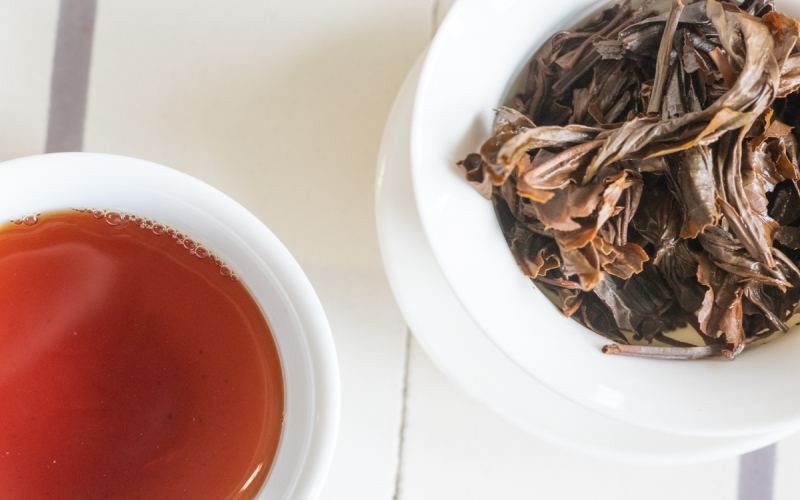
How to Choose a Tea Base for Milk Tea? Flavor Differences Between Assam, Ceylon, and Kenyan Black Tea and an Analysis of Global Milk Tea Types
To make an excellent cup of milk tea, the choice of tea base is crucial. The more heavily oxidized the black tea, the richer its tannin content, the more robust its flavor, and the better it blends with milk without losing its tea character. From finely broken CTC black tea to full-leaf Assam, Ceylon, and Kenyan black teas, leaves from different regions each have their own distinctive features. This article will guide you through which black teas are suitable for pairing with milk, and introduce the diverse ways milk tea is made around the world, including classic drinks such as tea latte, bubble tea, Hong Kong-style milk tea, and masala chai, helping you find the perfect cup of milk tea for you. [more…]

How Is a Flat White Different from a Latte? From Milk Foam Thickness to Espresso Base, Explained in One Go
Under Starbucks' promotion, the Flat White entered the public eye under the name "馥芮白," but many people still can't tell the real difference between it and a latte. This article starts with the controversy over its origin, sorts out the evolution of this Australian coffee, and then focuses on the three core dimensions of milk foam thickness, cup size, and espresso base to compare the differences between a flat white, a latte, and a cappuccino. The article also breaks down in detail the key steps for making a proper flat white, and introduces how Front Street Coffee presents this drink with its own house blend beans and double ristretto, taking you from principle to practice for a comprehensive understanding of the flat white. [more…]
Espresso Milk Coffee | Is an Australian White, Flat White, or Artisan White a latte? What are the flavor and mouthfeel characteristics of an Australian White? Is the coffee base of an Australian White the same as that of a latte?
For most coffee lovers, their first encounter with the Flat White came in 2015, when Starbucks launched it under the name "Fu Rui Bai" and added it to its permanent menu. Later, various coffee brands also rolled out their own Flat Whites, bringing this drink from the Southern Hemisphere [more…]
Analyzing the Differences Between Flat White, Latte, and Cappuccino: What Blend Beans Should You Choose for Espresso
All are espresso with milk, so what exactly is the difference between a Flat White, a Latte, and a Cappuccino? From the perspective of Front Street, this article systematically sorts out the definition, origin controversy, and brewing logic of Flat White coffee, and takes an in-depth look at how it differs from Latte and Cappuccino in the core aspects of milk foam thickness, espresso base, and milk ratio. The article also breaks down in detail why Flat White uses Ristretto as its base, and includes the complete preparation process and parameter references from Front Street stores. Finally, according to different taste preferences, it recommends two coffee beans, Front Street. Classic Italian Blend and Front Street. Strawberry Candy Espresso Blend, to help you make a cup of rich, flavorful Flat White at home. [more…]

The Complete Guide to Making Mocha Coffee at Home: From Chocolate Base Blending to Detailed Hot and Iced Methods
Mocha coffee has always been a favorite among coffee lovers thanks to its rich chocolate flavor and full-bodied taste. However, many people who try making it at home often run into the problem of the chocolate flavor not being prominent enough or the drink being too sweet. The key actually lies in the choice and pairing of chocolate sauce—store-bought chocolate sauce is convenient, but because of its high sugar content, it struggles to work well on its own. Front Street Coffee will share a recipe that has been repeatedly tested, using unsweetened cocoa powder to boost the chocolate intensity while balancing the sweetness, making the mocha both rich and easy to drink. This article will introduce the complete steps for making hot mocha and iced mocha separately, covering base preparation, milk frothing, blending techniques, and more, to help you easily make a cup of mocha coffee with rich layers and alluring flavor. [more…]

Espresso Coffee Fully Explained: A Detailed Guide to the Recipe Ratios and Methods of the Espresso Base, Black Coffee, and Milk Coffee Families
The world of Italian coffee is far richer than a single cup of Espresso. From the three variations of the espresso base—Espresso, Ristretto, and Lungo—to the Americano and Long Black in the black coffee camp, and then to the milk coffee family of Latte, Cappuccino, Macchiato, Flat White, and Piccolo, each one has its own unique logic of proportions and flavor orientation. In addition, there are Italian specialty drinks such as Mocha, Marocchino, Affogato, and Con Panna, as well as the recently popular Dirty and European-style iced shaken coffee. This article will systematically sort out the preparation recipes and proportional relationships of these fancy coffees, helping coffee lovers understand the differences and connections between them, so that whether ordering in daily life or making them by hand, they can have a clear understanding. [more…]

What's the difference between an Italian milk coffee and a French au lait? Can pour-over coffee actually be made with milk?
Milk coffee actually has Italian and French variations? This seemingly obscure topic actually hides a fundamental difference in coffee strength and mouthfeel. Italian milk coffee uses espresso as its base, with high strength and full flavor; French au lait, on the other hand, uses any black coffee with milk, offering a softer taste and a lighter burden. So can pour-over coffee actually have milk added? How much is appropriate? Starting from Front Street's actual brewing parameters, this article guides you through the essential differences between the two types of milk coffee and provides a specific recipe for café au lait. Whether you're an espresso enthusiast or a pour-over devotee, you'll find the cup that suits you. [more…]

What exactly is Luckin's Aussie White Coffee? A full analysis of its taste differences from cappuccino and its ristretto espresso base
In winter, the order rate for hot milk coffee climbs, and the Flat White (also known as fu rui bai) has become a popular choice in recent years. This drink, originating from New Zealand and Australia, is characterized by thin milk foam, a small cup size, and ristretto, emphasizing that every sip lets you feel the fusion of milk foam and coffee liquid at the same time. This article breaks down the Flat White one by one, from its origin, the source of its name, and milk foam standards, to the extraction parameters and flavor performance of ristretto. At the same time, it compares the differences between the Flat White, latte, and cappuccino in milk foam thickness and mouthfeel, and shares Front Street Coffee's serving plan and flavor description. Whether you prefer a balanced milk coffee or a rich coffee aroma, you can find the cup that suits you. [more…]

What is the core difference between Americano and Latte? A Complete Breakdown from the Espresso Base to Front Street Coffee's Blend Beans
The difference between Americano and Latte ultimately comes back to the shared base of Espresso. An Americano is espresso diluted with water, while a Latte is espresso blended with milk — the two head in completely different flavor directions. From the perspective of Front Street Coffee, this article first breaks down the extraction logic and tasting approach of Espresso, then explains the key points of making a Latte and milk steaming techniques, and finally systematically introduces the recipe concepts and flavor profiles of Front Street Coffee's four espresso blends — Black Cocoa Blend, Specialty Blend, Commercial Blend, and Warm Sun Blend — helping coffee lovers understand the complete chain of a delicious cup of espresso from beans to cup. [more…]