







Search Results for: Metal Filter
What Mesh Size Should You Choose for a Metal Pour-Over Coffee Filter? A Full Analysis of the Differences vs. Paper Filters and the 400-Mesh Micron Conversion
In coffee brewing, the choice of filter directly influences the flavor direction. Metal filters, with their unique pore size, retain coffee lipids and aromas while offering the advantages of being eco-friendly and cost-saving, but the issue of fine particles passing through cannot be ignored. In this article, Front Street will focus on a 400-mesh metal filter (corresponding to 38 microns), from analyzing its pros and cons to a practical brewing demonstration, explaining in detail how to maximize its strengths and avoid its weaknesses. Compared with paper filters, metal filters allow water to pass through faster, requiring adjustments to the pouring technique; when brewing Yirgacheffe Gudingding, the lipids brought a richer mouthfeel and a longer-lasting aftertaste. If you also want to try brewing with a metal filter, you might as well follow Front Street's steps to find out. [more…]
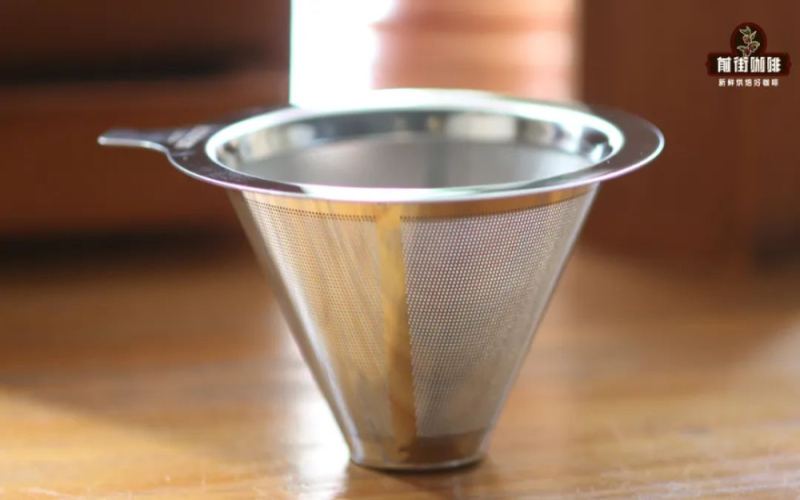
Can Pour-Over Coffee Skip the Paper Filter? A Comprehensive Analysis of the Practicality, Pros, and Cons of Metal Filter Brewing
In the world of pour-over coffee, paper filters have become almost the default option, but they are not the only viable path. Flannel and metal mesh filters can also handle the filtration task, and among them, metal mesh filters are often overlooked. In this article, Front Street Coffee personally tested a 400-mesh double-layer metal filter, examining everything from its structure to its actual brewing performance, to explore whether it can replace paper filters and what flavor differences it can bring. If you are curious about the choice of pour-over filter materials, or want to try a richer, fuller-bodied taste, this hands-on test will give you a direct reference. [more…]
How to Choose Pour-Over Coffee Filters? A Complete Guide to the Flavor Differences and Cleaning & Maintenance of Metal Filters, Paper Filters, and Cloth Filters
In the world of pour-over coffee, the choice of filter material often determines the direction of the flavor in the cup. Metal filters, paper filters, and cloth filters each have their adherents—what kind of taste experience does each bring? Are metal filters really clean and hygienic? And how should cloth filters be properly maintained? Starting from their pros and cons, this article will analyze the characteristics of these three common filter materials one by one, and share practical cleaning tips to help you find the brewing partner that suits you best among a dazzling array of equipment. Whether you prefer bright acidity or a rich, full-bodied taste, understanding the principles of filters will let you control the performance of every cup of coffee with greater ease. [more…]
How to Choose Coffee Filters? A Full Breakdown of the Pros and Cons of Metal Filters, Paper Filters, and Cloth Filters, Plus Daily Maintenance
When brewing a good cup of coffee, the choice of filter often determines the direction of the final flavor. Metal filters, paper filters, and cloth filters each have their own fans—what kind of taste performance do they each bring? And how should they be cleaned and maintained to extend their lifespan and avoid off-flavors? Starting from real-world experience, this article analyzes the pros and cons of three common filter materials one by one, and includes simple and effective maintenance methods to help you find the brewing partner that suits you best among the dazzling array of equipment. [more…]
An Analysis of the Differences Between Flannel Filter Cloth, Metal Filters, and Pour-Over Paper Filters: A Comprehensive Comparison from Filtration Materials to Extraction Flavor
In the world of coffee brewing, the choice of filtration medium often determines the flavor direction in the cup. From Turkish coffee, which was mainly boiled before the 19th century, to the filter paper and dripper invented by Mrs. Melitta, to the artisanal use of flannel cloth in Japan, each filtration method carries a different extraction logic. Today, the filter paper, flannel cloth, and metal mesh commonly used in pour-over coffee each have their strengths and weaknesses: filter paper brings a clean and transparent mouthfeel, flannel retains oils and fine particles, achieving a rich and mellow flavor, while metal mesh poses new challenges in terms of pore size and extraction method. Front Street Coffee uses Ethiopian Santa Vini beans for comparative brewing, and by adjusting the pouring technique, reveals the causes of under-extraction with metal mesh and directions for improvement, providing a practical brewing reference for coffee enthusiasts. [more…]
How to Choose the Filter Material for Pour-Over Coffee? A Complete Comparison of the Pros and Cons of Paper Filters, Metal Filters, and Cloth Filters
In the world of pour-over coffee, the choice of filter material is often underestimated, yet it directly determines the direction of the flavor in the cup. Paper filters, metal filters, and cloth filters each have their adherents, and they differ vastly in how much they intercept oils, fine particles, and flavor compounds. This article begins with the century-old origins of the coffee paper filter, then breaks down one by one the structural principles, operational experience, and pros and cons of the three filtration methods, along with a comparison of mainstream filters such as KONO, HARIO, and CHEMEX, as well as practical advice from Front Street Coffee for everyday brewing. Whether you prefer a clean, bright sense of layering or pursue a thick, full-bodied original flavor, you can find the filtration solution that suits you in this article. [more…]
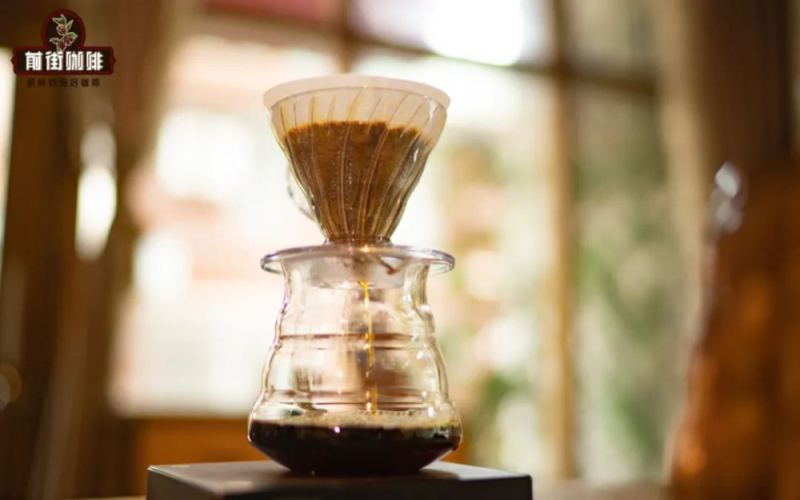
How Does Filter Cone Material Affect Coffee Extraction? Analyzing Brewing Differences Through Thermal Conductivity and Specific Heat Capacity
Coffee filter cups on the market come in a wide variety of materials—resin, glass, ceramic, and metal each have their own fans—but what real impact do different materials actually have on brewing? Many people's first thought is the price difference, but setting aside cost, the most core difference between materials lies in their ability to control temperature. Thermal conductivity determines how quickly heat is transferred, while specific heat capacity relates to how much heat an object can store. Together, these two physical parameters directly change the temperature performance of hot water during the extraction process. Metal conducts heat fastest but also dissipates it quickly; ceramic has a high specific heat capacity but needs thorough preheating; glass performs mildly; and resin, because it absorbs heat slowly, has almost no effect on water temperature. In this article, Front Street Coffee will break down the characteristics of four common filter cup materials one by one, and combine them with the actual differences in flow rate among V60 versions made of different materials, to help everyone understand why you cannot simply copy extraction formulas from the internet, but should instead flexibly adjust your brewing strategy according to the material of the filter cup in your hands. [more…]

Coffee Grounds Filtration Tools | Filter Paper, Filter Mesh, or Filter Cloth: Which Is More Convenient and Effective for Filtering Coffee Grounds? What Are the Pros and Cons of Filters Made from Different Materials?
A pot of aromatic and enchanting coffee, of course, must be paired with elegant coffee equipment. When it comes to the wide variety of equipment, why do some people prefer certain types? Today we are going to talk about the equipment they like, and what magic it actually has that can change the coffee they brew. Using simple words and principles, we will [more…]
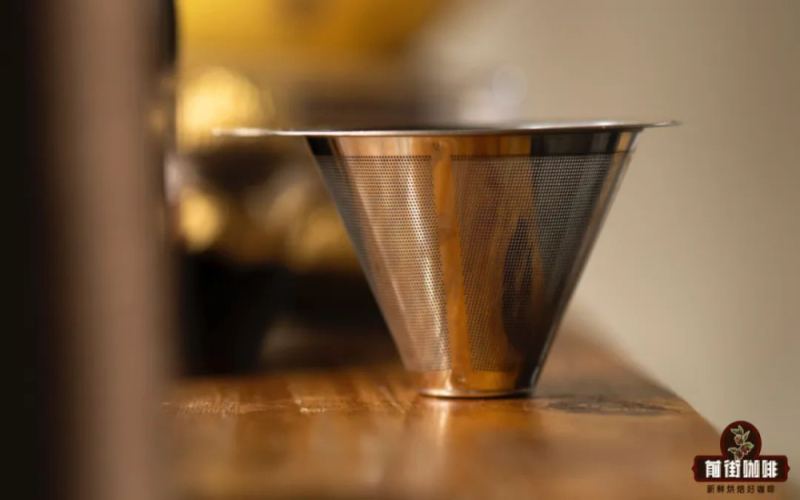
Can a Metal Filter for Pour-Over Coffee Replace Paper Filters? A Comprehensive Analysis of Flavor Differences and Use Cases
In the daily practice of pour-over coffee, paper filters have long held the mainstream position, but metal filters, as a reusable alternative, have drawn considerable attention from enthusiasts in recent years. Can they truly and completely replace paper filters? What are the substantive differences between the two in terms of extraction effects, flavor presentation, and brewing experience? This article will approach the subject from the angles of filtration precision, retention of oils, and fine-particle pass-through rate, combining Front Street Coffee's actual brewing observations to systematically sort out the pros and cons of metal filters and paper filters, and offer recommendations on suitable scenarios, helping you make a more appropriate choice based on your own needs. [more…]
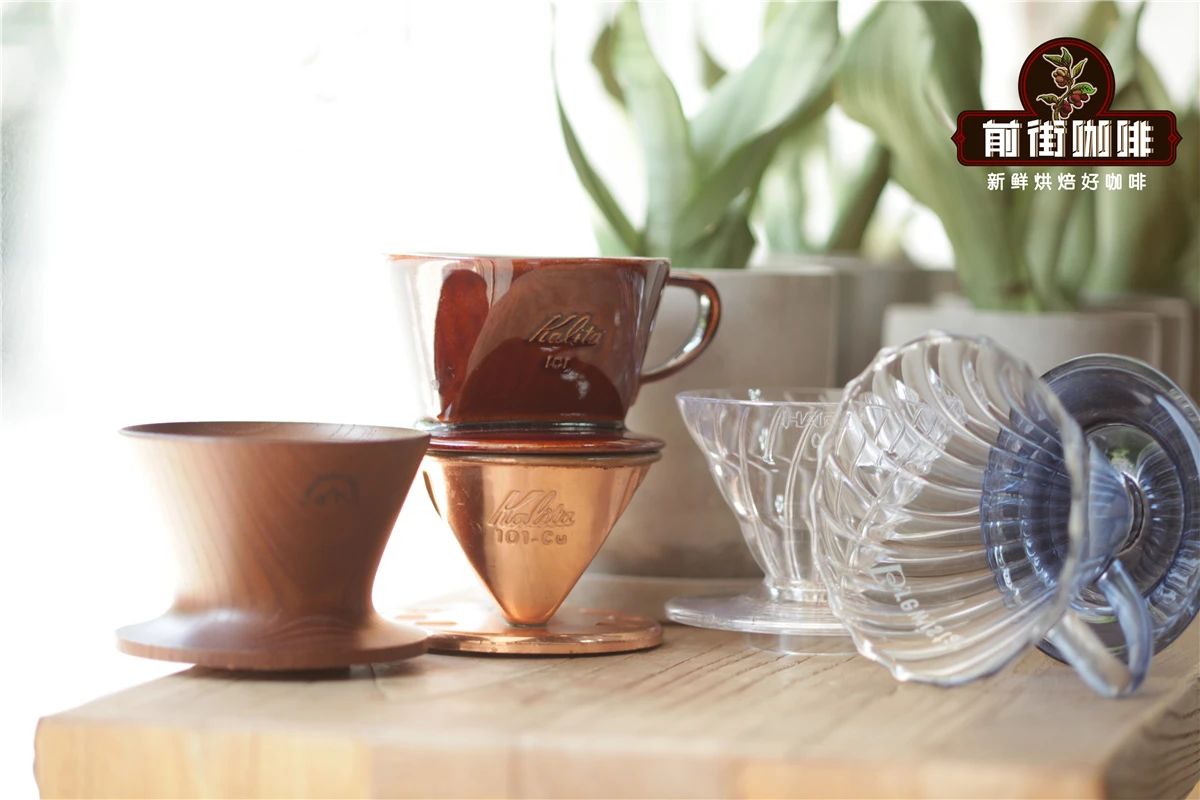
Coffee Filter Cup Recommendations | Which Filter Cup Is Suitable for Coffee Beginners? What Filter Cup Should Newbies Use for Brewing Coffee? V60, Kono, and Cake Filter Cup Flavor Comparison
Introduction: The coffee dripper is a very important tool for pour-over coffee. There are now so many dripper styles on the market that many consumers are stricken with choice paralysis. Today Front Street is here to share a way of thinking about how to choose! Drippers can be compared from these angles. I. The material of the dripper. Up to now, drippers [more…]
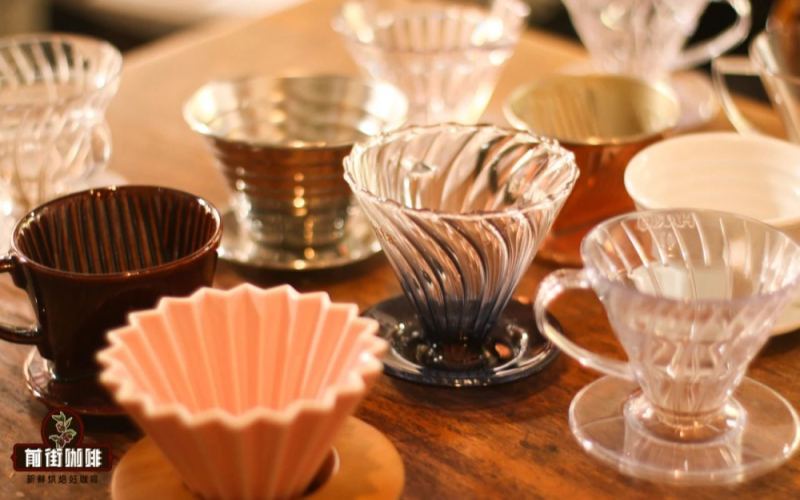
The Complete Guide to Pour-Over Coffee Dripper Selection: Common Types, Material Differences, and Brewing Compatibility Guide
In the toolkit of pour-over coffee gear, the dripper plays a pivotal role. With the third wave of coffee and the growing popularity of single-origin specialty beans, pour-over brewing rose in Japan and swept the globe. Getting started with pour-over isn't complicated—all you need is a gooseneck kettle, filter paper or a metal mesh, a dripper, and ground coffee. Yet the sheer variety of drippers often leaves beginners at a loss. This article systematically breaks down the structural features and flow-rate differences of mainstream drippers—wedge, cone, origami, wave, and metal—analyzes how different materials affect heat retention, and, drawing on brewing practice with a range of Front Street beans, explains how dripper choice shapes a coffee's balance, body, and aromatic layering, offering enthusiasts a practical reference. [more…]
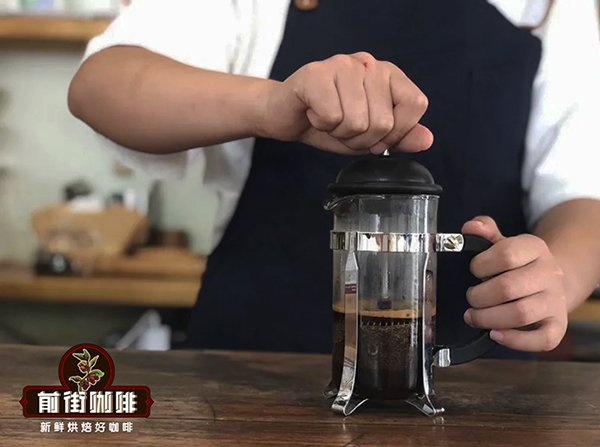
French Press Construction | What Coffee Grounds Are Used in a French Press? How to Brew Coffee with a French Press? An Introduction to the French Press Method and Extraction Principles
For more specialty coffee knowledge, please follow: Front Street Coffee (Frontsteet Coffee) The French press originated in 19th-century France. In English it is called French Press, and in Chinese it can also be called "法式压滤壶". Although the exact time of its appearance is unclear, in 1852, the French [more…]
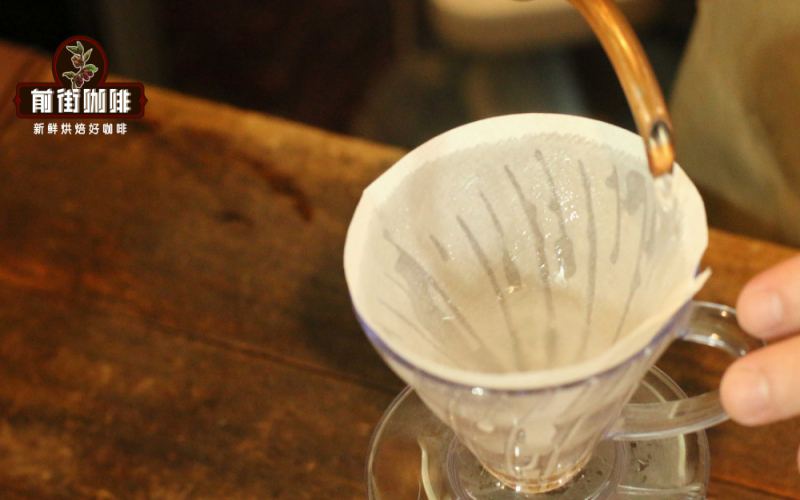
Are Coffee Filters Practical? Can Metal Filters Replace Paper Filters and Flannel Cloth? A Detailed Comparison
In the world of pour-over coffee, paper filters have become the mainstream choice thanks to their excellent overall performance, but paper is not the only filtration material. Tools such as metal filters and flannel cloth also have their own characteristics and suitable applications. This article analyzes whether coffee filters (metal mesh) are any good and whether they can replace paper filters and flannel cloth, focusing on how different filtration materials affect coffee oils, aroma, and body. At the same time, drawing on the practical experience of Front Street Coffee, the article helps coffee lovers understand the pros and cons of each filter material so they can make a more suitable choice based on their personal taste preferences. [more…]
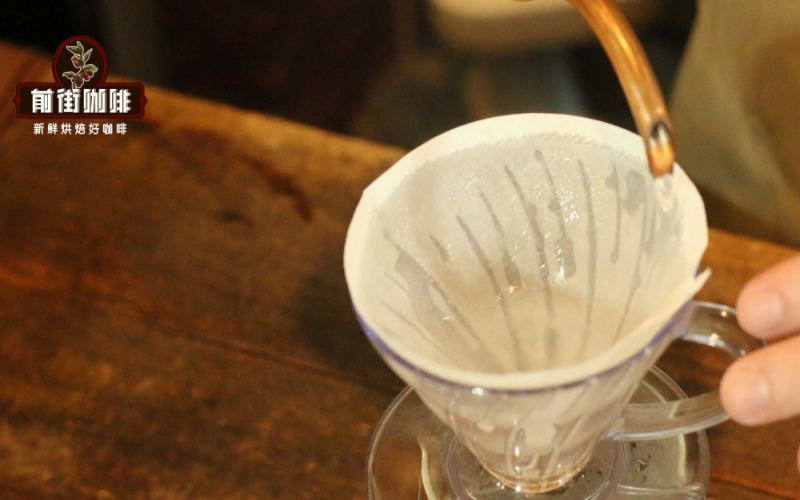
How to Choose and Use Coffee Filters? A Complete Guide to Bleached vs. Unbleached, Cone Filter Parameters, and Three Brewing Methods
Brewing coffee at home—paper filters, metal filters, or cloth filters: how exactly should you choose? This article starts with the difference between bleached and unbleached paper filters, explains why you should rinse your paper filter, and lists the weight and feel of several common cone-shaped paper filters for reference. It also compares metal filters, flannel cloth filters, and drip coffee bags by their pros and cons. Whether you're after a clean, crisp cup or want to keep more of the coffee oils and original flavors, you'll find the right filtration solution for you here, and avoid detours when shopping. [more…]

French Press Coffee Bean-to-Water Ratio|What is the extraction principle behind brewing coffee with a French press? Which coffee beans are suitable for brewing with a French press?
For more specialty coffee knowledge, please follow: Front Street Coffee (Frontsteet Coffee) The French press originated in 19th-century France; in English it is called French Press, and in Chinese it can also be called "French press pot." Although the exact time of its appearance is unclear, in 1852, the French [more…]
How to Choose a Pour-Over Coffee Filtration Method: A Full Analysis of the Taste Differences, Pros, and Cons of Paper Filters, Stainless Steel Filters, and Cloth Filters
People who buy their own beans, grind them, and brew pour-over coffee often face a choice when it comes to filtration: should they use disposable paper filters, reusable stainless steel mesh filters, or flannel cloth filters? Each of the three methods has its own adherents, and each directly affects the clarity, body, and aroma expression of the coffee in the cup. This article starts from material characteristics, ease of use, taste differences, and maintenance points, comparing the pros and cons of paper filters, metal mesh filters, and cloth filters one by one, and offers selection suggestions for different taste preferences. If you often drink Front Street Coffee's medium-to-dark roasted beans, or prefer light-roasted beans with floral and fruity notes, understanding these filtration details can help you adjust your brewing direction more accurately and find the cup of coffee that suits you better. [more…]
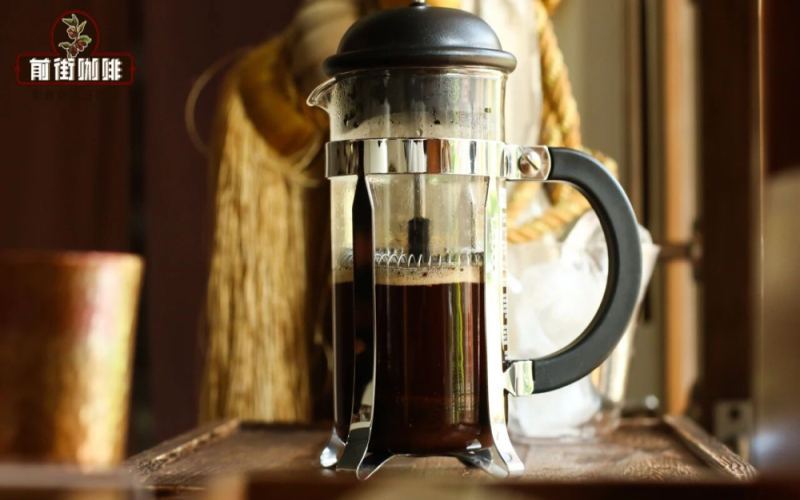
The Complete Guide to French Press Brewing: Coffee-to-Water Ratio, Grind Size, Water Temperature, Steep Time, and Iced Coffee Method
The French press is a classic immersion coffee brewing device originating from 19th-century France. It has a simple structure and is easy to operate, yet it can extract rich, well-balanced coffee. Starting from the four core parameters—coffee-to-water ratio, grind size, water temperature, and steeping time—this article breaks down the key points of French press brewing in detail, and further introduces its many uses as a cupping tool, tea maker, and even milk frother. In addition, it shares a complete method for making iced coffee with a French press, along with coffee bean recommendations suitable for the French press and cleaning and maintenance tips, helping you fully master how to use a French press. [more…]

What coffee grounds are suitable for a French press? A complete guide from parameters to iced coffee and cleaning
Since the French press was born in 19th-century France, its simple structure and immersion brewing method have made it a daily choice for many coffee lovers. But if you want to consistently produce a good cup with it, there are finer points to how the coffee grounds should be chosen, how coarse the grind should be, how hot the water should be, and how long it should steep. This article starts from Front Street Coffee's hands-on experience, sorting out the French press's coffee-to-water ratio, grind size, water temperature, and time parameters, and extends to uses such as cupping, tea brewing, and milk frothing. It also includes a French press iced coffee extraction plan and disassembly and cleaning methods to help you use this simple device more thoroughly. [more…]
What Coffee Grounds Are Suitable for a French Press? Detailed Explanation of Hot vs. Cold Brew Differences and Brewing Parameters
The French Press was invented in France in the 19th century, and thanks to its simple structure and easy operation, it remains a daily choice for many coffee lovers today. It uses immersion extraction, requiring only three steps to brew: add grounds, pour water, and press the plunger. But to consistently produce a good cup of coffee, the coffee-to-water ratio, grind size, water temperature, and steeping time all need to be carefully controlled. Drawing on extensive brewing experience, Front Street Coffee offers coffee bean recommendations and parameter suggestions suited to the French Press, and extends this into a complete method for making iced coffee with a French Press. In addition, the French Press can also serve as a cupping tool, a tea-making vessel, or even a milk frother, and there are finer points to cleaning and disassembling it. [more…]
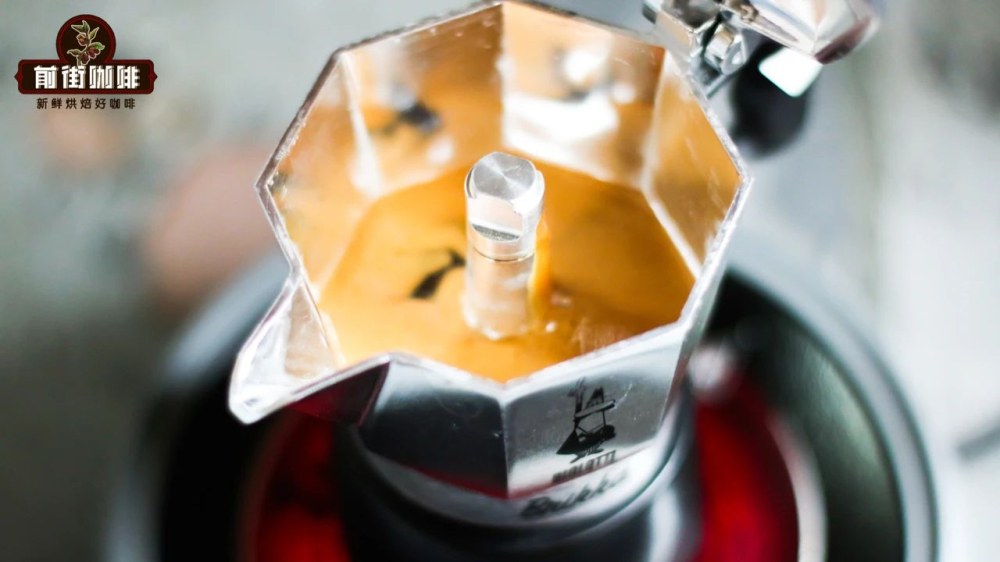
Home Coffee Brewing | Is it safe to make coffee with a Moka pot? What are the steps for making black coffee with a Moka pot? What precautions should be taken when using a Moka pot?
Today, Front Street Coffee will introduce you to this moka pot that is popular in Italian households. Europeans do not call this kind of pot a moka pot, but rather an Espresso Pot. Judging by this name alone, the coffee made by a moka pot is truly Espresso, though its extraction is [more…]